De Librije










De Librije has held three Michelin stars since 2004, making it one consistently decorated restaurant in the Netherlands over the past quarter-century. Housed in a converted women's prison in Zwolle, it operates Thursday through Saturday evenings under chef and co-owner Nelson Tanate, with a programme built on regional produce, fermentation, and a vegetable-led approach that shaped modern Dutch cooking.
Pearl is the En Primeur Club membership app — saves, bookings, and concierge access live there. Same editors, same standards.
- Address
- Spinhuisplein 1, 8011 ZZ Zwolle, Netherlands
- Phone
- +31 38 853 0000
- Website
- librije.com
- Directions
- Get directions
 Saves & bookings on Pearl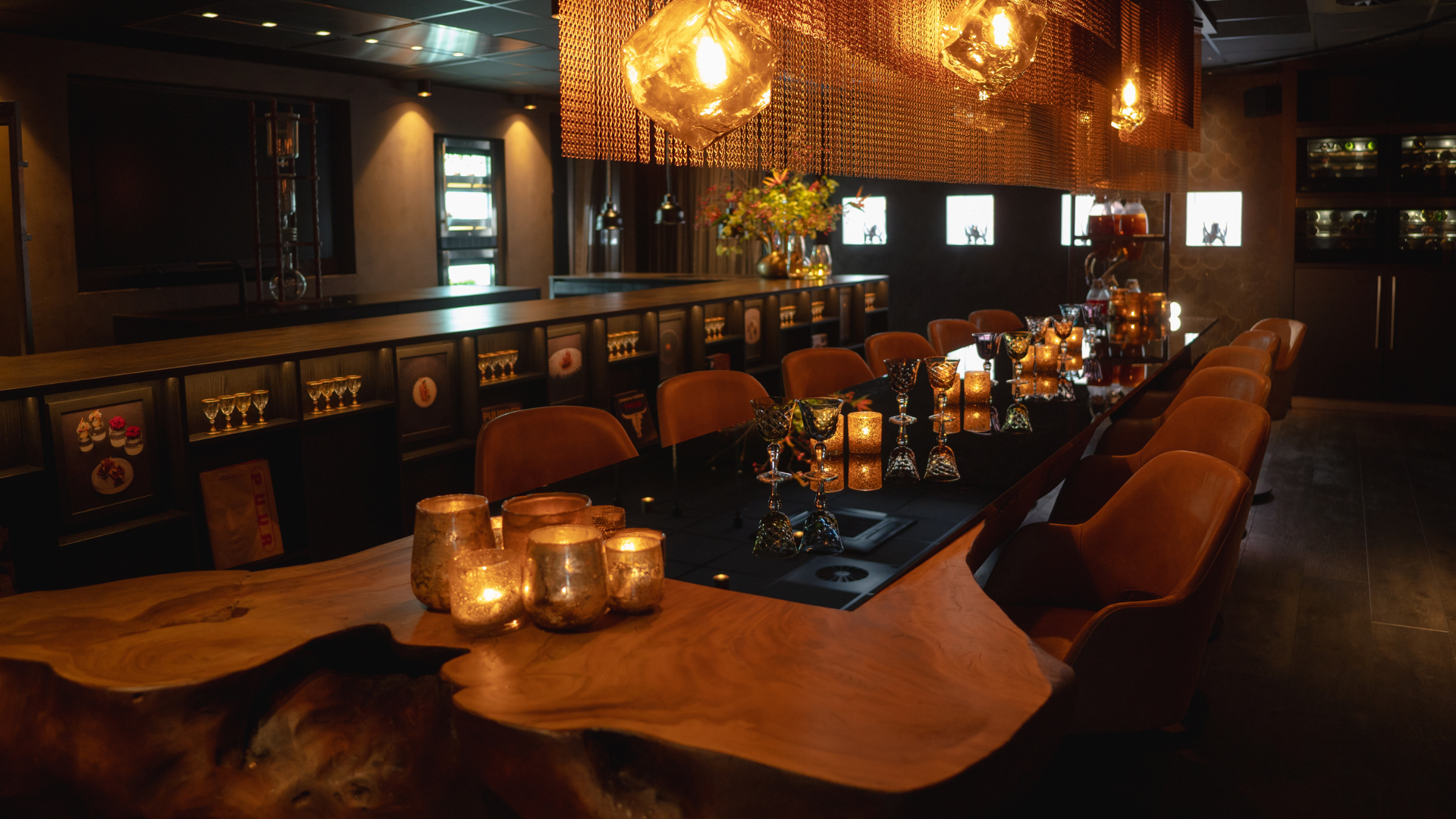
A Converted Prison, a Continental Reputation
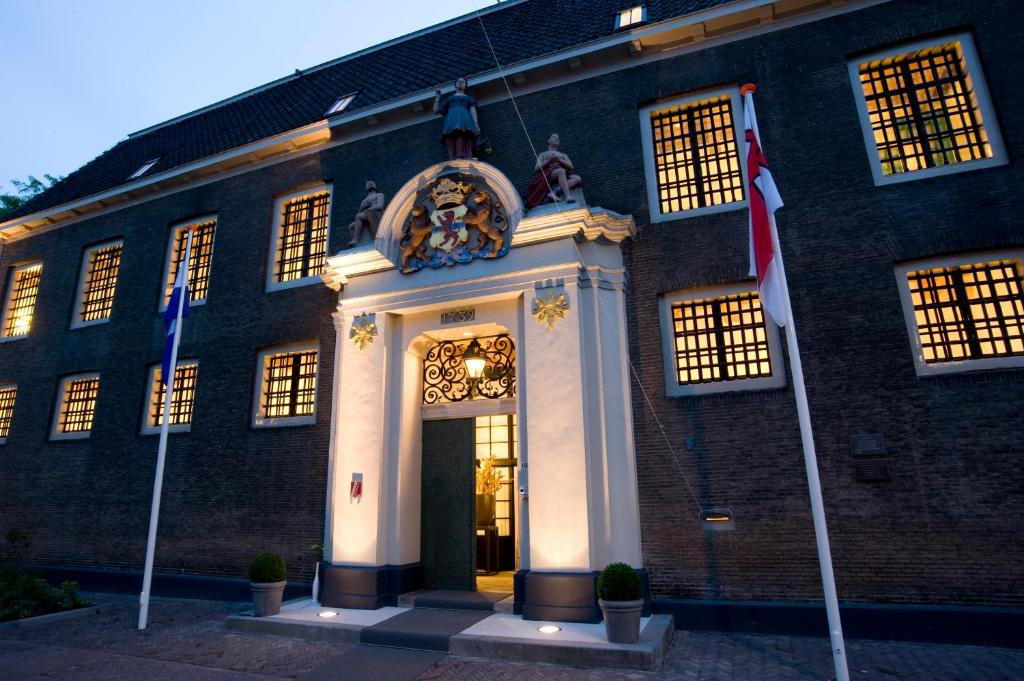
De Librije is a three-Michelin-star restaurant in Zwolle, Netherlands, led by chef Nelson Tanate. The building announces itself before the food does. De Librije occupies the former women's prison on Spinhuisplein in central Zwolle, its glass-covered courtyard now serving as a dining room where the architecture of confinement has been repurposed into something close to its opposite. Arriving here, particularly in the longer evenings of April through June when northern light holds late over the Overijssel skyline, the setting carries a physical charge that no conventional restaurant interior could manufacture. The 19 hotel rooms within the same building mean some guests never leave the premises between dinner and breakfast, which is either convenient or immersive depending on your disposition.
For context on where this sits in the Dutch fine dining hierarchy: three Michelin stars since 2004 is a record that few European restaurants can match for duration. In the Netherlands, no other address holds that distinction with comparable consistency. La Liste placed De Librije at 97.5 points in 2025, dropping slightly to 96 points in 2026, while Opinionated About Dining ranked it 9th in Europe in 2024 and 20th in 2025. The World's 50 Best placed it as high as 29th in 2014. The closest conversation is with houses like Inter Scaldes in Kruiningen and Parkheuvel in Rotterdam.
What the Programme Is Built On
Dutch fine dining spent decades in the shadow of French and Belgian neighbours, and the transformation of the past twenty-five years owes something measurable to the approach that became standard here in Zwolle. Sustainable regional sourcing, a structural emphasis on vegetables, fermentation used for acidity and freshness rather than novelty: these are now conventional markers of serious cooking across northern Europe, but they were not always so. The kitchen at De Librije was among the first in the Netherlands to treat them as a coherent programme rather than a set of borrowed trends.
The vegetable work is specific enough to merit its own infrastructure. The restaurant maintains a dedicated department in the greenhouses of Eef Stel, growing ingredients including lemon verbena, cardoon, mini-vegetables, and edible flowers from the East Indian cherry. That degree of supply-chain control is more common at this level today than it was a decade ago, but the depth here, a dedicated greenhouse section producing for a single restaurant, remains an operational commitment that shapes what arrives at the table in ways that a seasonal market list cannot replicate. The vegetable menu has received a five-Radish rating from Opinionated About Dining, a signal of how seriously that side of the programme is taken by the specialist press.
The Transition and What It Means for the Dining Room
The death of Jonnie Boer was a significant moment in Dutch gastronomy, felt beyond the Netherlands in the professional community and among the restaurant's longtime following. The kitchen now operates under chef and co-owner Nelson Tanate, with Thérèse, Isabelle, and Jimmie Boer continuing the front-of-house and operational continuity that made the original reputation. The approach remains averse to convention.
In terms of critical standing, the transition has not triggered the kind of reassessment that sometimes follows a founding chef's departure. The La Liste score held at 97.5 points through 2025 before a marginal reduction in 2026, and the Michelin three-star designation has been maintained. The immediate record suggests institutional continuity rather than disruption. Within the Netherlands, houses like Aan de Poel in Amstelveen and De Bokkedoorns in Overveen occupy the two-star tier that restaurant anchors from above.
Planning a Visit: What You Need to Know Before You Go
The restaurant operates Thursday through Saturday, opening at 6pm, with service running to midnight. Monday through Wednesday and Sunday the restaurant is closed. The compressed four-night window per week, combined with the restaurant's reputation drawing visitors from across Europe, means that booking is the primary logistical variable for any visit. Anyone planning a trip specifically around a table here should treat the reservation as the first step in the itinerary, not the last.
The chef's table format operates as a distinct experience within the building, offering a closer view of the kitchen programme for parties who want greater immersion in the operational detail. The 19 hotel rooms within the converted prison allow guests to extend the evening without the practical constraints of getting back to accommodation elsewhere in Zwolle. For those staying in the building, the proximity collapses the usual separation between dining and lodging that defines a one-night destination visit into something more contained and deliberate.
Zwolle itself is a two-hour train journey from Amsterdam, placing the restaurant within day-trip range of the capital but far enough to reward an overnight stay. The city's dining scene at the tier below the restaurant includes Brass Boer Thuis (a regional cuisine address connected to the same Boer family network), Restaurant Affect in the modern cuisine bracket, and 't Pestengasthuys for a farm-to-table alternative.
The difference at the restaurant is the combination of a shorter operating week and a higher international profile, which compresses available dates more aggressively than most peers in this tier.
Wine and the Front-of-House Dimension
Star Wine List has ranked the restaurant in its leading four Dutch wine programmes for multiple consecutive years, including four separate rankings in 2025 (positions one through four, suggesting a multi-format evaluation methodology). The wine programme has been part of the restaurant's reputation since before the current era: the source notes in our awards data include a perspective from a former the restaurant sommelier, flagging the house as one consistent Dutch restaurant of the past 25 years specifically in a wine context. Thérèse Boer's wine pairing work, documented in the Michelin citations, has been an integral part of how the experience is structured, aligning pairings to what is on the plate rather than operating as a parallel luxury display.
For comparison within Zwolle's dining scene, L'église and Bai Yok serve the city's more accessible price tiers, but the wine programme depth at the restaurant has no direct local equivalent.
What to Order at De Librije
The vegetable tasting menu is one critically validated option on the programme: five Radishes from Opinionated About Dining is the publication's highest designation, and the greenhouse supply chain described above gives it a specificity that differentiates it from the broader vegetable-forward trend at peer restaurants. For guests whose primary interest is in the regional produce philosophy and the fermentation-driven approach, the vegetable menu makes that argument more completely than a format that integrates meat and fish as the structural backbone. The chef's table format is a secondary recommendation for guests who want to extend engagement beyond the dining room into the operational process itself.
A Lean Comparison
Comparable venues nearby, for context on price, style, and recognition.
| Venue | Cuisine | Price | Notes |
|---|---|---|---|
| De LibrijeThis venue — the venue you are viewing | Noordereiland, Modern Dutch Fine Dining | $$$$ | Not listed |
| Restaurant Affect | City Center, Modern French Fine Dining | $$$$ | Not listed |
| NOÏS | Not listed | $$$$ | Binnenstad, Modern Plant-Forward Fine Dining |
| 't Pestengasthuys | Not listed | $$$ | city center, Modern French-Dutch Fine Dining |
| Os en Peper | Not listed | $$$ | Ossenmarkt, Contemporary French-Dutch Fine Dining |
| Senang | Not listed | $$ | city center, Pan-Asian Contemporary Sharing |
Recognition history
Dated appearances from independent guides and award organizations, with the underlying list record or original source where available.
Falstaff Restaurant - 99 Falstaff Points
Falstaff
La Liste Top Restaurants
La Liste
Les Grandes Tables du Monde Member
Les Grandes Tables du Monde
Opinionated About Dining Top Restaurants in Europe Ranked #16
Opinionated About Dining
Star Wine List
Star Wine List
La Liste Top Restaurants
La Liste
Michelin 3 Stars
Michelin
Opinionated About Dining Top Restaurants in Europe Ranked #20
Opinionated About Dining
Star Wine List
Star Wine List
The Best Chef Three Knives
The Best Chef
We're Smart World 5 Radishes
We're Smart World
We're Smart World Top 100 #20
We're Smart World
World Culinary Awards Netherlands' Best Restaurant 2025 #1
World Culinary Awards
Michelin 3 Stars
Michelin
Opinionated About Dining Top Restaurants in Europe Ranked #9
Opinionated About Dining
Opinionated About Dining Top New Restaurants in Europe Ranked #10
Opinionated About Dining
Star Wine List
Star Wine List
World's 50 Best Best Restaurants #46
World's 50 Best
World's 50 Best Best Restaurants #34
World's 50 Best
World's 50 Best Best Restaurants #38
World's 50 Best
World's 50 Best Best Restaurants #29
World's 50 Best
World's 50 Best Best Restaurants #33
World's 50 Best
World's 50 Best Best Restaurants #46
World's 50 Best
World's 50 Best Best Restaurants #37
World's 50 Best
Continue exploring
More in Zwolle
Restaurants in Zwolle
Browse all →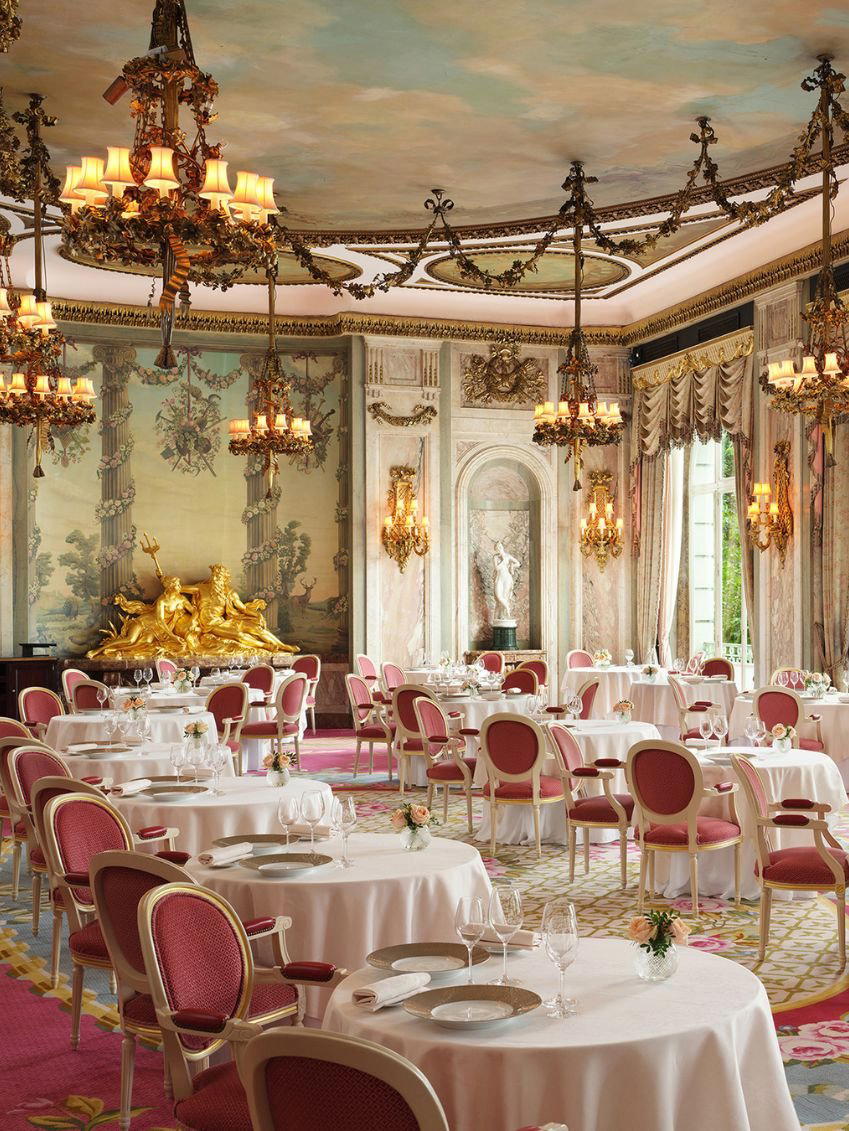
At a Glance
- Elegant
- Sophisticated
- Well Known
- Intimate
- Special Occasion
- Celebration
- Date Night
- Private Dining
- Open Kitchen
- Courtyard
- Historic Building
- Design Destination
- Extensive Wine List
- Sommelier Led
- Farm To Table
- Local Sourcing
- Organic
- Garden
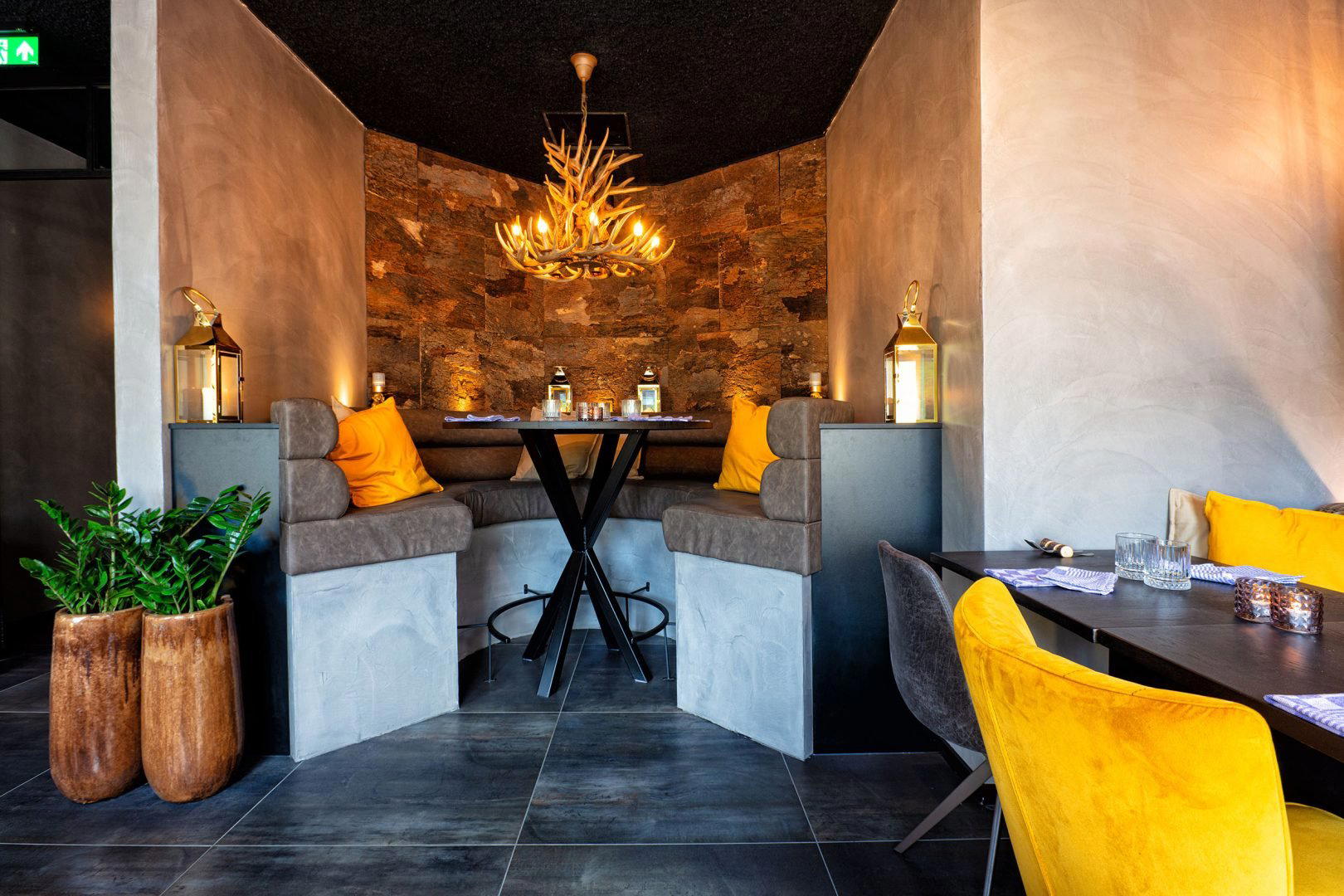
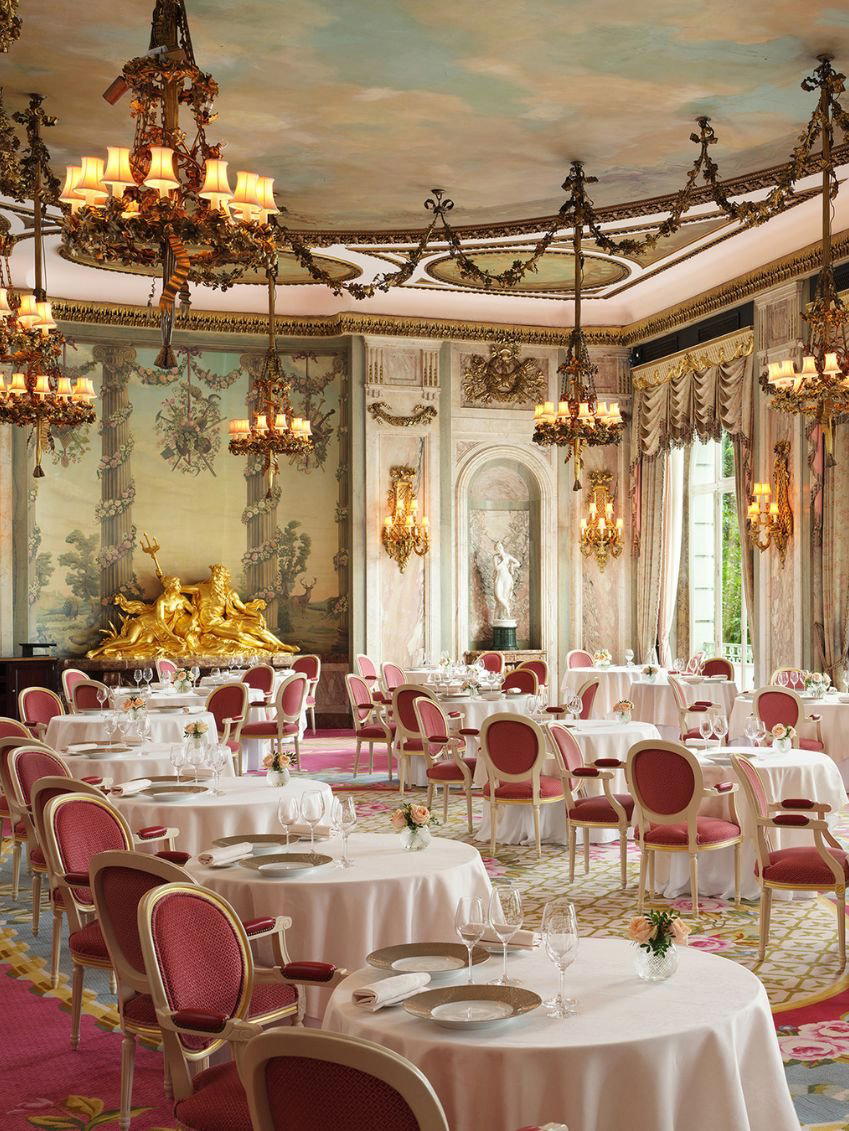
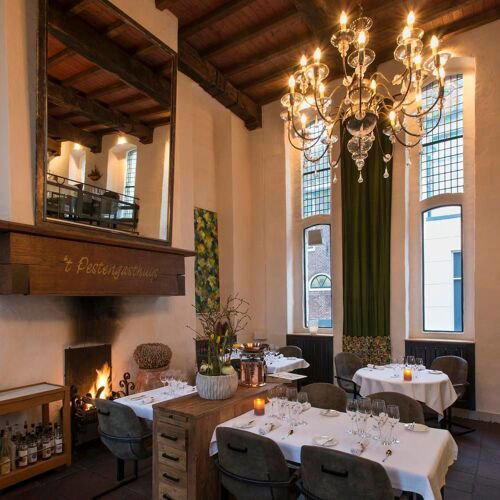
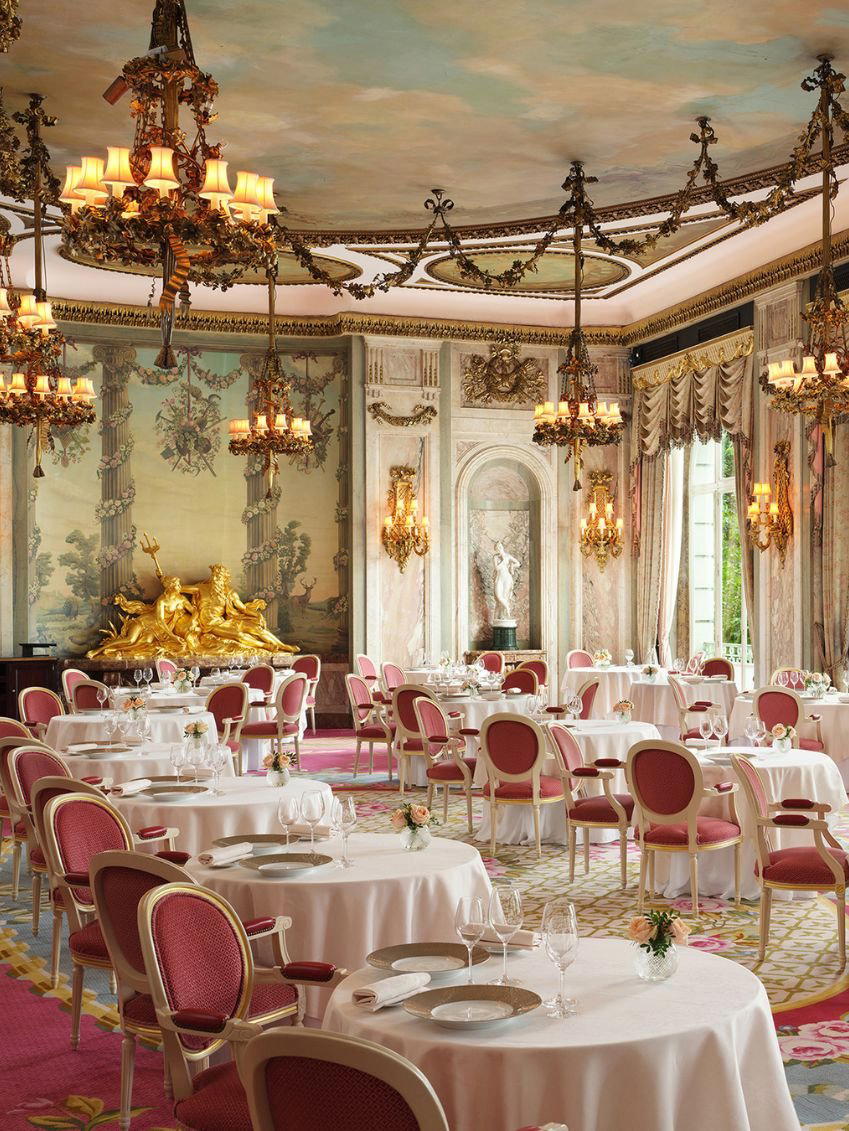
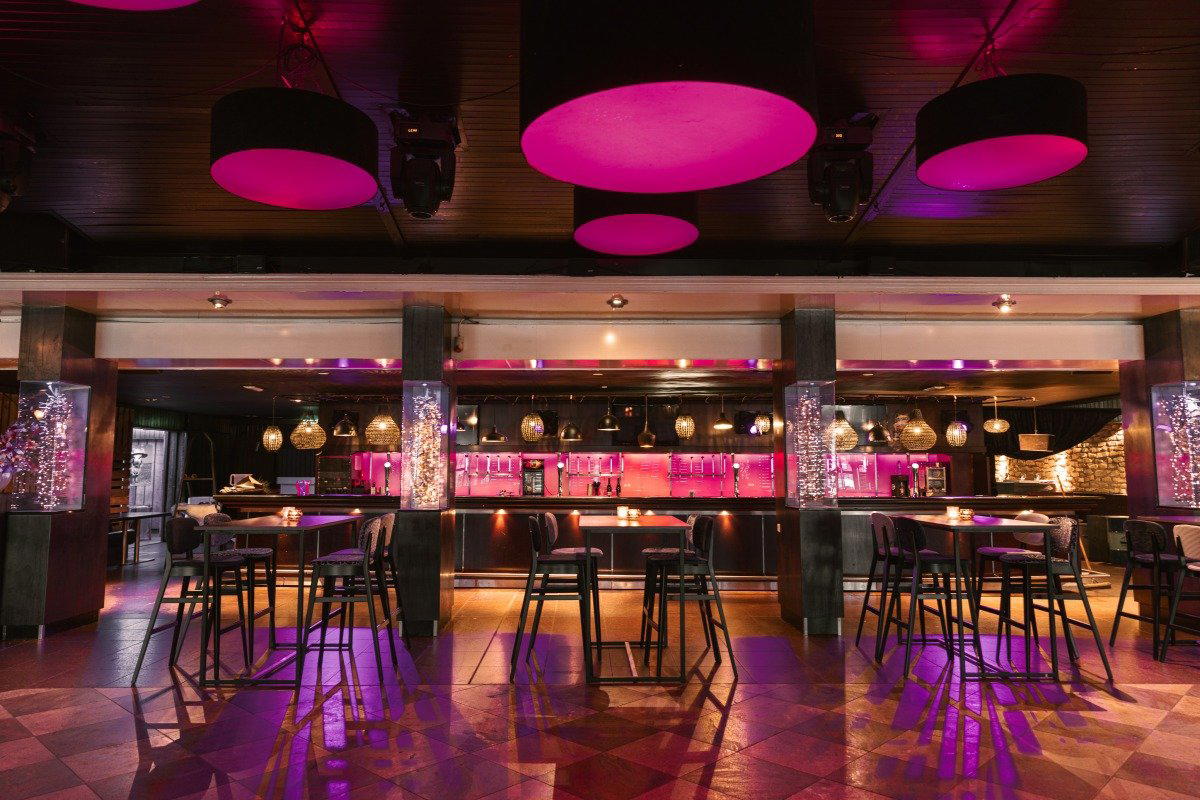
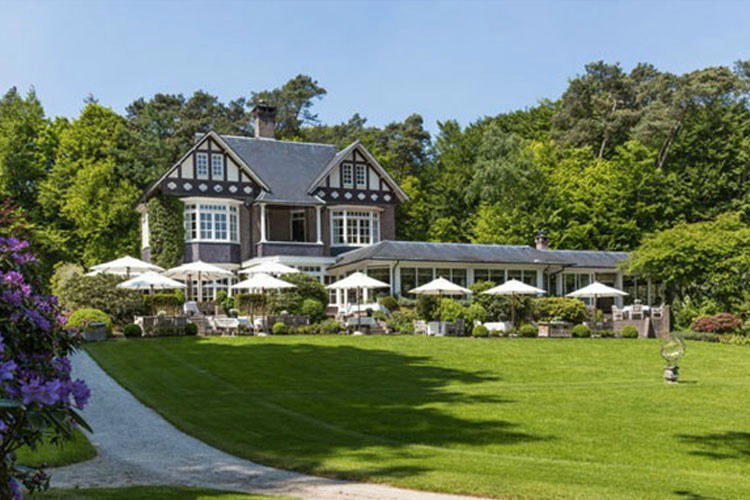
Bright and airy glass-covered courtyard with whitewashed brick walls, natural light from imposing glass roof, intimate yet refined atmosphere with meticulous attention to detail.