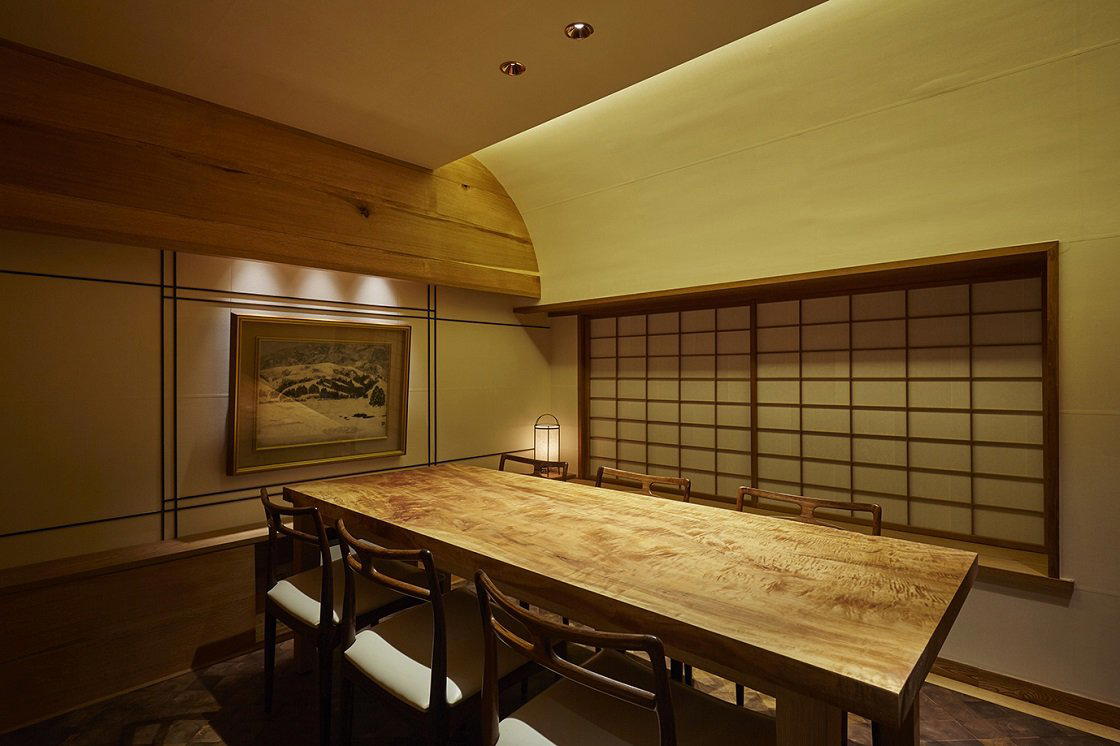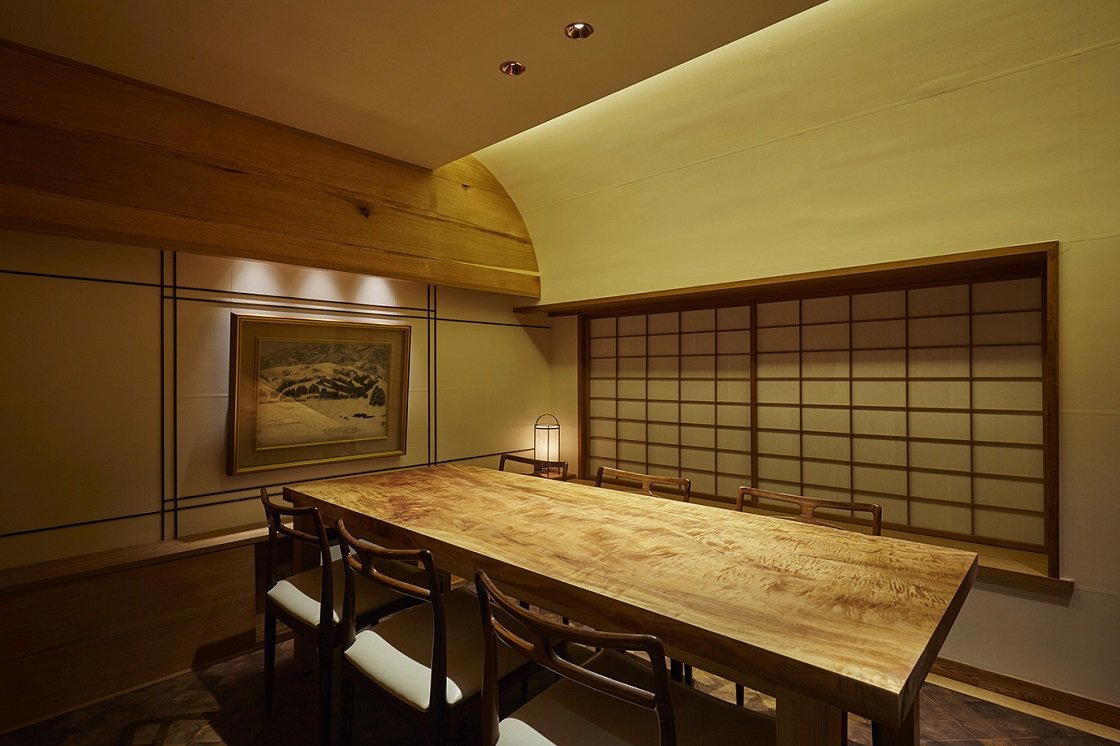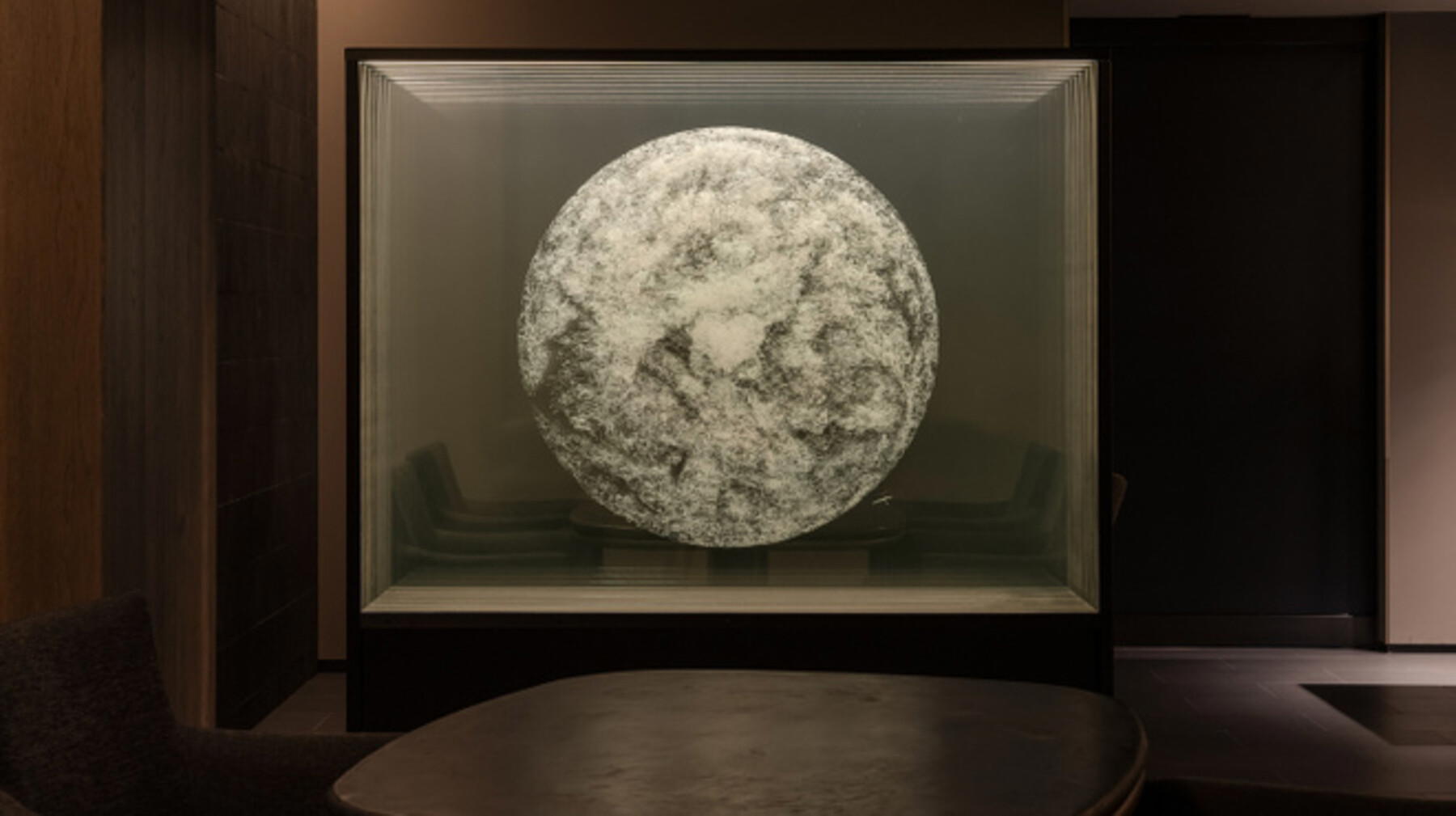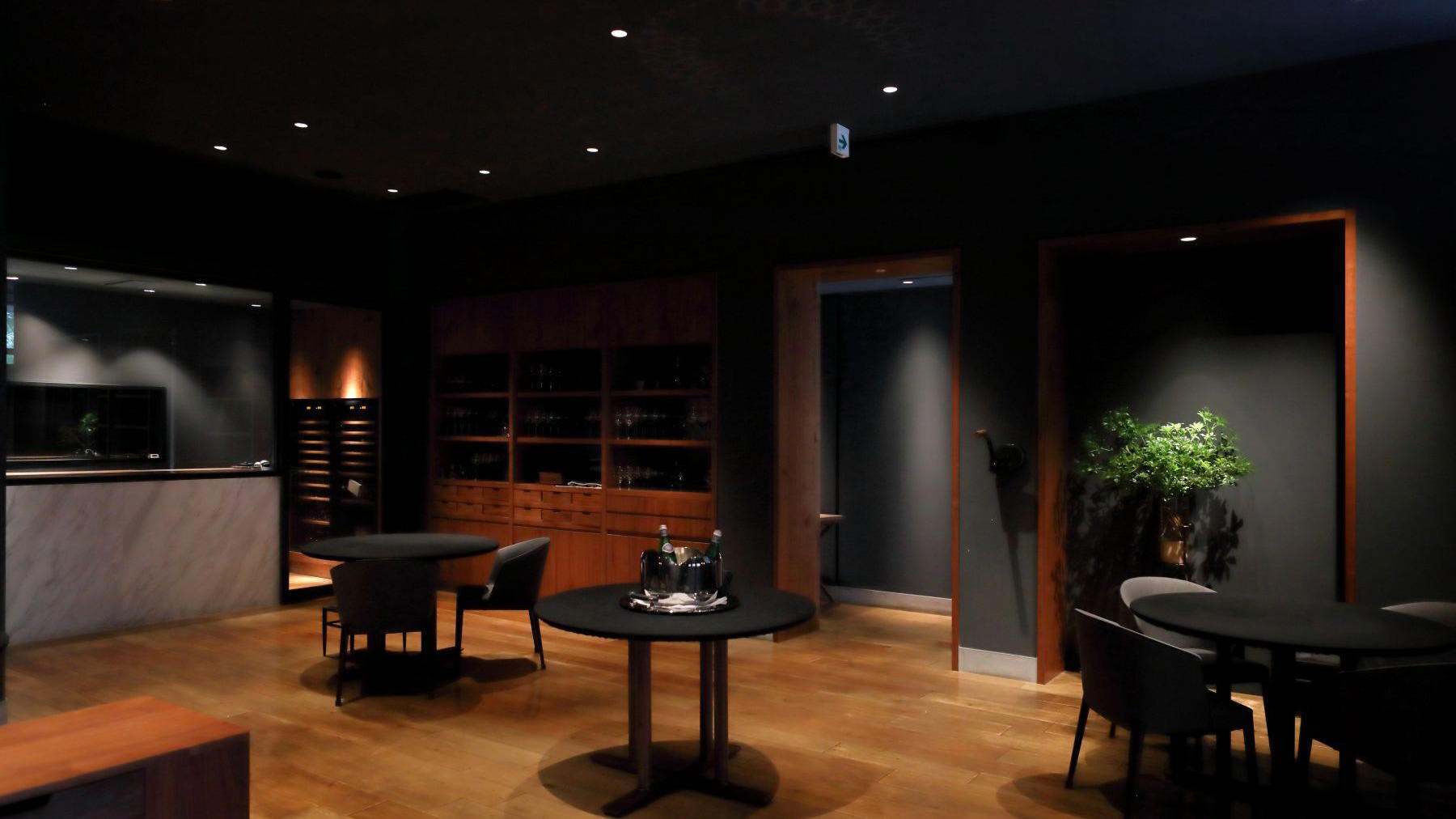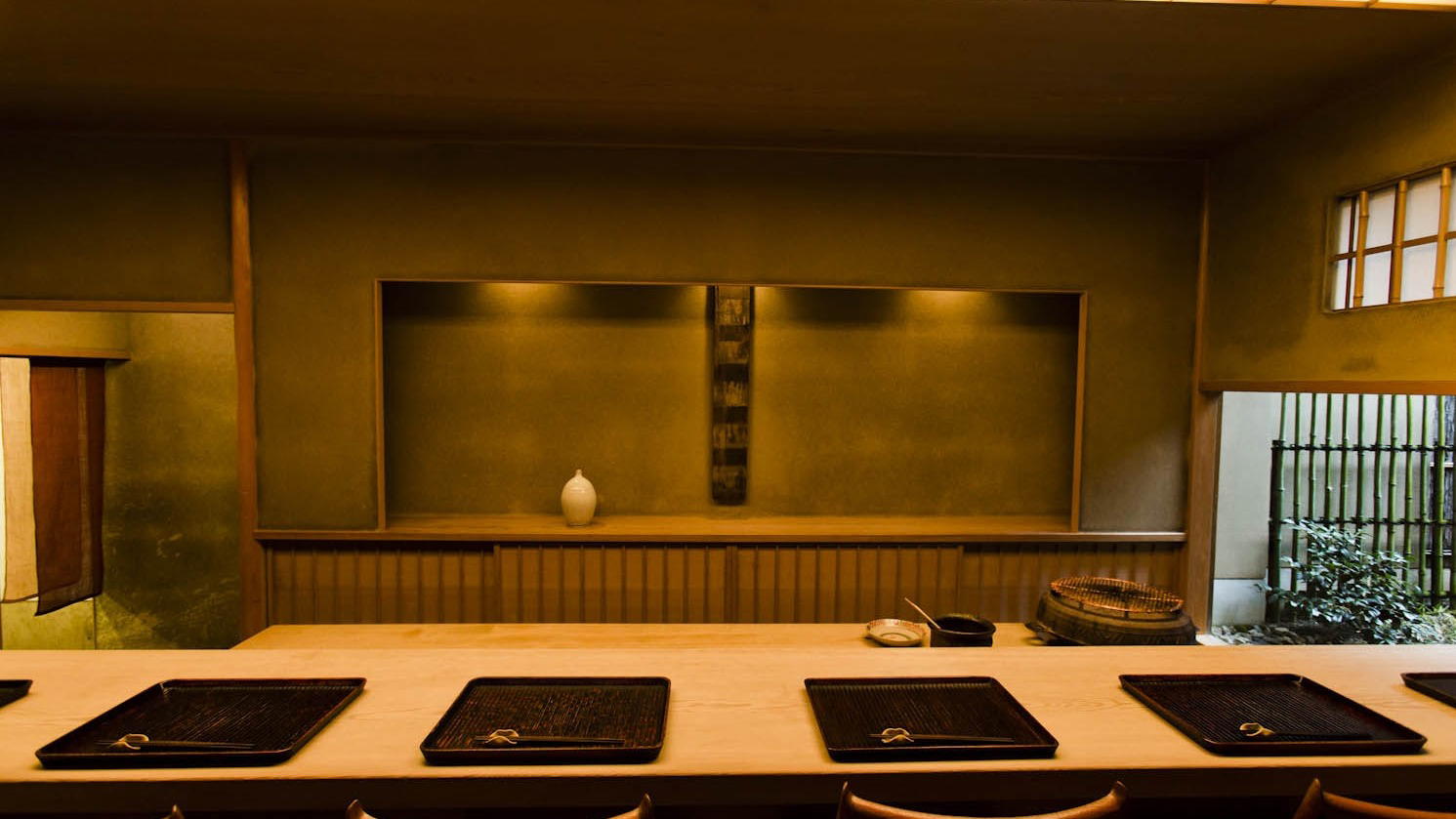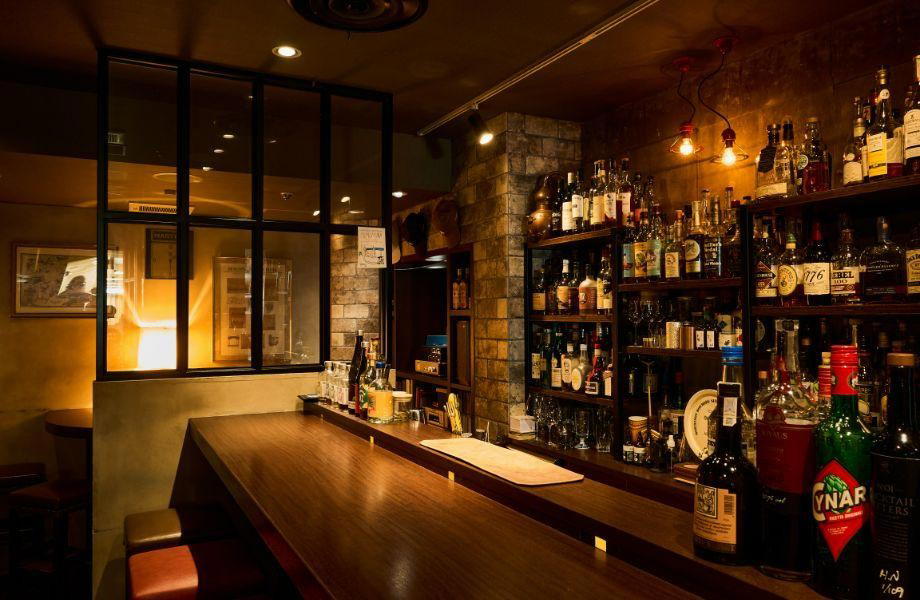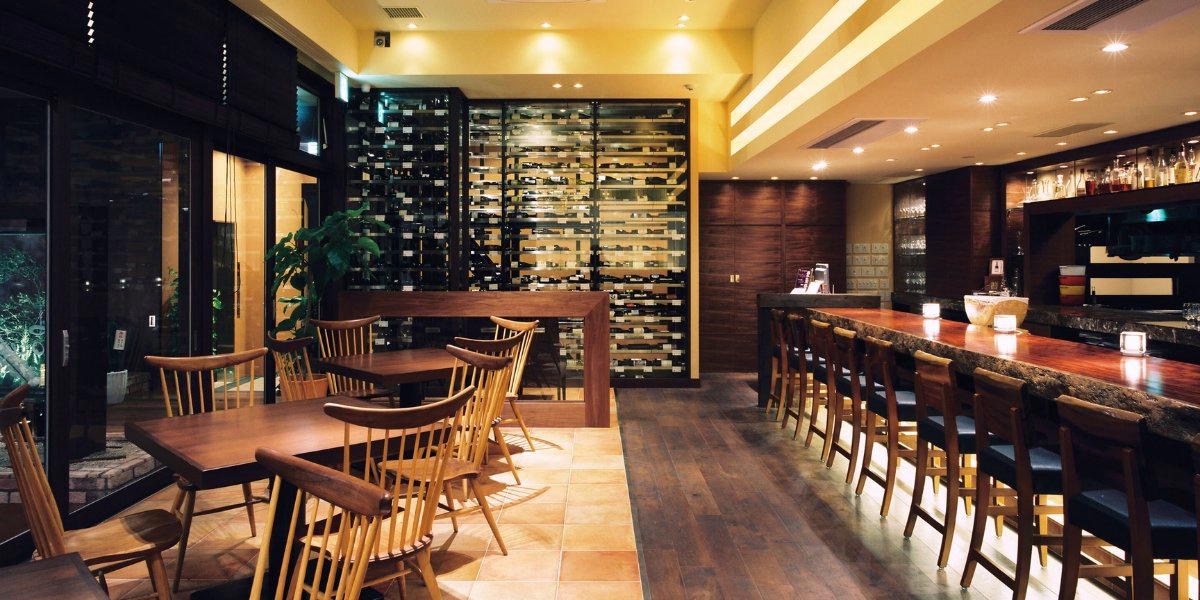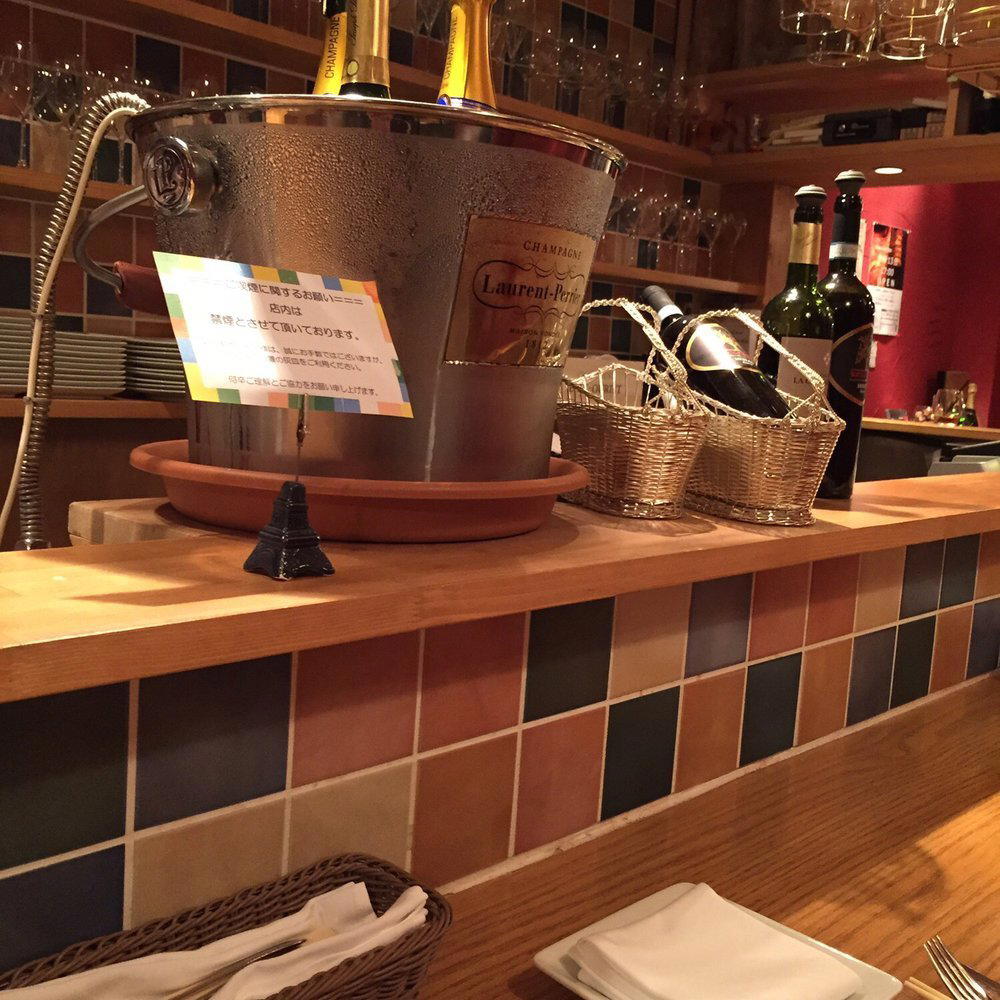
Michelin Bib Gourmand
Our verdict
A Michelin Bib Gourmand-recognised Chinese restaurant in Osaka's Fukushima ward, Uo China Yo sits in a price tier, ¥¥, that makes its critical recognition genuinely useful to travellers. The 2024 Bib Gourmand award signals cooking that satisfies the Guide's quality threshold without the ¥¥¥¥ outlay of Osaka's starred Chinese dining scene. For visitors working through the city's broader food map, it represents a credible, affordable entry point into Osaka's Chinese table.

Pearl is the En Primeur Club membership app, where members save venues, book tables and use the concierge.
The menu
What to order
- Seafood Mapo Tofu
- Soft Boiled Abalone with Caviar
- Spiny Lobster in Chili Sauce
- Drooling Chicken
Where Fukushima's Casual Chinese Scene Meets Critical Recognition
Fukushima ward occupies a particular position in Osaka's dining geography: close enough to the Umeda commercial core to draw office workers and commuters, but relaxed enough in character to support the kind of neighbourhood restaurant that relies on repeat locals rather than tourist traffic. The streets around Fukushima 7-chome run quieter than Shinsaibashi or Namba, and the dining rooms here tend toward the practical and the personal rather than the theatrical. It is in this context that Uo China Yo holds its address at 7 Chome-4-25 on the ground floor of a low-rise building, a format typical of the ward's smaller operators.
Chinese cooking in Osaka occupies a wide spectrum. At the upper end, restaurants like Kamigatachuka SHINTANI and Chugokusai S. Sawada apply kaiseki-influenced sensibilities to Chinese technique, operating at price points and formality levels that align them more closely with the city's Japanese fine dining rooms than with everyday Chinese eating. Further along, restaurants such as Chi-Fu and Az occupy distinct stylistic positions within the mid and premium range. Uo China Yo operates at the other end of that spectrum, at the ¥¥ price tier, where the question is not whether a restaurant can execute a fourteen-course sequence with precision, but whether it can deliver honest, confident cooking at a price that justifies regular visits.
The Bib Gourmand Signal and What It Actually Means Here
Michelin's Bib Gourmand category was introduced to identify restaurants where quality exceeds what the price point would ordinarily suggest. In practice, the designation functions as a reliability marker rather than a prestige badge: it tells a reader that inspectors visited, ate, evaluated against a consistent standard, and found the cooking worth returning for. Uo China Yo's 2024 Bib Gourmand award places it inside a recognized tier of Osaka Chinese cooking, distinct from the starred category occupied by atelier HANADA by Morimoto but validated by the same institutional process.
Within the broader Osaka dining context, the Bib Gourmand is a meaningful credential precisely because the city's Michelin coverage is dense. Osaka contains a high concentration of starred and Bib Gourmand restaurants across every cuisine type, meaning the bar for recognition is set against strong local competition. A 2024 Bib Gourmand for a ¥¥ Chinese restaurant in Fukushima signals that inspectors found something worth singling out from a field that includes dozens of neighbourhood Chinese operators across the city.
For comparison, Osaka's highest-rated tables in non-Chinese categories, French innovators like HAJIME and La Cime at ¥¥¥¥, or kaiseki houses like Taian and Kashiwaya at ¥¥¥, represent a different kind of investment entirely. Uo China Yo's recognition sits in a separate register, but the Michelin imprimatur connects it to the same quality conversation, just at a fraction of the outlay.
Chinese Cooking in Japan: A Distinct Culinary Category
Japanese Chinese cooking, often referred to domestically as chuka ryori, has developed into a recognizable cuisine category of its own, shaped by Japanese ingredient preferences, service norms, and palate expectations. It is not the same as Chinese cooking in China, nor is it simply a Japanized approximation. Over decades, restaurants across Osaka and Tokyo have refined a version of Chinese food that uses Japanese-sourced produce, adjusts seasoning levels to local preferences, and often incorporates the plating discipline common to Japanese restaurants across all categories.
At the affordable end of this spectrum, the kitchens that earn Bib Gourmand recognition typically demonstrate command of core technique: wok heat management, sauce construction, timing across multiple dishes. These are the competencies that distinguish a serious kitchen from a perfunctory one, and they do not require a high price point to be present. The recognition Uo China Yo received in 2024 suggests its kitchen operates at that level of technical consistency.
Internationally, the question of what constitutes serious Chinese cooking at accessible price points has generated some of the more interesting critical conversations in recent years. Restaurants like Mister Jiu's in San Francisco and Restaurant Tim Raue in Berlin approach Chinese cuisine from high-investment, fine dining angles. Uo China Yo operates from the opposite direction: modest format, accessible pricing, and a Michelin acknowledgment that the cooking sustains scrutiny regardless.
Fukushima as a Dining District
Fukushima ward has consolidated a reputation as one of Osaka's more interesting off-centre dining areas over the past decade. Its restaurant density is high relative to its tourist footprint, and the mix skews toward the kind of operator that builds a regular clientele rather than a one-time visitor trade. For travellers with time to move beyond Namba and Shinsaibashi, the ward offers a version of Osaka eating that feels less curated for outside consumption.
The rating does not contradict the Michelin assessment; it reflects the limits of cross-platform comparison for this type of venue.
Osaka's broader dining scene rewards exploration at multiple price tiers. Our full Osaka restaurants guide maps the range from affordable Bib Gourmand picks to multi-starred tasting menus. For those planning a longer stay, the Osaka hotels guide, bars guide, wineries guide, and experiences guide cover the full city picture.
Beyond Osaka, the Kansai region offers comparable value dining in adjacent cities. Gion Sasaki in Kyoto and akordu in Nara represent different cuisine categories but the same regional dining culture. Japan-wide, Harutaka in Tokyo, Goh in Fukuoka, 1000 in Yokohama, and 6 in Okinawa each occupy distinct positions in their local scenes and are worth tracking across any multi-city Japan itinerary.
Planning Your Visit
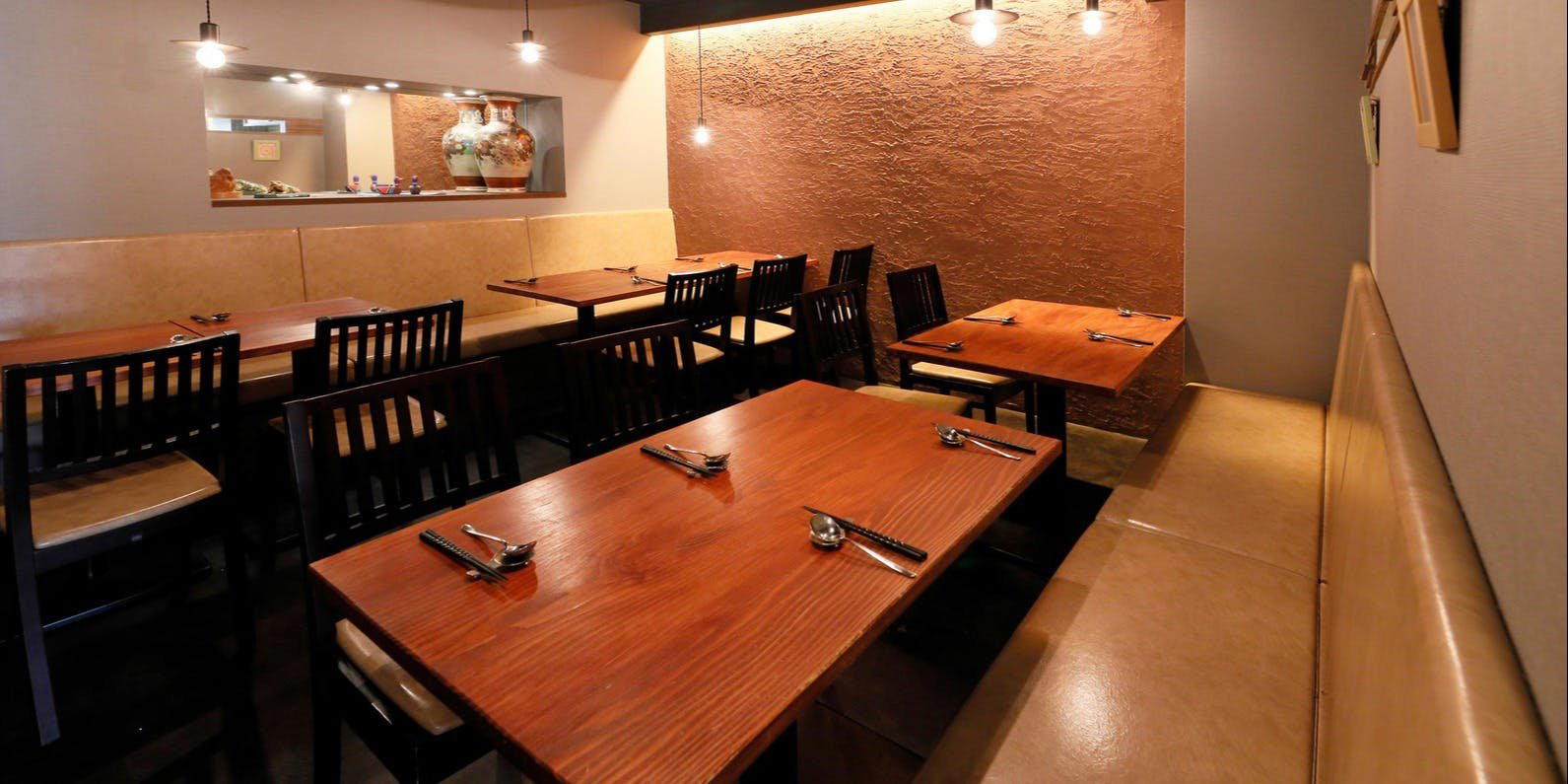
Address: 7 Chome-4-25 Fukushima, Fukushima Ward, Osaka (1階). Budget: ¥¥ price tier, among the more affordable Michelin-recognised Chinese options in the city. Awards: Michelin Bib Gourmand 2024. Hours: Not confirmed, verify before visiting. Note: This is a ground-floor neighbourhood operator rather than a destination dining room; the experience is calibrated accordingly.
Frequently asked questions
Where do I go for Uo China Yo?
Uo China Yo is located at Japan, 〒553-0003 Osaka, Fukushima Ward, Fukushima, 7 Chome−4−25 1階, Osaka.
What type of food is Uo China Yo known for?
What kind of recognition has Uo China Yo received?
Uo China Yo has received recognition including: Michelin Bib Gourmand (2024).
What's the best thing to order at Uo China Yo?
Given the Bib Gourmand recognition, the strongest signal is that multiple dishes across the menu warranted the award, not a single standout. Ordering broadly across the menu at the ¥¥ price tier is the practical approach.
What's the pricing like at Uo China Yo?
Pricing at Uo China Yo is listed as ¥¥.
Do they take walk-ins at Uo China Yo?
Fukushima ward Chinese restaurants at the ¥¥ price tier commonly accept walk-ins outside peak hours, but Bib Gourmand recognition since 2024 has likely increased demand. Arriving early or during off-peak lunch hours is the lower-risk approach.
What's Uo China Yo best at?
The Michelin Bib Gourmand award in 2024 identifies Uo China Yo specifically as a venue where quality outpaces its price point, the ¥¥ tier places it among the more affordable Michelin-recognised Chinese options in Osaka. That balance of critical standing and accessible pricing is the defining trait that sets it apart within Fukushima's dining scene.
Cost Snapshot
Comparable venues nearby, for context on price, style, and recognition.
| Venue | Cuisine | Price | Awards | Notes |
|---|---|---|---|---|
| Uo China YoThis venue (the venue you are viewing) | Modern Cantonese with Seafood Focus | $50–100 | Michelin Bib Gourmand | Not listed |
| Mashino Ken | Modern Cantonese-Sichuan Chinese | $500+ | Michelin Plate | Chūō, Modern Cantonese-Sichuan Chinese |
| atelier HANADA by Morimoto | Modern Chinese Fine Dining | $100–150 | Michelin Plate · Tabelog 100 #31 | Chūō, Modern Chinese Fine Dining |
| TAVERNETTA da KITAYAMA | Northern Italian Trattoria | $100–150 | Michelin Plate | Chūō, Northern Italian Trattoria |
| Temmabashi Fujikawa | Kappo Kaiseki with Tempura | $100–150 | Michelin Plate | Kita, Kappo Kaiseki with Tempura |
| JIANG NAN CHUN | Authentic Cantonese | $150–200 | Michelin Plate | Kita, Authentic Cantonese |
Recognition history
Dated appearances from independent guides and award organizations, with the underlying list record or original source where available.
Michelin Bib Gourmand
Michelin