


A Michelin-starred Chinese restaurant in Osaka's Nishitenma district, Chi-Fu fuses classical Chinese cooking with French technique and an adventurous wine program. The name draws on 'Chinois-Fume' and 'Chinese Futurism,' framing a menu that is as playful as it is precise. Expect Peking Duck-style preparations, Shaoxing wine aromatics, and a pairing list that treats Chinese cuisine as serious wine-table food.
Pearl is the En Primeur Club membership app — saves, bookings, and concierge access live there. Same editors, same standards.
- Address
- 4 Chome-4-8 Nishitenma, Kita Ward, Osaka, 530-0047, Japan
- Phone
- +81 6-6940-0317
- Website
- chi-fu.jp
- Directions
- Get directions
 Saves & bookings on Pearl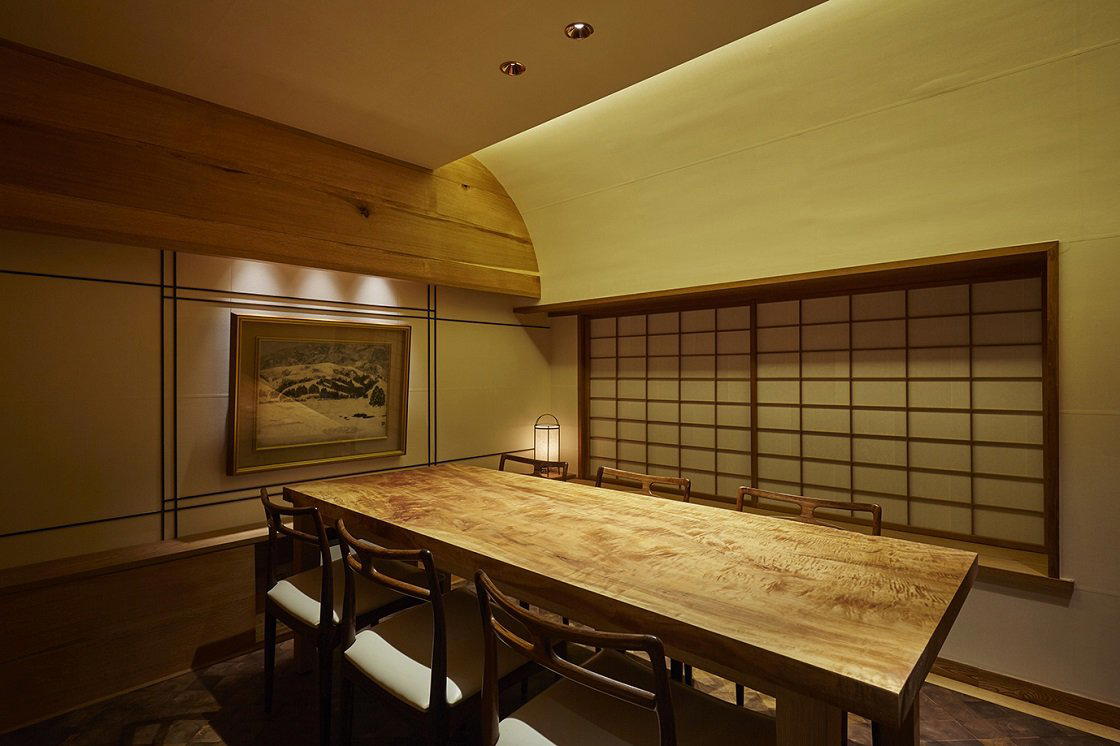
A Different Kind of Chinese Restaurant
In Japan, Chinese cooking occupies a more complex position than in most Western cities. At one end sits chuka ryori, the domesticated, broadly accessible Chinese-influenced cooking that took root across Japan after the postwar period. At the other sits a smaller, more rigorous tier of restaurants that treat Chinese cuisine as a discipline worthy of the same technical investment given to kaiseki or French gastronomy. Chi-Fu, holding a Michelin star, operates firmly in that second category, though it pushes further still, layering French culinary logic onto Chinese foundations and building a wine program around the result.
The address in Nishitenma, in Osaka's Kita Ward, gives Chi-Fu a certain remove from the tourist circuits. This part of Osaka rewards those willing to move beyond Dotonbori and Shinsaibashi: the dining is more local in character, the rooms less theatrical. Within that quieter frame, Chi-Fu's ambitions read differently than they might on a more conspicuous street.
What the Name Announces
The restaurant's name compresses two ideas: Chinois-Fume and Chinese Futurism. The first is culinary, smoke, char, and the aromatic depth that defines so much of the Chinese canon. The second is conceptual: a forward-looking stance that refuses to treat Chinese cooking as a fixed archive. Together they frame a kitchen that wants to extend the tradition rather than reproduce it. That framing is substantiated in execution. Amuse-bouche arrive arranged on a shelf designed for tea ceremony utensils, tofu skin and vegetables are prepared in the style of Peking Duck, and Shaoxing wine infuses sauces with a fragrance more commonly associated with the great Shanghainese and Huaiyang kitchens than with the Sino-French hybrid genre. The menu language is described as enigmatic and poetic, calibrated to introduce a mood before a course.
The Lunch and Dinner Question
At kaiseki rooms like Taian (three Michelin stars) and establishments such as Kamigatachuka SHINTANI, lunch menus often represent the clearest value proposition in the category: the kitchen, the technique, and the sourcing are the same, but the format is compressed and the price reflects it. The same logic applies at Chugokusai S. Sawada, another Chinese-rooted address in the city with serious credentials.
At Chi-Fu, where the ¥¥¥ price tier already positions the experience in the special-occasion bracket, the lunch-versus-dinner calculus shifts somewhat. The wine pairing program, which is central to what makes Chi-Fu distinctive, operates most naturally as an evening proposition. Pairing Chinese-inflected dishes with wine requires time and appetite for the sequence; a lunchtime format, by contrast, may draw more on the kitchen's Chinese technique and lighter amuse-bouche register. For first-time visitors whose primary interest is the cooking, lunch likely offers the more focused introduction. For those whose interest is specifically the wine program, which applies French pairing logic to a Chinese menu in a way that has few direct comparators in the region, evening is the correct frame.
This is not a distinction every restaurant in the starred tier makes cleanly, but at Chi-Fu the conceptual architecture of the meal (smoked, fragrant, technically layered) maps more readily onto a full evening sequence than a compressed midday one.
French Technique, Chinese Substance
The application of French culinary method to Chinese ingredients and flavour principles is not new as a category. Restaurant Tim Raue in Berlin has built a two-star identity around precisely this tension, as has Mister Jiu's in San Francisco, where Cantonese heritage is filtered through American fine-dining convention. What distinguishes Chi-Fu within the Japanese context is the density of the local reference points. In Osaka, a city where Chinese cooking has long been absorbed and adapted into the local eating culture, a restaurant that insists on treating it as a serious technical project reads differently than it would in a city with less accumulated familiarity. The Michelin recognition confirms that the kitchen's ambitions are being executed with sufficient rigour to register within the guide's demanding Japanese standards.
The French techniques at work, referenced in the concept framing and legible in the approach to sauces and preparation, function as a grammar rather than an override. The Shaoxing wine aromatics, the tofu skin preparations, and the Peking Duck idiom all assert Chinese substance. The French influence shapes how those elements are sequenced, finished, and presented. The result is a restaurant that speaks both languages without defaulting to the easier compromise of simply splitting the plate between them.
Wine as Argument
Most serious Chinese restaurants in Japan operate within a sake and tea framework. The decision to build a wine pairing program around Chinese cooking is itself an editorial position: it argues that the flavour architecture of Chinese cuisine, fat, smoke, fermented depth, aromatic spice, is compatible with serious wine in ways that haven't been systematically explored. This argument is not distinctive to Chi-Fu globally (Raue in Berlin has made it for years), but it is unusual within Osaka's Chinese dining tier. For wine-oriented diners who have found the crossover between Az or Gessen and Chinese cooking underexplored, Chi-Fu functions as a specific answer to that gap.
Placing Chi-Fu in Osaka's Broader Scene
Osaka's Michelin ecosystem at the ¥¥¥ tier is denser than casual visitors expect. The city has long operated as a counterweight to Tokyo's more visible fine-dining concentration, with a particular strength in kaiseki and Chinese-influenced cooking. Atelier HANADA by Morimoto and several other addresses in the Kita Ward area compete for the same dinner-occasion diner. Further afield, the broader Kansai region offers additional reference points: Gion Sasaki in Kyoto and akordu in Nara both represent different aspects of the region's multi-cuisine ambition, while Harutaka in Tokyo anchors the comparison to Japan's primary fine-dining market. For those building a longer Japan itinerary, Goh in Fukuoka, 1000 in Yokohama, and 6 in Okinawa extend the range of comparison.
Within Osaka specifically, Chi-Fu occupies a position that has few direct analogues: a Michelin-starred Chinese kitchen with a wine program, in a ward that attracts serious local diners rather than tourist traffic. That combination makes it a meaningful addition to any structured Osaka dining plan.
Planning a Visit
Chi-Fu is located at 4 Chome-4-8 Nishitenma, Kita Ward, a direct reach from Nishitenma Station. At the ¥¥¥ price tier, expect a per-head spend that sits comfortably below the city's ¥¥¥¥ flagship rooms while remaining firmly in the special-occasion bracket. Booking is essential given the restaurant's limited capacity and Michelin recognition. As the wine pairing is central to what distinguishes Chi-Fu from its peers, visitors with an interest in that element should clarify format and availability at the time of booking.
Cuisine and Recognition
Comparable venues nearby, for context on price, style, and recognition.
| Venue | Cuisine | Price | Awards | Notes |
|---|---|---|---|---|
| Chi-FuThis venue — the venue you are viewing | Modern French-Chinese Fusion | $$$ | Michelin 1 Star | Not listed |
| Torisho Ishii | Michelin-Starred Yakitori Omakase | $$$ | Michelin 1 Star | Kita |
| KushinGarando | Innovative Seasonal Chinese with Japanese Influences | $$$$ | Michelin 1 Star | Kita |
| Sui Oya | Modern Osaka Kaiseki | $$$ | Michelin 1 Star | Kita |
| Masuda | Michelin-Starred Seasonal Kaiseki Omakase | $$$$ | Michelin 1 Star | Chūō |
| Fushimimachi Kakoiyama | Traditional Japanese Kaiseki | $$$$ | Michelin 1 Star | Chūō |
Recognition history
Dated appearances from independent guides and award organizations, with the underlying list record or original source where available.
Michelin 1 Star
Michelin
Star Wine List
Star Wine List
Tabelog 100 #21 · No. 21
Tabelog · Tabelog 100 - Chinese cuisine - WEST - 2026
Star Wine List
Star Wine List
Michelin 1 Star
Michelin
Star Wine List
Star Wine List
Star Wine List
Star Wine List
Continue exploring
More in Osaka
Restaurants in Osaka
Browse all →




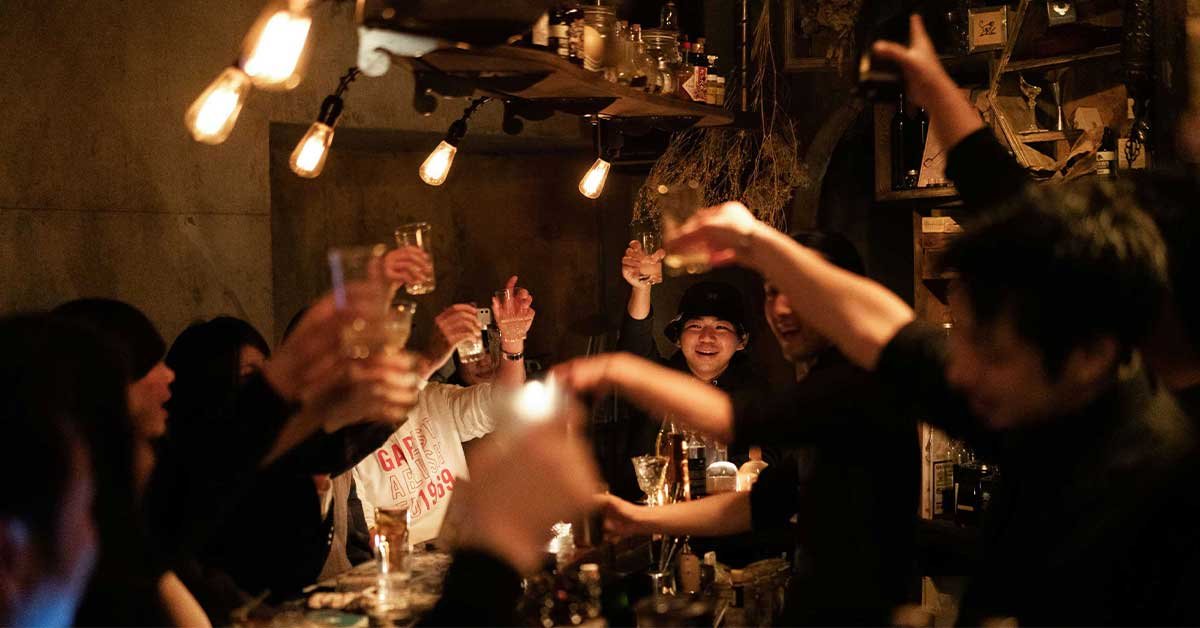
Bars in Osaka
Browse all →

Hotels in Osaka
Browse all →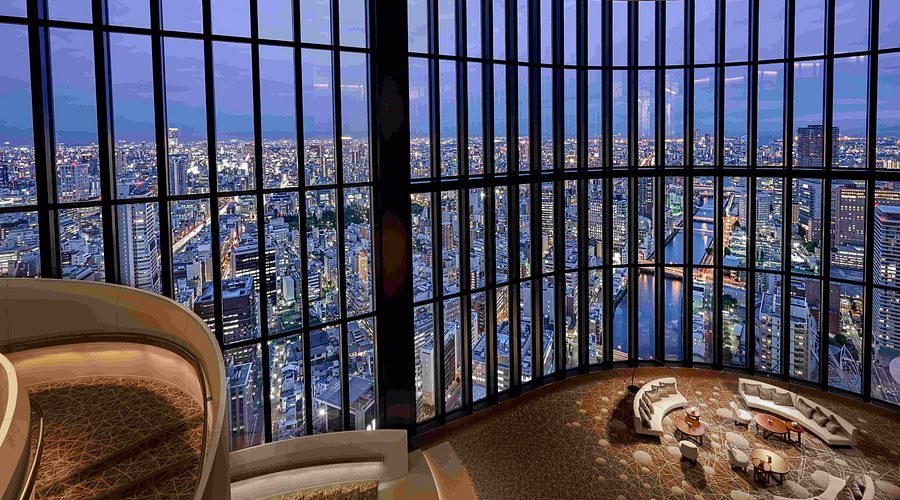




Wineries in Osaka
Browse all →
At a Glance
- Elegant
- Modern
- Sophisticated
- Intimate
- Date Night
- Business Dinner
- Celebration
- Special Occasion
- Private Dining
- Open Kitchen
- Design Destination
- Extensive Wine List
- Sommelier Led
- Local Sourcing
Current opening hours
- Monday
- 5:30–9 PM
- Tuesday
- 11:30 AM–2 PM, 5:30–9 PM
- Wednesday
- 11:30 AM–2 PM, 5:30–9 PM
- Thursday
- 11:30 AM–2 PM, 5:30–9 PM
- Friday
- 11:30 AM–2 PM, 5:30–9 PM
- Saturday
- 11:30 AM–2 PM, 5:30–9 PM
- Sunday
- Closed
Hours can change for holidays and private events. Last verified .
Stylish, relaxing interior with chic modern design; described as mysterious and full of attractions with sofa seating and a hideout-like atmosphere that feels like stepping into another world.