

A Michelin Plate Chinese restaurant on the second floor of Yodoyabashi Odona in Osaka's Kitahama district, atelier HANADA by Morimoto brings a competition-honed interpretation of Chinese cuisine to a neighbourhood better known for kaiseki and French fine dining. The Peking duck, served with specially sourced Kinzanji miso, is the dish most cited by regulars. Rated 4.7 on Google from verified diners. Price tier: ¥¥¥.
Pearl is the En Primeur Club membership app — saves, bookings, and concierge access live there. Same editors, same standards.
- Address
- Japan, 〒541-0041 Osaka, Chuo Ward, Kitahama, 4 Chome−3−1 淀屋橋odona A棟 2F
- Phone
- +81 6-6926-8395
- Website
- atelierhanada.jp
- Directions
- Get directions
 Saves & bookings on Pearl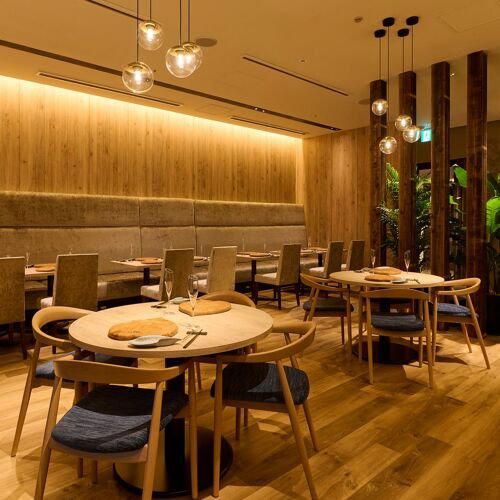
Kitahama's Culinary Address and Where Chinese Fits In
Kitahama is not the first district that comes to mind when Osaka diners discuss Chinese cuisine. The area along the Tosabori River has historically drawn its restaurant reputation from kaiseki counters, French tasting menus, and the kind of precision cooking that courts Michelin inspectors year after year. Venues like Chi-Fu and Kamigatachuka SHINTANI have carved space for serious Chinese cooking within Osaka's broader fine-dining conversation, but the neighbourhood's gravitational pull remains firmly Japanese and French. That context matters when placing atelier HANADA by Morimoto, which occupies the second floor of the Yodoyabashi Odona building on Kitahama's main commercial spine.
Yodoyabashi Odona is one of those mixed-use developments that has become a reliable host for mid-to-upper-tier restaurants in Japanese cities, offering footfall from nearby financial offices while keeping the address respectable. The building's second floor creates a degree of separation from street-level noise, and the restaurant's name, atelier, signals something deliberate about the kitchen's self-presentation: a workshop rather than a dining room in the traditional sense. The sounds from the kitchen are audible in the dining space, and the aromas of dishes in preparation are part of the designed experience. That kind of sensory transparency is more common in open-kitchen omakase formats than in Chinese dining, and it positions the restaurant as something between a performance kitchen and a traditional Chinese banquet room.
A Chef Shaped by Competition, Not Convention
Across Japan's fine-dining tier, the pathways chefs take to their own restaurants matter for understanding what ends up on the plate. The chef at atelier HANADA by Morimoto developed their craft through a sustained run of gastronomic competitions, a less common route than the standard apprenticeship-and-lineage model that governs much of high-end Japanese and Chinese cooking in the country. Competition formats reward invention under constraint, and the menu here reflects that background: Chinese cuisine as a set of techniques and flavour principles to be interpreted rather than reproduced.
That interpretive approach places atelier HANADA by Morimoto in a specific tier of Osaka's dining scene. The restaurant holds a Michelin Plate in both 2024 and 2025, a recognition that signals consistent quality without placing it alongside the city's starred Chinese rooms. For context on what that starred tier looks like in Osaka, Chugokusai S. Sawada operates at the upper end of Chinese fine dining in the city. The restaurant sits in a different band, priced at ¥¥¥ and positioned as a serious but more accessible entry point into creative Chinese cooking in this part of Osaka.
The Peking Duck and the Logic of a Single Sourced Ingredient
Frequently discussed dish from the kitchen is the Peking duck. According to Michelin's own notes on the restaurant, the dish is described in terms of colour and visual composition as much as flavour, and the detail that draws greater attention is the accompanying Kinzanji miso, sourced specifically for this preparation. Kinzanji miso is a traditional fermented condiment from Wakayama Prefecture with a softer, moister texture than standard miso pastes, carrying notes of vegetables and a gentler salinity. Using it alongside Peking duck is a deliberate regional crossover, placing a Kansai fermented product inside a dish that originates in northern Chinese court cuisine.
This kind of ingredient-level decision is what separates a creative Chinese kitchen from one simply following a recognised format. It also reflects something broader about how high-end Chinese dining operates in Japan: the cuisine is not being imported wholesale but refracted through local produce and the sensibilities of a chef working within a Japanese fine-dining environment. For comparison, the same dynamic appears in different register internationally, at places like Restaurant Tim Raue in Berlin and Mister Jiu's in San Francisco, where Chinese culinary tradition is the starting point rather than the end product.
atelier HANADA in the Osaka Fine-Dining Spectrum
Osaka's Michelin-recognised restaurant scene is unusually compressed in geographic terms. The distance between a three-star kaiseki counter and a Michelin Plate Chinese room can be a few blocks, and diners here are accustomed to weighing options across cuisine types and price tiers in the same evening's planning. At the ¥¥¥ tier, the restaurant competes in a bracket that includes Japanese rooms like Gessen and the more casual end of the French-influenced market represented by Az. The three-star tier in Osaka, occupied by venues such as Taian and Kashiwaya, operates at ¥¥¥¥ and above, and the two-star French rooms like La Cime and Fujiya 1935 also sit at that higher price band.
Within that framework, the restaurant fills a specific gap: competition-trained creative Chinese cooking in a neighbourhood that rarely offers it, at a price point below the city's starred heavyweights. For visitors planning a multi-day Osaka itinerary who want range across cuisine types, it provides a Chinese fine-dining option with Michelin recognition at a more approachable price point. Readers planning around other Japanese cities might also consider Harutaka in Tokyo, Gion Sasaki in Kyoto, or further afield, Goh in Fukuoka and akordu in Nara, all of which map onto similar discussions about regional ingredients and chef-driven interpretation.
Planning a Visit
The restaurant is located on the second floor of Yodoyabashi Odona, at 4-3-1 Kitahama, Chuo Ward, Osaka. The Yodoyabashi station on the Osaka Metro Midosuji and Keihan lines places the building within a short walk, making this among the more accessible fine-dining addresses in the central city for visitors using public transport. The price tier of ¥¥¥ positions a meal here in the mid-to-upper range without reaching the ¥¥¥¥ bracket of Osaka's starred tasting-menu rooms.7 from 65 reviews. Booking in advance is advisable given the restaurant's scale;
Pricing, Compared
Comparable venues nearby, for context on price, style, and recognition.
| Venue | Cuisine | Price | Awards | Notes |
|---|---|---|---|---|
| atelier HANADA by MorimotoThis venue — the venue you are viewing | Chūō, Modern Chinese Fine Dining | $$$$ | Michelin Plate | Not listed |
| Chugokusai S. Sawada | Not listed | $$$$ | Michelin Plate | Kita, Modern Hong Kong Chinese with Japanese Technique |
| Chukashunsai Morimoto | Chūō, Modern Sichuan Chinese | $$$ | Michelin Plate | Not listed |
| Tempura Fukana | Kita, Michelin-Selected Tempura Omakase | $$$$ | Michelin Plate | Not listed |
| TOMONO | Kita, Creative Modern Chinese | $$$$ | Not listed | Not listed |
| Sennarizushi | Not listed | $$$$ | Michelin Plate | Higashiyodogawa, Authentic Edomae Omakase |
Recognition history
Dated appearances from independent guides and award organizations, with the underlying list record or original source where available.
Michelin Plate
Michelin
Tabelog 100 #31 · No. 31
Tabelog · Tabelog 100 - Chinese cuisine - WEST - 2026
Michelin Plate
Michelin
Michelin Plate
Michelin
Continue exploring
More in Osaka
Restaurants in Osaka
Browse all →




Bars in Osaka
Browse all →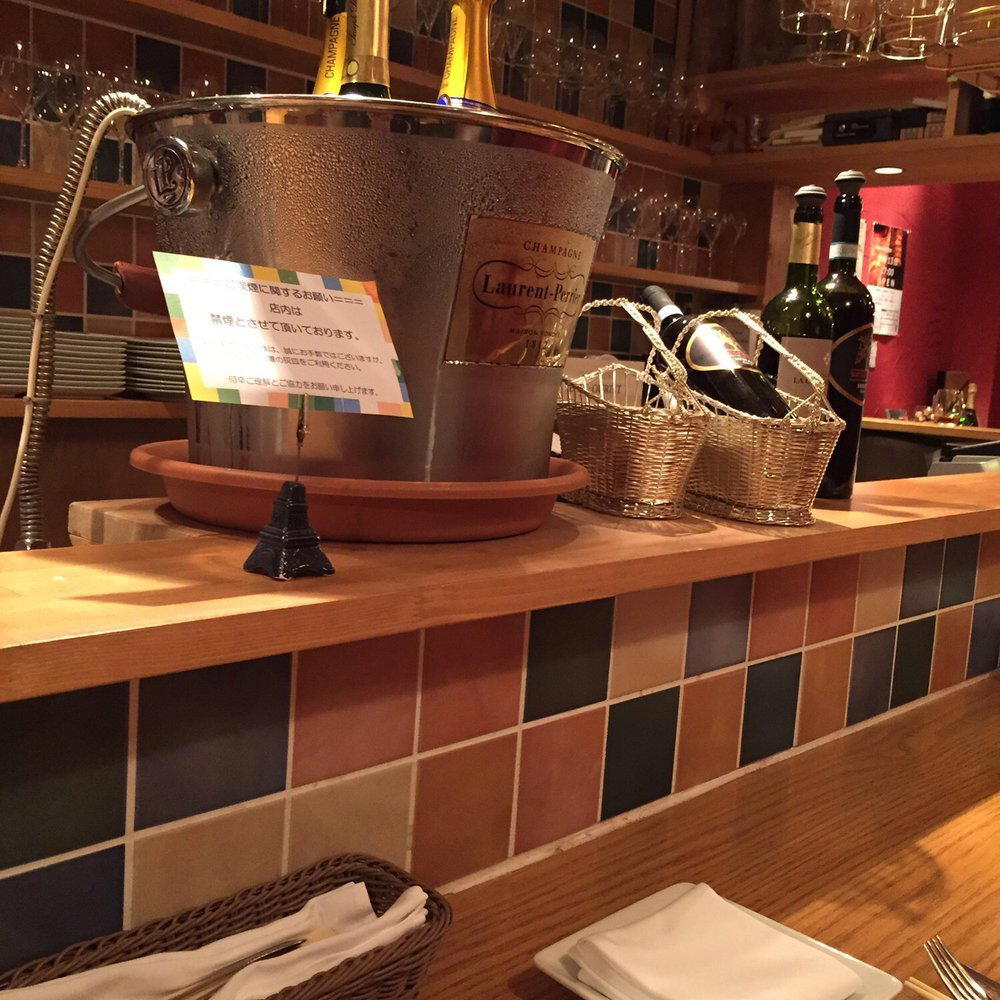
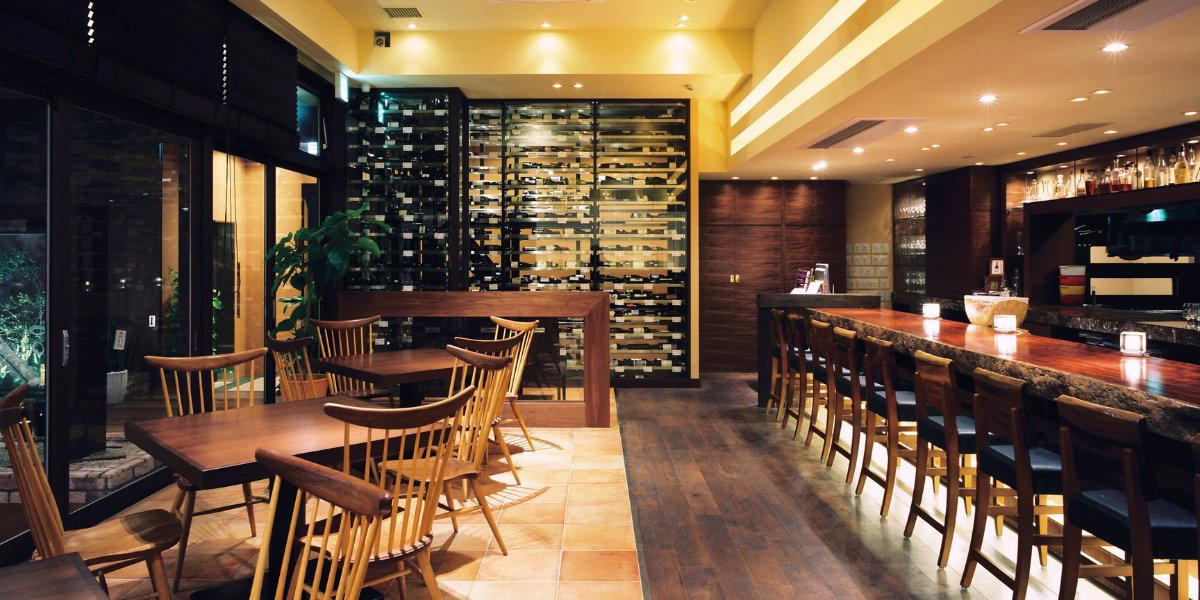
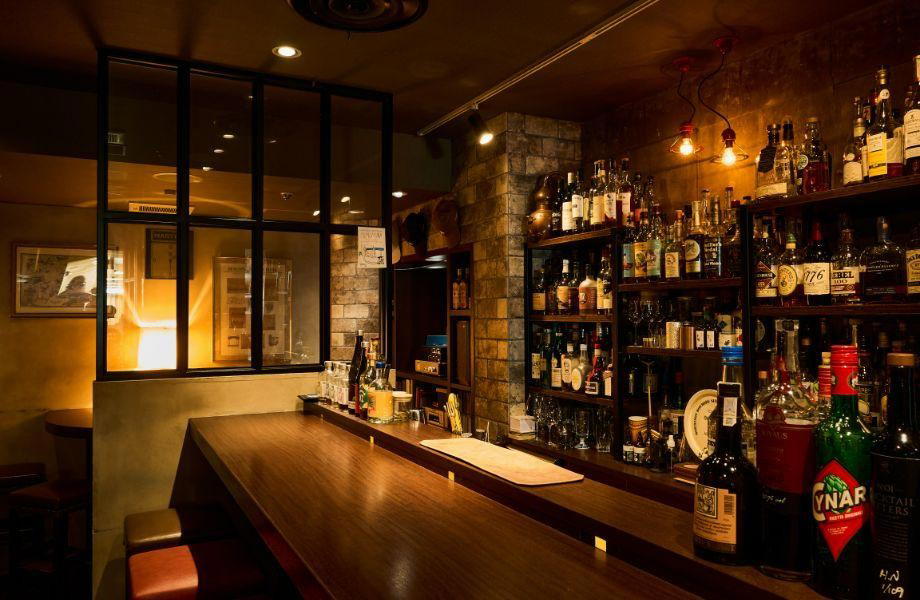


Hotels in Osaka
Browse all →




Wineries in Osaka
Browse all →
At a Glance
- Modern
- Elegant
- Sophisticated
- Intimate
- Special Occasion
- Date Night
- Business Dinner
- Open Kitchen
- Chefs Counter
- Extensive Wine List
- Sake Program
- Local Sourcing
- Street Scene
Current opening hours
- Monday
- 12–3 PM, 6–10 PM
- Tuesday
- 12–3 PM, 6–10 PM
- Wednesday
- 12–3 PM, 6–10 PM
- Thursday
- 12–3 PM, 6–10 PM
- Friday
- 12–3 PM, 6–10 PM
- Saturday
- 12–3 PM, 6–10 PM
- Sunday
- Closed
Hours can change for holidays and private events. Last verified .
Serene forest-inspired design with modern sophistication, warm ambiance, stylish and relaxing space enhanced by open kitchen views.