Two Nine
Located on 31st Street NW in Georgetown, Two Nine occupies a quiet address in one of Washington's most historically dense neighbourhoods. The venue operates within a D.C. dining scene increasingly shaped by questions of sourcing ethics and environmental accountability, positioning it alongside a cohort of restaurants where those concerns drive the menu rather than accessorise it.
Pearl is the En Primeur Club membership app — saves, bookings, and concierge access live there. Same editors, same standards.
- Address
- 1218 31st St NW suite B, Washington, DC 20007
- Phone
- +12024894773
- Website
- opentable.com
- Directions
- Get directions
 Saves & bookings on Pearl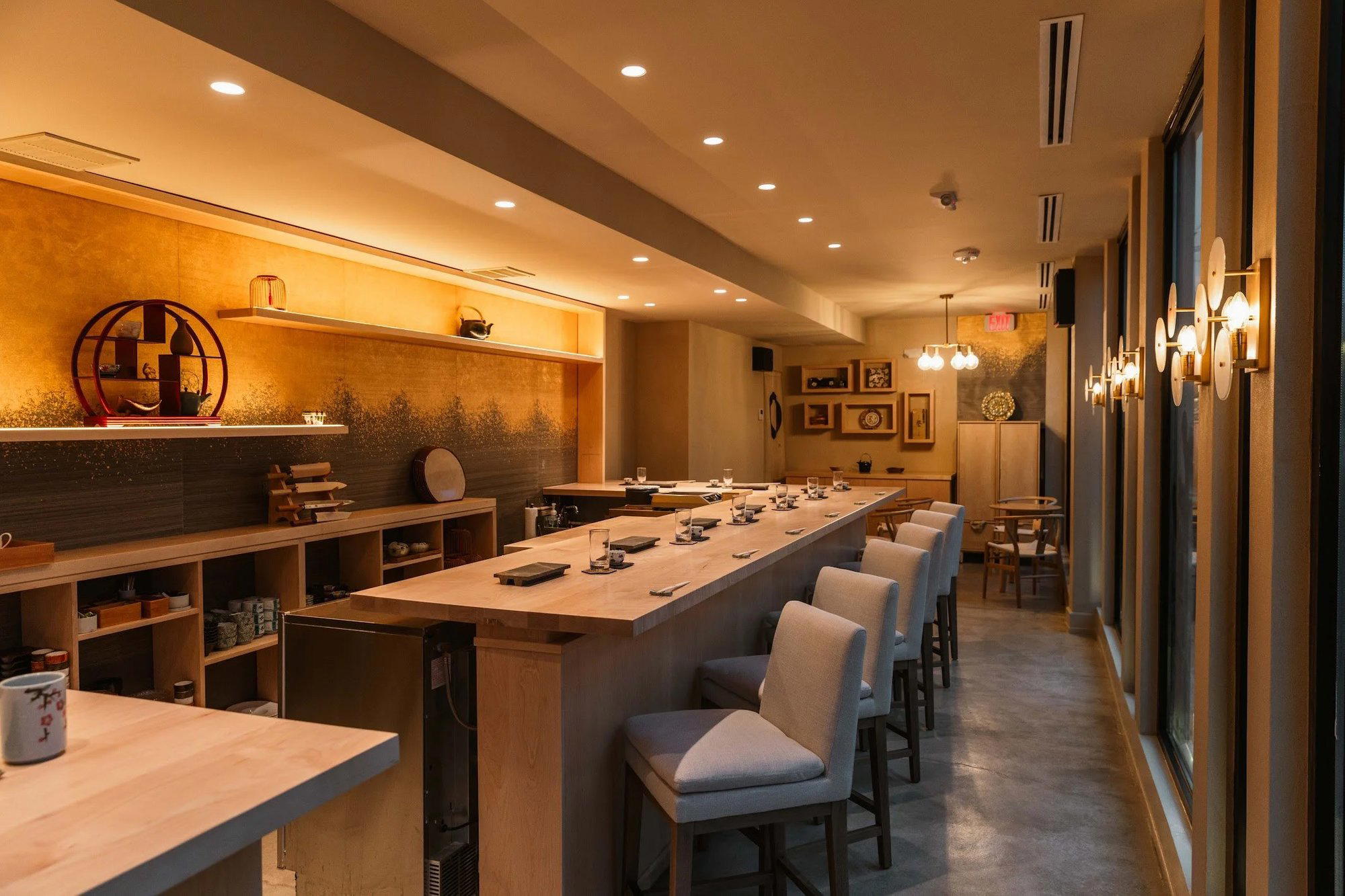
Georgetown's Quieter Address and What It Signals
The stretch of 31st Street NW where Two Nine sits runs through Georgetown at a remove from the neighbourhood's busier commercial corridors. Arriving at suite B, below street level, you encounter the kind of address that rewards prior research over spontaneous discovery. In a city where dining credibility increasingly clusters in Shaw, 14th Street, and NoMa, a Georgetown basement location carries its own statement: the room does not need foot traffic to fill itself. That kind of confidence tends to correlate with a specific type of guest, one who has already made the decision before walking through the door.
Georgetown itself holds a particular position in Washington's hospitality geography. The neighbourhood predates D.C. as a federal city, and its built fabric, Federal-era rowhouses, cobbled side streets, the canal running west to east, creates a physical context that newer dining corridors simply cannot replicate. Against that backdrop, a venue operating at the address Two Nine occupies is making an implicit argument about permanence over trendiness.
The Sustainability Frame Now Shaping D.C.'s Upper-Mid Dining Tier
Washington's restaurant scene has, over the past several years, produced a cluster of venues where environmental sourcing is the organising principle rather than a marketing footnote. Oyster Oyster, operating at the $$$ price tier with a New American and vegetarian-sustainable identity, represents one end of that spectrum: a fully committed, plant-forward approach where the sourcing logic drives every element of the menu. Albi and Causa, both operating at $$$$, take different approaches rooted in specific culinary traditions, but each maintains sourcing awareness as a visible part of their editorial identity.
Two Nine enters this conversation from a Georgetown address, which means it operates at a slight geographical distance from where much of D.C.'s sustainability-focused dining has concentrated. That positioning is neither advantage nor disadvantage in itself. What matters is whether the sourcing commitments hold at the level of the ingredient, the relationship with producers, and the daily decisions that don't appear on any menu card. In American fine dining broadly, the venues that have made ethical sourcing durable, rather than fashionable, tend to share a few structural features: smaller capacity, tighter supplier lists, and menus that shift in response to what those suppliers can actually deliver rather than what the kitchen would prefer to offer.
The national conversation on this has been shaped by a handful of venues operating well outside Washington. Blue Hill at Stone Barns in Tarrytown set an early benchmark for farm-integrated dining that influenced how subsequent American restaurants framed their sourcing language. Single Thread Farm in Healdsburg built a tighter, more controlled version of the same logic by owning the farm outright. Both represent a level of vertical integration that most urban restaurants cannot replicate, but both also demonstrated that guests will follow a sourcing story when it produces food that justifies the commitment.
Where Two Nine Sits in D.C.'s Competitive Set
Washington's full-service dining market has sharpened considerably over the past decade. The tasting-menu tier, anchored by venues like Jônt and minibar, operates at a level of technical ambition and price point that places it in a separate competitive conversation from neighbourhood dining.
For context on what that comparable set looks like across the country: Addison in San Diego and Providence in Los Angeles both represent what focused, credentialled American fine dining looks like when it commits to a specific identity over time. The Inn at Little Washington, technically in the D.C. orbit if not the city itself, demonstrates how a distinctive identity sustains itself across decades. The restaurant is earlier in that arc, which means the question for a visitor is less about legacy and more about current execution.
The Broader American Dining Context
American fine dining has been in a period of format experimentation that shows no sign of resolving into a single dominant model. The tasting-menu format, once the default signal of ambition, has faced pressure from both guests fatigued by its rigidity and restaurants reconsidering its economics. Venues like Lazy Bear in San Francisco and Alinea in Chicago have navigated format questions differently, each arriving at structures that serve their specific guest relationship. Le Bernardin in New York City and Emeril's in New Orleans represent longer institutional arcs. Atomix in New York City and 8 1/2 Otto e Mezzo Bombana in Hong Kong illustrate how dining ambition operates across different urban markets with different guest expectations.
What these reference points share, despite their differences, is a clarity about what they are doing and why. That clarity is the operative variable for any restaurant operating in an environment where guests have more information and higher baseline expectations than at any previous point in American dining history.
Planning a Visit
The restaurant is located at 1218 31st St NW, suite B, in Georgetown, Washington, D.C. 20007. The suite B designation indicates a below-street or secondary entrance. Georgetown is accessible by bus and rideshare. Hours and pricing should be confirmed directly with the venue before visiting.
A Lean Comparison
Comparable venues nearby, for context on price, style, and recognition.
| Venue | Cuisine | Price | Notes |
|---|---|---|---|
| Two NineThis venue — the venue you are viewing | Not listed | $$$$ | Not listed |
| Omakase @ Barracks Row | Not listed | $$$$ | Barracks Row, Modern Japanese Sushi Omakase |
| Omakase Room by Tadayoshi | East End, Japanese Omakase | $$$$ | Not listed |
| Sushi Taro | Not listed | $$$$ | Dupont Circle, Traditional Japanese Omakase |
| Maru San | Not listed | $$$$ | Eastern Market, Japanese-Peruvian Nikkei Hand Rolls |
| Uchi | Not listed | $$$ | Downtown D.C., Modern Japanese Omakase |
Continue exploring
More in Washington DC
Restaurants in Washington DC
Browse all →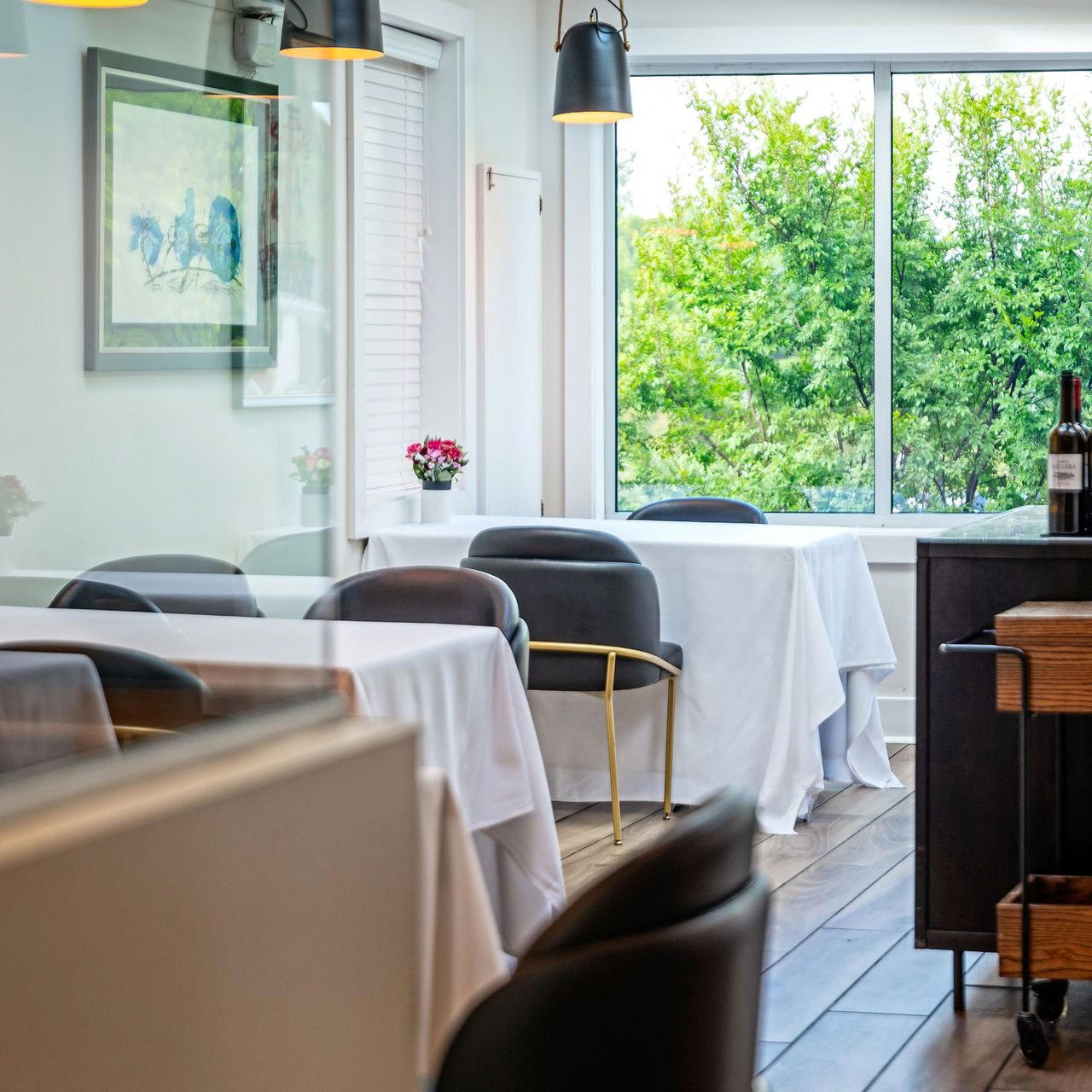
Bars in Washington DC
Browse all →
Hotels in Washington DC
Browse all →
At a Glance
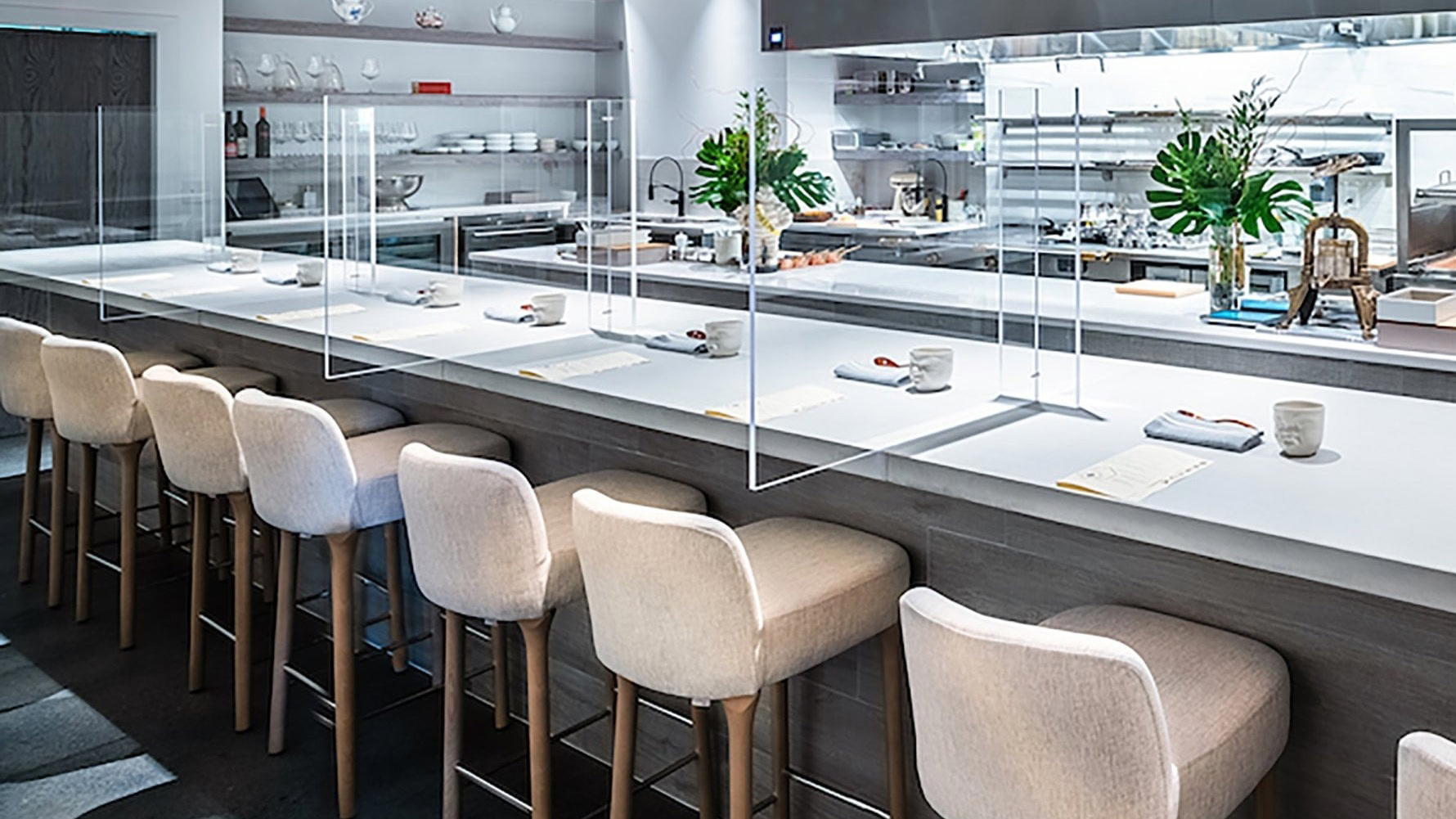
- Intimate
- Minimalist
- Modern
- Date Night
- Special Occasion
- Chefs Counter
Current opening hours
- Monday
- Closed
- Tuesday
- 8:30 AM–3:30 PM
- Wednesday
- 8:30 AM–3:30 PM, 5:30–8:30 PM
- Thursday
- 8:30 AM–3:30 PM, 5:30–8:30 PM
- Friday
- 8:30 AM–3:30 PM, 5:30–8:30 PM
- Saturday
- 8:30 AM–3:30 PM, 5:30–8:30 PM
- Sunday
- 11:30 AM–3:30 PM, 5:30–8:30 PM
Hours can change for holidays and private events. Last verified .
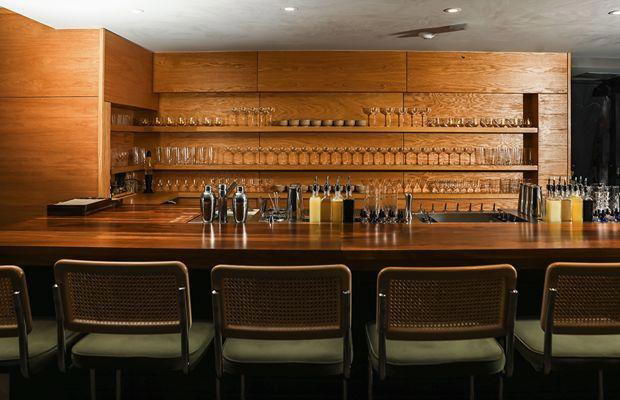
Minimalistic and serene with a quiet, intimate atmosphere providing an escape from the bustling streets.