Burnt Hill Farm
Where Connecticut Soil Meets the Table The hills of Washington, Connecticut carry a particular quality of light in the late afternoon, the kind that filters through second-growth hardwood and settles over stone-crossed pasture with the unhurried character of old New England farmland. Burnt Hill Farm sits inside that setting, and its identity is shaped more by what surrounds it than by any single decision made at the kitchen or cellar. The cuisine leans Asian in its seasoning logic and seasonal in its sourcing discipline, two orientations that, when placed against Connecticut's short growing window and mineral-forward soils, produce a table that reads as distinctly regional even when the flavor profiles point east. The Terrain Beneath the Food Connecticut's Litchfield Hills occupy a narrow band of agricultural seriousness that most East Coast food travelers overlook in favor of the Hamptons or the Hudson Valley. The elevation here, combined with glacially deposited loam and pronounced temperature swings between day and night, creates growing conditions that reward patience and punish shortcuts. Farms operating in this zone produce ingredients with concentrated flavor profiles, the result of shorter seasons and soils that drain well and force root systems to work harder. Burnt Hill Farm's Asian-leaning seasonal format is well-suited to that agricultural reality: the flavor vocabulary of fermentation, bright acid, and umami-forward seasoning translates readily to produce that arrives at the table with inherent intensity rather than requiring culinary amplification. This is, broadly, how the leading farm-to-table operations in New England's inland counties tend to function. The land sets the agenda. The kitchen responds. When that relationship works, the result is a menu that changes not because a chef wants variety but because the soil demands it. Asian-Leaning Seasonal: What the Category Actually Means The phrase "Asian-leaning seasonal" has become something of a shorthand in American farm dining over the past decade, applied to everything from ramen-inflected tasting menus in Brooklyn to miso-glazed root vegetable plates in Vermont. At its weakest, the category is decorative, a miso paste here, a shiso leaf there, without any structural engagement with Asian culinary logic. At its strongest, it reflects a genuine rethinking of how seasonal American ingredients can be treated: fermented, pickled, aged, or finished with the kinds of layered condiment bases that East and Southeast Asian cuisines have refined over centuries. Burnt Hill Farm's positioning within this category points toward the latter ambition. Operating out of a working farm in Litchfield County places the kitchen in proximity to ingredients that benefit from exactly that kind of treatment. Brassicas, alliums, root vegetables, and foraged greens from this part of Connecticut all carry the kind of structural density that holds up to fermentation and bold seasoning without losing their local character. The terroir, in other words, is legible through the cooking rather than obscured by it. For context on how regional American producers approach ingredient expression with similar seriousness, the winemaking community offers useful parallels. Au Bon Climat in Santa Barbara built its reputation on letting cool-climate site character do the work rather than imposing a winemaking signature. Gundlach Bundschu in Sonoma has worked the same estate ground for generations, with each vintage reflecting the year's specific weather rather than a house formula. The same fidelity to place that distinguishes serious wine producers applies to farm kitchens operating at this level of sourcing discipline. Connecticut Wine Country and What It Means for the Table Washington sits within reach of Connecticut's small but growing wine scene, concentrated in the western hills and the Connecticut River Valley. The state's producers, Brotherhood Winery in Washingtonville among the oldest in the Northeast, have worked for decades to establish that the region's climate can produce wines with genuine character rather than simply wines that exist. Hybrid varieties and cold-hardy European grapes dominate, producing whites and light reds that share the same mineral backbone and bright acidity as the agricultural produce grown in the same soils. A kitchen like Burnt Hill Farm's, operating with seasonal and regional integrity, is a natural complement to that wine tradition. Further afield, the American wine producers most worth understanding in relation to farm-driven seasonal cooking are those who share the same commitment to site fidelity. Barboursville Vineyards in Virginia and The Williamsburg Winery both work within Eastern American terroir with European grape varieties and a similar philosophy of letting the site speak. On the West Coast, Januik Winery in Woodinville and K Vintners in Walla Walla represent the Washington State tradition of terroir-driven winemaking that draws direct comparison to what serious farm operations in Connecticut are attempting on the food side. Freemark Abbey in Rutherford, Andrew Murray Vineyards in Los Olivos, and Justin Winery in Paso Robles extend that conversation into California's varied appellations, while B.R. Cohn in Glen Ellen, Babcock Winery in Lompoc, and Bacalhôa Vinhos in Azeitão and Château La Mondotte in Saint-Émilion broaden the global frame of reference for what place-faithful production looks like across categories. Planning a Visit Washington, Connecticut is roughly two hours from New York City and under ninety minutes from Hartford, making it reachable as a day trip from either direction but more rewarding as an overnight. The town is small and the surrounding Litchfield Hills circuit includes a concentration of farm operations, antique dealers, and independent inns that justify extending the visit. For anyone building an itinerary around serious farm and food experiences in the Northeast, our full Washington restaurants guide maps the broader dining picture in the region. Booking ahead for any farm-based dining in this area is standard practice, as capacity tends to be limited by the nature of the format and seasonal availability determines what is on offer at any given time. Frequently Asked Questions What is the atmosphere like at Burnt Hill Farm?The setting is agricultural Connecticut, which means working land, open views across Litchfield County hills, and the unhurried pace of a farm-based operation rather than a restaurant in the conventional sense. Washington, CT is a small historic town with a distinctly rural character; the atmosphere at any farm dining experience here reflects that environment directly.What wine is Burnt Hill Farm known for?No specific wine program data is currently recorded for Burnt Hill Farm.What is the standout thing about Burnt Hill Farm?The most distinctive aspect, based on available data, is the combination of a working farm setting in Litchfield County with an Asian-leaning seasonal kitchen. That pairing is less common in Connecticut than it is in coastal or urban markets, which gives the operation a specific positioning within the regional farm dining scene.Do I need a reservation for Burnt Hill Farm?Farm-based dining operations in Connecticut's Litchfield Hills generally require reservations and often operate on limited or event-based schedules. Contacting the venue directly before planning travel is advisable.Anything to keep in mind for Burnt Hill Farm?This is a farm in rural Connecticut, not a standalone restaurant. Seasonal availability, limited capacity, and weather-dependent access are all relevant considerations. Building the visit around the broader Litchfield Hills area ensures the trip holds value regardless of what is on offer on a specific date.Is a tasting at Burnt Hill Farm worth the price?Farm-based seasonal dining in this tier of the Northeast market generally commands a premium that reflects direct sourcing costs and limited scale rather than restaurant overhead. The value case depends on how much weight a visitor places on provenance and setting relative to menu breadth.How does Burnt Hill Farm's Asian-leaning approach connect to the Connecticut agricultural season?Connecticut's growing season runs roughly from late May through October, producing brassicas, alliums, root vegetables, and foraged ingredients with concentrated flavors shaped by the region's glacially deposited soils and temperature swings. An Asian-leaning cooking approach, with its emphasis on fermentation, pickling, and umami-building techniques, is well-matched to those raw materials because it works with intensity rather than against it, making the seasonal and geographic character of Litchfield County produce legible through the finished plate.
Pearl is the En Primeur Club membership app — saves, bookings, and concierge access live there. Same editors, same standards.
- Address
- 25001 Burnt Hill Rd, Clarksburg, MD 20871
- Website
- burnthill.farm
- Directions
- Get directions
 Saves & bookings on Pearl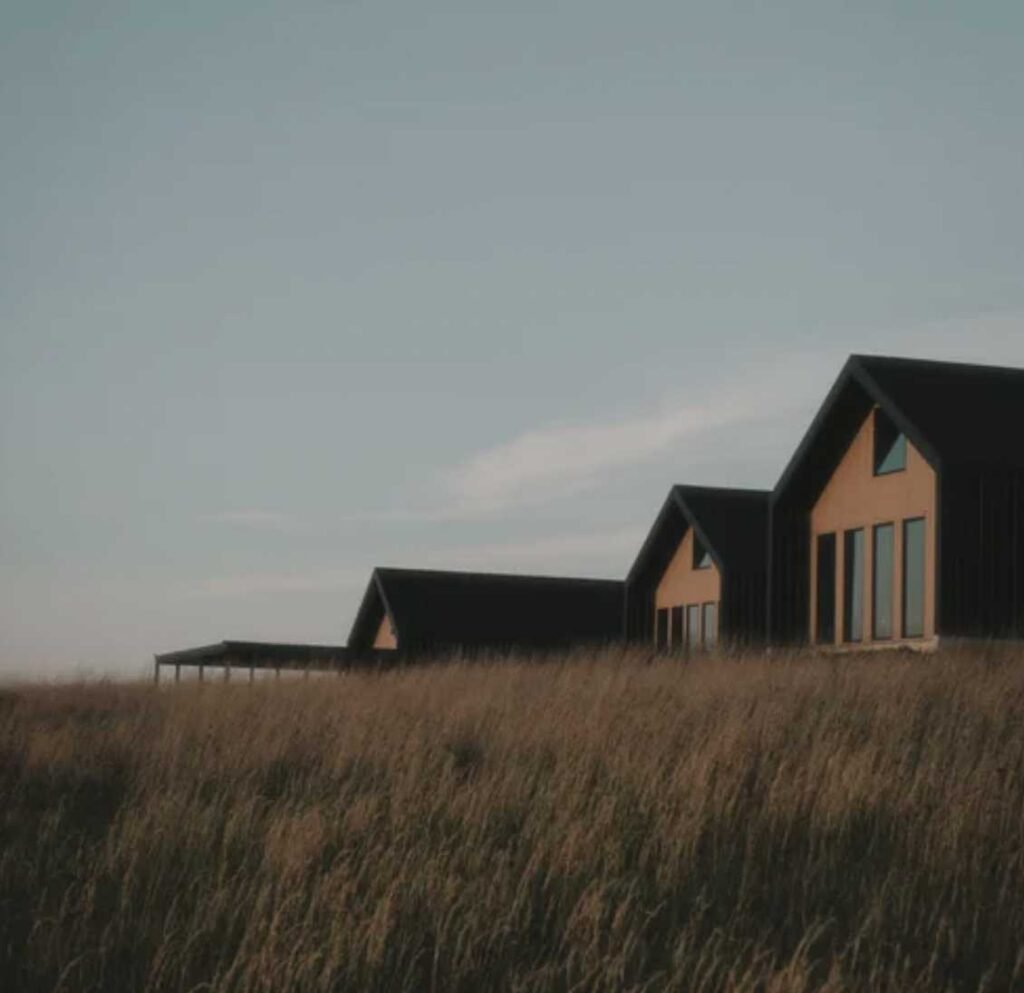
Where Connecticut Soil Meets the Table
The hills of Washington, Connecticut carry a particular quality of light in the late afternoon, the kind that filters through second-growth hardwood and settles over stone-crossed pasture with the unhurried character of old New England farmland. Burnt Hill Farm sits inside that setting, and its identity is shaped more by what surrounds it than by any single decision made at the kitchen or cellar. The cuisine leans Asian in its seasoning logic and seasonal in its sourcing discipline, two orientations that, when placed against Connecticut's short growing window and mineral-forward soils, produce a table that reads as distinctly regional even when the flavor profiles point east.
The Terrain Beneath the Food
Connecticut's Litchfield Hills occupy a narrow band of agricultural seriousness that most East Coast food travelers overlook in favor of the Hamptons or the Hudson Valley. The elevation here, combined with glacially deposited loam and pronounced temperature swings between day and night, creates growing conditions that reward patience and punish shortcuts. Farms operating in this zone produce ingredients with concentrated flavor profiles, the result of shorter seasons and soils that drain well and force root systems to work harder. Burnt Hill Farm's Asian-leaning seasonal format is well-suited to that agricultural reality: the flavor vocabulary of fermentation, bright acid, and umami-forward seasoning translates readily to produce that arrives at the table with inherent intensity rather than requiring culinary amplification.
This is, broadly, how the leading farm-to-table operations in New England's inland counties tend to function. The land sets the agenda. The kitchen responds. When that relationship works, the result is a menu that changes not because a chef wants variety but because the soil demands it.
Asian-Leaning Seasonal: What the Category Actually Means
The phrase "Asian-leaning seasonal" has become something of a shorthand in American farm dining over the past decade, applied to everything from ramen-inflected tasting menus in Brooklyn to miso-glazed root vegetable plates in Vermont. At its weakest, the category is decorative, a miso paste here, a shiso leaf there, without any structural engagement with Asian culinary logic. At its strongest, it reflects a genuine rethinking of how seasonal American ingredients can be treated: fermented, pickled, aged, or finished with the kinds of layered condiment bases that East and Southeast Asian cuisines have refined over centuries.
Burnt Hill Farm's positioning within this category points toward the latter ambition. Operating out of a working farm in Litchfield County places the kitchen in proximity to ingredients that benefit from exactly that kind of treatment. Brassicas, alliums, root vegetables, and foraged greens from this part of Connecticut all carry the kind of structural density that holds up to fermentation and bold seasoning without losing their local character. The terroir, in other words, is legible through the cooking rather than obscured by it.
For context on how regional American producers approach ingredient expression with similar seriousness, the winemaking community offers useful parallels. Au Bon Climat in Santa Barbara built its reputation on letting cool-climate site character do the work rather than imposing a winemaking signature. Gundlach Bundschu in Sonoma has worked the same estate ground for generations, with each vintage reflecting the year's specific weather rather than a house formula. The same fidelity to place that distinguishes serious wine producers applies to farm kitchens operating at this level of sourcing discipline.
Connecticut Wine Country and What It Means for the Table
Washington sits within reach of Connecticut's small but growing wine scene, concentrated in the western hills and the Connecticut River Valley. The state's producers, Brotherhood Winery in Washingtonville among the oldest in the Northeast, have worked for decades to establish that the region's climate can produce wines with genuine character rather than simply wines that exist. Hybrid varieties and cold-hardy European grapes dominate, producing whites and light reds that share the same mineral backbone and bright acidity as the agricultural produce grown in the same soils. A kitchen like Burnt Hill Farm's, operating with seasonal and regional integrity, is a natural complement to that wine tradition.
Further afield, the American wine producers most worth understanding in relation to farm-driven seasonal cooking are those who share the same commitment to site fidelity. Barboursville Vineyards in Virginia and The Williamsburg Winery both work within Eastern American terroir with European grape varieties and a similar philosophy of letting the site speak. On the West Coast, Januik Winery in Woodinville and K Vintners in Walla Walla represent the Washington State tradition of terroir-driven winemaking that draws direct comparison to what serious farm operations in Connecticut are attempting on the food side. Freemark Abbey in Rutherford, Andrew Murray Vineyards in Los Olivos, and Justin Winery in Paso Robles extend that conversation into California's varied appellations, while B.R. Cohn in Glen Ellen, Babcock Winery in Lompoc, and Bacalhôa Vinhos in Azeitão and Château La Mondotte in Saint-Émilion broaden the global frame of reference for what place-faithful production looks like across categories.
Planning a Visit
Washington, Connecticut is roughly two hours from New York City and under ninety minutes from Hartford, making it reachable as a day trip from either direction but more rewarding as an overnight. The town is small and the surrounding Litchfield Hills circuit includes a concentration of farm operations, antique dealers, and independent inns that justify extending the visit. For anyone building an itinerary around serious farm and food experiences in the Northeast, our full Washington restaurants guide maps the broader dining picture in the region. Booking ahead for any farm-based dining in this area is standard practice, as capacity tends to be limited by the nature of the format and seasonal availability determines what is on offer at any given time.
How Burnt Hill Farm Clarksburg compares with similar nearby venues.
| Venue | Cuisine |
|---|---|
| Burnt Hill Farm | Asian-leaning seasonal |
Continue exploring
More in Clarksburg
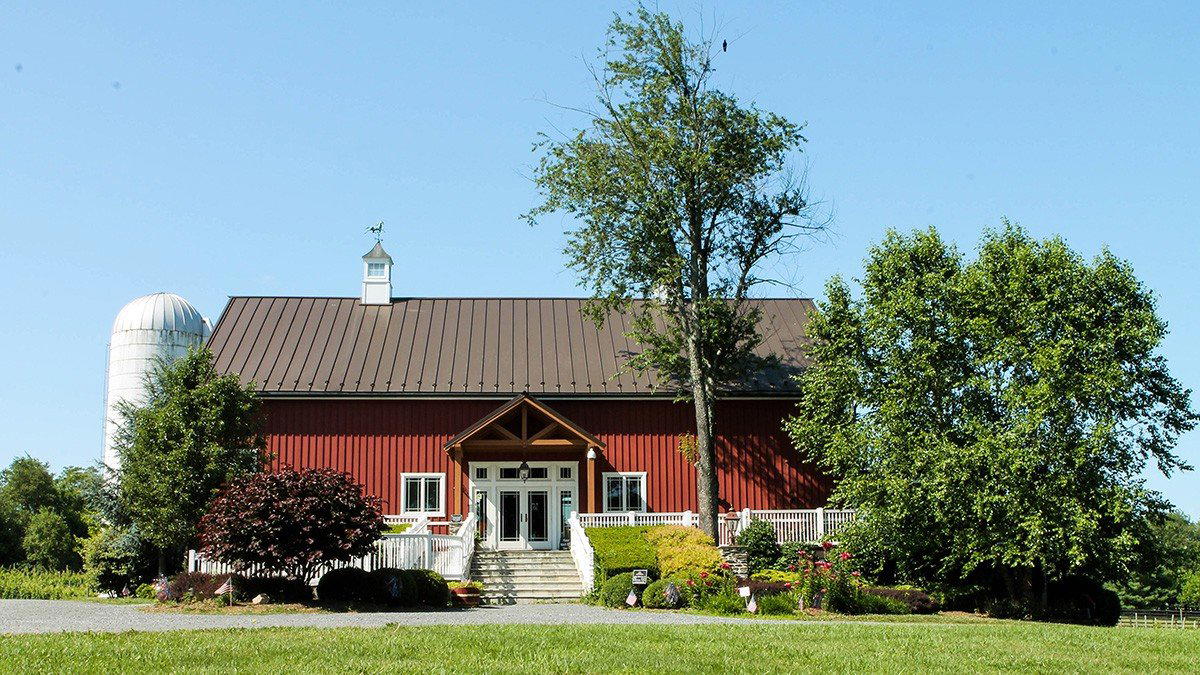
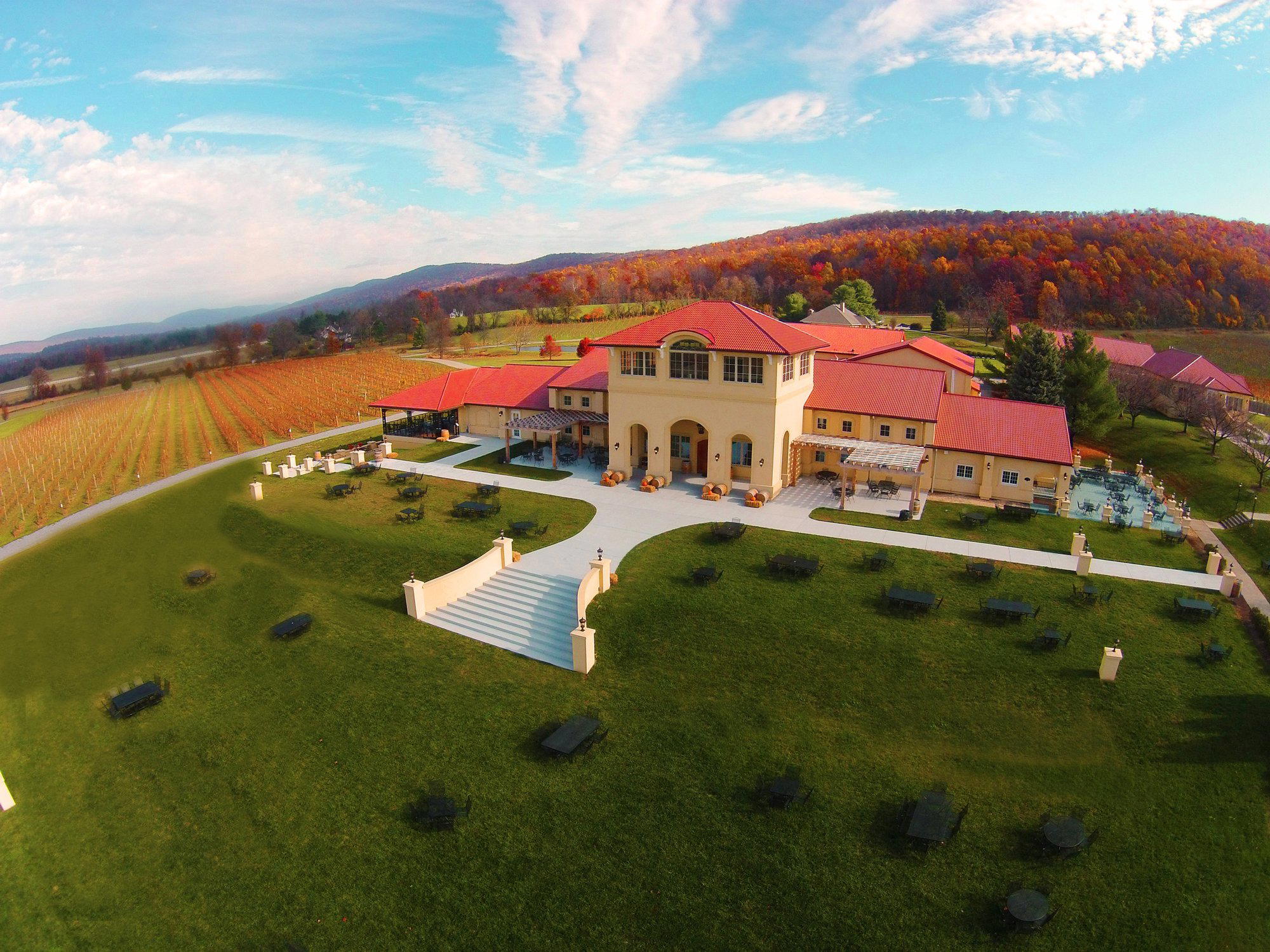
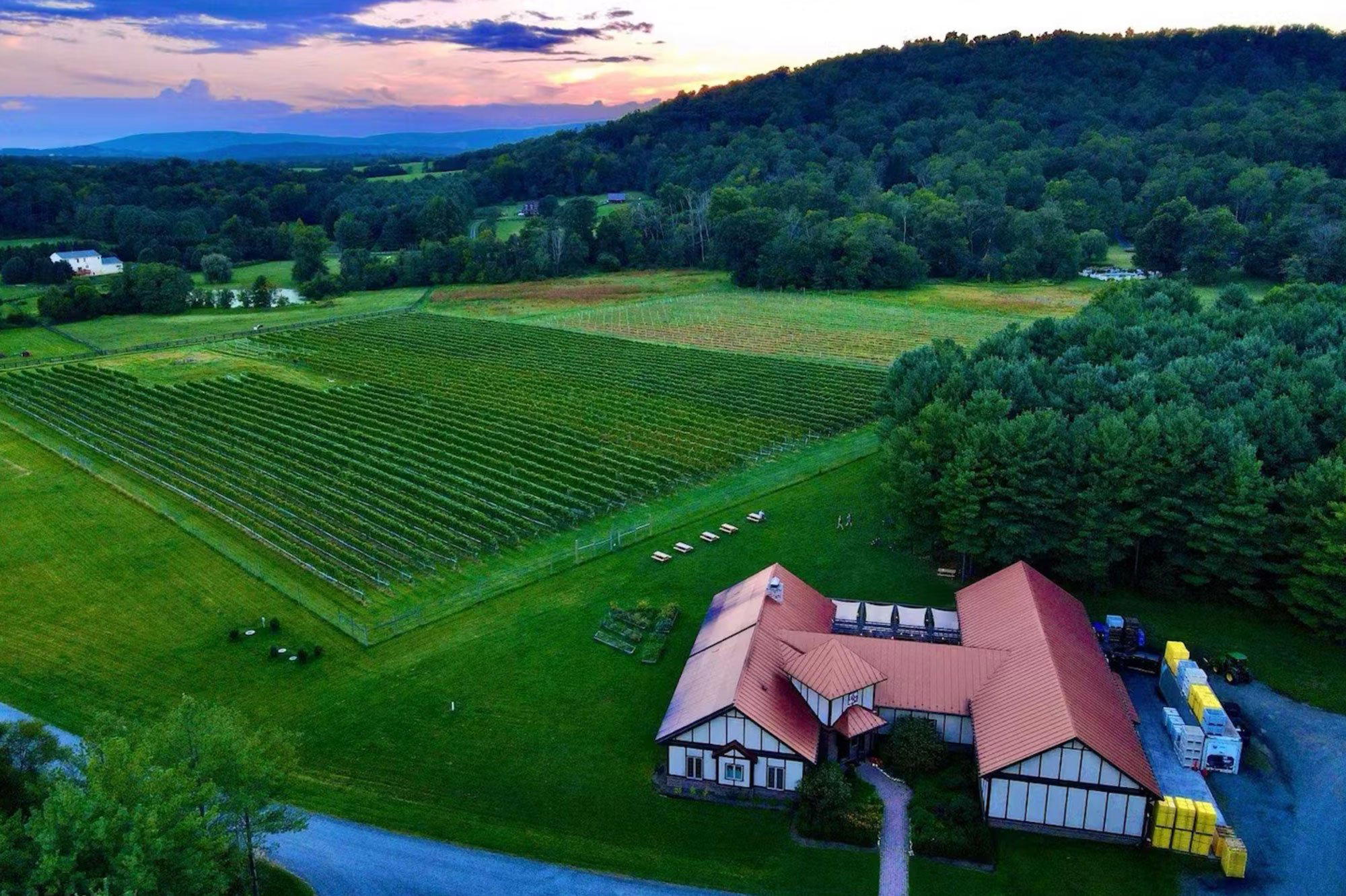
Wineries in Clarksburg
Browse all →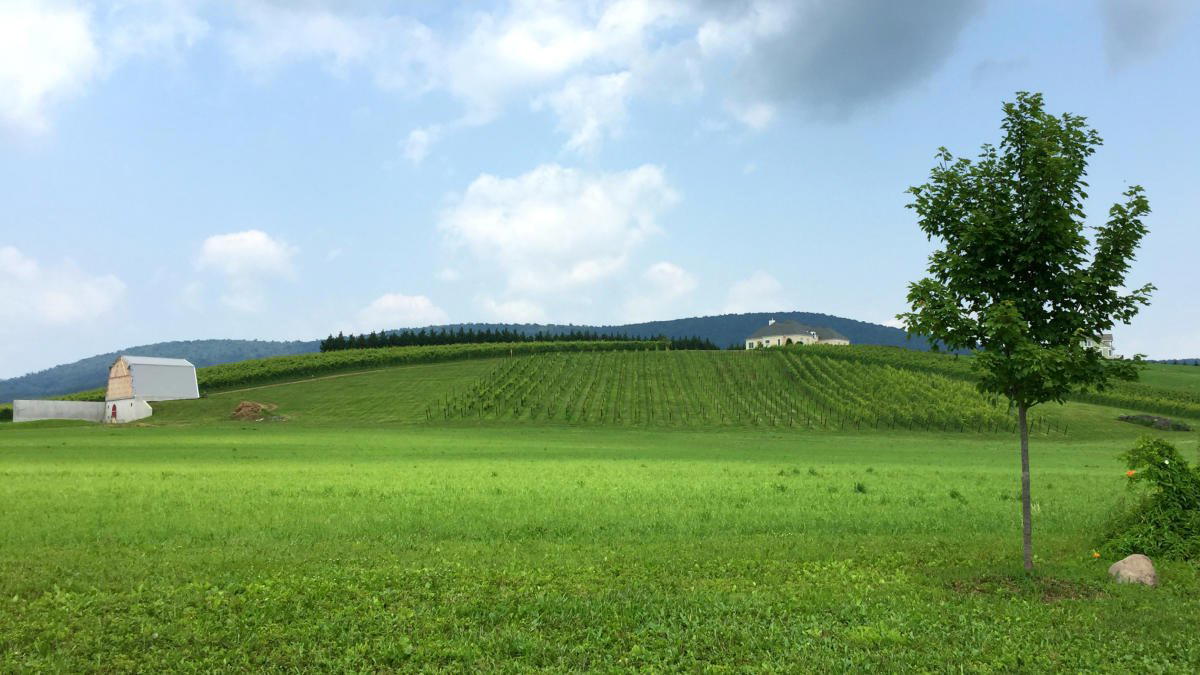
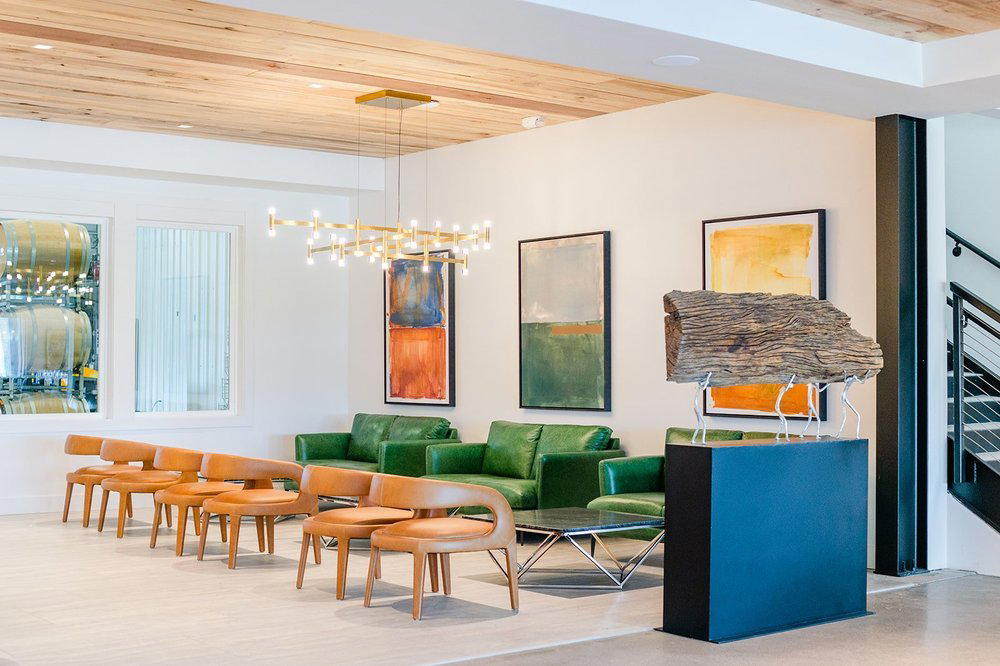
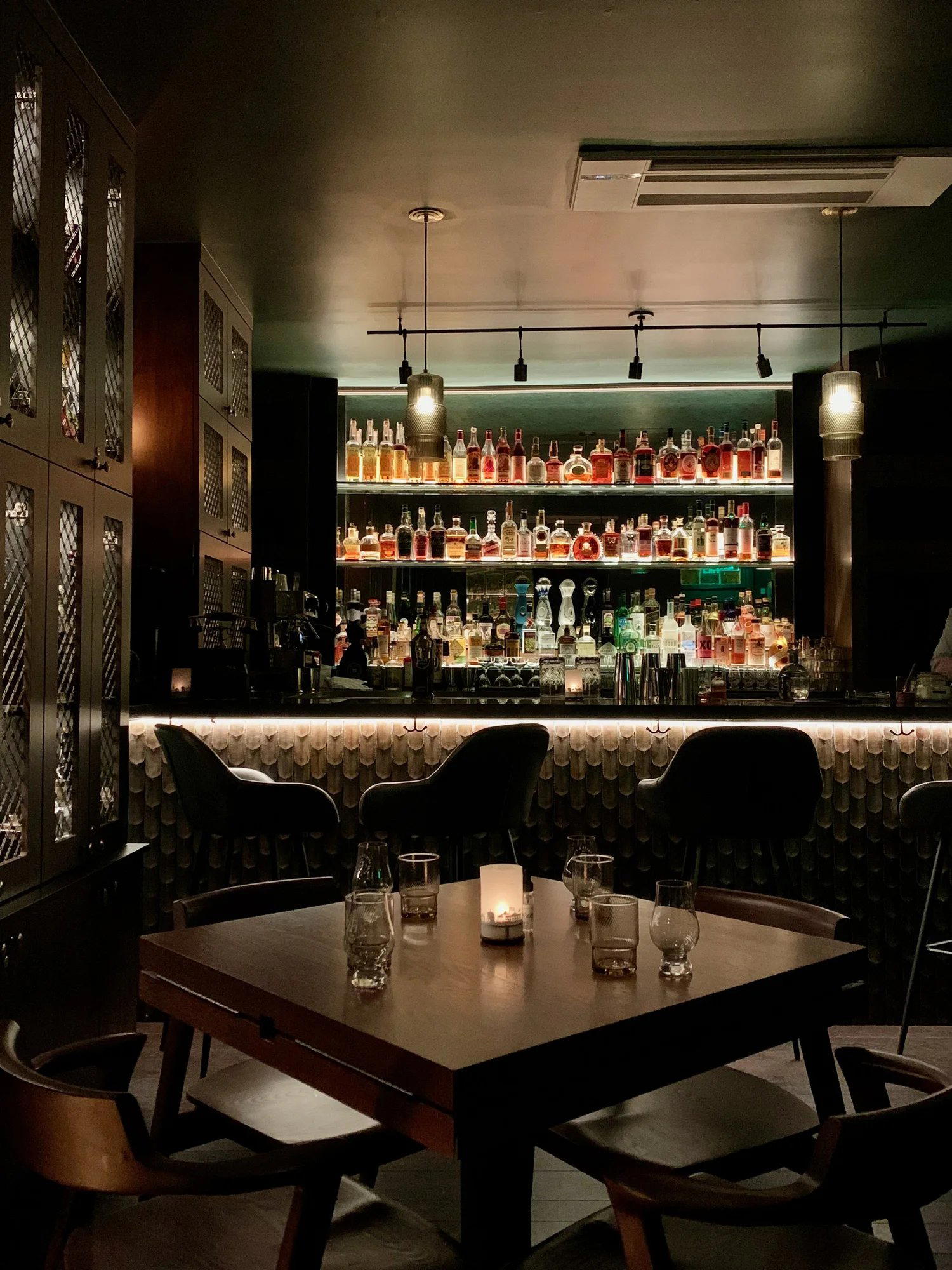
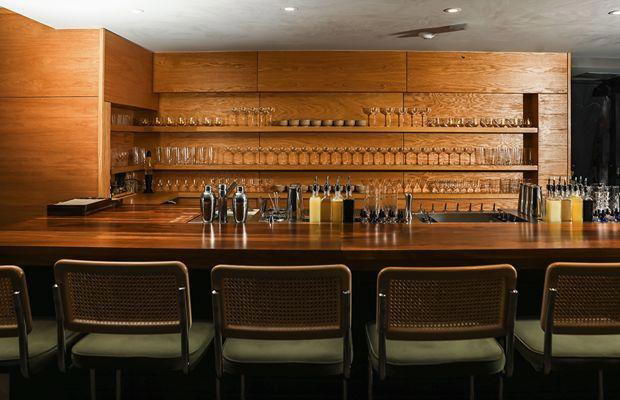
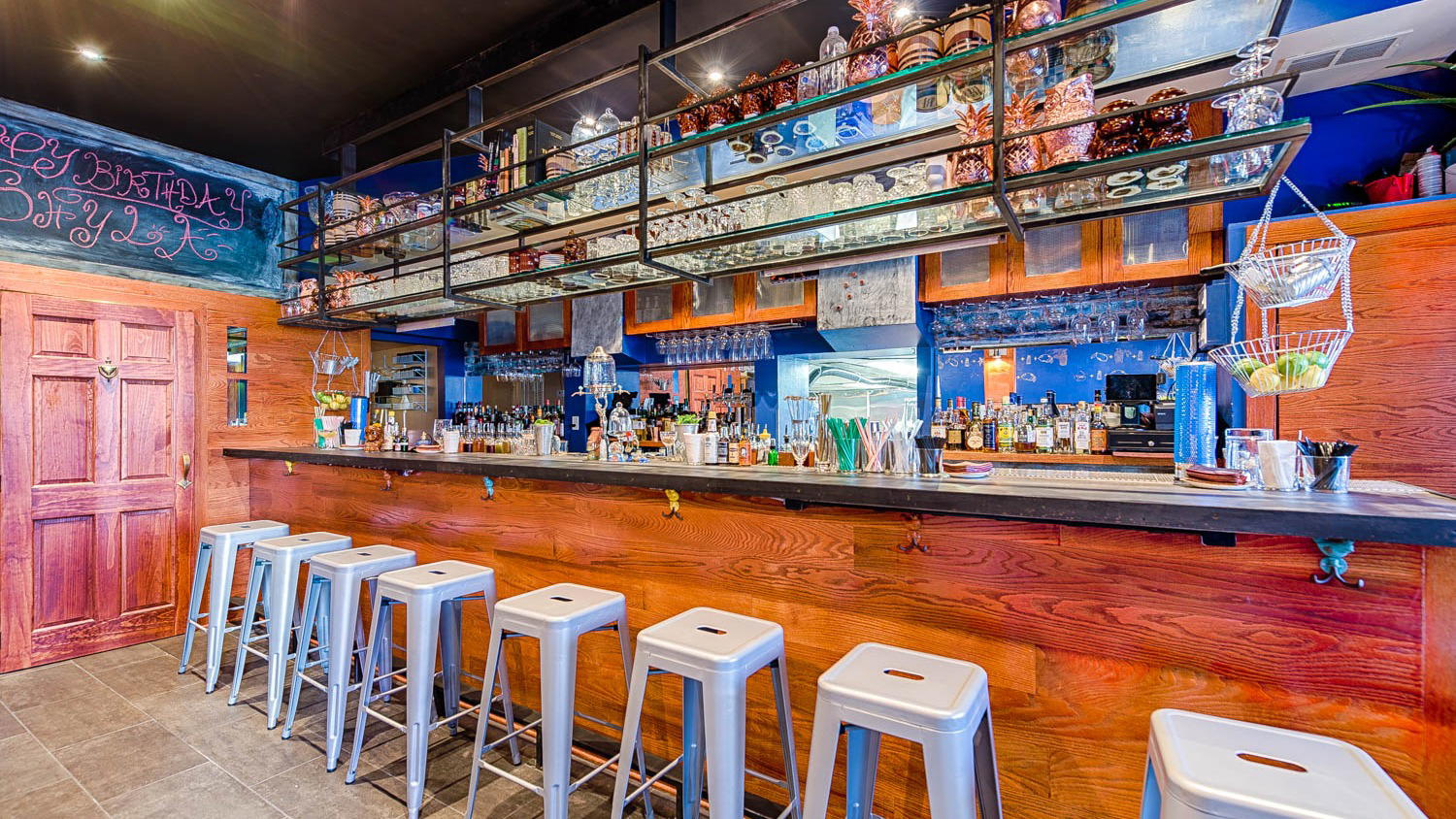
Bars in Clarksburg
Browse all →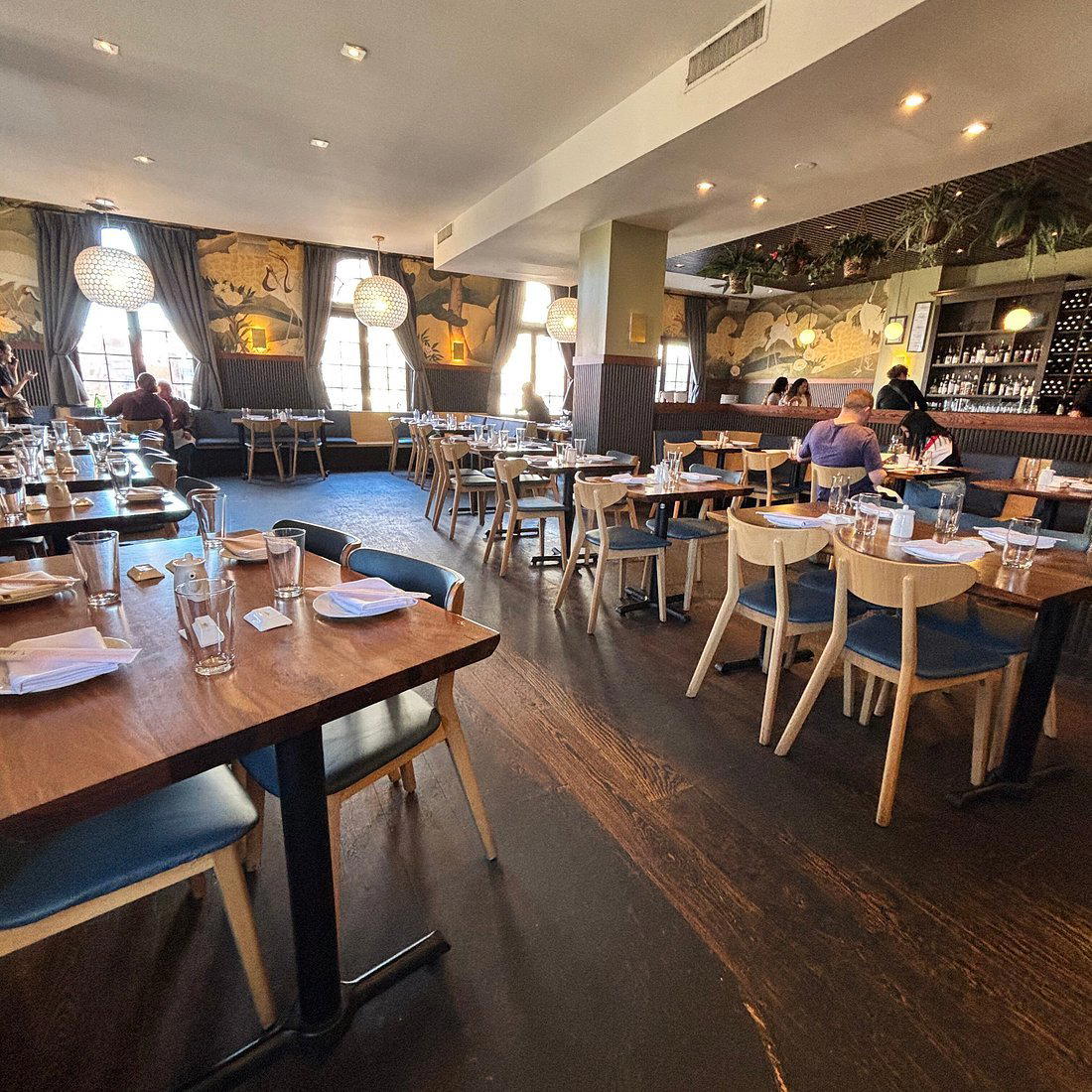
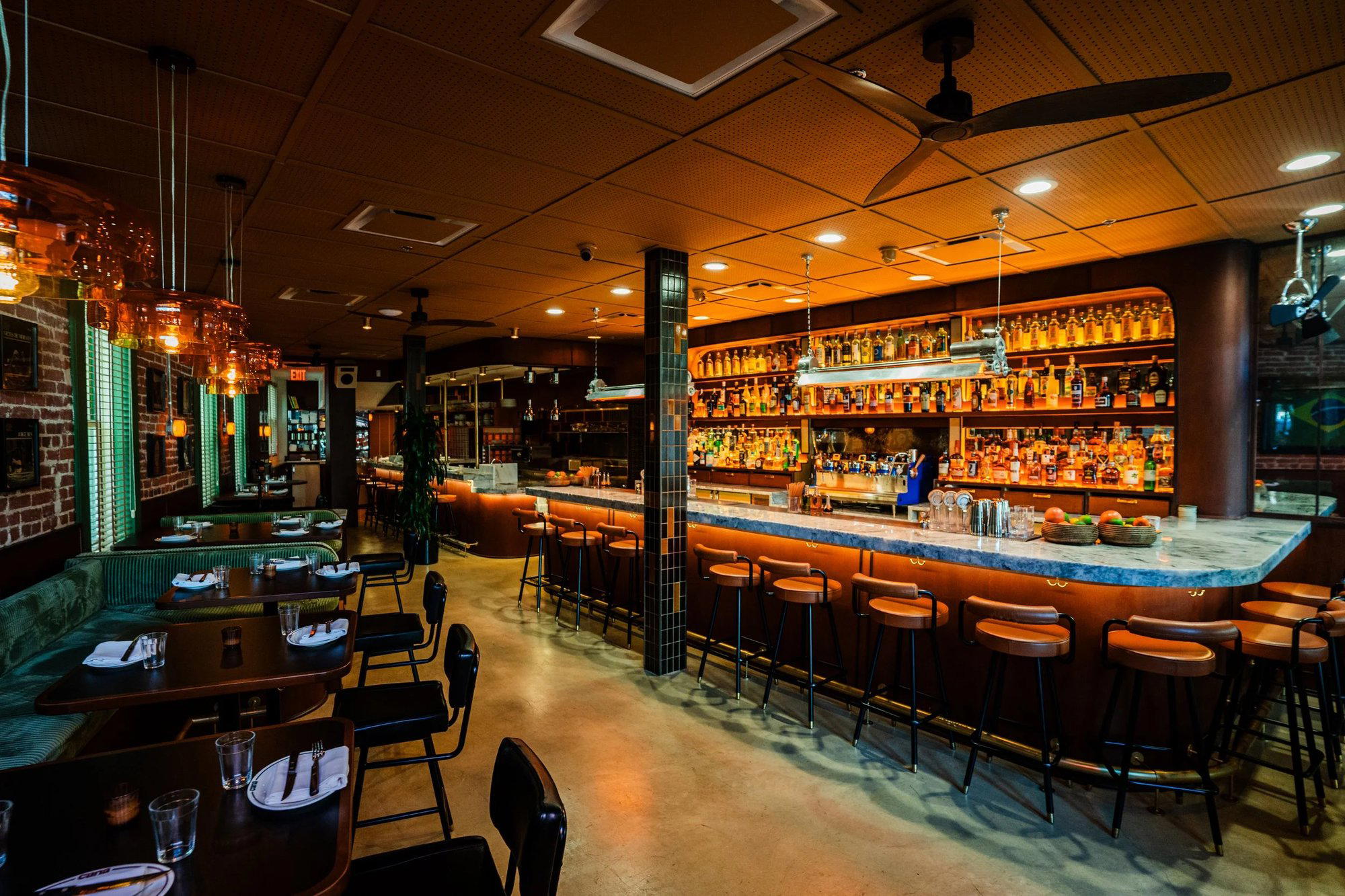
Restaurants in Clarksburg
Browse all →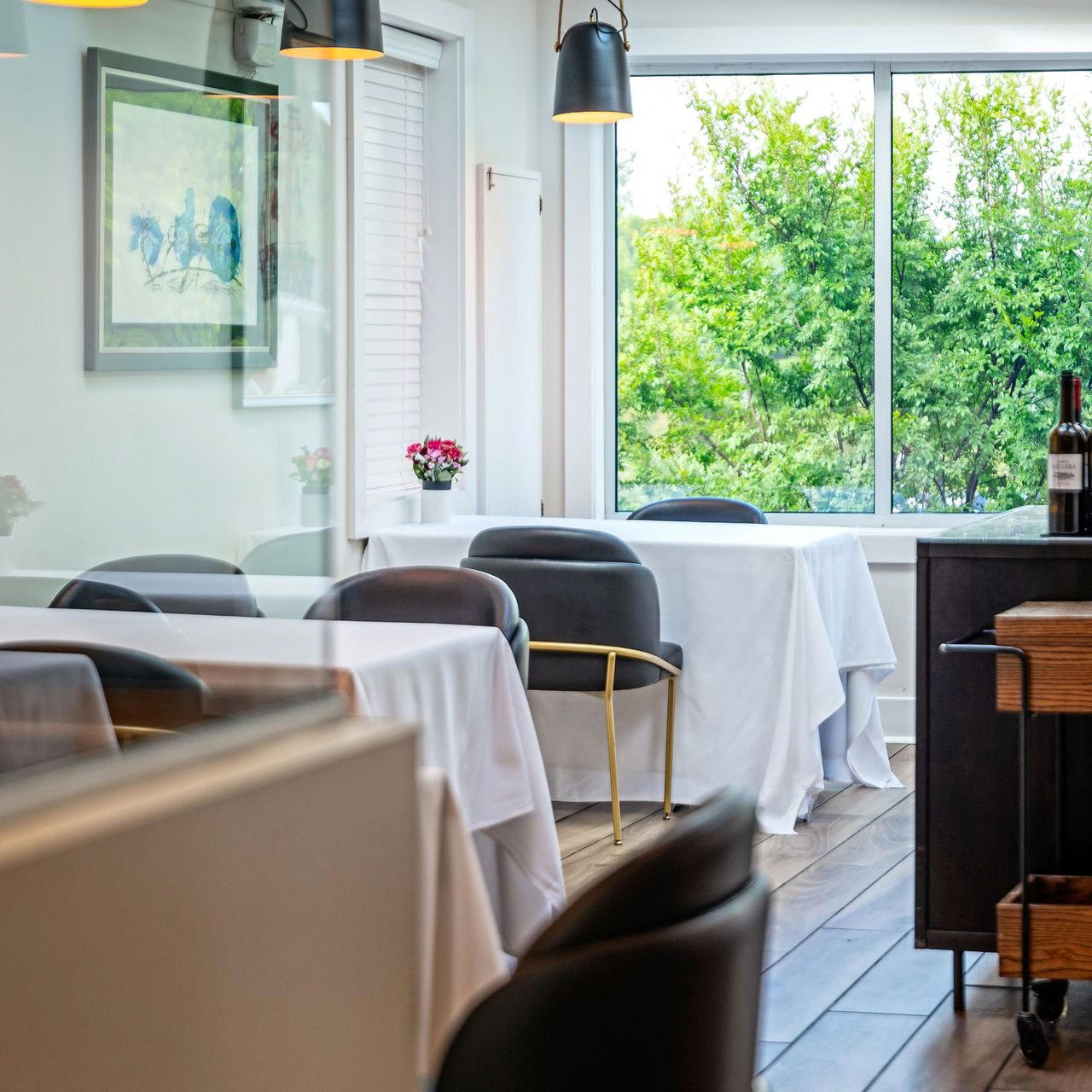

At a Glance
- Rustic
- Scenic
- Cozy
- Intimate
- Wine Education
- Special Occasion
- Vineyard Tour
- Estate Grounds
- Organic
- Biodynamic
- Mountain
- Vineyard
- Connecticut
Quiet beauty of a hand-cultivated farm in harmony with nature, with lingering around the table amid airy landscape.
Know Before You Go
- Getting there
- 25001 Burnt Hill Rd, Clarksburg, MD 20871