Effingham Manor Winery
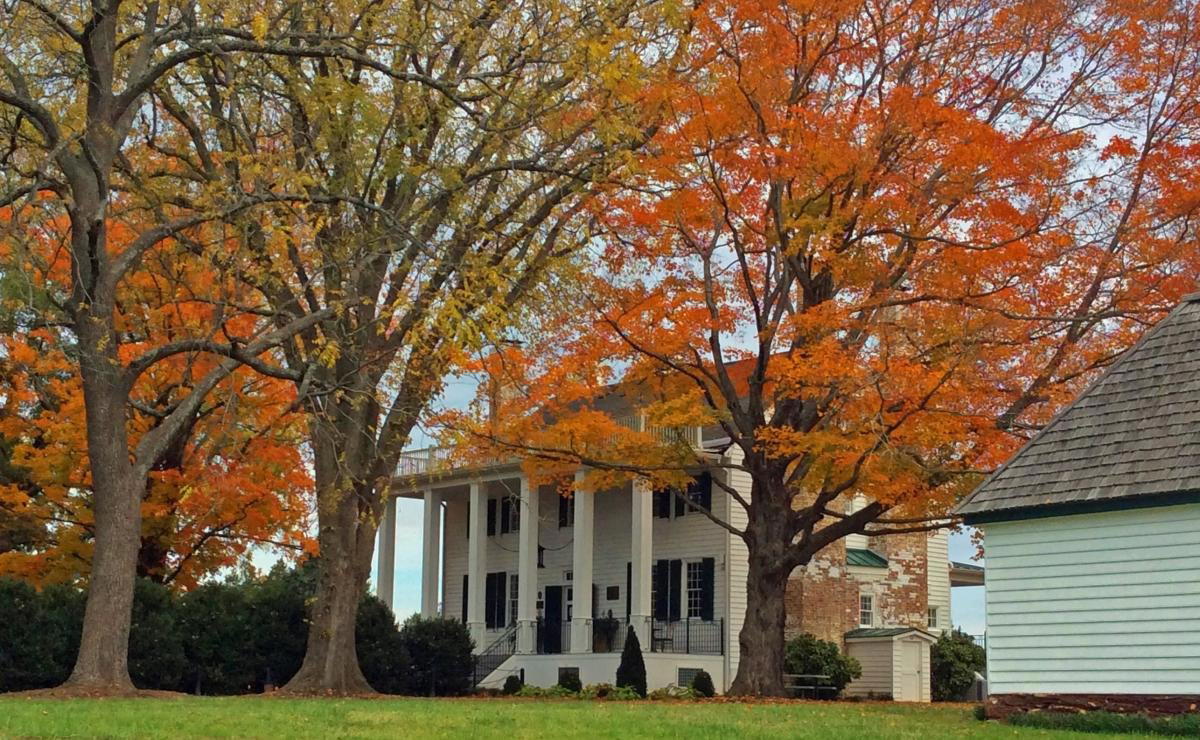
Effingham Manor Winery sits in Virginia's Prince William County wine country outside Nokesville. The estate sits on agricultural land that reflects the Piedmont's mix of clay-loam soils and temperate continental climate, placing it among a tier of Virginia producers building serious regional credibility beyond the state's better-known Charlottesville corridor.

Pearl is the En Primeur Club membership app — saves, bookings, and concierge access live there. Same editors, same standards.
- Address
- 14325 Trotters Ridge Pl, Nokesville, VA 20181
- Phone
- (703) 594-2300
- Website
- effinghammanor.com
- Directions
- Get directions
Virginia Wine Country Beyond the Charlottesville Corridor
For most of the past two decades, Virginia's wine identity has been shaped almost entirely by the Charlottesville axis — Monticello AVA producers, Jefferson Vineyards, and the Blue Ridge foothills that have attracted the most critical attention and tourist traffic. Prince William County, positioned further north and east in Virginia's Piedmont, has operated as a quieter counterpoint: closer to the Washington D.C. metro, planted on a different soil profile, and, until recently, under-represented in serious wine coverage.
The broader Virginia wine story is instructive here. The state now counts more than 300 licensed wineries, and the quality spread across that field is wide. At one end sit producers still calibrated to weekend tourism and sweet blends; at the other, a smaller group of estates working with serious varietal focus and measurable critical recognition. For visitors planning itineraries out of Our full Nokesville restaurants guide, this positioning matters when deciding where to spend limited time.
Terroir in the Piedmont: Soils, Climate, and What They Produce
Prince William County's agricultural character is defined by its Piedmont geology: a mix of clay-heavy soils derived from the underlying weathered schist and granite, with enough slope variation on older farm parcels to provide drainage that Vitis vinifera demands. The climate sits between the more continental Blue Ridge foothills and the moderating influence of the Potomac watershed to the north, producing growing seasons with warm summers, meaningful diurnal temperature swings in September and October, and a frost calendar that challenges late-ripening varieties while rewarding those with earlier phenological cycles.
This is a materially different terroir proposition from the producers further west. Compare the approach to estates like Adelaida Vineyards in Paso Robles, where limestone-influenced soils and a pronounced coastal influence shape fruit character in ways that are well-documented, or Adelsheim Vineyard in Newberg, where Oregon's Jory and Nekia soils are the axis around which the entire program is built. In Prince William County, the terroir argument is younger, less codified, and still being written — which is exactly the condition that makes a 2025 prestige award worth noting. It signals that a producer is building a coherent case for place even before the critical consensus has fully formed.
Virginia's dominant varieties in serious production have historically been Viognier, the state's de facto signature white, alongside Cabernet Franc, which handles the region's humidity and disease pressure better than Cabernet Sauvignon in many sites. Chardonnay and Petit Verdot have also found advocates among producers who argue the clay soils give structure and aging potential that warmer, sandier sites cannot. For context on how other producers handle site-specific varietal decisions, look at the approach taken at Alban Vineyards in Arroyo Grande, where Rhône varieties were matched to a specific coastal-influenced site over decades of refinement. That kind of patient site matching is the challenge Virginia's serious producers are currently working through.
The Estate Setting and the Visit
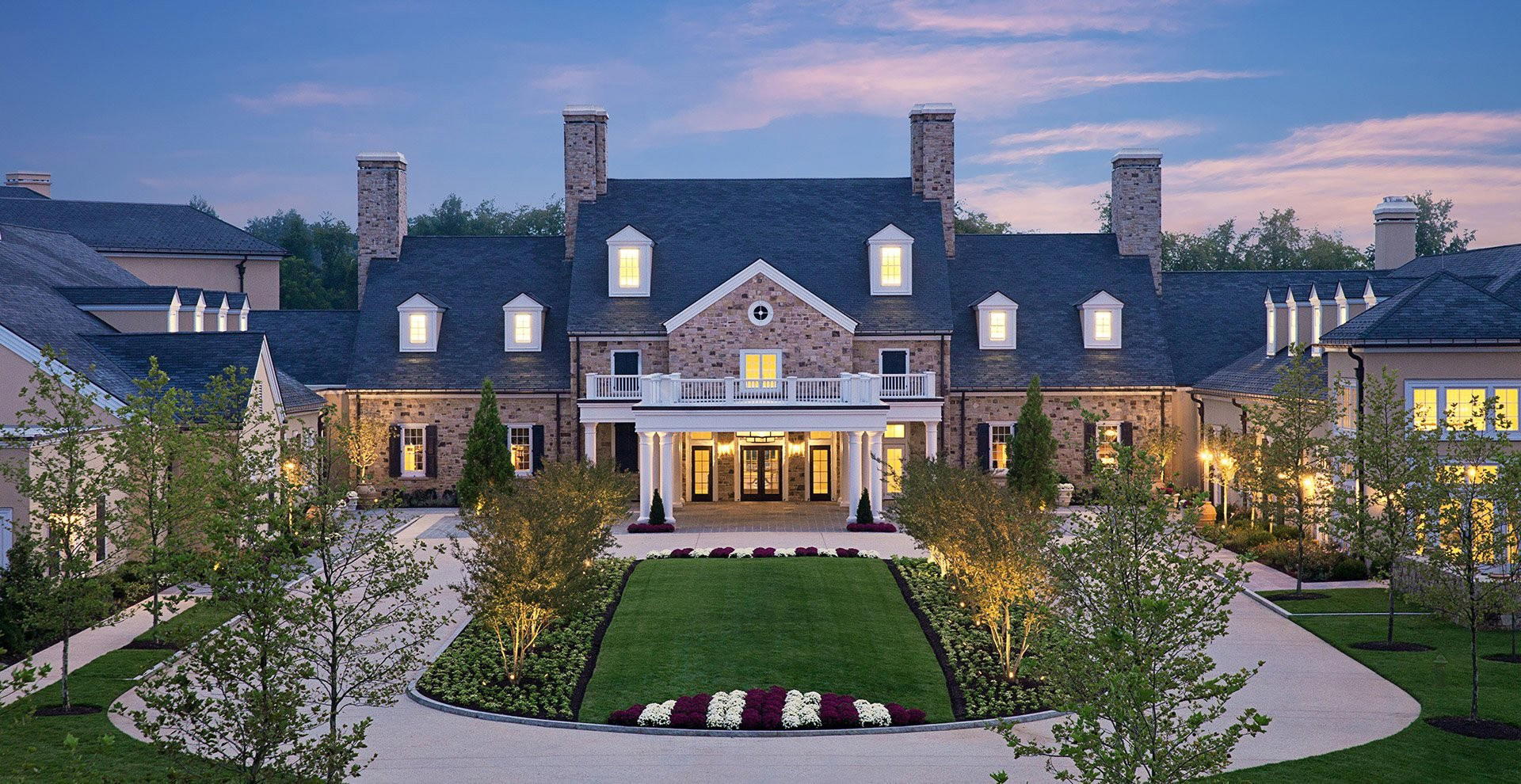
Nokesville is farm country, horse farms, row crops, and scattered rural residential parcels arranged along roads that predate suburban expansion. Approaching Effingham Manor along Trotters Ridge Place, the shift from the surrounding agricultural flatness to a managed estate property is the first signal that the visit is calibrated differently from a tasting-room-first operation. The manor name itself implies an older property footprint, consistent with Prince William County's history of 18th and 19th century land grants that established the parcel structure still visible today.
This setting positions Effingham Manor in the small group of Virginia estates where the property character contributes materially to the experience rather than functioning as backdrop. The equivalent dynamic plays out at very different scale elsewhere: Artesa Vineyards and Winery in Napa is an example of an estate where architectural and site investment has become part of the product identity. At Effingham Manor, the proposition is quieter and more pastoral, which suits the Prince William County context, a counterpoint to the busier, more commercialised tasting circuits to the south and west.
Visitors should plan around the logistics of rural Virginia: this is not a venue accessible by public transit, and the Nokesville address places it roughly 40 miles southwest of central Washington D.C. That proximity to the metro makes it a realistic day trip for D.C.-based visitors who want a wine experience outside the more trafficked Loudoun County circuit, which has become Northern Virginia's most visited wine region by a significant margin.
Placing Effingham Manor in a Wider American Wine Frame
Virginia occupies a particular position in American wine: it is taken seriously by a specific group of producers and wine educators, cited in East Coast fine dining contexts, and almost entirely absent from the national critical conversation that centres on California and Oregon. That gap is both a limitation and an opportunity. When Accendo Cellars in St. Helena, Alpha Omega Winery in Rutherford, or Aubert Wines in Calistoga earn recognition, it lands in a crowded field.
The comparison extends to production philosophy. Estates building terroir-driven programs in less-established regions, whether Au Bon Climat in Santa Barbara in the early years of the Santa Barbara wine conversation, or Andrew Murray Vineyards in Los Olivos working with Rhône varieties in a region still establishing its varietal identity, share a structural similarity with Virginia's current moment. The argument for place comes before the consensus, and the producers who make it earliest and most coherently tend to define the category when the consensus eventually arrives.
For those cross-referencing broader American estate portfolios, Alexander Valley Vineyards in Geyserville, B.R. Cohn Winery in Glen Ellen, Babcock Winery and Vineyards in Lompoc, and Aberlour in Aberlour each represent distinct estate models with different terroir arguments. Achaia Clauss in Patras extends the frame further into Old World estate territory. Effingham Manor sits apart from all of them geographically and stylistically, Virginia Piedmont is its own category, but the process of building estate credibility through awards recognition and terroir specificity connects them at a structural level.
Planning Your Visit
Effingham Manor Winery is located at 14325 Trotters Ridge Place, Nokesville, VA 20181, in Prince William County's rural southwest. The estate's address puts it in a genuinely agricultural setting, not a commercial wine corridor, so arrival by car is the practical default. Specific hours, pricing, and booking details are best confirmed directly with the estate, as this information is subject to seasonal adjustment.
Side-by-Side Snapshot
Comparable venues nearby, for context on price, style, and recognition.
| Venue | Cuisine | Price | Notes |
|---|---|---|---|
| Effingham Manor WineryThis venue — the venue you are viewing | Merlot, Chardonnay | Not listed | Not listed |
| Philip Carter Winery of Virginia | Chambourcin, Chardonnay | $30–50 | Hume |
| Cave Ridge Vineyard | Chambourcin, Viognier | $30–50 | Mount Jackson foothills |
| Chiswell Farm & Winery | Cabernet Franc, Cabernet Sauvignon | $30–50 | Greenwood |
| Good Luck Cellars | Chardonel, Chambourcin | Not listed | Kilmarnock |
| Boxwood Estate Winery | Merlot, Cabernet Franc | Not listed | Middleburg |
Continue exploring
More in Nokesville
Wineries in Nokesville
Browse all →
Bars in Nokesville
Browse all →
Restaurants in Nokesville
Browse all →


Details
- Rustic
- Scenic
- Elegant
- Historic
- Intimate
- Romantic Getaway
- Group Outing
- Celebration
- Wine Education
- Estate Grounds
- Historic Building
- Garden
- Terrace
- Garden
- Vineyard
- Merlot
- Chardonnay
- Tannat
- Traminette
- Norton
- Viognier
- Chambourcin
- Still Red
- Still White
- Still Rosé
- Sparkling
- Standard Tasting
Relaxing and historic atmosphere with fireplaces, back porch seating, manicured grounds, koi pond, and cozy indoor parlors evoking Southern hospitality.