Oyster Oyster








Oyster Oyster sits at the sharper end of Washington D.C.'s tasting menu scene, where Chef Rob Rubba's vegetable-focused progression earned a Michelin star in 2024, a 2023 James Beard Award for Outstanding Chef, and a place in the Opinionated About Dining North America top 250. The format is a multi-course plant-led menu in Shaw, with a 165-label wine list weighted toward France and Maryland.
Pearl is the En Primeur Club membership app — saves, bookings, and concierge access live there. Same editors, same standards.
- Address
- 1440 8th St NW, Washington, DC 20001
- Website
- oysteroysterdc.com
- Directions
- Get directions
 Saves & bookings on Pearl
Where the Meal Begins Before the First Course
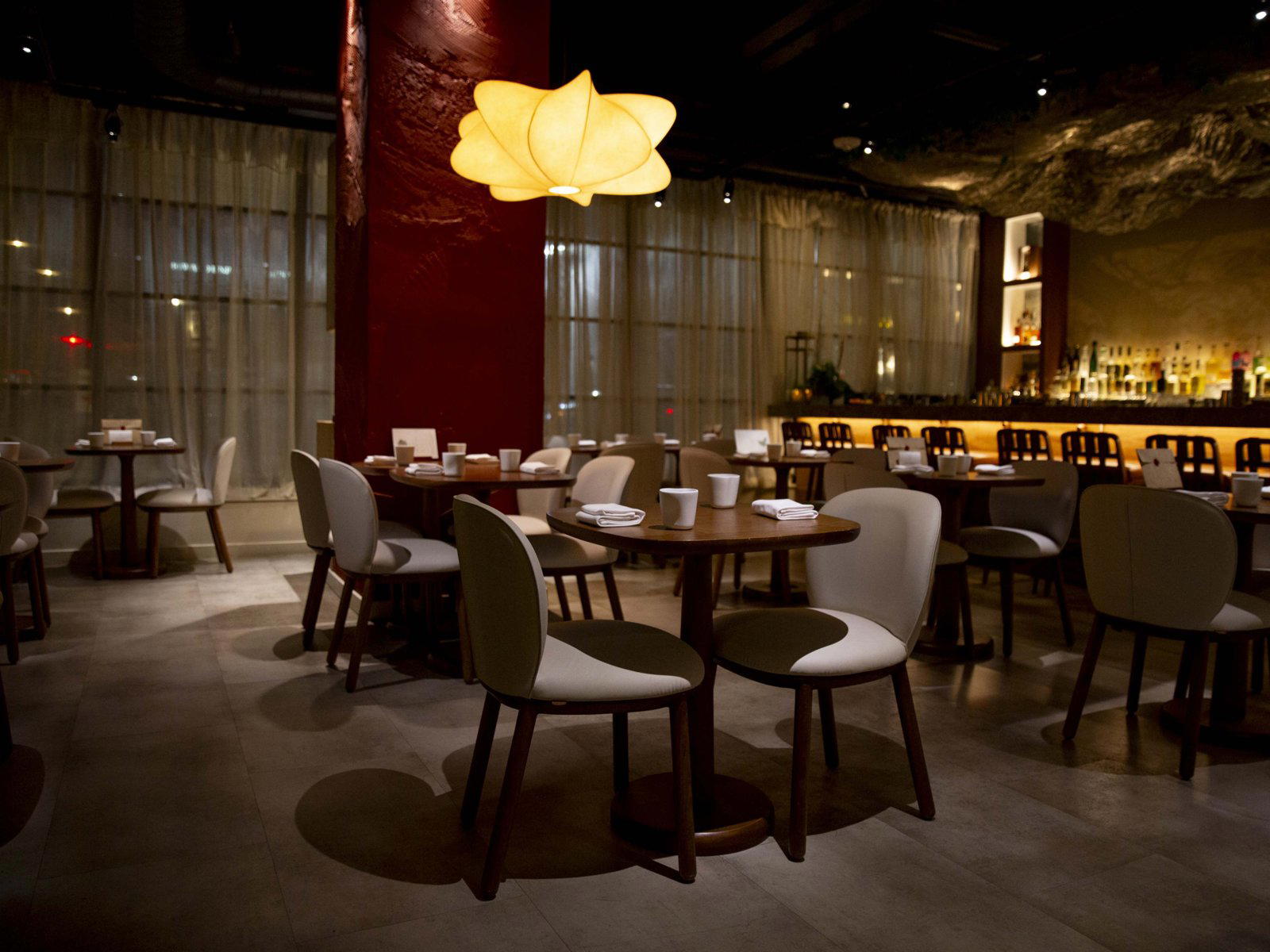
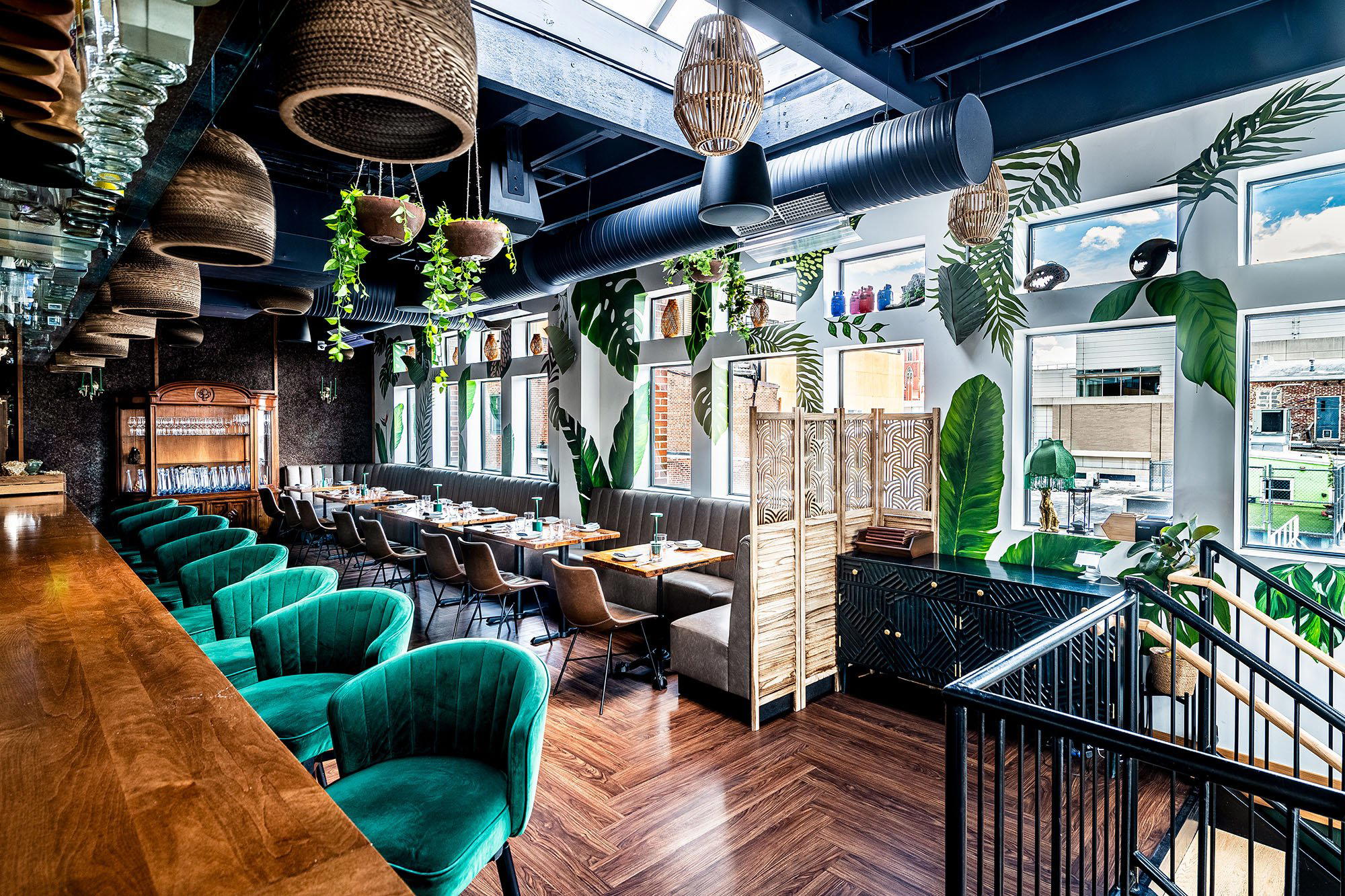
Oyster Oyster is a one-Michelin-star restaurant in Washington, D.C. serving a modern vegetable-focused tasting menu at a $$$$ price tier. Shaw's dining corridor has matured into one of Washington D.C.'s more serious addresses for tasting menu cooking, and the approach at Oyster Oyster fits that neighborhood register precisely. The room is spare without being cold: recycled wine bottles repurposed as plates sit on tables, and oyster shells have been turned into candles. The design vocabulary is not decorative sustainability theater. It is the operating logic of the kitchen made visible in the dining room before a single dish arrives.
That material coherence sets the terms for what follows. Diners arriving expecting a conventional vegetarian restaurant will adjust their expectations quickly. This is a precision tasting menu format, more closely aligned in ambition and structural rigor to the plant-forward end of what venues like Single Thread Farm in Healdsburg or Lazy Bear in San Francisco do with seasonal produce, and less connected to the health-led vegetarian dining that dominated American cities a decade ago.
The Architecture of the Progression
American tasting menus across the premium tier have largely converged on a familiar grammar: snacks, a bread course, middle courses built around technique, a savory climax, and a dessert sequence. What distinguishes the better rooms is not the template but the internal logic connecting each station. At Oyster Oyster, that logic runs through the vegetable itself, with each course using a different technique or flavor register to make an argument about what plant cooking can actually do at this level.
Bread service is where that argument first lands with force. The bread arrives enriched with what the kitchen calls "garleeks," and the accompanying spread is built from sunflower seeds and marigold rather than dairy butter. It is the kind of move that sounds like a substitution until you eat it and realize it is operating on its own terms entirely. That distinction, between substitution and replacement, runs through the full progression.
The pasta course is documented in the kitchen's own description as agnolotti filled with creamy eggplant and house-grown mushrooms, served brodo-style in a roasted corn broth alongside a truffle tart. The construction borrows from Italian technique while sourcing from local farms and the restaurant's own rooftop garden. A summer squash course arrives with a filling of pumpkin seed "ricotta," which again uses quotation marks to signal that the reference point is familiar but the execution is independent of the dairy original.
The single optional oyster, available as an add-on to an otherwise fully plant-based menu, functions as punctuation rather than protein. The restaurant's name refers to the oyster's ecological role as a water filtration organism, a piece of nomenclature that doubles as a mission statement about the kitchen's relationship to the natural systems it draws from.
Credentials That Place It in Context
Washington D.C.'s tasting menu tier includes venues operating at various price and ambition levels. Jônt works a different register entirely, and minibar occupies the molecular-technique end of the spectrum. Oyster Oyster sits in a smaller niche: the multi-course plant-forward format with verifiable award depth and a supply chain that is documented rather than implied.
The credential stack here is not thin. The 2023 James Beard Award for Outstanding Chef, awarded to Rob Rubba, is especially substantive individual culinary honor in the American dining calendar. Michelin added a star in 2024.
That trajectory matters when positioning the restaurant against its D.C. peers. Albi and Causa occupy the $$$$ tier and work from different culinary traditions. Oyster Oyster prices at $$$ against a two-course baseline, which in the tasting menu context represents a middle tier relative to rooms like Alinea in Chicago or The French Laundry in Napa but sits at the serious end of D.C.'s plant-led options.
The Wine Program and Its Logic
A 165-label wine list with 2,000 bottles in inventory and pricing that reaches into the $100-plus range is not what most diners expect alongside a vegetable tasting menu priced at the $$$$ level. The wine program at the restaurant, directed by Paul Palombo with Zack Mills as sommelier, leans toward France and Maryland, the latter being a deliberate expression of regional sourcing philosophy extended from the kitchen to the cellar. A $25 corkage fee indicates the room accommodates guests who bring their own bottles, which at that price point sits on the accessible end of D.C. tasting menu norms.
The France-Maryland axis is a considered positioning. Maryland wine remains a niche category nationally, with producers working Chardonnay and red Bordeaux varieties in a climate that produces results distinct from Napa or the Willamette Valley. Featuring it alongside French bottles on a 165-label list signals that the program is making an argument about regionality rather than just assembling a prestige portfolio.
For comparison, the wine programs at venues like Moon Rabbit in D.C. or Atomix in New York City operate from different pairing philosophies, with Asian-influenced menus often favoring natural wine or sake pairings. The restaurant's European-leaning cellar reflects the kitchen's grounding in classical technique applied to American ingredients.
Supply Chain as Editorial Position
The farm-to-table claim has become sufficiently common in American restaurant marketing to carry limited informational value on its own. What distinguishes the sourcing operation at the restaurant is the specificity of its material commitments: a rooftop herb and flower garden that feeds directly into dishes, partnerships with local farms and foragers named in the kitchen's own documentation, and a waste-reduction practice that converts oyster shells into table candles and wine bottles into plates. These are not aesthetic choices appended to a standard supply chain. They are the supply chain.
The wider D.C. dining scene has a strong farm-adjacent vocabulary, particularly in the mid-market tier, but the number of venues operating at tasting menu price points with this degree of documented material circularity is small. Nationally, the comparison set would include venues like Single Thread Farm, where the farm is physically adjacent to the restaurant, or the more philosophically aligned end of the broader New American movement. Within D.C. the positioning is relatively distinct.
What the Recognition Implies for the Reader
A Michelin star and a James Beard Outstanding Chef award arriving in consecutive years, against the backdrop of OAD placement inside the North America top 300, indicate a kitchen operating at a level of consistency that goes beyond an interesting concept. These are peer-reviewed assessments from systems that weight technique, sourcing, execution, and impact differently. The convergence of all three on the same address in Shaw is an argument about the room's actual standing rather than its positioning.
For diners who have worked through the D.C. tasting menu circuit, including stops at Jônt or the more internationally framed menus at venues like Le Bernardin in New York City or 8½ Otto e Mezzo Bombana in Hong Kong, the restaurant represents a specific and relatively rare format: a plant-led progression that has earned recognition from the same systems that evaluate protein-centered fine dining, without modifying its terms to do so.
For diners new to D.C.'s premium restaurant tier, the broader context is available in a Washington, D.C. restaurants guide. The Shaw address also warrants noting: it is a neighborhood that has moved from emerging to established over the past decade, and the density of serious restaurants in the surrounding blocks means that a restaurant reservation fits naturally into a broader D.C. dining itinerary.
Emeril's in New Orleans represents a different historical model for ingredient-driven American cooking, while venues like Lazy Bear operate the communal tasting format in a different register entirely.
Know Before You Go
- Address: 1440 8th St NW, Washington, DC 20001
- Cuisine: Vegetable-focused tasting menu, New American, farm-to-table
- Chef: Rob Rubba (2022 F&W Leading New Chef, 2023 James Beard Outstanding Chef)
- Price Range: $$$ (two-course baseline under $66; tasting menu format)
- Wine: 165 selections, 2,000-bottle inventory; France and Maryland strengths; corkage $25
- Service: Dinner only
- Awards: Michelin 1 Star (2024); James Beard Outstanding Chef (2023); OAD North America #203 (2024), #251 (2025) 6 from 239 reviews
- Phone: (202) 733-6875
- Website: oysteroysterdc.com
A Lean Comparison
Comparable venues nearby, for context on price, style, and recognition.
| Venue | Cuisine | Price | Notes |
|---|---|---|---|
| Oyster OysterThis venue — the venue you are viewing | New American, Vegetarian, Vegetarian (Sustainable) | $$$$ | Not listed |
| Little Washington | Not listed | $$$$ | West End, Contemporary American Fine Dining |
| minibar | Not listed | $$$$ | East End, Avant-Garde Molecular Gastronomy |
| Dōgon | Not listed | $$$$ | Southwest Federal Center, Modern Afro-Caribbean |
| Pineapple and Pearls | Not listed | $$$$ | Capitol Hill, Modern American Fine Dining |
| Rose’s Luxury | Not listed | $$$$ | Capitol Hill, Modern American Fine Dining |
Recognition history
Dated appearances from independent guides and award organizations, with the underlying list record or original source where available.
Opinionated About Dining Top Restaurants in North America Highly Recommended
Opinionated About Dining
Washingtonian 100 Very Best Restaurants #62
Washingtonian
Food & Wine Global Tastemakers Top Restaurants #15
Food & Wine
Michelin 1 Star
Michelin
Opinionated About Dining Top Restaurants in North America Ranked #251
Opinionated About Dining
The Best Chef One Knife
The Best Chef
We're Smart World 4 Radishes
We're Smart World
Wine Spectator Award of Excellence
Wine Spectator
Michelin 1 Star
Michelin
Opinionated About Dining Top Restaurants in North America Ranked #203
Opinionated About Dining
James Beard Award Outstanding Chef #1
James Beard Award
Opinionated About Dining Top Restaurants in North America Highly Recommended
Opinionated About Dining
Esquire Best New Restaurants #12
Esquire
Continue exploring
More in Washington DC
Restaurants in Washington DC
Browse all →
Bars in Washington DC
Browse all →
Hotels in Washington DC
Browse all →

At a Glance
- Modern
- Intimate
- Cozy
- Elegant
- Trendy
- Date Night
- Special Occasion
- Open Kitchen
- Natural Wine
- Farm To Table
- Local Sourcing
- Sustainable Seafood
Current opening hours
- Monday
- Closed
- Tuesday
- 5:30–8:30 PM
- Wednesday
- 5:30–8:30 PM
- Thursday
- 5:30–8:30 PM
- Friday
- 5:30–8:30 PM
- Saturday
- 5:30–8:30 PM
- Sunday
- Closed
Hours can change for holidays and private events. Last verified .
Kodachrome interior with booths and glass wall evoking a polished diner; small, attractive, quiet space with comfortable seating and kitchen views, warm and welcoming.