Barcelona Wine Bar 14th Street DC



Barcelona Wine Bar on 14th Street NW holds a 3-Star accreditation from the World of Fine Wine and a North America Regional Winner designation, credentials that reflect among the more serious Spanish wine programs operating in Washington, D.C. The seasonal tapas menu draws from Spanish and Mediterranean sourcing traditions, pairing small-plate formats with a list that covers Spain and South America with unusual depth.
Pearl is the En Primeur Club membership app — saves, bookings, and concierge access live there. Same editors, same standards.
- Address
- 1622 14th St NW, Washington, DC 20009
- Phone
- (202) 588-5500
- Website
- barcelonawinebar.com
- Directions
- Get directions
 Saves & bookings on Pearl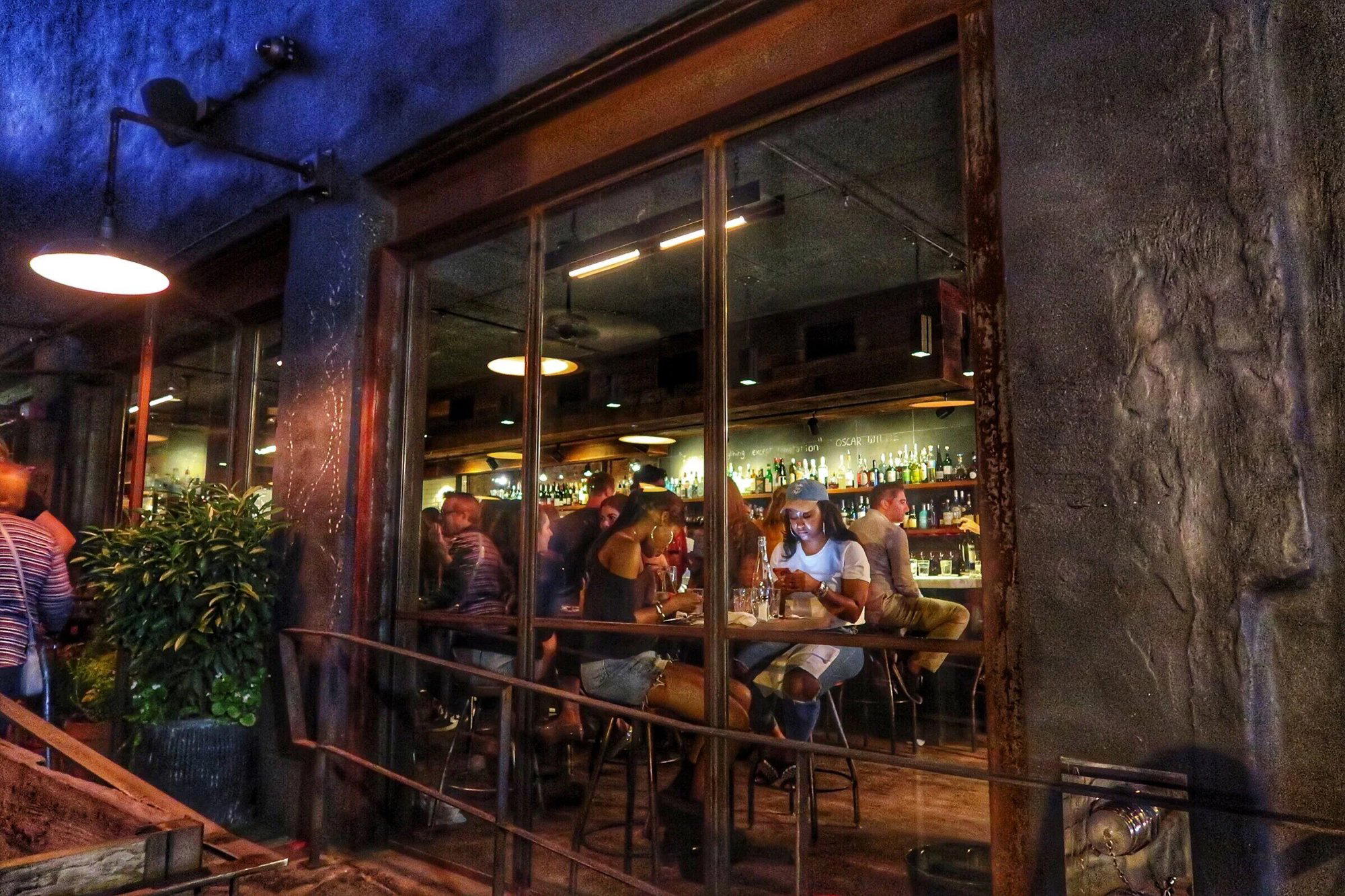
Where 14th Street Meets the Iberian Table
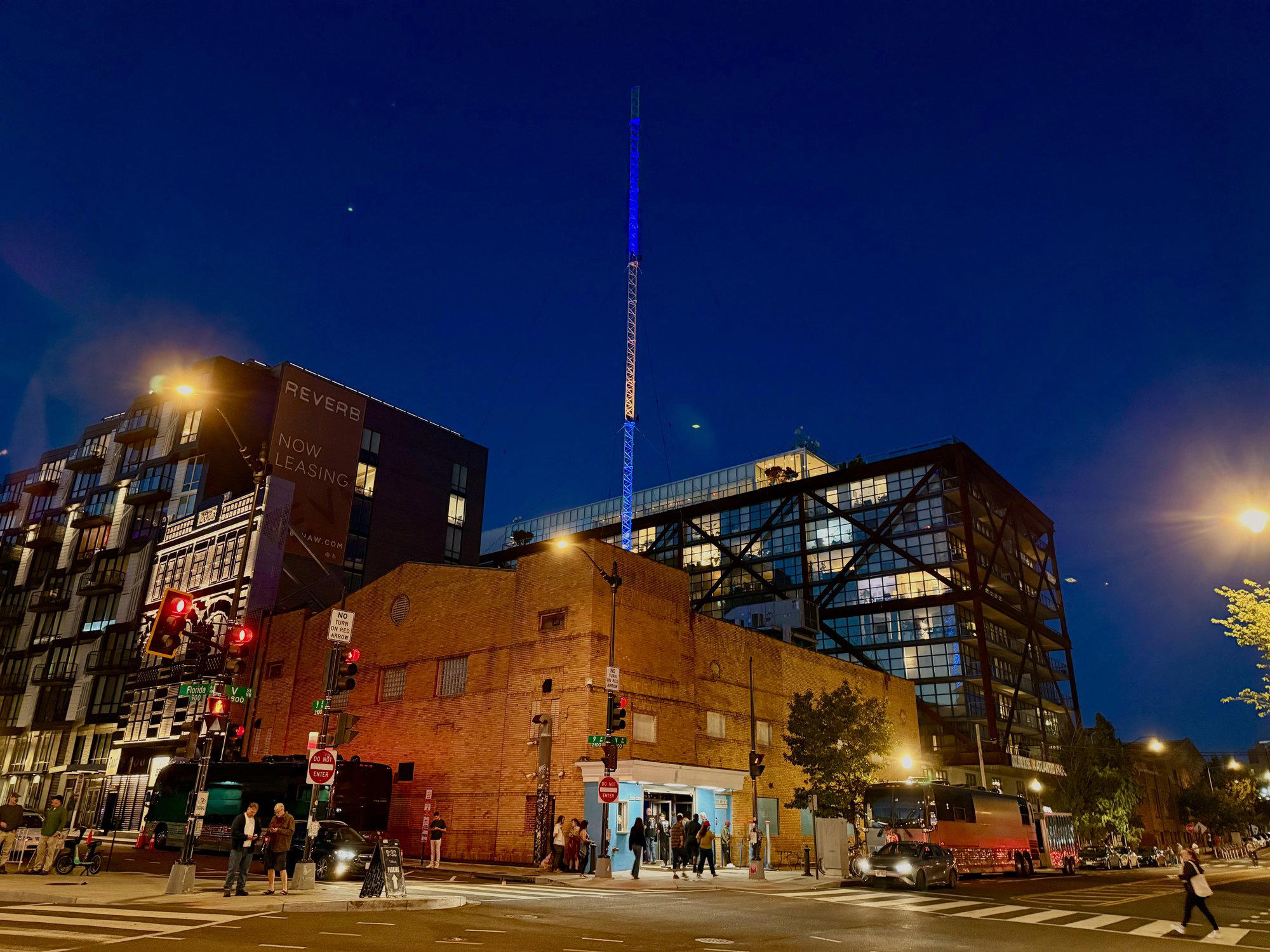
Washington, D.C.'s 14th Street corridor has spent the last decade consolidating into one of the city's most wine-serious dining strips, a stretch where the format tends toward intimate rooms, producer-focused lists, and menus that treat ingredients as an argument rather than a backdrop.
That context matters for anyone approaching the address at 1622 14th St NW with a casual assumption about what a wine bar in this part of the city delivers. The bar format here is not a preamble to something else. It is the point. The wine program, built around Spain and South America, gives the room its central focus. Recognition from that body is not issued on atmosphere alone; it requires demonstrated list depth, sourcing coherence, and the service infrastructure to match.
The Sourcing Logic Behind the Tapas Format
Spanish tapas in their most considered form are an argument about ingredients: what grows where, what cures in which climate, what the sea off a particular coast produces at a given time of year. The format that Barcelona Wine Bar works within is seasonal and Mediterranean in its sourcing orientation, with a menu described as ever-changing and built around clean flavors and rustic small-plate presentations. That seasonal rotation is not a marketing position; it is the operating logic of kitchens that take Mediterranean sourcing seriously, where the availability of a particular ingredient, a specific cured fish, a regional cheese, a fresh legume, determines what appears on the pass that week.
The Mediterranean sourcing tradition that underpins this format has particular resonance in the D.C. market, where the dominant fine-dining mode tends toward tightly scripted tasting menus with fixed seasonal windows. Venues like Jônt and minibar operate at the highest register of that scripted format, with fixed progression and ingredient narratives built weeks in advance. A tapas operation running on genuine seasonal rotation sits in a different mode entirely: it asks the kitchen to respond to supply rather than to impose a predetermined structure on it. That responsiveness is a sourcing discipline in its own right, and it is one reason the tapas format, when executed with care, produces menus that read differently from week to week.
South American wines appear alongside the Spanish program, which reflects a sourcing intelligence worth noting. The wine-growing traditions of Argentina, Chile, and Uruguay have increasingly found common conversational ground with Iberian viticulture, both in terms of grape varieties and in terms of the food-pairing logic that applies to small, salt-forward, acid-driven plates. A list that holds both in serious depth is building a case for a particular way of drinking with food, not simply accumulating bottles.
14th Street in the Broader D.C. Dining Context
The neighborhood that surrounds this address has a dining identity shaped by a specific kind of operator: independent, format-driven, wine-attentive. The corridor sits at a remove from the Embassy Row institutions and the Penn Quarter tasting-menu circuit, drawing a crowd that tends to know what it wants and return to it regularly. That repeat-visitor dynamic is characteristic of wine bars that have genuine cellar depth; the list becomes a reason to come back, not just a backdrop to a single occasion.
D.C.'s wine bar scene as a whole has matured considerably, moving away from the early 2000s model where a broad-but-shallow by-the-glass selection sufficed. The wine list is expected to demonstrate producer-level specificity, regional coherence, and a by-the-glass program that reflects the same thinking as the bottle selection. For comparison, other serious D.C. restaurants in the contemporary American mode, such as Oyster Oyster, Causa, and Albi, each hold their own sourcing philosophies but operate in formats where wine serves a different structural role than it does in a dedicated wine bar.
Internationally, the benchmark for Spanish wine programs of this ambition tends to sit in cities where Iberian hospitality has a longer institutional footprint. The level of recognition Barcelona Wine Bar has accumulated places it in a conversation that extends well beyond its immediate neighborhood, though it operates at a different register than, say, a tasting-menu destination like Le Bernardin in New York City or The French Laundry in Napa. The comparison is not in format or price tier but in the seriousness with which a wine program is assembled and credentialed.
Planning Your Visit
Barcelona Wine Bar at 1622 14th St NW is reachable via the U Street/African-Amer Civil War Memorial/Cardozo Metro station, roughly two blocks from the address, making it accessible without a car from most central D.C. accommodations. The venue functions well as a standalone evening anchor, though the tapas format also supports pre- or post-theater use given the neighborhood's density of other programming.
How It Stacks Up
Comparable venues nearby, for context on price, style, and recognition.
| Venue | Cuisine | Price | Awards | Notes |
|---|---|---|---|---|
| Barcelona Wine Bar 14th Street DCThis venue — the venue you are viewing | Spanish Tapas & Wine Bar | $$ | Not listed | Not listed |
| Unconventional Diner | Modern American Diner | $$ | Bib Gourmand | Mount Vernon Square |
| Your Only Friend | Creative American sandwich bar & cocktails | $$ | Bib Gourmand | Shaw |
| Zaytinya | Mediterranean Mezze (Turkish, Greek, Lebanese) | $$ | Bib Gourmand | Penn Quarter |
| Taqueria Habanero | Puebla-Style Taqueria | $$ | Bib Gourmand | 16th Street Heights |
| Anju | Modern Korean | $$$ | Michelin Plate | Dupont Circle |
Recognition history
Dated appearances from independent guides and award organizations, with the underlying list record or original source where available.
Star Wine List
Star Wine List
Wine Spectator Best of Award of Excellence
Wine Spectator
World's Best Wine Lists Awards WBWL Category Winner
World's Best Wine Lists Awards
World's Best Wine Lists Awards WBWL 3-Star
World's Best Wine Lists Awards
World's Best Wine Lists Awards WBWL 3-Star
World's Best Wine Lists Awards
World's Best Wine Lists Awards WBWL Category Winner
World's Best Wine Lists Awards
World's Best Wine Lists Awards WBWL Category Winner
World's Best Wine Lists Awards
World's Best Wine Lists Awards WBWL 3-Star
World's Best Wine Lists Awards
World's Best Wine Lists Awards WBWL 3-Star
World's Best Wine Lists Awards
Continue exploring
More in Washington DC
Restaurants in Washington DC
Browse all →
Bars in Washington DC
Browse all →
Hotels in Washington DC
Browse all →

At a Glance
- Lively
- Trendy
- Rustic
- Energetic
- Date Night
- Group Dining
- Casual Hangout
- After Work
- Open Kitchen
- Extensive Wine List
Current opening hours
- Monday
- 4 PM–12 AM
- Tuesday
- 4 PM–12 AM
- Wednesday
- 4 PM–12 AM
- Thursday
- 4 PM–1 AM
- Friday
- 2 PM–2 AM
- Saturday
- 11 AM–2 AM
- Sunday
- 11 AM–12 AM
Hours can change for holidays and private events. Last verified .
Energetic and lively atmosphere with a cool, casual decor blending modern and rustic elements, often described as popping and magical by guests.