Paradise Springs Winery
Paradise Springs Winery sits in Clifton, Virginia. The property works with estate fruit in a region that rewards those willing to look beyond California's established corridors. For anyone building a picture of American wine's eastern edge, this is a property worth knowing.

Pearl is the En Primeur Club membership app — saves, bookings, and concierge access live there. Same editors, same standards.
- Address
- 13219 Yates Ford Rd, Clifton, VA 20124
- Phone
- (703) 830-9463
- Website
- paradisespringswinery.com
- Directions
- Get directions
Virginia's Wine Country and Where Clifton Fits
Northern Virginia's wine corridor has spent the better part of two decades building a case for serious viticulture east of the Appalachians. Loudoun and Fauquier counties draw most of the attention, but Fairfax County's southwestern fringe — the rural pocket around Clifton — represents one of the quieter pockets of that movement. The terrain here sits at moderate elevation, with clay-loam soils and a continental climate that swings hard between seasons, producing conditions that demand more careful canopy management and harvest timing than West Coast growers routinely face. That difficulty is, paradoxically, part of what makes the wines interesting: the terroir does not offer easy answers, and producers who work with it honestly tend to make wines with genuine structural tension.
Paradise Springs Winery, located at 13219 Yates Ford Rd, operates within this context. In the Virginia wine scene, where the gap between competent and compelling remains wide, that kind of recognition carries weight. For a guide to the broader dining and drinking scene in the area, see our full Clifton restaurants guide.
The Land as the Primary Argument
Virginia's signature grape conversation has shifted considerably over the past decade. Viognier retains its early-mover status as a variety suited to the state's warm summers, while Cabernet Franc has emerged as the red variety leading adapted to the region's shorter growing windows and cooler autumns. Both grapes reward sites with good drainage and sun exposure, which the rolling piedmont terrain around Clifton can provide. The challenge is uniformity: frost risk in spring and harvest-time humidity can compress quality across any given vintage, meaning the relationship between site selection, vine management, and final wine character is unusually direct. When a Virginia producer achieves consistent recognition, the site is usually doing a significant portion of the work.
This is the editorial argument behind terroir-focused assessment in a region like this. Unlike Napa, where established AVA reputations and decades of buyer familiarity provide a floor of credibility, Virginia producers are still in the process of building their geographic identity. The evidence accumulates vintage by vintage, and award-level recognition functions as one of the more reliable external markers that a property is translating its land into something communicable in the glass.
For comparison, consider how California's coastal producers approach the same question of site expression. Properties like Alban Vineyards in Arroyo Grande built their reputation on Rhône varieties in a climate that suits them natively. Adelaida Vineyards in Paso Robles works with calcareous soils that imprint their wines with particular mineral tension. In both cases, the producer's identity is inseparable from the specifics of the ground beneath the vines. Paradise Springs operates in a younger tradition, but the logic is the same: the argument for quality runs through the land first.
Placing Paradise Springs in Its Competitive Set
Within the American winery landscape, properties earning prestige-tier recognition fall into recognizable clusters. At the high end of California's Napa corridor, producers like Accendo Cellars in St. Helena and Alpha Omega Winery in Rutherford compete on Cabernet identity and allocation prestige. Oregon's Willamette Valley has its own hierarchy, with estates like Adelsheim Vineyard in Newberg holding long-standing positions in the Pinot Noir conversation. Santa Barbara's range runs from Au Bon Climat to newer estates refining site-specific Burgundian varieties. Andrew Murray Vineyards in Los Olivos and Artesa Vineyards and Winery in Napa operate in their own distinct niches within California's competitive field.
Paradise Springs is not competing in those tiers by geography or varietal identity, but it is drawing from the same evaluative framework, one that rewards site honesty, technical control, and a legible house style. In the Mid-Atlantic wine corridor, that places the property among a small group of Virginia producers who have moved past the novelty phase and into something closer to a sustained critical conversation. That shift is recent enough to be interesting and established enough to be credible.
The Experience at Clifton
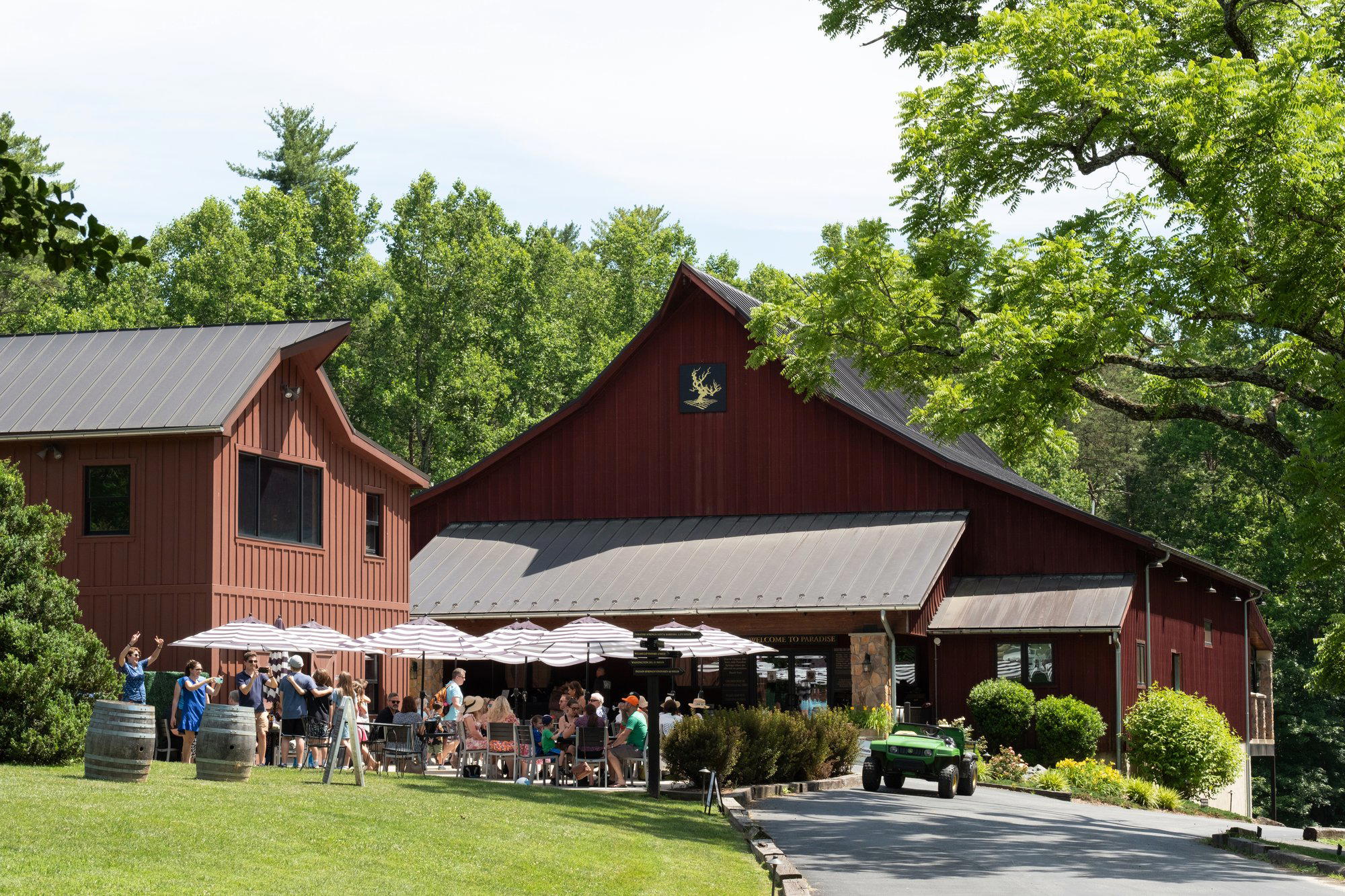
The drive to Paradise Springs along Yates Ford Rd moves through the kind of Fairfax County countryside that becomes genuinely rural faster than most visitors expect. The property sits at a remove from suburban Northern Virginia's commercial density, and that physical separation is part of the experience. Winery visits in this part of Virginia tend to run at a pace that California tasting rooms rarely match, partly because the draw is more local and partly because the landscape invites a slower tempo.
For visitors traveling from the Washington, D.C. metro area, the Clifton location sits roughly 25 miles southwest of the city, accessible by car along Routes 123 or 29.
Seasonal timing matters in Virginia more than it does in many American wine regions. Spring tastings offer the chance to assess recently released whites and the prior vintage's reds under the same roof. Harvest through October brings a different energy to the piedmont properties, and recognised estates like Paradise Springs tend to draw concentrated weekend traffic during those months. A midweek visit in September or October offers more space and a more direct conversation about the wines.
For those building a broader itinerary around American wine, the contrast between Virginia's approach and the established West Coast estates makes for a more complete picture of where the country's wine identity is heading. Properties like Aubert Wines in Calistoga, Alexander Valley Vineyards in Geyserville, B.R. Cohn Winery in Glen Ellen, Babcock Winery and Vineyards in Lompoc, and international estates like Aberlour and Achaia Clauss in Patras each represent different facets of how climate, soil, and history shape what ends up in a bottle. Virginia is still writing its chapter, but Paradise Springs is among the producers doing so with a degree of seriousness that warrants attention.
In Context: Similar Options
Comparable venues nearby, for context on price, style, and recognition.
| Venue | Cuisine | Price | Notes |
|---|---|---|---|
| Paradise Springs WineryThis venue — the venue you are viewing | Cabernet Sauvignon, Cabernet Franc | $30–50 | Not listed |
| Greenhill Winery & Vineyards | Chardonnay, Riesling | $20–30 | Middleburg |
| Early Mountain Vineyards | Cabernet Franc, Merlot | $30–50 | Madison County |
| Ingleside Vineyards | Petit Verdot, Albariño | Not listed | Oak Grove |
| Trump Winery | Viognier, Chardonnay | Not listed | Monticello Wine Trail |
| Stinson Vineyards | Sauvignon Blanc, Chardonnay | Not listed | White Hall |
Continue exploring
More in Clifton
Wineries in Clifton
Browse all →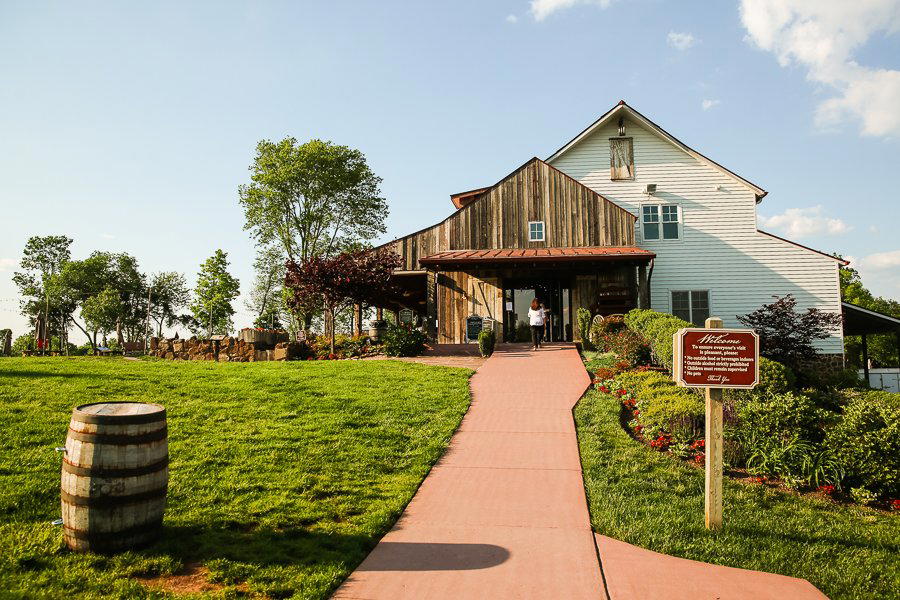
Bars in Clifton
Browse all →
Restaurants in Clifton
Browse all →
Details
- Scenic
- Romantic
- Relaxed
- Romantic Getaway
- Group Outing
- Family
- Celebration
- Wine Education
- Special Occasion
- Estate Grounds
- Picnic Area
- Waterfront
- Vineyard Tour
- Terrace
- Historic Building
- Sustainable
- Vineyard
- Garden
- Waterfront
- Cabernet Sauvignon
- Cabernet Franc
- Petit Manseng
- Viognier
- Chardonnay
- Merlot
- Petit Verdot
- Tannat
- Riesling
- Traminette
- Vidal Blanc
- Malbec
- Still Red
- Still White
- Still Rosé
- Dessert
- Standard Tasting
- Wine Flights
- Guided Tasting
- Group Tasting
- English
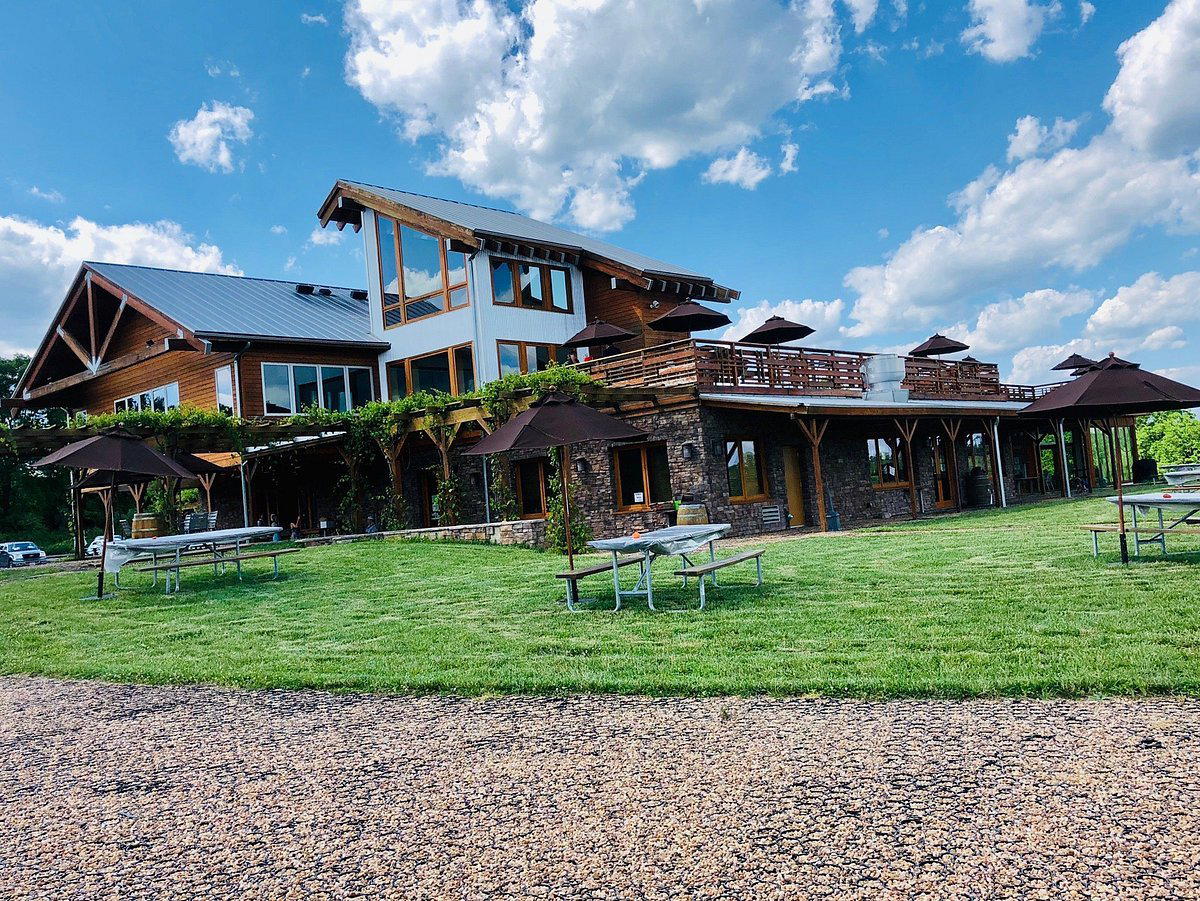
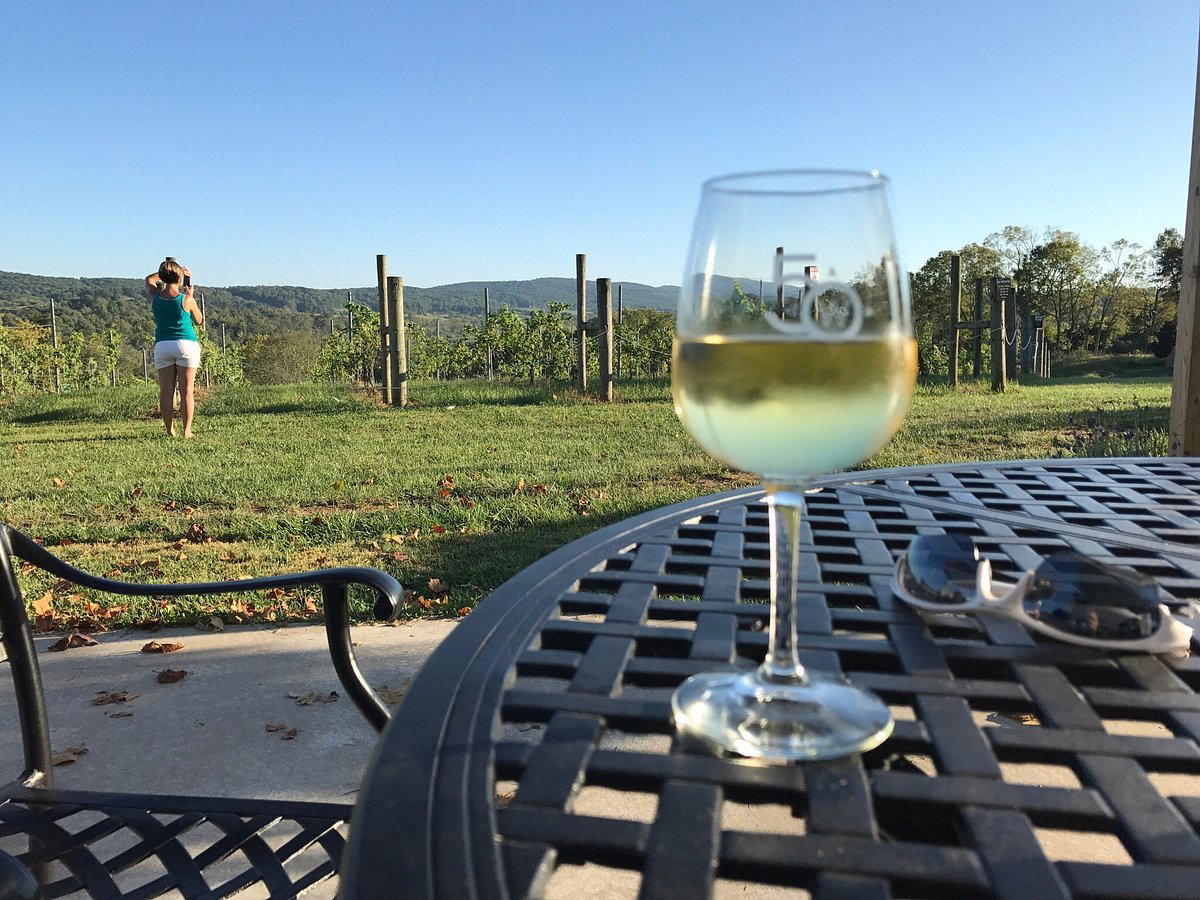
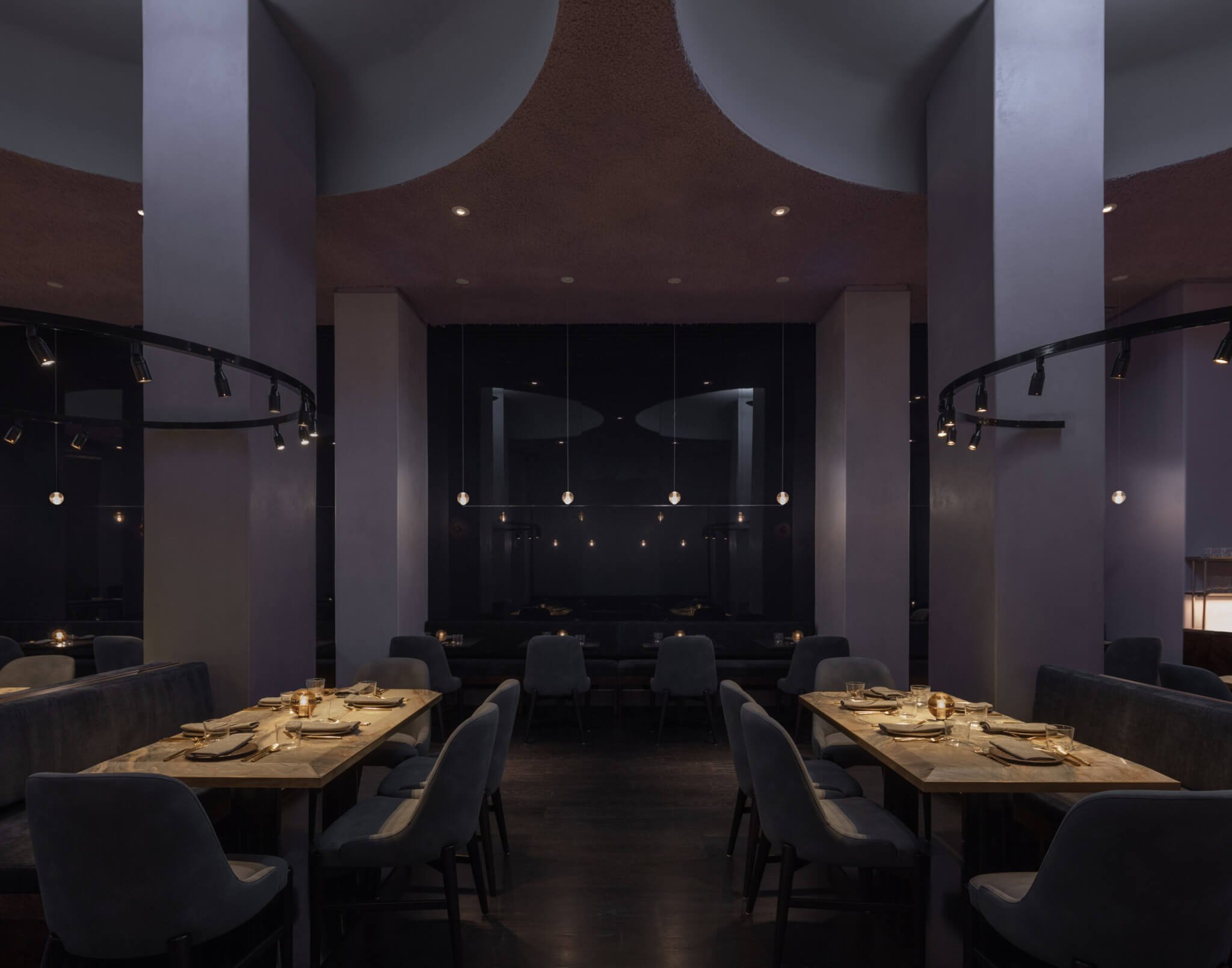
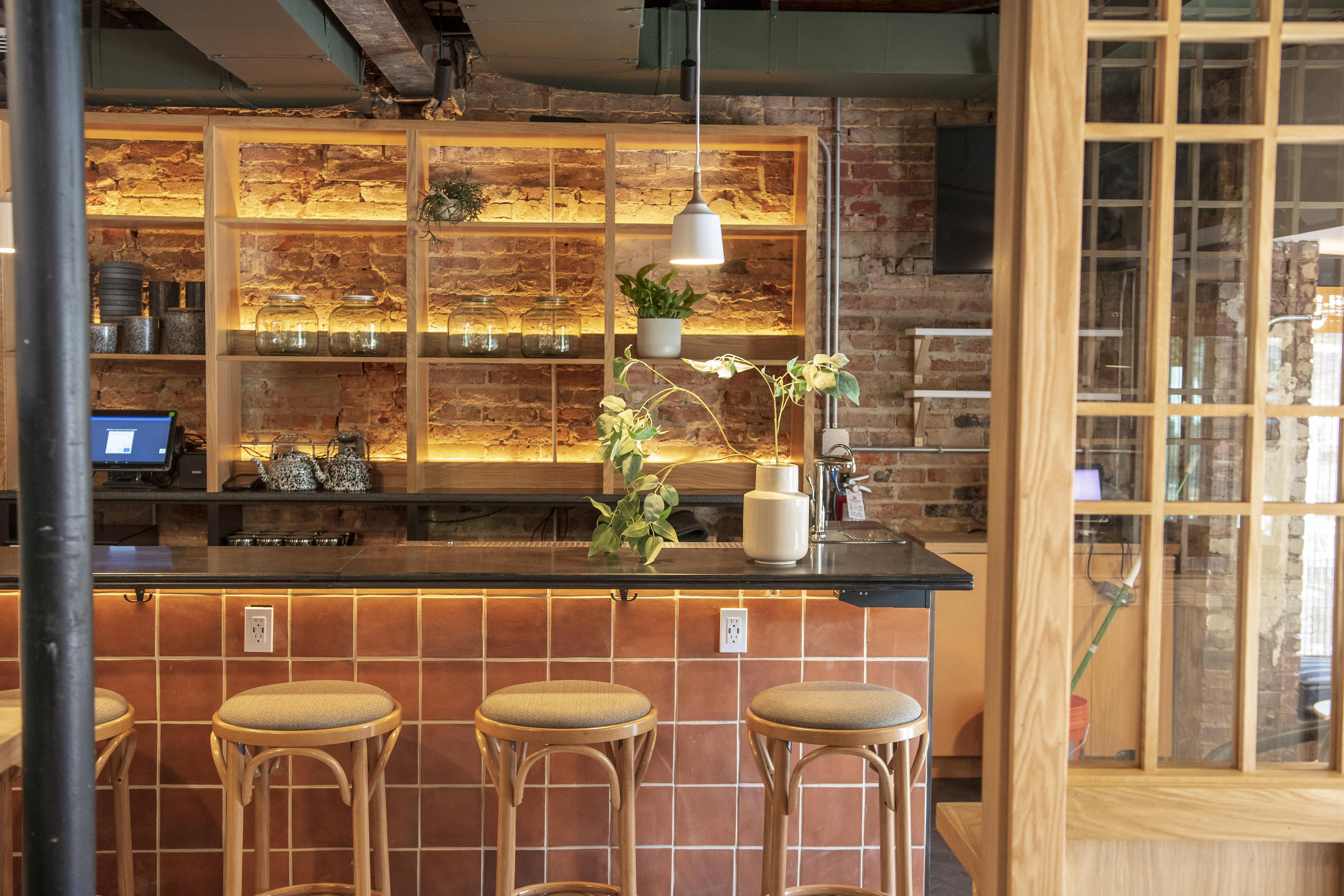
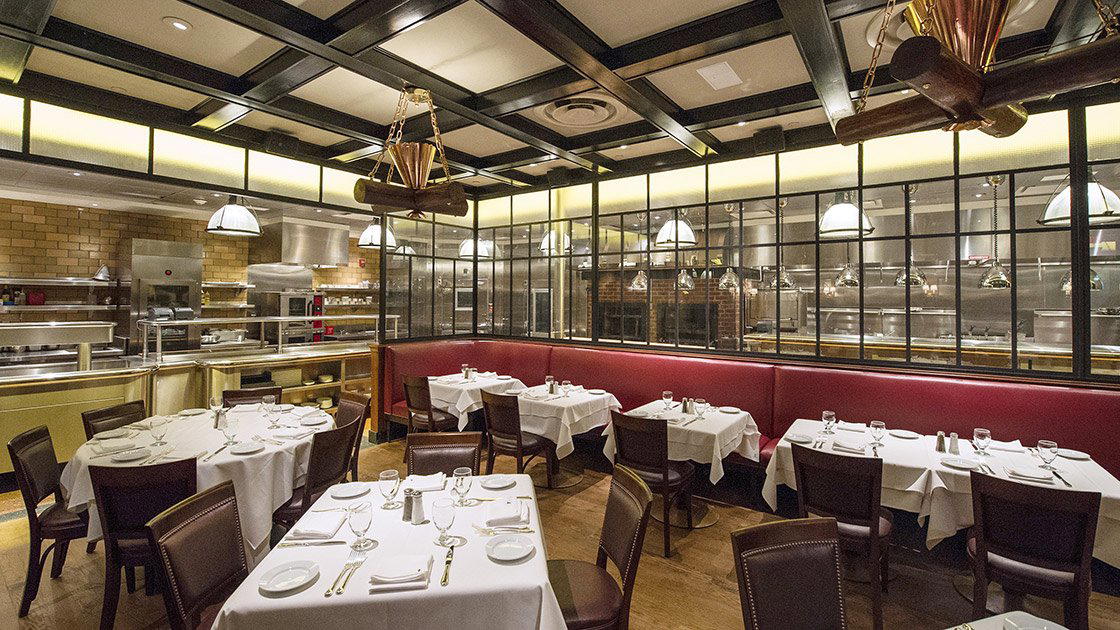
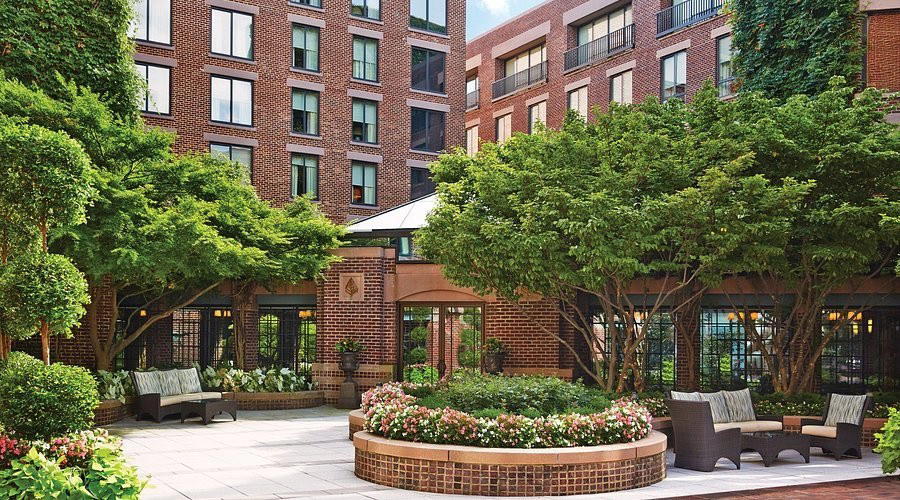
Peaceful and refined with spacious tasting room featuring indirect lighting and nature-inspired design; expansive grounds with multiple outdoor seating areas overlooking vineyards and natural landscape.