Uchi's downtown D.C. outpost brings the Austin-born Japanese concept to a capital city dining scene that takes its sushi seriously. Sitting in a tier defined by chef-driven Japanese programs and consistent repeat recognition, the restaurant draws from the broader Uchi group's track record while operating inside one of the district's more competitive corridors for the format.

Pearl is the En Primeur Club membership app — saves, bookings, and concierge access live there. Same editors, same standards.
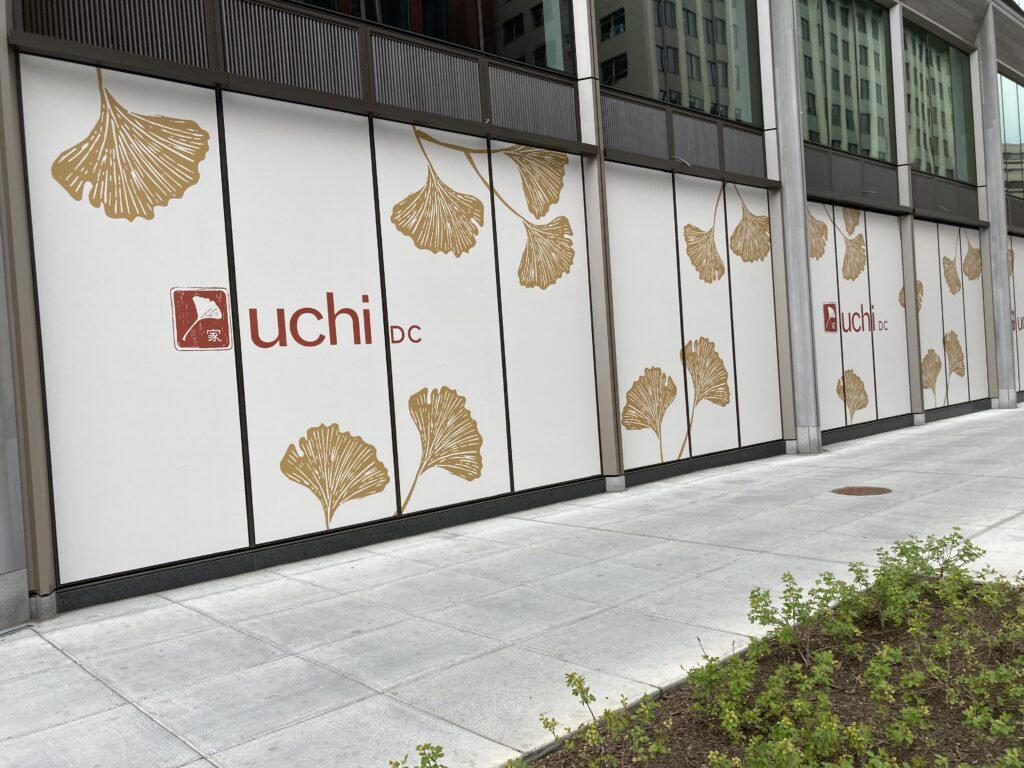
Downtown D.C.'s Japanese Dining Register
Washington's fine dining corridor has, over the past decade, developed a credible Japanese category that sits well above the generic sushi-bar tier without quite reaching the density of New York or Los Angeles. The better addresses operate chef-driven programs with omakase or structured tasting formats, drawing a clientele that measures quality against what they've encountered in Tokyo, San Francisco, or, increasingly, the better rooms in Seoul. Into that environment, Uchi arrived carrying a lineage built in Austin, a city not historically associated with Japanese cuisine at serious levels, and a portfolio track record suggesting the format travels without obvious dilution. That origin story matters less for nostalgia than for competitive positioning: the Uchi group expanded precisely because the model holds across markets, and the downtown D.C. location operates in a city where the competition includes both specialist counters and internationally trained kitchens.
The Room and Its Register
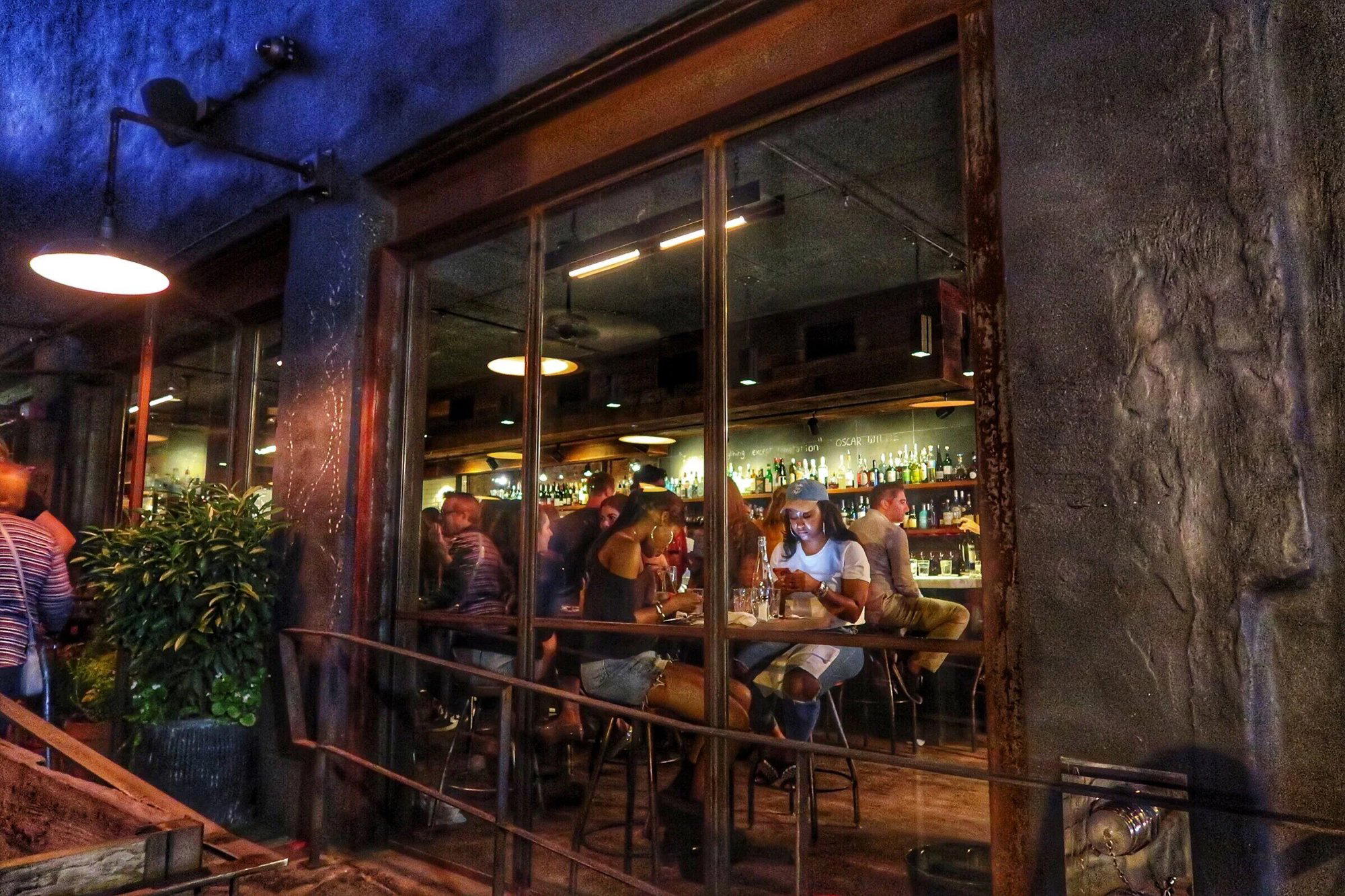
Japanese dining in America has largely converged around two physical registers: the spare, counter-focused omakase room where every surface signals restraint, and the more social izakaya-inflected space where the menu runs wide and the room runs loud. Uchi occupies the second register more than the first. The format is designed for a table experience rather than a counter ritual, shared plates, a long menu with navigable sections, and a room temperature that encourages groups rather than solitary contemplation. This is not a criticism; it reflects a deliberate structural choice that the Uchi group has refined across multiple cities. The energy tends toward animation rather than quiet, which means the experience reads differently from a six-seat omakase counter where the chef's timing governs the pace. Diners accustomed to the focused quiet of rooms like Katsumi in Washington will find the register here distinct.
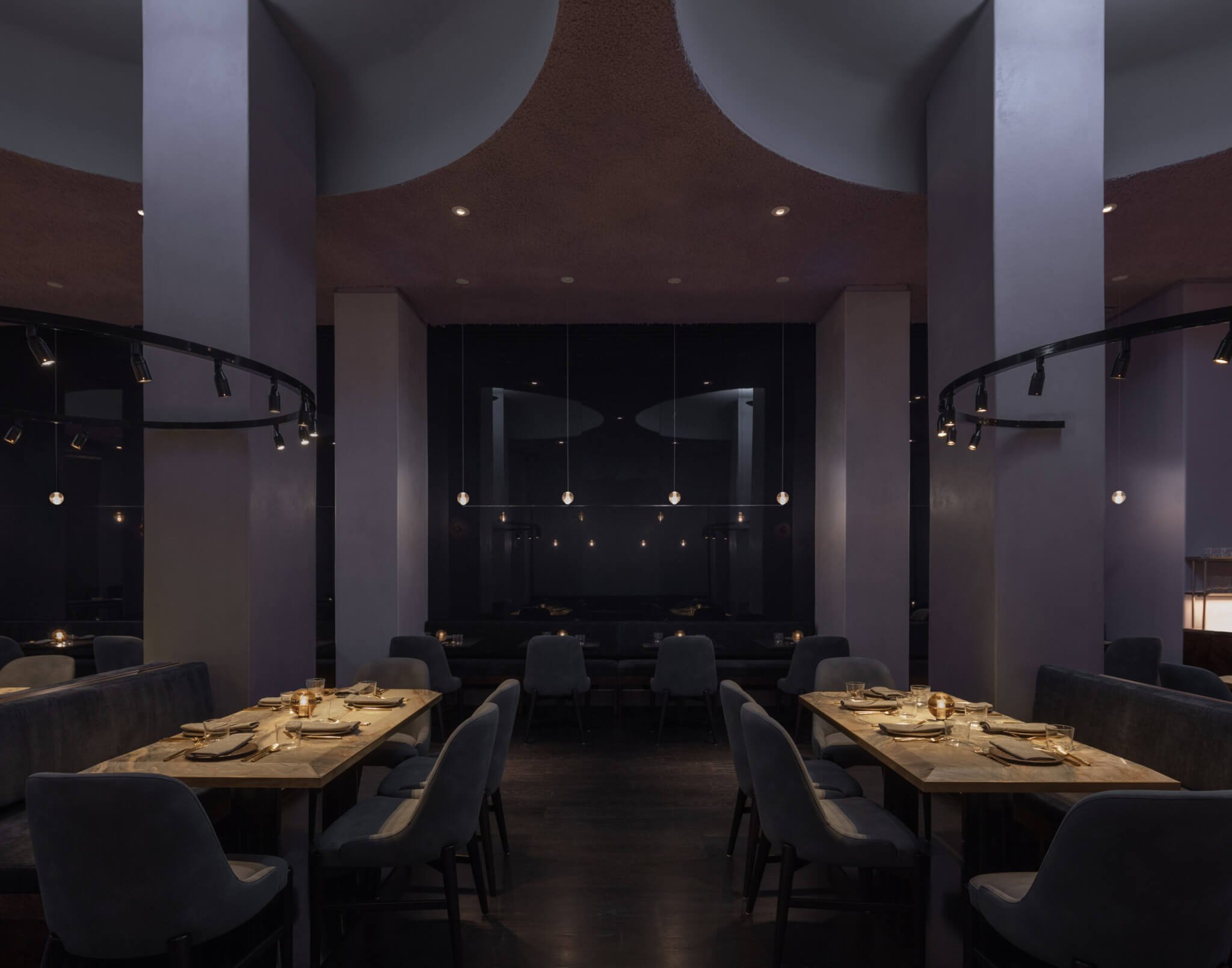
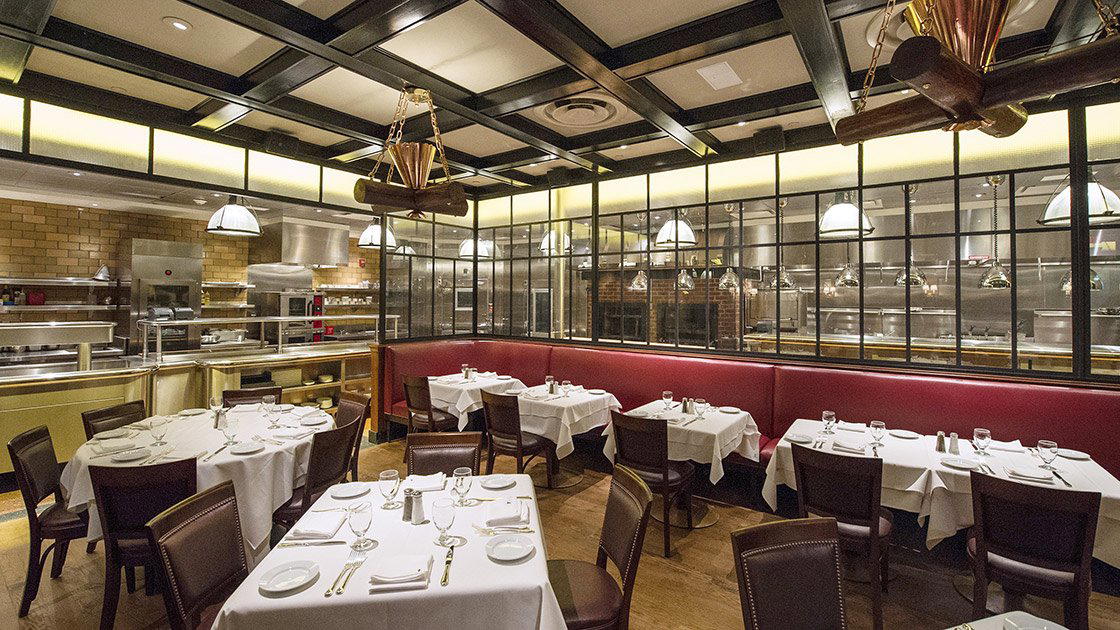
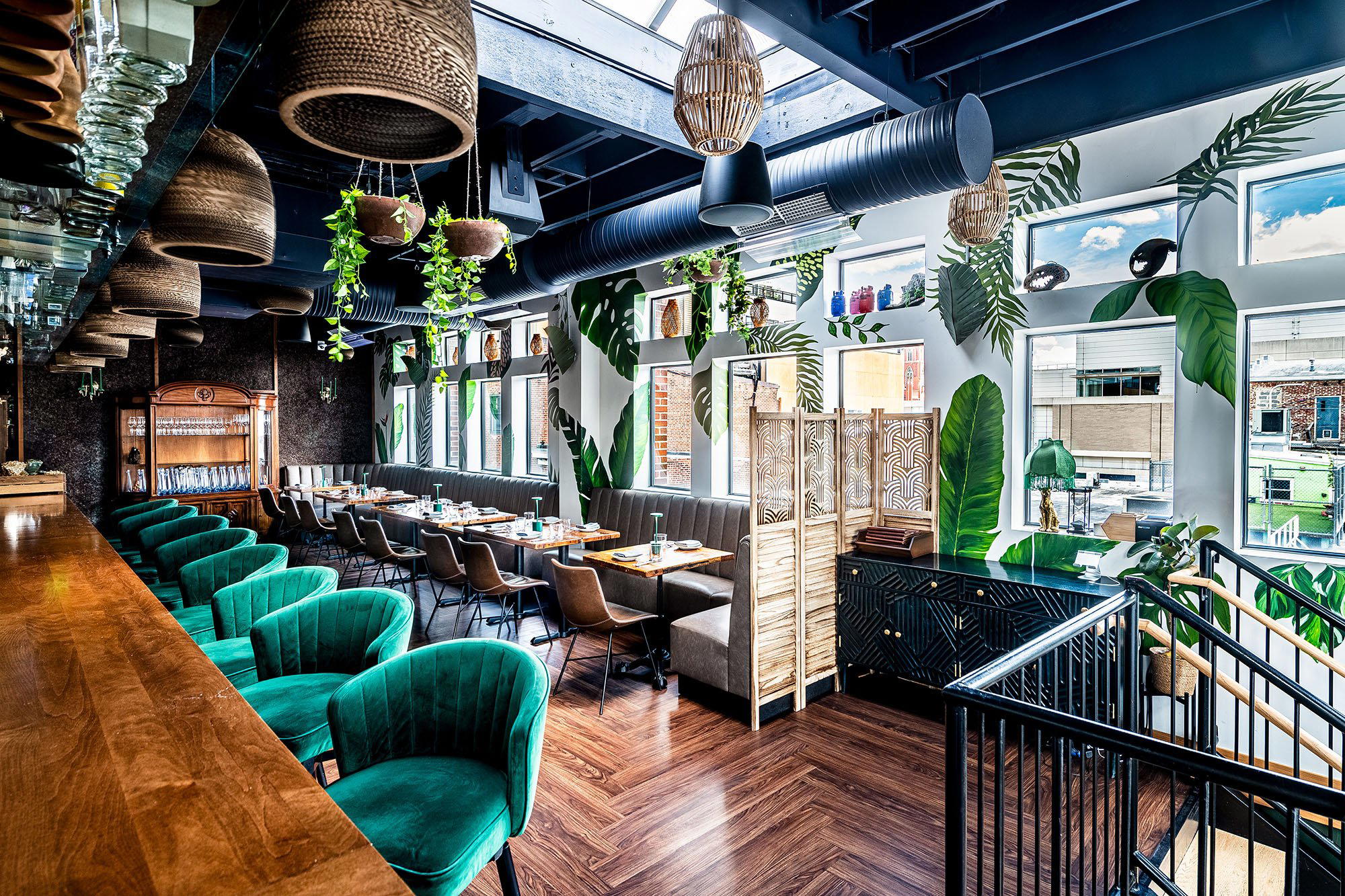
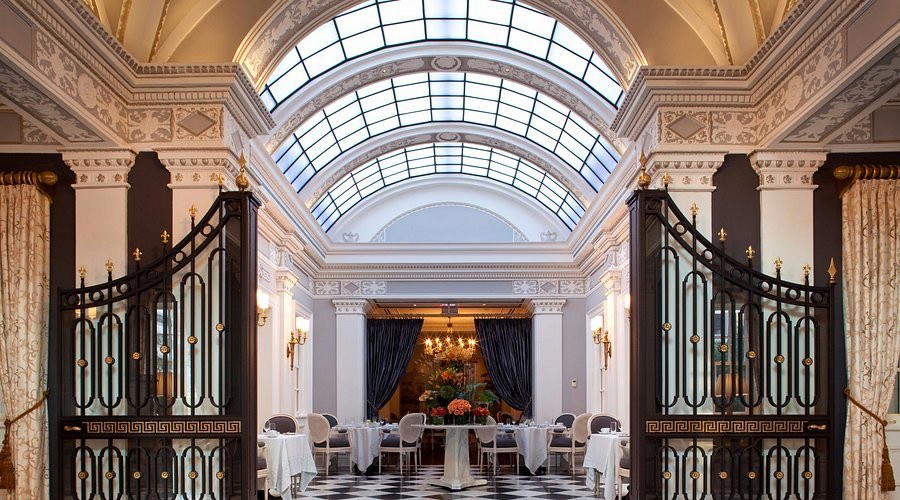
The physical environment at downtown locations in this price bracket in D.C. tends to favor either converted historic interiors or purpose-built contemporary rooms with significant lighting investment. Either approach, when executed at Uchi's budget level, produces a space where the visual plane is curated, controlled ambient light, considered material choices, intentional acoustic softness that prevents the room from tipping into din despite occupancy levels that many comparable formats would find challenging. The group has demonstrated across its existing locations that the physical build is taken seriously.
The Culinary Framework
The Uchi approach to Japanese cuisine sits in a category that American critics have sometimes called New American Japanese or Japanese-Southern fusion, designations that collapse under scrutiny but point toward something real: a kitchen that treats Japanese technique as a foundation rather than a constraint, and that draws from non-Japanese ingredients and flavor profiles without treating that as transgressive. The result tends toward plates with clean umami structures, quality fish sourcing presented with technical precision, and a menu architecture that rewards multiple visits because the range is wide enough to support different orderings across evenings.
This format positions Uchi differently from the strictly traditional Japanese programs in D.C. and differently again from the European-inflected tasting menu rooms like The Inn at Little Washington out in Rappahannock County, or the Spanish-influenced protein programs at Bazaar Meat by José Andrés. The comparable set for Uchi is not those rooms; it is the cluster of chef-driven Japanese or Japanese-adjacent concepts that operate at the $80-and-above-per-head level in American cities, a tier that includes comparable programs in San Francisco and Chicago. Nationally, that conversation touches rooms like Lazy Bear in San Francisco and Alinea in Chicago, though the format differences are significant. The more direct comparison is the cluster of Japanese-modern programs that have received sustained national attention rather than a single-city recognition spike.
Recognition and Competitive Position
The venue's recognition reflects meaningful local staying power, a signal that separates sustained performers from restaurants that spike and fade. In Washington, a city where political cycles and federal calendar rhythms produce a more volatile restaurant economy than comparable American metros, sustained recognition over more than a year carries more weight than a single award cycle. The D.C. dining environment has seen well-funded openings lose momentum within eighteen months when the novelty premium evaporates; a longer recognition window suggests the kitchen has maintained the standard that earned early attention rather than coasting on it.
For diners calibrating Uchi against international reference points, the frame is the broader Japanese-modern tier rather than the classical three-Michelin-star counter format. That tier, at its international apex, includes rooms like 8½ Otto e Mezzo Bombana in Hong Kong and the European classical registers of Alain Ducasse at Louis XV in Monte Carlo, though those comparisons underscore format difference as much as quality level. Closer American analogs sit at the level of Le Bernardin in New York City or The French Laundry in Napa, not in cuisine type, but in the expectation that a multi-visit program rewards the return diner.
Planning Your Visit
Downtown D.C. Japanese programs at this price tier typically require booking two to four weeks ahead on standard evenings, with weekend tables extending further. Given the 17-month recognition signal and the Uchi group's demonstrated draw across its markets, treating this as a same-week booking opportunity is likely to produce frustration. The practical approach is to use the restaurant's booking channel as soon as dates firm. The format, shared plates, wide menu, suits a group of three to four more than a solo counter experience, and the ordering logic rewards spending time with the menu rather than defaulting to the first items listed.
Compact Comparison
Comparable venues nearby, for context on price, style, and recognition.
| Venue | Cuisine | Price | Notes |
|---|---|---|---|
| UchiThis venue — the venue you are viewing | Not listed | $$$ | Not listed |
| Love, Makoto | Not listed | $$$$ | Mount Vernon Triangle, Modern Japanese Food Hall |
| Nobu DC | West End, Japanese-Peruvian Fusion | $$$$ | Not listed |
| Tokyo Pearl | Dupont Circle, Modern Japanese Sushi Bar | $$ | Not listed |
| Katsumi | Logan Circle, Japanese Sushi & Lounge | $$$$ | Not listed |
| Uchi | Not listed | $$$$ | Central Business District, Modern Japanese Omakase |
Continue exploring
More in Washington DC
Restaurants in Washington DC
Browse all →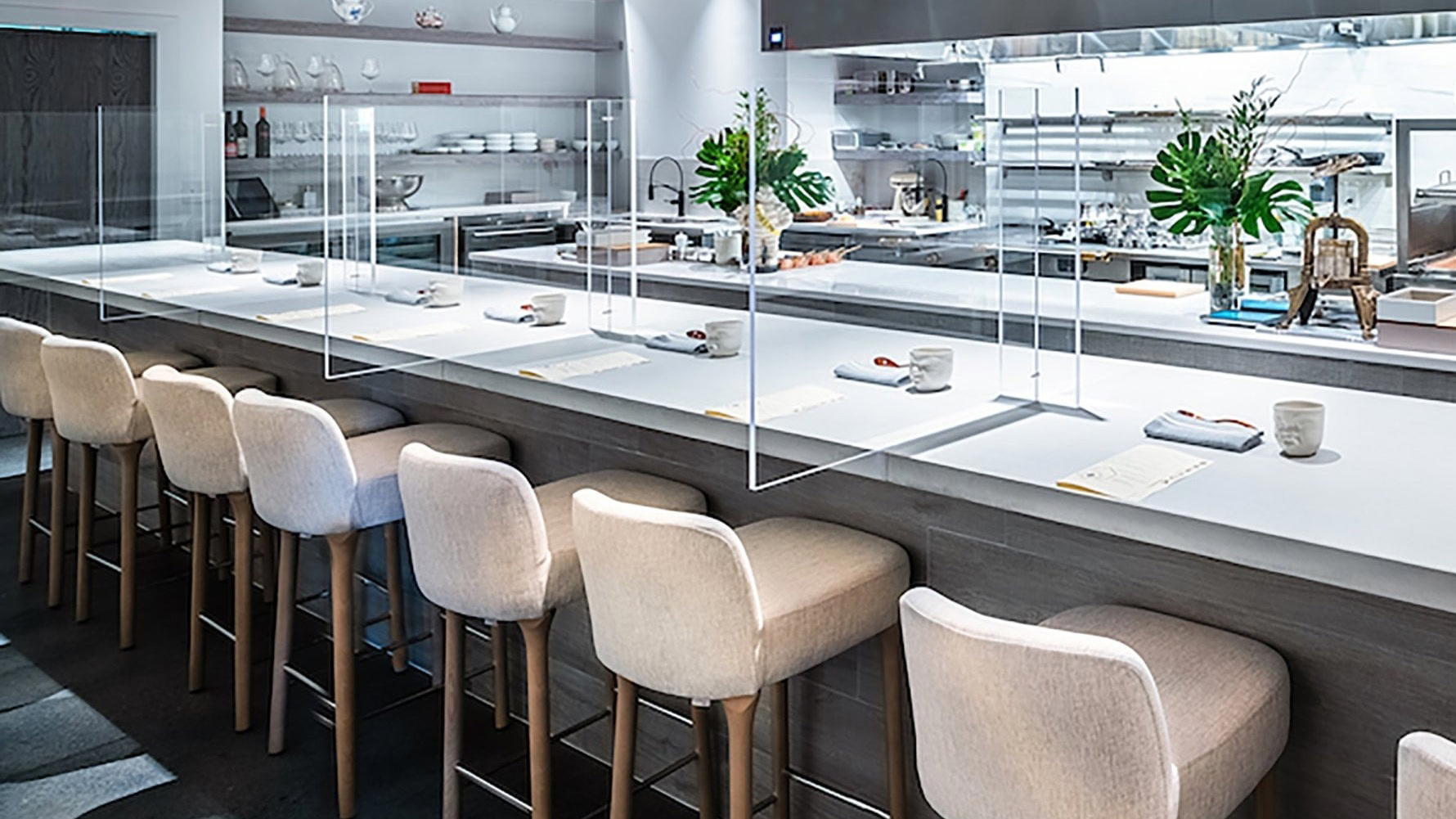
Bars in Washington DC
Browse all →


At a Glance
- Modern
- Elegant
- Lively
- Sophisticated
- Date Night
- Business Dinner
- Group Dining
- Special Occasion
- Chefs Counter
- Open Kitchen
- Design Destination
- Craft Cocktails
- Sake Program
- Sustainable Seafood
- Local Sourcing
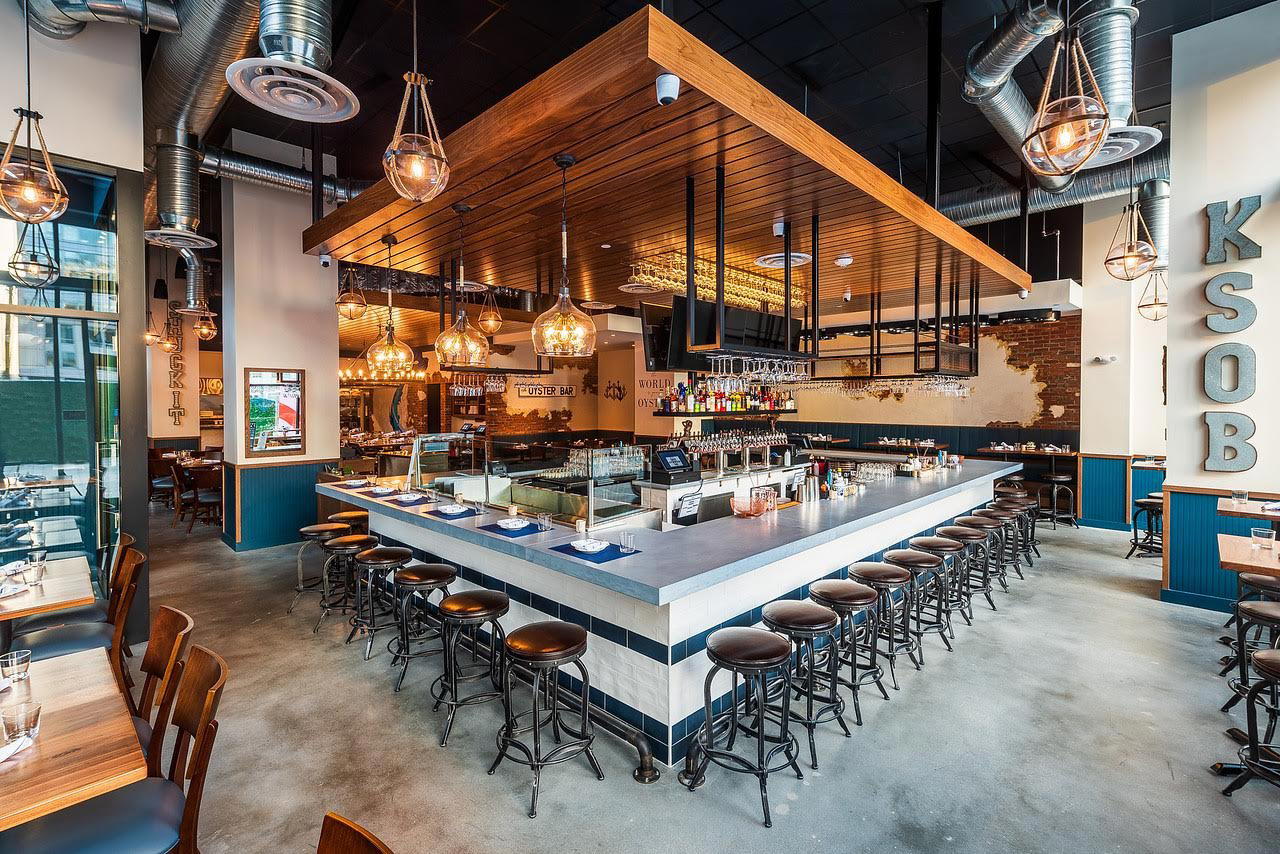
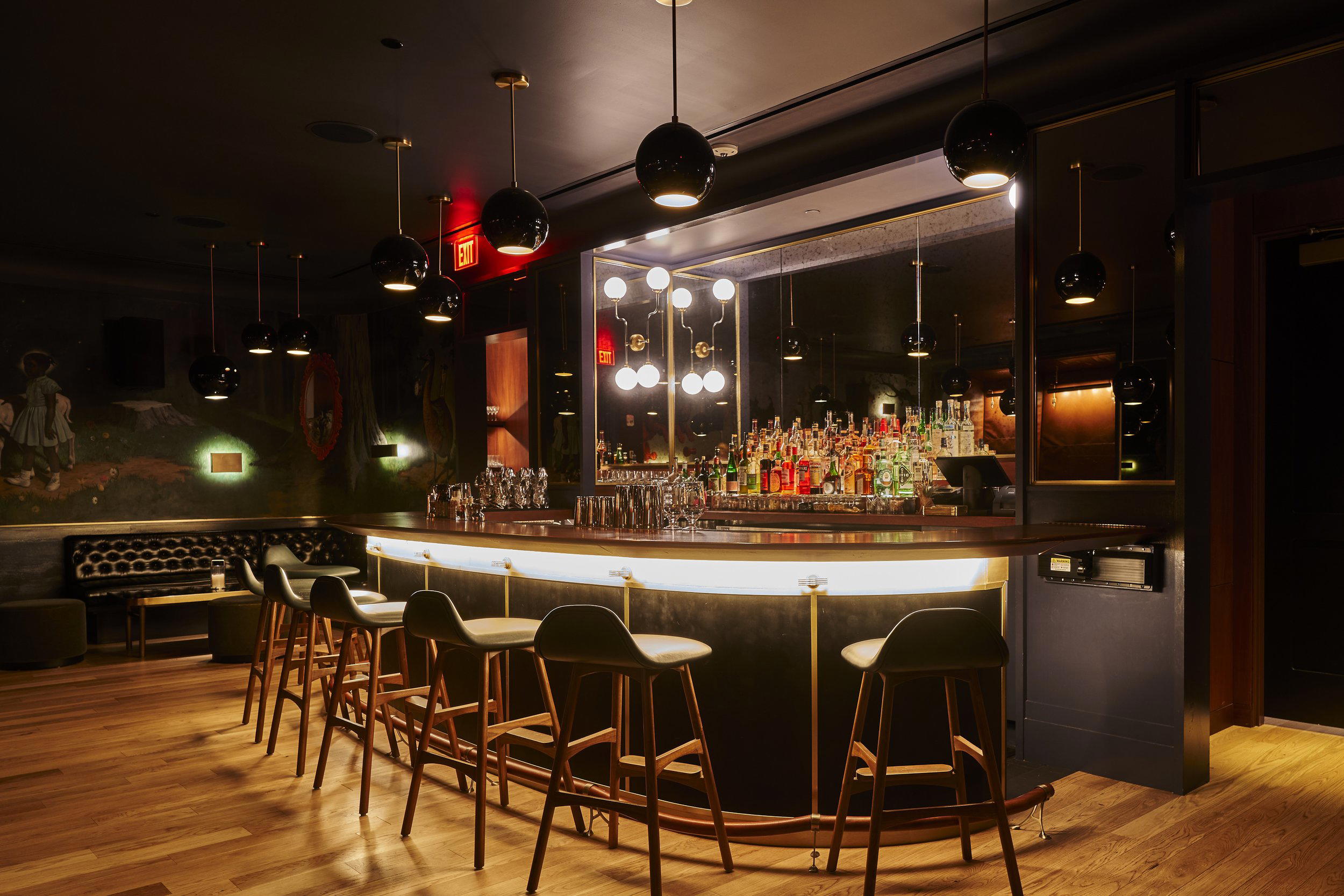
Sparely designed space with curved wood ceiling, soft lighting, and cozy dining spaces that convey warmth and intimacy; center-stage bar and sushi counter create an energetic yet refined atmosphere.