Causa




1 Michelin Star · James Beard Award Best Chef: Mid-Atlantic · Washingtonian 100 Very Best Restaurants #16
Our verdict
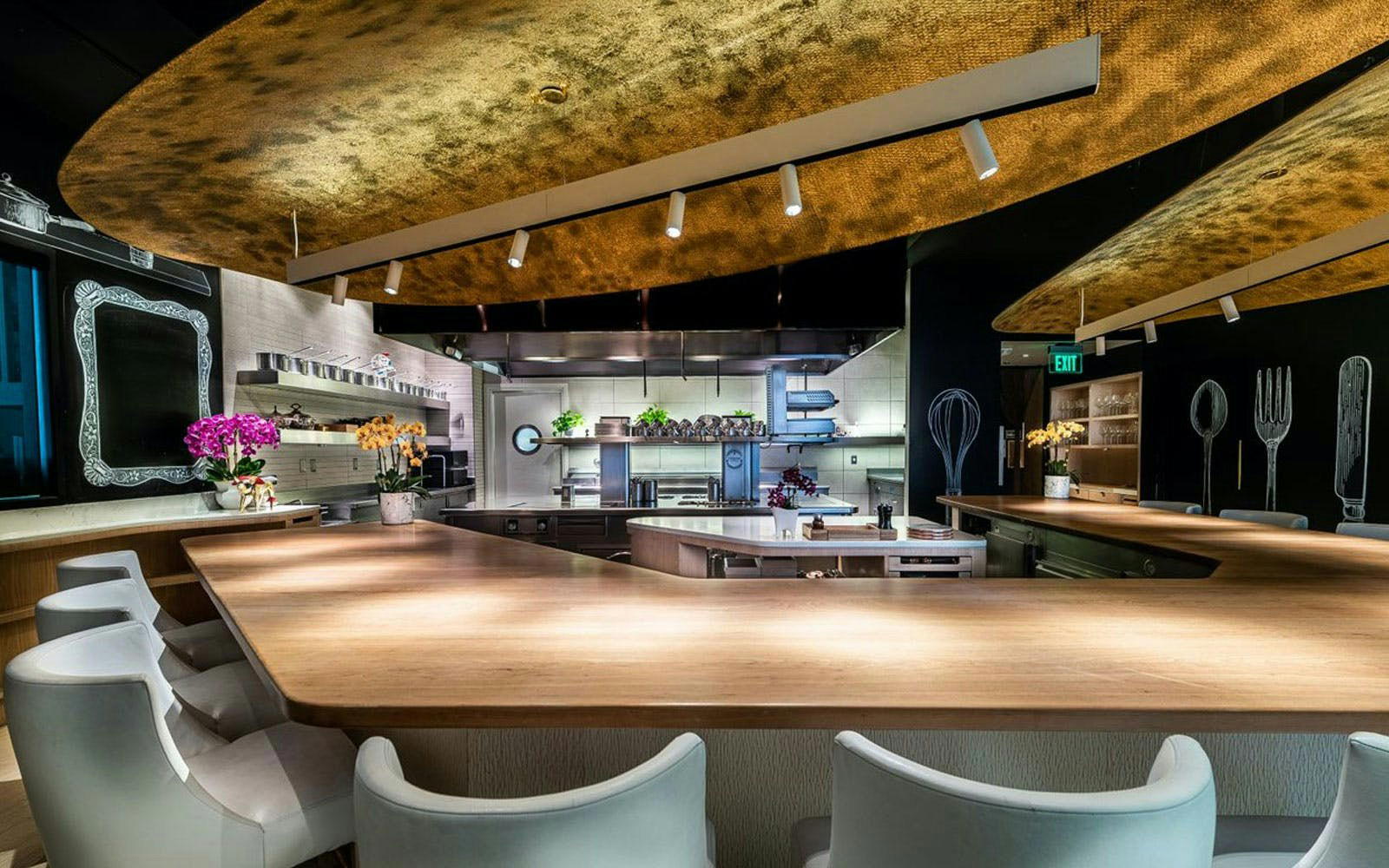
Causa occupies a 20-seat tasting counter on the first floor of Blagden Alley NW, where chef Carlos Delgado's Nikkei menu moves through coastal Peru, the Andes, and the Amazon in a single sitting. The restaurant earned a Michelin star in 2024 and the James Beard Award for Best Chef: Mid-Atlantic in 2025, placing it among Washington D.C.'s most decorated small-format rooms. Open Wednesday through Saturday evenings only.

Pearl is the En Primeur Club membership app, where members save venues, book tables and use the concierge.
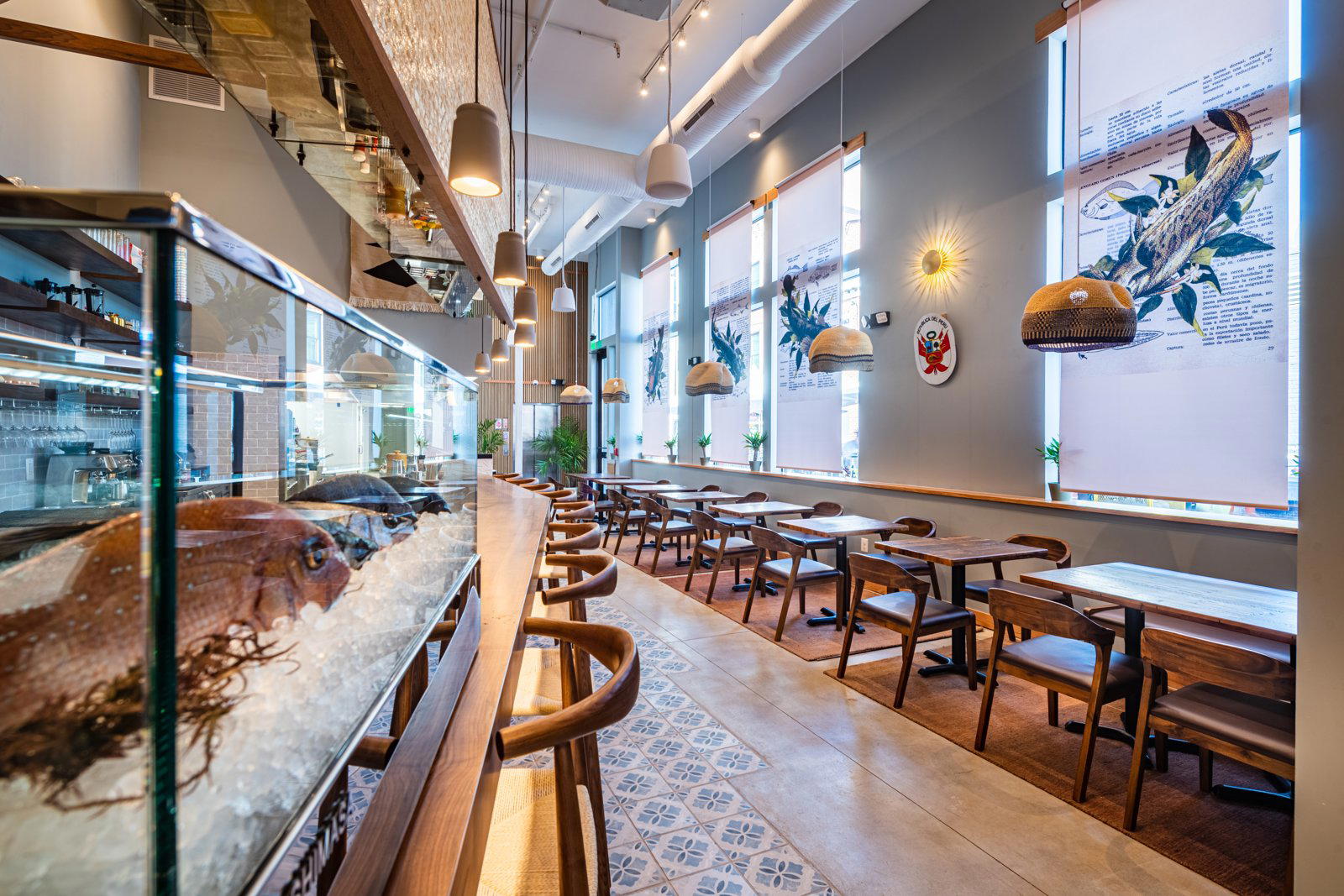
A Small Room With a Specific Argument
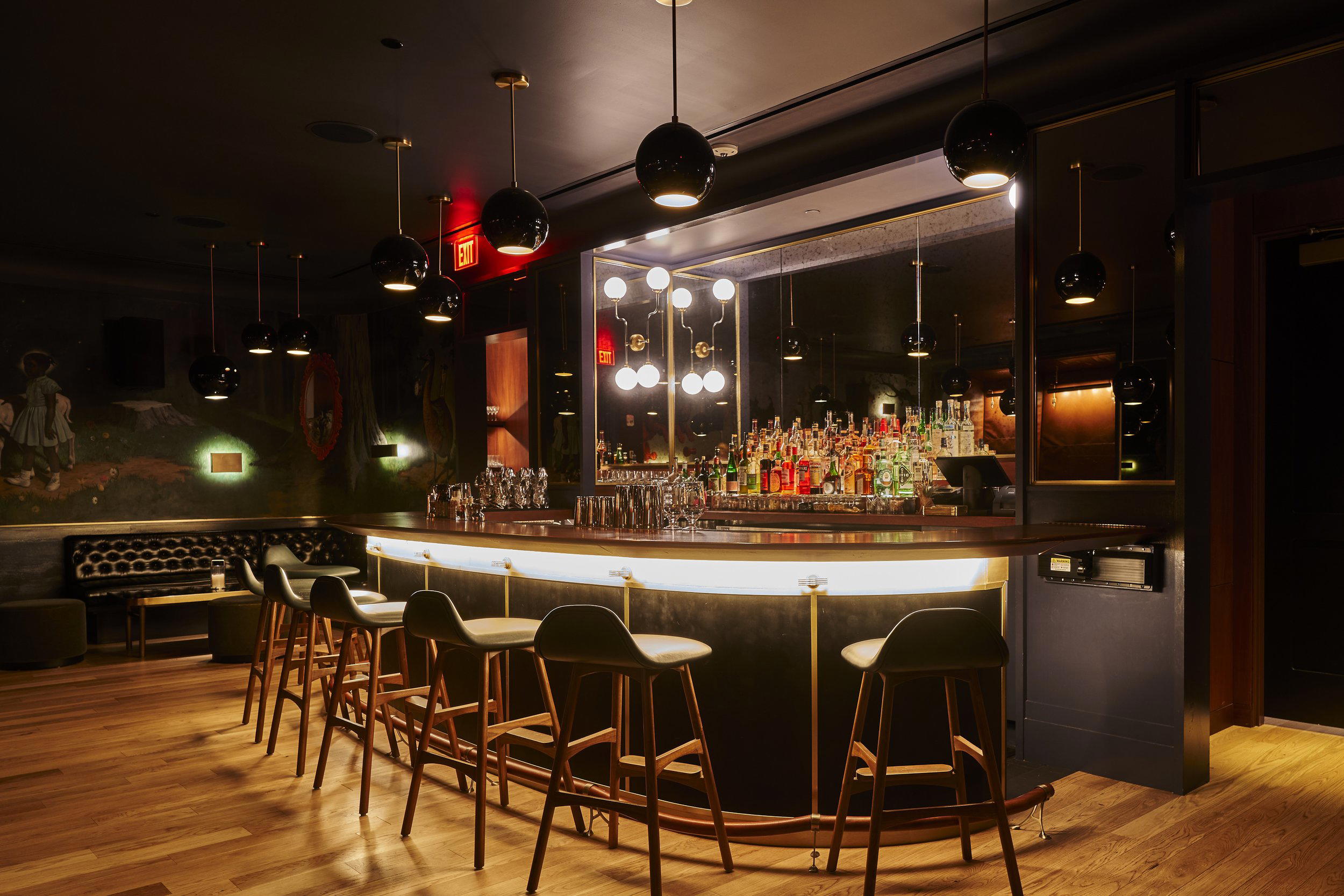
Blagden Alley is one of those D.C. passages that requires knowing to find. The alley runs off 9th Street NW in Shaw, and the first-floor entrance to Causa sits quietly along it, with nothing about the approach that signals the level of cooking inside. That restraint is consistent with what happens once you're seated: a 20-person room, a counter format, and a tasting menu that does not try to impress through scale. The effect is concentrated. Causa is making a specific argument about Nikkei cuisine, the synthesis of Japanese technique with Peruvian ingredients that emerged from Lima's significant Japanese immigrant community, and every course is evidence for that argument.
Among D.C.'s current cohort of $$$$ tasting-menu restaurants, which includes one-star rooms like Albi, Jônt, and minibar, Causa occupies a distinct lane. Most of those rooms are either rooted in American traditions or pulling from the Middle East and Europe. Causa is the only room at this price tier drawing its primary grammar from Nikkei, a cuisine with its own internal logic that differs from generic Latin American fusion.
The Geography of the Menu
The tasting menu at Causa is structured as a geographic progression: coastal Peru first, then the Andes, then the Amazon. That sequencing matters because each region carries its own ecological and culinary signature. The coast is defined by Pacific seafood, Japanese knife technique, and citrus-acid. The Andes introduce starch, most famously in causa, the cold mashed-potato dish built on aji amarillo paste that gives the restaurant its name, and altitude-driven preservation methods. The Amazon section brings the most unusual ingredients: fruits, roots, and proteins that rarely appear in North American fine dining.
The namesake dish, causa, is a useful entry point for understanding the menu's logic. The preparation uses mashed potato seasoned with aji amarillo paste and topped with cucumber, avocado, and tuna tartare, a construction that looks minimal but depends on the balance between the chile's fruity heat and the cool richness of the avocado. It is a classic Lima street-food format refracted through fine-dining precision. That movement between vernacular Peruvian cooking and high-technique execution defines the room's editorial position.
A wagyu course finished with a Peruvian au poivre sauce represents the Nikkei synthesis at its most direct: a Japanese beef standard reframed with Andean pepper tradition. The pairing of chicha morada kombucha, fermented from purple corn, a pre-Columbian Andean grain, with courses throughout the meal is one of the more considered beverage moves in the city, connecting an ancient ingredient to a contemporary fermentation format. Dessert has included passion fruit and mint gelato with macambo mousse, macambo being an Amazonian seed that registers somewhere between cocoa and hazelnut.
Sourcing Discipline in a Nikkei Context
Nikkei cooking is inherently a cuisine about provenance: it asks where an ingredient comes from and what happens when two geographically distant food cultures share a single plate. That philosophy has built-in ethical weight. When a restaurant imports or sources Amazonian and Andean ingredients at a small scale, 20 seats, four nights a week, the economics require relationships with producers rather than commodity supply chains. The room is too small for the latter to work.
D.C.'s most sustainability-oriented fine-dining operation at this price tier is probably Oyster Oyster, which holds a Michelin star and operates at the $$$ tier with a menu built explicitly around regenerative sourcing. Causa works from a different set of constraints: the ingredients it needs are specific to Peru and Japan, not the Chesapeake, and so the sustainability story is less about local food systems than about the integrity of sourcing across long supply chains. Using chicha morada rather than a standard commercial beverage, and macambo rather than a more accessible chocolate substitute, signals a commitment to ingredient authenticity that has environmental implications, it supports producers in biodiverse regions who are growing non-commodity crops.
The restaurant's four-night operating week (Wednesday through Saturday, 5 PM to 11 PM) also reduces output and waste relative to a full-week operation, a practical constraint at a 20-seat counter that has the secondary effect of limiting the room's overall footprint.
Awards and Competitive Position
Causa received a Michelin star in 2024 and then the James Beard Award for Leading Chef: Mid-Atlantic in 2025, with chef Carlos Delgado recognized in that latter category. The James Beard Mid-Atlantic award covers a competitive region that includes New York, Philadelphia, and Baltimore, so a D.C. restaurant claiming it is operating in a dense peer group. Opinionated About Dining, a critic-aggregated ranking with a strong following among serious diners, placed Causa at number 225 in North America in 2024 and number 275 in 2025, suggesting the room has maintained a high position across multiple review cycles even as the list itself has grown more competitive.
For comparison: among Peruvian-influenced tasting operations in the United States, ITAMAE in Miami occupies a similar Nikkei lane. In Europe, Miraflores in Lyon works from Peruvian roots in a French context. Causa's position as a small-counter, tasting-only Nikkei room in a city not typically associated with South American fine dining makes its award trajectory notable. Washington D.C. has a deep bench at the tasting-menu tier, Jônt holds two Michelin stars and operates with a strict multi-course format, but Causa's cuisine type has no direct local competitor.
Among James Beard winners in the tasting-menu format nationally, rooms like Lazy Bear in San Francisco, Alinea in Chicago, Single Thread Farm in Healdsburg, and The French Laundry in Napa define what the format can look like at the highest levels of American dining. Causa sits in that broader conversation by format and by award history, even if its cuisine type places it in a different subcategory. For seafood-focused tasting menus in the national context, Le Bernardin in New York City remains the benchmark; Emeril's in New Orleans represents a different tradition of regional American tasting formats.
Shaw and Blagden Alley in Context
Shaw has become one of the more interesting fine-dining corridors in the city over the past decade, partly because the neighborhood's older building stock and alley geography allow for smaller, more controlled formats. El Secreto de Rosita operates nearby in a format that shares some of Causa's intimate-room logic. The alley setting at Causa reinforces the sense that the room is operating outside D.C.'s more visible fine-dining circuits, which run along Penn Quarter and 14th Street NW. That separation is partly practical, partly editorial: a 20-seat counter serving a niche cuisine at the leading price tier does not need foot traffic, and the Blagden Alley address filters for guests who have already decided.
For guests building a wider D.C. itinerary, the city's dining scene extends well beyond this tier and this neighborhood. Our full Washington, D.C. restaurants guide covers the range. For broader planning, our Washington, D.C. hotels guide, bars guide, wineries guide, and experiences guide provide comparable coverage across categories.
Planning a Visit
Frequently asked questions
What's the price range at Causa?
Pricing at Causa is listed as $$$$.
What days is Causa closed?
Hours at Causa: Monday closed Tuesday closed Wednesday 5 PM-11 PM Thursday 5 PM-11 PM Friday 5 PM-11 PM Saturday 5 PM-11 PM Sunday closed.
Where exactly is Causa?
Causa is located at 920 Blagden Alley NW 1st Floor, Washington, DC 20001, Washington, D.C.
Credentials Lens
Comparable options at a glance, pulled from our tracked venues.
| Venue | Cuisine | Price | Awards | Notes |
|---|---|---|---|---|
| CausaThis venue (the venue you are viewing) | Modern Peruvian Fine Dining | $150–200 | 1 Michelin Star · James Beard Award Best Chef: Mid-Atlantic | Not listed |
| Albi | Modern Levantine Fine Dining | $300–500 | 1 Michelin Star · World's 50 Best #6 | United States, Middle Eastern |
| Oyster Oyster | Modern Vegetable-Focused Tasting Menu | Not listed | 1 Michelin Star · James Beard Award Outstanding Chef #1 | New American, Vegetarian, Vegetarian (Sustainable) |
| Bresca | Modern French Bistronomy | $150–200 | 1 Michelin Star · James Beard Award Semi Finalist | Modern French, Contemporary |
| Gravitas | Modern American Fine Dining | $150–200 | 1 Michelin Star | New American, Contemporary |
| Imperfecto: The Chef's Table | Modern Latin Fine Dining | $150–200 | 1 Michelin Star · Esquire Best New Restaurants #35 | Latin American |
Recognition history
Dated appearances from independent guides and award organizations, with the underlying list record or original source where available.
Michelin 1 Star
Michelin
James Beard Award Best Chef: Mid-Atlantic
James Beard Award
Opinionated About Dining Top Restaurants in North America Recommended
Opinionated About Dining
Washingtonian 100 Very Best Restaurants #16
Washingtonian
Full recognition history (7 entries)
Opinionated About Dining Top Restaurants in North America Ranked #275
Opinionated About Dining
Michelin 1 Star
Michelin
Opinionated About Dining Top Restaurants in North America Ranked #225
Opinionated About Dining
Continue exploring
More in Washington DC
Restaurants in Washington DC
All restaurants in Washington DC →
Bars in Washington DC
All bars in Washington DC →

Details
- Elegant
- Sophisticated
- Intimate
- Trendy
- Special Occasion
- Date Night
- Open Kitchen
- Chefs Counter
- Extensive Wine List
- Craft Cocktails
- Tasting Menu
- Prix Fixe
- Pisco
- Vegetarian Friendly
- Allergy Accommodating
Current opening hours
- Monday
- Closed
- Tuesday
- Closed
- Wednesday
- 5–11 PM
- Thursday
- 5–11 PM
- Friday
- 5–11 PM
- Saturday
- 5–11 PM
- Sunday
- Closed
Hours can change for holidays and private events. Hours as of .
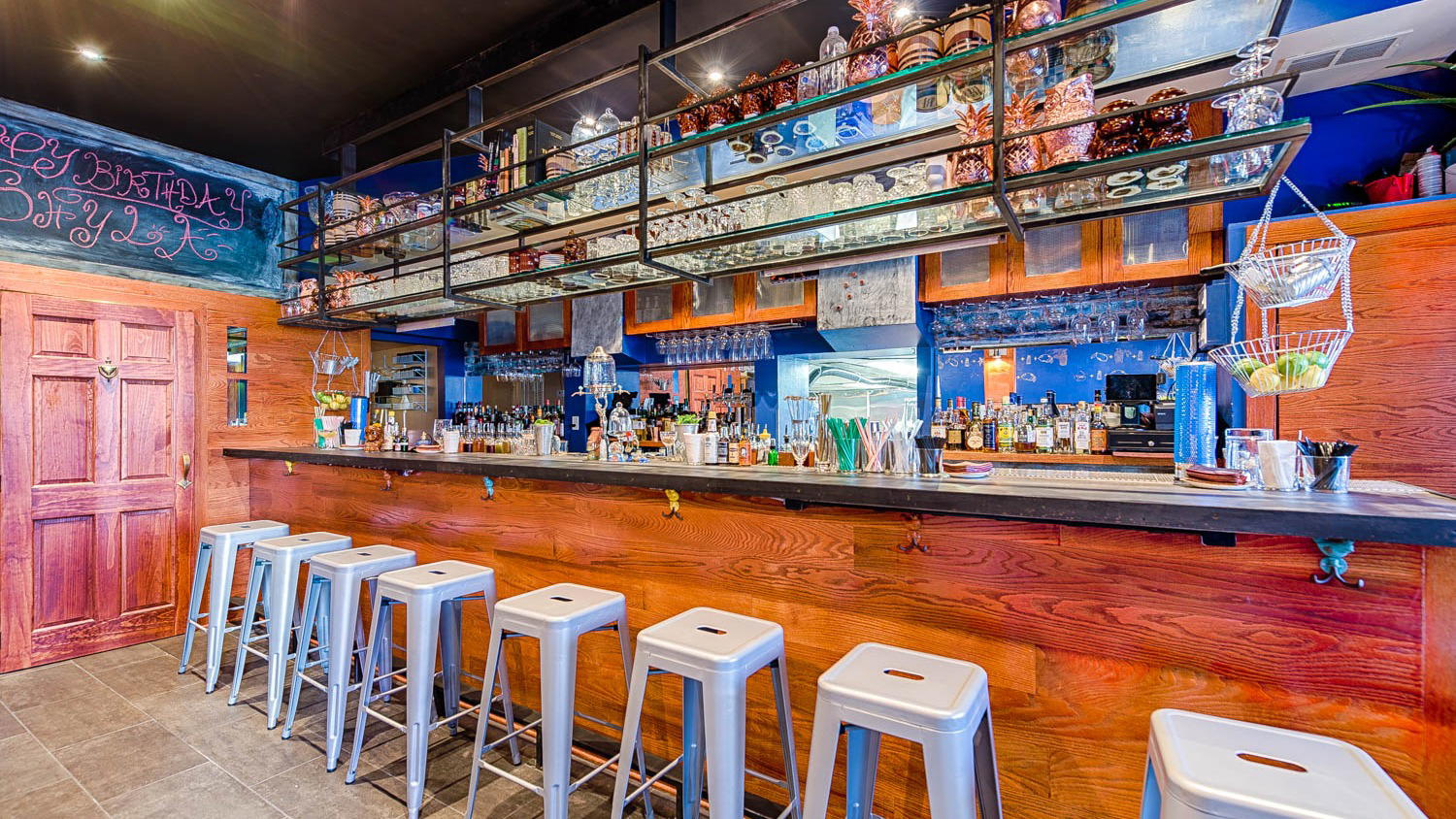
Intimate 26-seat space with iced fish counter, open kitchen, colorful decor, lively energetic atmosphere, upbeat music, and elegant plating.