Xiquet by Danny Lledo



.png?width=120&quality=80)
1 Michelin Star · Wine Spectator Award of Excellence · AAA 5 Diamond
Our verdict
Xiquet by Danny Lledo brings Valencian fire cooking to Washington's upper Northwest, pairing wood-hearth rice preparations and smoke-driven Spanish technique with a compact, spare third-floor dining room. A Michelin star since 2024 and an AAA 5 Diamond rating confirm its place in the city's serious tasting-menu tier. The wine program, curated across 800 selections with Spanish and French depth, matches the kitchen's precision.

Pearl is the En Primeur Club membership app — saves, bookings, and concierge access live there. Same editors, same standards.
- Address
- 2404 Wisconsin Ave NW, Washington, DC 20007
- Phone
- (202) 913-4671
- Hours
- Mon ClosedTue–Sat 5–10 PMSun Closed
- Website
- xiquetdl.com
- Directions
- Get directions
- Booking
- Book on OpenTable
Fire, Rice, and the Valencian Argument for Restraint
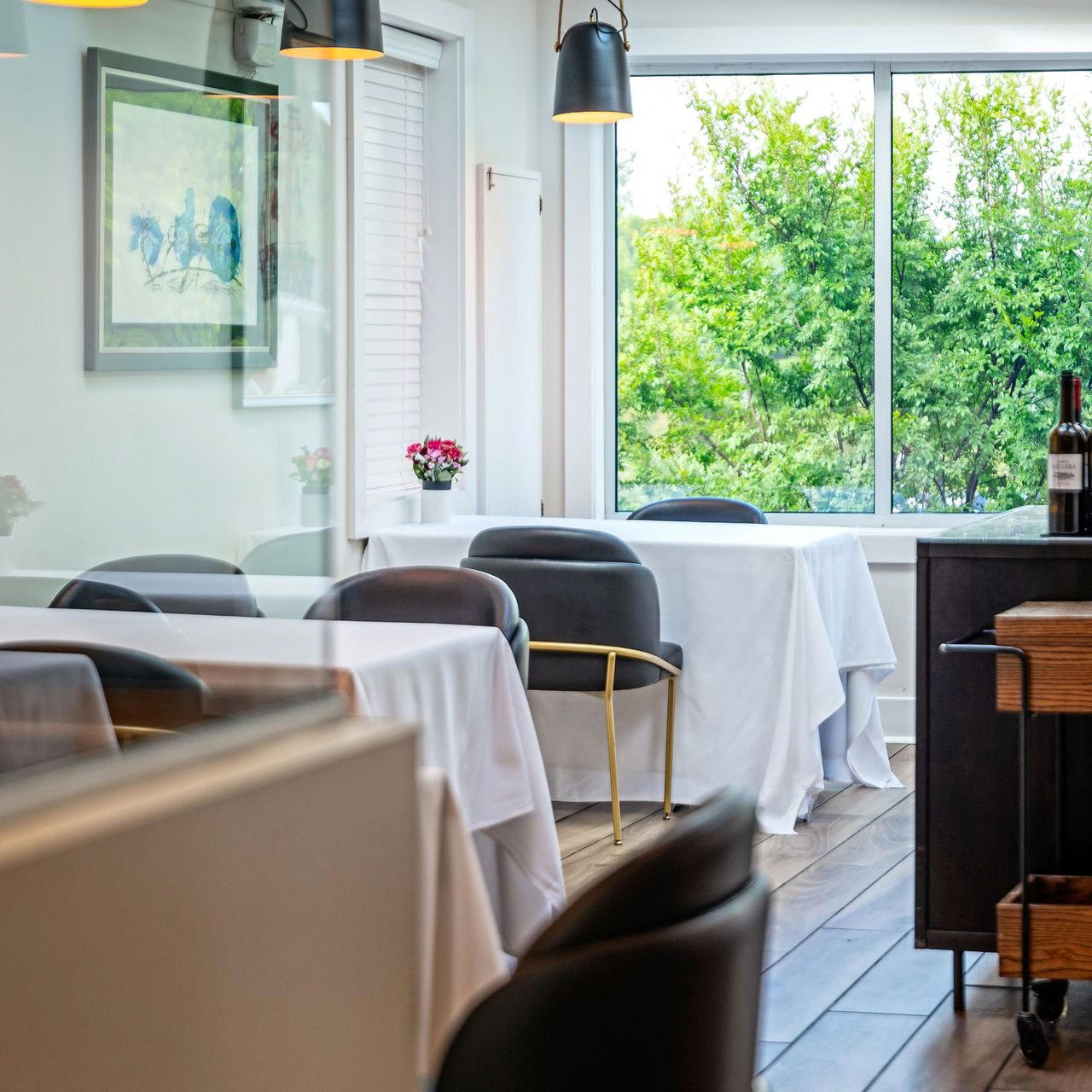
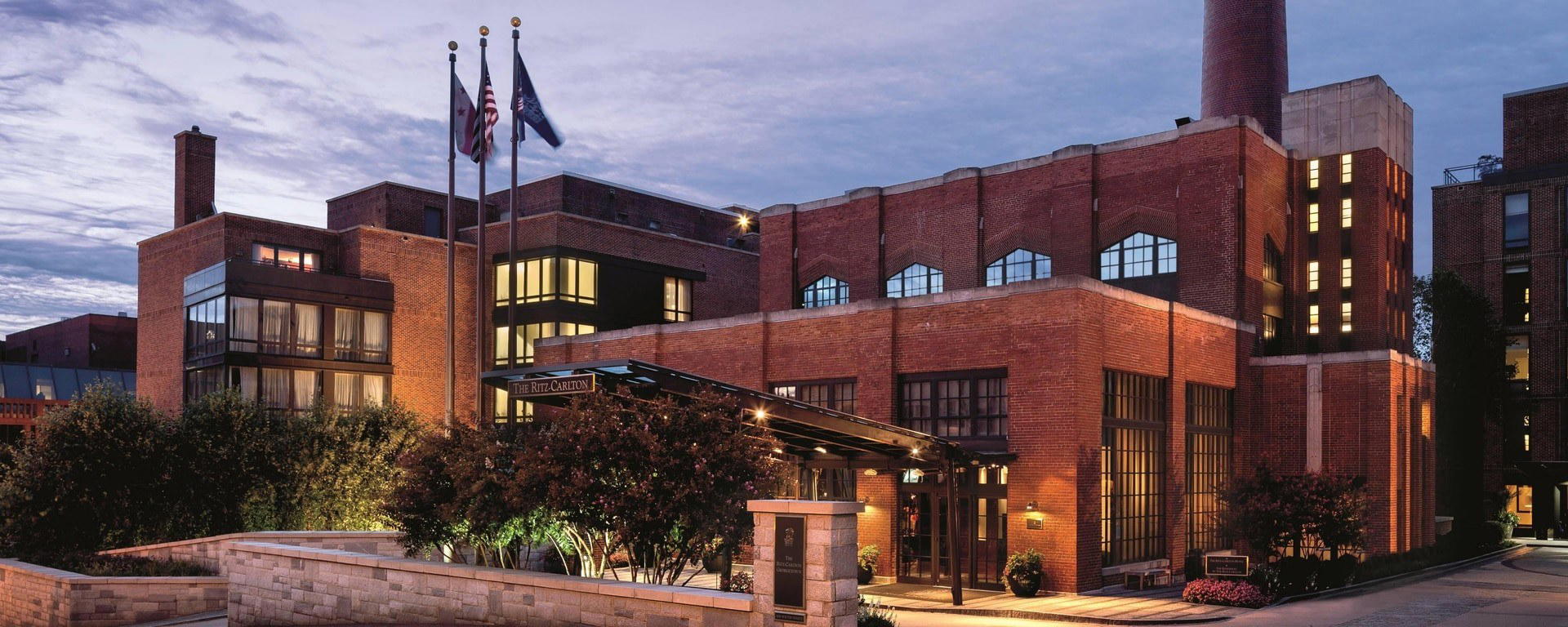
The third floor of a Georgetown-adjacent building on Wisconsin Avenue is an unlikely home for one of Washington's most disciplined Spanish kitchens. The room is spare and deliberately quiet: a handful of tables, no visual noise, the kind of edited space where the food is expected to carry the room entirely. In that sense, Xiquet by Danny Lledo operates closer to the San Sebastián model than to the celebratory clatter of a Spanish taberna. The restraint is the point.
Spanish fine dining in North America has long sat in the shadow of French and Japanese tasting-menu formats. Where the Basque avant-garde — the school that produced Mugaritz, Arzak, and eventually the molecular high-wire act of elBulli — rewired the international conversation about what Spanish cooking could be, American restaurants interpreting that tradition have typically had to work harder to earn a comparable audience. Xiquet is among a short list of U.S. addresses making a credible case. It ranked #79 in the Opinionated About Dining Leading Restaurants in North America in 2024, up from #94 in 2023 and landing at #126 in 2025, which reflects a program with sustained critical traction rather than a single breakout year. The Michelin star, awarded in 2024, and an AAA 5 Diamond rating place it inside the city's most formally recognised tier, alongside peers like Albi and Causa at the $$$$ price point.
The Kitchen's Argument: Wood, Smoke, and the Hearth
The Basque and Valencian culinary traditions share an insistence on fire as a primary ingredient rather than a technique. In San Sebastián, the txoko culture built private cooking clubs around live flame and seasonal product. In Valencia and Alicante, the paella and arroz traditions are inseparable from the socarrat, the scorched, caramelised crust that forms when rice meets direct heat and fat in a wide pan over an open flame. Xiquet's kitchen is built around both a smoker and a wood-fired hearth, and the menu follows those tools rather than decorating around them.
The rice preparations are where the Valencian argument is made most directly. Alicante-style rice with rabbit and mushrooms, cooked over the hearth, belongs to a culinary lineage that prioritises the grain's absorption of stock, smoke, and rendered fat above any other element. This is not risotto technique; the rice is a vehicle for accumulated flavour, not a creamy emulsion. That distinction matters for understanding what Xiquet is doing and who it is speaking to. For comparison, ZURRIOLA in Tokyo and Arco by Paco Pérez in Gdańsk represent how Spanish fine dining travels beyond its home region by anchoring technique to place-specific ingredients, a model Xiquet applies within its own sourcing framework.
Around the rice, the menu moves from delicate to assertive. Dill-cured bonito with ajo blanco is a composition in cool acidity and oil richness, the kind of dish that recalls the pintxos counters of San Sebastián's Parte Vieja more than a conventional amuse-bouche. Crisped-skin turbot with a beurre blanc studded with smoked trout roe brings French technique into Spanish product, a crossover that the Basque school has always treated as natural rather than incongruous. Sustainability shapes the procurement throughout, which aligns Xiquet with a direction that distinguishes it from peers still sourcing for prestige alone. Oyster Oyster makes a comparable commitment at the $$$ price tier; at $$$$, the combination of sourcing discipline and fire-led technique is less common in the city.
Where Xiquet Sits in Washington's Serious-Dining Tier
Washington's tasting-menu scene has consolidated around a recognisable set of approaches: modernist New American (seen at venues like Bresca and Gravitas), ingredient-driven contemporary formats, and a smaller cohort of regionally specific kitchens making a case for particular culinary traditions. Xiquet belongs to the last group. Across the wider city, Del Mar and The Saga represent different points on the spectrum of Spanish-influenced or coastal fine dining. Xiquet's specific argument, Valencia and Alicante through hearth fire, with Basque structural logic in the sequencing, occupies a narrower position than either.
The dinner-only format, the small room, and the OAD ranking place Xiquet in a bracket with tasting-menu addresses like Lazy Bear in San Francisco and the upper tier of regionally specific fine dining that includes Single Thread Farm in Healdsburg. The difference is that where those venues foreground Northern California product and place, Xiquet foregrounds a culinary tradition that is geographically specific to eastern Spain but physically located in an American capital city. Compared to technically ambitious peers like Alinea in Chicago or the seafood precision of Le Bernardin in New York City, Xiquet operates with less theatrical apparatus and more direct reliance on fire as the animating force. The French Laundry in Napa and Emeril's in New Orleans each represent American fine dining that built on European foundations; Xiquet is doing something adjacent but more concentrated in its geographic specificity.
The Wine Program
An 800-bottle inventory with strength across Spain, France, and California is a serious list for a room this size. The $$$ wine pricing, a tier that implies many bottles above $100, positions the program as a deliberate pairing rather than an afterthought. Corkage is set at $75, which discourages casual BYO but leaves the door open for guests with meaningful personal cellars.
Danny Lledo holds both the chef and wine director roles, which is unusual at this level and produces a list that reads as an extension of the kitchen's thinking rather than a separate operation. Aaron Watts as general manager and sommelier, alongside Polina Jensen, Timothy Larkin, and Michelle Perrone, means the floor team has enough depth to handle the wine service without leaning entirely on a single presenter. For a room with a handful of tables, that staff ratio reflects a service model built around unhurried attention.
After Dinner
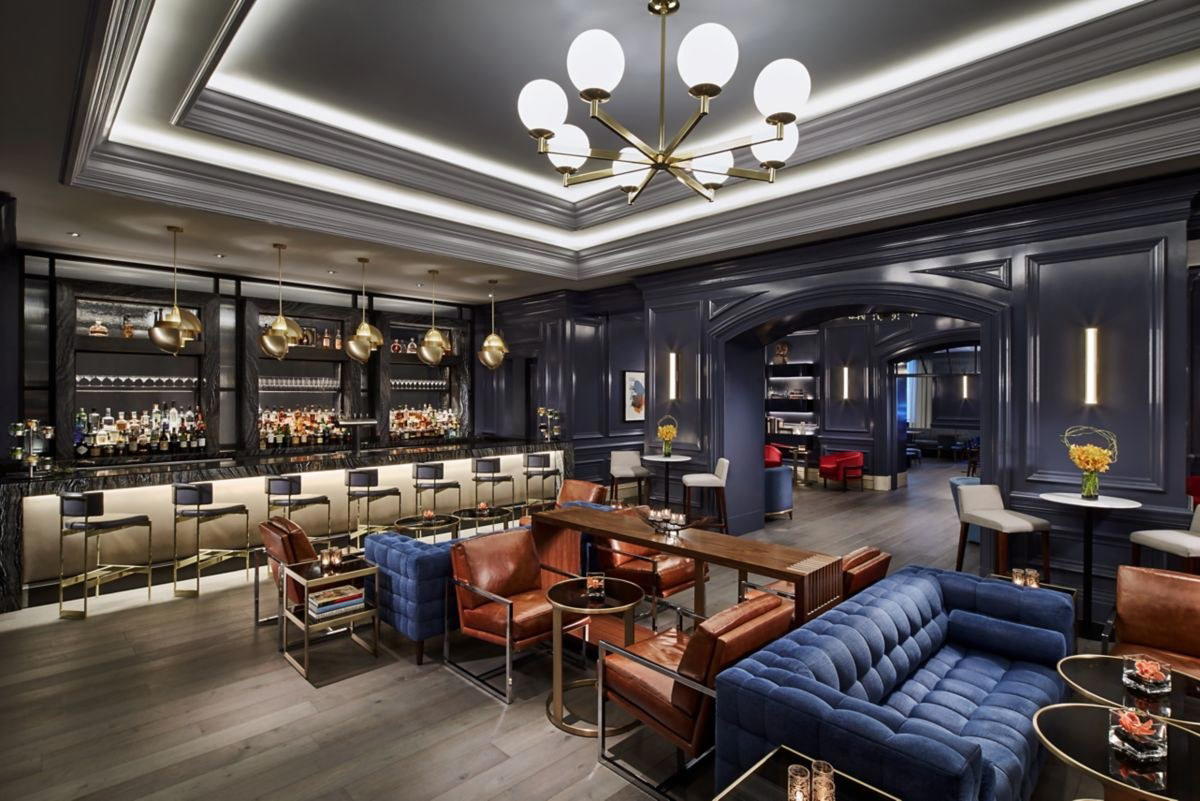
The format extends past the last course. Guests finish with coffee and mignardise in the lounge, a structure that separates the eating pace from the departing pace and borrows from the Basque and French tradition of not ending a serious meal at the table. It is a small but deliberate signal about what kind of evening Xiquet intends to offer: not a series of plates but a sequence with its own arc.
For those building a broader Washington evening or trip, the city's dining range runs from the Middle Eastern fire cooking at Albi to the Peruvian precision at Causa. Xiquet occupies a distinct position among them. See our full Washington, D.C. restaurants guide for the wider picture, and explore hotels, bars, wineries, and experiences across the city.
Know Before You Go
- Address: 2404 Wisconsin Ave NW, Washington, DC 20007
- Hours: Tuesday through Saturday, 5–10 pm; closed Sunday and Monday
- Cuisine: Spanish, with a focus on Valencian and Alicante traditions
- Price: $$$$ (cuisine); $$$ (wine)
- Wine list: 800 bottles; Spain, France, California; corkage $75
- Dining format: Dinner only; lounge available for post-dinner coffee and mignardise
- Recognition: Michelin 1 Star (2024); AAA 5 Diamond (2025); OAD Leading Restaurants in North America #79 (2024)
- Booking: Reservations advised; specific booking method not listed, check the restaurant directly
What Should I Eat at Xiquet by Danny Lledo?
The rice preparations are the clearest reason to be here. The Alicante-style rice with rabbit and mushrooms, cooked over the wood-fired hearth, represents the kitchen's central argument and the dish that most directly connects to Valencian culinary tradition. It is not the kind of course that arrives as a refined flourish; it arrives as the point of the meal. Around it, the sequence moves through dill-cured bonito with ajo blanco, a cold, oil-rich opener in the Basque pintxos register, and crisped-skin turbot with a smoked trout roe beurre blanc, which is where French technique meets Spanish product in the way the San Sebastián school has long treated as a natural alliance. The Michelin recognition and sustained OAD ranking suggest the kitchen executes this sequence at a level that holds up to close critical attention, not just to casual appreciation.
Cuisine Context
A compact comparison to help you place this venue among nearby peers.
| Venue | Cuisine | Price | Awards | Notes |
|---|---|---|---|---|
| Xiquet by Danny LledoThis venue — the venue you are viewing | Modern Spanish Valencian Fine Dining | $300–500 | 1 Michelin Star · Wine Spectator Award of Excellence | Not listed |
| Albi | Modern Levantine Fine Dining | $300–500 | 1 Michelin Star · World's 50 Best #6 | United States, Middle Eastern |
| Causa | Modern Peruvian Fine Dining | $150–200 | 1 Michelin Star · James Beard Award Best Chef: Mid-Atlantic | Peruvian |
| Oyster Oyster | Modern Vegetable-Focused Tasting Menu | Not listed | 1 Michelin Star · James Beard Award Outstanding Chef #1 | New American, Vegetarian, Vegetarian (Sustainable) |
| Bresca | Modern French Bistronomy | $150–200 | 1 Michelin Star · James Beard Award Semi Finalist | Modern French, Contemporary |
| Gravitas | Modern American Fine Dining | $150–200 | 1 Michelin Star | New American, Contemporary |
Recognition history
Dated appearances from independent guides and award organizations, with the underlying list record or original source where available.
Michelin 1 Star
Michelin
Opinionated About Dining Top Restaurants in North America Highly Recommended
Opinionated About Dining
Wine Spectator Award of Excellence
Wine Spectator
AAA 5 Diamond
AAA
Full recognition history (10 entries)
Michelin 1 Star
Michelin
Opinionated About Dining Top Restaurants in North America Ranked #126
Opinionated About Dining
Wine Spectator Award of Excellence
Wine Spectator
Michelin 1 Star
Michelin
Opinionated About Dining Top Restaurants in North America Ranked #79
Opinionated About Dining
Opinionated About Dining Top Restaurants in North America Ranked #94
Opinionated About Dining
Continue exploring
More in Washington DC
Restaurants in Washington DC
Browse all →
Bars in Washington DC
Browse all →
Hotels in Washington DC
Browse all →

Details
- Elegant
- Intimate
- Sophisticated
- Date Night
- Special Occasion
- Business Dinner
- Open Kitchen
- Extensive Wine List
- Sommelier Led
- Tasting Menu
- Wine
Current opening hours
- Monday
- Closed
- Tuesday
- 5–10 PM
- Wednesday
- 5–10 PM
- Thursday
- 5–10 PM
- Friday
- 5–10 PM
- Saturday
- 5–10 PM
- Sunday
- Closed
Hours can change for holidays and private events. Last verified .
Elegant and warm with an airy top-floor dining room featuring a glass-enclosed wood-fire kitchen, Spanish artwork, and multi-level intimate seating areas.