Omakase Room by Tadayoshi
Washington, D.C.'s omakase dining tier has grown sharply in recent years, and Omakase Room by Tadayoshi at 699 14th St NW occupies the formal, chef-driven end of that spectrum. The format, sequential courses, counter seating, a fixed pace determined by the kitchen, positions it squarely among the capital's most deliberate dining experiences, suited to milestone occasions where the structure of the meal is part of the point.
Pearl is the En Primeur Club membership app — saves, bookings, and concierge access live there. Same editors, same standards.
- Address
- 699 14th St NW, Washington, DC 20005
- Phone
- +17712084982
- Website
- omakaseroom.com
- Directions
- Get directions
 Saves & bookings on Pearl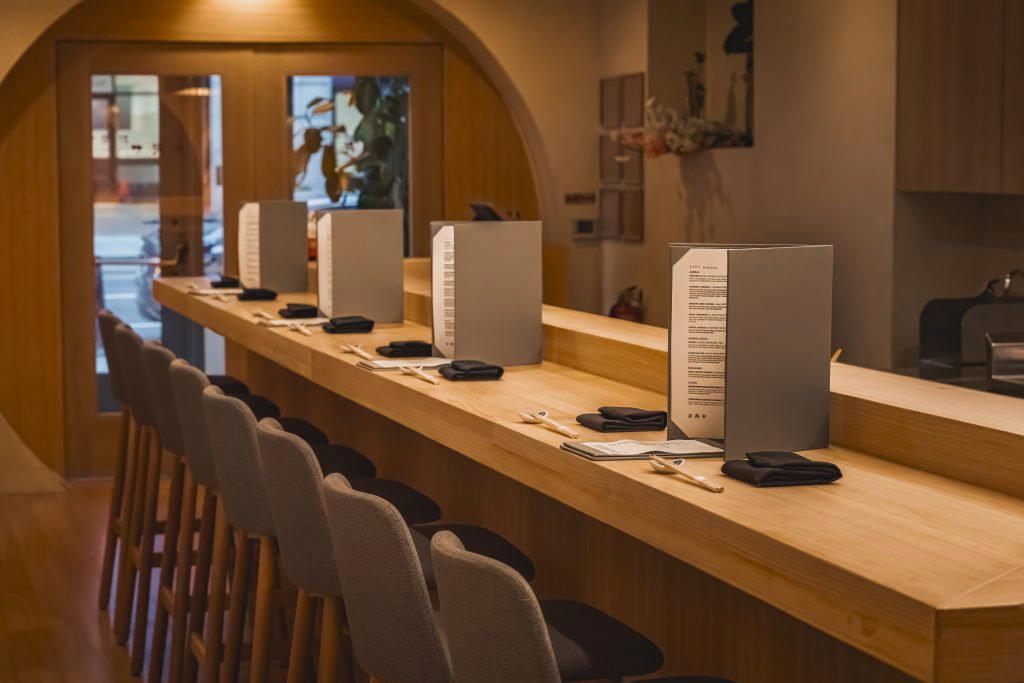
Where the Meal Does the Talking
There is a particular architecture to counter dining that other formats cannot replicate. You arrive at a fixed time, take an assigned seat, and cede the decision-making entirely to the kitchen. No menu to parse, no course modifications to negotiate, no ambient noise from adjacent tables running a different pace. At Omakase Room by Tadayoshi on 14th Street NW, that architecture is the premise. The counter format strips the experience down to the exchange between kitchen and diner, and in doing so, it makes every occasion feel weighted with intention.
Washington, D.C. has developed a credible omakase tier over the past decade, one that tracks closely with the national expansion of Japanese counter dining beyond its original strongholds in New York and Los Angeles. Omakase Room by Tadayoshi belongs to the more controlled end of that spectrum, where the pacing is tightly managed. Omakase Room by Tadayoshi belongs to the second category. Its address on 14th Street puts it in one of D.C.'s most competitive dining corridors, yet the format itself resists the ambient busyness of the neighbourhood.
The Occasion Case for Counter Dining
Among D.C.'s premium dining formats, omakase occupies a specific social function. It is not merely dinner; it is a structure that communicates something to the person sitting beside you. Anniversaries, milestone birthdays, professional achievements, the kind of evenings where the choice of restaurant is itself a signal, these are the occasions that fill counter seats in cities with mature omakase scenes. The format demands full presence: no side conversations with the table two along, no splitting attention between menu and company. The progression of courses creates a shared narrative across the meal, which is precisely what milestone dining asks of a restaurant.
Counter dining at this tier prices and presents itself as an event, not a meal among many in a week. Compared to D.C.'s other high-commitment tasting menus, Jônt with its Modern French approach, minibar with its molecular format, or Causa on the Peruvian counter, each occupies a distinct register. What separates them is not just cuisine but the specific emotional texture of the experience they produce. The Japanese omakase counter, in particular, delivers a formality and a rhythm that most other tasting formats only approximate.
Omakase in the National Context
To understand where a room like Omakase Room by Tadayoshi sits, it helps to map the broader American range of high-end counter dining. The decade since 2015 has seen Japanese omakase formats move from a handful of coastal specialists to a genuine national category, with serious rooms now operating in cities from Chicago to San Diego. The comparison set for D.C.'s upper counter tier reaches beyond the District: Atomix in New York City established a benchmark for what Korean fine dining at counter format can achieve, while Le Bernardin in New York City has long demonstrated how rigorous seafood-focused tasting menus command sustained critical attention.
Further afield, the progression from regional to national recognition follows a consistent pattern. The French Laundry in Napa, Alinea in Chicago, and Single Thread Farm in Healdsburg all demonstrate that tasting-menu formats with strong culinary identity sustain relevance across years and across the full spectrum of occasion dining. The rooms that endure share a common trait: the format itself is not incidental to the food, but inseparable from it. Providence in Los Angeles and Addison in San Diego represent West Coast examples of this disciplined approach. Blue Hill at Stone Barns in Tarrytown does it through agricultural specificity; Lazy Bear in San Francisco does it through communal counter energy. Each arrives at the same conclusion: the meal must feel like it could not happen anywhere else, or in any other order.
Within D.C. itself, the premium dining conversation also includes Albi with its Middle Eastern focus, Oyster Oyster pushing sustainable New American formats, and The Inn at Little Washington representing the region's most decorated dining tradition. The comparison is not competitive so much as contextual: D.C. now runs a genuinely pluralist high-end dining scene, and the restaurant occupies a specific and non-overlapping corner of it.
What the Format Delivers
Counter omakase, as a format, makes specific demands on both kitchen and diner. The kitchen commits to a sequence and a pace that cannot be adjusted table by table. The diner commits to showing up on time, staying present, and trusting the progression. That mutual commitment is exactly what makes counter dining appropriate for occasions that matter. There is no option to rush out early, no temptation to skip a course. The meal has a shape, and both parties agree to follow it to the end.
In a city where the competitive dining tier spans everything from Emeril's in New Orleans-influenced traditions to formats drawing on Hong Kong's Italian fine dining models, the Japanese counter format occupies a specific and increasingly well-understood register. D.C. diners who have sought out omakase rooms in New York or Tokyo return with a clear sense of what the format is capable of, and they apply that standard locally.
Reputation Context
Comparable venues nearby, for context on price, style, and recognition.
| Venue | Cuisine | Price | Notes |
|---|---|---|---|
| Omakase Room by TadayoshiThis venue — the venue you are viewing | Japanese Omakase | $$$$ | Not listed |
| Uchi | Modern Japanese Sushi | $$$$ | Downtown |
| Nobu DC | Japanese-Peruvian Fusion | $$$$ | West End |
| Uchi | Modern Japanese Sushi | $$$$ | Old Town Scottsdale |
| Maru San | Japanese-Peruvian Nikkei Hand Rolls | $$$$ | Eastern Market |
| Uchi | Modern Japanese Omakase | $$$$ | Central Business District |
Continue exploring
More in Washington DC
Restaurants in Washington DC
Browse all →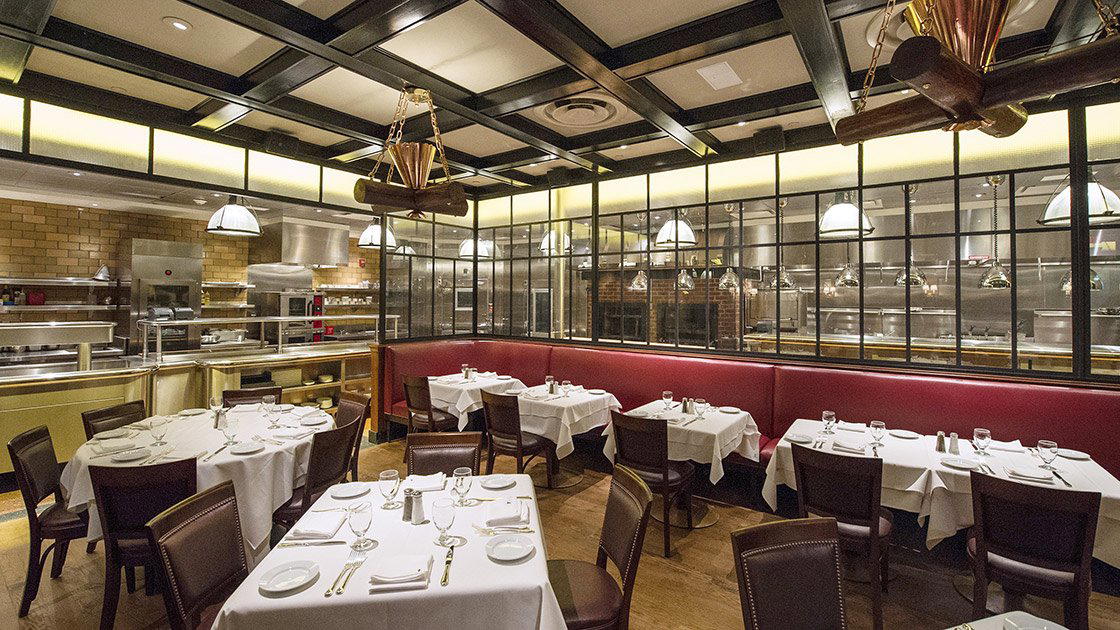
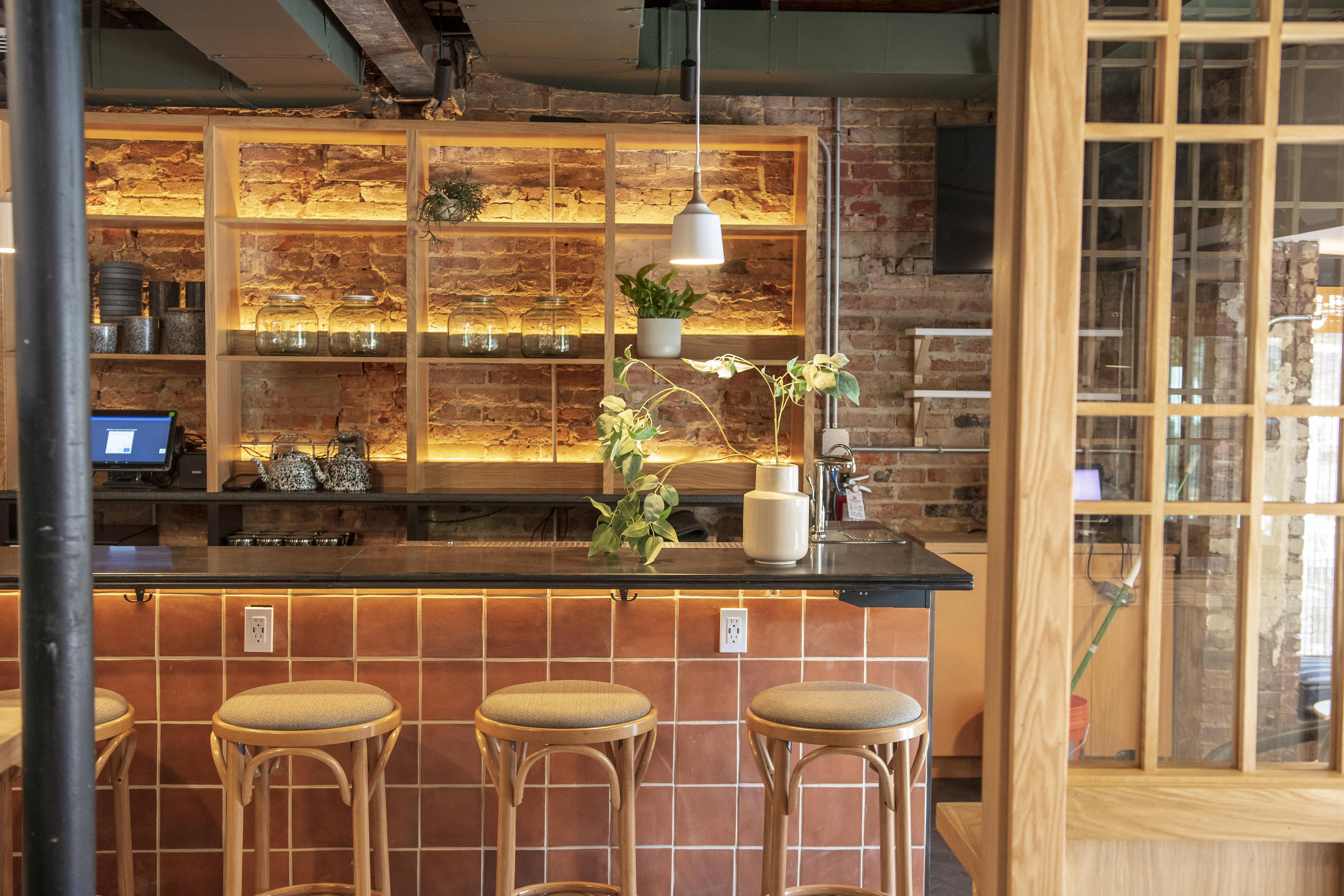
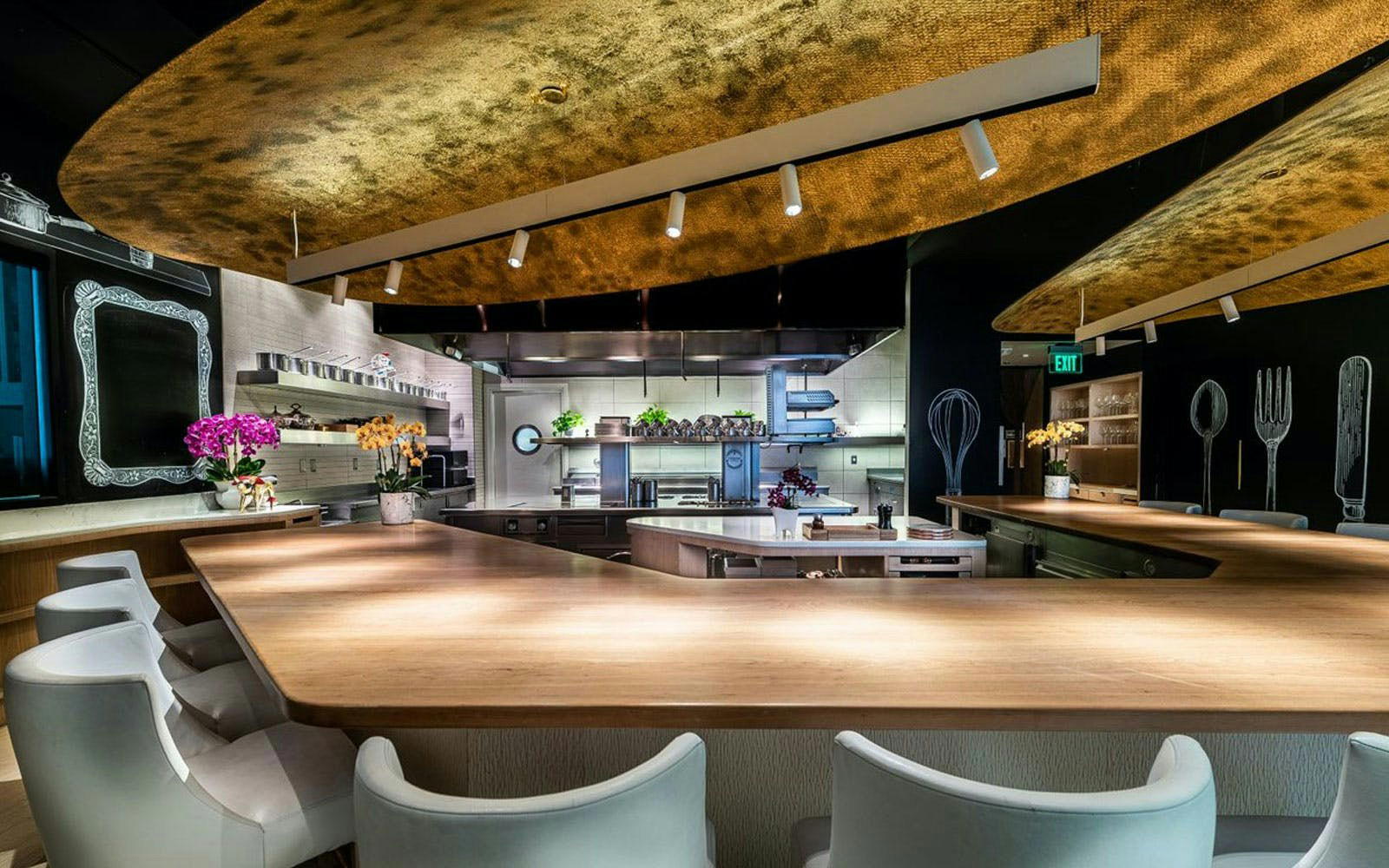
Bars in Washington DC
Browse all →
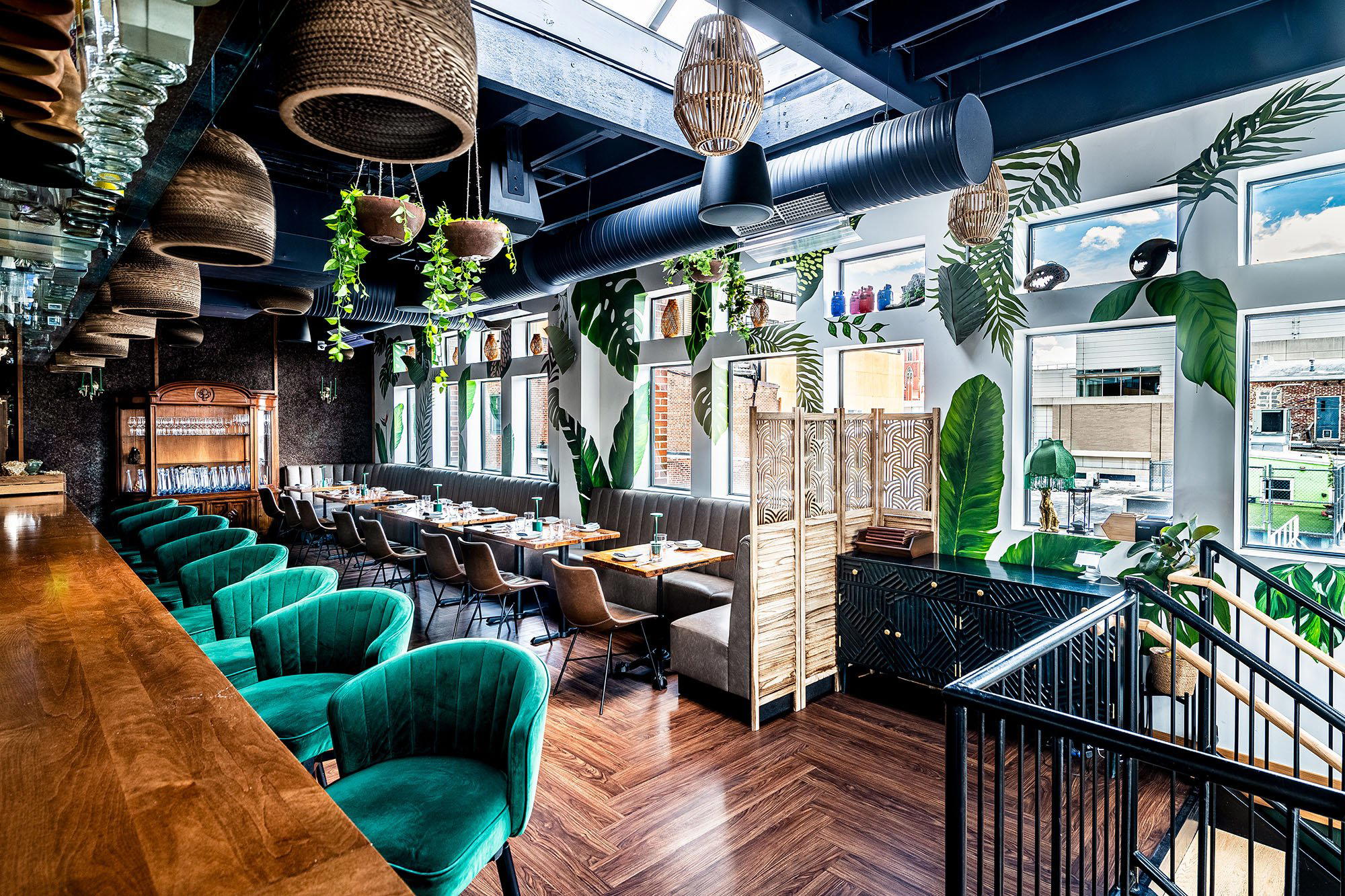
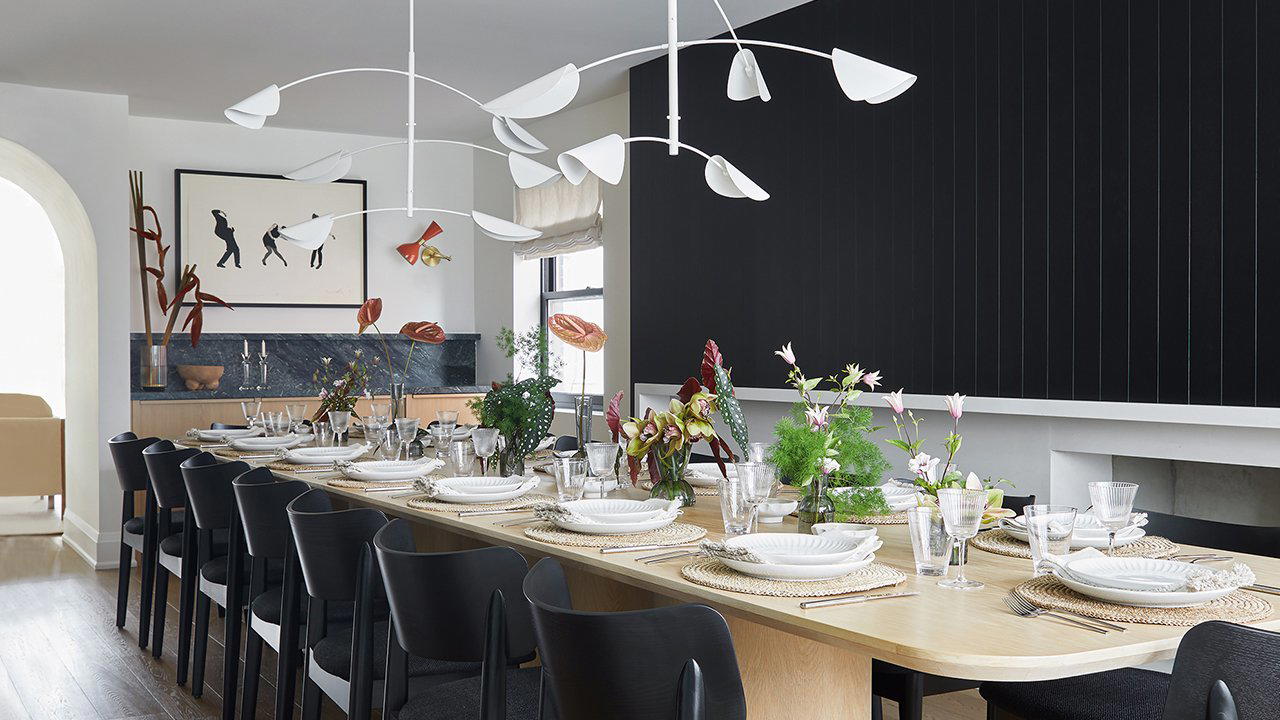
Hotels in Washington DC
Browse all →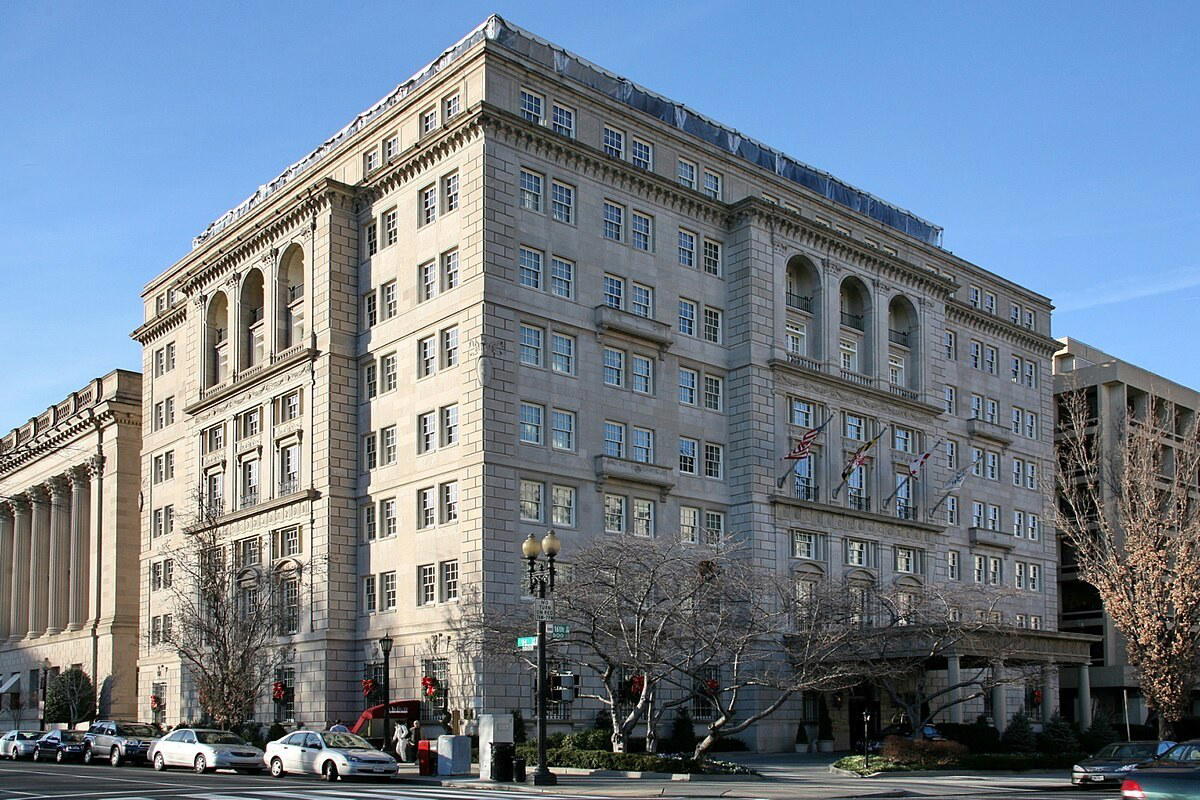
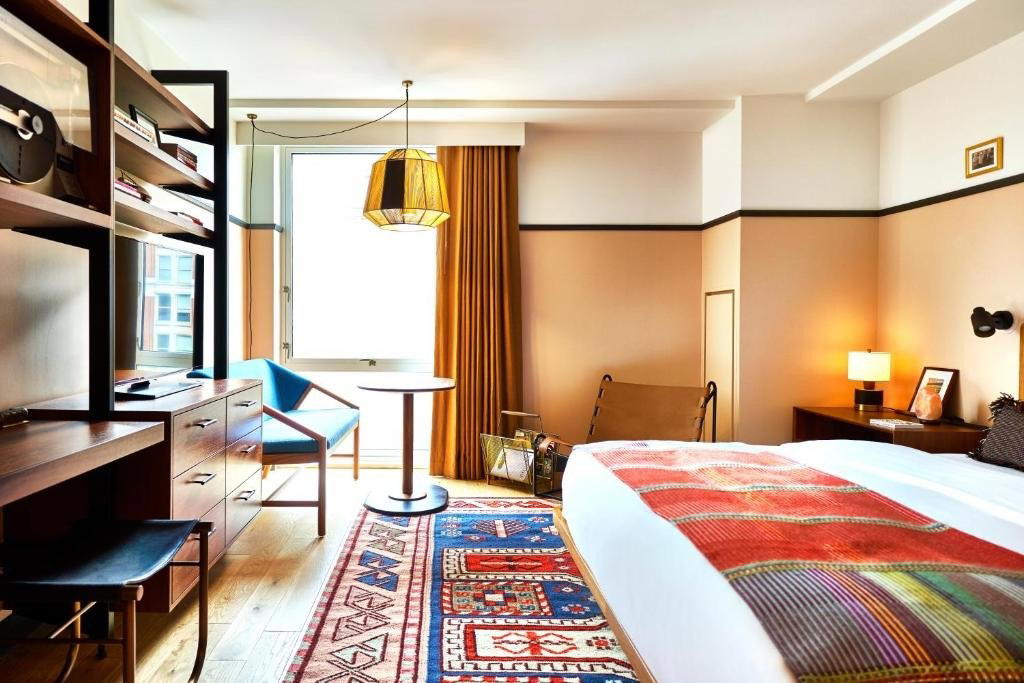
At a Glance
- Intimate
- Elegant
- Sophisticated
- Minimalist
- Date Night
- Special Occasion
- Chefs Counter
- Sake Program
Current opening hours
- Monday
- Closed
- Tuesday
- 5:30–9:45 PM
- Wednesday
- 5:30–9:45 PM
- Thursday
- 5:30–9:45 PM
- Friday
- 5:30–9:45 PM
- Saturday
- 5:30–9:45 PM
- Sunday
- Closed
Hours can change for holidays and private events. Last verified .
Intimate 12-seat sanctuary with a quiet, poetic conversation between chef and guest, focused on refined precision, beauty, and intention.