
Tabelog Bronze
Our verdict
Ichitaka belongs to Fukuoka’s serious sushi tier, where Kyushu fish, counter format, and sake-led pacing matter more than spectacle. Recognition from the Tabelog Award 2025 Bronze and selection for Tabelog Sushi WEST 100 in 2025 place it among the region’s more closely watched sushi rooms, with pricing and format aligned to occasion dining rather than casual Hakata eating.

Pearl is the En Primeur Club membership app, where members save venues, book tables and use the concierge.
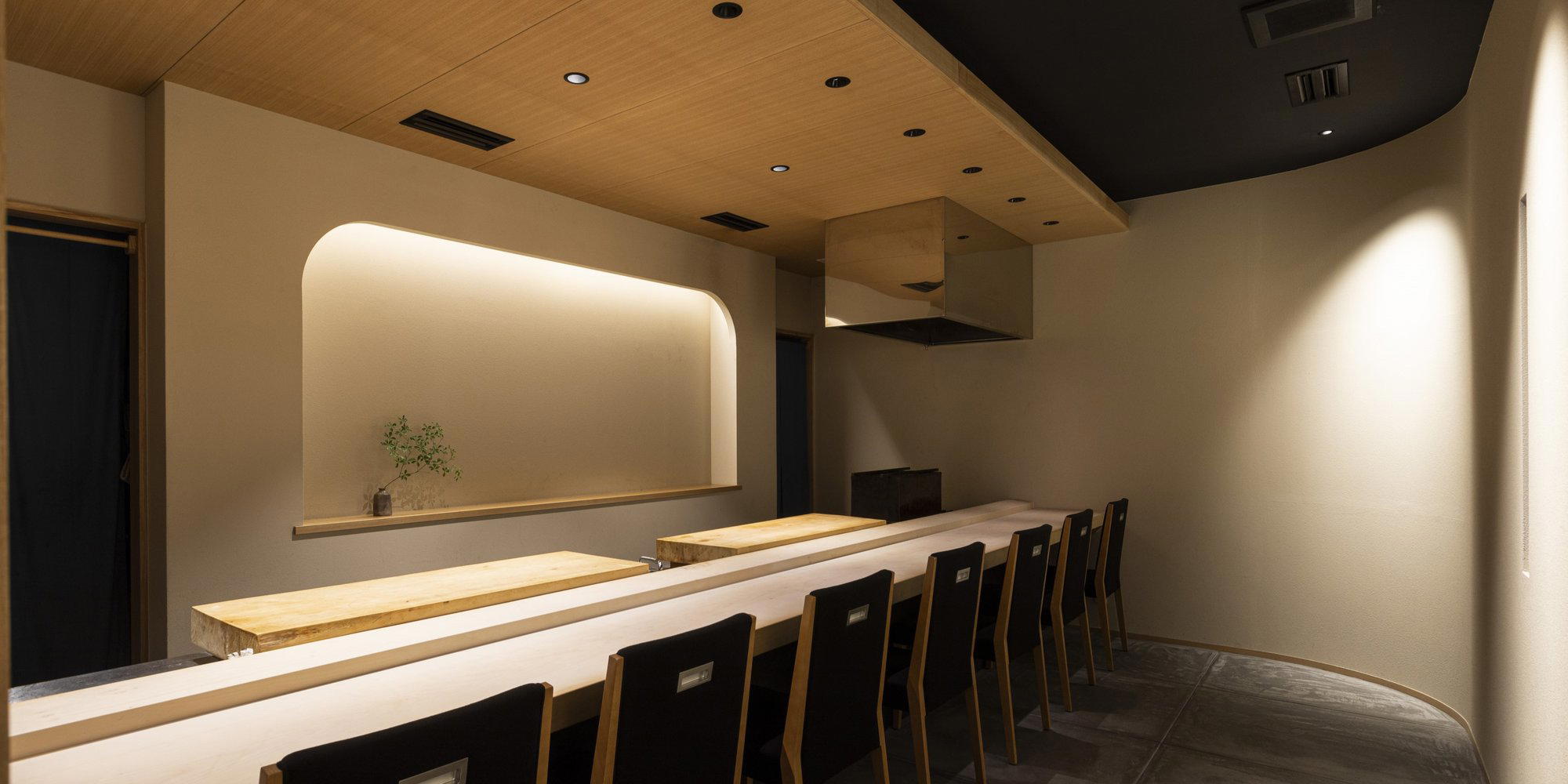
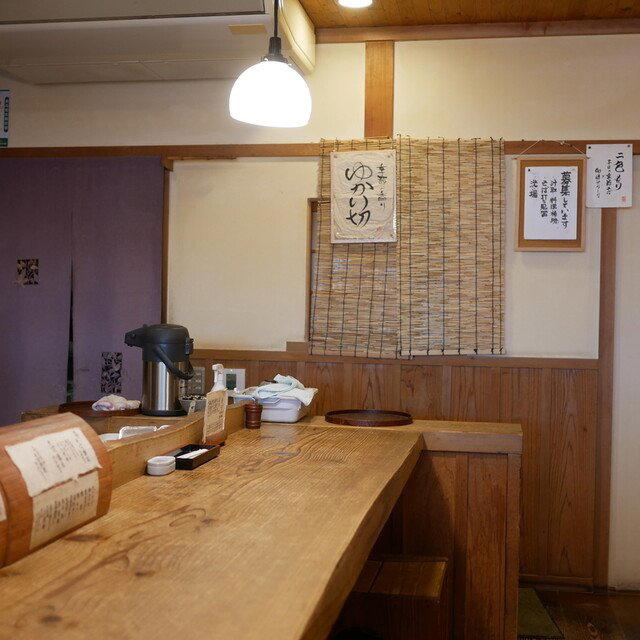
Approach the counter and the point of the room is immediately clear: sushi here is built around proximity. The format narrows attention to the handoff between chef and guest, the temperature of rice, the cut of fish, and the rhythm of drinks moving alongside the meal. In Fukuoka, that intimacy carries extra weight because the city’s dining culture is unusually close to its supply lines, from Kyushu coastal catch to shochu and sake lists that read as part of the meal rather than a decorative add-on.
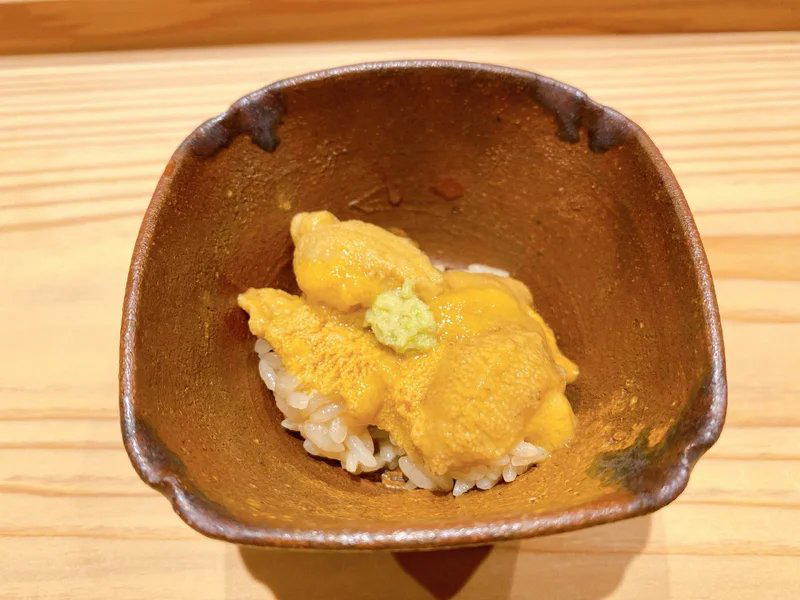
Ichitaka sits inside that serious local sushi conversation. The useful signal is not a grand dining-room narrative, but the combination of Tabelog Award 2025 Bronze recognition, selection for Tabelog Sushi WEST 100 in 2025, and a Tabelog score listed at 3.98. In Japan’s restaurant culture, those markers matter because they identify demand and consistency within a field where small counters can be difficult to read from the outside. The restaurant’s pricing also puts it away from casual sushi and into the occasion bracket, a category where sourcing, pacing, and counter discipline have to justify the spend.
Kyushu fish gives Fukuoka sushi a different centre of gravity
Fukuoka sushi is not simply Tokyo sushi transplanted west. The city faces fishing grounds that shape what serious counters can prioritise: freshness, seasonality, and a less theatrical relationship with seafood. The phrase “particular about fish” may sound plain, but in this context it is the whole argument. The better Fukuoka counters make sourcing feel structural, not ornamental. A meal is judged less by novelty than by whether the fish selection, rice temperature, and drink pairing form a coherent sequence.
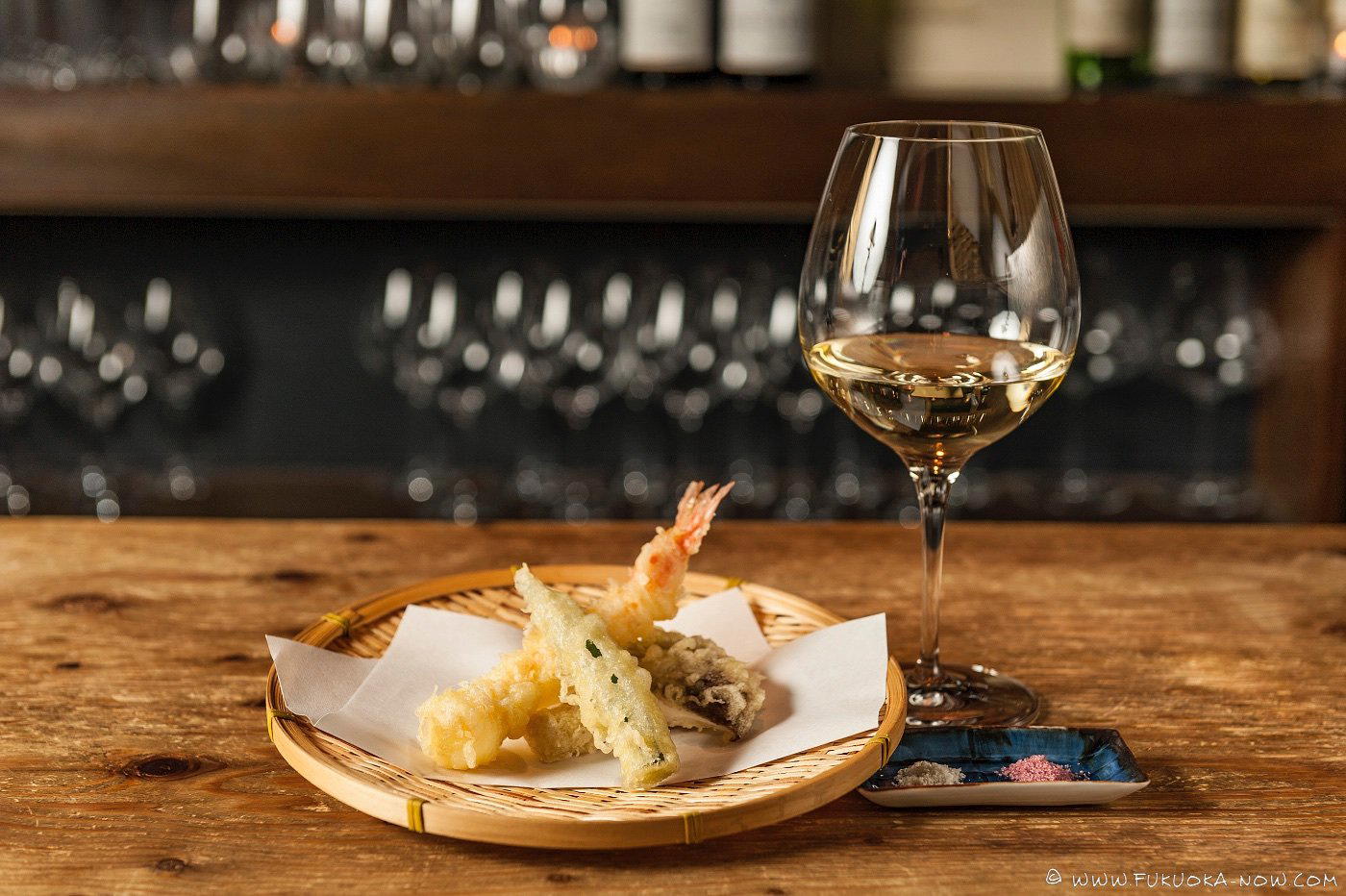
That is where Ichitaka’s category, Sushi and Japanese Cuisine, matters. The room is positioned for a composed sushi meal rather than a mixed izakaya evening, and its drinks programme includes sake, shochu, and wine. That range is increasingly common at ambitious sushi counters outside Tokyo, where wine is no longer a foreign interruption and shochu can speak directly to Kyushu’s regional habits. The restaurant’s BYO option adds another layer for guests who think carefully about pairing, though the core identity remains fish-led.
Fukuoka’s broader dining map helps explain the choice. A traveller can eat brilliantly across the city without entering this price tier, from South Indian cooking at 106 South Indian Fukuoka tenjin ten to spice-driven dining at Afterglow, local Japanese cooking at Aji Dokoro Taro Gen Sougyou ten, fried horse mackerel at Aji Furai Shokudo Kaba, and curry-rice comfort at Aji no Katsueda. Sushi at this level is a different decision: fewer seats, higher spend, and a meal that asks the diner to read the sequence closely.
A small counter format, not a big-room performance
The counter count defines the experience as much as the fish. Fifteen seats divided across two counter rooms creates a compact format where the meal’s quality depends on timing and attention rather than volume. Private-room availability for small groups changes the usual sushi-counter calculus: it gives families or business diners a way into a format that often assumes adult-only silence, while keeping the meal close to the chef’s cadence.
That structure also separates it from lower-priced comparison points in Fukuoka. Teppanyaki Rikaen sits in a different price band, while Yakiniku Tagyu Ekiminami ten serves another kind of group-oriented appetite entirely. Cafe Ospitale occupies the city’s casual end, and Hakata Issou speaks more to izakaya-style energy. None of those comparisons diminishes the city’s range; they clarify the trade-off. A sushi counter in this bracket is not where to go for speed, breadth, or spontaneous grazing. It is where the meal narrows, and the value depends on whether the fish programme and pacing reward that concentration.
Children are welcome, and the listing of a kids menu and stroller acceptance is notable for a serious sushi room. That does not make the format casual. It means the restaurant has made space for family use within an expensive, counter-led meal, a distinction that matters in Japan, where some high-end counters remain difficult for families to interpret before arrival.
How to place it within a Fukuoka food itinerary
For a first Fukuoka trip, Ichitaka works better as the controlled meal in an otherwise varied itinerary. The city rewards contrast: ramen, izakaya, curry, fish counters, bars, and hotel dining each show a different side of local appetite. Use Our full Fukuoka restaurants guide to build the food days around that spread, then cross-check neighbourhood logistics with Our full Fukuoka hotels guide, drinking plans through Our full Fukuoka bars guide, regional bottles via Our full Fukuoka wineries guide, and cultural pacing in Our full Fukuoka experiences guide.
The wider Japan circuit shows why Fukuoka deserves its own treatment rather than functioning as a side note to Tokyo and Kyoto. A beef-focused meal such as -Grilled beef Sukiyaki- KAMAKURA TANUKIAN 鎌倉 たぬき庵 in Kamakura, a Tokyo seafood-and-charcoal address like. 鮪と炭火焼き うお炭 秋葉原店 in Tokyo, a café stop at.cafe in Osaka, or a Kumamoto table such as.know in Kumamoto each frames local preference differently. Fukuoka’s high-end sushi argument is quieter: proximity to fish, disciplined counter service, and a drinks culture fluent in sake and shochu.
For travellers mapping Japanese food beyond the obvious centres, the useful move is to compare formats rather than chase labels. Vietnamese cooking at (Shoku) Vietnam in Kawasaki, specialist curry at [Curry Senmon Ten] Maruyama Kyoju. in Sapporo, sake-bar culture at Jōdo Saké Bar in Los Angeles, and rice-ball craft at Onigiri Time in Pasadena all underline the same point: Japanese dining travels through format. Ichitaka’s format is narrow by design, and that narrowness is the reason to take it seriously.
Frequently asked questions
Is Ichitaka a family-friendly restaurant?
Yes. The restaurant lists children welcome, including babies, preschoolers, and school-age children, plus a kids menu and stroller access. It also has 15 seats in Fukuoka's Hakata Ward, with private-room options for smaller groups.
What should I expect atmosphere-wise at Ichitaka?
Expect a compact sushi room rather than a large dining hall: Ichitaka has 15 seats, split between counter seating and private rooms. The listing also notes a stylish, relaxing space, with non-smoking service and free Wi‑Fi.
What time does Ichitaka open and close?
Hours at Ichitaka: Mon 17:30 - 22:00 L.O. Food 20:00 Drinks 20:30.
What part of town is Ichitaka in?
Ichitaka is located in Fukuoka.
What's Ichitaka best at?
Ichitaka is strongest on sushi built around fish, which is the restaurant's stated focus. Its credentials are concrete: Tabelog Bronze 2025 and selection for Tabelog Sushi WEST 100 in 2025, in Fukuoka.
Comparable Spots, Quickly
Comparable venues by cuisine and price in the same metro.
| Venue | Cuisine | Price | Awards | Notes |
|---|---|---|---|---|
| IchitakaThis venue (the venue you are viewing) | Modern Kyushu Sushi Omakase | $200–300 | Tabelog Bronze | Not listed |
| Seimon Barai | Seafood-focused Japanese Izakaya | $50–100 | Tabelog 100 #49 | Hakata |
| Yakitori Taka | Yakitori | Not listed | Tabelog 100 #60 | Chūō |
| Shin-shin Nishinakasu shop | Traditional Japanese Izakaya | $100–150 | Tabelog 100 #6 | Chūō |
| Kuwaman | Traditional Japanese Izakaya & Sake Bar | $50–100 | Tabelog 100 #14 | Chūō |
| 神戸焼肉大山 | Japanese Robatayaki Grill | $20–30 | Not listed | Hakata |
Recognition history
Dated appearances from independent guides and award organizations, with the underlying list record or original source where available.
Tabelog Bronze
Tabelog
Full recognition history (2 entries)
Tabelog 100 #16 · No. 16
Tabelog · Tabelog 100 - Sushi - WEST - 2025
Continue exploring
More in Fukuoka
Restaurants in Fukuoka
All restaurants in Fukuoka →
Details
- Relaxed
- Elegant
- Intimate
- Sophisticated
- Date Night
- Special Occasion
- Chefs Counter
- Open Kitchen
- Sake Program
- Local Sourcing
- Sustainable Seafood
- Omakase
- Counter Dining
- Sake
Current opening hours
- Monday
- 5–11 PM
- Tuesday
- 5–11 PM
- Wednesday
- 5–11 PM
- Thursday
- 5–11 PM
- Friday
- 5–11:30 PM
- Saturday
- 5–11:30 PM
- Sunday
- 5–11 PM
Hours can change for holidays and private events. Hours as of .
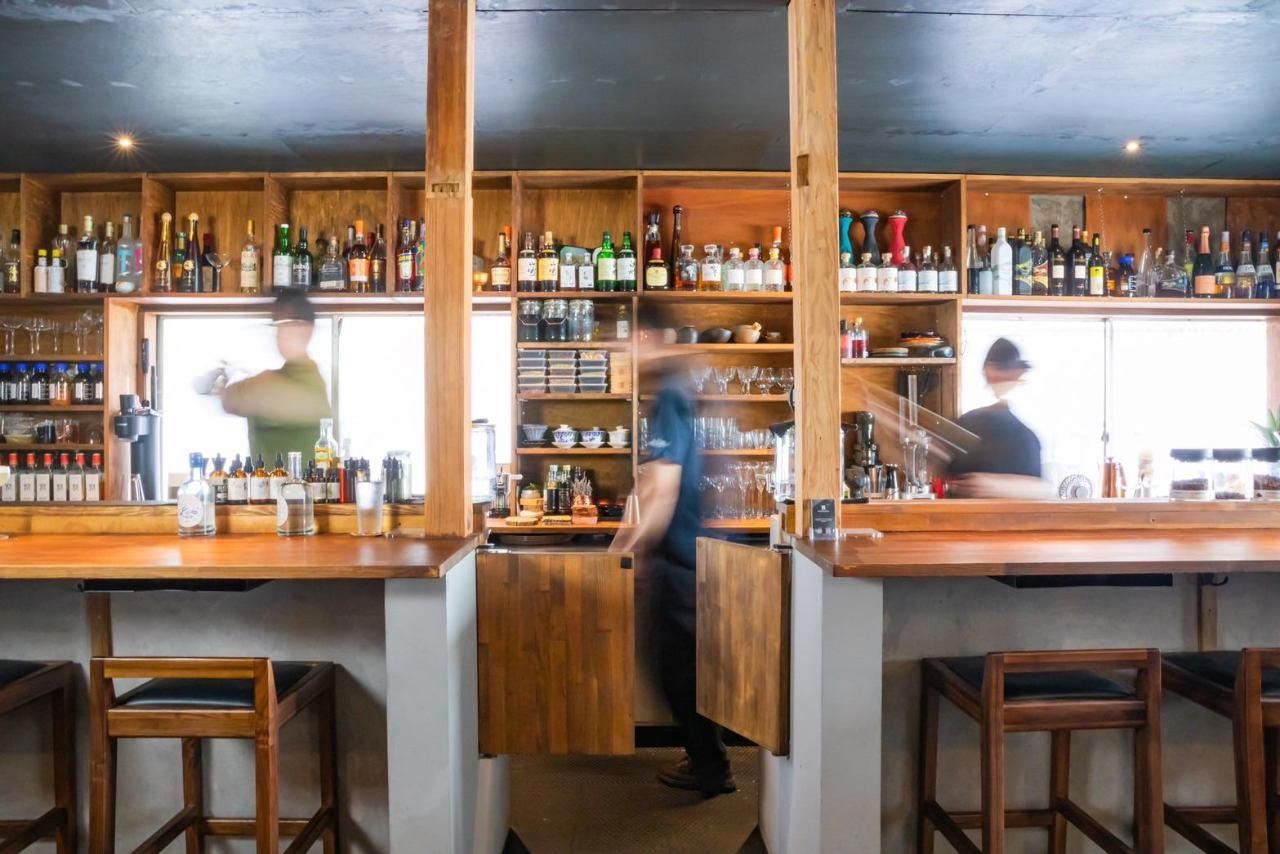
Relaxing stylish space with counter seating, friendly chef interaction, and comfortable intimate atmosphere.