
Chiso Nakamura sits in Fukuoka’s serious Japanese dining tier, with a Tabelog Bronze Award 2025 and a 4.01 score marking it as a restaurant followed by local evaluators rather than casual traffic. The appeal is cultural as much as culinary: Hakata’s port-city appetite, Kyushu produce, and formal Japanese technique meet in a room that rewards diners seeking a quieter counterpoint to the city’s yatai energy.
Pearl is the En Primeur Club membership app — saves, bookings, and concierge access live there. Same editors, same standards.
- Address
- 2-10 Tsumashoji, Hakata Ward, Fukuoka, 812-0020, Japan
- Phone
- +81 92-292-7663
- Website
- chisou-nakamura.jp
- Directions
- Get directions
 Saves & bookings on Pearl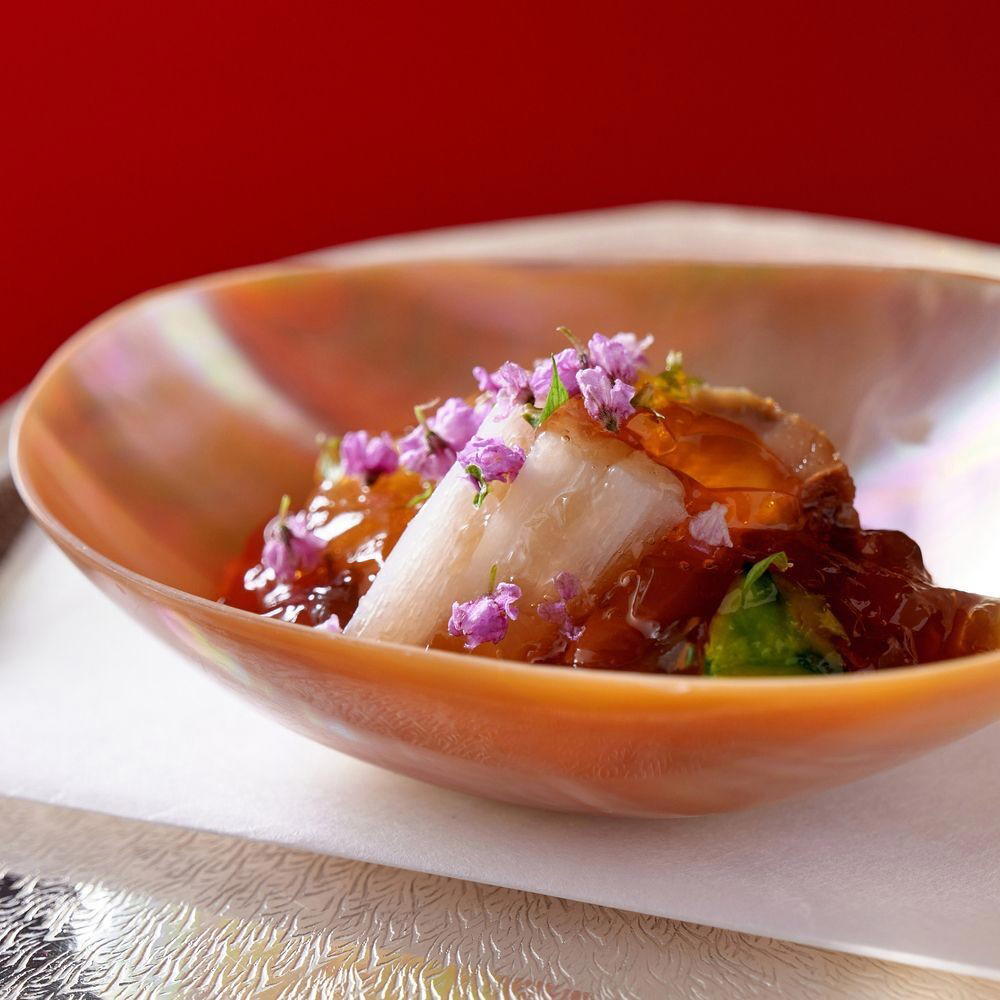
Approaching the quieter side of Hakata, the city’s food culture changes register. Fukuoka is often introduced through steam, noodles, and street-side immediacy, but its more formal Japanese restaurants work in a different tempo: controlled service, seasonal sequencing, and a kind of restraint that makes sense only when the diner slows down. Chiso Nakamura belongs to that second Fukuoka, the one less visible to first-time visitors but central to how the city eats when it wants precision rather than spectacle.
That contrast matters. Fukuoka’s public dining image is still shaped by yatai, tonkotsu ramen, and seafood drawn from Kyushu’s surrounding waters, yet the city also has a mature market for washoku restaurants that treat seasonality as structure rather than decoration. In this tier, a Tabelog Bronze Award 2025 and 4.01 score are not decorative badges; they signal a restaurant being judged inside Japan’s own dining conversation, where consistency, ingredient handling, and pacing carry more weight than theatrical room design.
Hakata's quieter Japanese dining tradition, away from the yatai shorthand
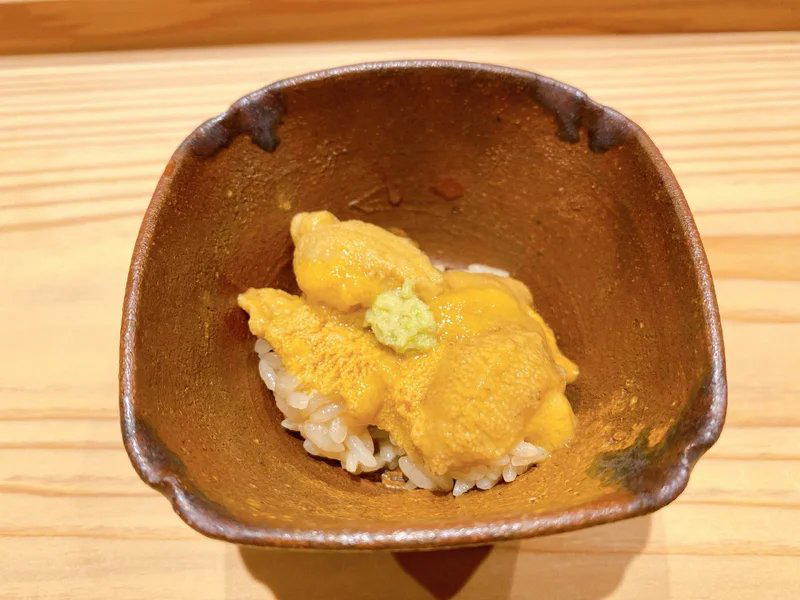
Fukuoka’s strength is not a single dish category. It is the way the city compresses port access, Kyushu agriculture, and a long appetite for direct, unfussy eating. The better Japanese rooms in Hakata tend to work from that base, then narrow the volume: fewer distractions, clearer seasonality, and a meal that asks diners to read sequence and texture rather than abundance. Chiso Nakamura fits this grammar more closely than it fits the city’s export image.
The comparison with lower-priced local formats is useful. Tsukiyoshi sits in a JPY 2,000 to JPY 2,999 band, while Suzaki Yatai Kajishika runs JPY 4,000 to JPY 4,999; those numbers speak to Fukuoka’s strength as a city where serious eating is not always tied to formal dining. Dai 8 Yachiyo Maru, at JPY 6,000 to JPY 7,999, occupies another recognizable local lane. Against that backdrop, a Bronze-rated Japanese restaurant in Hakata is not competing with casual satisfaction. It is asking a different question: how far can regional appetite be refined without losing its local accent?
That is where cultural context becomes more useful than menu prediction. Formal Japanese cuisine is built on timing, temperature, cut, vessel, and progression. In Kyoto, those ideas are often framed through courtly kaiseki and tea culture; in Fukuoka, they meet a more mercantile port-city appetite, shaped by fish, shochu country, and Kyushu’s produce network. The result, at this level, is not necessarily louder or richer. It is usually more disciplined.
Recognition that places the room inside Japan's domestic ranking culture
The Tabelog Bronze Award 2025 gives Chiso Nakamura a specific kind of credibility. International diners often look first for Michelin stars, but in Japan, Tabelog’s high-scoring restaurants can become a parallel map of local seriousness. A 4.01 score in Fukuoka Japanese cuisine places the restaurant among venues watched by diners who pay attention to repetition, not just novelty.
That matters because Fukuoka is not short of memorable eating. The city can overwhelm a visitor with casual options before dinner has even begun: fried fish counters, curry rooms, South Indian specialists, izakaya, yatai, and sake-led bars. Readers building a broader itinerary can cross-reference our full Fukuoka restaurants guide, then calibrate appetite across addresses such as 106 South Indian Fukuoka tenjin ten, Afterglow, Aji Dokoro Taro Gen Sougyou ten, Aji Furai Shokudo Kaba, and Aji no Katsueda. The point is not to rank unlike meals together. It is to understand Fukuoka as a city where casual depth and formal Japanese cooking coexist within a compact dining radius.
For travellers, that coexistence changes planning. A formal Japanese dinner in Hakata reads differently after a day spent in Tenjin, Nakasu, or the city’s market-adjacent food zones. It does not replace the ramen counter or yatai stool; it gives the trip a second register. Pairing both sides of the city is more revealing than choosing one as the “real” Fukuoka.
How to place it within a Fukuoka itinerary
The restaurant is a dinner decision, not a drop-in snack stop. Its listed service window is narrow, with evening service on Monday and Friday and a food last order at 19:00, so the meal belongs at the center of the day rather than after an extended bar crawl. The address in Hakata Ward also places it within the city’s practical core, useful for travellers staying near Hakata, Nakasu, or Tenjin and planning around rail access rather than resort-style transfers.
The room’s strongest fit is for diners who already understand that Japanese cuisine at this level is about progression and attention. Children may be comfortable in many Fukuoka restaurants, but formal Japanese rooms tend to reward quiet pacing and adult attention spans. Groups looking for price transparency, à la carte flexibility, or late-evening spontaneity will usually be better served by the city’s casual spectrum.
A wider Fukuoka plan should not stop at restaurants. The city’s hospitality, drinking, and cultural circuits shape how a dinner like this lands: our full Fukuoka hotels guide, our full Fukuoka bars guide, our full Fukuoka wineries guide, and our full Fukuoka experiences guide help frame the rest of the trip. For broader Japan and diaspora reference points, compare how regional specificity shifts across -Grilled beef Sukiyaki- KAMAKURA TANUKIAN 鎌倉 たぬき庵 in Kamakura. 鮪と炭火焼き うお炭 秋葉原店 in Tokyo.cafe in Osaka.know in Kumamoto, (Shoku) Vietnam in Kawasaki, [Curry Senmon Ten] Maruyama Kyoju. in Sapporo, Jōdo Saké Bar in Los Angeles, and Onigiri Time in Pasadena. Those comparisons underline a useful truth: Japanese dining is not a single luxury category, but a set of regional, formal, and diasporic decisions. The restaurant is for the Fukuoka version of that decision, where Hakata’s appetite is narrowed into a more composed Japanese meal.
Cost and Credentials
Comparable venues at a glance for context.
| Venue | Cuisine | Price | Notes |
|---|---|---|---|
| Chiso NakamuraThis venue — the venue you are viewing | Hakata, Kyushu Kaiseki Omakase | $$$$ | Not listed |
| 嗣味 | Chūō, Modern Japanese Omakase | $$$$ | Not listed |
| 明珠ひら緒 | Chūō, Japanese Fine Dining | $$$$ | Not listed |
| Yorozu | Chūō, Modern Japanese Tea House & Bar | $$$$ | Not listed |
| Teppanyaki Sazanka | Not listed | $$$$ | Hakata, Teppanyaki & Wagyu at Hotel Okura Fukuoka |
| Sushi Gosuian | Chūō, Edomae Sushi Omakase | $$$$ | Not listed |
Recognition history
Dated appearances from independent guides and award organizations, with the underlying list record or original source where available.
Tabelog Bronze
Tabelog
At a Glance
- Elegant
- Intimate
- Classic
- Sophisticated
- Cozy
- Special Occasion
- Date Night
- Business Dinner
- Private Dining
- Sake Program
- Sommelier Led
- Local Sourcing
Current opening hours
- Monday
- 11:30 AM–2 PM, 6–10:30 PM
- Tuesday
- 11:30 AM–2 PM, 6–10:30 PM
- Wednesday
- 11:30 AM–2 PM, 6–10:30 PM
- Thursday
- 11:30 AM–2 PM, 6–10:30 PM
- Friday
- 11:30 AM–2 PM, 6–10:30 PM
- Saturday
- 11:30 AM–2 PM, 6–10:30 PM
- Sunday
- Closed
Hours can change for holidays and private events. Last verified .
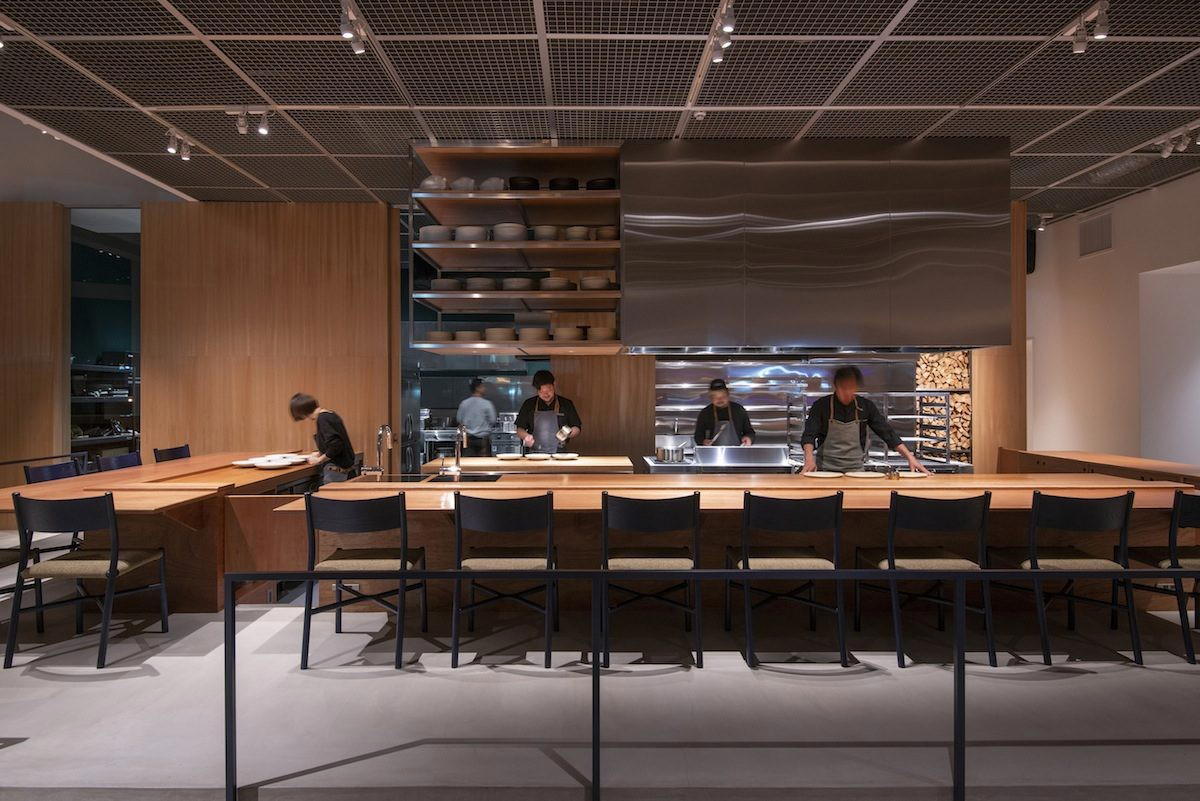
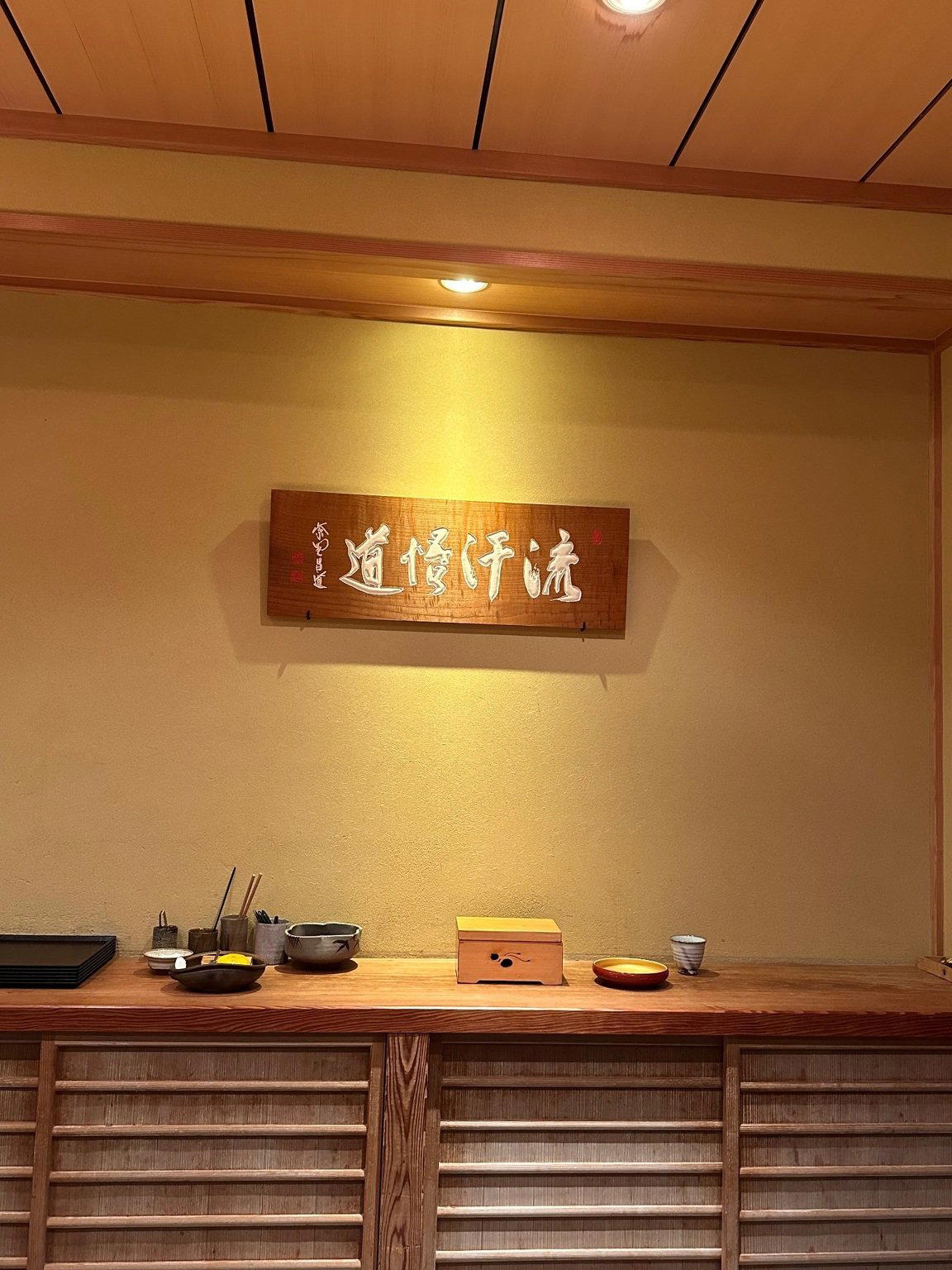
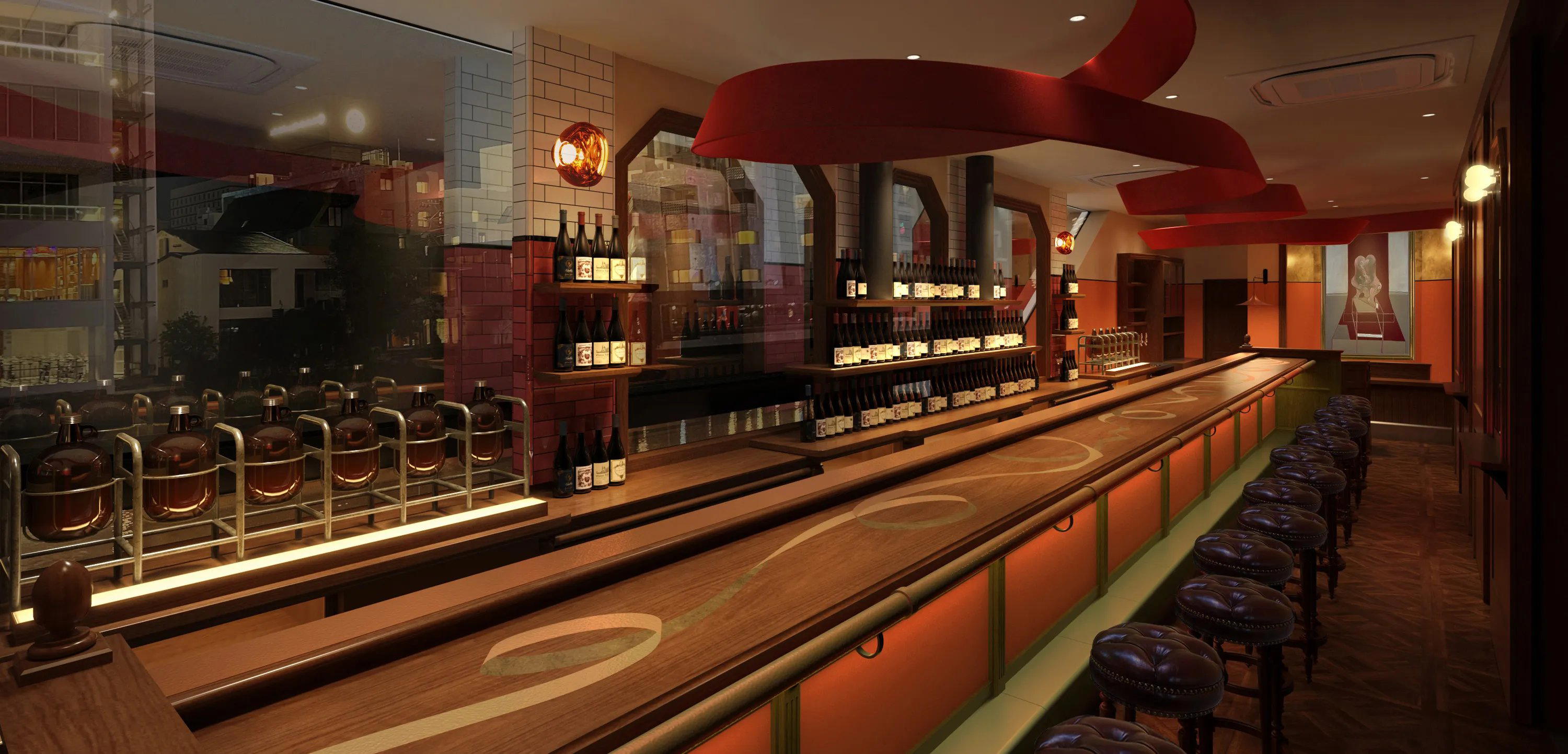
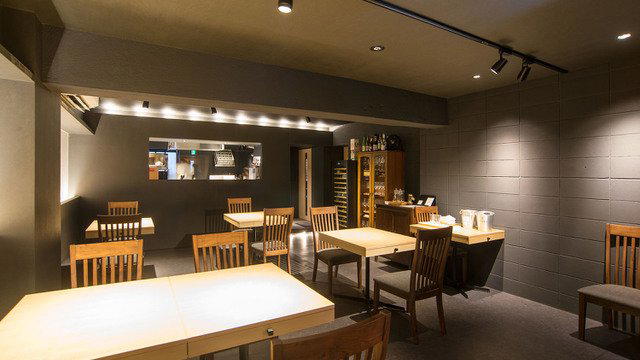
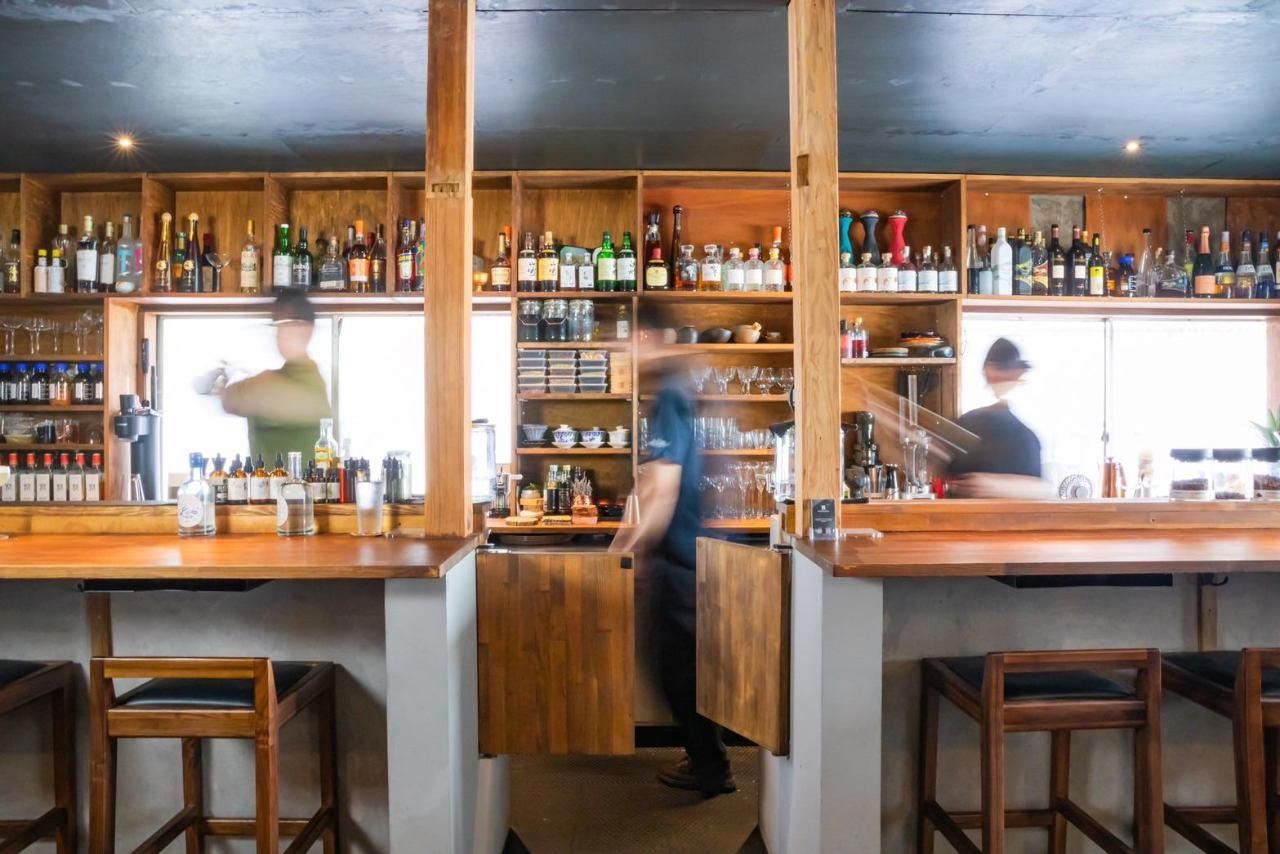
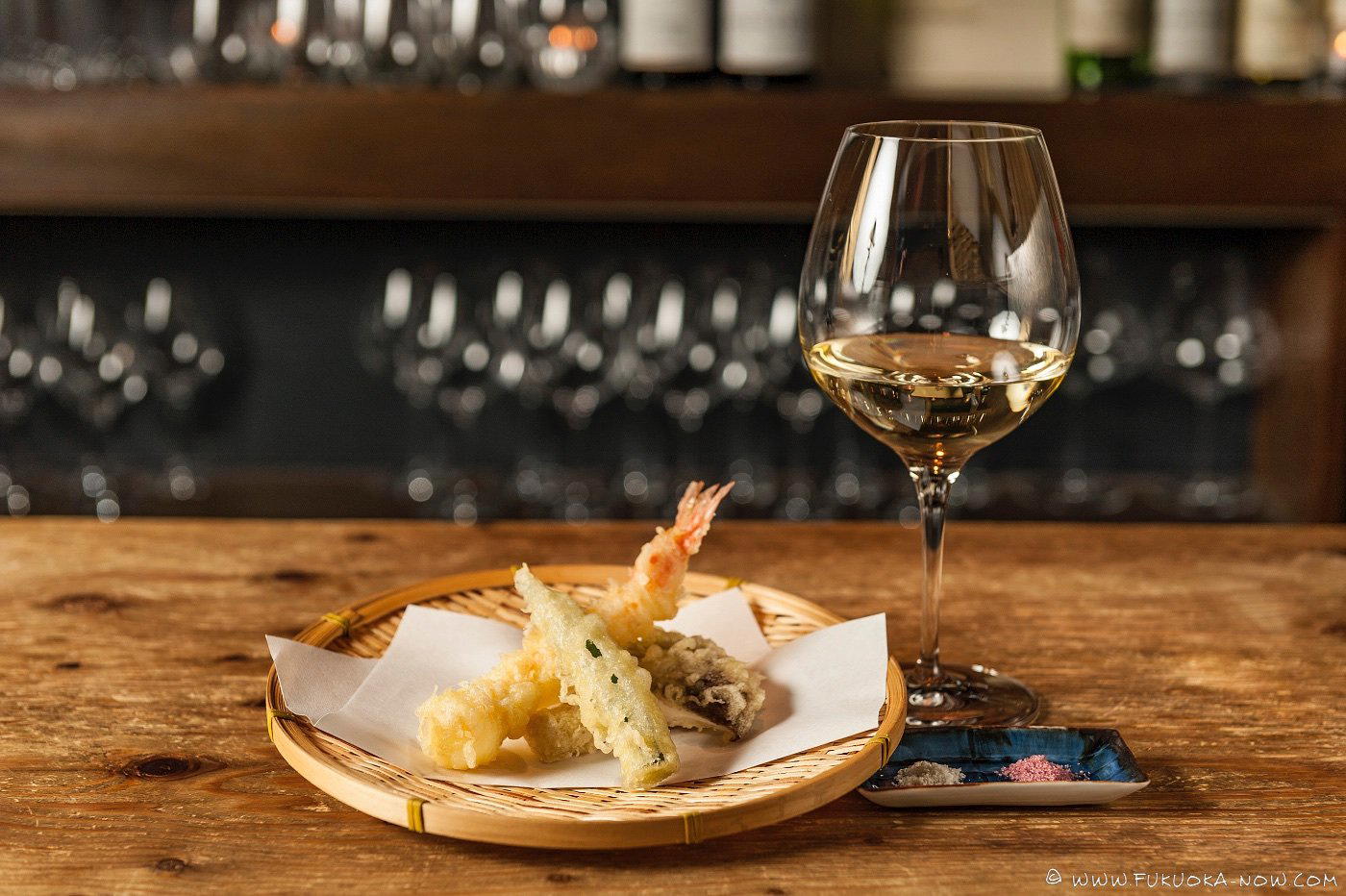
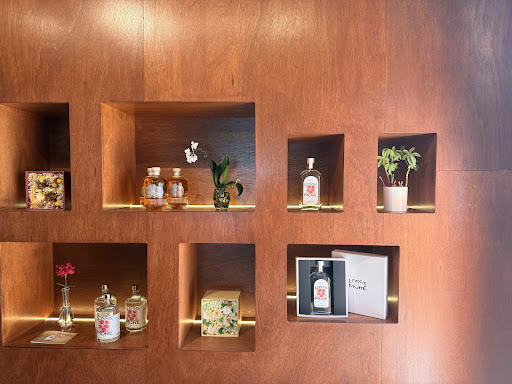
Low lighting, hand-finished wood, stone entrance, and tea room-like tranquility creating a serene, seasonal atmosphere.