A long-established Venetian trattoria steps from Piazza San Marco, Trattoria Do Forni occupies a distinct position in the city's dining character: neither the modernist innovation of the lagoon's newer Italian contemporary tables nor the tourist-facing simplicity of the calli's cheaper options. It represents the middle register of Venetian dining where tradition, craft, and location intersect.
Pearl is the En Primeur Club membership app — saves, bookings, and concierge access live there. Same editors, same standards.
- Address
- C. Specchieri, 468, 30124 Venezia VE, Italy
- Phone
- +39415232148
- Website
- doforni.it
- Directions
- Get directions
 Saves & bookings on Pearl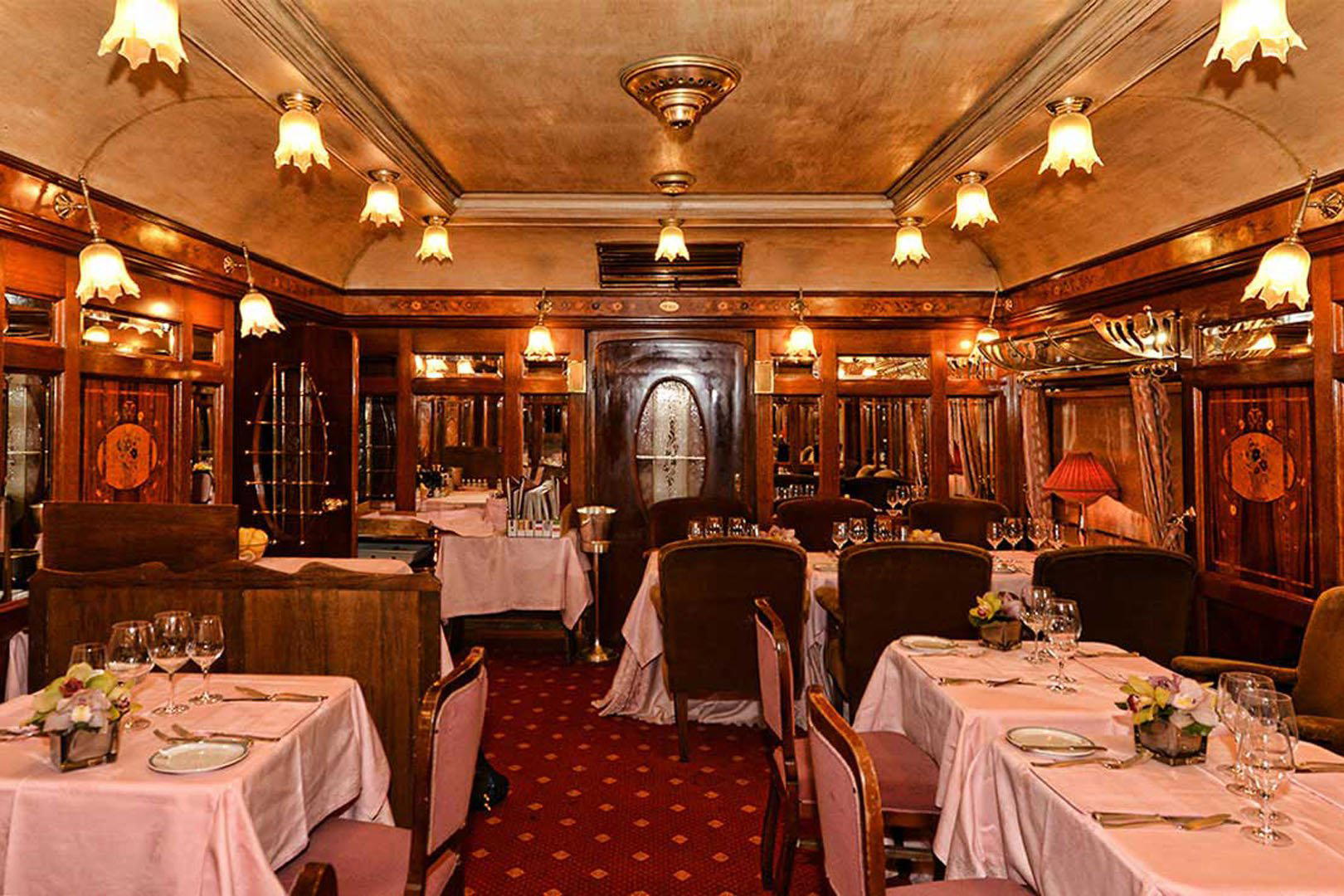
The Weight of Tradition in Venice's Oldest Dining Quarter
The streets around Calle Specchieri sit in the gravitational pull of Piazza San Marco, and the restaurants here carry that weight visibly. Some collapse under tourist pressure into purely functional operations. Others hold their position in Venice's serious dining culture, maintaining a commitment to the regional table that the address might otherwise make difficult. Trattoria Do Forni falls into the second category, operating as a traditional Venetian seafood restaurant in one of the city's most commercially demanding locations.
Venice's trattoria tradition is specific in ways that set it apart from the mainland Italian version. The lagoon's geography has always dictated the kitchen: proteins arrive by water, sourcing relationships are compressed, and the cooking reflects centuries of taking full advantage of what the Adriatic and lagoon could provide. The cicchetti counter, the whole fish, the risotto di gò, these are not affectations. They are the structural logic of a cuisine built around a city that has always been an island. A trattoria that survives at this address for decades is, by definition, one that has managed to hold that logic in place while feeding visitors who often have no frame of reference for it.
What the Venetian Table Actually Looks Like
The Venetian culinary tradition is routinely underestimated in wider Italian dining conversation, overshadowed by the cultural prestige of Bologna, the innovation signals coming out of Modena at Osteria Francescana, or the coastal refinement of addresses like Uliassi in Senigallia. What Venice actually offers is something older and less legible to contemporary fine-dining metrics: a kitchen tradition rooted in trade routes, spice commerce, and preservation techniques that predate the modern Italian restaurant by centuries.
At the trattoria level, that means dishes built around sardines in saor, the sweet-sour agrodolce preparation that arrived via Venetian spice trade, bigoli in salsa with anchovy and onion, and the kind of seppie al nero that uses cuttlefish ink as both flavouring and colour in a way that reads as elemental rather than decorative. These are not simplified versions of more complex preparations. They are the originals, and the city's more serious trattorias are the places where that argument is still made with conviction.
Venice's restaurant tier structure has shifted sharply in recent years. The upper bracket now runs through modernist Italian addresses: Glam Restaurant by Enrico Bartolini at the Palazzo Venart, Oro Restaurant at The St. Regis, and Ristorante Quadri on Piazza San Marco itself. Addresses like Local and Wistèria occupy the contemporary-Italian-with-roots register. The trattoria tier, where Do Forni operates, sits below those in price and formality, but carries a different kind of authority: the authority of continuity rather than reinvention.
Do Forni in the Context of Venice's Mid-Tier Scene
The comparison set for Do Forni is not the bacaros and cicchetti counters that represent Venice's more casual register. It sits in the working trattoria tier alongside addresses like Corte Sconta and Il Ridotto, places where the kitchen is demonstrably serious, the room is managed with care, and the price point assumes a diner who is choosing to eat well rather than conveniently. Within Venice's geographic constraints, this tier matters disproportionately because the city's casual options are so heavily skewed toward tourist throughput.
What distinguishes a functioning Venetian trattoria from a tourist-facing operation at this address is primarily sourcing discipline and kitchen attention. The former keeps relationships with Rialto market suppliers, adjusts the menu to what the lagoon and Adriatic are producing that week, and maintains the cooking techniques, the slow braise, the patient risotto, the controlled fry, that the cuisine demands. The latter buys frozen protein, runs a static menu across all seasons, and prices on location rather than on quality.
For context on what the Italian fine dining register looks like when it fully extends: Le Calandre in Rubano, Piazza Duomo in Alba, and Atelier Moessmer Norbert Niederkofler in Brunico represent what happens when regional sourcing discipline meets full creative apparatus. Do Forni makes no claim to that territory. Its claim is older: that the traditional Venetian table, executed with fidelity, is its own sufficient argument.
How Venice's Location Shapes the Dining Decision
Dining in Venice requires a different set of planning decisions than any other Italian city. There are no taxis, no quick cross-town moves if a reservation falls through, and the geography of the sestieri means that a dinner choice is also a neighbourhood choice. Calle Specchieri puts Do Forni within walking distance of the main San Marco landmarks, which makes it a logical anchor for an evening that begins or ends on the east side of the city. The Rialto market, Venice's primary reference point for anyone thinking seriously about lagoon sourcing, is accessible on foot from this address.
In the broader Italian context, comparable institutions in other cities, Dal Pescatore in Runate, Quattro Passi in Marina del Cantone, or the historically anchored Enoteca Pinchiorri in Florence, have navigated the tension between regional tradition and contemporary expectation in different ways. Venice's trattoria tradition has its own version of that negotiation, and Do Forni's longevity at this address suggests it has found a workable resolution.
Know Before You Go
- Address: Calle Specchieri, 468, San Marco, Venice
- Getting There: On foot from Piazza San Marco (approximately 2 minutes); nearest vaporetto stop is San Marco Vallaresso or San Zaccaria
- Booking: Reservations are essential; contact the restaurant directly in advance.
- Leading Timing: Lunch service in shoulder season (November to March) offers shorter waits and a more local room than peak summer dinner
- Price Context: Expect about $72 per person.
- What to Order: Prioritise the seafood-forward dishes, Venice's lagoon and Adriatic sourcing is the kitchen's primary claim to authority
Where the Accolades Land
Comparable venues nearby, for context on price, style, and recognition.
| Venue | Cuisine | Price | Notes |
|---|---|---|---|
| Trattoria Do ForniThis venue — the venue you are viewing | Traditional Venetian Seafood | $$$$ | Not listed |
| Ristorante Amelia Romana | Roman Italian Trattoria | $$$$ | Mestre |
| da Celeste Pellestrina | Traditional Venetian Seafood | $$$ | Pellestrina |
| Osteria Da Carla | Modern Venetian Osteria | $$$ | San Marco |
| Impronta Restaurant Venice | Contemporary Venetian Italian | $$$ | San Polo |
| Acquerello Restaurant | Modern Venetian & Contemporary Italian | $$$$ | Isola di San Clemente |
Continue exploring
More in Venice
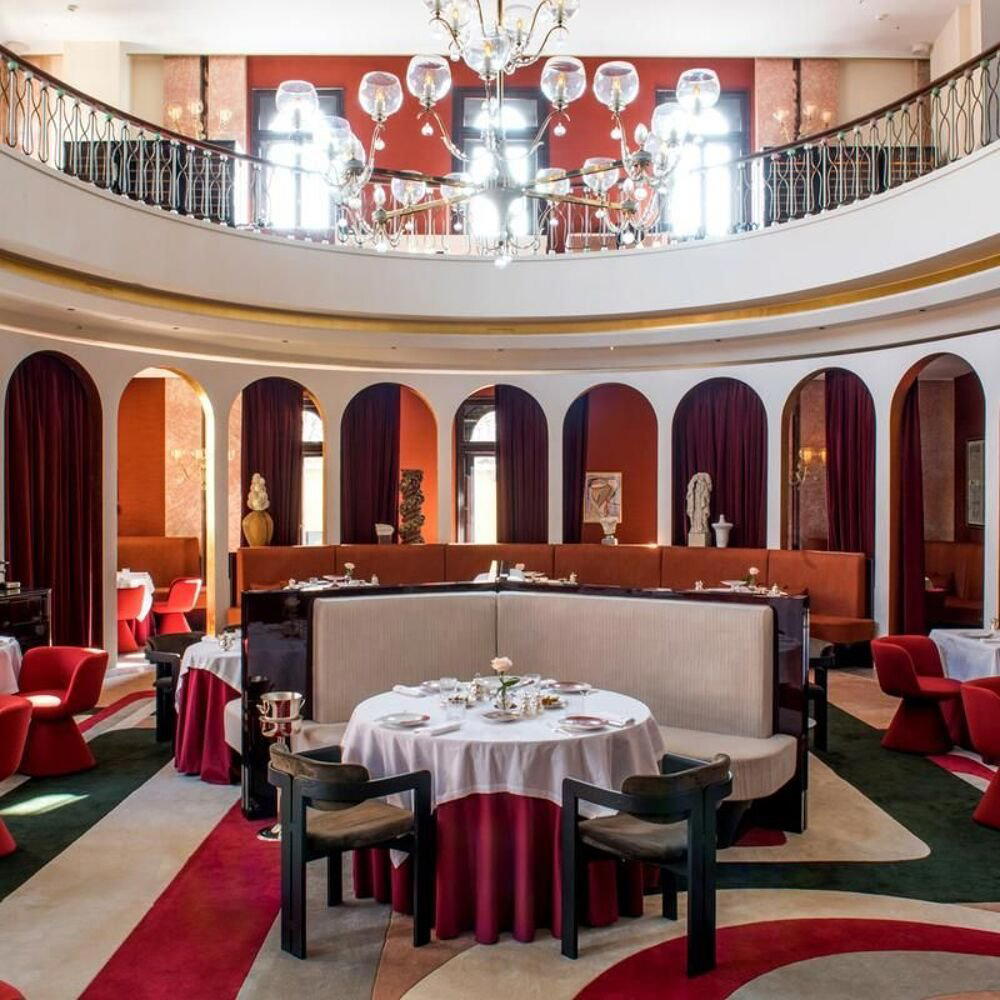
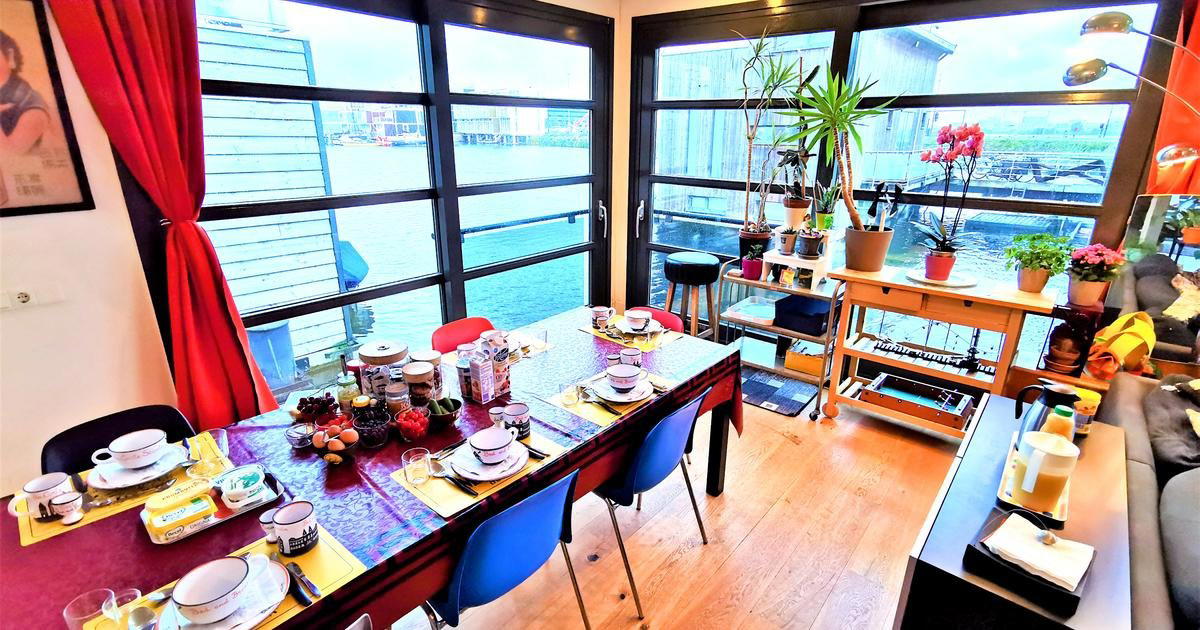
Restaurants in Venice
Browse all →
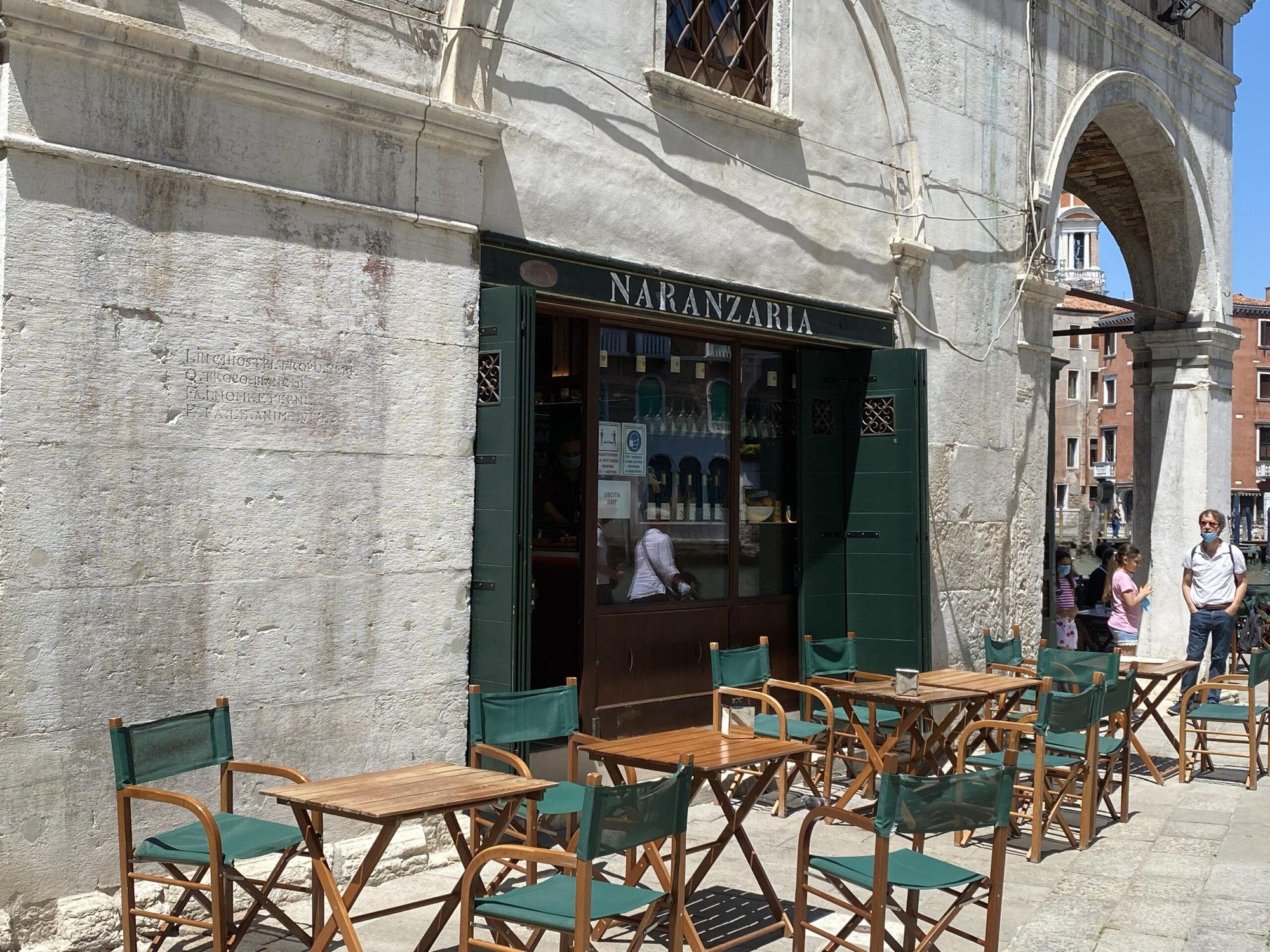
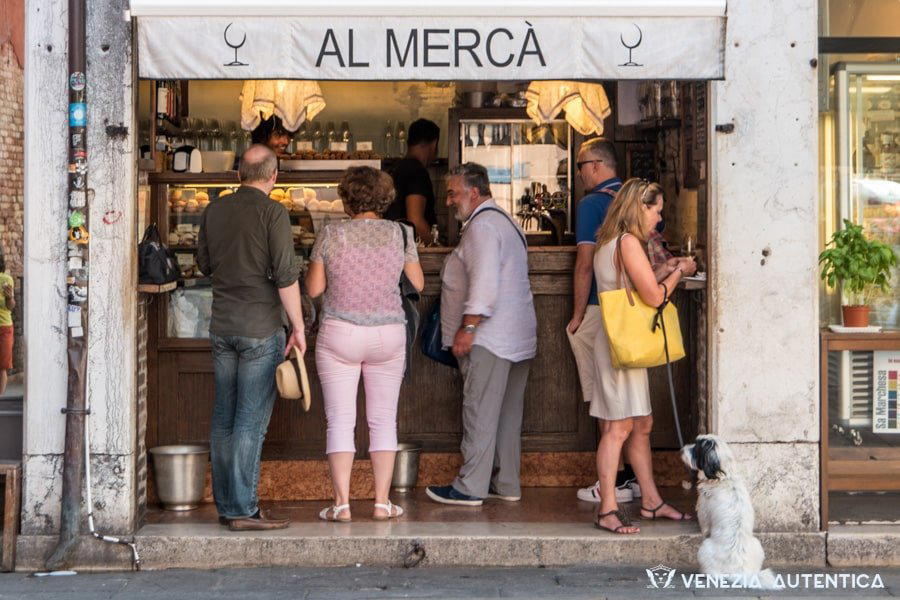
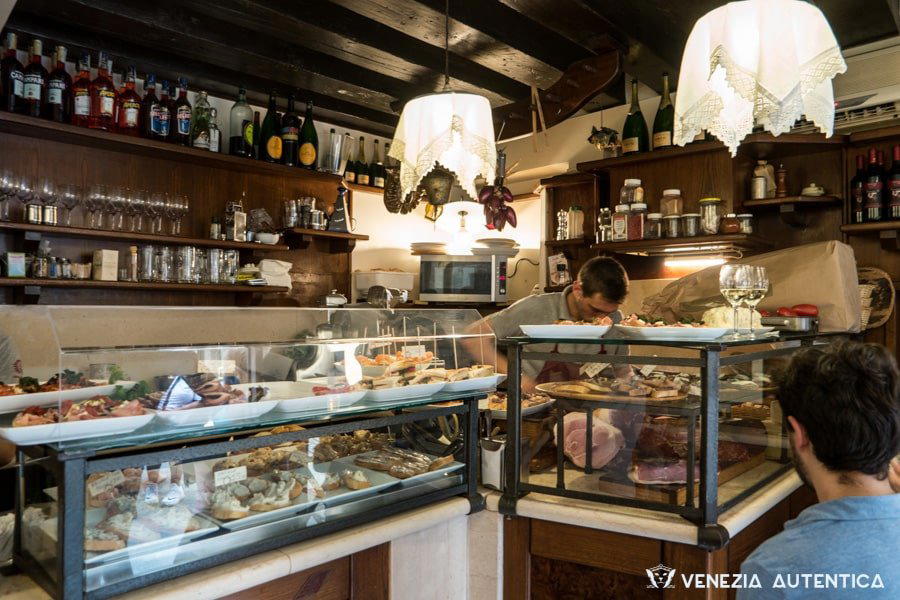
Bars in Venice
Browse all →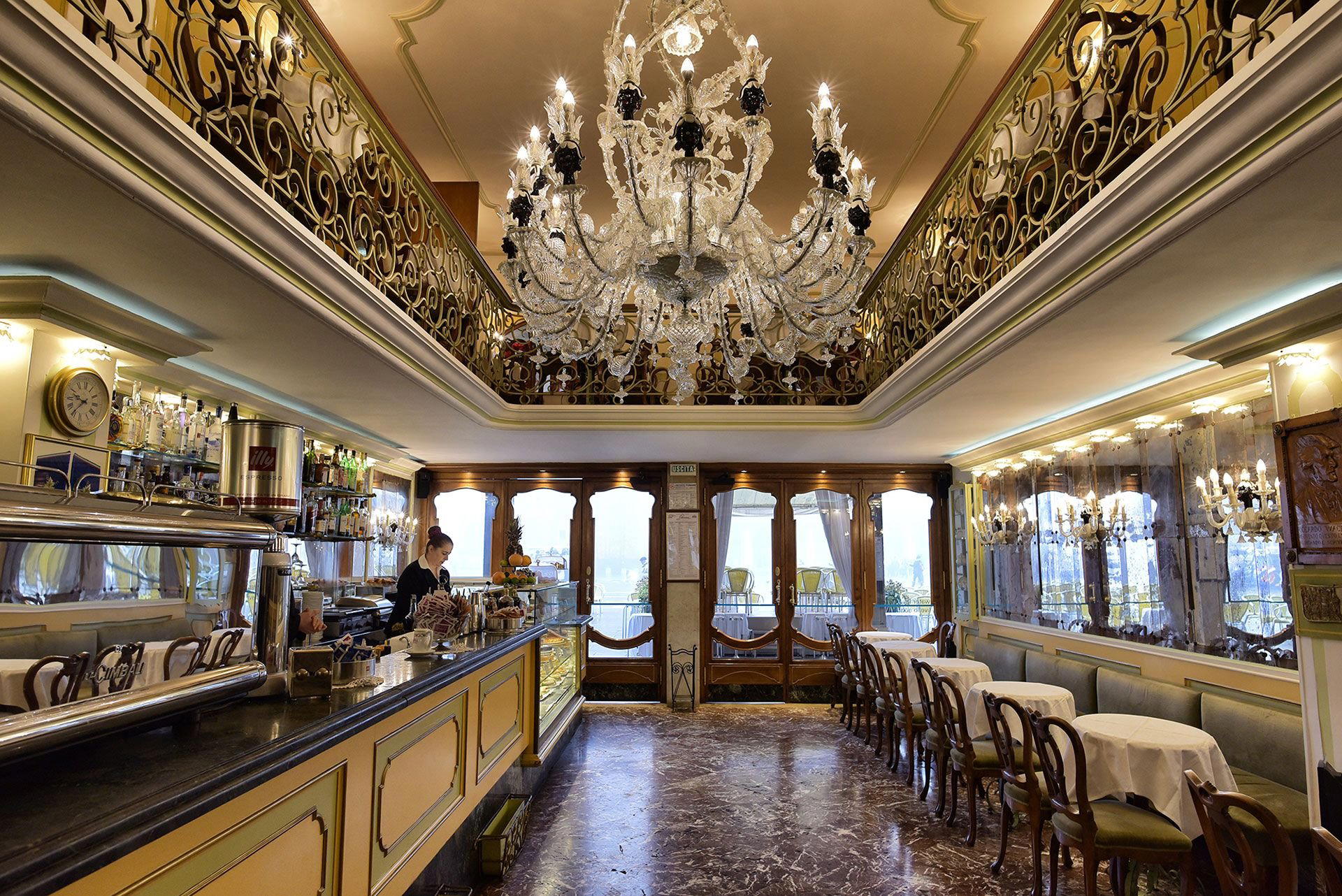
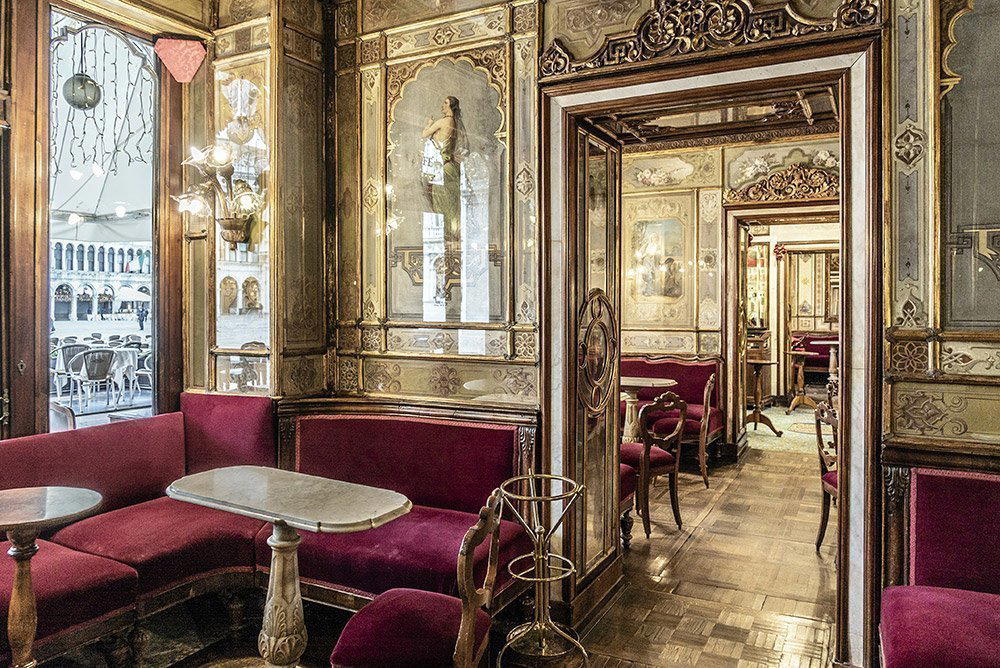
Hotels in Venice
Browse all →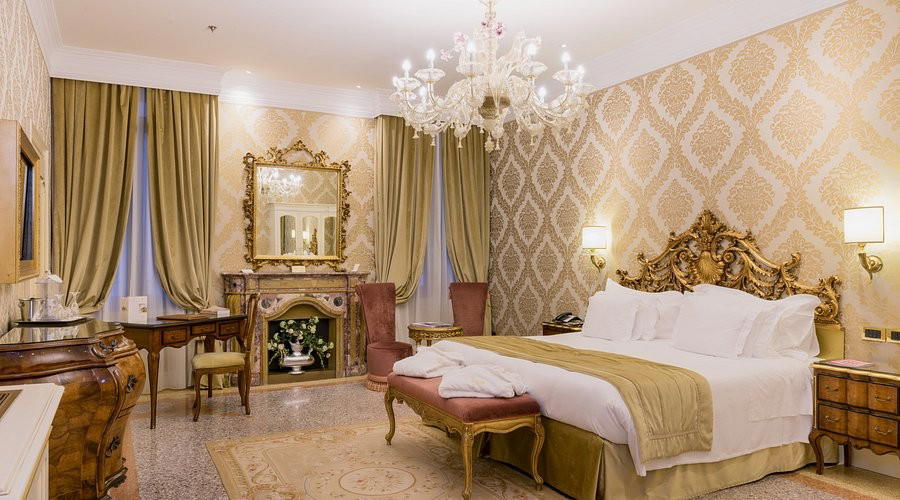
At a Glance
- Classic
- Elegant
- Well Known
- Lively
- Date Night
- Business Dinner
- Group Dining
- Special Occasion
- Historic Building
- Standalone
- Extensive Wine List
- Sommelier Led
- Local Sourcing
- Sustainable Seafood
Current opening hours
- Monday
- 12 PM–12 AM
- Tuesday
- 12 PM–12 AM
- Wednesday
- 12 PM–12 AM
- Thursday
- 12 PM–12 AM
- Friday
- 12 PM–12 AM
- Saturday
- 12 PM–12 AM
- Sunday
- 12 PM–12 AM
Hours can change for holidays and private events. Last verified .
Charming decor with lively atmosphere; refined and sophisticated setting reflecting traditional Venetian elegance.