A fixture in the calli-web near San Marco, Osteria Da Carla occupies the quieter register of Venetian dining that regulars protect with some jealousy. The kitchen works in the Veneto tradition rather than against it, and the room operates at a pace the city's more theatrical addresses rarely allow. For visitors who know what they are looking for, it functions as a reliable counterpoint to the tourist-facing circuit.
Pearl is the En Primeur Club membership app — saves, bookings, and concierge access live there. Same editors, same standards.
- Address
- Corte Contarina, 1535, 30124 Venezia VE, Italy
- Phone
- +39415237855
- Website
- osteriadacarla.it
- Directions
- Get directions
 Saves & bookings on Pearl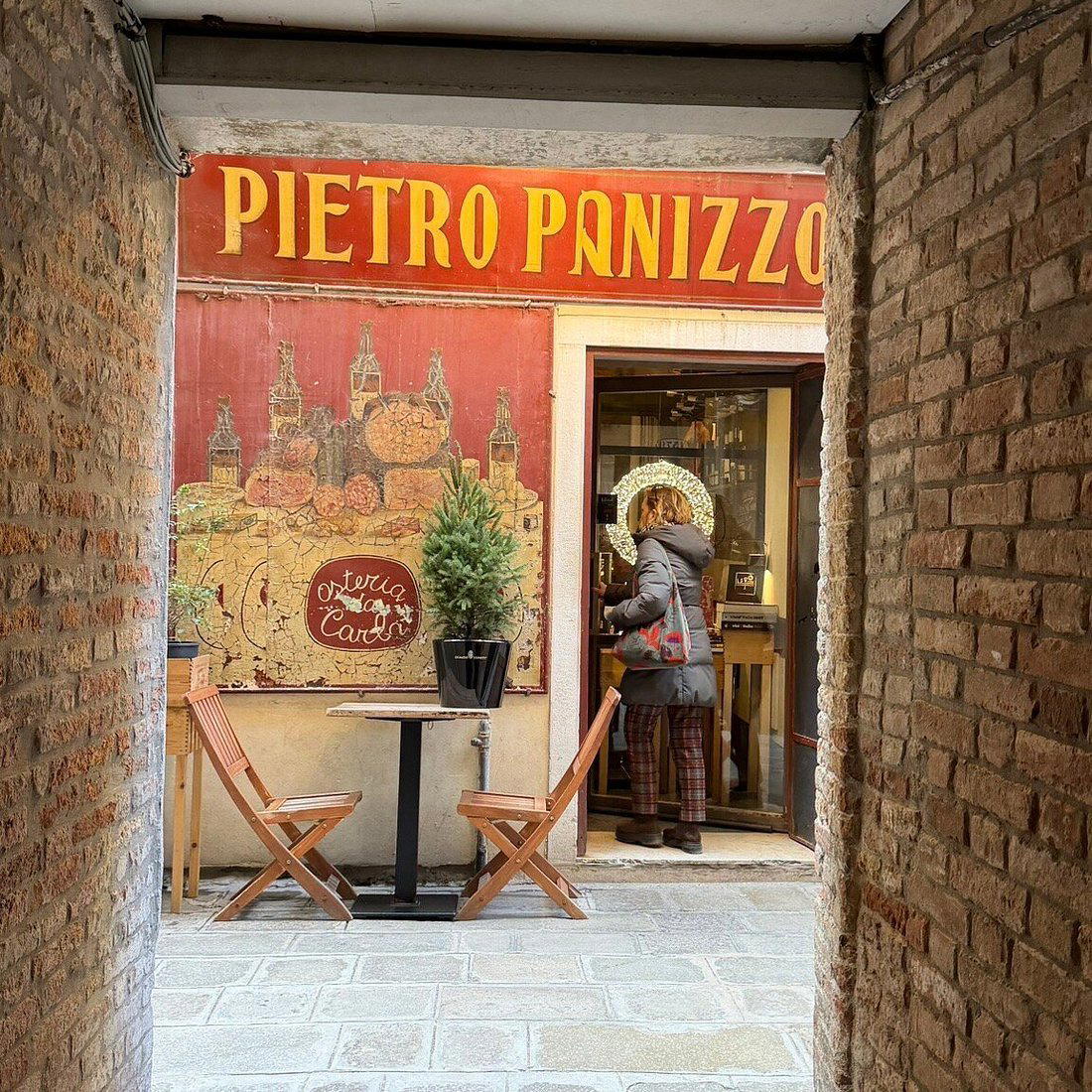
The Quiet End of the Calle
Venice's dining geography divides more sharply than most Italian cities. The closer you sit to the Rialto or the Piazza San Marco, the more the room tends to perform for visitors rather than residents. The addresses that survive on repeat local trade tend to occupy courtyards and side calli that do not appear on walking-tour itineraries, and they tend to resist the pressure to widen their offer for a clientele that changes every few days. Osteria Da Carla, reached via Corte Contarina in the San Marco sestiere, belongs to this second category. It is a space that regulars have absorbed into their weekly geography, and that orientation shapes everything from the pace of service to the portion of the menu that never needs to be explained.
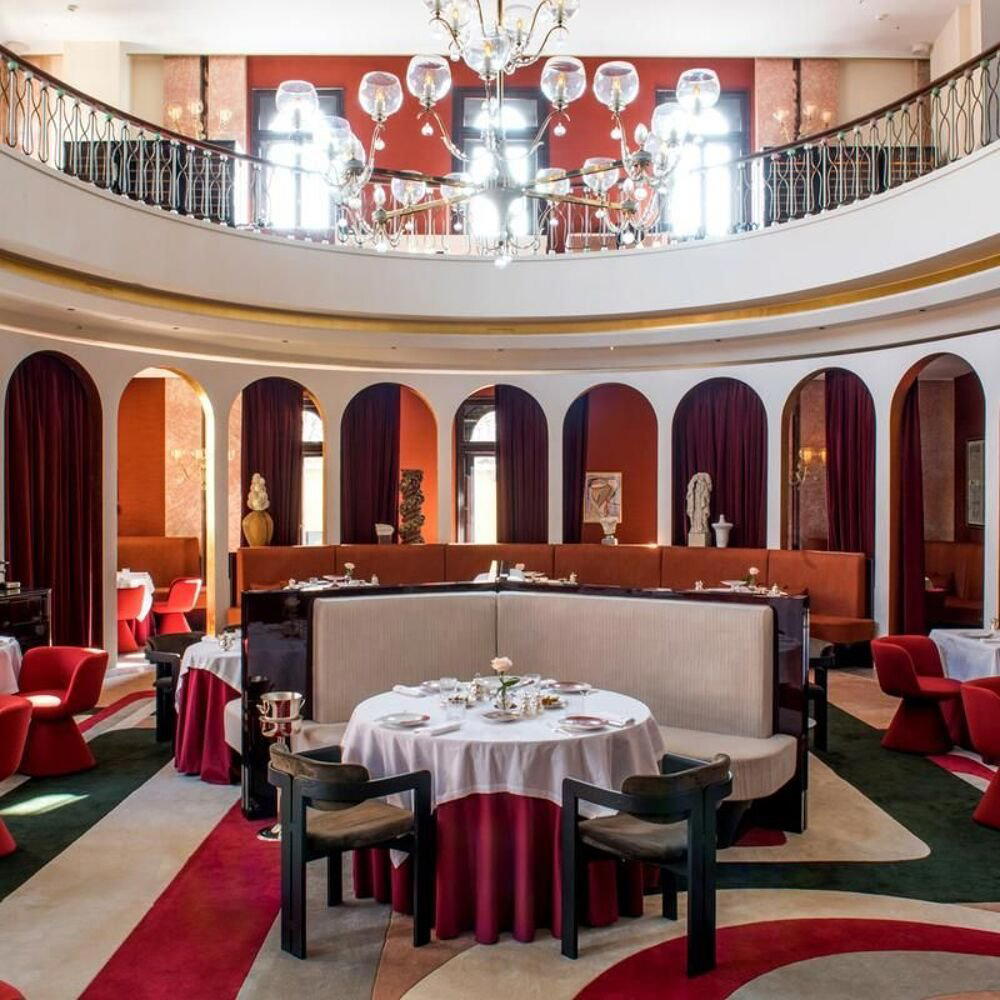
The contrast with the city's higher-profile dining tier is instructive. Addresses like Glam Restaurant by Enrico Bartolini and Oro Restaurant operate in the creative Italian register with tasting menus and the kind of ceremony that signals a special occasion. Ristorante Quadri on the Piazza anchors the other end of visibility. Da Carla does not compete in any of those brackets. It works instead in the osteria tradition: shorter menus, market-led decisions, and a room that functions more like a neighbourhood institution than a dining destination.
What the Regulars Come Back For
In Venice, the true measure of an osteria is rarely what the menu says on a given Tuesday. It is what the kitchen decides to cook that morning, shaped by what arrived from the Rialto fish market and what the season makes available. The Rialto market, one of the oldest in Italy, still dictates the rhythm of kitchens across the city that have not switched to centralised supply chains. Restaurants that track it, and cook accordingly, tend to produce food that reads differently from those working off a fixed card. The regulars at an osteria of this type know this, and their loyalty is partly an expression of trust in that daily decision-making.
The Venetian tradition at this price tier typically covers moeche (soft-shell crab, seasonal to spring and autumn), sarde in saor (sweet-sour sardines with onions, pine nuts, and raisins, one of the city's most characteristic preparations), baccalà mantecato on white polenta, and various iterations of risotto al nero di seppia. These are not dishes that benefit from reinvention. Their appeal is precision and comfort in equal measure, and the clientele that returns for them would notice immediately if the preparation drifted. Comparison addresses in this mid-range Venetian register include Osteria alle Testiere and Corte Sconta, both of which occupy the €€€ tier and trade on similar market-driven logic. Da Carla operates in recognisably the same tradition.
The other thing regulars return for is predictability of rhythm. Venice's tourist-heavy circuit produces restaurants where the pace of a meal is governed by table turnover. An osteria with a residential clientele operates differently: the table is yours, the timing follows the conversation, and the staff are not strangers. That shift in social contract is not incidental, it is the product of years of returning faces and the accumulated understanding that comes with them.
Placing Da Carla in the Venetian Osteria Tier
Osteria format across northern Italy has evolved in different directions over the past two decades. In some cities, the category has been colonised by the wine-bar model, with small plates and ambitious natural wine lists repositioning what were once simple eating houses into something closer to a contemporary enoteca. Venice has seen that shift too, partly through addresses like Local and Wistèria, which occupy the contemporary bracket with more edited, technique-forward approaches. Da Carla does not appear to be tracking in that direction. The value it offers is in continuity with the older model: a room that cooks the food the city has always cooked, without the mediation of a concept.
For visitors approaching Venice's restaurant tier from the outside, it helps to understand that the city's geography and logistics make the dining scene structurally unusual. There are no delivery economies of scale, no easy expansion of kitchen capacity, and the cost of operating in a city without road access compresses margins in ways that the mainland does not experience. The osterie that survive on local trade in this environment do so because they have built genuine loyalty rather than volume. That is a different operational logic from, say, the celebrated Italian addresses further afield: Osteria Francescana in Modena, Le Calandre in Rubano, or Dal Pescatore in Runate, all of which operate with national reputations and the booking infrastructure that comes with Michelin recognition. Da Carla occupies a category that is not in dialogue with that tier and does not need to be.
Italy's broader fine-dining circuit includes addresses across the peninsula that carry significant critical weight: Enoteca Pinchiorri in Florence, Piazza Duomo in Alba, Uliassi in Senigallia, Reale in Castel di Sangro, Quattro Passi in Marina del Cantone, and Atelier Moessmer Norbert Niederkofler in Brunico. None of these are useful comparisons for what Da Carla does. The relevant peer group is narrower and more local: the handful of osterie in the sestieri that cook Venetian without apology and survive on the confidence of a returning clientele rather than on passing trade.
Planning a Visit
The San Marco sestiere can read as an unlikely location for a local-facing osteria given the density of tourist infrastructure in the area, but Corte Contarina sits removed enough from the main pedestrian routes to function at a different register. Visitors who arrive in Venice without a restaurant strategy tend to drift toward the waterfront addresses or those visible from the main thoroughfares; the osterie in interior courtyards require a deliberate choice. That deliberateness is, in effect, a filter. The room at Da Carla will contain people who have either been before or been told to go, walk-ins from the tourist circuit are less likely here than at an address on a main calli. Timing-wise, lunches in Venice's mid-range osterie often run at a more relaxed pace than evenings, and the Rialto market supply is at its freshest in the morning, meaning a lunchtime visit at an address that tracks it can reflect the day's leading arrivals.
Price and Positioning
Comparable venues nearby, for context on price, style, and recognition.
| Venue | Cuisine | Price | Notes |
|---|---|---|---|
| Osteria Da CarlaThis venue — the venue you are viewing | San Marco, Modern Venetian Osteria | $$$ | Not listed |
| Riva Rosa | Burano, Venetian Seafood | $$$ | Not listed |
| Guna | Not listed | $$$ | Dorsoduro, Contemporary Venetian & Mediterranean |
| LPV Ristorante | Not listed | $$$ | Riva degli Schiavoni, Classic Venetian Fine Dining |
| Osteria Mocenigo | Not listed | $$ | Santa Croce, Authentic Venetian Seafood Trattoria |
| Ristorante Amelia Romana | Mestre, Roman Italian Trattoria | $$$$ | Not listed |
Continue exploring
More in Venice
Restaurants in Venice
Browse all →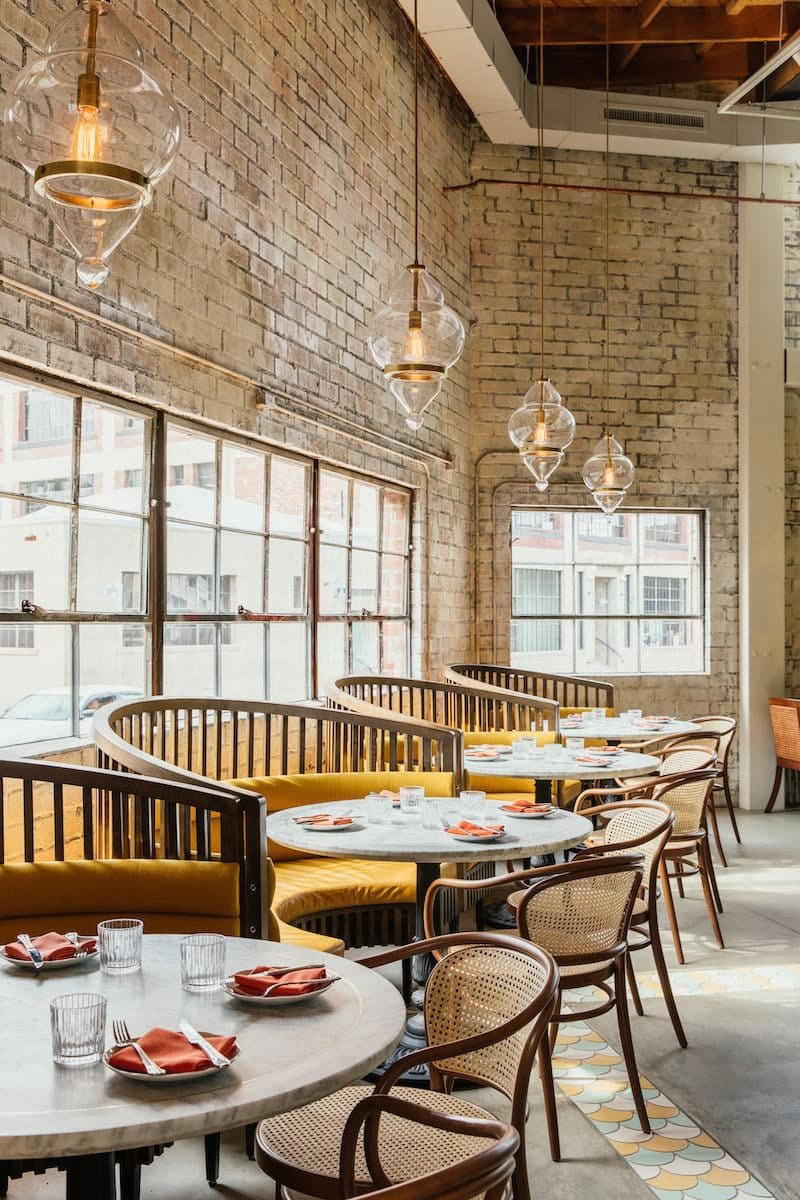
Bars in Venice
Browse all →
Hotels in Venice
Browse all →

At a Glance
- Cozy
- Rustic
- Elegant
- Intimate
- Date Night
- Special Occasion
- Historic Building
- Extensive Wine List
Current opening hours
- Monday
- 10 AM–11 PM
- Tuesday
- 10 AM–11 PM
- Wednesday
- 10 AM–11 PM
- Thursday
- 10 AM–11 PM
- Friday
- 10 AM–11 PM
- Saturday
- 10 AM–11 PM
- Sunday
- 10 AM–11 PM
Hours can change for holidays and private events. Last verified .
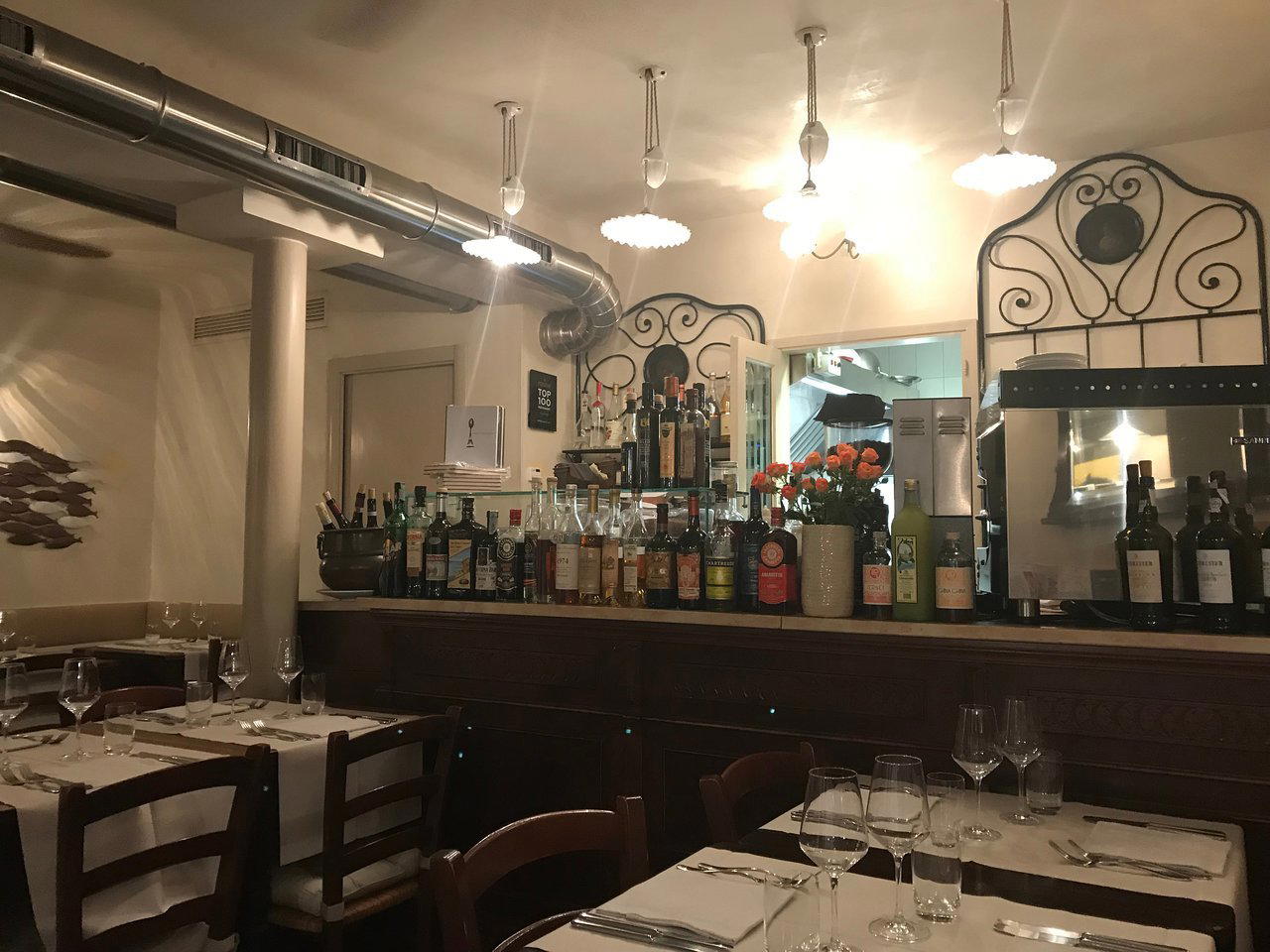
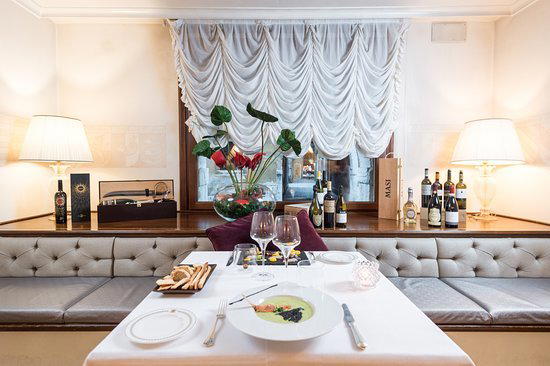
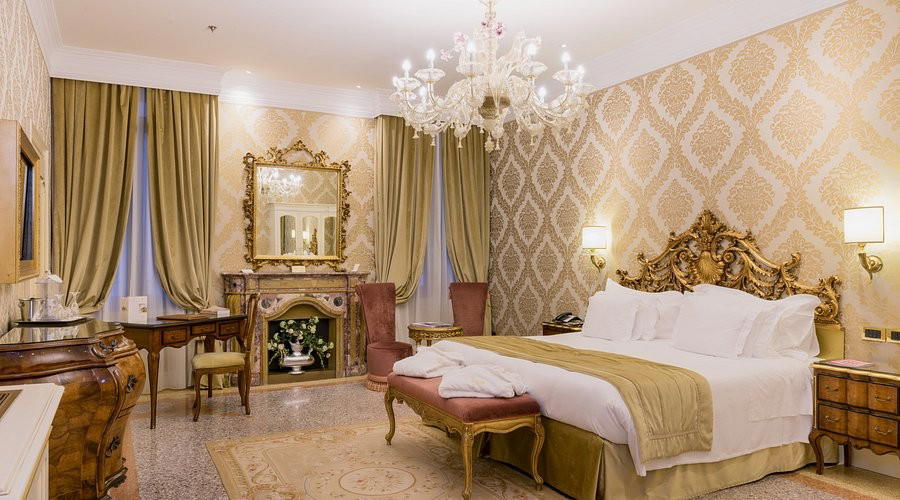
Cozy atmosphere featuring exposed brick walls, warm lighting, and elegant chandeliers providing an intimate haven from the bustle.