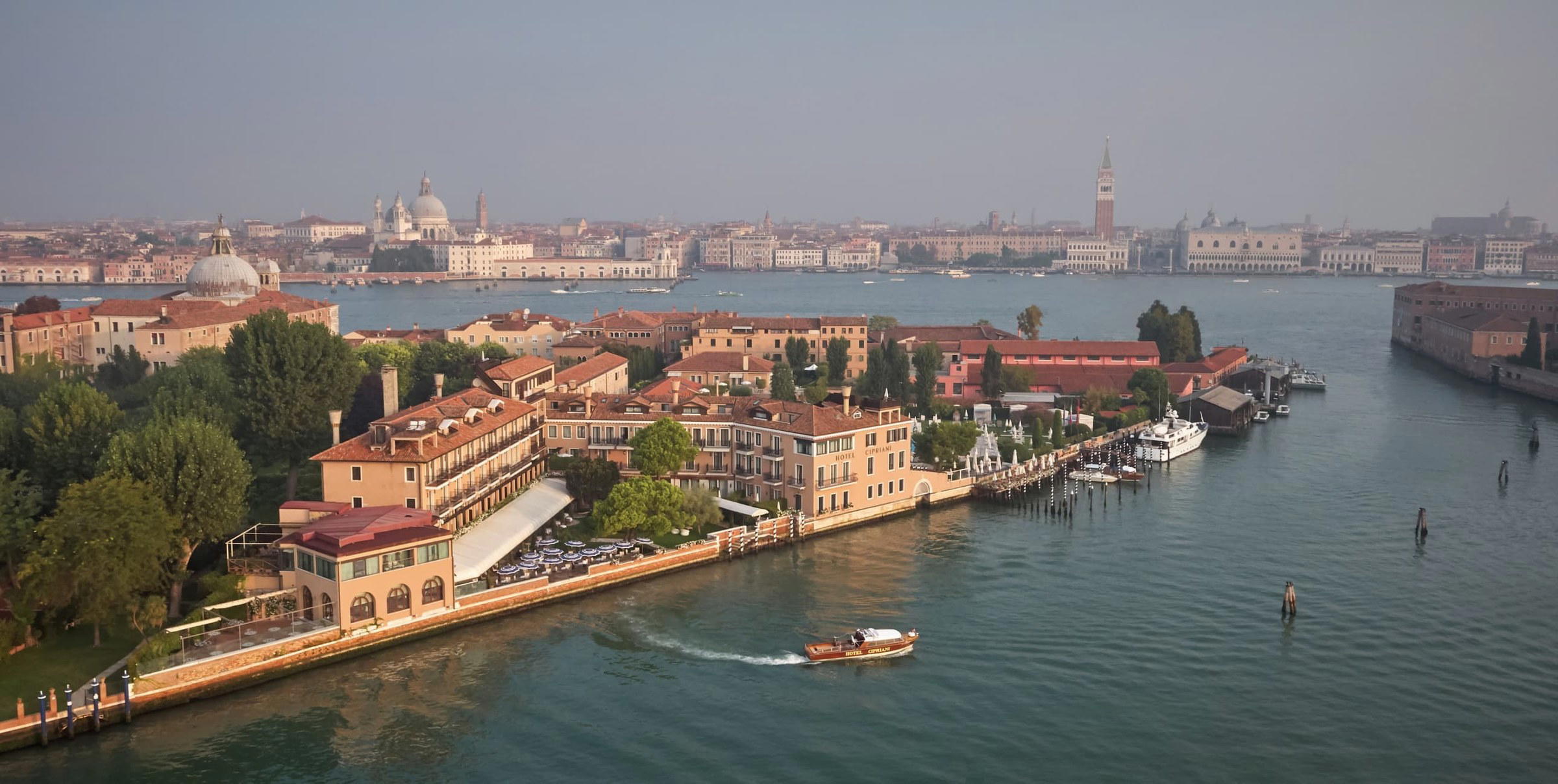
Acquerello Restaurant occupies the grounds of San Clemente Island, a former monastery in the Venetian lagoon that places it in an entirely different spatial register from the city's canal-side dining rooms. The island setting reshapes the logic of a meal here: arrival by private boat, a medieval cloister as backdrop, and the particular stillness of water on all sides. For Venice's premium dining tier, the address alone changes the terms of engagement.
Pearl is the En Primeur Club membership app — saves, bookings, and concierge access live there. Same editors, same standards.
- Address
- Isola di San Clemente, 30124 Venezia VE, Italy
- Phone
- +39414750111
- Website
- sanclementepalace.it
- Directions
- Get directions
 Saves & bookings on Pearl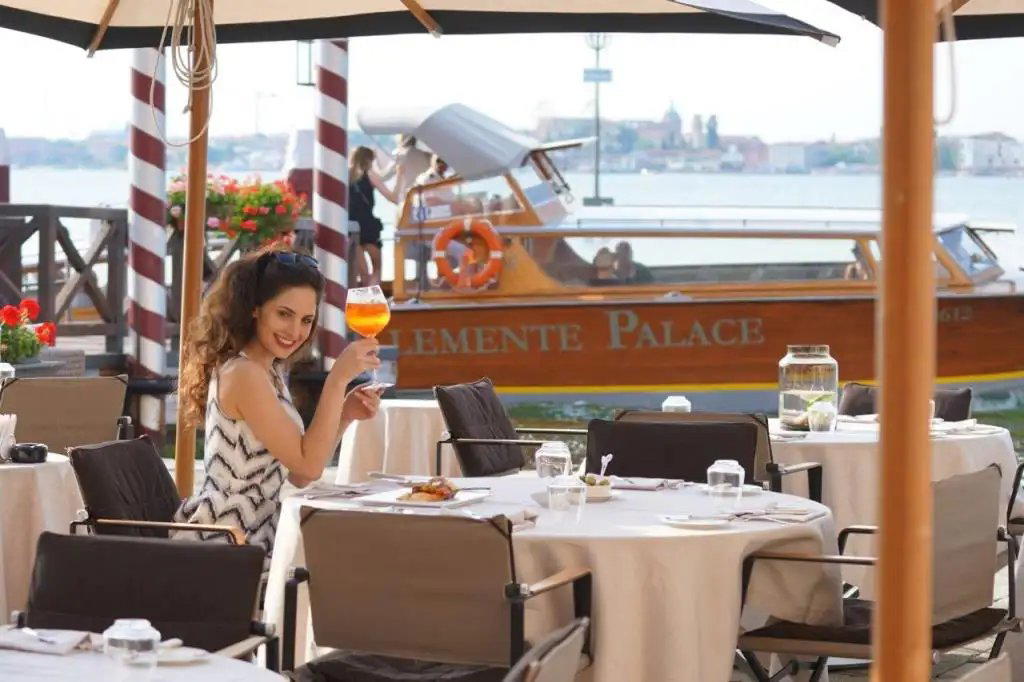
An Island Apart: The Logic of Dining on San Clemente
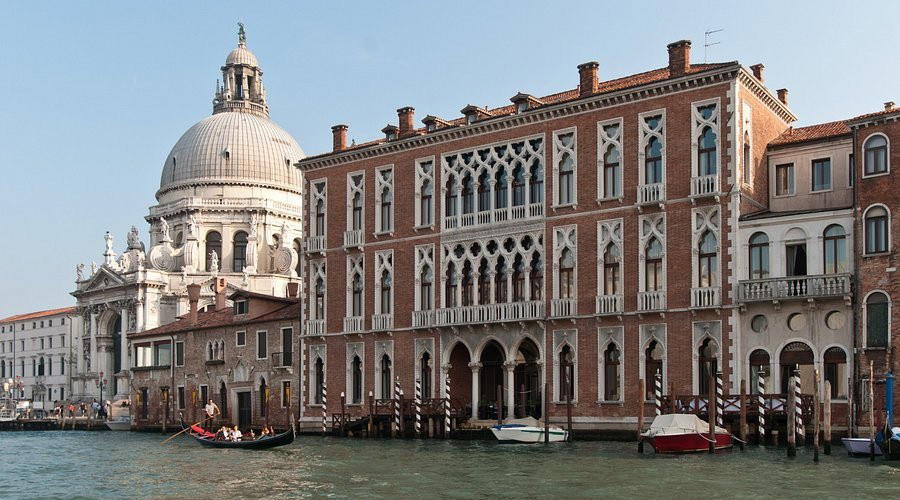
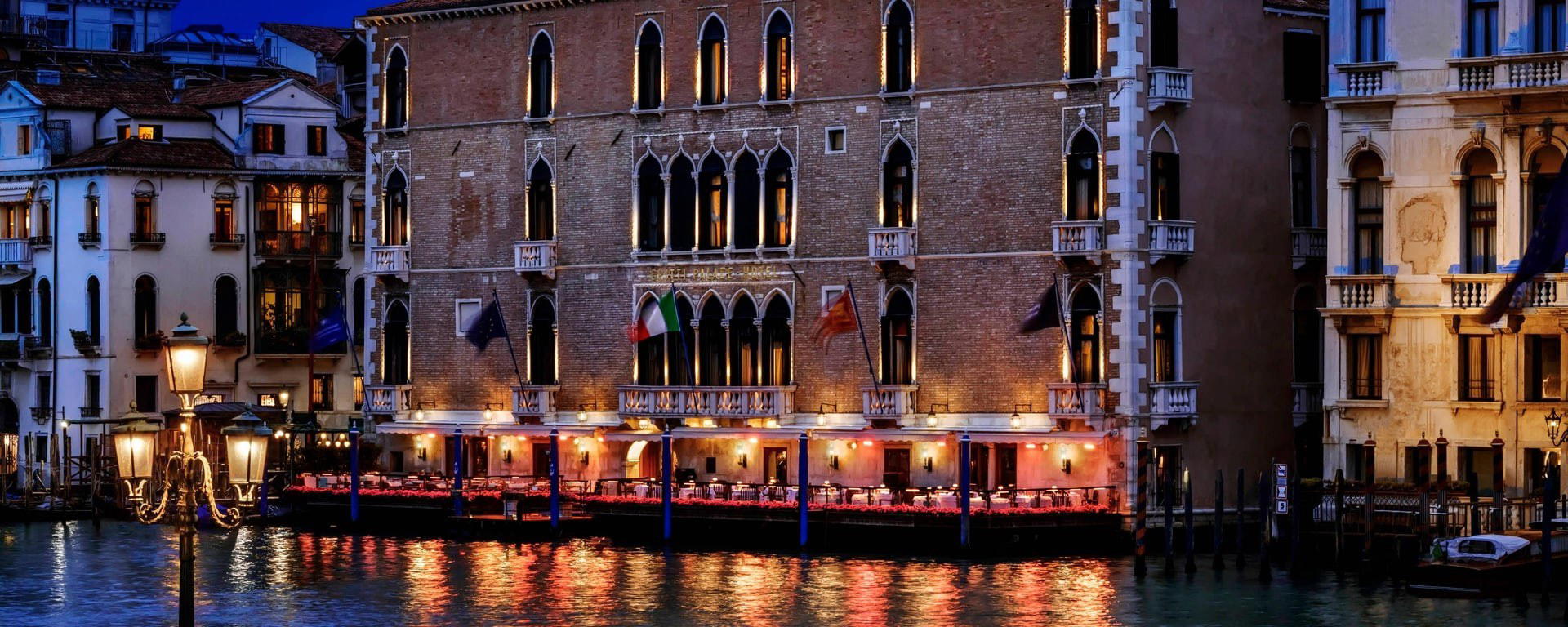
Venice has a well-established reflex among serious diners: cross a bridge, follow an unmarked calle, and find a table in a centuries-old building where the canal laps audibly outside. Acquerello Restaurant inverts that logic entirely. Positioned on the Isola di San Clemente, a former Augustinian monastery converted into the San Clemente Palace Kempinski hotel complex, the restaurant sits on Isola di San Clemente in Venice, separated from the main island by open lagoon water. You arrive by hotel shuttle boat, not on foot. The approach matters: the city recedes, the water opens, and by the time the jetty comes into view, the frame of reference has shifted. This is not Venice as maze; it is Venice as horizon.
That spatial fact defines nearly everything about the experience here. Premium dining in Venice typically draws from the same pool of compressed urban settings: ground-floor rooms in Gothic palazzi, intimate spaces where the ceiling height and the menu carry equal weight. San Clemente offers something the mainland cannot, outdoor terraces that look back across the lagoon toward the Serenissima's skyline, cloistered courtyard gardens insulated from tourist traffic, and a quietness that even particularly carefully chosen sestiere address cannot replicate. Acquerello occupies a distinct position: it competes not just on cuisine but on the physical remove that an island address provides.
The Venetian Lagoon as Dining Context
Italian fine dining sorts itself into sharper tiers. At the leading level sit a handful of destination restaurants, where the meal is the journey. Below them, a broader field of regionally anchored restaurants works with coastal or agricultural ingredient traditions. Venice has historically sat at an angle to this hierarchy: the city's reputation for indifferent tourist-facing kitchens has made serious dining harder to locate, even as a cohort of genuine practitioners has quietly built credible programs.
A hotel restaurant on a private island in the lagoon sits in a particular sub-category within this field. The audience is partly captive, guests resident at the Kempinski property who may not cross to the mainland for every meal, and partly intentional, attracting diners for whom the island setting is itself the draw. This dual-audience structure has historically produced uneven results at hotel restaurants across Italy, but it also removes the pressure of tourist-season foot traffic that weighs on canal-adjacent kitchens. San Clemente's isolation from the city's daily rhythms can function as a form of editorial control over who books and why.
For comparison, the city-side options at the equivalent price tier, venues like Local and Wistèria, rely on neighbourhood integration, on the texture of Venetian streets feeding into the dining room. Acquerello works from the opposite premise: the island's severance from that texture is the condition the experience is built around.
Italy's Lagoon Ingredient Tradition
The Venetian lagoon has supplied fine kitchens with a specific and irreplaceable larder for centuries. Moeche, soft-shell crabs harvested twice yearly in spring and autumn, appear in the city's most serious kitchens as a seasonal marker. Branzino, gilt-head bream, and the small lagoon shrimp known as schie define a Venetian seafood vocabulary that differs meaningfully from the Adriatic catch driving restaurants like Uliassi or the coastal kitchens of Campania. For a restaurant physically positioned within the lagoon itself, access to that ingredient tradition is geographic as much as it is commercial. Comparable positions, a hotel restaurant with direct proximity to a defining regional food ecosystem, are occupied by places like Dal Pescatore in Runate, where the surrounding agricultural plain defines what arrives on the plate.
Northern Italian fish cookery in this tradition tends toward restraint: minimal intervention, precise timing, an attention to texture over elaborate construction. That approach contrasts sharply with the more architecturally complex tasting menus coming from mountain-kitchen practitioners like Atelier Moessmer Norbert Niederkofler in Brunico or the produce-driven ambition of Reale in Castel di Sangro. The Venetian lagoon's larder suits a different kind of kitchen intelligence, one where sourcing proximity and seasonal timing matter more than technique display.
Where Acquerello Sits in Venice's Dining Field
Venice's serious restaurant scene has consolidated in recent years around a recognisable cohort. At the summit of the critical range, Glam Restaurant by Enrico Bartolini operates at the Palazzo Venart and carries the recognition of one of Italy's most decorated chef-operators, whose Milan flagship anchors a multi-site program. Ristorante Quadri commands the city's most symbolically loaded address. Below them, the trattoria tier, Osteria alle Testiere, Al Covo, Corte Sconta, holds a different kind of authority, built on decades of consistent, neighbourhood-specific cooking at a price point one tier down.
Acquerello occupies a position between these poles, in part because the island address reshapes the competitive calculus. A diner choosing between Acquerello and, say, Oro Restaurant at the Cipriani (itself on the Giudecca, also boat-access) is weighing distinct island propositions against each other, not simply comparing menus. Both venues understand that the distance from the city is not a drawback to be overcome but a condition to be designed around. On that measure, San Clemente's former monastery grounds, with the cloister garden and the lagoon views, offer a setting with a specific historical weight that a newer hotel property cannot replicate.
For the wider Venice dining scene, the island restaurant category represents a small but coherent niche within what is already a specialist city. Readers planning around fine dining in the Veneto would find useful counterpoints in the broader Italian landscape at Enoteca Pinchiorri in Florence or, internationally, at seafood-focused destinations like Le Bernardin in New York City, which sets the global benchmark for precision-led fish cookery, or the counter-service format discipline of Lazy Bear in San Francisco.
Planning a Visit
Access to Acquerello requires taking the San Clemente Palace Kempinski's complimentary boat shuttle from a designated stop near the Piazza San Marco, a crossing of approximately 10 minutes. The island is not served by public vaporetto, so the boat schedule anchors meal timing in a way that urban restaurants do not. Diners arriving for dinner should factor in transfer time at both ends, and confirm shuttle departure times when booking. San Clemente's position as a hotel restaurant means walk-in access is unlikely during peak periods, advance reservation is the practical approach, particularly in the spring and autumn shoulder seasons when the Venetian lagoon is at its most navigable and the terrace dining is most viable. Summer brings heat; winter offers a different stillness.
Cuisine-First Comparison
Comparable venues nearby, for context on price, style, and recognition.
| Venue | Cuisine | Price | Notes |
|---|---|---|---|
| Acquerello RestaurantThis venue — the venue you are viewing | Modern Venetian & Contemporary Italian | $$$$ | Not listed |
| Ristorante Amelia Romana | Roman Italian Trattoria | $$$$ | Mestre |
| Restaurant Terrazza Danieli | Venetian Mediterranean Fine Dining | $$$$ | Castello |
| Antico Martini | Modern Venetian Seafood | $$$$ | San Marco |
| Da Rioba | Creative Venetian Seafood | $$$ | Cannaregio |
| Alla Rivetta | Traditional Venetian Seafood Trattoria | $$$ | Castello |
Continue exploring
More in Venice
Restaurants in Venice
Browse all →
Bars in Venice
Browse all →
Hotels in Venice
Browse all →

At a Glance
- Romantic
- Elegant
- Scenic
- Sophisticated
- Intimate
- Date Night
- Special Occasion
- Celebration
- Business Dinner
- Waterfront
- Terrace
- Courtyard
- Panoramic View
- Historic Building
- Private Dining
- Hotel Restaurant
- Extensive Wine List
- Sommelier Led
- Local Sourcing
- Waterfront
- Garden
Current opening hours
- Monday
- 7–11:30 PM
- Tuesday
- 7–11:30 PM
- Wednesday
- 7–11:30 PM
- Thursday
- 7–11:30 PM
- Friday
- 7–11:30 PM
- Saturday
- 7–11:30 PM
- Sunday
- 7–11:30 PM
Hours can change for holidays and private events. Last verified .
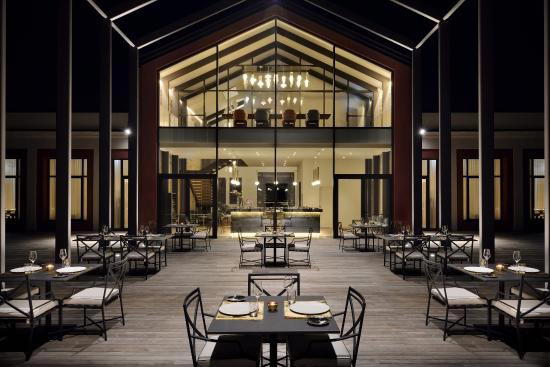
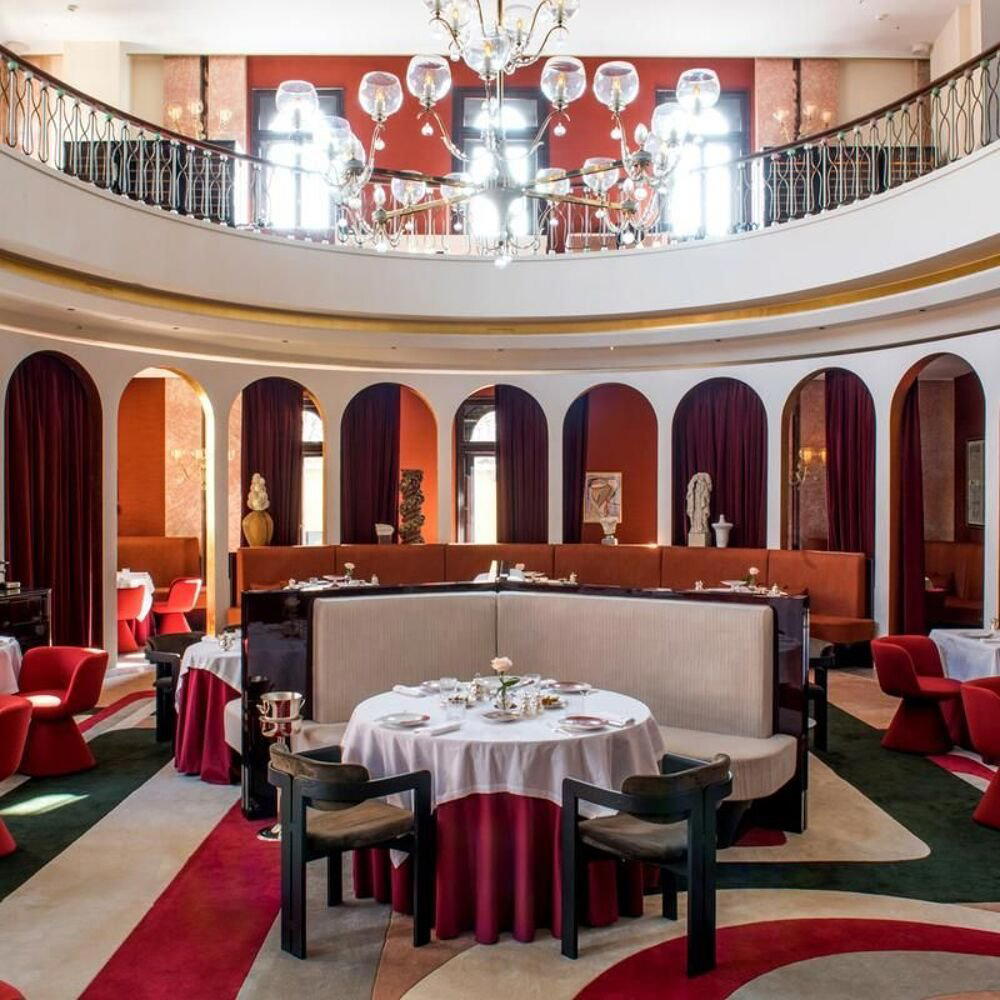
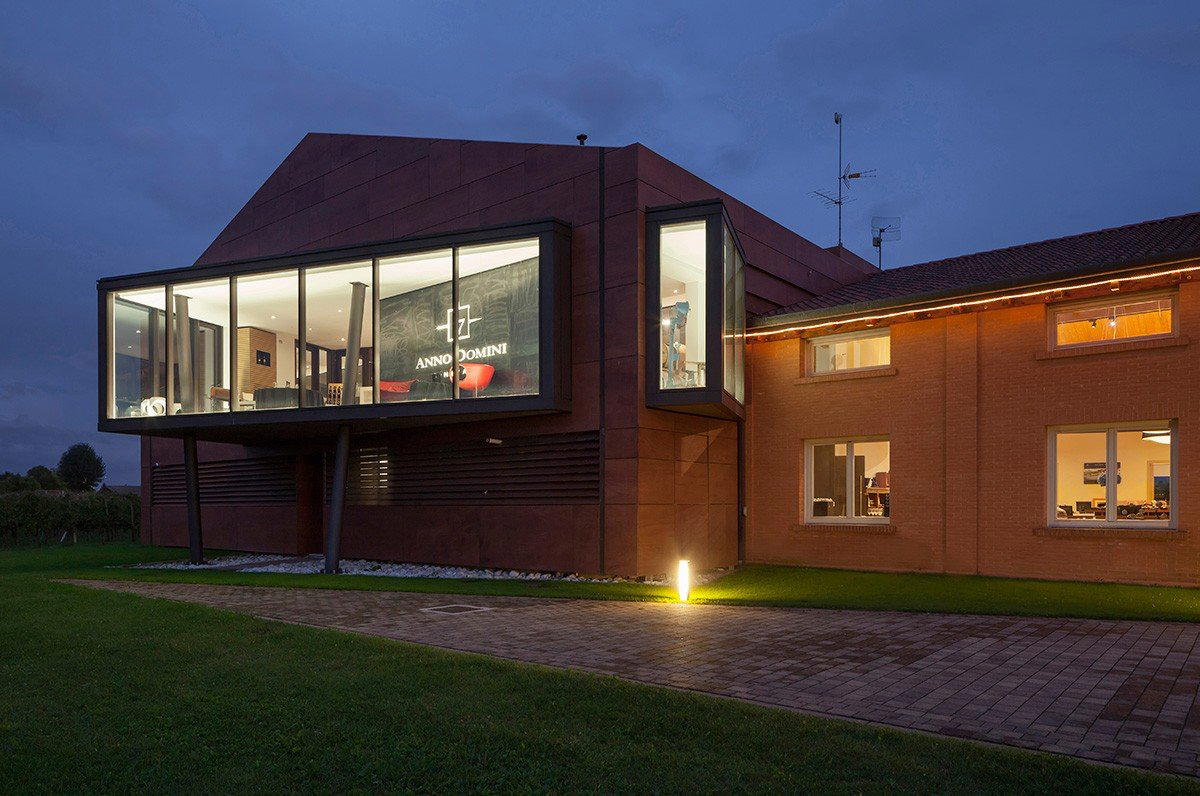
Elegant Art Deco dining room with warm sunset-inspired plate presentations; outdoor terrace overlooking the Venetian lagoon with romantic evening ambiance.