Ristorante Amelia Romana sits in the Chirignago-Zelarino quarter on Venice's western edge, where the city's Roman-rooted trattoria tradition meets a quieter, residential dining character distinct from the canal-side tourist circuit. For visitors willing to travel beyond the sestieri, it represents a different register of Venetian eating, neighbourhood-scale, unhurried, and shaped by the cooking conventions of central Italy rather than the lagoon.
Pearl is the En Primeur Club membership app — saves, bookings, and concierge access live there. Same editors, same standards.
- Address
- Via Miranese, 113, 30174 Chirignago-Zelarino VE, Italy
- Phone
- +393206379768
- Website
- ameliaromana.com
- Directions
- Get directions
 Saves & bookings on Pearl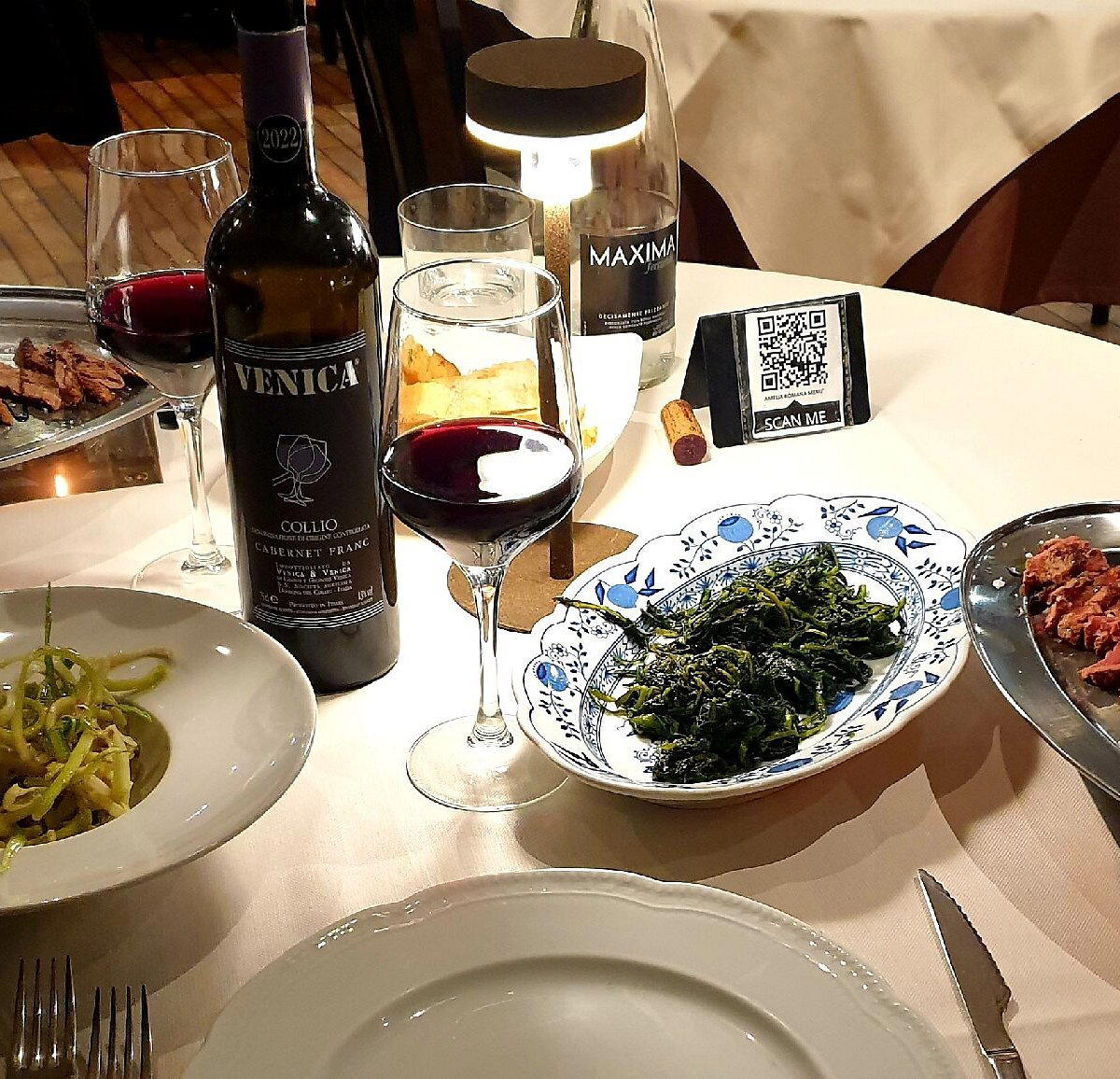
Where Venice Gives Way to the Mainland
Ristorante Amelia Romana is a Roman Italian Trattoria in Chirignago-Zelarino, Venice, on Via Miranese, 113. Via Miranese runs through Chirignago-Zelarino, a municipality on Venice's terraferma edge that most visitors never reach. The canal views are gone here, replaced by the low-rise residential fabric of the Venetian hinterland, a setting that positions Ristorante Amelia Romana in a category of dining almost entirely separate from the €€€€ canal-facing rooms of Dorsoduro or the Rialto-adjacent restaurants that absorb most tourist spend. This part of the city operates on a different tempo: longer tables, fewer languages overheard, cooking that leans toward the Roman trattoria tradition rather than Venetian seafood classicism.
In a region where dining identity is fiercely tied to the lagoon, to sarde in saor, to cicchetti at bàcari, to the crab and mollusc-heavy traditions of the Adriatic, a restaurant that signals Roman lineage in its name is making a deliberate choice. That choice places it in a small and specific niche inside a city that, despite its fame, supports a quietly varied table.
The Sensory Register of the Terraferma Trattoria
Roman-tradition trattatorie in the Veneto occupy a particular sensory register that differs from both the dressed-up Venetian fine dining of somewhere like Ristorante Quadri on Piazza San Marco and the seafood-forward neighbourhood rooms closer to the lagoon. The atmosphere tends toward the functional and warm rather than the architecturally considered: tiled floors that carry the sound of conversation, tables close enough to encourage a communal feeling, and a smell profile built around roasted meat, olive oil, and slow-cooked sauces rather than the brine and citrus that define Venetian coastal cooking. Light in these rooms is typically direct and warm, more interested in the plate than in the theatre of the setting.
That sensory economy is itself a statement. In a city where dining rooms are often sold partly on their views, the Grand Canal, a hidden corte, a torch-lit calle, a restaurant that trades in the ordinary textures of a residential street is asking guests to redirect attention entirely onto what arrives at the table. It is the same logic that makes Local in Venice's Castello district compelling in a different way: the room steps back so the cooking can step forward.
Roman Cooking Conventions in a Venetian Context
The Roman trattoria tradition is built around a set of dishes and techniques that have remained remarkably stable across decades: offal preparations, cured-meat antipasti, pasta forms like cacio e pepe, amatriciana, and carbonara, and secondi that favour braised and roasted meat over the grilled fish that dominates Venetian secondi. Where Venetian cooking reaches outward to the Adriatic and the spice routes that once made the city rich, Roman cooking turns inward, toward the Roman campagna, toward the slaughterhouse traditions of Testaccio, toward cooking that is dense, savoury, and built for repetition rather than surprise.
Bringing that tradition to the Veneto creates a minor friction that is, for certain diners, exactly the point. The Veneto's own inland cooking tradition, centred on polenta, beans, and the slow-braised meats of the pre-Alpine foothills, has more in common with Roman cucina than the lagoon city's seafood habits do. On Venice's mainland edge, where the terraferma character is strongest, a Roman-identified restaurant finds more natural footing than it would in the historic centre. Comparable culinary cross-pollination operates at scale at places like Atelier Moessmer Norbert Niederkofler in Brunico, where Alpine ingredients absorb a high-technique cooking grammar from outside the region, the logic of importing a tradition and re-grounding it in a new landscape is well-established in northern Italian dining.
How Amelia Romana Sits Within the Venice Dining Tier
Venice's restaurant market splits more sharply than most Italian cities. At one end, a handful of rooms, Glam Restaurant by Enrico Bartolini, Oro Restaurant, Wistèria, operate at a Michelin-recognised level with tasting menus and pricing that reflects Venice's position as one of Europe's highest-cost tourism markets. At the other, the neighbourhood trattoria and bàcaro circuit serves a predominantly local clientele at price points that rarely reach the levels of the canalside destination rooms. Ristorante Amelia Romana, by geography and by the trattoria conventions implied in its name, belongs to the latter tier, a category that in Venice is underserved for visitors willing to cross the bridge to the mainland.
That positioning matters when planning a longer Venice itinerary. Spending every dinner in the centro storico or on the Giudecca means eating within a narrow band of the city's actual dining range. The terraferma restaurants, less visible to tourists, less likely to appear on aggregator shortlists, represent the part of Venetian eating that most closely resembles how the city's own population eats day-to-day. Italy's most serious tables, from Osteria Francescana in Modena to Dal Pescatore in Runate, attract global attention, but the quieter neighbourhood rooms scattered across the country's residential quarters carry a different and equally legitimate authority.
Planning a Visit
Chirignago-Zelarino sits west of Venice proper, accessible by car along the Via Miranese corridor or by bus from Piazzale Roma, which serves as the main transport hub for vehicles and buses entering Venice from the mainland. The journey takes roughly fifteen to twenty minutes from Piazzale Roma by road, making it a practical half-day or evening trip rather than a cross-city expedition.
The Short List
Comparable venues nearby, for context on price, style, and recognition.
| Venue | Cuisine | Price | Notes |
|---|---|---|---|
| Ristorante Amelia RomanaThis venue — the venue you are viewing | Mestre, Roman Italian Trattoria | $$$$ | Not listed |
| Caffe Florian | San Marco, Historic Venetian Café | $$$$ | Not listed |
| Club del Doge | San Marco, Modern Venetian Fine Dining | $$$$ | Not listed |
| Trattoria Do Forni | San Marco, Traditional Venetian Seafood | $$$$ | Not listed |
| Restaurant Terrazza Danieli | Not listed | $$$$ | Castello, Venetian Mediterranean Fine Dining |
| Ombra del Leone | San Marco, Classic Venetian Seafood | $$$ | Not listed |
Continue exploring
More in Venice
Restaurants in Venice
Browse all →
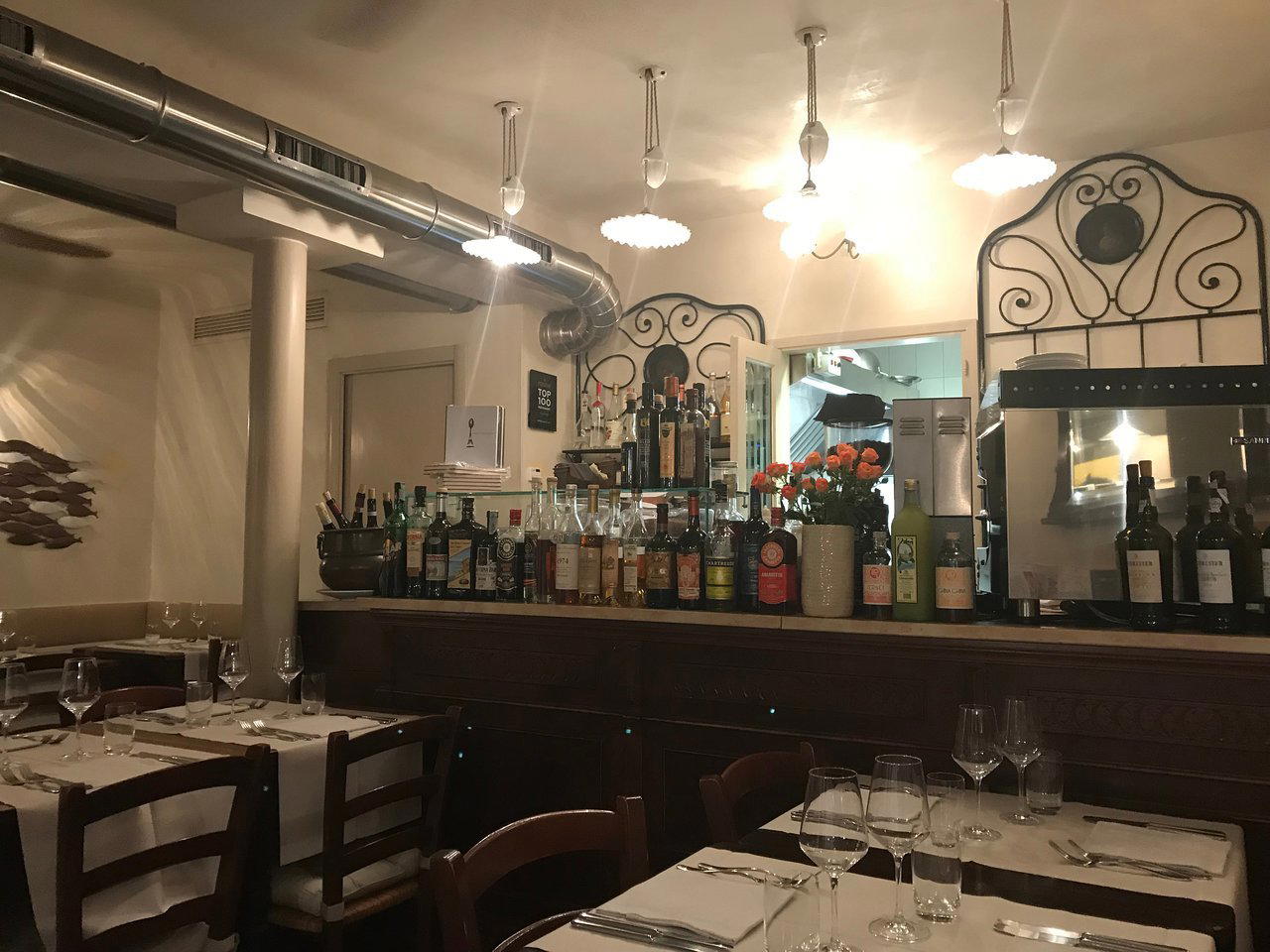
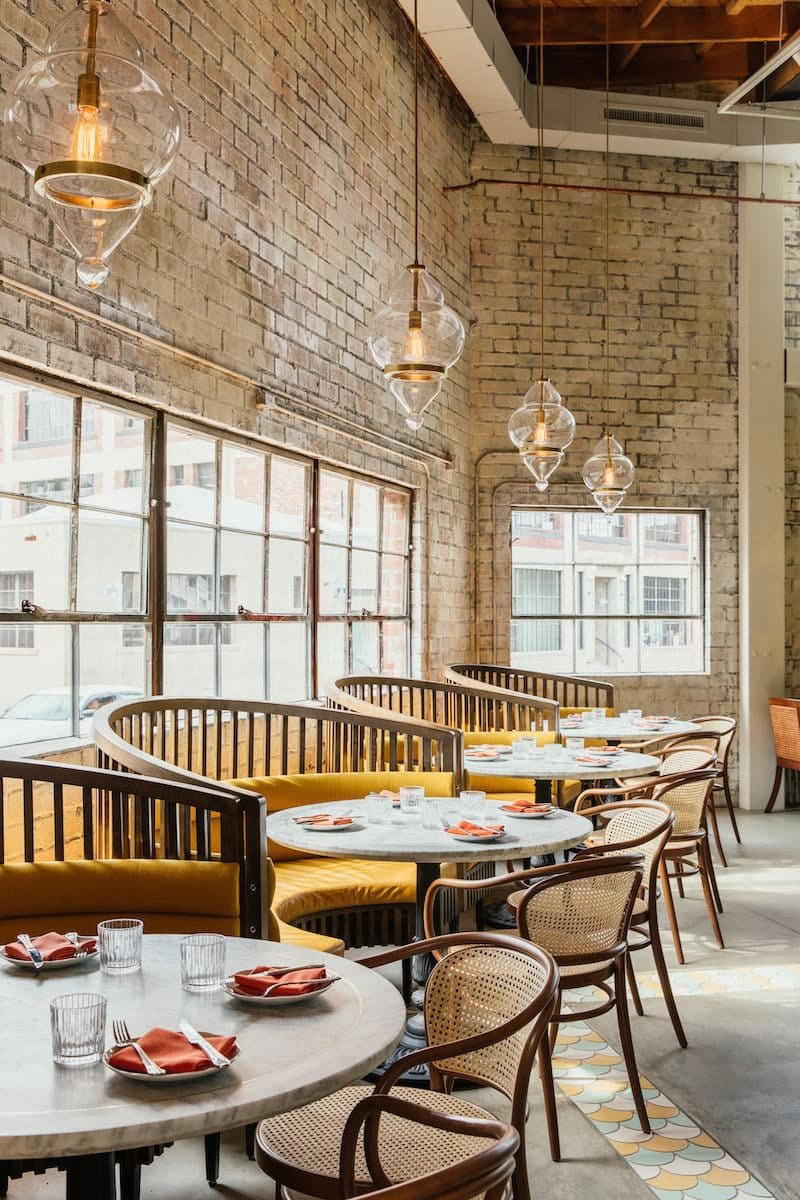
Bars in Venice
Browse all →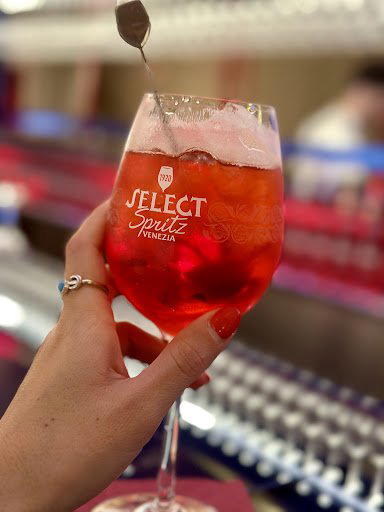
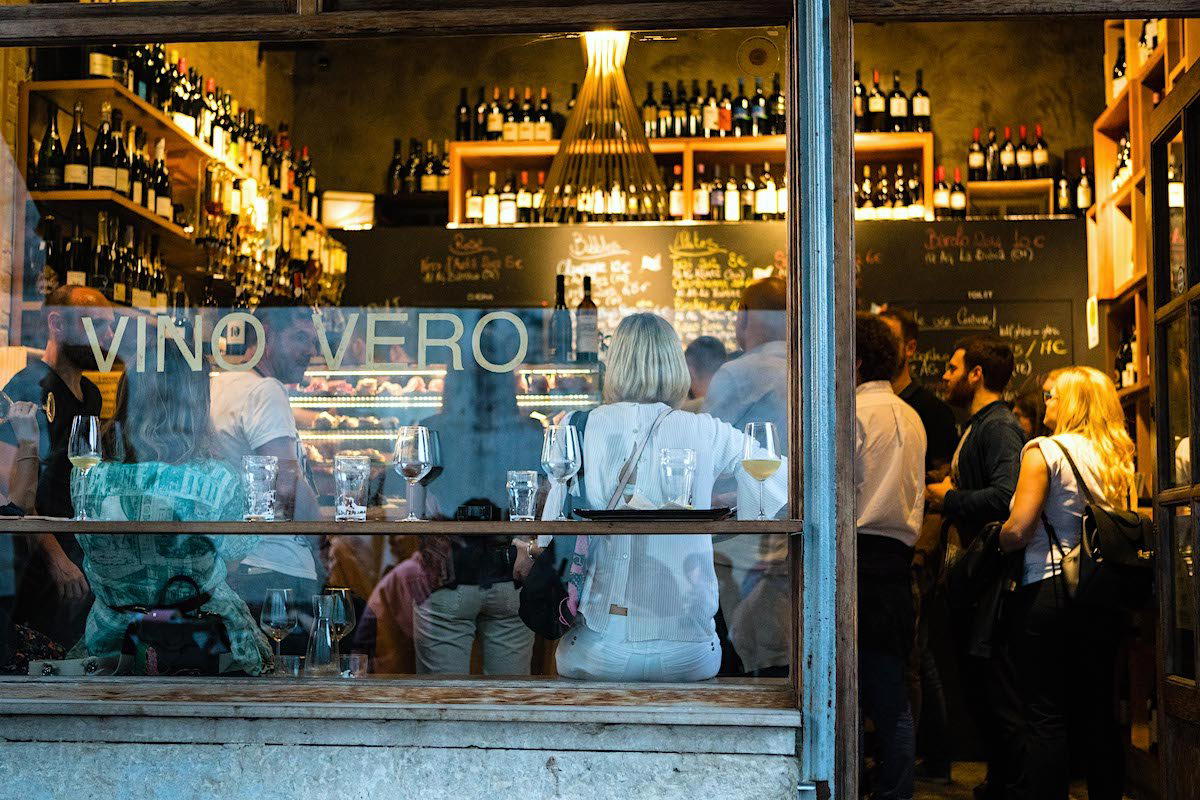
Hotels in Venice
Browse all →
At a Glance
- Elegant
- Sophisticated
- Date Night
- Special Occasion
- Standalone
- Extensive Wine List
Current opening hours
- Monday
- 12–2 PM, 7–10 PM
- Tuesday
- 12–2 PM, 7–10 PM
- Wednesday
- 12–2 PM, 7–10 PM
- Thursday
- 12–2 PM, 7–10 PM
- Friday
- 12–2 PM, 7–10 PM
- Saturday
- 12–2 PM, 7–10 PM
- Sunday
- 12–2 PM, 7–10 PM
Hours can change for holidays and private events. Last verified .
Upscale dining atmosphere with friendly service and focus on quality pasta, meat, and wine.