Da Celeste Pellestrina sits on the quiet island of Pellestrina, one of the least-visited stretches of the Venetian lagoon. The kitchen draws on a seafood tradition rooted in the fishing communities that have worked these waters for centuries. For visitors prepared to make the journey by vaporetto, it represents a distinctly unhurried counterpoint to dining in central Venice.
Pearl is the En Primeur Club membership app — saves, bookings, and concierge access live there. Same editors, same standards.
- Address
- Vianelli, 625B, 30126 Venezia VE, Italy
- Phone
- +39 041 967355
- Website
- daceleste.com
- Directions
- Get directions
 Saves & bookings on Pearl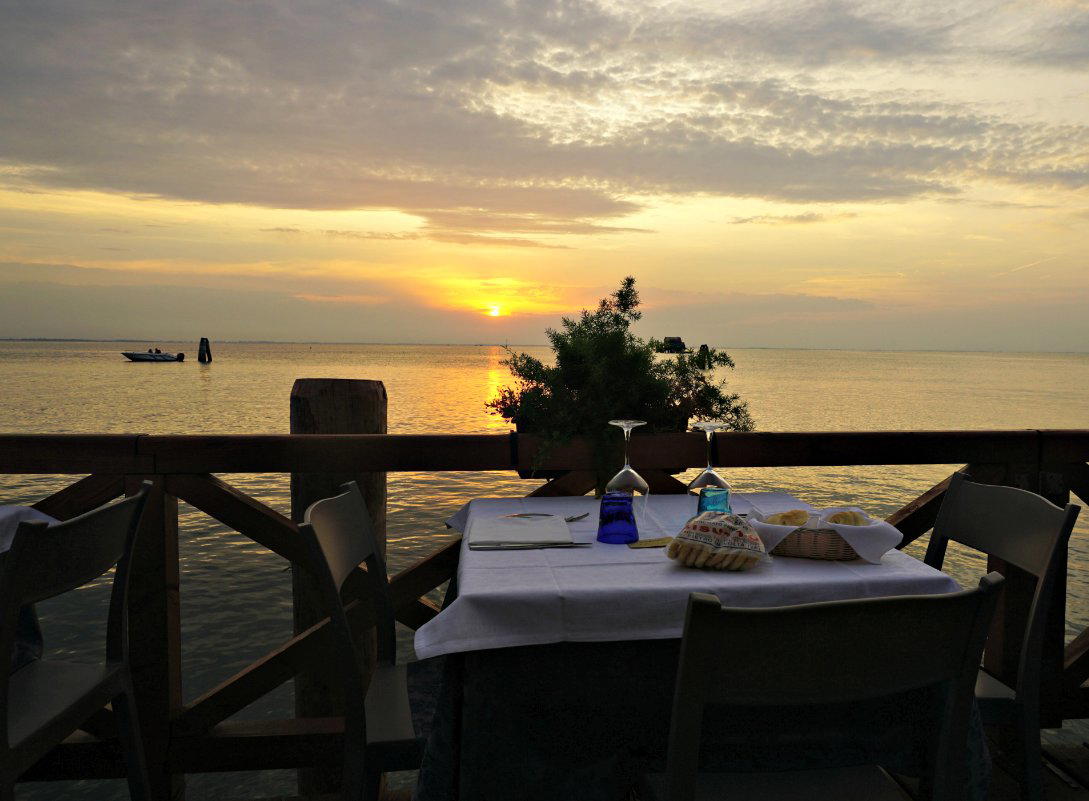
The Lagoon's Other Shore
Pellestrina is not where most visitors to Venice end up. The island, a narrow strip of land between the lagoon and the Adriatic, connected to the Lido by ferry, has no grand palazzi, no museum queues, and no restaurant operating on the logic of tourist throughput. That absence shapes the meal here. Da Celeste Pellestrina belongs to a category of place that Venetian dining critics have long distinguished from the city's central restaurant circuit: the lagoon trattoria, where the fish on the plate arrived in the water that morning and the menu reflects what the boats brought in rather than what a seasonal tasting format requires.
The journey matters here. Reaching Pellestrina from central Venice means taking a vaporetto from Lido, crossing a body of water that most visitors only glimpse from a distance, and arriving on an island where the resident population numbers in the hundreds. Restaurants here have served fishing families and lagoon workers for generations before they became any kind of destination for visitors arriving from the mainland. That history of use, ordinary, functional, deeply local, gives da Celeste Pellestrina a cultural grounding that newer Venice dining concepts, however sophisticated, cannot replicate by intention.
What Lagoon Cuisine Actually Means
The Venetian seafood tradition is among the more geographically specific in Italy. The lagoon produces ingredients, small crabs, clams, eels, cuttlefish, razor clams, that differ in character from Adriatic catch landed at Chioggia or Rimini, and different again from the Mediterranean seafood that dominates restaurant menus in Rome or Naples. The difference is not simply freshness; it is ecology. Lagoon species live in brackish water with distinct salinity gradients, feeding in shallows that shift with the tides. The flavour profile of a moleche (soft-shell crab harvested in the brief window when the crab moults) is something that exists in Venice and almost nowhere else in the same form.
This is the culinary context that places like da Celeste Pellestrina inhabit. The island's restaurants have historically operated as one direct expression of this tradition: small kitchens, family-run operations, menus that follow the fishing calendar rather than a fixed seasonal rotation. Compared to Venice's more formal seafood establishments, Local in Castello, or Ristorante Quadri on Piazza San Marco, Pellestrina's restaurants occupy a different tier entirely, defined not by price point or plating ambition but by proximity to source. The fish served here has a shorter journey from water to table than almost anywhere else in the lagoon.
For comparison, Italy's most acclaimed seafood-focused kitchens, Uliassi in Senigallia on the Adriatic coast, or Quattro Passi in Marina del Cantone on the Amalfi coast, build their reputations on technical transformation of coastal ingredients. Pellestrina's tradition runs in a different direction: the intervention is minimal because the ingredient requires little intervention. That philosophical split runs through Italian seafood cuisine at every level, from three-Michelin-star kitchens like Reale in Castel di Sangro down to the simplest trattoria on a lagoon island.
Pellestrina in the Broader Venice Dining Map
Venice's dining scene has split noticeably over the past decade. On one side sit the formal contemporary kitchens: Glam Restaurant by Enrico Bartolini, Oro Restaurant, and Wistèria represent the city's engagement with modern Italian cuisine and the language of tasting menus. On the other side sit a smaller number of Venetian-tradition tables, Al Covo, Osteria alle Testiere, Corte Sconta, where the cuisine is more evidently local and the format more casual. The restaurant sits at an even further remove from the formal end of that spectrum, which is partly why it has retained a following among visitors who have already worked through the better-known names on the central island.
The restaurants of Pellestrina are not part of the Michelin-starred circuit that defines Italy's most celebrated dining destinations. The starred tier in Italian seafood is represented by kitchens like Dal Pescatore in Runate, where decades of consistent recognition reflect a different kind of institutional ambition. Pellestrina's value proposition is something else: the absence of that apparatus, and the directness that follows from it.
Planning the Visit
Reaching the restaurant requires advance planning. The vaporetto route from central Venice runs via the Lido; the full crossing from Venice to Pellestrina takes roughly an hour by public water transport, making it a half-day commitment at minimum. Visitors who treat the journey as destination, walking the narrow seafront promenade, watching the lagoon light shift across the water, will find the logistics more rewarding than those who approach it as a transport inconvenience.
Arriving without a reservation at a restaurant of this size and specificity carries meaningful risk, particularly during warmer months when day-trippers from Venice occasionally make the crossing. Given the volume constraints typical of lagoon island restaurants, evenings on weekdays tend to offer the clearest path to a table.
Those with a broader interest in Italy's regional cooking will find the restaurant occupies a different register entirely. Le Bernardin in New York City or Osteria Francescana in Modena, will find the restaurant occupies a different register entirely. It is not in competition with those rooms. It represents something older and more specific: a fishing community's relationship with its own waters, served at a table on the edge of the lagoon.
Price and Recognition
Comparable venues nearby, for context on price, style, and recognition.
| Venue | Cuisine | Price |
|---|---|---|
| da Celeste PellestrinaThis venue — the venue you are viewing | Not listed | $$$ |
| Riva Rosa | Burano, Venetian Seafood | $$$ |
| La Porta d'Acqua | San Polo, Venetian Seafood | $$$ |
| Osteria Bancogiro | San Polo, Modern Venetian Osteria | $$$ |
| Venchi Cioccogelateria | San Marco, Italian Chocolate Gelateria | $$ |
| La Calcina | Dorsoduro, Traditional Venetian Seafood | $$ |
Continue exploring
More in Venice
Restaurants in Venice
Browse all →

Bars in Venice
Browse all →
Hotels in Venice
Browse all →
Wineries in Venice
Browse all →
At a Glance
- Rustic
- Cozy
- Scenic
- Classic
- Special Occasion
- Date Night
- Waterfront
- Standalone
- Extensive Wine List
- Local Sourcing
- Sustainable Seafood
- Waterfront
Current opening hours
- Monday
- 12–2:30 PM
- Tuesday
- 12–2:30 PM
- Wednesday
- Closed
- Thursday
- 12–2:30 PM
- Friday
- 12–2:30 PM, 7–9:30 PM
- Saturday
- 12–2:30 PM, 7–9:30 PM
- Sunday
- 12–2:30 PM
Hours can change for holidays and private events. Last verified .
Relaxed and casual atmosphere with warm welcoming service, traditional interior, and outdoor pontoon seating overlooking the lagoon.