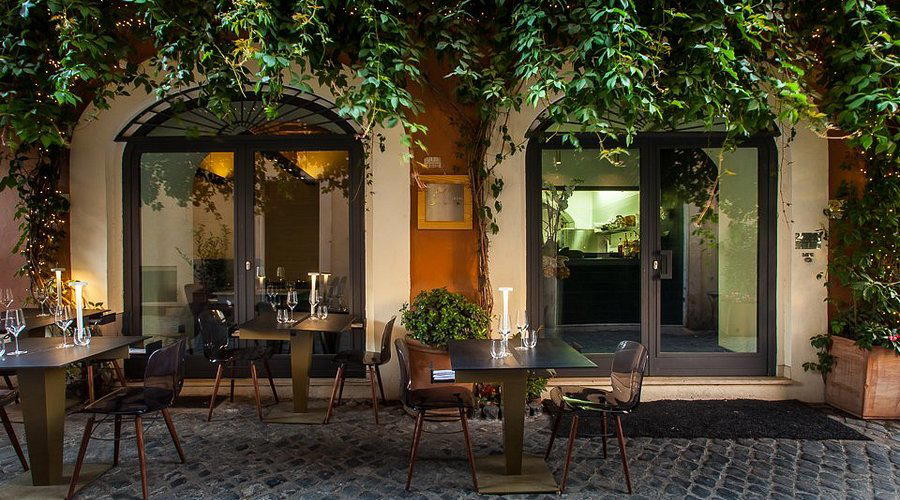
On a narrow lane off Campo de' Fiori, Clorofilla Cucina & Distillati occupies a space where Roman culinary tradition meets a serious interest in distillates. The address, Vicolo delle Grotte, 17 in the historic centre, places it within one of the city's most densely layered dining neighbourhoods, where trattorias and contemporary kitchens compete for the same cobblestoned streets.
Pearl is the En Primeur Club membership app — saves, bookings, and concierge access live there. Same editors, same standards.
- Address
- Vicolo delle Grotte, 17, 00186 Roma RM, Italy
- Phone
- +39669402296
- Directions
- Get directions
 Saves & bookings on Pearl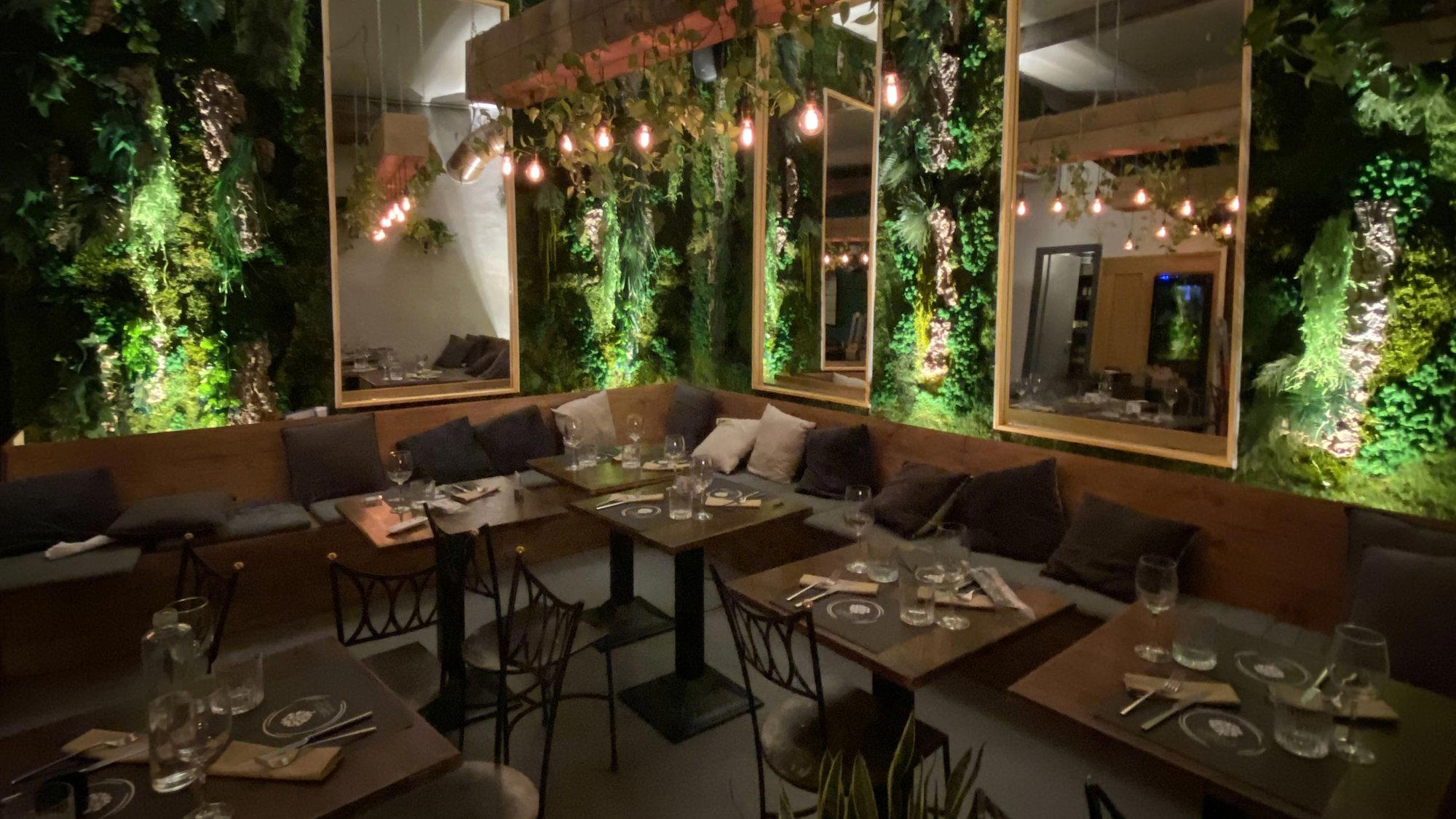
A Lane, a Kitchen, and the Weight of Roman Culinary Tradition
Vicolo delle Grotte is the kind of address that requires a second look at the map. The lane sits in Rome's historic centre, a short walk from Campo de' Fiori, in a neighbourhood where restaurants occupy ground floors that have housed kitchens, wine merchants, and taverns for centuries. The physical context matters here: this part of the city operates under a particular pressure, where every new opening either defers to Roman convention or argues against it. Clorofilla Cucina & Distillati is a Modern Italian restaurant on Vicolo delle Grotte in Rome, where cucina and distillati are given equal weight.
That pairing is deliberate. Across Rome's more considered mid-to-upper dining tier, the relationship between food and what fills the glass has grown more deliberate. Restaurants like Il Pagliaccio and Achilli al Parlamento have built reputations on wine and cellar depth as much as on kitchen output. Clorofilla's emphasis on distillates, spirits, grappas, digestivi, and the broader category of Italian distillation, positions it differently within that tradition, addressing the part of the meal that most Roman restaurants treat as an afterthought.
The Cultural Grammar of Roman Dining
Roman cuisine is governed by a set of rules that the city enforces more strictly than most. The canon, cacio e pepe, coda alla vaccinara, abbacchio, supplì, is not just a menu style but a civic identity. Restaurants that depart from it too sharply tend to find their footing harder to establish; those that stay too close risk invisibility in a city where every neighbourhood has its version of the same dishes. The more interesting places in central Rome have found ways to acknowledge the tradition without simply reproducing it.
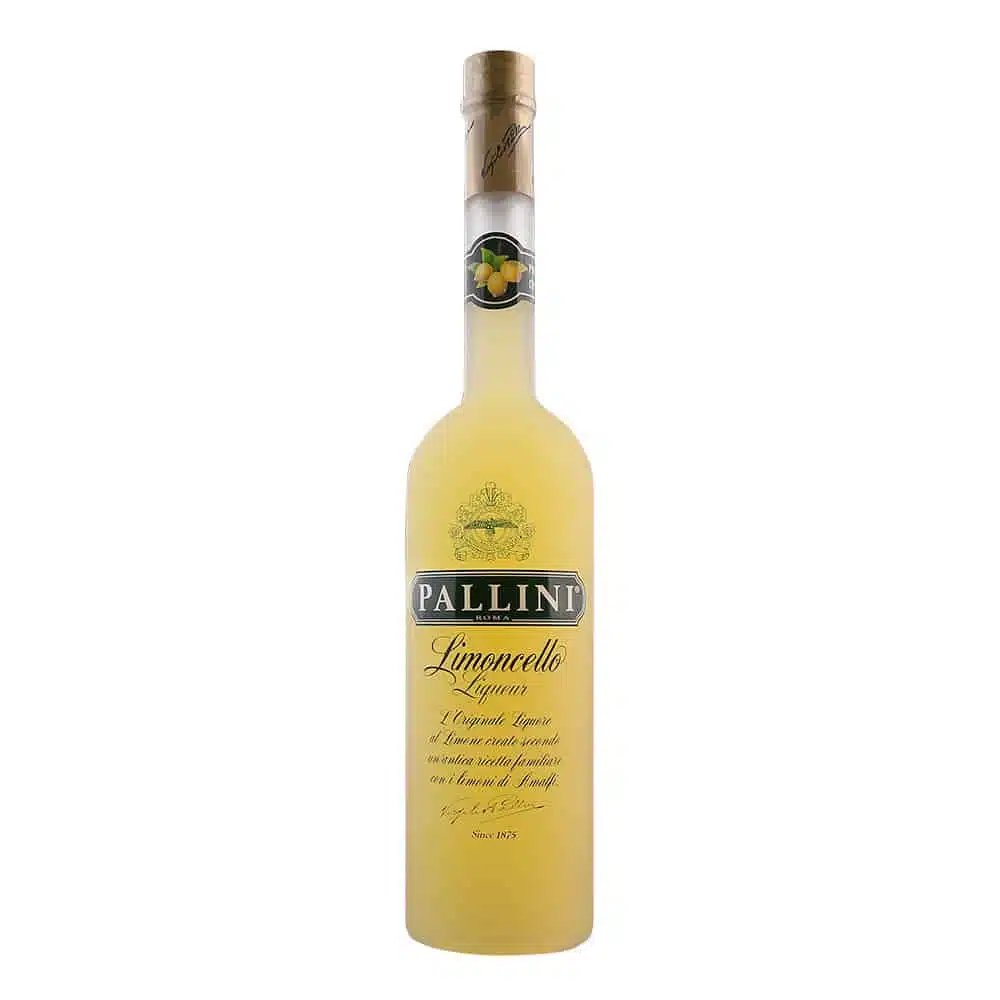
The distillate focus at Clorofilla belongs to this broader story. Italian distillation has deep regional roots, grappa from the northeast, amaro from dozens of local herb traditions, limoncello from the south, bitter liqueurs from monastic distilleries that predate the restaurant industry by centuries. Bringing that depth to the table alongside the kitchen's output is a way of extending the meal's cultural argument rather than simply adding a spirits list. It draws on a strand of Italian hospitality that predates the modern restaurant format: the idea that the proper close of a meal is as considered as its opening.
For context on how Italian kitchens at the highest level treat the full-meal experience, Osteria Francescana in Modena and Enoteca Pinchiorri in Florence represent the ceiling of that integrated approach, where kitchen and cellar (or in this case, cellar and spirits room) function as a single editorial statement. Clorofilla operates several tiers below that formality, but the underlying instinct, that what you drink is inseparable from what you eat, belongs to the same tradition.
Where Clorofilla Sits in Rome's Dining Map
Rome's creative and contemporary dining scene is concentrated in a small number of addresses, most of them outside the tourist-facing historic centre. Acquolina and Enoteca La Torre represent the creative end of the city's Michelin-recognised tier, while La Pergola sits at the three-star summit, largely separate from the neighbourhood-level conversation. Clorofilla's position in the centro storico places it in different territory: a mixed neighbourhood of tourists, working Romans, journalists, and political staff from the nearby parliament buildings, where the dining room has to function for a more varied clientele than a destination tasting-menu address.
That neighbourhood reality shapes what a place like this can be. The better bistrot and osteria-adjacent formats in this part of Rome succeed by being genuinely useful to locals while remaining interesting enough to justify a visit. The distillate programme at Clorofilla is the detail that tips the balance toward the latter: it gives the address a reason to visit that goes beyond proximity.
Across Italy more broadly, the restaurants that have defined the past decade of serious dining have tended to anchor themselves to place with particular conviction. Uliassi in Senigallia, Reale in Castel di Sangro, and Piazza Duomo in Alba each built their identities around a specific geography and its ingredients. Rome does not produce that kind of terroir-driven narrative as easily, it is a city of assembled traditions rather than a single regional identity, but the more thoughtful addresses here draw on the city's role as a confluence point, where ingredients and techniques from across the peninsula arrive and find new combinations.
Planning a Visit
Vicolo delle Grotte, 17 sits in the Regola neighbourhood, a few minutes on foot from Campo de' Fiori and within easy reach of the Trastevere bridge. The historic centre's narrow street grid makes driving impractical; the nearest practical approach is on foot from Largo di Torre Argentina or by taxi to Campo de' Fiori. The area becomes busy on weekend evenings, and reservations are recommended.
Visit Details
- Address: Vicolo delle Grotte, 17, 00186 Roma, Italy
- Neighbourhood: Regola / Campo de' Fiori, historic centre
- Getting there: On foot from Campo de' Fiori (approx. 2 minutes) or taxi to Campo de' Fiori; no practical parking in the immediate area
- Booking: Reservations recommended
- Distillate focus: The spirits and digestivi programme is a defining feature of the format, plan time after the meal accordingly
- Nearby reference points: Largo di Torre Argentina, Piazza Farnese, Campo de' Fiori market (morning)
Where the Accolades Land
Comparable venues nearby, for context on price, style, and recognition.
| Venue | Cuisine | Price | Notes |
|---|---|---|---|
| Clorofilla Cucina & DistillatiThis venue — the venue you are viewing | Modern Italian | $$ | Not listed |
| Taverna Volpetti | Traditional Roman Trattoria | $$ | Testaccio |
| Trattoria Nonna Fortunata | Authentic Roman Trattoria | $$ | Sallustiano |
| Mercato Centrale | Roman Italian Food Hall | $$ | Esquilino |
| Metropolita | Italian Fusion Wine Bar | $$ | Flaminio |
| SantiNumi | Traditional Roman Trattoria | $$ | Esquilino |
Continue exploring
More in Rome
Restaurants in Rome
Browse all →
Bars in Rome
Browse all →
Hotels in Rome
Browse all →

At a Glance
- Cozy
- Whimsical
- Date Night
- Special Occasion
- Late Night
- Open Kitchen
- Craft Cocktails
Current opening hours
- Monday
- 6 PM–1 AM
- Tuesday
- 6 PM–1 AM
- Wednesday
- 6 PM–1 AM
- Thursday
- 6 PM–1 AM
- Friday
- 6 PM–1 AM
- Saturday
- 6 PM–1 AM
- Sunday
- 12:30–3 PM, 6 PM–1 AM
Hours can change for holidays and private events. Last verified .
Warm, playful, and natural vibe with plant decor creating a cozy, jungle-like setting.