On Via Volturno in the Termini district, Rifugio Romano occupies a neighbourhood that Rome's dining scene has historically underserved relative to its foot traffic. Where many addresses near the station default to tourist-volume cooking, Rifugio Romano positions itself in a different register, one shaped by sourcing discipline and the kind of ingredient-led focus that defines Rome's more considered trattoria tradition.
Pearl is the En Primeur Club membership app — saves, bookings, and concierge access live there. Same editors, same standards.
- Address
- Via Volturno, 39/41, 00185 Roma RM, Italy
- Phone
- +393964880945
- Website
- rifugioromano.com
- Directions
- Get directions
 Saves & bookings on Pearl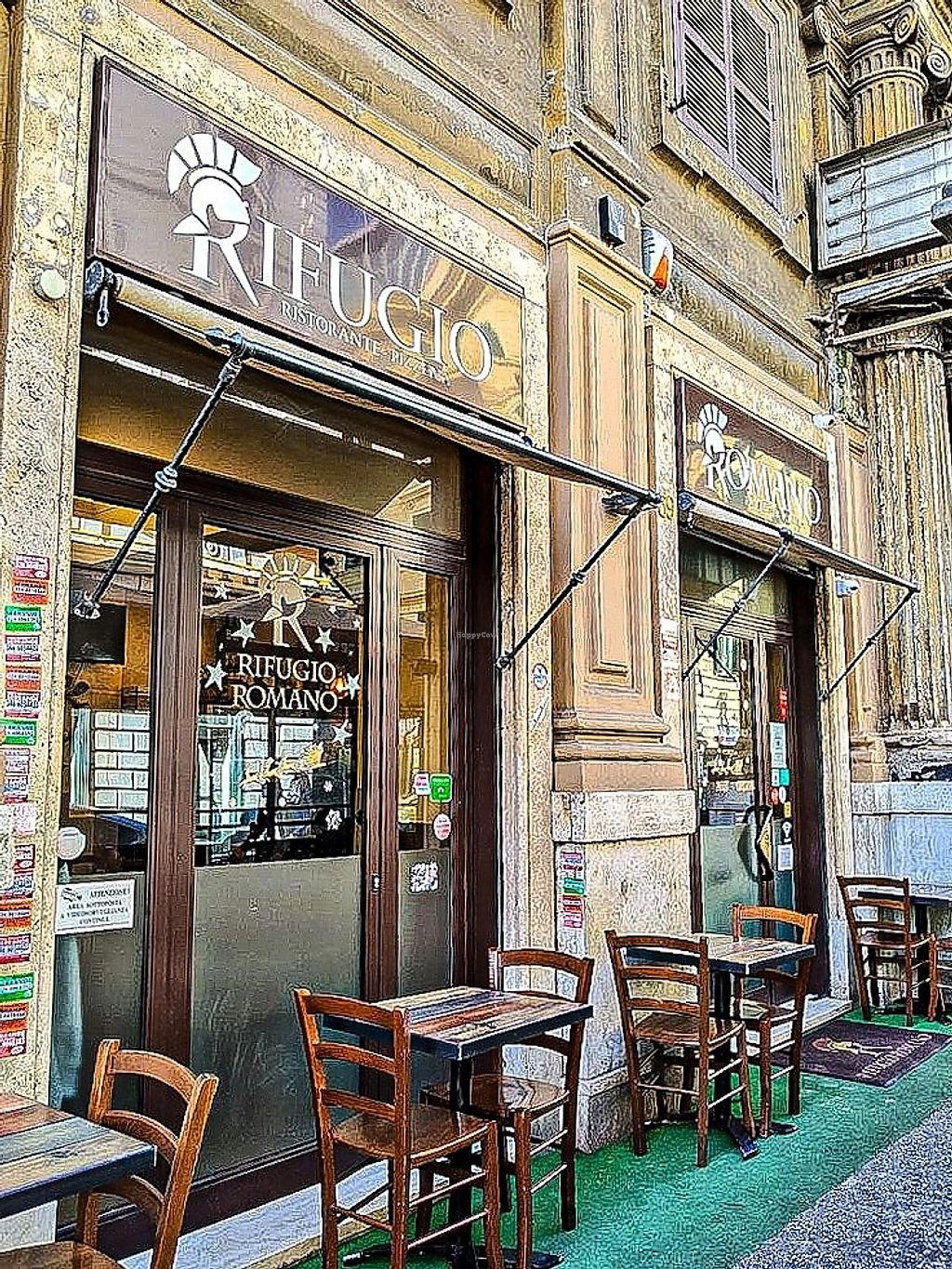
A Station District That Asks to Be Read Differently
Rome's restaurant geography has always been uneven. The neighbourhoods that draw many visitors, the area around Termini, Via Nazionale, and the streets feeding into Piazza della Repubblica, have historically supported a hospitality economy built on throughput rather than depth. That dynamic is not fixed, and Rifugio Romano, on Via Volturno 39/41, sits in the middle of that shift. The address is a few minutes' walk from Termini station, in a stretch of the Esquilino rione that has spent years being dismissed as a transit corridor rather than a dining destination. The physical approach tells you more than any description: wide pavements, a mix of residential and commercial buildings, the particular low-key energy of a neighbourhood that functions for people who actually live in Rome rather than pass through it.
That context matters. In a city where particularly celebrated tables, from La Pergola on the Monte Mario hill to the creative programmes at Acquolina and Il Pagliaccio, operate with the weight of international recognition behind them, the mid-tier and neighbourhood-level category is where Rome's everyday cooking identity actually lives. Rifugio Romano belongs to that conversation rather than the fine-dining one, and understanding its position means reading the neighbourhood before reading the menu.
What Ingredient Sourcing Signals in Roman Cooking
Roman cuisine has never been a cuisine of luxury ingredients. Its defining dishes, cacio e pepe, coda alla vaccinara, carciofi alla giudia, emerged from what was available, affordable, and often overlooked: the secondary cuts, the seasonal vegetables, the cheeses made close enough to the city to arrive fresh. That tradition has specific sourcing logic built into it. The quality of a Roman dish is determined less by the prestige of its components than by how close those components are to their source and how little needs to be done to them.
Across Italy, the restaurants that have earned the deepest critical respect in recent years share a version of this philosophy. Osteria Francescana in Modena, Uliassi in Senigallia, and Dal Pescatore in Runate each ground their identity in regional ingredient specificity, not abstraction. Even the more technically ambitious Italian programmes, Le Calandre in Rubano, Piazza Duomo in Alba, Reale in Castel di Sangro, trace their menus back to specific producers and growing regions. The sourcing is the editorial position.
For a neighbourhood restaurant in Rome, that means a different kind of rigour. It means understanding which market relationships produce the right aged pecorino, which suppliers deliver the artichokes that define spring cooking in Lazio, and which approach to offal reflects the genuine cucina povera lineage rather than a performed version of it. Rifugio Romano operates within this framework, in a district where the daily produce markets of the Esquilino provide a live feed of what the season actually looks like.
Rome's Trattoria Register: Where Rifugio Romano Sits
The Roman dining category that restaurant occupies is distinct from both the high-end creative tier and the casual tourist-facing trattoria. The comparison set is not Enoteca La Torre or Achilli al Parlamento, both of which operate at the creative, premium end of Roman cooking, nor is it the anonymous pasta-and-house-wine rooms that line the tourist corridors. The relevant comparison is the considered neighbourhood table: places where the menu is short, the suppliers are named or implied, and the cooking reflects a genuine relationship with the Roman larder rather than a simulation of it.
Internationally, the restaurants that most clearly define what this register can achieve at its ceiling include Quattro Passi in Marina del Cantone and Atelier Moessmer Norbert Niederkofler in Brunico, both of which treat regional sourcing not as a constraint but as the primary creative framework. The discipline of working within a defined geography produces menus that read differently from those assembled from a global ingredient palette, and Roman cooking at its most honest operates by exactly that constraint.
Within Rome, the creative addresses that have moved furthest from this rooted approach, Enoteca Pinchiorri in Florence and Enrico Bartolini in Milan represent the northern Italian equivalent, trade ingredient specificity for technical ambition. The restaurant's position is the inverse: the ambition, if any, is in the sourcing and execution rather than the concept.
The Esquilino as a Sourcing Environment
The Esquilino rione, where Via Volturno sits, has a specific food culture that is often missed by visitors orienting around the historic centre. The Mercato Esquilino, one of Rome's largest covered markets, draws vendors from across Lazio and beyond, making the neighbourhood a live sourcing environment for the restaurants that know how to use it. Seasonal vegetables from the Castelli Romani, cheese from producers in the Sabine hills, and the kind of fresh pasta that doesn't travel well across the city are all accessible here in a way that shapes what a kitchen on this side of Rome can plausibly commit to.
That sourcing geography distinguishes the Esquilino from the centro storico, where particularly celebrated fine-dining addresses operate with supply chains built around prestige rather than proximity. Proximity has its own value: a kitchen two minutes from a daily market makes different decisions than one that orders through a distributor. The trattoria tradition in this part of Rome reflects that reality, and the restaurant on Via Volturno is a direct expression of it.
Know Before You Go
Address: Via Volturno, 39/41, 00185 Roma RM, Italy
Nearest Transit: Roma Termini station (Roma Termini is served by Metro lines A and B, and multiple bus routes); the restaurant is a short walk from the main exit.
Neighbourhood: Esquilino, close to the Mercato Esquilino and the Piazza della Repubblica axis.
Price tier: About $15 per person.
Reservations: Recommended.
Hours: Tue-Sun 11 AM-11 PM; Mon closed.
Just the Basics
Comparable venues nearby, for context on price, style, and recognition.
| Venue | Cuisine | Price | Notes |
|---|---|---|---|
| Rifugio RomanoThis venue — the venue you are viewing | Castro Pretorio, Vegan Roman Trattoria | $$ | Not listed |
| MASTO a Testaccio | Testaccio, Traditional Roman Trattoria | $$ | Not listed |
| Trattoria da Lucia | Trastevere, Traditional Roman Trattoria | $$ | Not listed |
| Marigold Roma | Not listed | $$ | Ostiense, Italian Farm-to-Table Bakery Cafe |
| Da Benito e Gilberto | Borgo, Italian Seafood | $$ | Not listed |
| Il Barroccio | Colonna, Traditional Roman Osteria | $$ | Not listed |


At a Glance
- Cozy
- Rustic
- Lively
- Casual Hangout
- Family
- Group Dining
- Standalone
Current opening hours
- Monday
- Closed
- Tuesday
- 11 AM–11 PM
- Wednesday
- 11 AM–11 PM
- Thursday
- 11 AM–11 PM
- Friday
- 11 AM–11 PM
- Saturday
- 11 AM–11 PM
- Sunday
- 11 AM–11 PM
Hours can change for holidays and private events. Last verified .
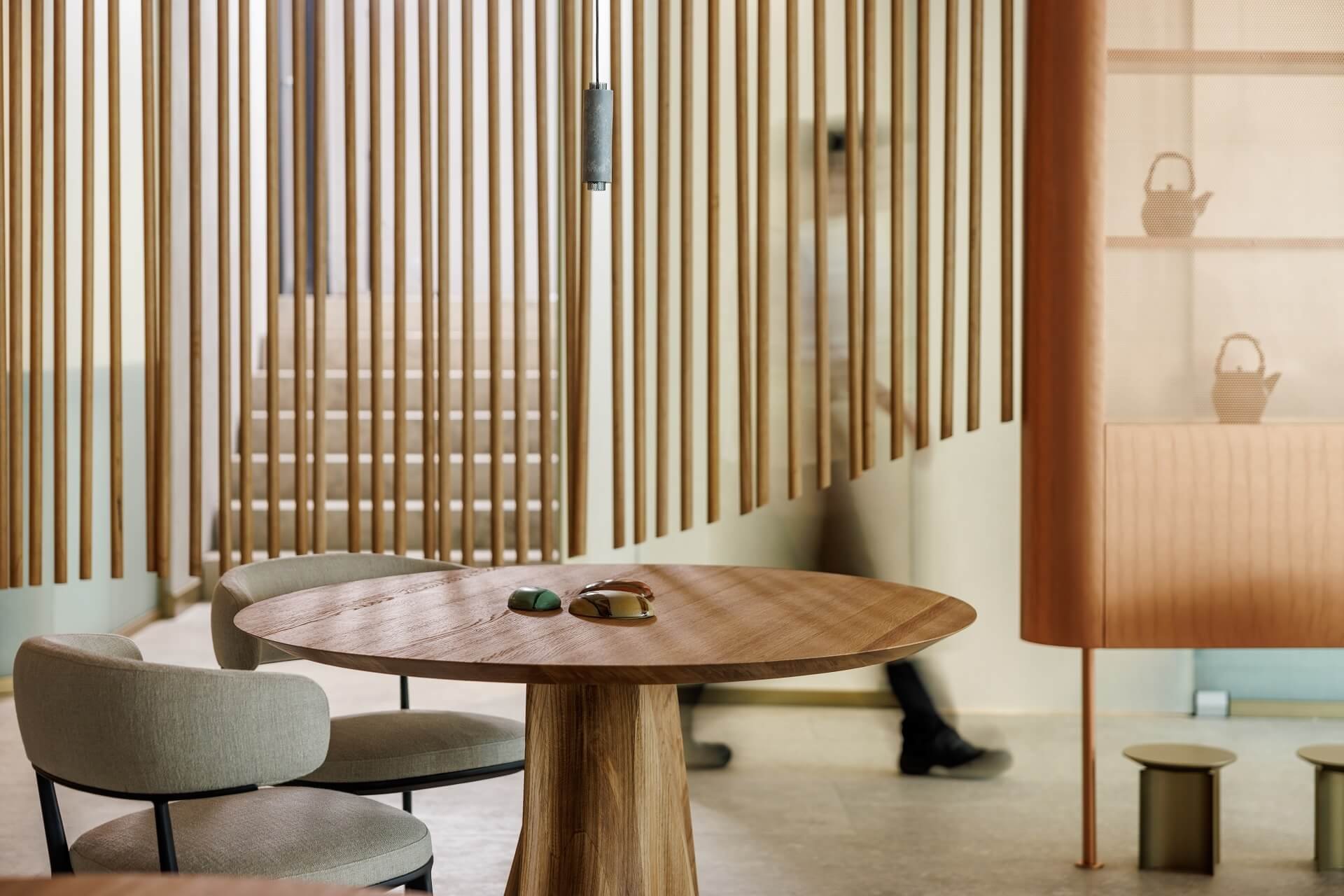
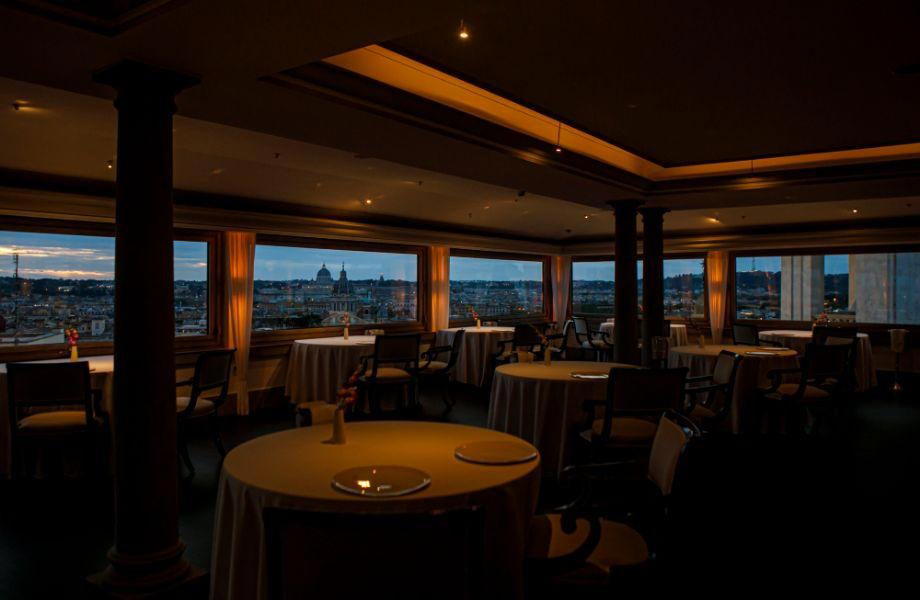
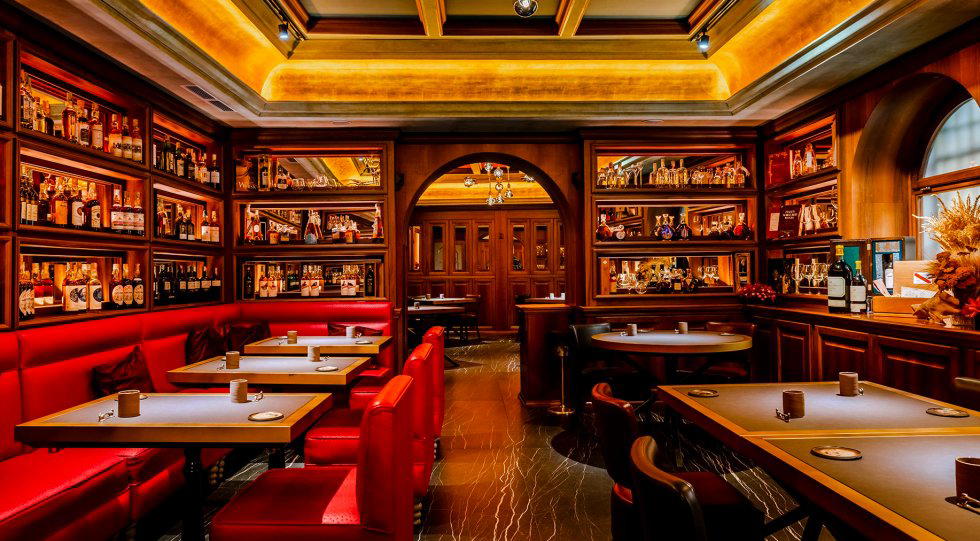
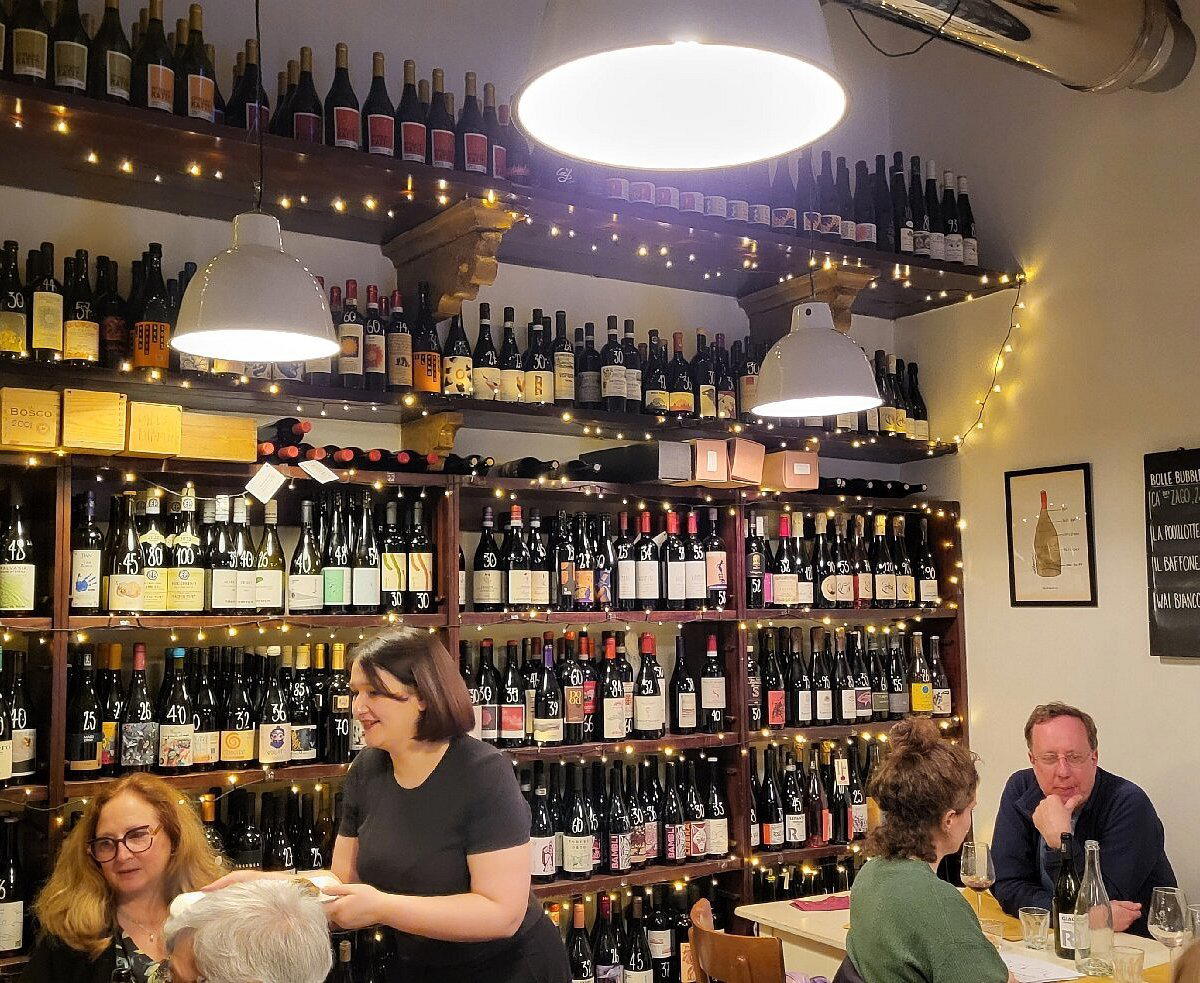
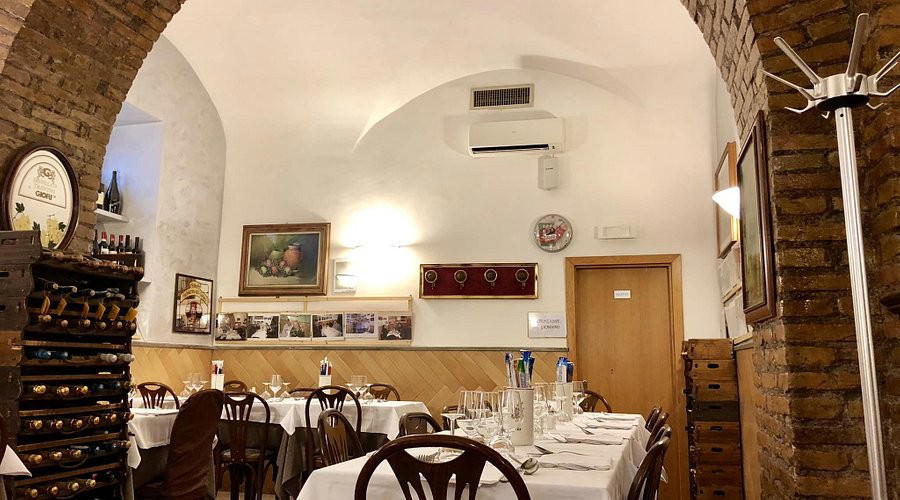
Casual, welcoming neighborhood trattoria with a warm, family-oriented atmosphere near Termini Station; busy and lively during peak hours.