Trattoria Campania serves Authentic Neapolitan Italian Trattoria dishes in an open-kitchen, standalone setting, with craft cocktails and an extensive wine list for lunch or dinner.
Pearl is the En Primeur Club membership app — saves, bookings, and concierge access live there. Same editors, same standards.
- Address
- Kneza Sime Markovića 10, Beograd 11000, Serbia
- Phone
- +381113115531
- Website
- trattoriacampania.com
- Directions
- Get directions
 Saves & bookings on Pearl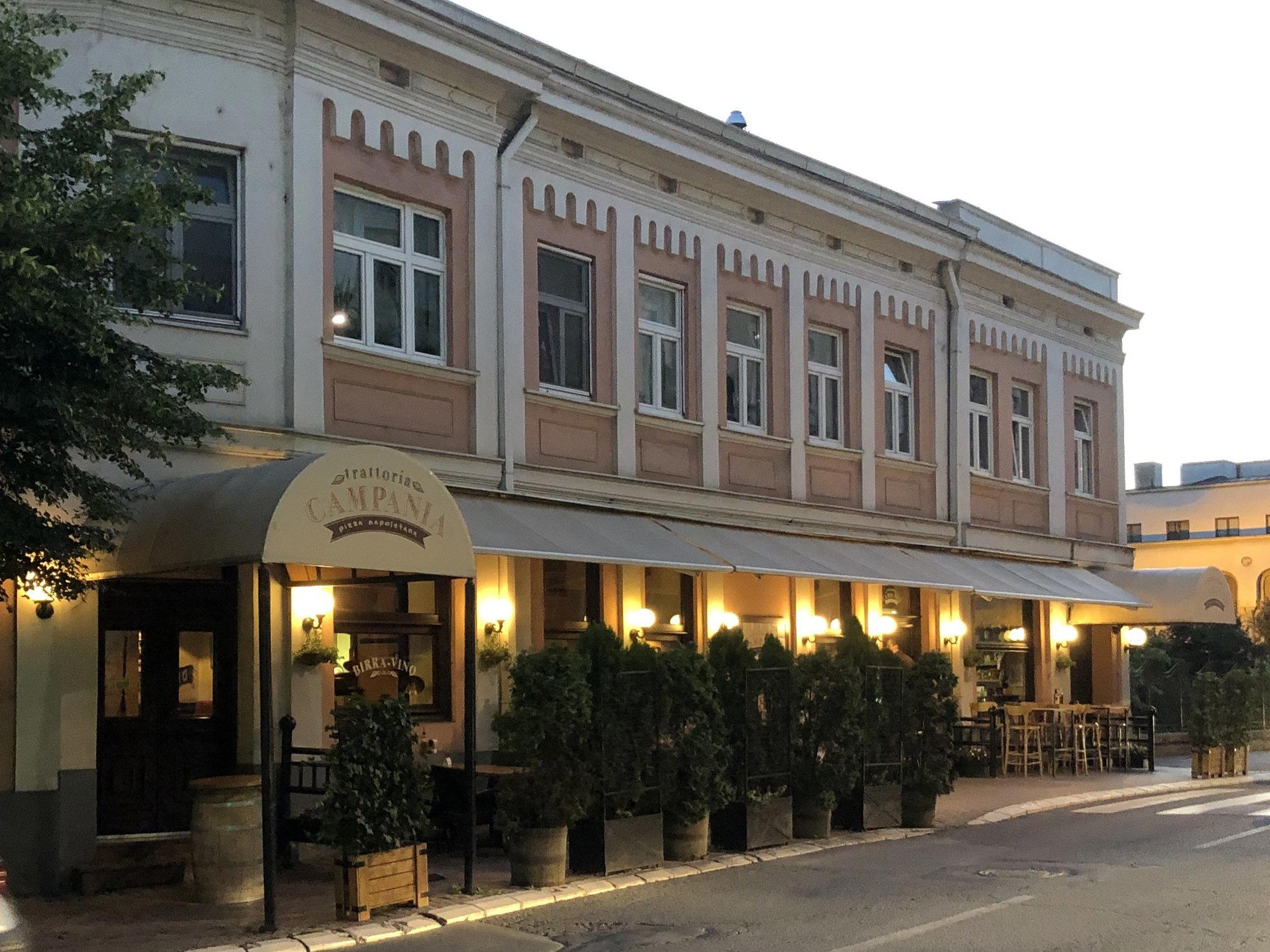
Where Italian Regionalism Finds a Belgrade Address
Kneza Sime Markovića is one of central Belgrade's quieter civic streets, running close enough to the old Terazije plateau to benefit from foot traffic while sitting a step removed from the loudest tourist corridors. That address matters. The restaurants that have taken root here tend to operate with a degree of conviction that the more performative strips do not always reward. Trattoria Campania fits that pattern: an Italian house with a regional identity, in a city that has grown increasingly comfortable with the idea that a trattoria does not need to apologise for being specific.
The name signals a deliberate geographic commitment. Campania, the region anchored by Naples, the Amalfi Coast, and the agricultural plains of the Caserta, has among the more codified culinary identities in Italy. Its cooking is built on San Marzano tomatoes, buffalo mozzarella, anchovies from the Cilento coast, durum wheat pasta in long formats, and a tradition of treating those ingredients with minimum intervention. Transplanting that sensibility to Belgrade is not a neutral act. It is a positioning decision that places the restaurant in a specific and relatively uncrowded tier of the city's dining scene, where Italian kitchens with genuine regional ambition are less common than those offering a broader pan-Italian menu calibrated for local tastes.
The Question of Sourcing in a Land-Locked Capital
For any kitchen claiming Campanian roots in a city that sits 1,300 kilometres from the Tyrrhenian coast, sourcing is the argument that either holds or collapses. Belgrade's restaurant scene has matured considerably over the past decade, and the supply chains that once made Italian regional cooking difficult to execute with integrity here have opened up. Specialty importers now move DOP-certified products through Central and Eastern Europe, and a credible Italian kitchen in this city can, in principle, build a pantry that passes scrutiny.
The sustainability dimension of that supply chain is worth examining. Short sourcing routes are an environmental argument as much as a quality one. Kitchens that lean heavily on air-freighted proteins and long-haul dairy carry a carbon cost that regional-Italian cooking does not necessarily require. The Campanian tradition, at its most honest, is a cuisine of preserved and cured goods, shelf-stable staples, and vegetables that travel well: tomatoes processed in August, dried pasta, olive oil, aged cheeses. That pantry structure, when sourced via established European supply corridors rather than bespoke air freight, is more sustainable than the logistics behind many higher-profile kitchens.
Belgrade itself has been developing a parallel track of producers in the surrounding Vojvodina plains and Šumadija region who supply restaurants with seasonal vegetables, heritage-breed pork, and dairy. Italian cooking that is willing to adapt secondary ingredients to local seasonal supply, while holding firm on core Campanian staples from certified Italian sources, represents a practical model for responsible kitchen operation. It is the approach several of the city's more serious kitchens have moved toward, and it rewards the restaurants willing to make that commitment visible.
Belgrade's Italian Tier and Where This Fits
To understand Trattoria Campania's position, it helps to map the broader Italian dining tier in Belgrade. The city has a functioning middle band of Italian restaurants, most of which offer broad menus spanning northern and southern Italian dishes without strong regional identity. Above that sits a smaller group of kitchens with more deliberate positioning. The comparison set is not the city's Modern Cuisine houses, such as Langouste or The Square, which operate in a different price tier and with different culinary ambitions. Nor is it the Balkan-heritage restaurants like Ambar or Avala. Trattoria Campania's comparable set is the smaller cohort of European-cuisine restaurants that have chosen a defined regional identity over a broad appeal strategy, and that bet on an informed local dining public willing to follow.
That public exists in Belgrade in larger numbers than it did ten years ago. The city's food culture has internationalised steadily, driven partly by a wave of returning diaspora and partly by increased inbound travel. Restaurants like Barrel House have demonstrated that niche-format dining can sustain itself here. The audience for specific, well-executed regional cooking is not theoretical.
The Campanian Table: What the Tradition Demands
A kitchen flying the Campanian flag is accountable to a demanding set of reference points. Pizza Napoletana, with its regulated dough hydration, hand-stretched base, and high-temperature wood-fired cook, is the format most people associate with the region, and it is an unforgiving benchmark. But the trattoria tradition runs deeper than pizza: braised cuts in tomato and olive oil, pasta al ragù in the Sunday-sauce tradition, fried street foods like cuoppo, and a pastoral dessert canon built around ricotta and citrus. A kitchen that calls itself a Campanian trattoria is implicitly making claims across several of those categories simultaneously.
The trattoria format itself is a specific promise. Not a ristorante with tablecloths and a sommelier program, not a modern Italian with a tasting menu. A trattoria is, by definition, a setting built around repetition and familiarity: dishes that a regular orders from memory, a room that gets louder at 8pm, a bill that does not require calculation. That format has been exported with varying degrees of fidelity across European cities, and Belgrade's version of it reflects the city's own rhythms, which run later and louder than most northern European capitals.
Serbia Beyond the Capital: Contextualising Regional Dining
Trattoria Campania is one entry point into Belgrade's dining life, but the broader Serbian restaurant scene rewards exploration beyond the ring road. Traditional Serbian cooking, with its emphasis on grilled meats, fermented dairy, and river fish, finds some of its most committed practitioners outside the capital. Kod Brana in Cacak, Lovački dom in Valjevo, and Etno Kuća Dinar in Vrsac each represent a different regional strand of the national cooking tradition. Further afield, Windmill in Pancevo and ČARDA ZLATNA KRUNA in Apatin operate in the Danube-adjacent river-dining format that is specific to the Vojvodina lowlands. For visitors building a longer itinerary through Serbia, Kafe Restoran Maša in Novi Sad, KAFANA DUKAT in Pirot, Aleksandar Gold in Uzice, Grand in Kopaonik, and Kod poštara in Aran Elovac fill out a national map where regional identity remains the dominant organising principle.
For those calibrating Belgrade against the international tier, the reference point for technically rigorous Italian-adjacent cooking at global level remains places like Le Bernardin in New York City, where sourcing ethics and ingredient precision are treated as non-negotiable. At a different register, Atomix in New York City demonstrates how a kitchen can build a coherent identity around a single culinary tradition without losing accessibility. Those are useful benchmarks for thinking about what disciplined regional cooking looks like when executed with full commitment.
Know Before You Go
| Address | Kneza Sime Markovića 10, Belgrade 11000, Serbia |
|---|---|
| Cuisine | Italian, Campanian regional |
| Price range | |
| Reservations | Recommended |
| Hours | Not confirmed; verify before visiting |
| Phone / Website |
- Pizza Napoletana
- Spaghetti alla Carbonara
- Lasagna al Forno
- Tiramisu
- Bruschetta al Pomodoro
- Tagliatelle Prosciutto Crudo
Comparable Spots, Quickly
Comparable venues nearby, for context on price, style, and recognition.
| Venue | Cuisine | Price | Notes |
|---|---|---|---|
| Trattoria CampaniaThis venue — the venue you are viewing | Authentic Neapolitan Italian Trattoria | $$ | Not listed |
| RESTORAN DIMITRIJE | Italian Steak & Pizza | $$$ | Vračar |
| Smokvica | European Fusion with International Influences | $$ | Stari Grad |
| Dokolica Bistro Vračar | Mediterranean Bistro with Fusion Influences | $$ | Vračar |
| Bistro Tri | Modern Serbian Bistro | $$ | Vračar |
| Etno Restoran Zlatar | Traditional Serbian Regional Cuisine | $$ | Palilula |
At a Glance
- Cozy
- Classic
- Rustic
- Romantic
- Date Night
- Group Dining
- Casual Hangout
- Family
- Special Occasion
- Open Kitchen
- Standalone
- Historic Building
- Extensive Wine List
- Craft Cocktails
- Local Sourcing
Current opening hours
- Monday
- 12–11 PM
- Tuesday
- 12–11 PM
- Wednesday
- 12–11 PM
- Thursday
- 12–11 PM
- Friday
- 12–11 PM
- Saturday
- 12–11 PM
- Sunday
- 12–11 PM
Hours can change for holidays and private events. Last verified .
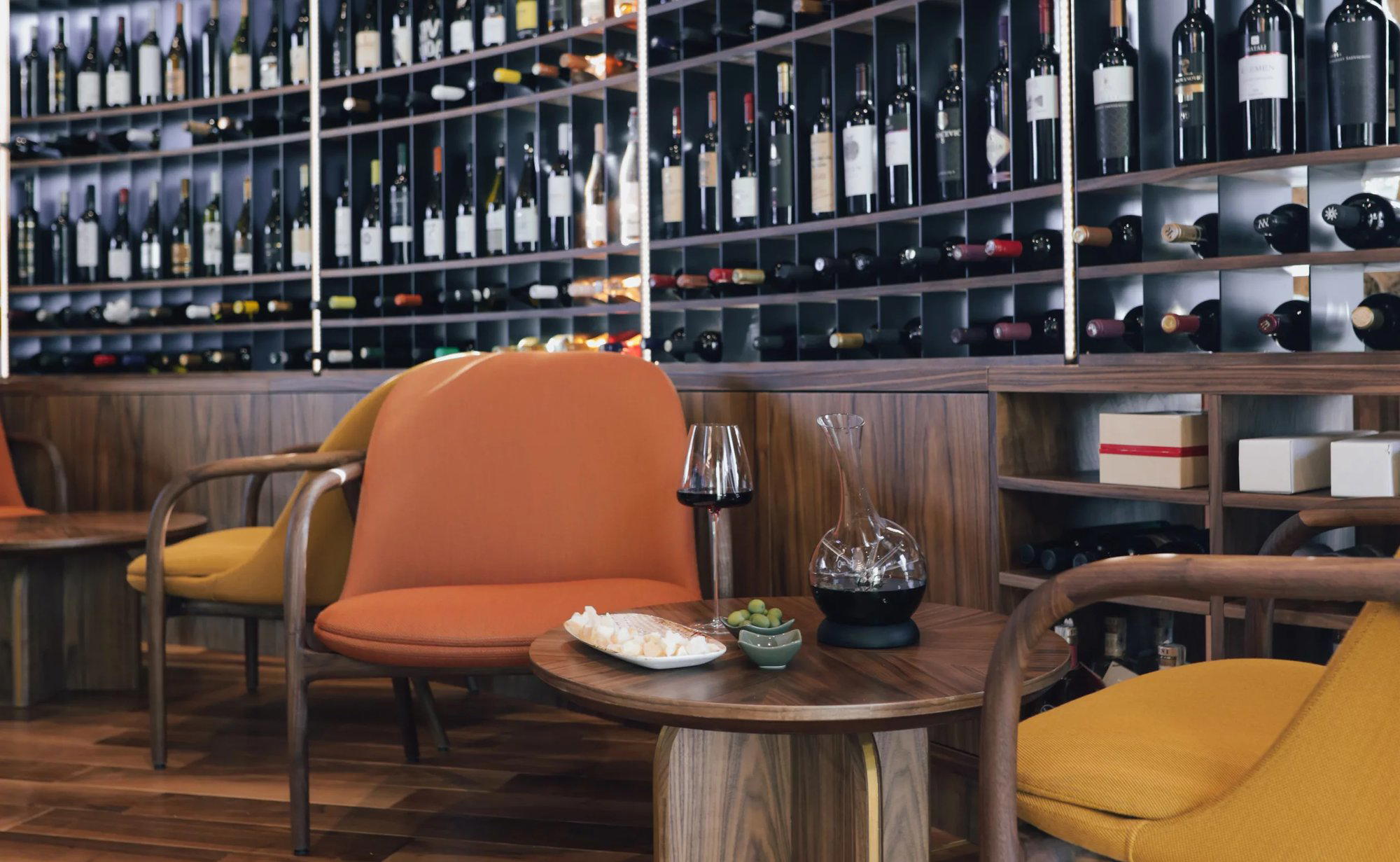
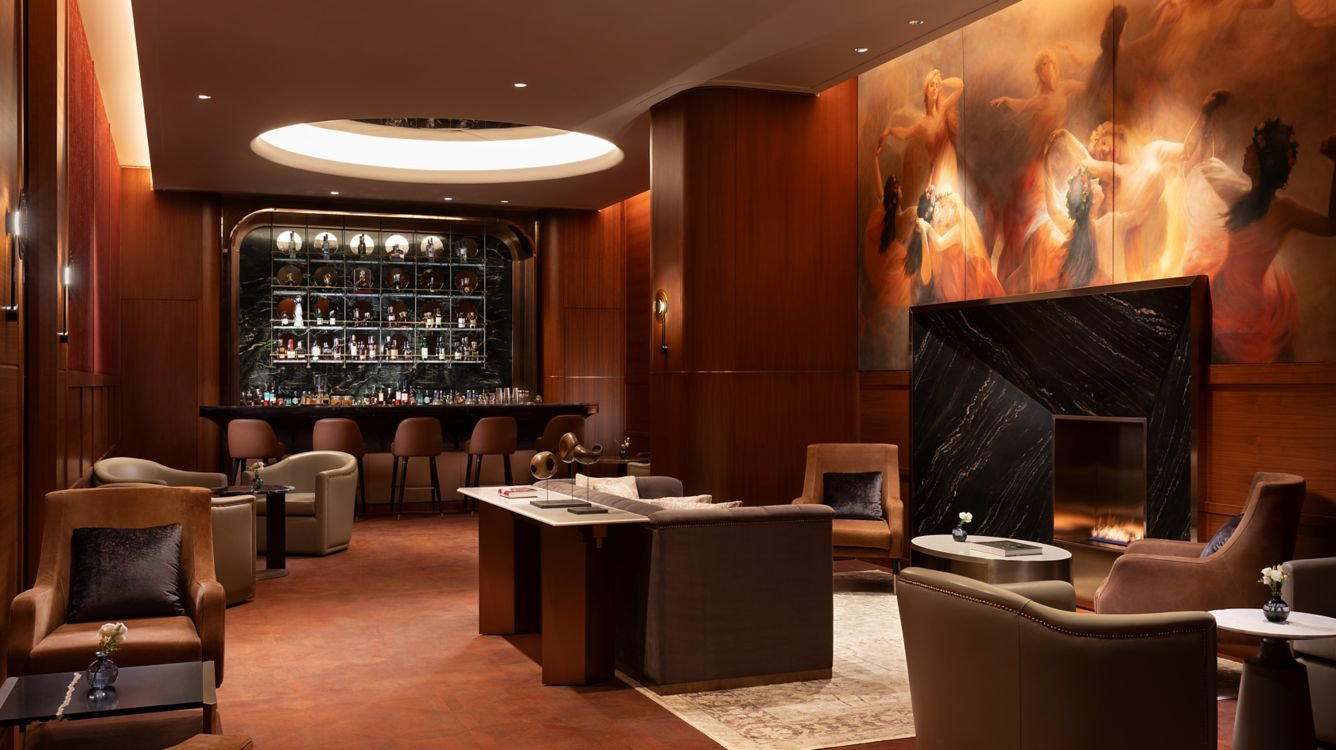
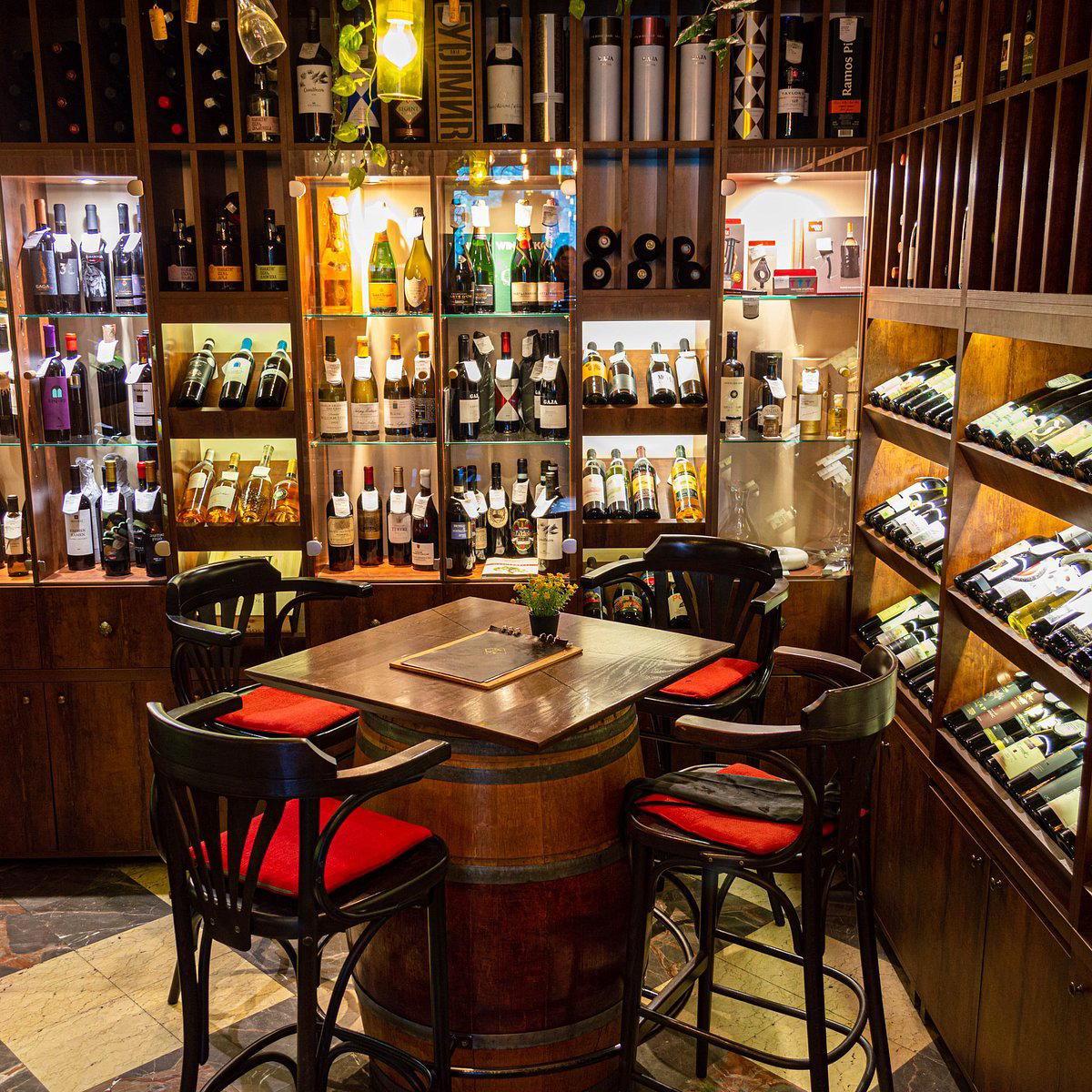
Warm, authentic interior decorated with natural materials and warm colors, featuring a prominent wood-fired oven; pleasant and welcoming atmosphere with friendly service.