Our verdict
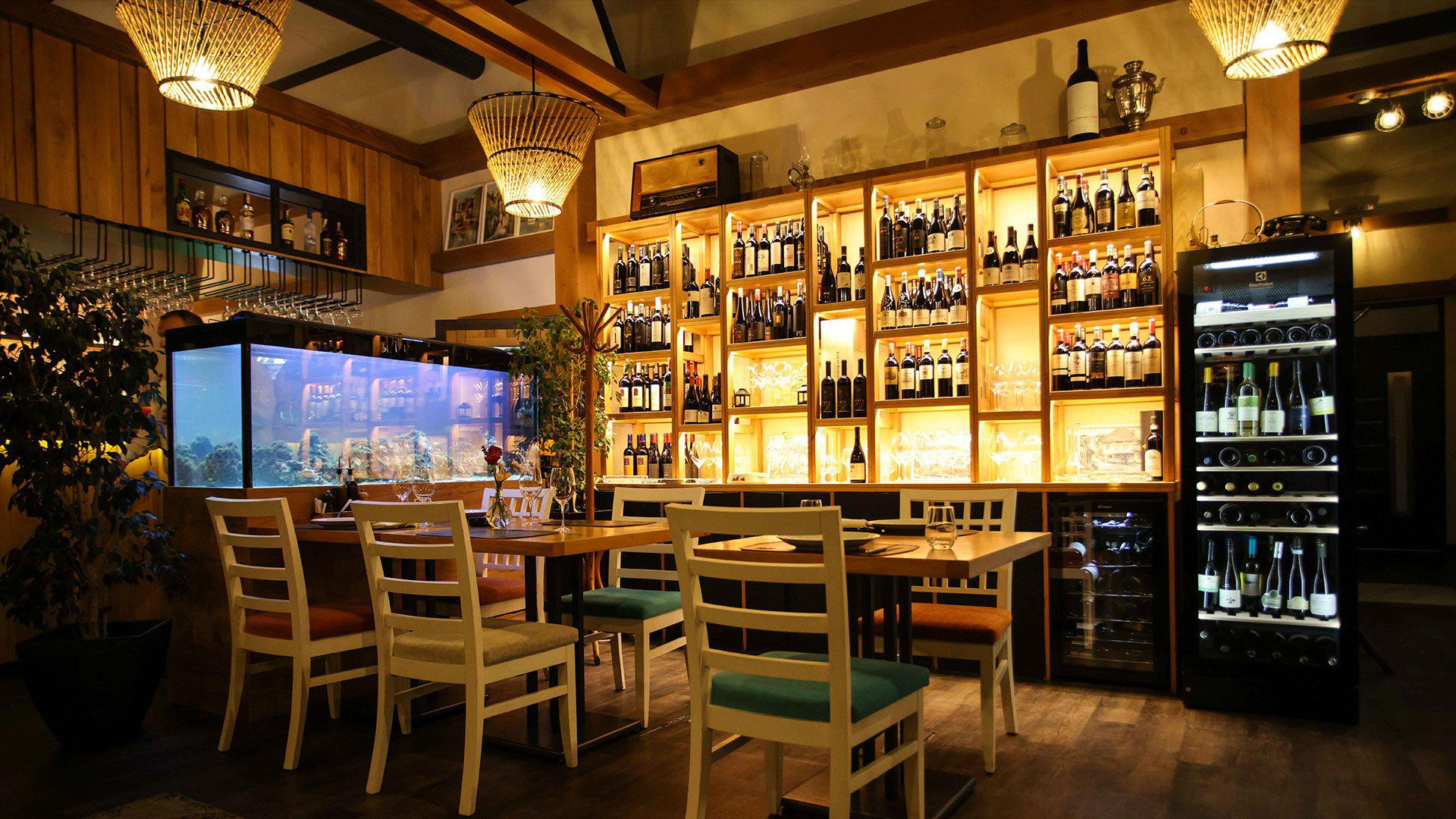
On a corner of Vračar that sees more locals than tourists, Dokolica Bistro operates as a neighbourhood-anchored dining room on Kralja Milutina. Belgrade's bistro tier has sharpened considerably in recent years, and Dokolica sits within that mid-market evolution: informal in format, specific in sourcing, and positioned well below the price ceiling set by the city's modern cuisine leaders.

Pearl is the En Primeur Club membership app — saves, bookings, and concierge access live there. Same editors, same standards.

The Vračar Setting and What It Signals
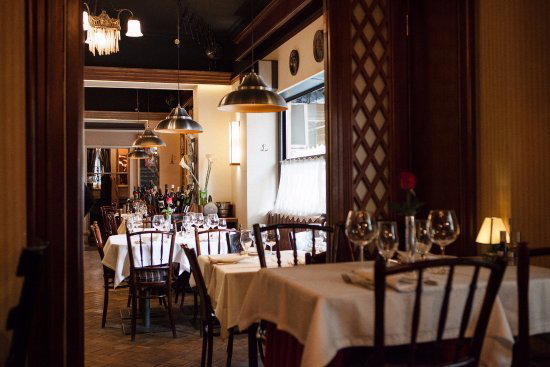
Vračar is Belgrade's most residential central district, a neighbourhood where the dining conversation is driven by regulars rather than reservation algorithms. The streets around Kralja Milutina carry a particular cadence: coffee in the morning, market runs before lunch, dinner tables that fill by 19:00 and stay occupied. Dokolica Bistro Vračar, at number 1 on that street, sits inside that rhythm rather than apart from it. The room reads as a neighbourhood anchor point, the kind of place that earns its position through consistency and proximity rather than press coverage.
Belgrade's bistro format has been sharpening across the last decade. The city's upper tier, represented by venues like Langouste and The Square, operates at a different price register and with a different audience. Below that, a cluster of neighbourhood-facing bistros and informal dining rooms handle the daily volume of a city that takes its food seriously but does not always want a production made of it. Dokolica occupies that middle space in Vračar specifically, where the competition is local rather than pan-city.
Sourcing as the Defining Framework
The ingredient sourcing question matters particularly in Belgrade because the Serbian supply chain is genuinely differentiated from Western European equivalents. The country retains a functioning network of small producers: market gardens in the Šumadija region, small livestock farms across Central Serbia, Danube-adjacent fish suppliers, and seasonal foragers who still supply urban kitchens directly. Bistros that plug into this network produce food that tastes structurally different from venues running international wholesale accounts, even when the menus read similarly on paper.
The bistro format, globally, has moved toward local sourcing as a differentiator since at least the early 2010s; in Belgrade, the shift arrived slightly later but has embedded more deeply because the underlying supply infrastructure was already there. Producers who spent years selling to Kalenic and Zeleni Venac market stallholders found a willing second market in neighbourhood bistros. The food that results reflects seasons more directly than restaurant-industry norms typically allow: summer menus weighted toward grilled vegetables, ajvar-adjacent preparations in autumn when Leskovac peppers peak, hearty legume and root-vegetable constructions in winter.
For visitors arriving outside the summer peak, autumn is particularly well-timed. September through November corresponds to Serbia's pepper and plum harvest season, when domestic produce reaches its most expressive point and kitchen menus in venues like this tend to be at their most specific. The contrast with summer's grilled-dominated offer is significant enough to warrant considering timing deliberately. Comparable regional sourcing discipline can be found further afield at Fleur de Sel in Novi Slankamen and at Borkovac in Ruma, both of which operate in this same tradition of proximity-driven Serbian cooking.
Where Dokolica Sits in Belgrade's Dining Structure
A useful coordinate: Ambar represents the Balkan mezze format scaled for a broader audience; Avala and Barrel House occupy adjacent casual registers. Dokolica differs from each of these in its neighbourhood specificity: it is not trying to represent Belgrade to visitors but to serve Vračar to residents. That distinction shapes the format, the pacing, and the expectation-setting at the door.
The price position of Belgrade's bistro tier remains one of the city's structural advantages for the visiting diner. The gap between what the sourcing quality implies and what the bill reflects is wider here than in comparable Central European cities. Warsaw, Budapest, and Prague have all seen their mid-market bistro pricing converge toward Western norms over the last five years; Belgrade has moved more slowly in that direction. A meal at a Vračar neighbourhood bistro in 2025 still represents significant value against any Western European equivalent, and Dokolica operates within that bracket. See our full Belgrade restaurants guide for a structured map of the city's current tiers.
For Serbian dining beyond Belgrade, the regional picture includes Ananda in Novi Sad, ETNO PODRUM BRKA in Nis, Etno Restoran Fijaker in Sombor, Cafe Boem in Pirot, Aleksandar Gold in Uzice, ČARDA ZLATNA KRUNA in Apatin, Etno Kuća Dinar in Vrsac, and Burrito Madre Big Pančevo in Pancevo, each representing a different point on Serbia's regional dining spectrum. For reference against global bistro formats operating at higher price and production levels, Le Bernardin in New York City and Lazy Bear in San Francisco illustrate what the sourcing-led, chef-driven format looks like at its most elaborated end.
Planning Your Visit
Dokolica Bistro Vračar is located at Kralja Milutina 1, Belgrade, in the Vračar district and is reachable on foot from most central accommodations. Vračar is well-served by tram along Bulevar oslobođenja and bus connections from the centre; the walk from Trg Republike takes approximately 20 minutes through Kneza Miloša. For current hours, booking options, and menu details, direct contact with the venue is advisable as operational specifics are subject to change. Given the neighbourhood format and resident-heavy audience, weekday evenings tend to be quieter than Friday and Saturday, when local tables fill early.
Frequently asked questions
Can I bring kids to Dokolica Bistro Vračar?
Dokolica Bistro sits on Kralja Milutina 1 in Vračar, Belgrade's most residential central district, where bistros tend to attract family groups alongside regulars. The neighbourhood context suggests a relaxed format rather than a formal tasting-menu environment.
What is the atmosphere like at Dokolica Bistro Vračar?
Vračar runs on a regulars-first dynamic — this is not a district that fills on tourist traffic, and Dokolica reflects that. Expect a room driven by repeat guests and local conversation rather than the higher-energy pace you'd find closer to Skadarlija or the riverfront. The address on Kralja Milutina places it within walking distance of most central Belgrade accommodations, which means the crowd skews residential rather than transient.
How does Dokolica Bistro Vračar compare to other bistros in central Belgrade?
Within Belgrade's dining structure, Dokolica occupies a quieter register than Ambar's scaled Balkan mezze format or the higher-volume casual options near the city centre. Its Vračar address on Kralja Milutina 1 anchors it in a residential pocket where the dining proposition is consistency for locals rather than spectacle for visitors. That positioning makes it a more useful point of reference for understanding everyday Belgrade eating than the restaurants that appear most frequently in international coverage.
What should I order at Dokolica Bistro Vračar?
Belgrade bistros in this district typically draw from Serbian seasonal supply chains, which differ meaningfully from Western European sourcing — locally farmed pork, domestic dairy, and market vegetables are common anchors. Ask staff what has come in that week rather than ordering from habit.
What's Dokolica Bistro Vračar's location?
Dokolica Bistro Vračar is located at Kralja Milutina 1, Beograd 11000, Serbia, Belgrade.
Should I book Dokolica Bistro Vračar in advance?
Vračar bistros built on a regulars base tend to fill at predictable hours — weekend evenings in particular. Arriving without a booking on a Friday or Saturday evening carries risk.
What has Dokolica Bistro Vračar built its reputation on?
In Vračar, reputation travels through regulars rather than press cycles, and Dokolica's position on Kralja Milutina 1 places it at the heart of that circuit. Belgrade's bistro tier at this address level competes on sourcing consistency and room character rather than tasting-menu ambition. No formal awards are documented, which in this district is less a gap than a genre signal — the audience here is not chasing stars.
Comparable Options
Comparable venues nearby, for context on price, style, and recognition.
| Venue | Cuisine | Price | Notes |
|---|---|---|---|
| Dokolica Bistro VračarThis venue — the venue you are viewing | Mediterranean Bistro with Fusion Influences | Not listed | Not listed |
| Restoran ABC | Balkan Slow Food | $20–30 | Zemun |
| Dva Jelena | Traditional Serbian Grill & Tavern | $20–30 | Skadarlija |
| Ruzmarin | Mediterranean-Italian Fusion | $10–20 | Business center |
| Cevaplija | Authentic Serbian Grill | $10–20 | Palilula |
| Restaurant Venice | Mediterranean Seafood | $30–50 | Zemun |