Our verdict
A Serbian ethnographic restaurant in Belgrade's Palilula district, Etno Restoran Zlatar operates within a tradition of folk-heritage dining that has gained renewed traction across Serbia's regional restaurant scene. The format prioritises traditional recipes, rustic presentation, and a setting designed to evoke village life — a counter to the city's growing roster of contemporary tasting-menu restaurants.

Pearl is the En Primeur Club membership app — saves, bookings, and concierge access live there. Same editors, same standards.
- Address
- 9/A Preradovićeva, 11120, Beograd (Palilula), Grad Beograd, Preradovićeva 9/A, Beograd 11000, Serbia
- Phone
- +381116754651
- Hours
- Mon 11 AM–7 PMTue–Thu 9 AM–11 PMFri–Sat 9 AM–12 AMSun 11 AM–7 PM
- Website
- restoranzlatar.com
- Directions
- Get directions
The menu
What to order
- Lamb under sač
- Baby goat in milk
- Pork medallions with kajmak
- Grilled calamari
- Fried paprika with cheese
Belgrade's Ethnographic Dining Tradition and Where Zlatar Fits
Serbia's restaurant scene has spent the past decade splitting along a familiar axis: modernising kitchens that reinterpret Balkan ingredients through contemporary European technique, and a parallel current of ethnographic restaurants that resist that impulse entirely. The latter category — known locally by the etno prefix — draws on village recipes, folk-craft interiors, and slow-cooked preparations that predate any gastronomy trend. Etno Restoran Zlatar, addressed on Preradovićeva in Palilula, belongs to that second tradition.
Palilula is one of Belgrade's less curated districts for visiting diners. It lacks the polished café rows of Vračar or the waterfront density of Savamala, which means restaurants there tend to draw a predominantly local crowd rather than the international visitors cycling through the city centre. For the ethnographic format, that geography is an asset: it keeps the room anchored to the audience the cuisine was designed for, and removes the pressure to soften or explain the menu for tourists unfamiliar with Serbian kitchen traditions.
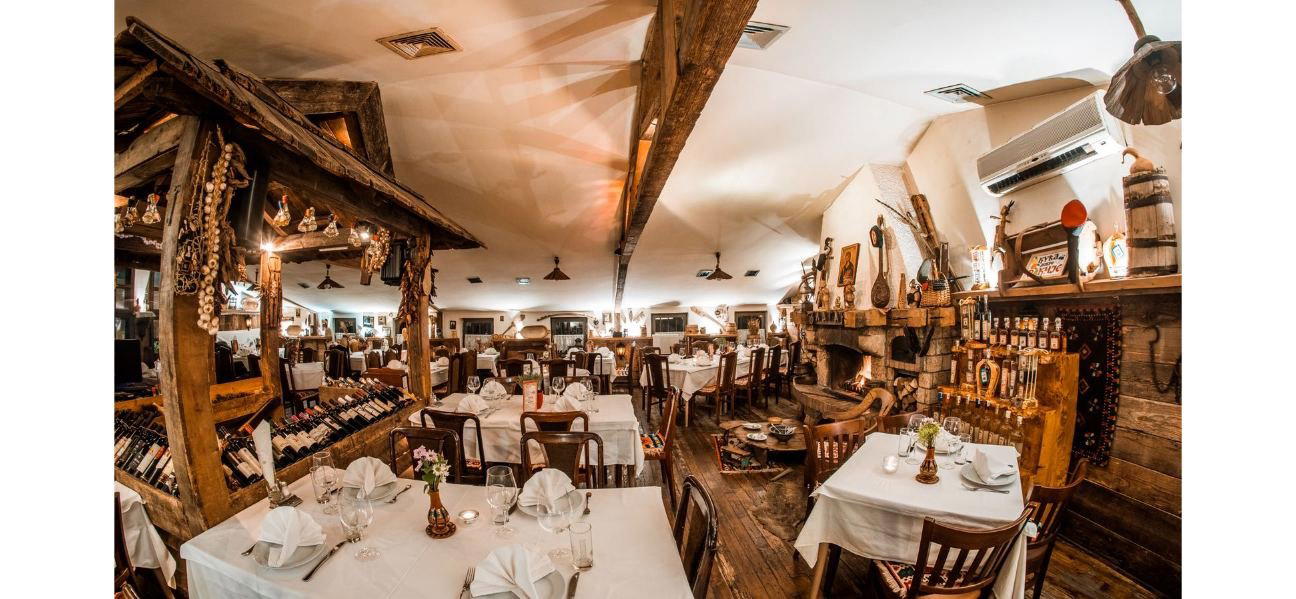
Across Serbia, the etno restaurant format has developed a recognisable grammar. Interiors reference rural domestic architecture: rough-hewn timber, textile wall hangings, ceramic vessels, and lighting that stays warm and low. The menu vocabulary leans on roasted meats, bean-based stews, cornmeal preparations, and cured products that reflect the Balkan pastoral economy rather than any urban fine-dining sensibility. These are not fusion gestures or heritage references deployed for atmosphere, they are the actual culinary content. Etno Kuća Dinar in Vrsac, ETNO PODRUM BRKA in Nis, and Etno Restoran Fijaker in Sombor all operate within the same register, each anchored to their city's regional pantry. Zlatar positions itself inside that network rather than against it.
Approaching the Room: What to Expect
The experience of arriving at an ethnographic restaurant in Serbia is deliberately calibrated to feel removed from the urban context outside. Where Belgrade's contemporary restaurants, places like Langouste or The Square, signal their ambition through minimalist design and careful lighting design, the etno format signals credibility through density of folk objects, the smell of wood smoke or slow-braised meat, and a soundtrack that tends toward traditional Serbian music rather than ambient electronic. These are environment-first restaurants, where the setting performs as much work as the plate.
Zlatar's name references the Zlatar mountain region of southwestern Serbia, a highland area associated with dairy farming, highland lamb, and forested terrain. That geographic anchor is typical of the format: many Serbian ethnographic restaurants borrow regional identities to signal the provenance logic of their menus, even when operating in the capital. It is a way of claiming specificity within a category that could otherwise feel generic.
The Booking Reality in Belgrade's Ethnographic Tier
The booking dynamic for ethnographic restaurants in Belgrade differs structurally from the pressure found at the city's contemporary fine-dining counters. Venues like Ambar and the upper tier of the modern Serbian scene attract advance international bookings and require planning weeks or months ahead, particularly for weekend evenings. The ethnographic tier operates differently: these restaurants draw heavily from neighbourhood regulars and domestic visitors rather than international travellers with pre-trip booking habits.
For Etno Restoran Zlatar specifically, confirmed booking details are not publicly listed through major international reservation platforms at the time of writing. Walking in on a weekday lunch carries considerably lower risk than attempting a Friday or Saturday evening without any advance arrangement. Serbian ethnographic restaurants frequently fill on weekend evenings when extended family groups and celebratory bookings dominate the floor, leaving limited space for pairs or small parties arriving without prior contact.
Visitors arriving from outside Serbia should treat the absence of an English-language web presence as a logistical data point rather than a red flag. The etno format is primarily designed for a domestic audience, and the lack of international booking infrastructure reflects that orientation rather than any quality signal. Comparable restaurants in the broader Serbian ethnographic circuit, including ČARDA ZLATNA KRUNA in Apatin and Borkovac in Ruma, operate under similarly informal booking arrangements.
Situating Zlatar in the Broader Belgrade Restaurant Map
Belgrade's restaurant ecosystem has widened considerably in recent years, with the contemporary end of the market growing most visibly. The modernising kitchens, drawing on new Balkan cuisine concepts, French technique applied to Serbian ingredients, and tasting-menu formats, have attracted the bulk of international attention. Avala and Barrel House represent different points on the spectrum of that contemporary push.
Zlatar operates at a remove from that conversation. Its competitive set is not the city's modernising kitchens but the broader network of Serbian ethnographic and regional restaurants, including out-of-city operations like Fleur de Sel in Novi Slankamen and Aleksandar Gold in Uzice, and regional city restaurants such as Ananda in Novi Sad and Cafe Boem in Pirot. The question for a visiting diner is not whether Zlatar competes with Belgrade's tasting-menu restaurants, it does not, but whether the ethnographic format is what they are looking for, and whether Zlatar executes within that format with sufficient credibility to warrant the visit over alternatives. Without publicly documented awards, media citations, or a maintained digital presence, that assessment currently rests on local reputation and the consistency of the format itself.
For visitors who have already worked through the contemporary tier and want a direct encounter with pre-modern Serbian kitchen tradition, the ethnographic category is the logical next step. The etno format at its finest is not a nostalgia exercise but a working record of how Serbian households ate before restaurant culture arrived, and in Palilula, away from the more performative parts of the city, that proposition feels less curated and more genuine than it does in some central-city equivalents. A broader map of where this restaurant sits in the city's dining options is available in our full Belgrade restaurants guide.
Planning Your Visit
Preradovićeva 9/A in Palilula is accessible from central Belgrade by a short taxi or rideshare ride. The area is not served by the tourist infrastructure of Knez Mihailova or the Savamala strip, so visitors arriving without a local contact should account for the possibility that staff interaction will be primarily in Serbian. Arriving at lunch on a weekday is the lowest-friction entry point: the room is likely to be quieter, the pace more relaxed, and the prospect of getting a table without advance arrangement considerably higher than on weekend evenings, when the format's popularity with domestic groups tends to saturate capacity. No price range, hours, or booking contact details are currently confirmed through international sources, so direct verification before visiting is advised.
Frequently asked questions
What is the atmosphere like at Etno Restoran Zlatar?
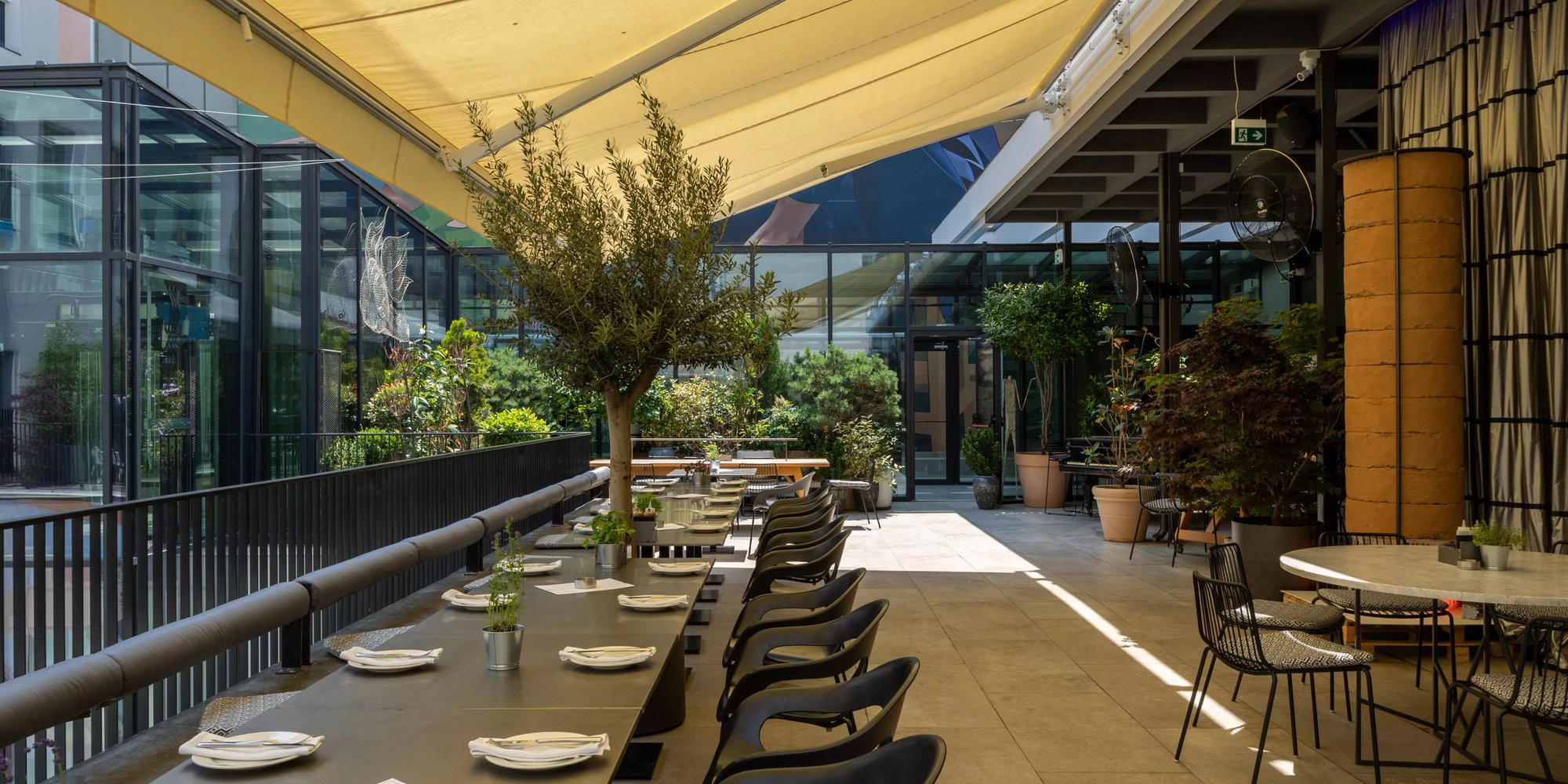
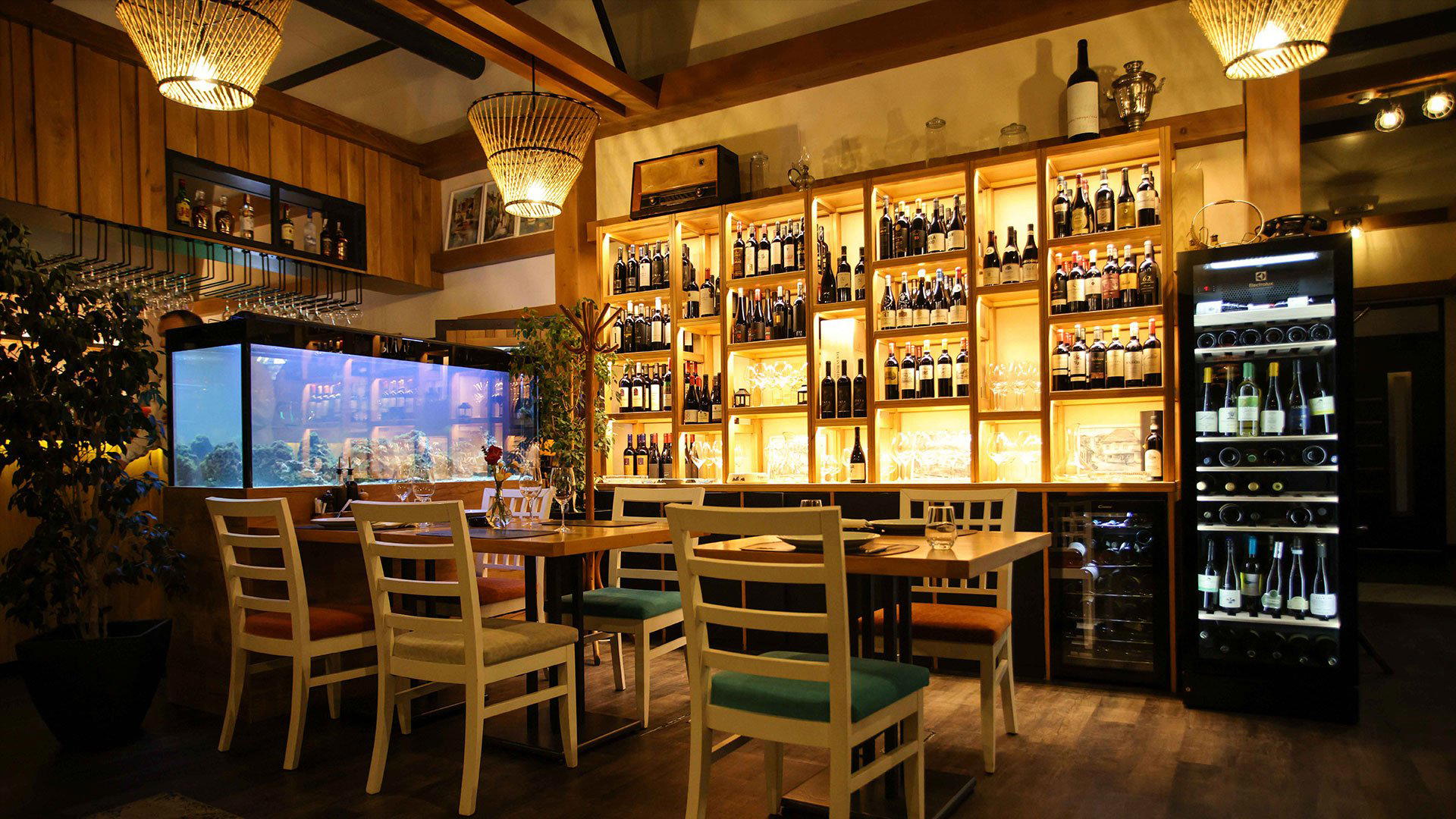
Ethnographic restaurants in Belgrade are deliberately designed to separate the diner from the urban environment outside, typically through folk-oriented interiors, traditional craft objects, and architecture that references rural Serbian heritage. Zlatar sits within this tradition on Preradovićeva 9/A in Palilula, a district removed from the central tourist circuit. The effect is an interior register that feels closer to a regional farmstead than a city restaurant.
What's the address for Etno Restoran Zlatar?
Etno Restoran Zlatar is located at 9/A Preradovićeva, 11120, Beograd (Palilula), Grad Beograd, Preradovićeva 9/A, Beograd 11000, Serbia, Belgrade.
How does Etno Restoran Zlatar compare to other ethnographic restaurants in Belgrade?
Belgrade supports a small but consistent tier of ethnographic restaurants that position themselves against the city's growing contemporary dining scene, and Zlatar on Preradovićeva 9/A in Palilula occupies that space in a district that sits outside the main tourist and fine-dining corridors. That makes it a practical reference point for understanding how the ethnographic category operates in the city rather than a venue defined by formal accolades.
What's the signature dish at Etno Restoran Zlatar?
Ethnographic restaurants in Belgrade's tier typically anchor their menus around slow-cooked meats, spit-roasted lamb or pork, and clay-pot preparations drawn from Serbian village cooking traditions. Those dishes tend to define the category rather than any single venue within it.
What's the best way to book Etno Restoran Zlatar?
Arriving directly at Preradovićeva 9/A in Palilula is a practical option, particularly outside peak weekend evenings.
What's the defining dish or idea at Etno Restoran Zlatar?
The defining idea at ethnographic restaurants like Zlatar is the meal as a vehicle for Serbian folk culinary heritage rather than contemporary reinterpretation. The kitchen operates within a tradition that prizes technique inherited from village and pastoral cooking, not innovation for its own sake. That positioning places Zlatar in a distinct category from Belgrade's modernising restaurant scene.
Do they accommodate allergies at Etno Restoran Zlatar?
Traditional Serbian cooking in this category relies heavily on meat, dairy, and wheat-based preparations, so guests with specific dietary requirements should check the venue's official channels before visiting Preradovićeva 9/A in Palilula.
Same-City Peers
Comparable venues nearby, for context on price, style, and recognition.
| Venue | Cuisine | Price | Notes |
|---|---|---|---|
| Etno Restoran ZlatarThis venue — the venue you are viewing | Traditional Serbian Regional Cuisine | $20–30 | Not listed |
| Restoran Tri | Creative Balkan-Italian Fusion | $20–30 | Stari Grad |
| MALA ZVEZDARA | Traditional Serbian Home Cooking and Grill | Not listed | Zvezdara |
| Vila Gospava | Serbian Traditional | $20–30 | Savski Venac |
| Mala Kolubara na reci | Traditional Serbian Riverside | $20–30 | New Belgrade |
| Znak pitanja (?) | Traditional Serbian Kafana | $20–30 | Stari Grad |