CasaManco occupies a Testaccio-adjacent address on Via Aldo Manuzio in Rome, operating within the city's growing conversation around ethical sourcing and ingredient-led cooking. The venue sits at an address that rewards the curious rather than the casual, in a neighbourhood where market culture and culinary identity are closely linked. Practical details including pricing and booking format are best confirmed directly before visiting.
Pearl is the En Primeur Club membership app — saves, bookings, and concierge access live there. Same editors, same standards.
- Address
- Via Aldo Manuzio, 66C, 00153 Roma RM, Italy
- Phone
- +39689132652
- Website
- casamanco.it
- Directions
- Get directions
 Saves & bookings on Pearl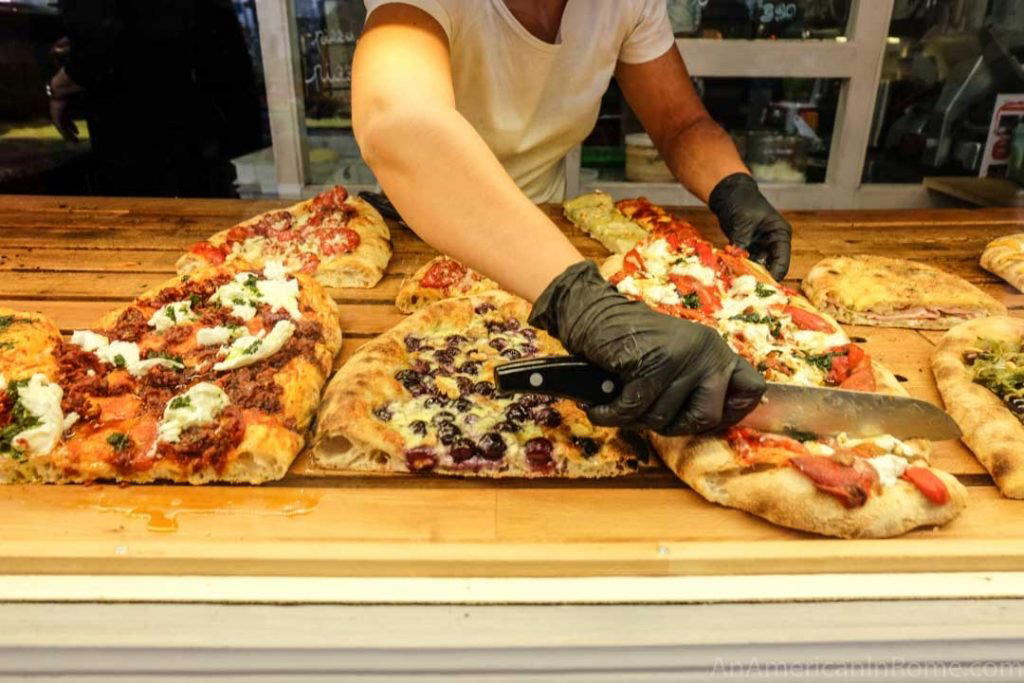
Testaccio and the Ethics of the Roman Table
Rome's relationship with provenance has always been complicated by its own traditions. The city's classical repertoire — offal, aged cheeses, slow-braised cuts — was built on using everything, wasting nothing, an approach that modern sustainability movements have since rebranded as radical while Romans practised it as simple economy. The question facing a new generation of Rome addresses is whether that inherited frugality can be reframed as a deliberate ethical position, or whether it remains what it always was: necessity dressed up as philosophy. In Testaccio and its immediate surrounds, that tension is more legible than almost anywhere else in the city, given the neighbourhood's proximity to the former slaughterhouse and its centuries-long identity as a working-class food district.
CasaManco operates at Via Aldo Manuzio, 66C, in the RM 00153 postcode, which places it in this historically dense southern triangle between the Aventine and the Tiber. The address is not a destination strip; it sits away from the tourist circuits that fill the centro storico, and that distance is itself a signal. Venues that rely on passing footfall tend to cluster further north. Venues that expect guests to arrive with intention tend to occupy addresses like this one.
Where Ethical Sourcing Meets Roman Practicality
The sustainability conversation in Italian fine dining has accelerated over the past decade, driven in part by the example of kitchens like Atelier Moessmer Norbert Niederkofler in Brunico, where an explicitly ingredient-first, alpine-provenance model has attracted sustained critical attention. That approach, working within a defined geography, refusing ingredients that cannot be traced, building menus around what is available rather than what is fashionable, has filtered southward into Roman kitchens at different speeds and with varying degrees of conviction.
Rome's market infrastructure makes ethical sourcing structurally easier here than in many other Italian cities. The Testaccio market, a short walk from the Via Aldo Manuzio address, remains one of the city's most reliable producer-facing retail points, with vendors who have maintained direct relationships with regional farms for multiple generations. A kitchen operating in this neighbourhood has access to supply lines that require no intermediary, which is a different proposition from a restaurant in the centro storico sourcing from the same producers through a distribution layer. The proximity matters practically, not just symbolically.
Across Italy's most discussed kitchens, the ethical sourcing argument takes several forms. Uliassi in Senigallia works the Adriatic coast with a depth of marine knowledge that makes sustainability legible through the menu itself. Reale in Castel di Sangro has embedded its Apennine location into every sourcing decision. Dal Pescatore in Runate has held a three-generational family relationship with its Po Valley surroundings for long enough that the sourcing is inseparable from the institutional identity. The common thread is specificity: not a general commitment to sustainability as a marketing frame, but a defined geography and a named set of producers.
The Broader Roman Context
Rome's fine dining tier has reorganised itself considerably over the past fifteen years. The city's most discussed tables now split between two broad tendencies: kitchens that treat Roman tradition as a foundation for technical elaboration, and kitchens that treat it as a constraint worth inhabiting more literally. La Pergola sits at the apex of the first tendency, with three Michelin stars and a Heinz Beck kitchen that has made Rome's highest formal dining tier visible internationally. Il Pagliaccio and Enoteca La Torre occupy the creative end of the starred tier, each working with Roman and Italian ingredients through a contemporary technical lens. Acquolina and Achilli al Parlamento represent further reference points within the city's serious dining conversation.
Venues that operate with a more explicit sustainability or provenance frame occupy a different position in this hierarchy, often prioritising sourcing visibility over technical display. That is not a lesser ambition; it is a different set of priorities, and the cities where it has been most legibly achieved, Modena, as seen at Osteria Francescana, or Florence, through the long history of Enoteca Pinchiorri, suggest that Italian fine dining can accommodate both without one displacing the other. Rome is still working out where it sits within that debate.
Planning a Visit
Via Aldo Manuzio is reachable on foot from the Piramide metro station (Line B), which makes the logistics manageable from most central Roman addresses. The neighbourhood itself rewards time spent before or after a meal: the Testaccio market operates through the morning, and the surrounding streets retain an operational, non-touristic character that has become less common in the city's inner districts. The same applies to format, dress expectations, and dietary accommodation, all of which are leading verified at the point of reservation rather than assumed from neighbourhood context or peer comparisons. For a fuller orientation to where CasaManco sits within Rome's dining options, the EP Club Rome restaurants guide covers the city's broader range of addresses across price points and styles.
For those building a wider Italian itinerary, the sourcing-led approach that informs kitchens in this part of Rome connects to a broader national conversation playing out at tables including Quattro Passi in Marina del Cantone, Piazza Duomo in Alba, and Le Calandre in Rubano, all of which have placed regional provenance at the centre of their editorial identity. Internationally, the format of convivial, sourcing-conscious dining has equivalents in programmes like Lazy Bear in San Francisco, where the sourcing logic is made visible to guests as part of the dining structure itself, and in the technical rigour of Le Bernardin in New York City, which has long treated ingredient sourcing as a kitchen discipline rather than a marketing position. The comparison set matters less for finding a direct equivalent and more for calibrating what the commitment to provenance actually costs in terms of menu flexibility, pricing, and format, all variables that any serious dining itinerary needs to account for before arrival.
Continue exploring
More in Rome
Restaurants in Rome
Browse all →
Bars in Rome
Browse all →
Hotels in Rome
Browse all →

At a Glance
- Rustic
- Well Known
- Casual Hangout
- Solo
- Open Kitchen
- Local Sourcing
- Organic
Current opening hours
- Monday
- 9:30 AM–2:30 PM
- Tuesday
- 9:30 AM–2:30 PM
- Wednesday
- 9:30 AM–2:30 PM
- Thursday
- 9:30 AM–2:30 PM
- Friday
- 9:30 AM–2:30 PM
- Saturday
- 9:30 AM–2:30 PM
- Sunday
- Closed
Hours can change for holidays and private events. Last verified .
Lively market atmosphere with casual counter service; customers can watch pizzas being made fresh and eat at communal market tables.
Know Before You Go
- Getting there
- Via Aldo Manuzio, 66C, 00153 Roma RM, Italy