A neighbourhood pizzeria on Via Florida in Rome's historic centre, Pizza Florida sits in a part of the city where Roman food traditions run deep and casual dining still holds its ground against the tide of tourist-facing restaurants. For visitors and locals navigating the area between Campo de' Fiori and the Tiber, it serves as a reference point for unpretentious Roman pizza in a dense, atmospheric pocket of the old city.
Pearl is the En Primeur Club membership app — saves, bookings, and concierge access live there. Same editors, same standards.
- Address
- 00186, Via Florida, 25, 00186 Roma RM, Italy
- Phone
- +39668803236
- Website
- pizzaflorida.shop
- Directions
- Get directions
 Saves & bookings on Pearl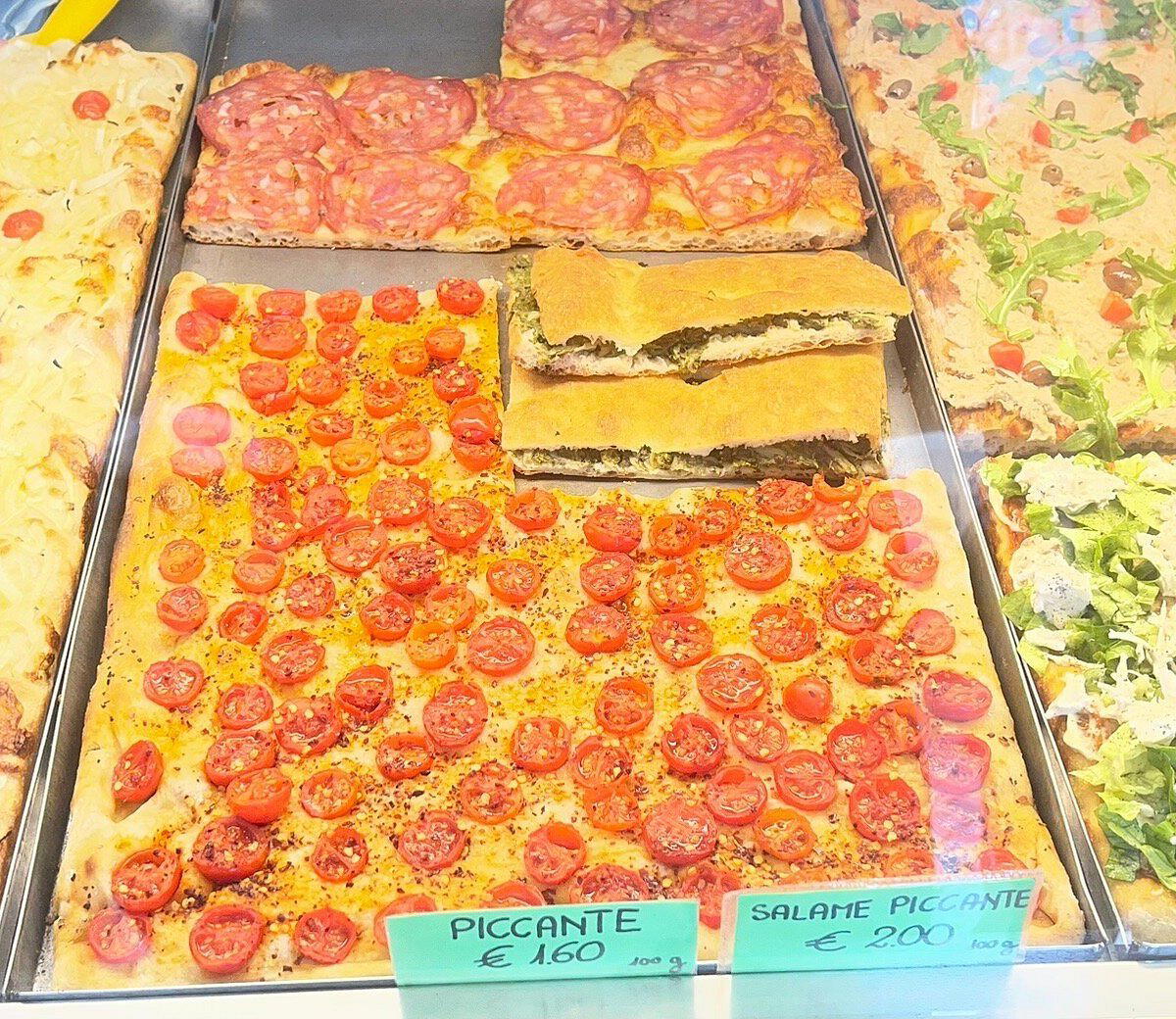
Roman Pizza in the Old City: Where Tradition and the Street Still Matter
Rome's historic centre occupies a peculiar position in Italian food culture. It contains some of the country's most decorated restaurants, La Pergola holds three Michelin stars and anchors the upper end of the city's fine dining tier, while places like Acquolina and Il Pagliaccio represent the creative Italian cooking that has given the capital increasing recognition in international dining circles. But the centre also holds a parallel food economy: the pizzerias, trattorie, and neighbourhood spots that have always fed the people who actually live and work in this part of the city. Pizza Florida, on Via Florida in the Regola neighbourhood between Campo de' Fiori and the Tiber, is a casual Roman Pizza al Taglio spot serving a price-friendly menu at about $12 per person.
This stretch of Rome rarely appears in the fine dining conversation that dominates coverage of the city's restaurant scene. The streets here are narrow, residential in character despite their proximity to tourist circuits, and dense with the kind of small-format hospitality that has defined Roman daily life for generations. Pizzerias in this zone operate on a different logic than the destination restaurants that draw international visitors to Prati or the Parioli. They answer to a local customer base with specific, well-formed expectations: the dough should behave correctly, the toppings should not overcomplicate things, and the price should reflect the neighbourhood rather than the postcode's tourism index.
The Sustainability Argument for Simple Pizza
Across Italian food culture, a quiet reassessment has been underway for some years now. Particularly decorated restaurants in Italy, Osteria Francescana in Modena, Uliassi in Senigallia, Reale in Castel di Sangro, have all moved toward sourcing frameworks that emphasise shorter supply chains, seasonal constraint, and reduced waste. That shift has filtered down through the broader hospitality sector, but it has also drawn attention to something that neighbourhood pizzerias have always done by necessity rather than ideology: working with a tight ingredient list, buying locally, and producing food that generates little surplus.
Roman pizza, in its traditional form, is not an elaborate product. The ingredient count is low, the sourcing geography is compact, and the kitchen waste profile is modest compared to tasting menu formats with their fine-brunoise mise en place and protein trim. At places like Atelier Moessmer Norbert Niederkofler in Brunico, the sustainability argument is made explicitly and at a high price point. In a neighbourhood pizzeria on Via Florida, the same underlying logic operates without the editorial apparatus, because it has always operated that way. The flour comes from established Italian mills, the tomatoes from southern producers, and the format itself discourages excess.
This is worth noting because the conversation around ethical dining has sometimes defaulted to equating sustainability with premium pricing and tasting menus with provenance narratives. Neighbourhood pizza represents a different model: high-volume, low-margin, and structurally efficient in its use of ingredients. Whether any individual pizzeria in the Regola neighbourhood actively curates its sourcing with environmental intent is a separate question. The point is that the format itself creates conditions that align with reduced-impact food production in ways that more elaborate restaurant formats rarely do.
Regola and the Pressure on Neighbourhood Dining
The area around Via Florida has faced the same pressures as most of Rome's historic centre over the past decade. Short-term rental growth has changed the residential character of several adjacent streets, and the Campo de' Fiori market, once a genuine provisioning stop for local households, now operates more as a tourist destination than a neighbourhood resource. For food businesses in this zone, the challenge is maintaining a customer base that still includes local residents alongside the visitors who cycle through the area.
The pizzerias and small restaurants that have survived this shift tend to share certain qualities: accessible pricing, an identity that has remained stable rather than repositioning toward the visitor market, and a product consistent enough to retain repeat customers. Rome's creative dining tier, Enoteca La Torre, Achilli al Parlamento, operates in a different register and draws a different kind of visitor. The neighbourhood pizza format answers to a more immediate local logic and fits an informal, walk-in-friendly visit.
The gap between those ends of the spectrum is wide, and the places in the middle, neither destination restaurants nor purely tourist-facing, are where most Romans actually eat.
Italy's Pizzeria Tradition in a National Frame
Italian pizza culture is geographically specific in ways that matter. The Neapolitan tradition, soft, wet-centred, with a pronounced cornicione, is different from the Roman style, which tends toward a thinner, crisper base with less hydration drama. Both have their advocates, and both have generated serious restaurant formats: Quattro Passi in Marina del Cantone and Le Calandre in Rubano represent the kind of regional precision that characterises Italy's most considered cooking, though at a different category and price tier than a neighbourhood pizzeria. The point is that Italy's food geography rewards specificity, and Roman pizza has its own internal logic shaped by local flour preferences, wood-fire tradition, and the particular mineral quality of the city's water, which affects gluten development in ways that Roman bakers have worked with for centuries.
Outside Italy, the conversation around Italian food has increasingly come to include restaurants like Dal Pescatore in Runate and Piazza Duomo in Alba, or internationally recognised addresses such as Le Bernardin and Atomix in New York, where Italian and other European techniques inform modern tasting formats. But the neighbourhood pizzeria remains Italy's most democratic food institution, low barrier to entry, regionally rooted, and operating at a scale that makes it structurally resilient in ways that fine dining formats are not. Places like Enrico Bartolini in Milan or Enoteca Pinchiorri in Florence occupy a different position in the Italian food ecosystem, defined by complexity, ceremony, and price. The pizzeria exists at the other end of the axis, defined by accessibility, repetition, and the kind of consistency that neighbourhood customers demand.
Planning a Visit
Pizza Florida is located at Via Florida 25, in Rome's Regola neighbourhood, within walking distance of Campo de' Fiori and the Tiber embankment. The area is accessible on foot from the historic centre and sits outside the busiest tourist circuits, which tends to keep the immediate street quieter than the adjacent piazze. The restaurant is walk-in friendly and open daily from 10 AM to 10 PM, except Sunday, when it is closed. The neighbourhood itself rewards exploration, the surrounding streets between Via Arenula and the river contain a concentration of small food businesses that reflects the area's character more accurately than the Campo de' Fiori market now does.
Price and Recognition
Comparable venues nearby, for context on price, style, and recognition.
| Venue | Cuisine | Price |
|---|---|---|
| Pizza FloridaThis venue — the venue you are viewing | Pigna, Roman Pizza al Taglio | $ |
| Il Gelato di San Crispino | Centro, Artisanal Italian Gelato | $ |
| Ristorante dai Pupi | Campo Marzio, Sicilian Seafood | $$ |
| Borgo Nuovo | Borgo, Roman Trattoria & Pizzeria | $$ |
| Trattoria Morgana | Monti, Traditional Roman Trattoria | $$ |
| Fradiavolo Roma Parioli | Salario, Contemporary Italian Pizzeria | $$ |
Continue exploring
More in Rome
Restaurants in Rome
Browse all →
Bars in Rome
Browse all →
Hotels in Rome
Browse all →

Wineries in Rome
Browse all →
At a Glance
- Casual
- Rustic
- Casual Hangout
- Solo
- Standalone
- Street Scene
Current opening hours
- Monday
- 10 AM–10 PM
- Tuesday
- 10 AM–10 PM
- Wednesday
- 10 AM–10 PM
- Thursday
- 10 AM–10 PM
- Friday
- 10 AM–10 PM
- Saturday
- 10 AM–10 PM
- Sunday
- Closed
Hours can change for holidays and private events. Last verified .
Casual, bustling counter-service environment with minimal decor; bright and energetic with a small indoor stand-up counter and outdoor sidewalk benches overlooking historic ruins.