Ciampini Bistrot occupies a quiet address off Via della Fontanella di Borghese in Rome's historic centre, positioning itself within the city's mid-to-upper casual dining register rather than the formal fine-dining tier. The bistrot format places it in a different competitive set from Rome's white-tablecloth destinations, making it a practical choice for visitors who want quality cooking without the ceremony of a full tasting menu experience.
Pearl is the En Primeur Club membership app — saves, bookings, and concierge access live there. Same editors, same standards.
- Address
- Via della Fontanella di Borghese, 59, 00186 Roma RM, Italy
- Phone
- +39 06 6813 5108
- Website
- ciampini.com
- Directions
- Get directions
 Saves & bookings on Pearl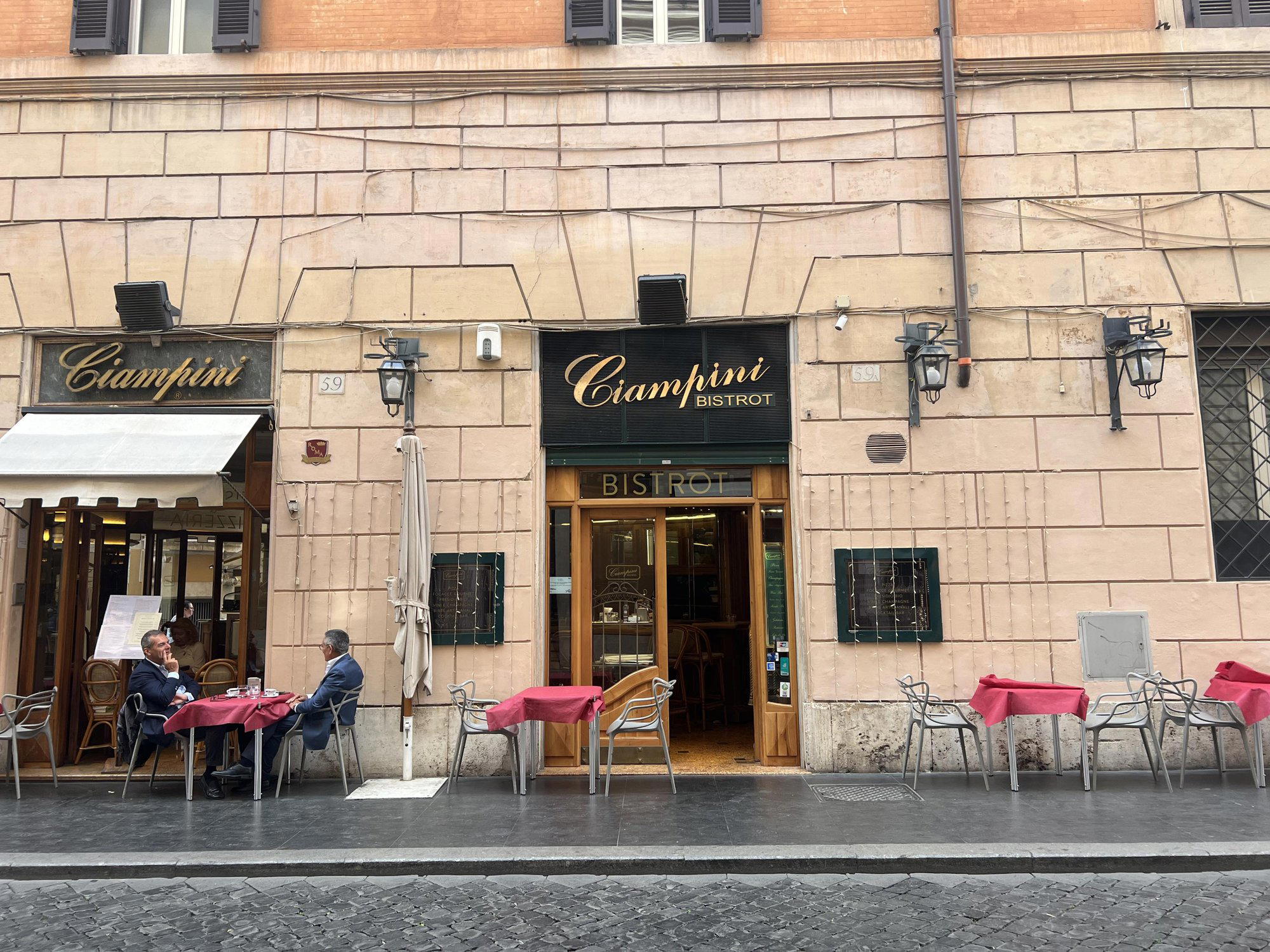
Where the Historic Centre Eats Without Theatre
Rome's central dining scene has always operated on two distinct registers. The formal tier, anchored by destinations like La Pergola, Il Pagliaccio, and Enoteca La Torre, demands time, ceremony, and a willingness to surrender an entire evening to a structured progression of courses. Then there is the everyday layer: trattorias, osterie, and the occasional bistrot where the cooking aims higher than neighbourhood staples without asking the guest to dress for the occasion or commit to three hours at the table.
Ciampini Bistrot occupies that second register, at Via della Fontanella di Borghese, 59, in one of central Rome's quieter pedestrian pockets, a short distance from the Tiber and the parliamentary district. The address places it in a part of the city that attracts a mix of residents, civil servants, and informed visitors rather than the tourist-dense corridors around the Pantheon or Piazza Navona. That demographic mix tends to produce a more considered house atmosphere, tables occupied by people who have chosen a specific place rather than walked in from the street.
The Bistrot Format and What It Demands of the Team
The bistrot model, borrowed from its French antecedents but long naturalised into Italian casual dining, places unusual pressure on the front-of-house and service team. Without the scaffolding of a formal tasting menu or the narrative structure that a sommelier-guided wine pairing provides, the room depends on the team's ability to read guests quickly, calibrate pace independently, and carry culinary knowledge without the prompts that a printed progression offers.
In Rome's mid-range dining tier, this is precisely where venues tend to diverge most sharply. The strongest bistrot-format rooms maintain a front-of-house culture in which servers understand the kitchen's sourcing and preparation well enough to guide ordering decisions as fluently as any fine-dining floor captain. The weakest rely on a fixed rotation of explanations that feels rote within the first two minutes. At venues across this tier in the Roman centre, including Acquolina and Achilli al Parlamento, the distinguishing factor is rarely the menu alone; it is whether the team can translate the kitchen's intentions at the table.
A functioning bistrot team also requires a particular kind of collaboration that is different from the hierarchy of a starred kitchen. The kitchen, the floor, and anyone managing the wine list need to operate with shared shorthand rather than formal protocols. When that synchronisation is present, a bistrot produces something that large or formal rooms rarely achieve: the sense that the evening has been managed invisibly, without the guest noticing the labour involved.
Roman Cooking in Its Casual Register
Italian cuisine at the bistrot level has undergone a quiet recalibration over the past decade. Across the country's culinary geography, from the Adriatic coast dining represented by Uliassi in Senigallia to the mountain-rooted cooking at Atelier Moessmer Norbert Niederkofler in Brunico, and the sustained creative ambition of Osteria Francescana in Modena, one interesting development has been the upward pressure that fine dining has exerted on the casual tier below it. Cooks trained in serious kitchens increasingly move into smaller, more accessible formats, bringing sourcing discipline and technical precision into rooms that are priced and paced as neighbourhood dining rather than destination restaurants.
Rome's version of this trend is shaped by the city's own culinary identity. Roman cooking at its foundation is frugal and ingredient-focused: pasta preparations built on cured pork, offal dishes from the quinto quarto tradition, Roman-style artichokes and chicory that reflect the agricultural hinterland. A bistrot working within this tradition does not need to import concepts from elsewhere; it needs to execute familiar forms with better ingredients and sharper technique than the mass market allows. The distinction between an average Roman trattoria and a serious one operating at bistrot prices is usually found in the pasta, specifically in whether the kitchen is producing its own, and in the sourcing of protein, two areas where shortcuts are immediately visible on the plate.
How Ciampini Bistrot Sits in the Roman Competitive Set
The Roman dining scene at the level below Michelin recognition includes a range of formats: creative Italian at venues like Acquolina and Achilli al Parlamento, contemporary Italian at Il Pagliaccio's level, and bistrot or casual formats that position on accessibility and frequency rather than occasion dining. Ciampini Bistrot falls into the latter category, competing less with Rome's formal restaurants and more with the city's considered casual options in the historic centre.
Within that set, location carries significant weight. The Fontanella di Borghese address is close to the Palazzo Borghese, a part of the centro storico with architectural density and relatively low venue saturation compared to the blocks around Campo de' Fiori or Trastevere. For visitors navigating from the major gallery circuit, the Borghese Gallery, the Palazzo Altemps, or the Ara Pacis museum complex, the bistrot sits within natural reach without requiring a trip across the Tiber or south into areas more heavily oriented toward tourist dining.
Italy's casual dining tier, when it operates well, competes internationally on the strength of ingredient quality rather than technique complexity. Venues like Dal Pescatore in Runate and Quattro Passi in Marina del Cantone demonstrate what regional specificity and sourcing depth can produce at a non-metropolitan scale. The bistrot format in a city like Rome inherits this logic: what distinguishes a venue is less a signature concept and more whether the team has the relationships with producers and the kitchen discipline to sustain quality across a menu that changes with season and supply.
Planning a Visit
Ciampini Bistrot's address in the 00186 postal district of Rome places it within walking distance of the Pantheon and Piazza Colonna, making it accessible on foot from most accommodation in the historic centre. The area around Via della Fontanella di Borghese is navigable by taxi from Termini station in roughly fifteen minutes depending on traffic, and the nearest bus routes along Via del Corso provide a direct connection from the northern and southern ends of the city centre. Regular hours are Monday to Thursday 11 AM to 10 PM, Friday to Sunday 11 AM to 12 AM. Reservations are recommended, and the price tier is about $25 per person.
Price and Recognition
Comparable venues nearby, for context on price, style, and recognition.
| Venue | Cuisine | Price | Notes |
|---|---|---|---|
| Ciampini BistrotThis venue — the venue you are viewing | Not listed | $$ | Not listed |
| Da Benito e Gilberto | Borgo, Italian Seafood | $$ | Not listed |
| Piazza Menenio Agrippa, 8/A | Monte Sacro, Traditional Roman Trattoria | $$ | Not listed |
| Ma Va' | Monte Mario, Vegan Roman | $$ | Not listed |
| Bootleg | Not listed | $$ | Monte Sacro, Italian Neighbourhood Gastropub |
| Enoteca Verso | Not listed | $$ | Tuscolano, Roman Enoteca with Natural Wines |
Continue exploring
More in Rome
Restaurants in Rome
Browse all →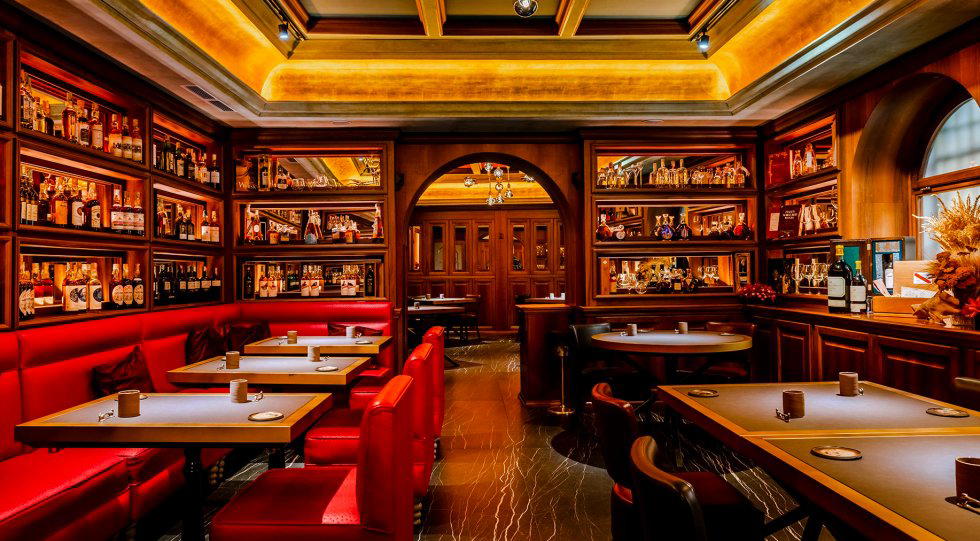
Bars in Rome
Browse all →
Hotels in Rome
Browse all →

At a Glance
- Classic
- Elegant
- Cozy
- Date Night
- Casual Hangout
- Brunch
- Terrace
- Historic Building
- Extensive Wine List
- Local Sourcing
- Street Scene
Current opening hours
- Monday
- 11 AM–10 PM
- Tuesday
- 11 AM–10 PM
- Wednesday
- 11 AM–10 PM
- Thursday
- 11 AM–10 PM
- Friday
- 11 AM–12 AM
- Saturday
- 11 AM–12 AM
- Sunday
- 11 AM–12 AM
Hours can change for holidays and private events. Last verified .
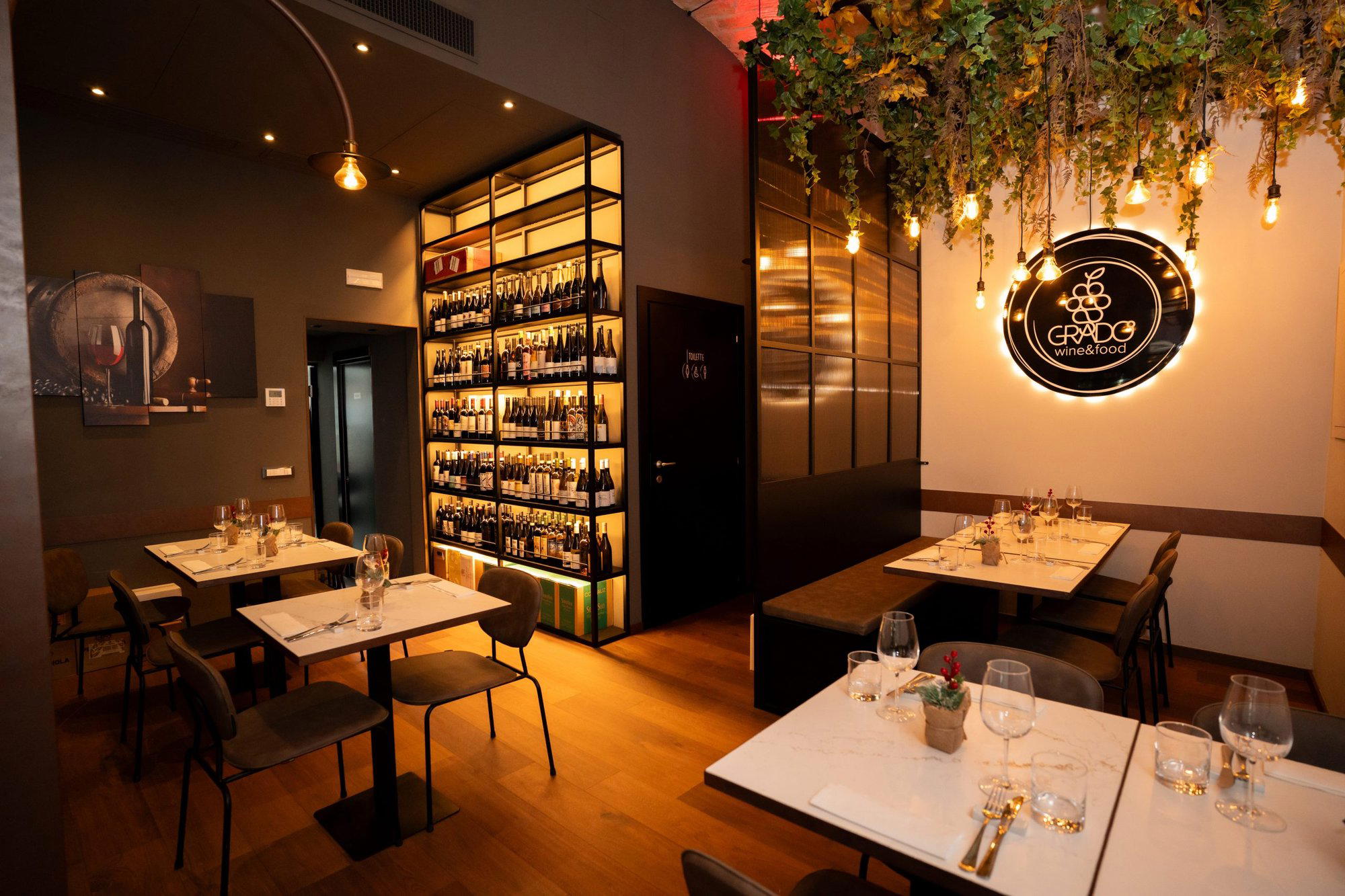
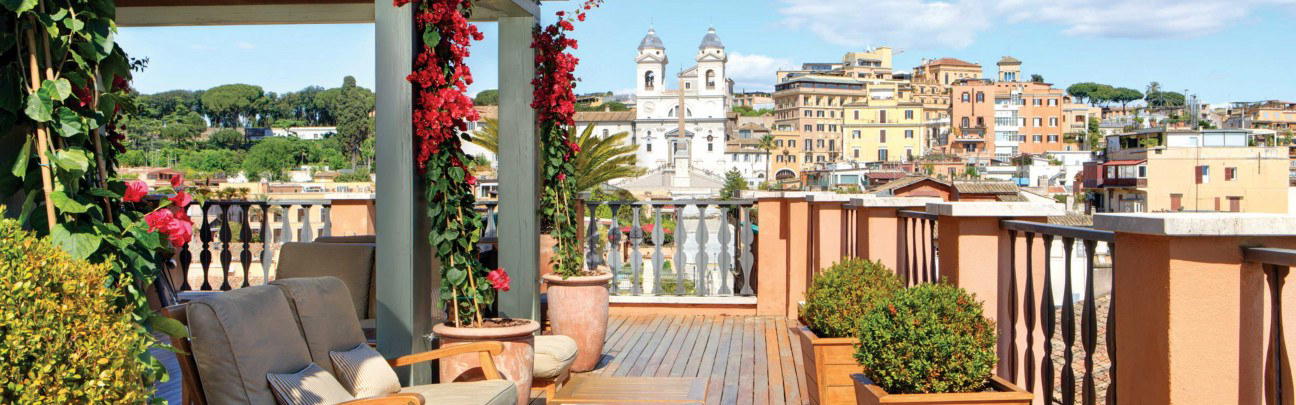
Charming bistro atmosphere blending classic elegance with cozy wooden, leather, and marble interiors, lively outdoor seating in a picturesque piazza.