Toyo (とよ) operates from Miyakojima-ku, on the quieter eastern fringe of central Osaka, at a remove from the city's more trafficked dining corridors. The address alone signals something about the trade: this is a place that earns its visitors rather than inheriting foot traffic. Osaka's tradition of ingredient-led cooking finds a considered address here, within reach of the broader Kansai fine dining circuit.
Pearl is the En Primeur Club membership app — saves, bookings, and concierge access live there. Same editors, same standards.
- Address
- 都島区東野田町3-2-26, 大阪市, 大阪府, 534-0024
 Saves & bookings on Pearl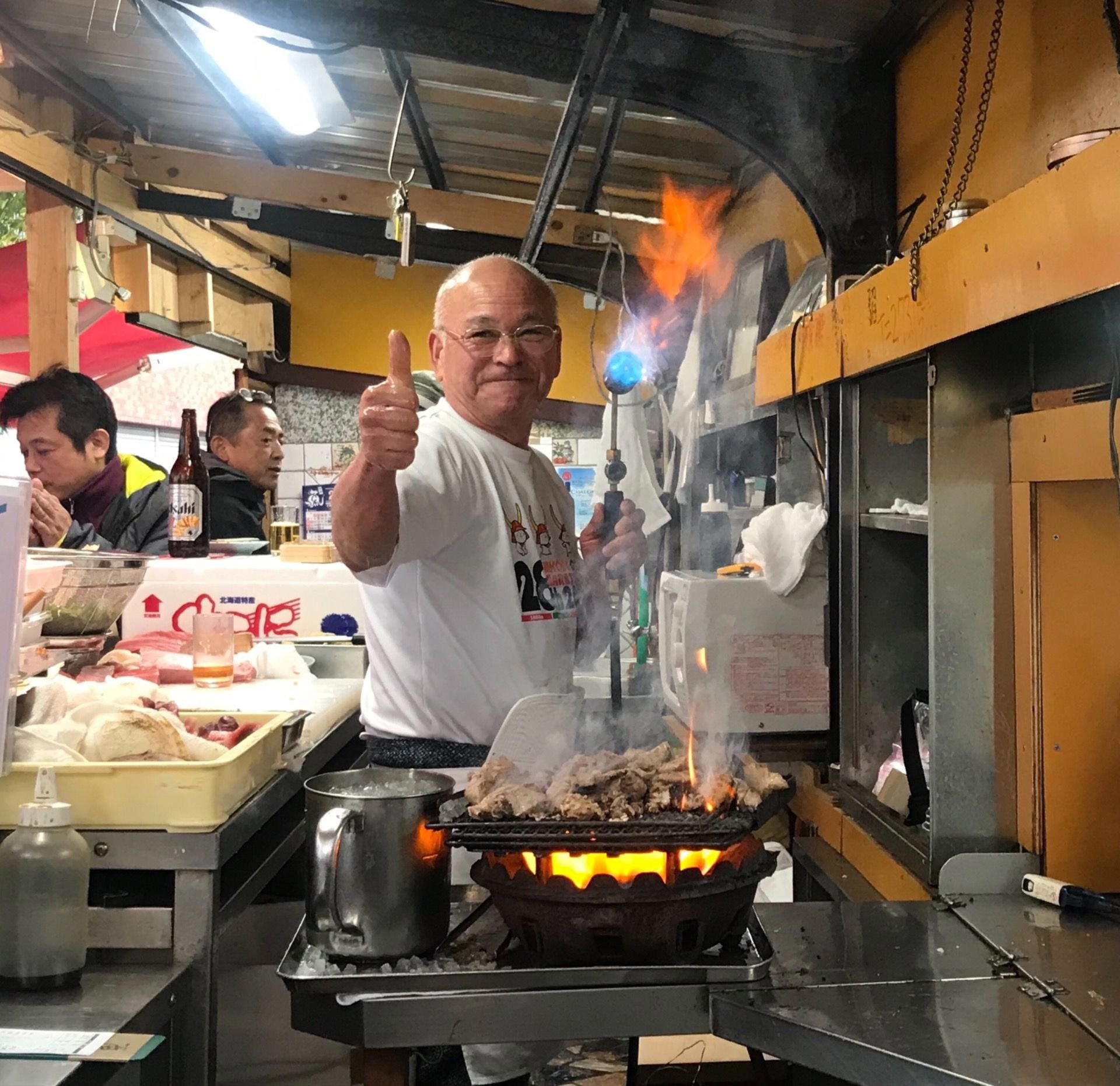
Osaka's Eastern Fringe and What It Says About a Restaurant
Toyo (とよ) is a Seafood Izakaya in Osaka, with casual dress and walk-in-friendly service. The address, Higashinodamachi, Miyakojima-ku, tells you something before you arrive. Osaka's most-discussed restaurants tend to cluster in Kitashinchi, Namba, or along the Shinsaibashi corridor, where density and foot traffic do part of the work. A restaurant sitting east of that concentration, in a residential and light-commercial pocket that most visitors pass through by rail rather than on foot, is operating on different terms. It is not banking on location as a draw. In Osaka, that kind of address usually means the cooking is doing all the persuading.
Kansai's dining tradition has long rewarded this model. The region's most durably respected tables, whether kaiseki rooms in Senriyama like Kashiwaya Osaka Senriyama, or precision-led counter formats like Taian, tend to occupy neighbourhoods defined by purpose rather than prestige. Diners travel to them. The journey is part of the contract.
Ingredient Sourcing as the Central Argument
Osaka sits at the confluence of some of Japan's most productive food-supply geography. The Seto Inland Sea is within reach for seafood; Wakayama and Nara supply produce; Hyogo and Kyoto prefectures contribute proteins and aromatics. For restaurants that take sourcing seriously, this geographic positioning is not incidental, it shapes what ends up on the plate and how frequently it changes.
Japan's leading ingredient-led kitchens treat the supply chain as editorial. Dishes follow what fishermen and farmers are producing at peak rather than what a static menu dictates. This approach is common across the Kansai region's serious tables: Gion Sasaki in Kyoto operates on a similar logic of seasonal responsiveness, as does akordu in Nara, which cross-references local Yamato produce with European technique. What distinguishes individual restaurants within this tradition is the specificity of their supplier relationships and the discipline with which they edit what arrives.
Toyo (とよ) sits within this Kansai sourcing culture. The Miyakojima-ku address places it close enough to Osaka's central wholesale infrastructure, including the Osaka Central Wholesale Market, that access to morning-fresh produce and seafood is a practical reality rather than a marketing claim. For restaurants in this tier, proximity to supply chains is not a luxury but an operational baseline.
Osaka's Dining Tiers and Where This Address Fits
Osaka's fine dining tier has deepened over the past decade. The city's Michelin coverage now extends well beyond the headline names, and the gap between a highly awarded destination and a serious neighbourhood restaurant has closed in ways that reward exploration. At the leading end, venues like HAJIME and La Cime operate at the ¥¥¥¥ tier with international profiles and advance booking requirements measured in months. Fujiya 1935 occupies a similarly ambitious register in the innovative category.
Below that headline tier, and often more interesting for it, are restaurants that operate with less institutional recognition but considerable culinary seriousness. These are the addresses that local food writers return to regularly, that Osaka residents recommend when pressed for somewhere that reflects the city's actual eating culture rather than its award-night version. Toyo (とよ) reads as part of this quieter but substantive cohort.
The Kansai circuit extends further than Osaka's city limits. Diners who treat the region as a dining destination often move between Osaka, Kyoto, and Nara across a single trip. Goh in Fukuoka and Harutaka in Tokyo represent the kind of counter-format precision that defines Japan's broader omakase and tasting-menu culture, context worth holding when assessing where Osaka's neighbourhood tier sits within the national picture.
The Seasonal Argument for Timing Your Visit
Japan's culinary calendar is granular in a way that rewards planning. Autumn brings matsutake mushrooms from Kyoto and Tamba, plus Pacific saury at peak fat content. Spring shifts the focus to bamboo shoots, cherry blossoms as a garnish context, and the first of the new-season seafood from the Inland Sea. Summer in Osaka means hamo (pike conger), a Kansai near-obsession that appears on serious menus from July through September. Winter centres on fugu in licensed kitchens and crab from the Japan Sea coast.
For a restaurant in Miyakojima-ku with plausible access to Osaka's wholesale markets, the seasonal argument is not abstract. The practical implication for visitors is to think about what the current season prioritises before booking, and to go in without fixed expectations about what specific dishes will appear. That flexibility is the operating assumption for any serious omakase or daily-menu format in Japan, from the specialist counters of Nanao, like 一本木 皆川制, to the kaiseki rooms of Sapporo, like 古仁屋山乃.
The address in the 534-0024 postal district is accessible from Kyobashi Station, a major interchange on the JR Osaka Loop Line, the Keihan Main Line, and the Osaka Metro Nagahori Tsurumi-ryokuchi Line, a convergence that makes the restaurant reachable from most parts of the city without a transfer-heavy journey. For visitors staying in Umeda or Namba, the ride is short.
Placing Toyo Within a Broader Osaka Itinerary
Osaka rewards a multi-night commitment if serious eating is the objective. The city's range now covers French-influenced innovation, traditional kaiseki, yakitori specialists (see Birdland in Sakai, in the neighbouring city), and the kind of ingredient-focused Japanese cooking that Toyo (とよ) appears to represent. Visitors who approach the city as a dining destination rather than a transit stop find that a three-to-four-night stay allows coverage across several distinct registers.
Regional comparison is also useful. The format discipline of Atomix in New York City and the seafood rigour of Le Bernardin in New York City illustrate how cities outside Japan approach ingredient-led cooking at the tasting-menu level, benchmarks that help calibrate what Japan's leading neighbourhood tables achieve relative to international fine dining.
湖畔荘 in Takashima, 羽根屋 in Nishikawa Machi, and Bistro Ange in Toyohashi each represent the kind of regional seriousness that Japan's food culture sustains well outside its three major metros.
Comparable Spots
Comparable venues nearby, for context on price, style, and recognition.
| Venue | Cuisine | Price | Notes |
|---|---|---|---|
| Toyo (とよ)This venue — the venue you are viewing | Seafood Izakaya | $$ | |
| Shinfuji Honten | Japanese Western (Yoshoku) and Tonkatsu | $$ | Nishinari |
| Dontaku | Osaka Okonomiyaki & Teppanyaki Counter | $$ | Kita |
| 橋本屋 | Japanese Curry House | $$ | Minami-Senba |
| Mannen Curry | Japanese Curry | $$ | Chūō |
| Naniwa Menjiro Zen | Japanese Ramen | $$ | Kita |









At a Glance
- Lively
- Energetic
- Hidden Gem
- Casual Hangout
- After Work
- Open Kitchen
- Standalone
- Sake Program
- Local Sourcing
Energetic alfresco street-side atmosphere with stand-up tables from beer crates and constant crowds.