Google: 4.6 · 757 reviews
Toyo Eatery

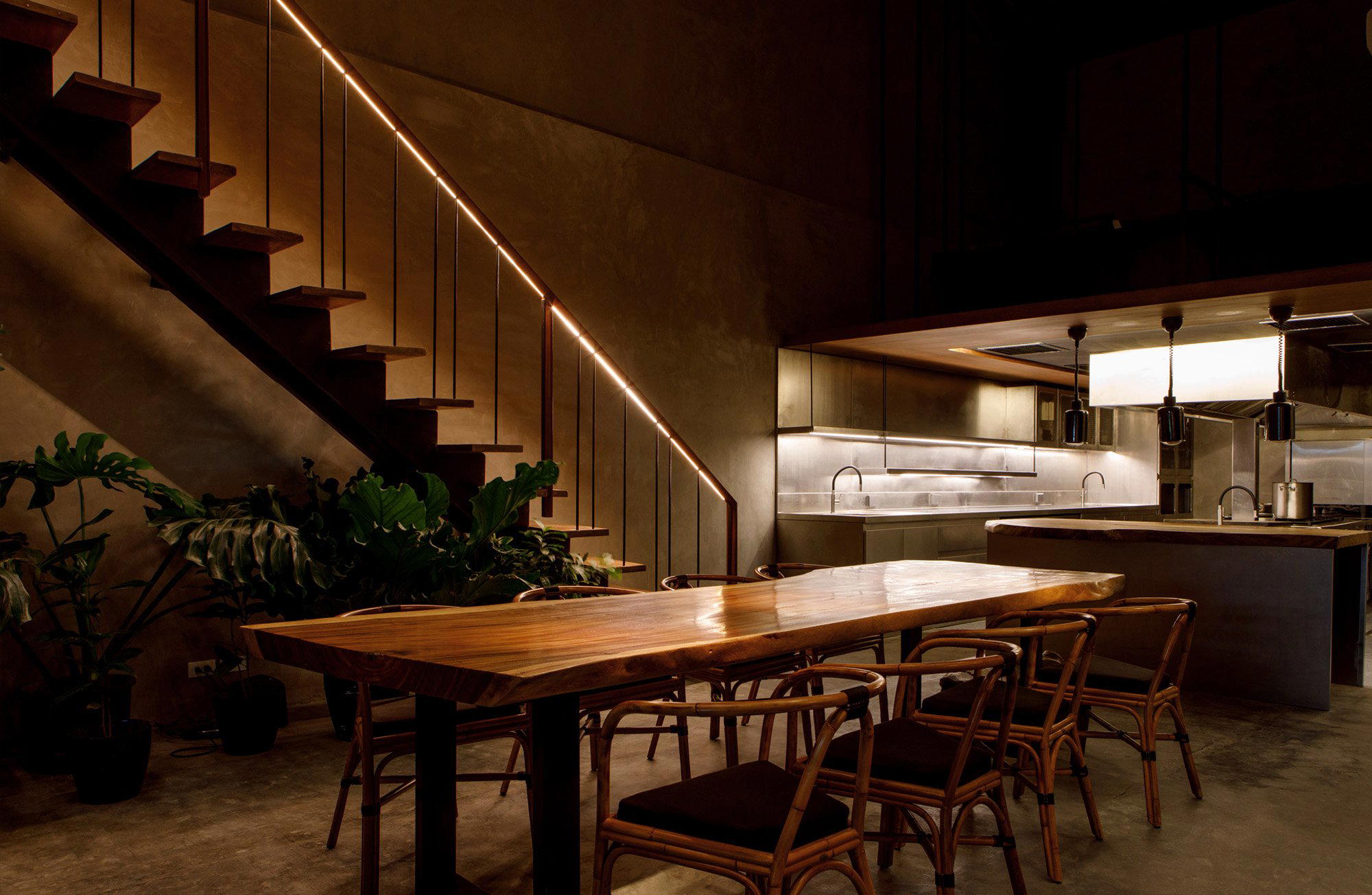
Toyo Eatery occupies a considered space inside The Alley at Karrivin, a low-key mixed-use compound in Makati that has quietly become one of Metro Manila's more purposeful dining addresses. The kitchen works within a Filipino framework, drawing on local ingredients and culinary customs to produce a meal that reads more as a sequence than a series of dishes. It sits among a small cohort of Makati restaurants rethinking what Philippine fine dining looks and feels like.
 Discover on Pearl
Pearl is the En Primeur Club membership app — saves, bookings, and concierge access live there. Same editors, same standards.
The Alley at Karrivin and What It Signals
There is a particular kind of restaurant that announces itself through restraint. Toyo Eatery, inside The Alley at Karrivin on Chino Roces Avenue Extension in Makati, belongs to that type. The compound itself sets the tone: a low-rise, semi-industrial creative cluster that has attracted a cluster of food and design businesses operating outside the polished mall circuit that dominates so much of Metro Manila's commercial life. Arriving at Karrivin Plaza already tells you something about the kind of meal ahead. The architecture does not perform luxury. The experience earns it through the plate.
This matters as context because Makati's fine-dining scene has been splitting along a fault line that mirrors patterns visible in cities like Singapore, Bangkok, and Jakarta: on one side, hotel dining rooms with international formatting and broad menus designed for corporate travelers; on the other, smaller, independently operated kitchens anchored to a specific culinary identity. Toyo Eatery has positioned itself firmly in the second category, sitting alongside a small set of Makati addresses, including Hapag (Filipino), Helm, and Celera, that are collectively redefining what a thoughtful dinner in this city looks like.
The Ritual of the Meal
Filipino dining, at its structural core, has never been particularly linear. The tradition of boodle fight communal spreads, the simultaneity of ulam and rice, the habit of finishing with something sour or sharp rather than sweet: these are customs built around abundance and conviviality rather than progression and restraint. What restaurants like Toyo Eatery are doing, in common with peers such as Inatô and Kása Palma, is drawing on that indigenous food logic while imposing a different temporal grammar: a sequenced meal where pacing, portion calibration, and the order of flavours become as meaningful as the ingredients themselves.
This is the structural tension that makes Filipino progressive dining interesting to watch. The leading practitioners are not simply applying a European tasting-menu format to local produce. They are asking what Philippine culinary customs look like when they are stretched across an evening, when fermentation and vinegar and preserved ingredients are given the same careful placement that salt-cured fish might receive at a Scandinavian counter. The meal at Toyo Eatery is shaped by that question. You are not being walked through a geography lesson in Filipino flavours. You are being asked to sit with those flavours across time, to notice how they shift and accumulate.
This approach connects Toyo to a broader movement in Southeast Asian dining that has produced globally recognised kitchens. The structure of a tasting progression, where each course functions as a statement in a longer argument, is the same grammar that has defined celebrated dining across the region and internationally, from the way Le Bernardin in New York City treats seafood as a serious singular subject, to the way Lazy Bear in San Francisco uses a communal-table format to reimpose conviviality within a structured menu.
Makati's Dining Identity, and Where Toyo Sits Within It
Makati remains the commercial and culinary centre of Metro Manila, but its restaurant scene has never been monolithic. The CBD strip offers everything from fast-casual to imported European formats, while pockets like Karrivin and the surrounding Legazpi area have cultivated a more locally specific dining culture. Toyo Eatery operates in that more locally specific register, and it is worth understanding what that means for a visiting diner.
The Philippines has a complex culinary inheritance: Spanish colonial influence layered over indigenous Austronesian food traditions, Chinese merchant cooking absorbed over centuries, American mid-century food habits embedded in everyday culture. A kitchen that takes Filipino cuisine seriously has to decide which threads to pull. Toyo's positioning within Karrivin, away from the high-traffic hotel corridors, suggests a deliberate choice to work with a dining public already invested in the project rather than to convert skeptics. That self-selection shapes the room. The guests who eat here have generally sought it out.
For broader context on the Metro Manila dining scene beyond Makati, there are kitchens worth knowing: Linamnam in Parañaque works within a similarly ingredient-led Filipino framework. Across the wider Philippines, Antonio's Restaurant in Tagaytay has held its position as a benchmark for formal dining south of the capital, while in Cebu, Lantaw (Compostela) and Zubuchon in City of Cebu represent different points on the spectrum from casual to composed. The range of what Philippine restaurants are doing right now, from the Honesty Coffee Shop in Ivana to Jollibee in Pasay to Asador Alfonso in Cavite, is wide enough that context genuinely helps before you sit down anywhere.
Also worth noting: Bellini's in Murphy and Cebu's Original Lechon Belly in Mandaue represent the more informal, deeply local end of Philippine eating that provides useful calibration for understanding what the more structured kitchens are working against and working with.
Planning Your Visit
Toyo Eatery is located at 2316 The Alley at Karrivin, Karrivin Plaza, 1231 Chino Roces Avenue Extension, Makati City, Metro Manila. The Karrivin compound is accessible by car from the BGC–Makati corridor, though parking within the compound itself can be limited during peak evening hours; arriving by ride-share is practical. Booking in advance is advisable given the size of the space and the reputation the restaurant holds within Manila's dining community. Contact details are leading sourced through current listings or direct inquiry, as published phone and web information shifts. For broader orientation to what Makati's restaurant scene offers across formats and price points, the full Makati restaurants guide is the place to start. If you are cross-referencing another Toyo Eatery location, Toyo Eatery in Manila is listed separately. Dress is generally smart casual; the room is not formal, but the meal is deliberate enough that most guests dress accordingly.
What It’s Closest To
A short peer set to help you calibrate price, style, and recognition.
| Venue | Cuisine | Awards | Notes |
|---|---|---|---|
| Toyo Eatery | This venue | ||
| Hapag | Filipino | Michelin 1 Star | Filipino |
| Kása Palma | Michelin 1 Star | ||
| Crosta | |||
| a mano | |||
| Celera | Michelin 1 Star |
At a Glance
- Modern
- Trendy
- Intimate
- Special Occasion
- Group Dining
- Celebration
- Open Kitchen
- Farm To Table
- Local Sourcing
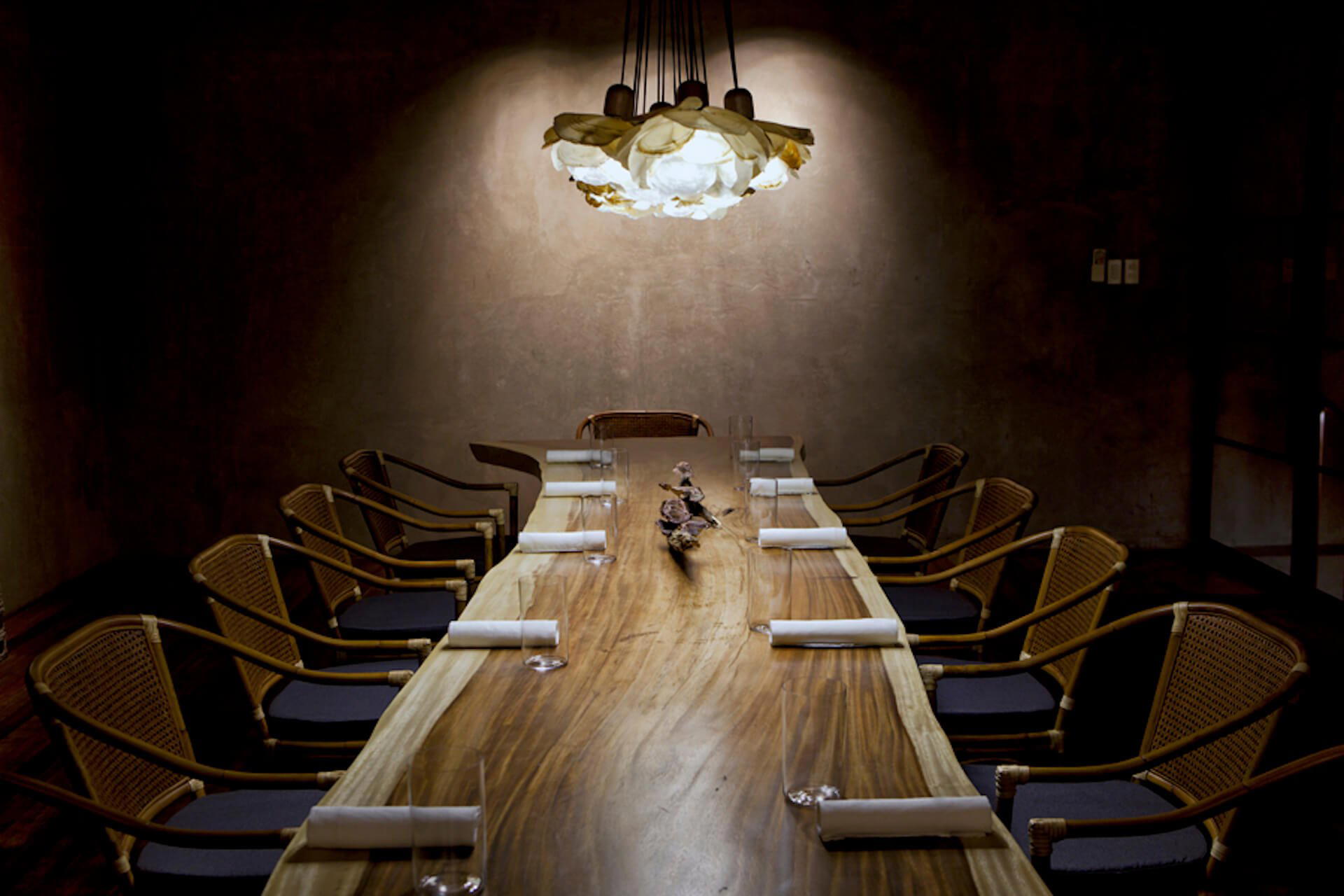
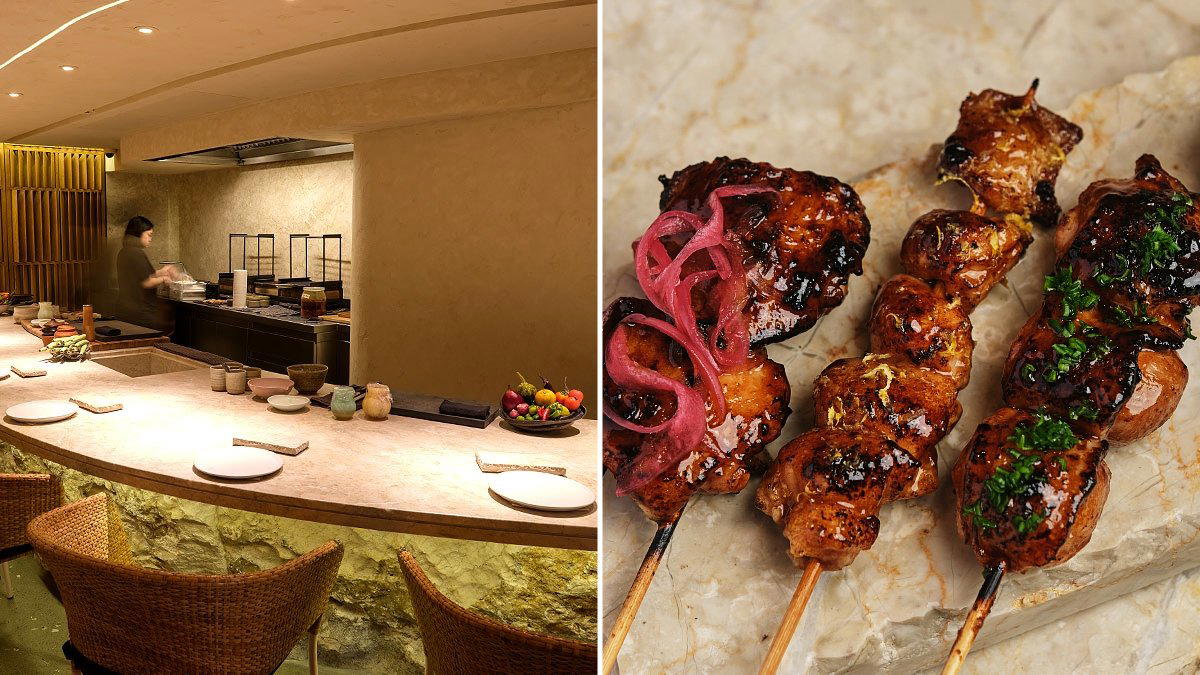
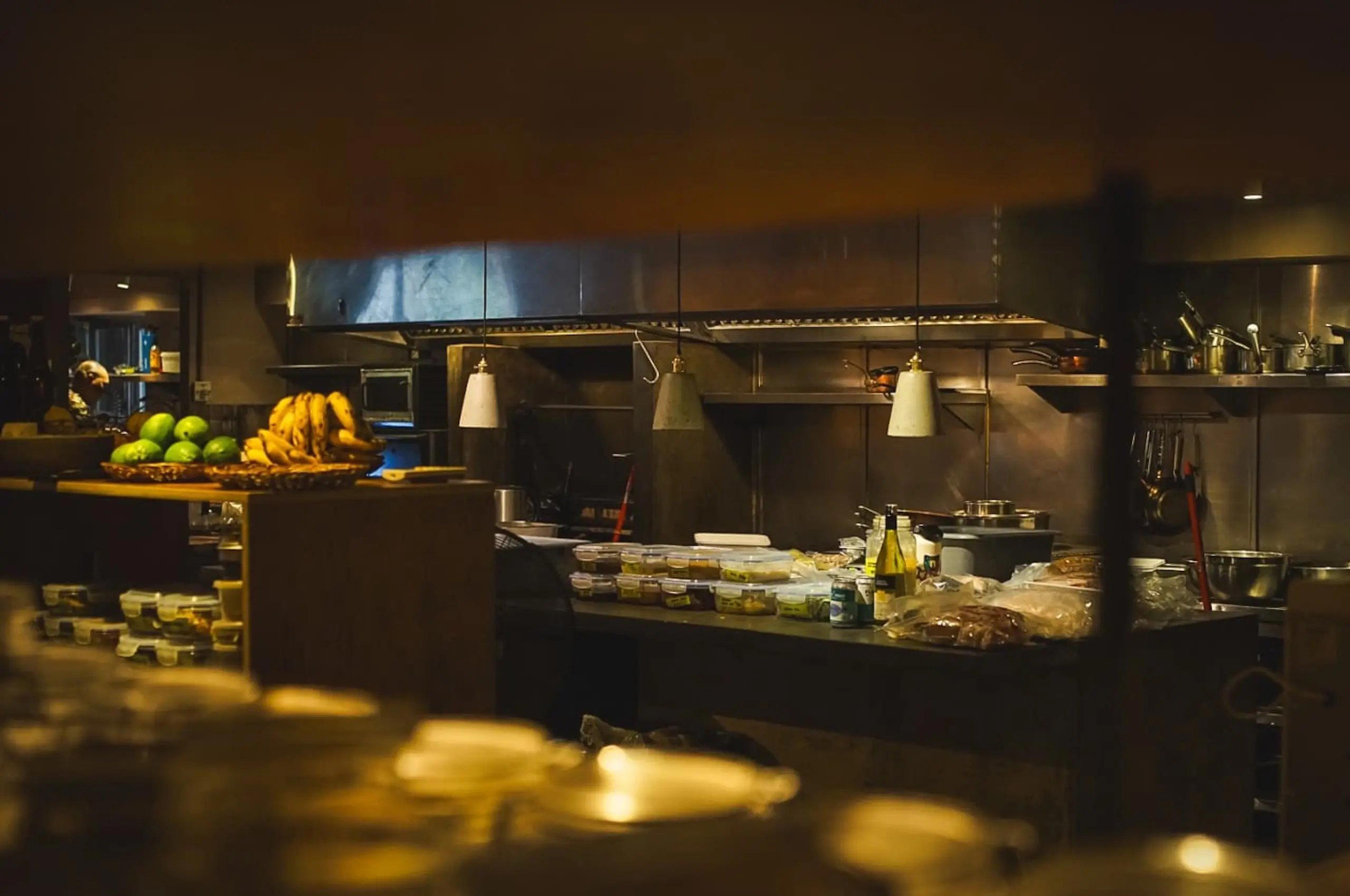
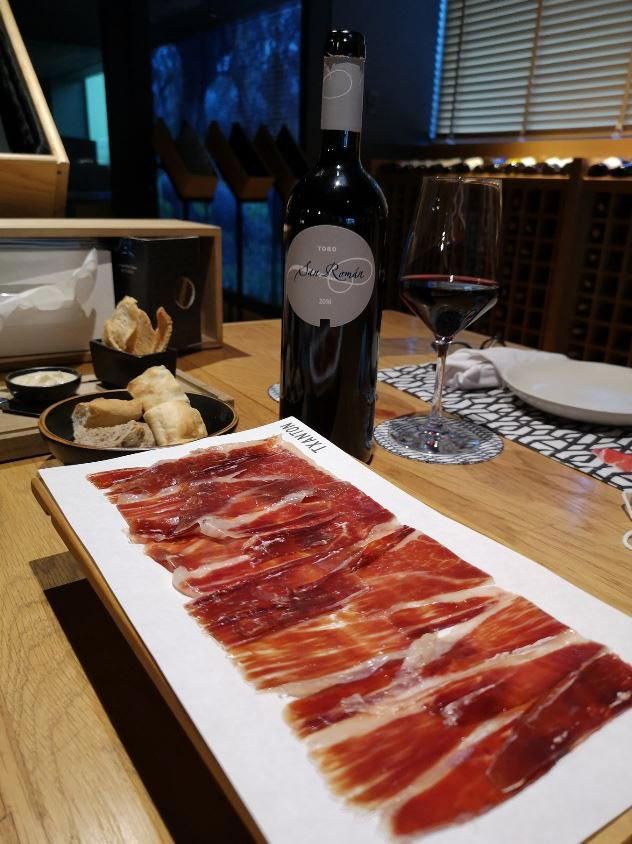
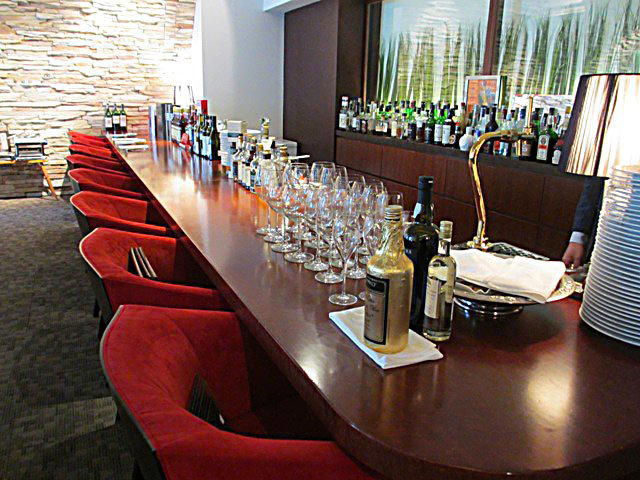
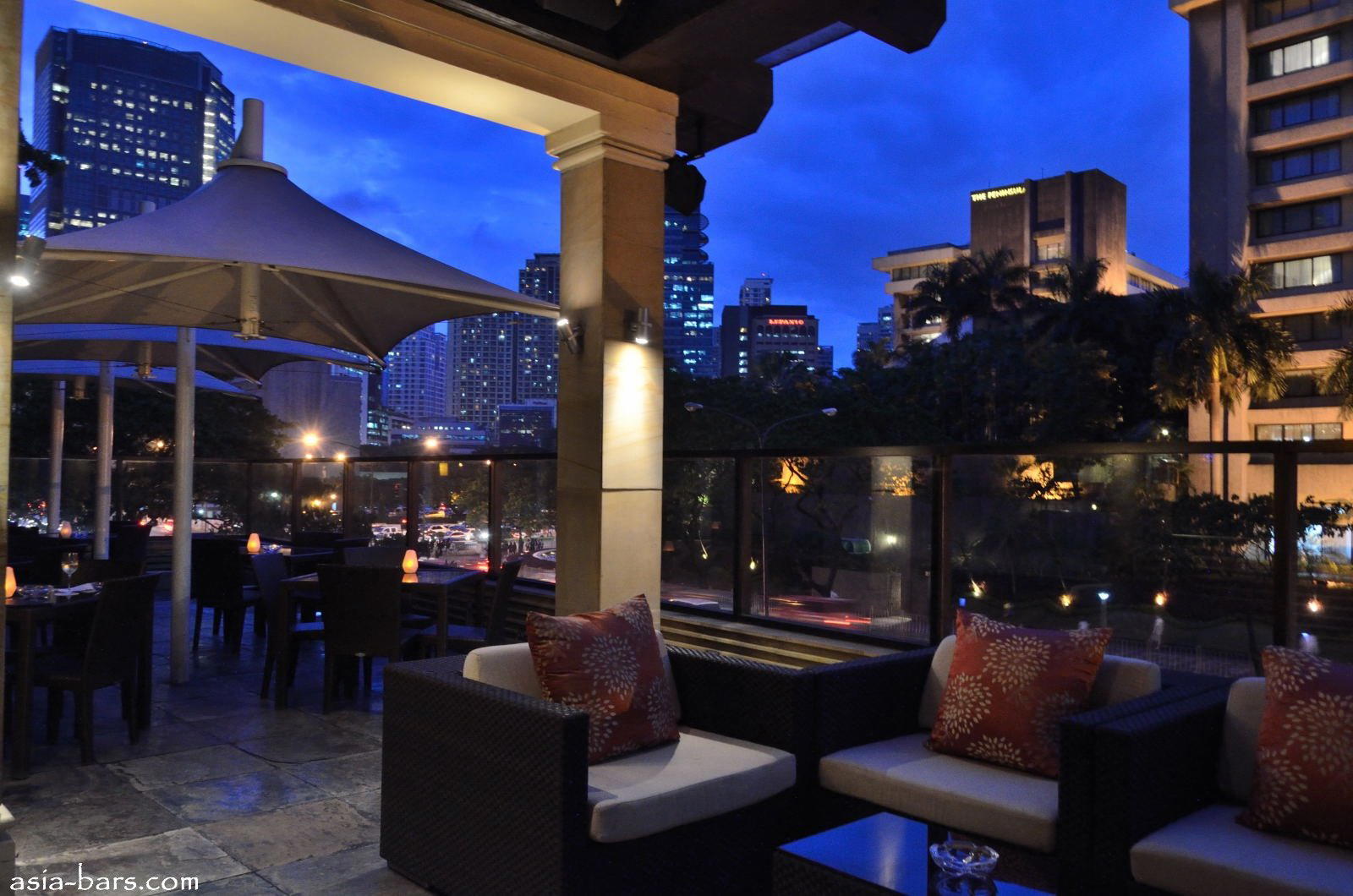
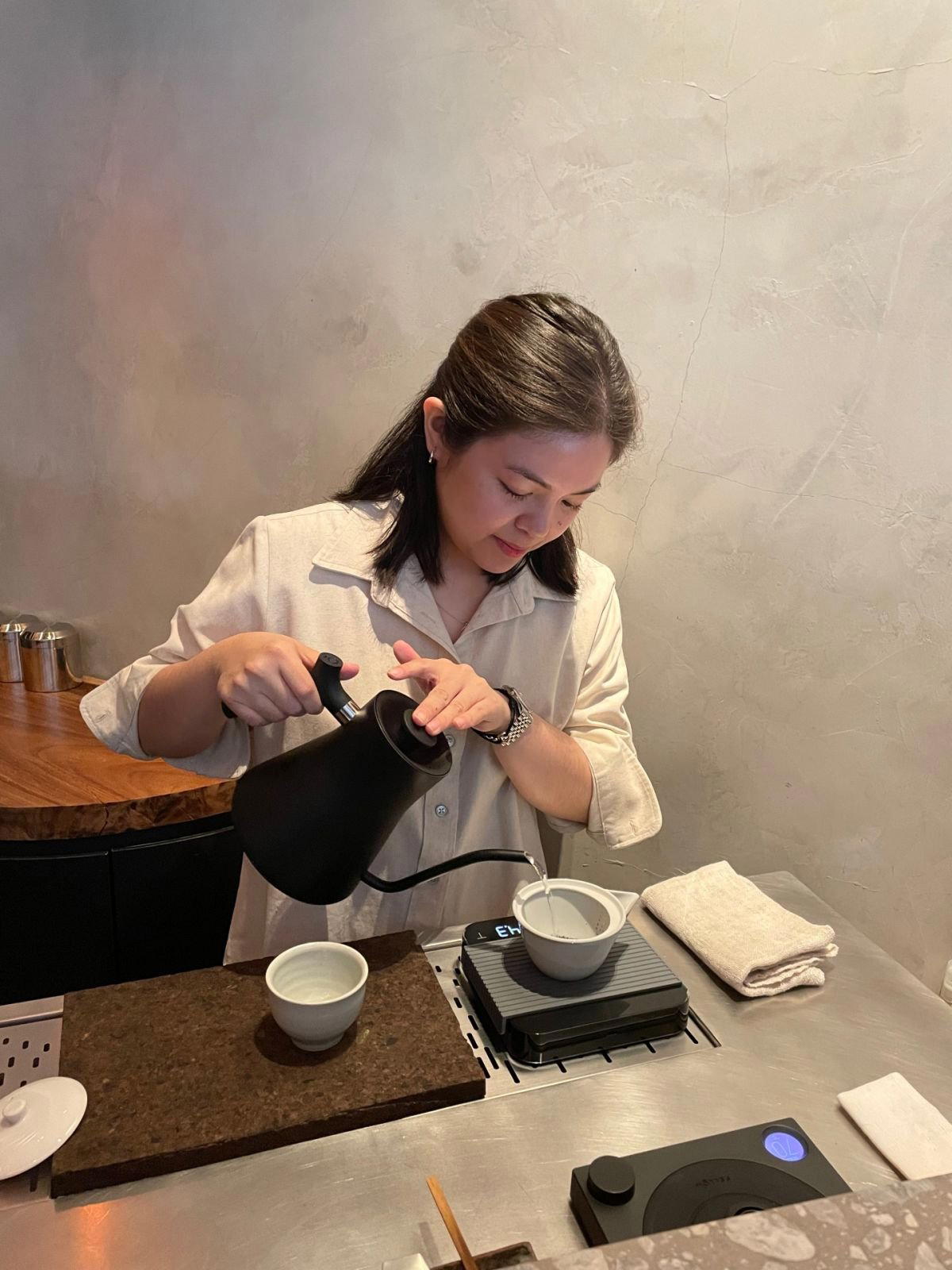
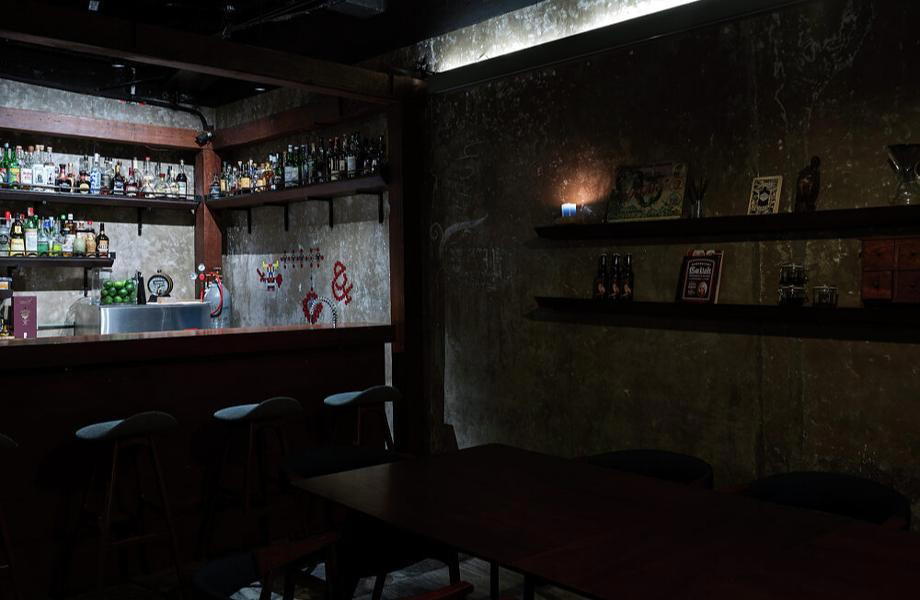
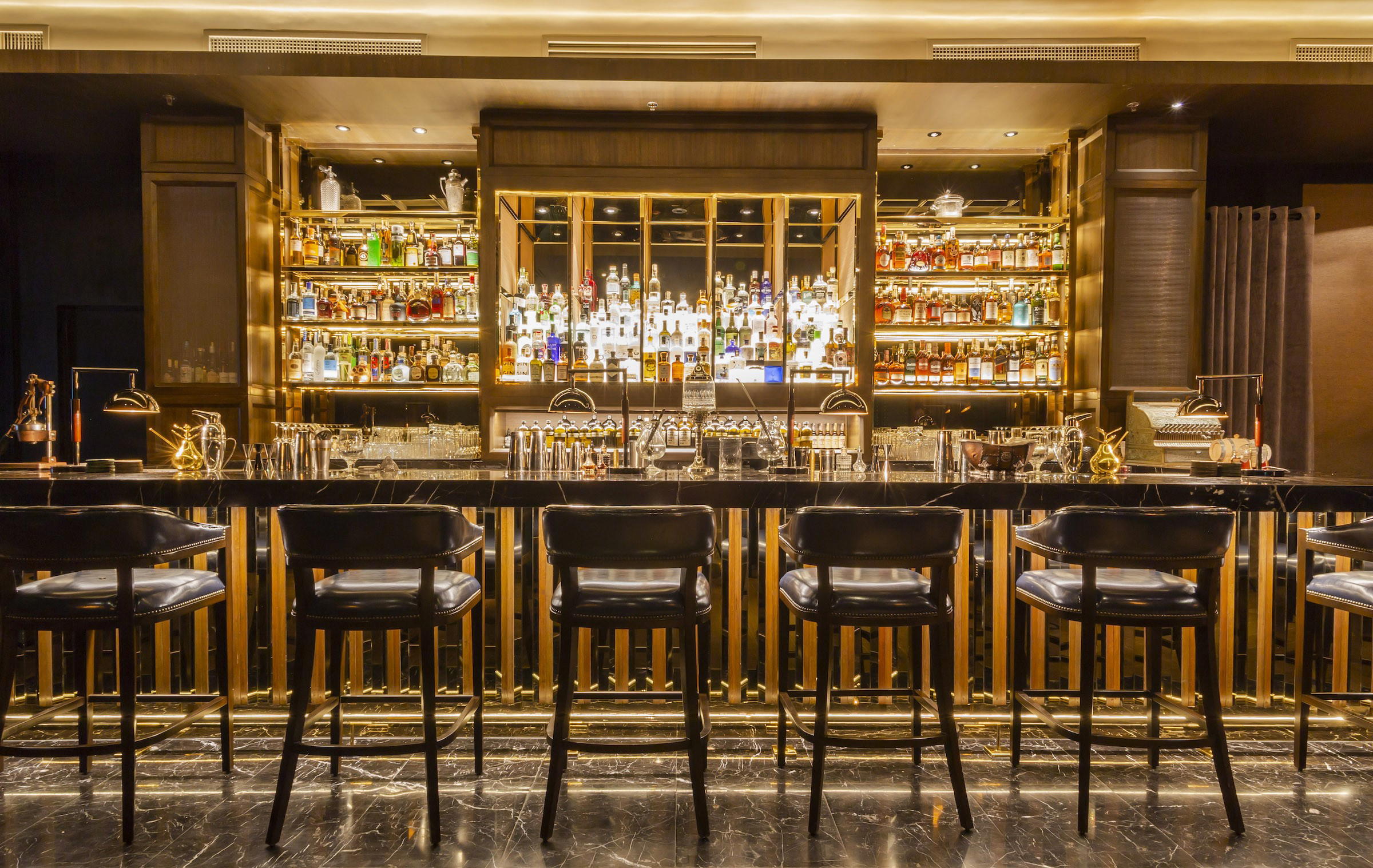
Intimate and modern atmosphere highlighting Filipino heritage through innovative presentations and communal dining experiences.