Zubuchon
"½ Kilo of Pig Arriving alone and hungry in the Philippines, I checked into my hotel and immediately asked for a dinner recommendation. After some thought by the staff, I was directed to Zubuchon for some authentic Filipino food; but not just any food: Lechon. And not even just lechon, but what Anthony Bourdain suggested is the "best pig...ever." This perfectly prepared pig keeps its moisture generously covered and insulated with a layer of pork belly fat. Unfortunately, for some reason, I was not able to purchase a piece of pork less than ½ kilo. So, that is what I ordered. I should have given the menu a closer look and ordered from the selection of "Fast Meals" that appear to be better suited for one. Before I ran off with my ½ kilo of pig, the server suggested I also try a Kamias Shake which paired with the pork better than any wine pairing I have had with a meal! The tart, but not quite sour, beverage brought out all the nuances of the lechon. Back at my hotel, I was unable to stop myself from eating all ½ kilo of meat - and heading to bed that evening completely stuffed. Try the lechon in the Philippines. And make sure you have Zubuchon at least once!"
Pearl is the En Primeur Club membership app — saves, bookings, and concierge access live there. Same editors, same standards.
- Address
- One Mango Mall, General Maxilom Ave, Cebu City, 6000 Cebu, Philippines
- Phone
- +63 32 239 5697
- Website
- zubuchon.com
- Directions
- Get directions
 Saves & bookings on Pearl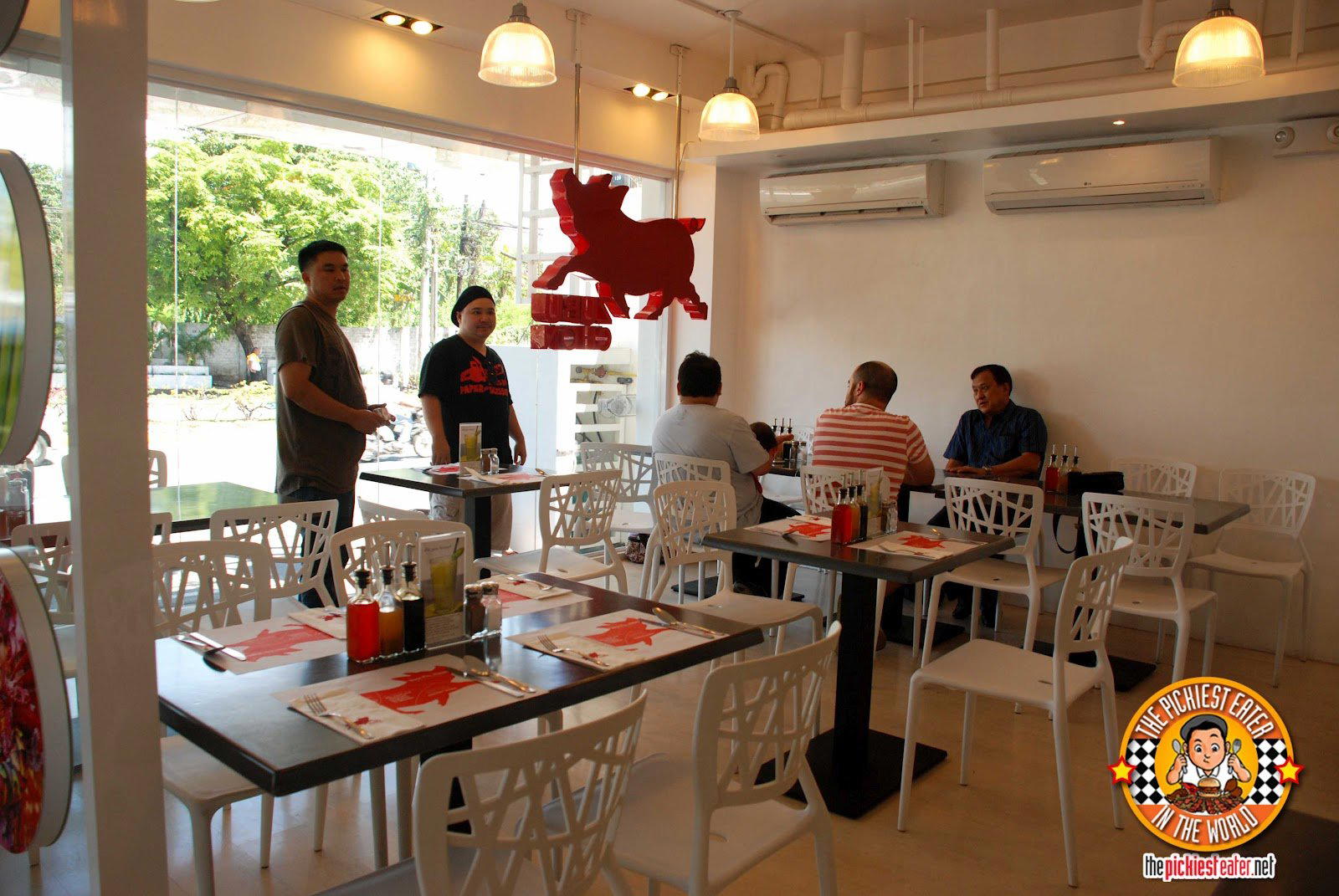
Where Cebu's Lechon Obsession Reaches Its Logical Conclusion
Zubuchon is a Cebu City restaurant at One Mango Mall on General Maxilom Avenue, serving Cebu lechon in a casual, walk-in-friendly setting. Cebu has long positioned itself as the lechon capital of the Philippines, a claim debated in Manila dining rooms but rarely contested by anyone who has eaten through both cities seriously. The roasting tradition here is distinct from its Luzon counterpart. Cebu-style lechon is seasoned from the inside out, the cavity stuffed with lemongrass, scallions, garlic, and native herbs before the pig goes over live coals for several hours. The skin is the point, crackling to a deep amber lacquer that shatters on contact. No liver sauce is served alongside, because the Cebuano version needs none.
The Sourcing Logic Behind the Skin
The ingredient sourcing argument for Cebu lechon is geographic as much as culinary. The province's pig-rearing culture has developed alongside the roasting tradition for generations, which means supply chains here are shorter and the animals are selected with the final product in mind. Zubuchon operates within that established sourcing context, drawing on Cebu's regional supply rather than importing from outside the island. That matters because the fat distribution in locally raised pigs, fed on a diet calibrated for the climate, produces a different result on the spit than commodity pork would. The herb aromatics stuffed into the cavity, particularly the lemongrass that grows abundantly across the Visayas, are sourced close enough to the kitchen that freshness is a baseline, not a selling point.
This is where Cebu lechon diverges most sharply from what you encounter at the big Manila carnicerias. Restaurants like Toyo Eatery in Manila or Hapag work in a modern Filipino register that tends to reframe traditional ingredients through a fine-dining lens. Zubuchon does the inverse: it takes a singular traditional product and delivers it with minimal mediation. The pig is the technique. The pig is the menu.
Cebu's Lechon Scene and Where Zubuchon Sits
Cebu's lechon market is more competitive than outsiders typically assume. The island supports dozens of operations, from roadside roasters in the southern barangays to sit-down restaurants with multiple city branches. The comparable set for Zubuchon includes Cebu's Original Lechon Belly in Mandaue, which specialises in the boneless belly cut that has become its own subcategory in recent years. That format, rolled and roasted rather than whole-pig, produces a different fat-to-skin ratio and appeals to tables that want portion control without the ceremony of ordering by the kilo.
Zubuchon's positioning within this field rests partly on the recognition it has accumulated over time. Its reputation has traveled well beyond Cebu, helping introduce the restaurant to a wider audience. That kind of credentialing does specific work in a market where the product differences between competitors are subtle and word-of-mouth is the dominant discovery mechanism.
For the broader Philippine dining context, the lechon conversation intersects with a national argument about regional identity. Restaurants like Linamnam in Parañaque and Asador Alfonso in Cavite engage that identity through different regional traditions, while Cebu maintains its own claim through the lechon format specifically.
The Practical Shape of a Visit
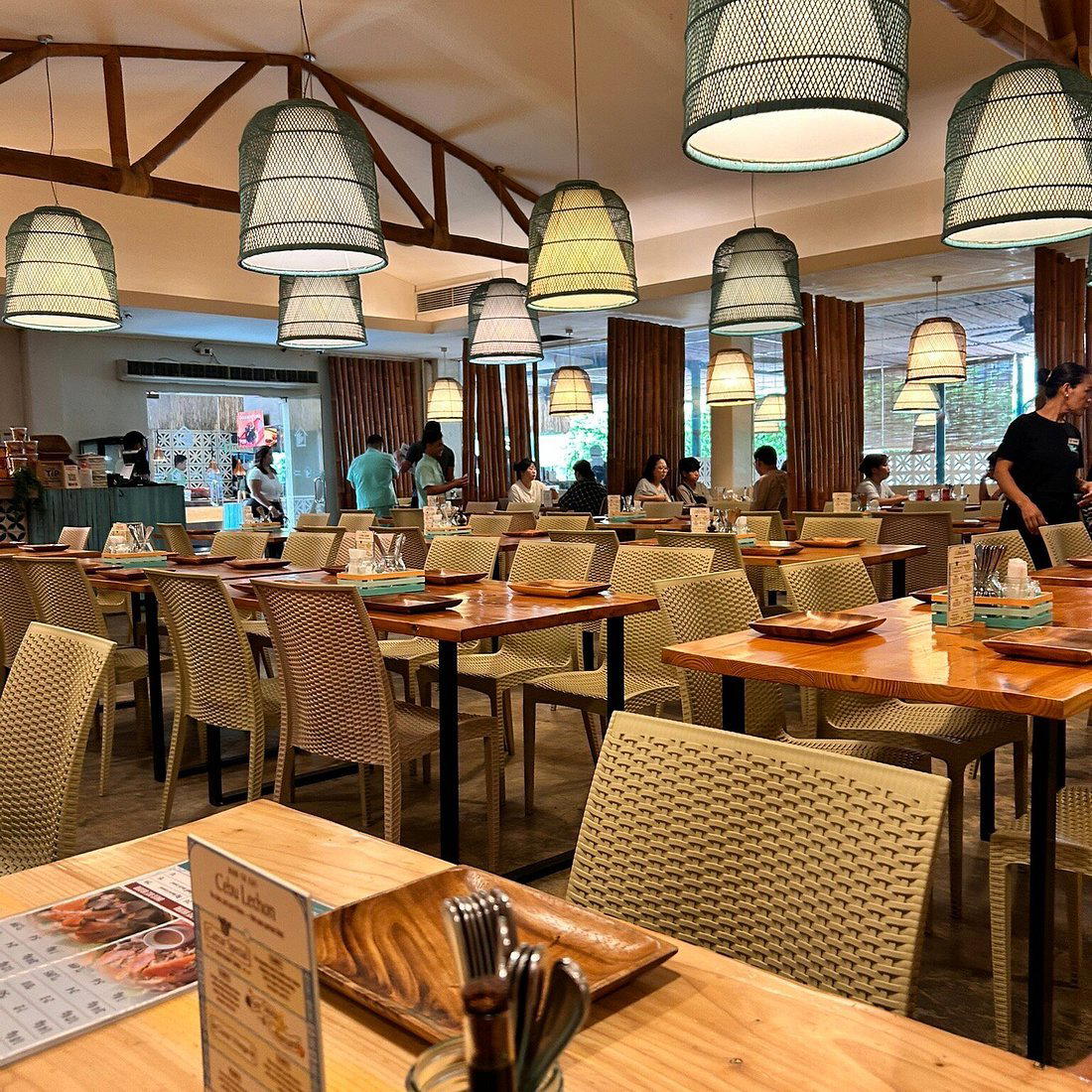
The One Mango Mall address places Zubuchon in central Cebu City, accessible from most hotels in the IT Park and Ayala districts without requiring more than a short taxi or ride-share. For visitors staying along the resort corridor south of the city, the trip takes longer but the lechon-to-distance ratio generally justifies it. Ordering is counter-style, with portions available by weight or as set plates depending on what the day's roast allows. The format is casual, the seating functional, and the pace fast, which suits both solo travellers eating a quick lunch and families working through a full kilo between them. Those visiting Cebu's broader culinary territory may also consider Lantaw in Compostela, which operates in a different register but captures the island's produce-driven cooking in an open-air setting north of the city.
Celera in Makati, MŌDAN in Quezon, and internationally recognised rooms like Antonio's Restaurant in Tagaytay. Zubuchon belongs to a different part of that conversation, one defined not by tasting-menu ambition but by the mastery of a single, specific thing done at volume and done consistently.
What the Lechon Tradition Actually Involves
It is worth understanding the labour investment behind the product before treating it as a casual fast-food option. A whole pig requires four to six hours over rotating coals, with continuous manual adjustment to ensure even heat distribution and prevent the skin from blisteringinconsistently. The lemongrass, garlic, and scallion aromatics packed inside slowly perfume the meat through the cooking period, which means the flavour of a properly roasted Cebu lechon arrives in layers rather than all at once. The first bite is skin, then subcutaneous fat, then herb-suffused meat underneath. Done well, the progression is coherent and satisfying in a way that resists the overcooking or underseasoning that sinks lesser versions of the same dish. That is why the comparison set matters: eating lechon at a venue with the sourcing discipline and roasting experience to execute the tradition at this level is a different exercise from ordering it as an afterthought at a general Filipino restaurant.
Other Filipino dining experiences worth considering alongside a Cebu visit include Lola Helen in Marikina for home-style regional cooking, and Bellini's in Murphy for a contrast in format and register. Those planning extended regional travel may find reference points in the editorial approach of places like Honesty Coffee Shop in Ivana, which operates on community trust rather than transactional hospitality, or the chain-scale accessibility of Jollibee in Pasay for a different kind of Philippine food culture data point. For international comparison on what sourcing-led conviction looks like at the fine-dining end of the spectrum, Le Bernardin in New York City and Lazy Bear in San Francisco offer useful contrasts in how ingredient provenance gets communicated differently across price tiers and cultural contexts.
Fast Comparison
Comparable venues nearby, for context on price, style, and recognition.
| Venue | Cuisine | Price | Awards | Notes |
|---|---|---|---|---|
| ZubuchonThis venue — the venue you are viewing | Cebu Lechon | $$ | Not listed | Not listed |
| Abli | Modern Cebuano | $$ | Michelin Plate | Capitol Site |
| Lantaw (Compostela) | Filipino Seafood and Grill | $$ | Michelin Plate | Compostela |
| ATO-AH | Modern Cebuano Filipino | $$ | Michelin Plate | IT Park |
| Pares Pares (N. Escario Street) | Filipino Beef Pares | $ | Michelin Plate | Escario |
| House of Lechon | Cebuano Lechon Specialist | $$ | Michelin Plate | Cebu City |
Continue exploring
More in Cebu
Restaurants in Cebu
Browse all →

At a Glance
- Lively
- Casual
- Family
- Casual Hangout
- Group Dining
- Standalone
- Local Sourcing
Current opening hours
- Monday
- 10 AM–9 PM
- Tuesday
- 10 AM–9 PM
- Wednesday
- 10 AM–9 PM
- Thursday
- 10 AM–9 PM
- Friday
- 10 AM–9 PM
- Saturday
- 10 AM–9 PM
- Sunday
- 10 AM–9 PM
Hours can change for holidays and private events. Last verified .
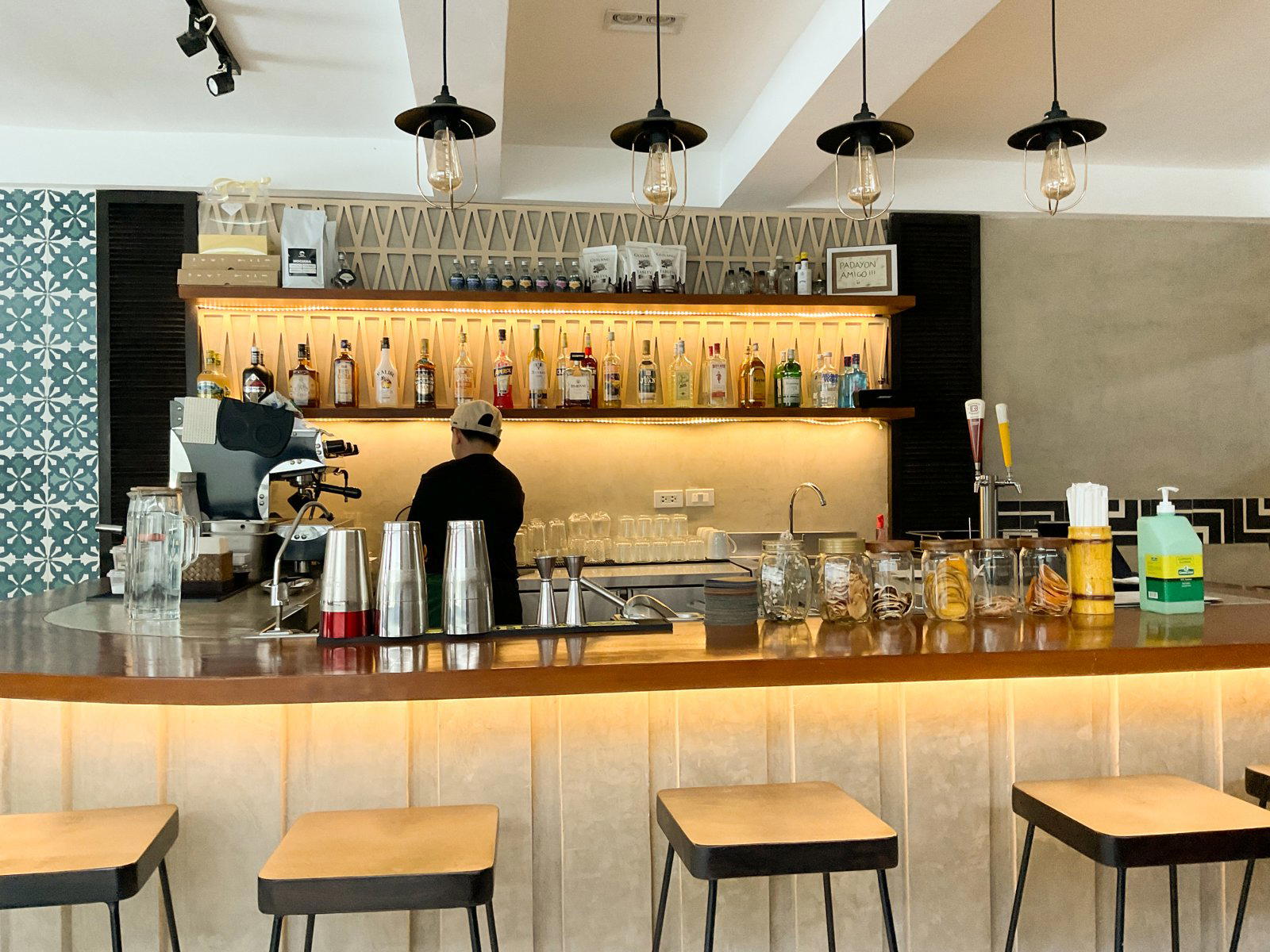
Clean, bright, and comfortable surroundings ideal for casual Filipino dining.