Linamnam

1 Michelin Star
Our verdict
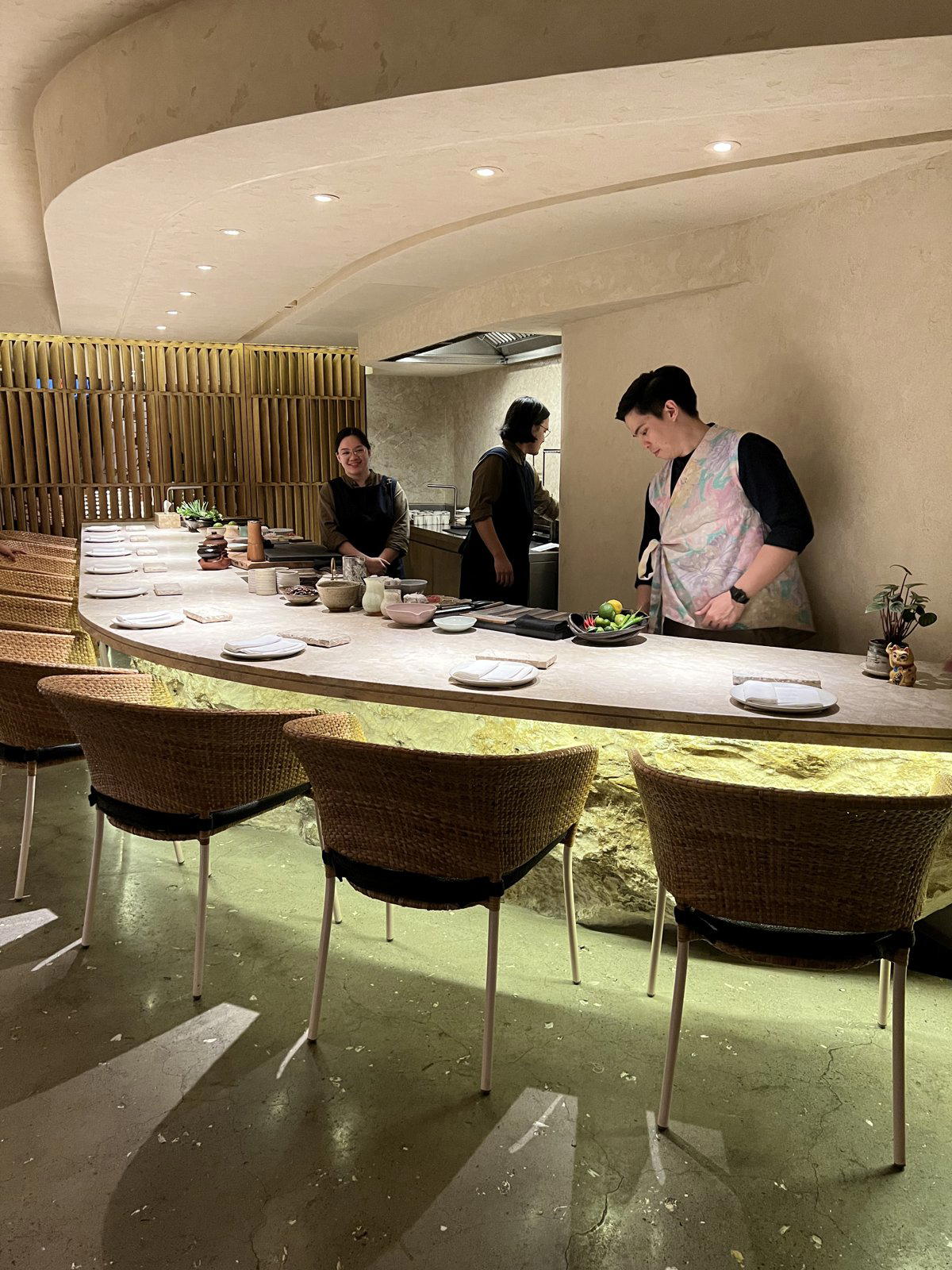
Linamnam in Parañaque presents contemporary Filipino tasting menus that translate childhood memories into refined plates. Must-try dishes include lamb dumplings in pork broth, blue marlin in fish head stock, and turon with aged banana and jackfruit. The intimate 10-seat dining counter sits inside a bahay kubo built by the chef’s father, offering a personal chef-led service by Don Baldosano. Linamnam serves an 11-course seasonal tasting menu (₱5,000) Tuesday to Saturday evenings, and earned a One MICHELIN Star in the 2026 MICHELIN Guide Philippines. Expect carefully layered flavors, warm wooden textures, and precise plating that make each course feel like a deliberate, memorable moment of Filipino gastronomy.

Pearl is the En Primeur Club membership app — saves, bookings, and concierge access live there. Same editors, same standards.
- Address
- 31 Greenvale 2, Parañaque, Metro Manila, Philippines
- Phone
- +63 917 573 0246
- Hours
- Mon–Tue ClosedWed–Sun 6–11 PM
- Website
- linamnammnl.cococart.co
- Directions
- Get directions
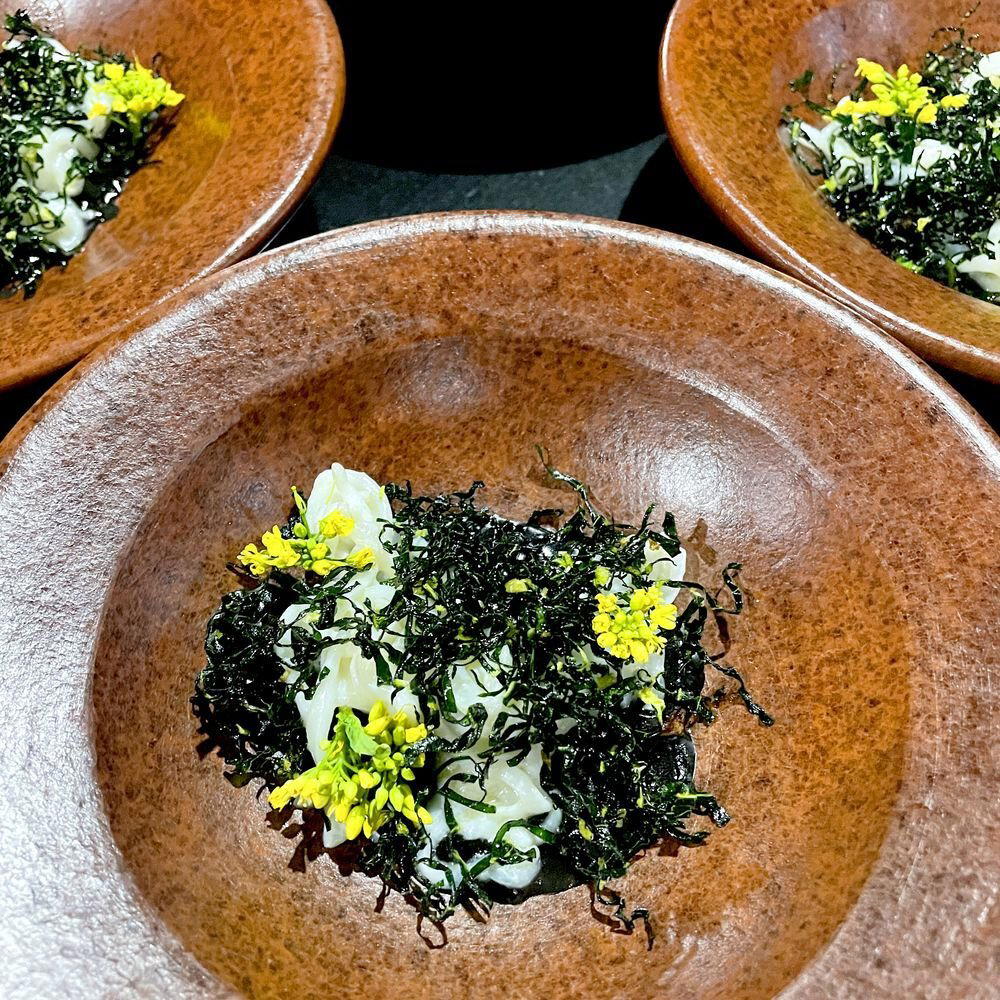
The menu
What to order
- Lamb dumplings in pork broth
- Blue marlin in fish head stock
- Putong bigas with Beluga caviar
- Sisig brioche
- Kilawing puso
- Turon with aged banana and jackfruit
A Quiet Street in Parañaque, and What It Now Represents
Greenvale 2 is not the kind of address that appears on Metro Manila dining maps by accident. The residential pocket of Parañaque sits well outside the city's established restaurant corridors, and arriving there for the first time requires a degree of intent. The street is calm, the surroundings domestic, and the contrast with what awaits inside makes the experience that much more disorienting in the leading sense. In 2026, Linamnam became the first restaurant at this address to receive a Michelin star, placing a quiet Parañaque side street into a conversation previously dominated by BGC and Makati.
That geography matters. Metro Manila's Michelin-starred tier has historically clustered in its wealthier commercial districts. Linamnam's recognition signals something broader: that the Philippines' most serious cooking is no longer confined to its most visible postcodes. The restaurant sits alongside Ginza Nagaoka and Kumba as part of a Parañaque dining scene that has developed without the brand infrastructure of its northern neighbours.
The Shape of the Meal
Filipino fine dining has arrived at a particular style of ritual in recent years. The meal is typically structured around a sequence of small courses, each carrying an explicit reference to regional produce, indigenous technique, or historical preparation. Pacing is deliberate. The gap between courses is not dead time but part of the design, intended to slow the diner and create space for the kind of attention a dish demands when it is built around a ferment, a curing method, or a starch preparation that has no close equivalent in other traditions.
At Linamnam, that framework appears to be in operation. The name itself, a Filipino word meaning something close to "delicious" or the act of savouring food, signals an orientation toward pleasure that is grounded rather than abstract. It is the kind of name that locates a restaurant in a lineage of cooking that takes Filipino flavour seriously on its own terms, rather than as a canvas for European technique.
The movement toward sourcing specificity and fermentation-led technique has also found expression at Celera in Makati and Cantabria by Chele Gonzalez in Mandaluyong, each operating within different price points and formats but contributing to the same general shift.
What a Michelin Star Implies About the Format
Michelin's 2026 Philippines coverage represents the guide's second cycle in the country, and the standards applied reflect a global evaluative framework calibrated for tasting menus, counter dining, and ingredient-led cooking. A one-star award at this stage of the guide's Philippine presence carries particular weight: it signals that the restaurant's format, consistency, and kitchen coherence have been assessed across multiple visits by anonymous inspectors trained to hold local cuisine to the same structural standards as European fine dining.
For a restaurant at a residential Parañaque address, that credential is also a logistical statement. Linamnam is almost certainly operating at a scale more intimate than its commercial-district peers. Small-format Filipino tasting operations, like the wider regional model seen in Toyo Eatery and Hapag in Manila, typically seat between sixteen and forty diners per service. That scale imposes disciplines on booking, sourcing, and pacing that larger restaurants can avoid. It also produces a different kind of attention from the kitchen, where each table represents a meaningful fraction of the evening's covers.
The comparison extends internationally. Tightly formatted tasting restaurants earning Michelin recognition outside their home city's obvious dining districts have become a reliable signal of a cuisine's maturity. Atomix in New York City, now among the most decorated Korean restaurants in the world, built its reputation from a format designed around exactitude rather than scale. Le Bernardin in New York City has held three stars for decades by maintaining kitchen discipline across consistent volume. The common thread is rigor applied to format, not size.
Dining in the Outer Districts: What the Location Asks of You
Getting to Linamnam requires planning. The address at 31 Greenvale 2 is not served by a major transport node, and Metro Manila traffic being what it is, arriving by private vehicle or booked car is the practical approach for most diners. The surrounding neighbourhood offers little in the way of pre-dinner drinking or post-dinner continuation, which means the meal itself carries the full weight of the evening.
That structural isolation is not a disadvantage so much as a feature of the format. Restaurants that require travel tend to produce more focused dining occasions. The diner who has committed to Parañaque for the evening arrives differently than one who has drifted in from a nearby bar. For comparable pre- or post-dinner options within the area, our full Parañaque bars guide covers what's available in the surrounding district.
For those building a wider Manila itinerary around the meal, the city's dining range runs from the seafood-led formats of China Blue in Pasay to the long-running approachability of CIBO in Quezon City, with strong mid-market representation from Blackbird Makati in Manila and the modern Asian cooking at Bolero in Taguig. Regional reach further extends to Abaseria Deli and Cafe in Cebu, illustrating how seriously the Philippines now takes its full dining geography.
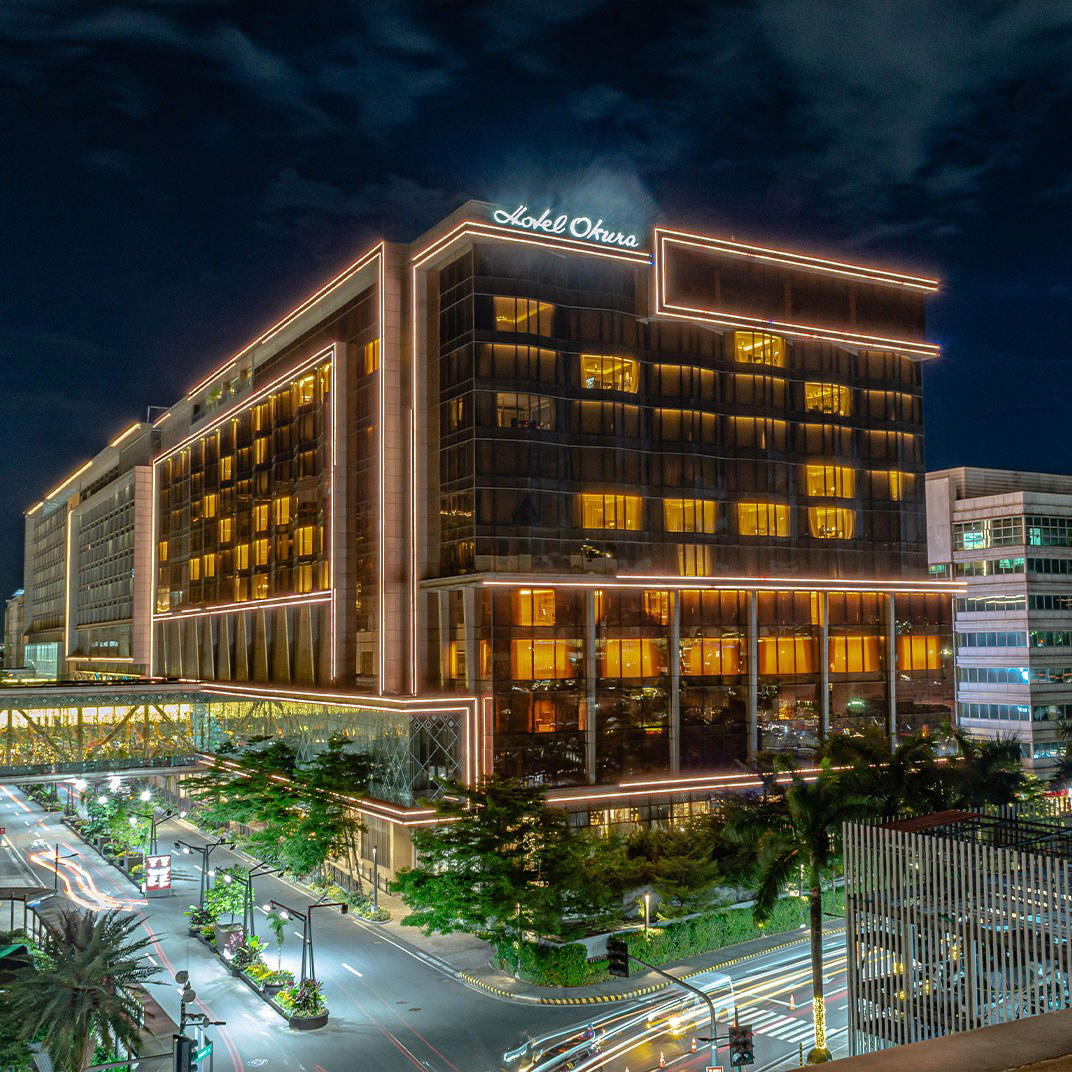
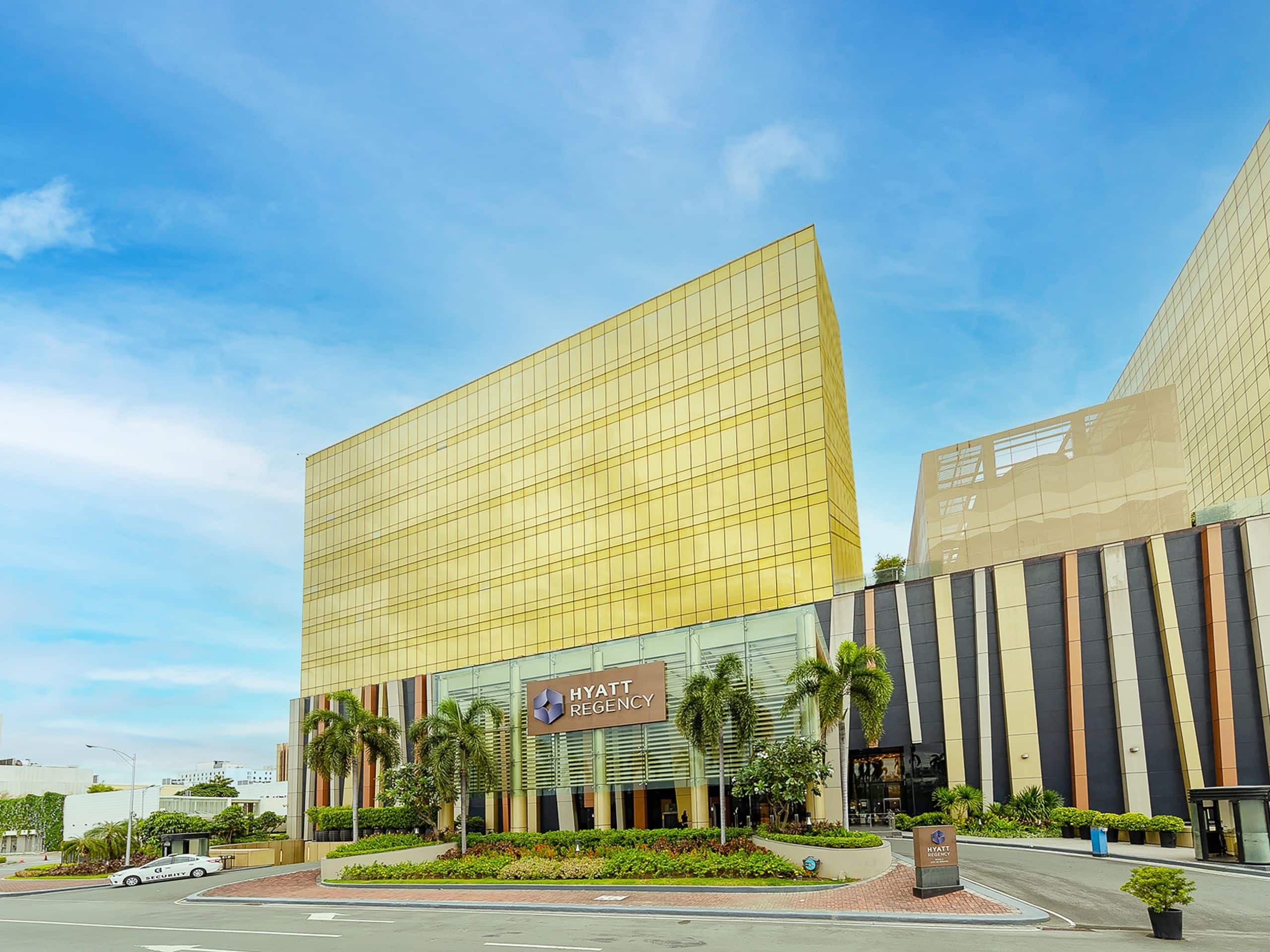
For accommodation options near the restaurant, our full Parañaque hotels guide covers the relevant range. Additional context on the wider district is available through our full Parañaque restaurants guide, our full Parañaque wineries guide, and our full Parañaque experiences guide.
Frequently asked questions
How do I find Linamnam?
Linamnam is located at 31 Greenvale 2, Parañaque, Metro Manila, Philippines, Parañaque.
What kind of recognition has Linamnam received?
Linamnam has received recognition including: Michelin 1 Star (2026).
What should I eat at Linamnam?
The kitchen holds a 2026 Michelin Star, which signals a structured tasting format built around Filipino culinary tradition rather than à la carte selection. Specific dishes are not publicly listed, but Michelin recognition in the Philippines has consistently been awarded to kitchens working with local ingredients across a sequenced course format. Arrive prepared to follow the kitchen's direction rather than order freely.
Should I book Linamnam in advance?
Yes. A Michelin Star awarded in 2026 changes the reservation dynamic sharply, and the residential setting at 31 Greenvale 2, Parañaque means walk-in access is impractical. Contact details are not listed publicly at this time, so securing a table requires tracking the venue's current booking channel directly. Given the recognition, expect lead times to lengthen as the year progresses.
What is Linamnam known for?
Linamnam earned a Michelin Star in 2026 under the guide's second Philippines cycle, placing it among a small set of Metro Manila restaurants meeting global Michelin evaluative standards. Its address in Parañaque, a residential district outside the city's main dining corridors, has made it a reference point for Filipino fine dining operating outside the conventional high-footfall zones. The name itself — a Filipino word meaning to taste or savour — signals the kitchen's orientation toward local culinary identity.
What if I have allergies at Linamnam?
A Michelin-starred kitchen operating a structured tasting menu format will typically accommodate dietary requirements when notified at the time of booking rather than on arrival. Because the menu at Linamnam is not published in advance, communicating restrictions early is the only reliable approach. Confirm the process directly when you make your reservation.
Is Linamnam the only Michelin-starred restaurant in Parañaque?
Based on the Michelin 2026 Philippines guide, Linamnam is the Michelin-starred address in Parañaque, a district that had not previously appeared in the guide's Philippines coverage. Metro Manila's starred restaurants have historically clustered in Bonifacio Global City and Makati, which makes Linamnam's Parañaque location a notable geographical outlier within the Philippine Michelin set.
Cuisine Context
| Venue | Cuisine | Price | Awards |
|---|---|---|---|
| LinamnamThis venue — the venue you are viewing | Progressive Filipino Fine Dining | $300–500 | 1 Michelin Star |
| Gallery By Chele | Modern Fillipino | Not listed | Michelin 1 Star |
| Toyo Eatery | Modern Fillipino | Not listed | Michelin 1 Star |
| Hapag | Filipino | Not listed | Michelin 1 Star |
| Locavore | Creative Cuisine | Not listed | Not listed |
| M Dining + Bar M | Asian Fusion | Not listed | Not listed |
Recognition history
Dated appearances from independent guides and award organizations, with the underlying list record or original source where available.
Michelin 1 Star
Michelin
Continue exploring
More in Parañaque
Restaurants in Parañaque
Browse all →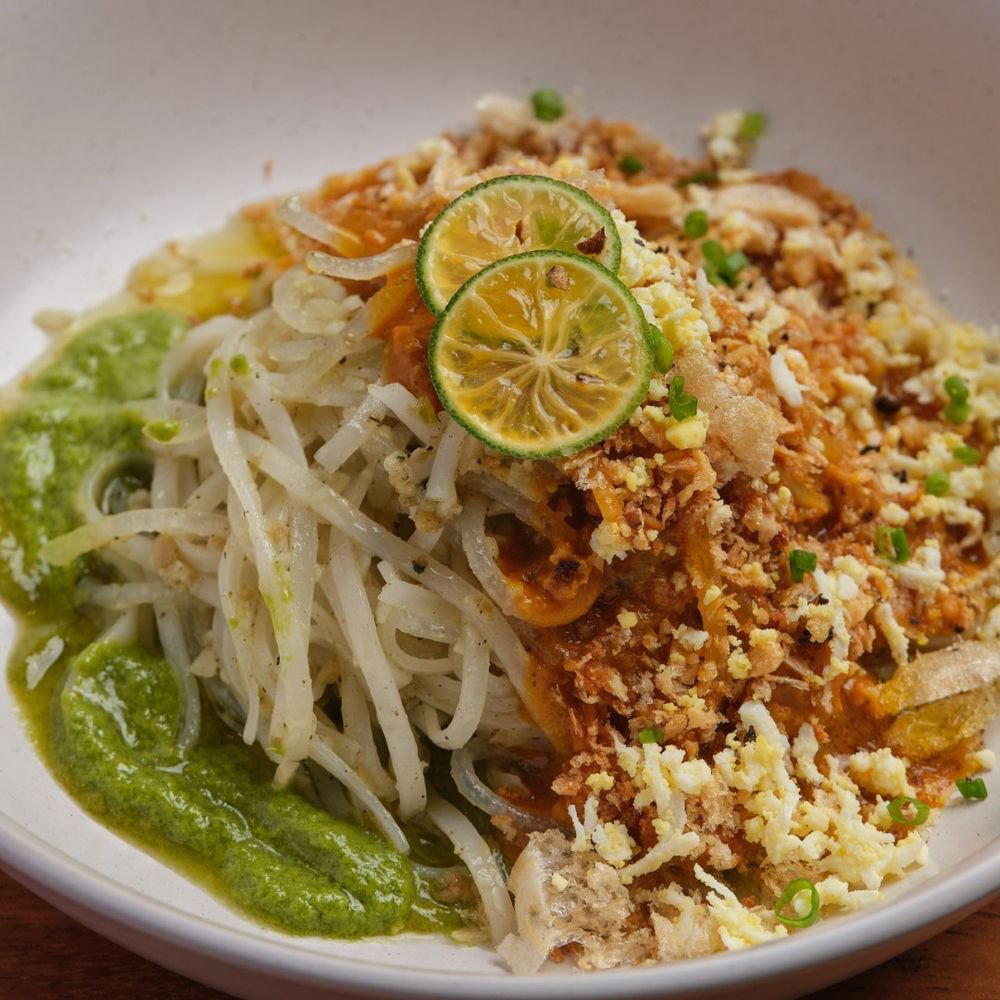
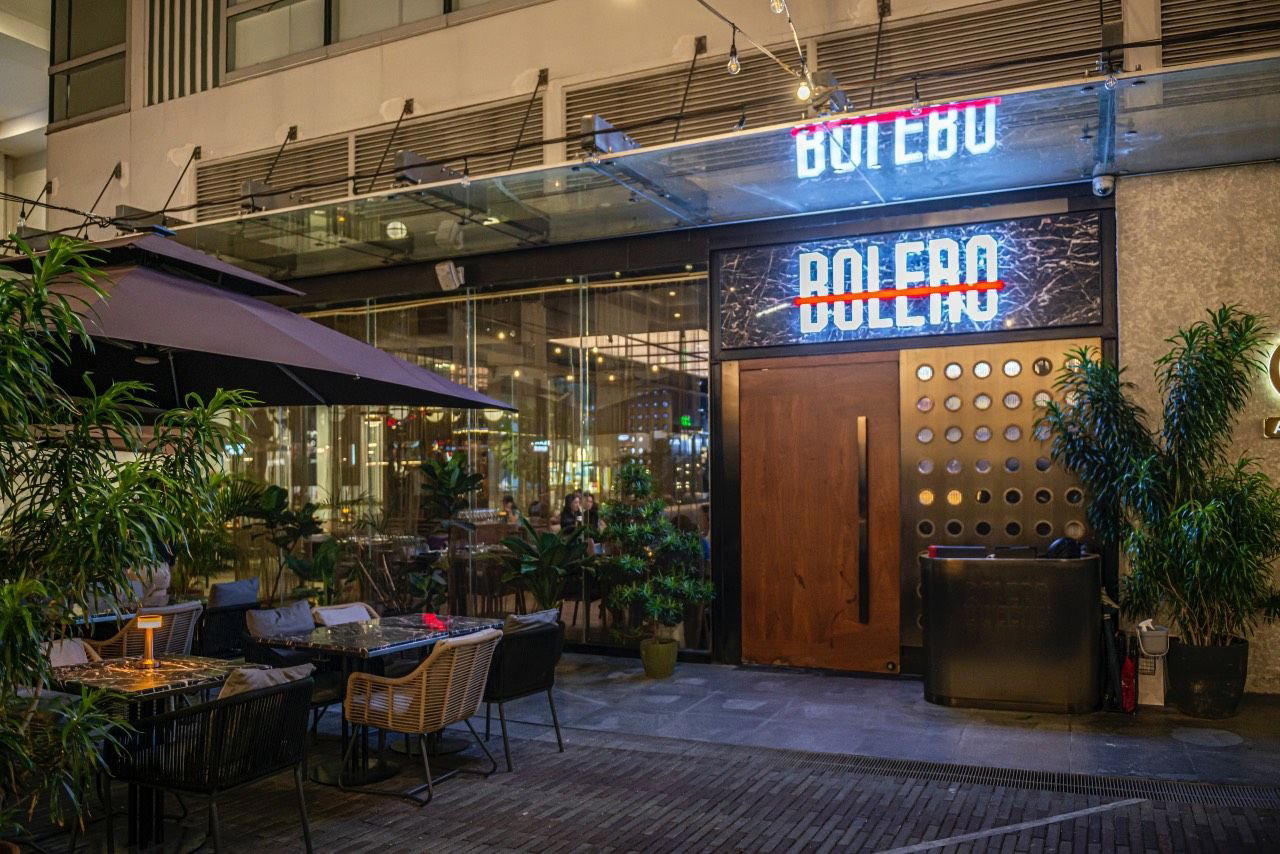
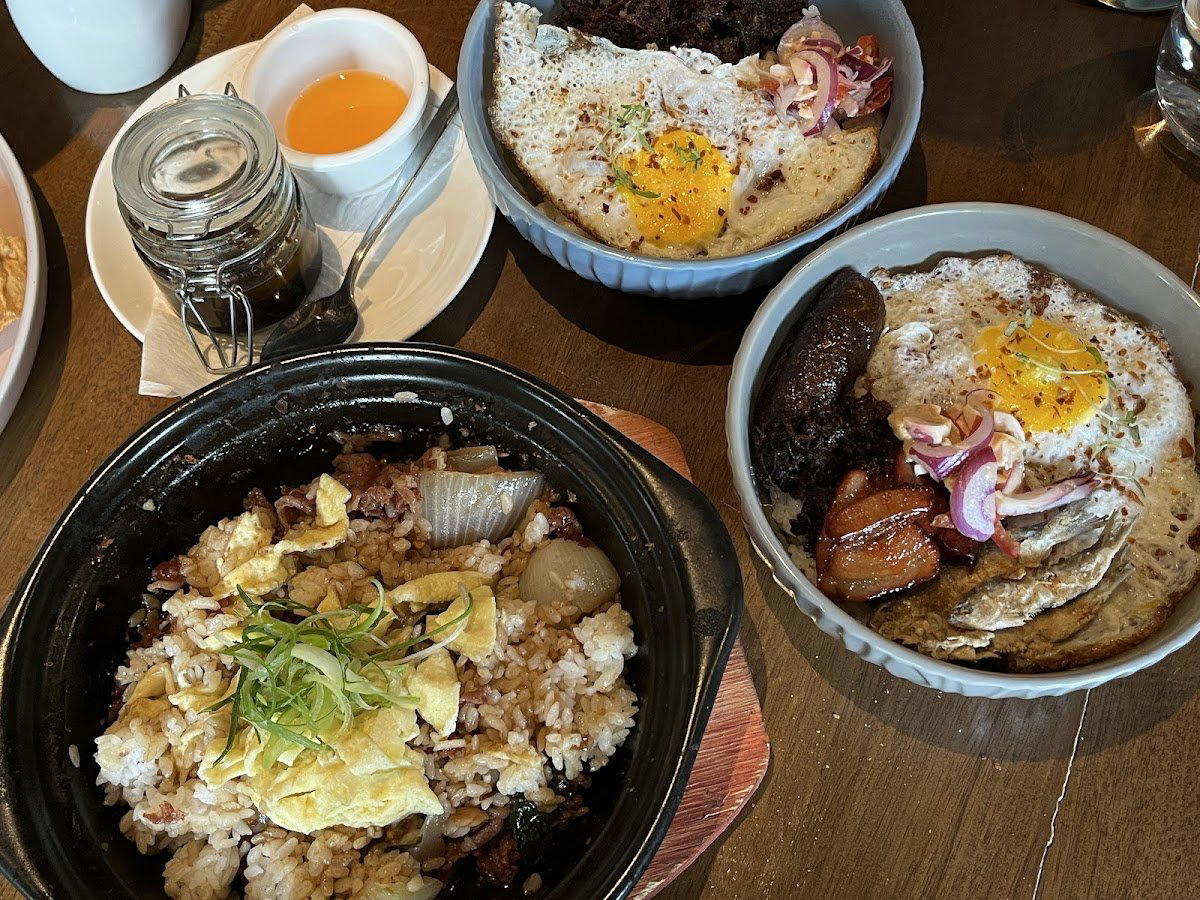
Bars in Parañaque
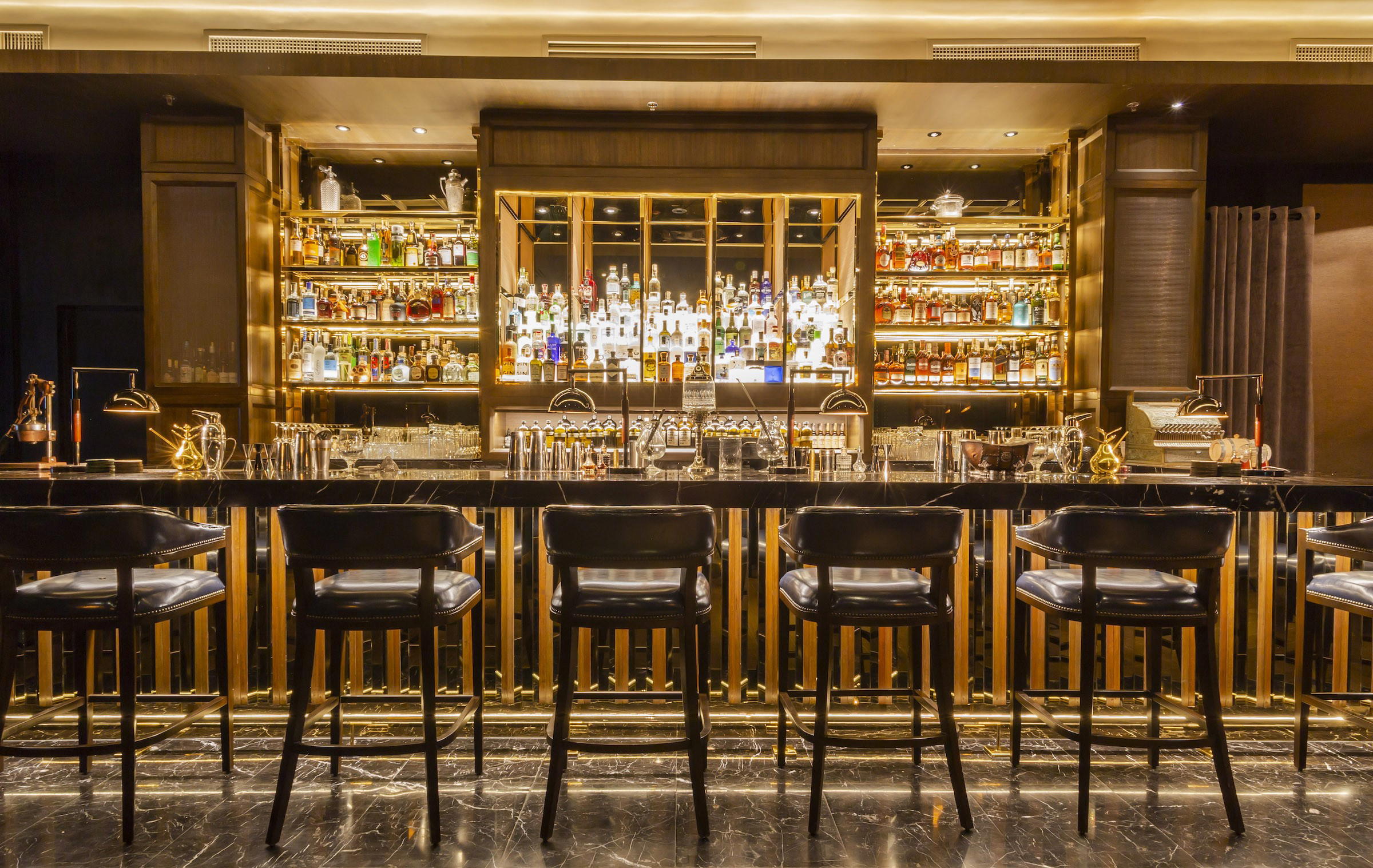
Browse all →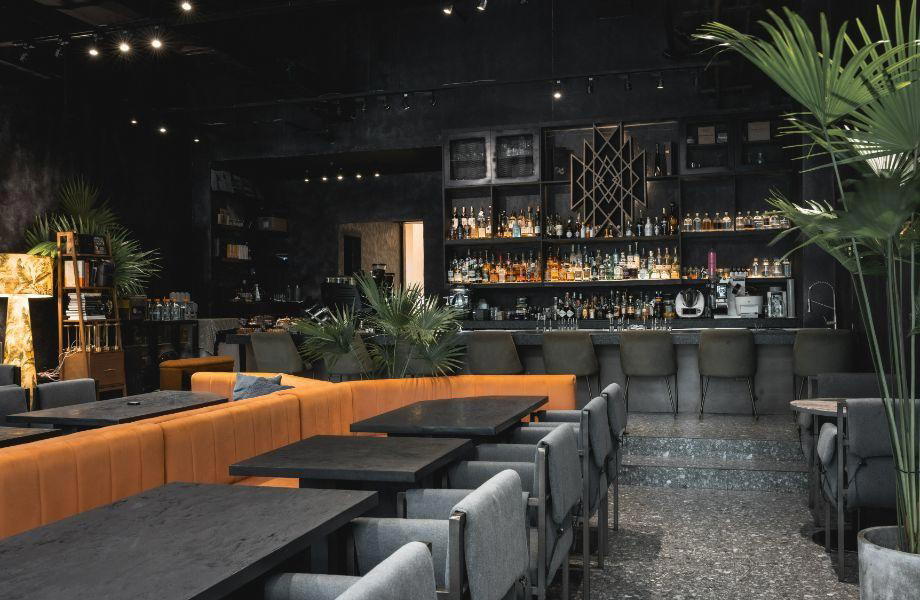

Details
- Intimate
- Elegant
- Rustic
- Sophisticated
- Date Night
- Special Occasion
- Celebration
- Open Kitchen
- Private Dining
- Garden
- Courtyard
- Natural Wine
- Sommelier Led
- Farm To Table
- Local Sourcing
- Organic
- Garden
- Tasting Menu
- Prix Fixe
- Natural Wine
- Filipino Beverages
- Vegetarian Friendly
- Allergy Accommodating
Current opening hours
- Monday
- Closed
- Tuesday
- Closed
- Wednesday
- 6–11 PM
- Thursday
- 6–11 PM
- Friday
- 6–11 PM
- Saturday
- 6–11 PM
- Sunday
- 6–11 PM
Hours can change for holidays and private events. Last verified .
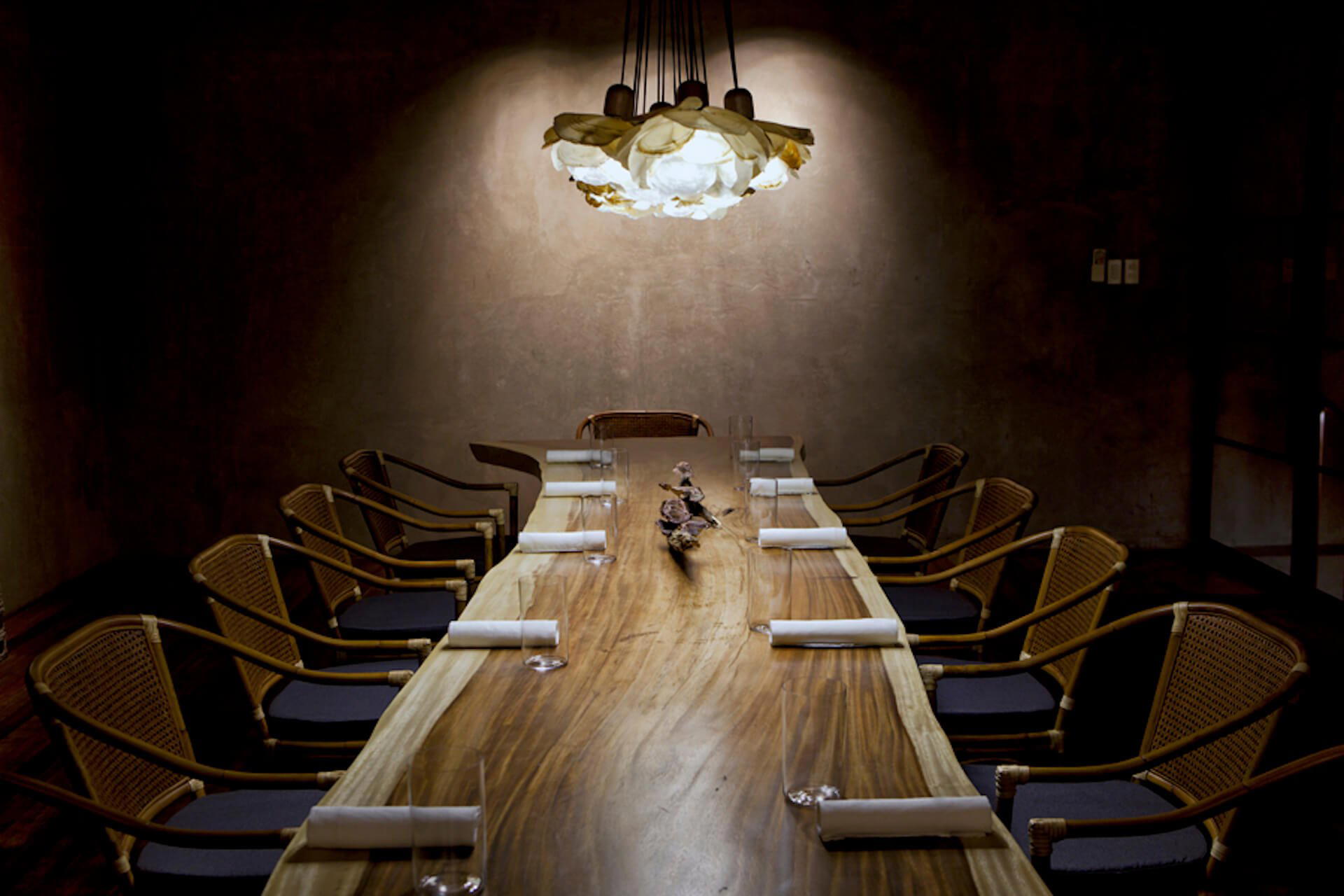
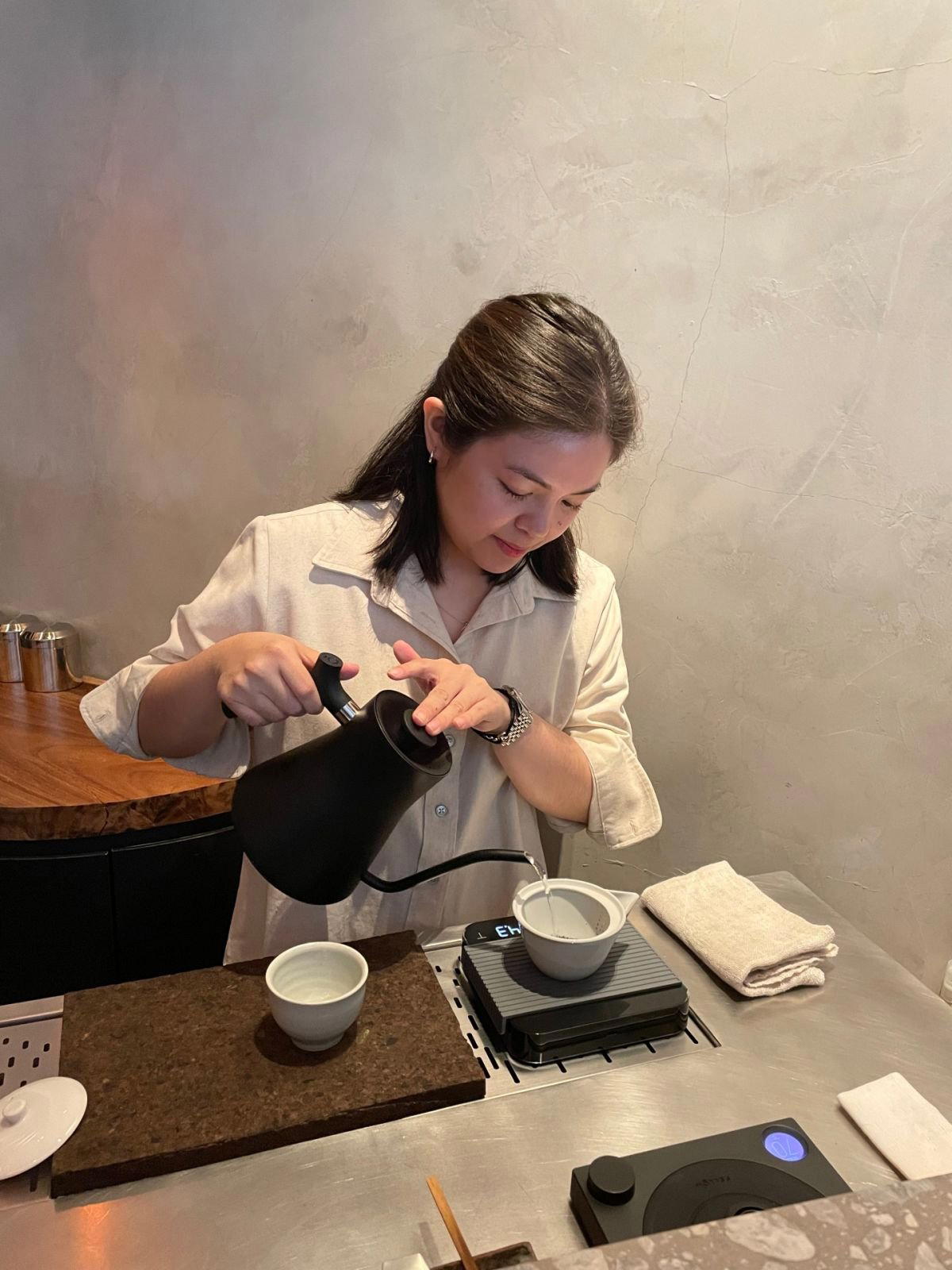
Intimate garden setting in a traditional thatched-roof stilt house with woven wall coverings, wooden floors, and Tiffany-style lamps; al fresco dining with open kitchen theater.