Metiz


Metiz occupies a considered position in Makati's neo-bistro tier, running an eight-course tasting sequence that places fermentation, local produce, and mixed-heritage influences at its centre. A Michelin Plate holder ranked 82nd in Opinionated About Dining's Asia list for 2025, it operates Tuesday to Saturday from a ground-floor space on Chino Roces Avenue Extension, with an open kitchen anchoring a dimly lit, convivial dining room.
Pearl is the En Primeur Club membership app — saves, bookings, and concierge access live there. Same editors, same standards.
- Address
- Ground floor, building A, 2316 Chino Roces Ave, Extension, Makati City, 1232 Metro Manila, Philippines
- Phone
- +63 917 700 4109
- Website
- metizresto.com/
- Directions
- Get directions
 Saves & bookings on Pearl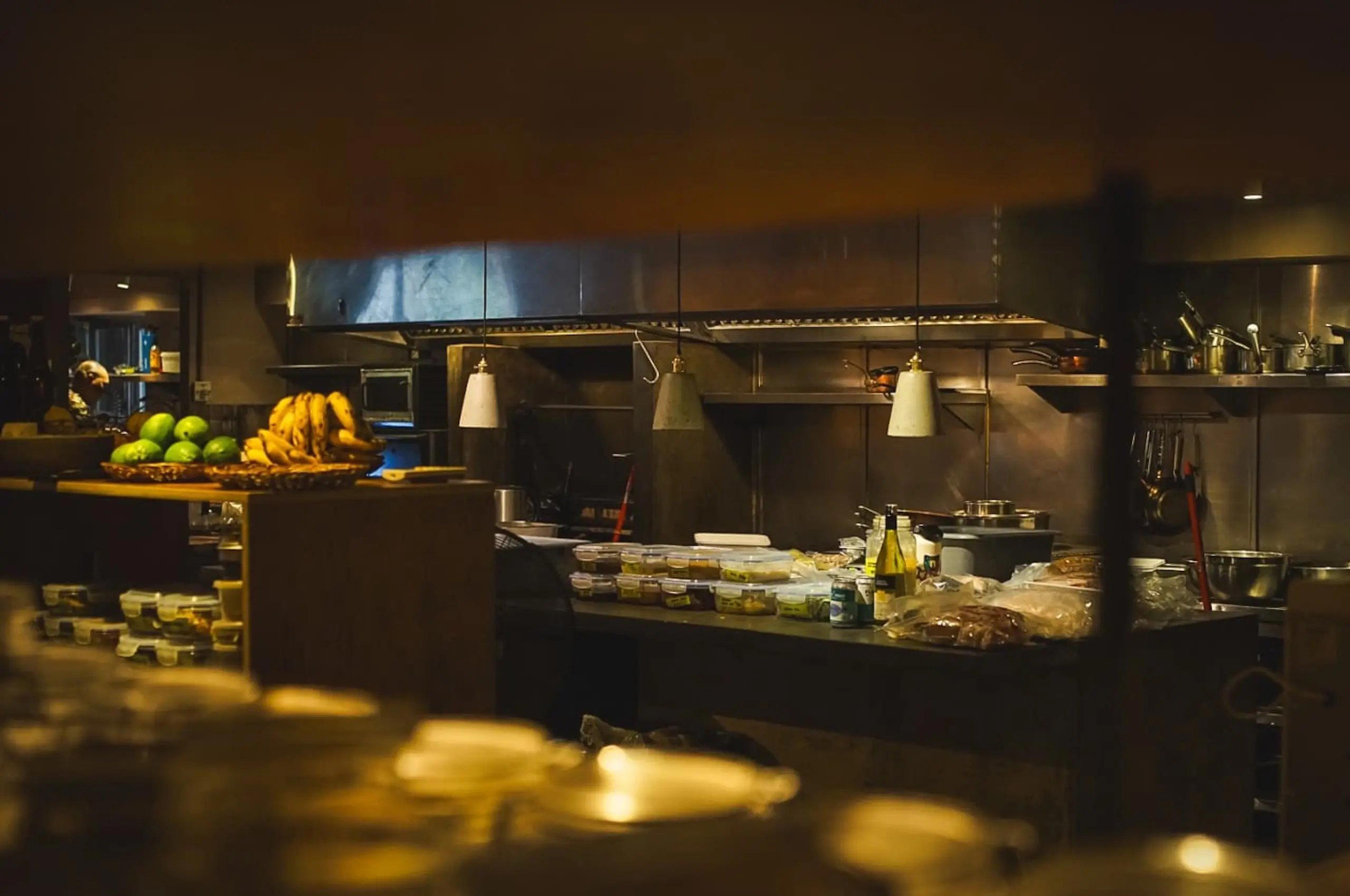
Fermentation, Heritage, and the New Shape of Makati's Tasting Table
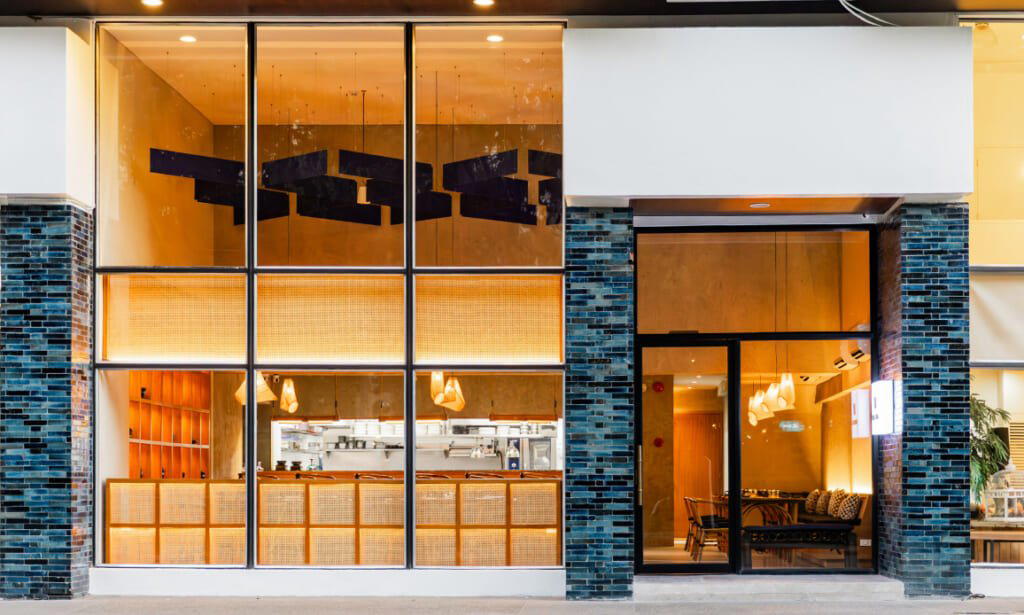
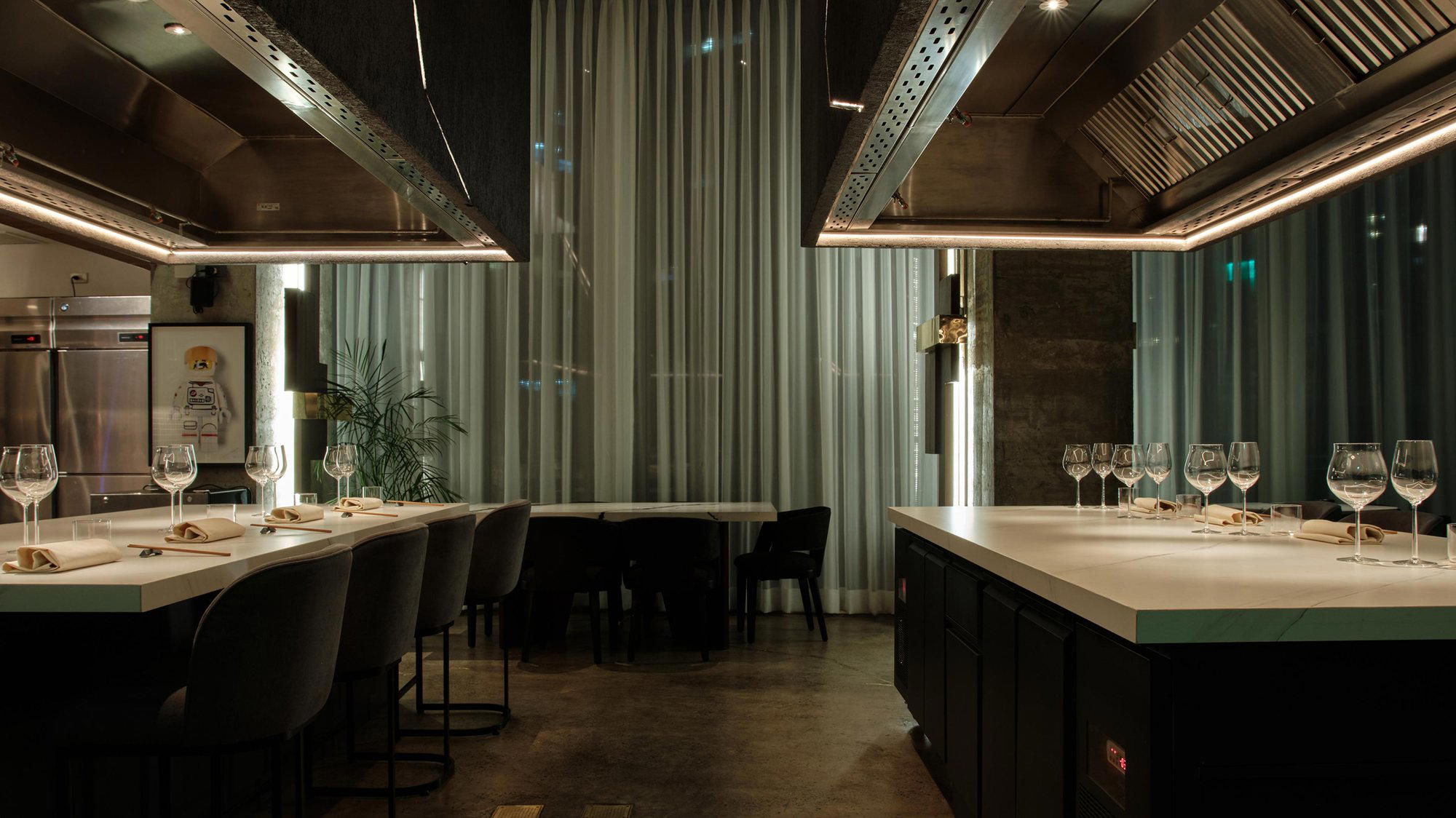
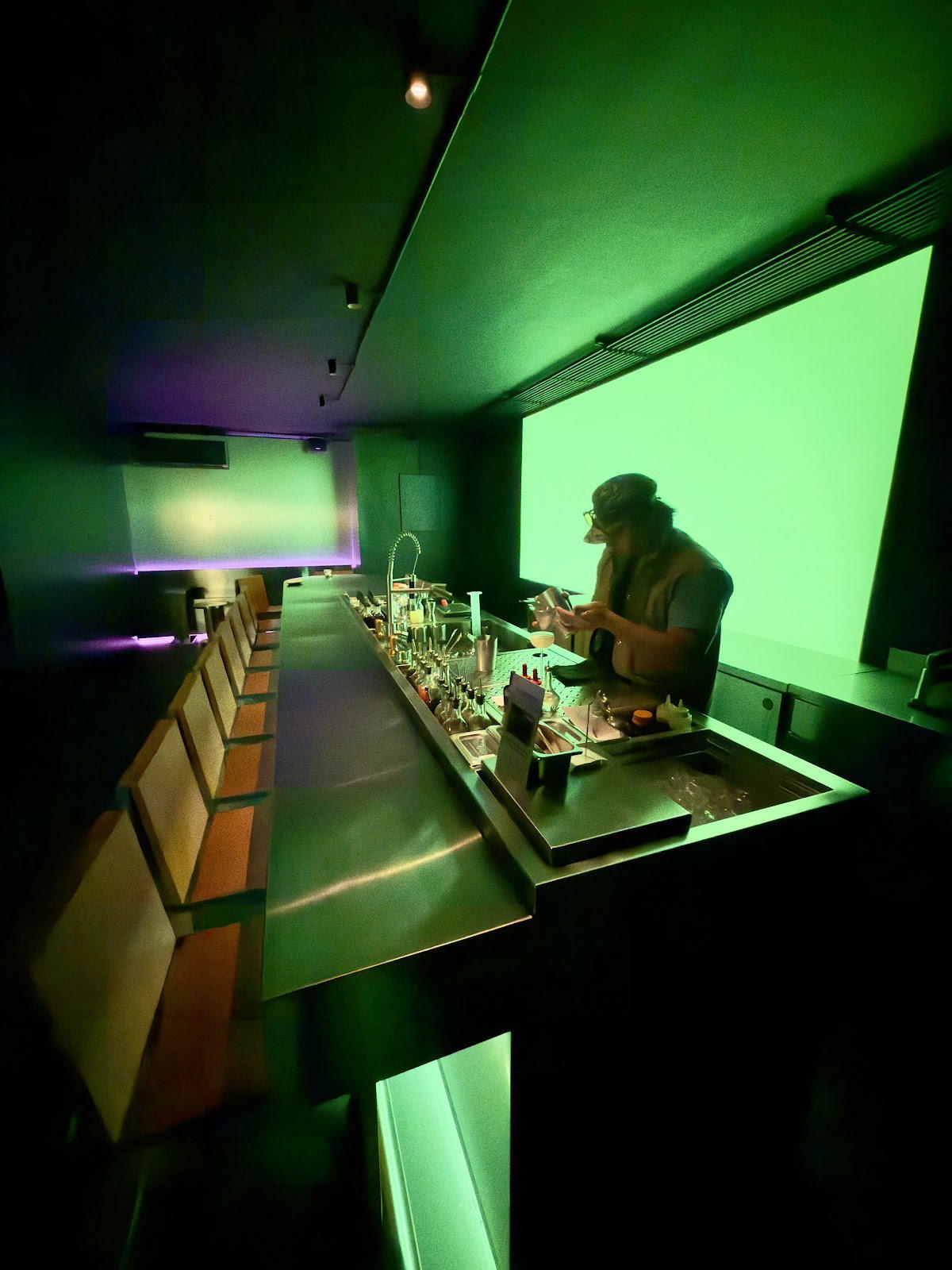
On Chino Roces Avenue Extension in Makati, the dining room at Metiz announces itself through a long open kitchen rather than a closed door or dramatic entrance sequence. The lighting is low, the atmosphere convivial rather than ceremonially hushed, and the layout encourages the kind of lingering that tasting menus require. In a city where fine dining has historically leaned toward formal European service codes or hotel-ballroom grandeur, this register marks something meaningful about where Manila's most ambitious cooking is now being done.
The neo-bistro format, which has reshaped ambitious dining across Europe and Southeast Asia alike, operates on a specific set of premises: a focused menu, a kitchen-forward room, relaxed service paired with serious technique, and a culinary identity rooted in place rather than imported prestige. At André in Valence or Barred in Rome, that format has taken hold in its respective contexts. In Manila, Metiz belongs to the same lineage, but the ingredients, the fermentation logic, and the flavour direction are distinctly Filipino in reference.
Eight Courses, One Clear Argument
The tasting sequence at Metiz runs to eight steps. That count places it in the middle tier of Manila's structured tasting formats, more considered than a three-course à la carte, less marathon than the extended omakase-style programmes that have proliferated in Tokyo and are now appearing in Southeast Asian capitals. What distinguishes the progression here is its flavour vocabulary: bold, sour, pungent, and bitter notes appear across both the food courses and the cocktails, reflecting a kitchen that has built its identity around fermentation and local produce rather than softening those flavours toward a more internationally palatable centre.
Fermentation as a culinary framework is not new to the Philippines. Bagoong, patis, and fermented rice vinegars have been structural elements of the regional table for centuries. What restaurants like Metiz contribute is the translation of that logic into a contemporary tasting format, courses that foreground the acidity, umami depth, and complexity that fermentation produces, rather than treating those flavours as background seasoning. Seafood and plant-based components carry much of the menu's architecture, with fermented produce weaving through rather than appearing as a single showcase moment. The approach draws on mixed-heritage influences, producing contrasts between courses that keep the pacing alive across eight steps.
Where Metiz Sits in Manila's Neo-Filipino Tier
Manila's ambitious restaurant scene has developed several distinct lanes over the past decade. At the formal modern-Filipino end, Gallery by Chele and Toyo Eatery have anchored the category with multi-course tasting programmes that reference local ingredients through a more architectural plating sensibility. Locavore brings a creative-cuisine approach with its own sourcing rigour. Grace Park Dining by Margarita Forés and Antonio's represent longer-established pillars of the city's dining culture, operating across different format and price registers.
Metiz, under chef Stephan Duhesme, occupies a position that is recognisably of this tier but distinct in its fermentation-led flavour logic and neo-bistro room register. The Michelin Plate awarded in 2026 places it within a credentialed comparable set, and the Opinionated About Dining rankings, 82nd in Asia for 2025, up from 205th in 2024 and a recommended listing in 2023, trace a clear upward trajectory across three consecutive assessment cycles. That kind of movement in a competitive Asia-wide list signals a restaurant building consistent critical recognition rather than coasting on an initial reception.
The Room and What It Signals
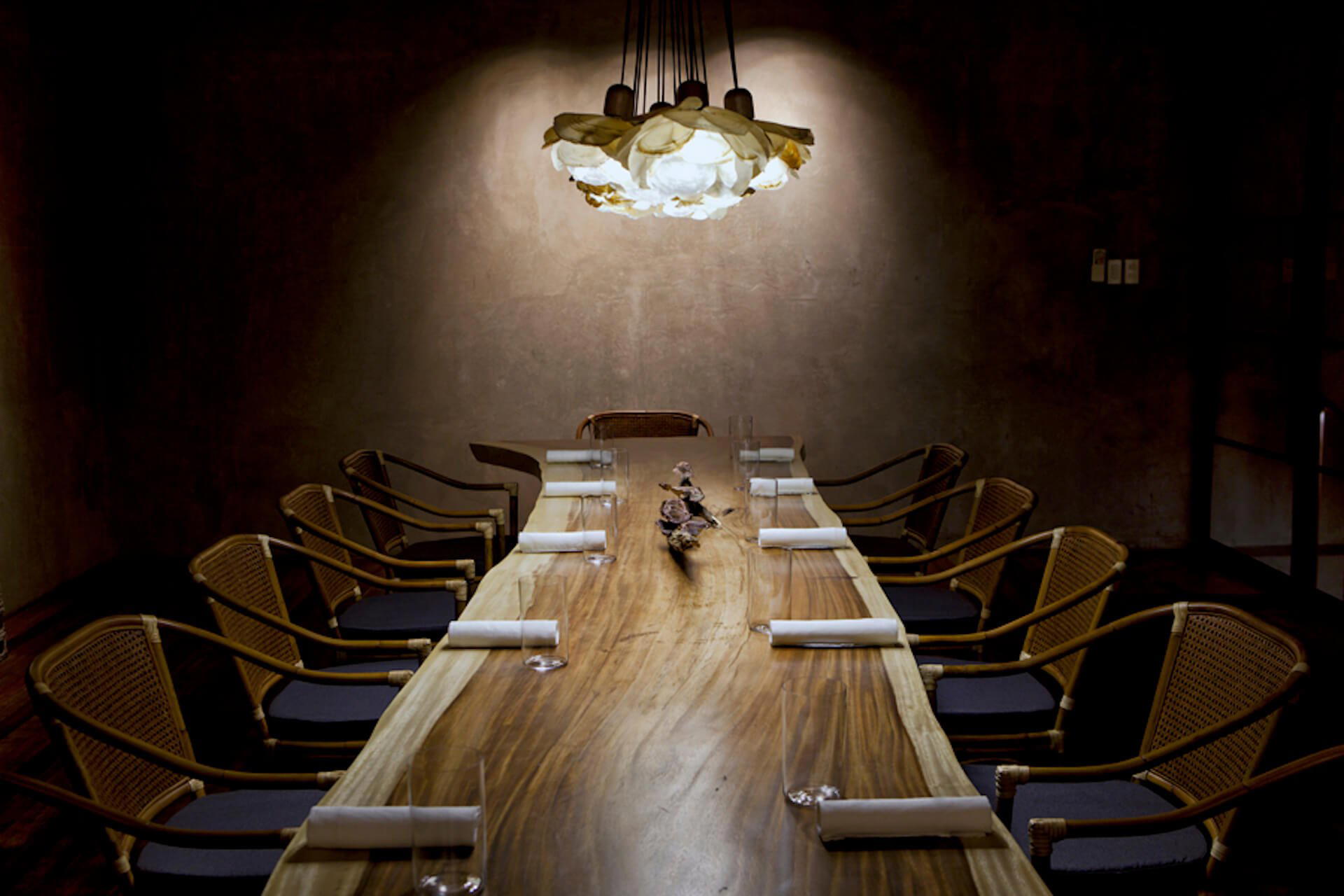
The grand brasserie tradition, long rooms, open kitchens, a setting designed for groups and extended stays rather than quick turns, has always carried a particular kind of sociability that formal tasting-menu dining sometimes forecloses. Metiz operates with enough of that spirit to function equally well for a date or a larger group, while the eight-course structure still requires the pacing attention of a focused tasting experience. The dimly lit room with its open kitchen view is the physical expression of the neo-bistro contract: serious cooking made visible, but in an atmosphere that does not demand reverence.
That combination, convivial setting, technically grounded menu, fermentation-forward flavour profile, is what distinguishes Metiz from both the more ceremonial end of Manila's tasting scene and the casual end of its Filipino-heritage dining. It occupies a middle register that has room to develop further as the city's dining culture continues consolidating around local-ingredient seriousness.
Planning a Visit
Metiz operates Tuesday through Friday with evening service from 6 to 11 pm, and on Saturdays with both a lunch sitting from noon to 3 pm and an evening sitting from 6 to 11:30 pm. The restaurant is closed on Sundays and Mondays. The Saturday lunch represents the only daytime access point across the week, which may suit those who prefer to engage with a tasting menu in the early afternoon rather than deep into the evening. The address is Ground Floor, Building A, 2316 Chino Roces Avenue Extension, Makati City, Metro Manila.
Similar Picks
Comparable venues nearby, for context on price, style, and recognition.
| Venue | Cuisine | Price | Notes |
|---|---|---|---|
| MetizThis venue — the venue you are viewing | Modern Filipino | $$$$ | Not listed |
| M Dining + Bar M | Modern European with Asian Influences | $$$ | Makati |
| Txanton | Spanish Jamón & Wine Bar | $$$$ | Makati |
| Grace Park Dining by Margarita Forés | Modern Filipino-Italian Fusion | $$$ | Rockwell Center |
| Antonio's | Fine Dining Filipino-European Fusion | $$$$ | Tagaytay |
| Locavore | Modern Filipino | $$$ | Pasay |
Recognition history
Dated appearances from independent guides and award organizations, with the underlying list record or original source where available.
Michelin Plate
Michelin
Opinionated About Dining Top Restaurants in Asia Ranked #106
Opinionated About Dining
Opinionated About Dining Top Restaurants in Asia Ranked #82
Opinionated About Dining
Opinionated About Dining Top Restaurants in Asia Ranked #205
Opinionated About Dining
Opinionated About Dining Top Restaurants in Asia Recommended
Opinionated About Dining
Continue exploring
More in Manilla
Restaurants in Manilla
Browse all →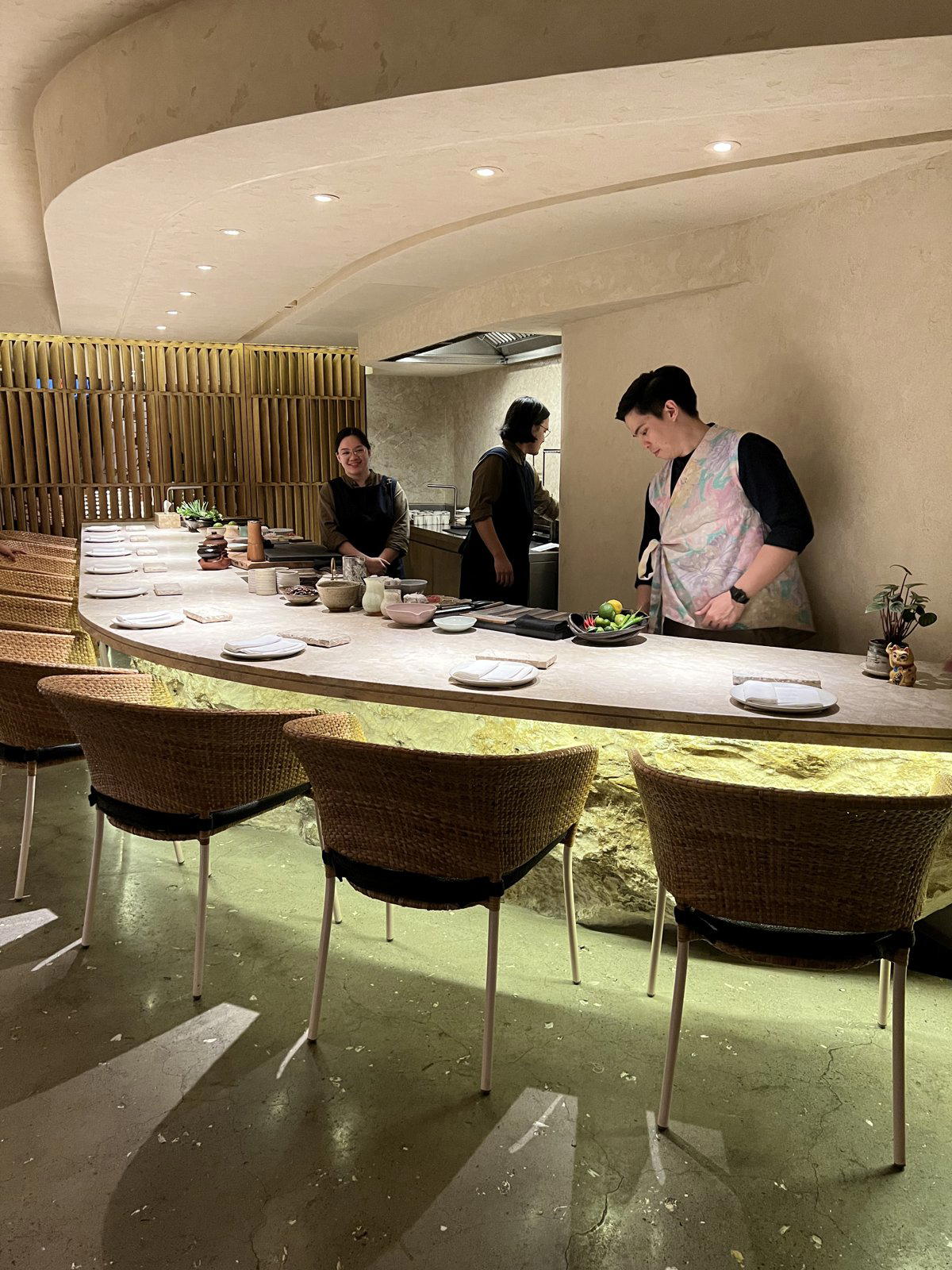

At a Glance
- Modern
- Trendy
- Energetic
- Rustic
- Date Night
- Special Occasion
- Group Dining
- Open Kitchen
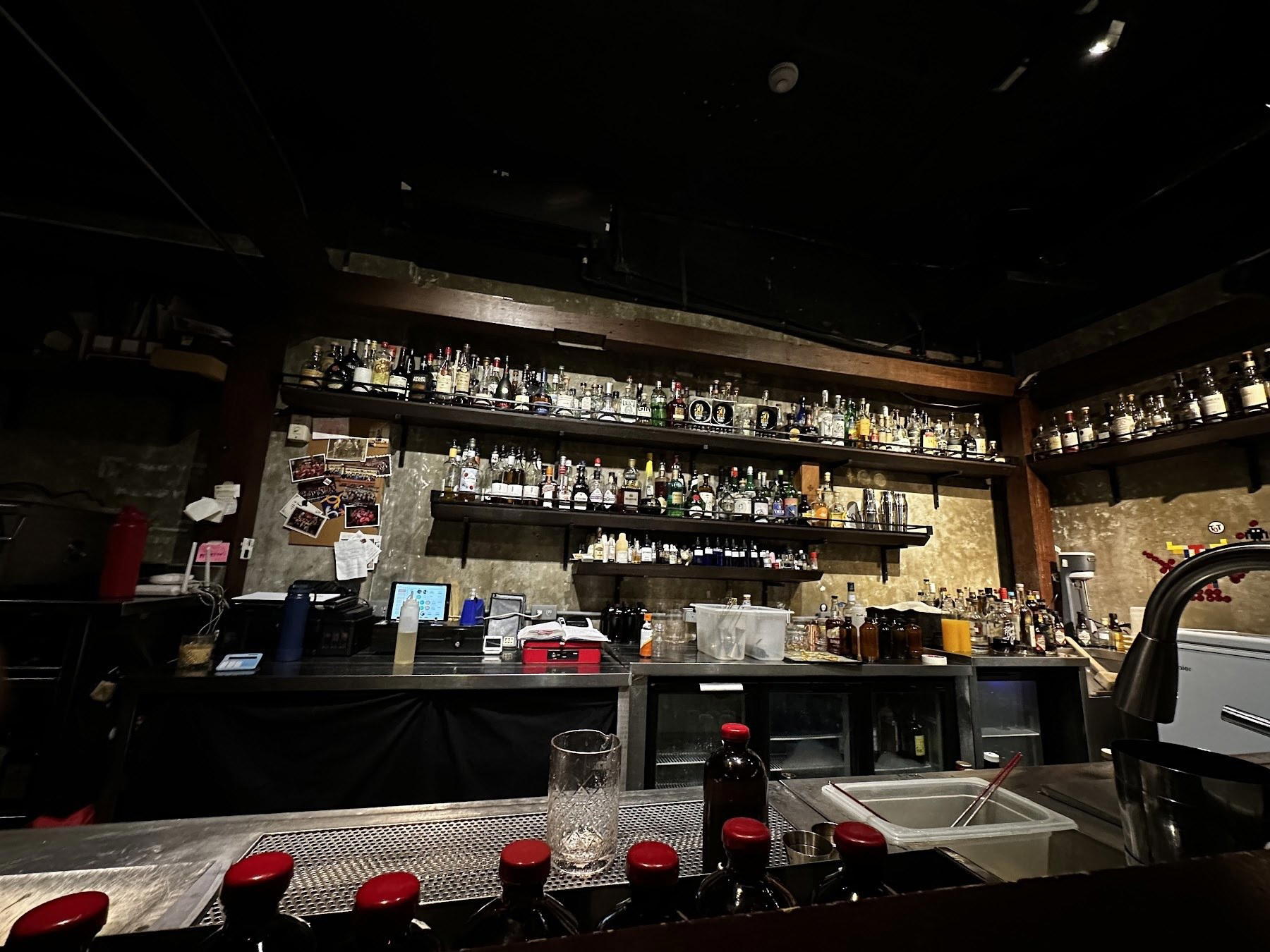
- Craft Cocktails
- Local Sourcing
Current opening hours
- Monday
- Closed
- Tuesday
- 6–11 PM
- Wednesday
- 6–11 PM
- Thursday
- 6–11 PM
- Friday
- 6–11 PM
- Saturday
- 6–11 PM
- Sunday
- Closed
Hours can change for holidays and private events. Last verified .
Busy with energy, homely rustic feel with open kitchen and ingredient displays.