Asador Alfonso

Asador Alfonso earned a Michelin star in 2026 from a barangay road address in Alfonso, Cavite, among the more geographically surprising recognitions in the Philippines' recent fine dining story. The setting, well outside Metro Manila's dining corridor, signals something deliberate about distance from the capital and proximity to the province's agricultural and highland resources. For the Cavite dining scene, this is a meaningful shift.
Pearl is the En Primeur Club membership app — saves, bookings, and concierge access live there. Same editors, same standards.
- Address
- Lot-3308 Barangay road, Esperanza Ilaya, Alfonso, 4100 Cavite, Philippines
- Phone
- +63 917 150 7621
- Website
- instagram.com
- Directions
- Get directions
 Saves & bookings on Pearl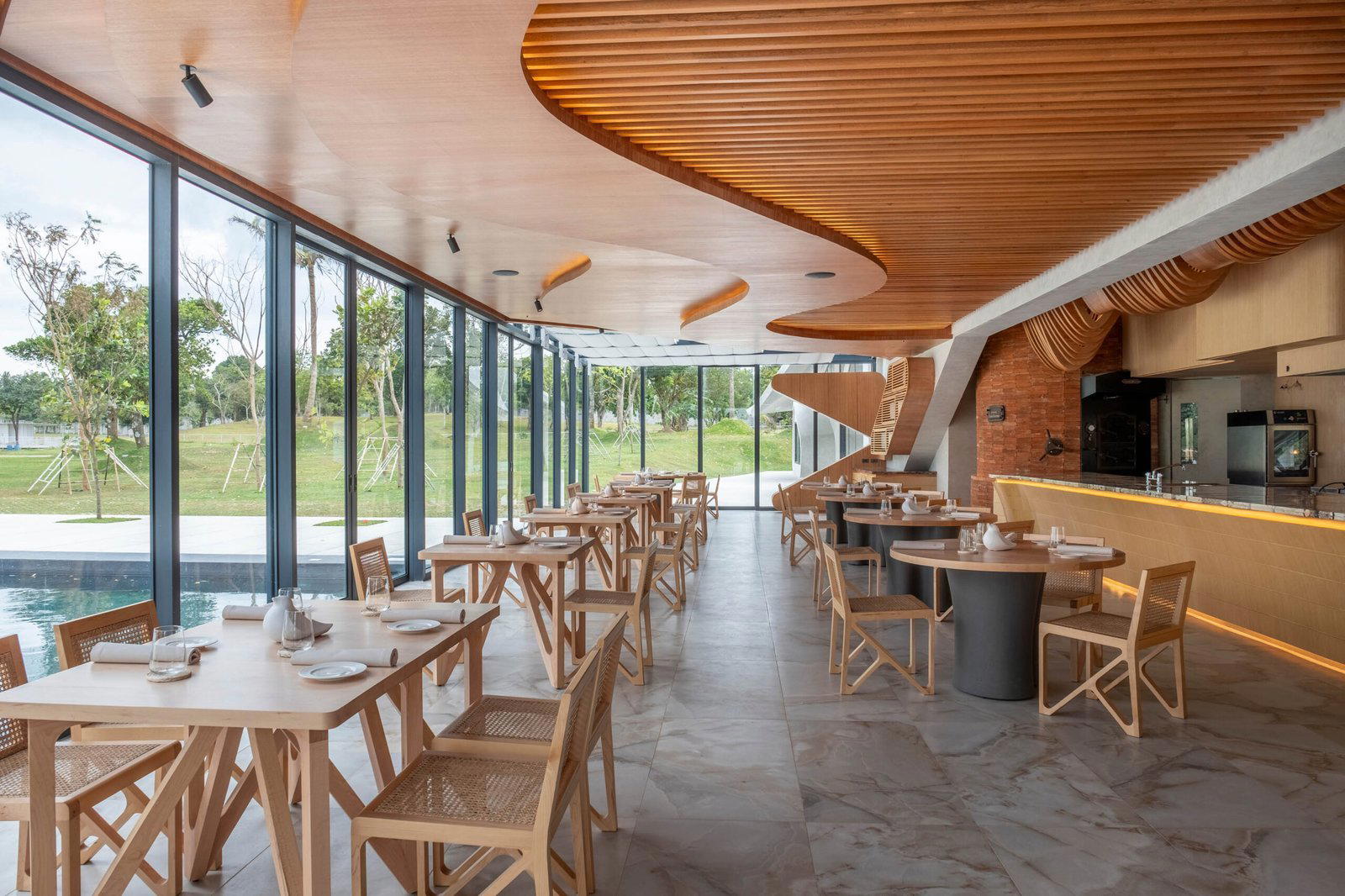
Where the Road Ends and the Fire Begins
Alfonso, Cavite sits roughly 60 kilometres south of Manila in the Tagaytay highlands corridor, a stretch of refined, cooler terrain known for its proximity to Taal Volcano and the vegetable and livestock farms that have long supplied the capital's restaurant kitchens. The address of Asador Alfonso, on a barangay road in Esperanza Ilaya, places it firmly outside any metropolitan dining cluster.
Asador Alfonso's 2026 Michelin star is legible within that shift.
Fire, Province, and What 'Asador' Actually Means Here
The word asador carries specific weight in culinary tradition. In Spanish and Latin American contexts, it refers to a grill or roasting apparatus, and by extension to the cook or the place where live-fire cooking happens. In the Philippines, Spanish colonial vocabulary is woven into everyday language, but the word's culinary application is less common, making the name itself a signal about method and intention rather than just identity.
Live-fire cooking has been resurging globally across fine dining, not as spectacle but as a technique with genuine sourcing implications. Fire cooking demands ingredients that can withstand and reward direct heat: animals raised with sufficient fat coverage, root vegetables with density and starch, fish with structural integrity. Where a kitchen relies heavily on butter emulsions and precise low-temperature technique, sourcing latitude is wider. A restaurant anchored to the grill has less room to compensate for mediocre produce. The Cavite highlands, with their cooler temperatures and agricultural infrastructure, offer the kind of local supply base, native pigs, free-range poultry, highland vegetables, that live-fire cooking requires and rewards.
This is part of what the Michelin recognition signals: not simply that a restaurant is well-executed, but that it has constructed a sourcing logic coherent with its method.
The Cavite Context: Agriculture at the Table
Cavite province is not a dining destination in the conventional sense. It is primarily known as a source province for the capital, supplying meat, dairy from the upland areas, and vegetables that move up the highway to Manila's markets and restaurant loading docks. The existence of a Michelin-starred restaurant within the province represents a reversal of that flow: rather than produce leaving for the city, the occasion now comes to the produce.
This is a pattern seen elsewhere in global fine dining. The Basque Country's productive hinterland long predated its restaurant fame. Parts of rural Japan have seen destination restaurants grow around hyperlocal agricultural identities. In the Philippine context, the comparison is instructive: the country's fine dining map has clustered in Bonifacio Global City, Makati, and a handful of Manila neighbourhoods, with notable exceptions like Linamnam in Parañaque pushing toward more grounded, ingredient-led cooking. Asador Alfonso represents a further step outward, provincial rather than suburban, rural rather than residential.
For the broader Cavite scene, which has not historically positioned itself as a dining destination on par with Tagaytay's resort-hotel restaurants, a Michelin star attached to a barangay road address is a meaningful marker.
The Philippine Michelin Moment
The Philippines entered the Michelin Guide era later than its Southeast Asian neighbours. Singapore has carried stars since 2016; Bangkok and Kuala Lumpur were added in subsequent years. Manila's inclusion from 2024 onward placed the country within a competitive regional framework where Filipino fine dining, already gaining international attention through chefs working in London, New York, and Dubai, could be assessed on home ground.
Within the Philippine starred set, a spectrum is forming. Some tables, like Gallery By Chele, work a European-trained Filipino modern idiom. Others anchor in heritage technique and hyperlocal sourcing. The restaurant, given its location and apparent methodology, aligns more closely with the latter tendency. The comparison to fire-forward destination restaurants elsewhere in Asia is relevant: in regions where ingredient quality is high but urban fine dining conventions dominate, the departure into the provinces and onto the grill is a deliberate positioning, not a logistical default.
Other notable Philippine addresses across the Michelin and critical recognition landscape include Blackbird Makati in Manila, Bolero in Taguig, Cantabria by Chele Gonzalez in Mandaluyong, China Blue in Pasay, CIBO in Quezon City, Deo Gracias in Quezon, and Lola Helen in Marikina, a map that illustrates how Philippine fine dining has spread across the metro and now, with the restaurant, beyond it.
For international benchmarks in sourcing-led cooking and the kind of single-minded kitchen focus that Michelin inspectors reward in this category, Le Bernardin in New York City and Atomix in New York City offer useful reference points in terms of what sustained Michelin recognition looks like when a restaurant's identity is tightly bound to a specific method and supply philosophy. And in the regional Southeast Asian context, Abaseria Deli & Cafe in Cebu illustrates how provincial Philippine dining can build credibility through ingredient provenance rather than metropolitan address.
Planning a Visit
The restaurant's address, Lot-3308 Barangay Road, Esperanza Ilaya, Alfonso 4100, Cavite, requires advance navigation planning. One practical approach from Manila is via Tagaytay, with Alfonso approximately 20 minutes further south by road. Given the barangay road location and the absence of published contact details in current directories, booking is leading approached through the restaurant's social media presence or through a concierge at a Tagaytay-area hotel. The Michelin star awarded in 2026 will have materially affected demand; arriving without a reservation is unwise.
At-a-Glance Comparison
Comparable venues nearby, for context on price, style, and recognition.
| Venue | Cuisine | Price | Awards | Notes |
|---|---|---|---|---|
| Asador AlfonsoThis venue — the venue you are viewing | Authentic Spanish Roasting (Asador) | $$$$ | Michelin 1 Star | Not listed |
| Kása Palma | Contemporary Filipino with French Technique | $$$$ | Michelin 1 Star | Poblacion, Makati |
| Hapag | Modern Filipino Fine Dining | $$$$ | Michelin 1 Star | Makati |
| Inatô | Modern Filipino Contemporary | $$$$ | Michelin 1 Star | Karrivin |
| Bolero | Modern Spanish with Mediterranean influences | $$$ | Bib Gourmand | BGC |
| Gallery By Chele | Modern Filipino Fusion | $$$$ | Michelin 1 Star | Bonifacio Global City |
Recognition history
Dated appearances from independent guides and award organizations, with the underlying list record or original source where available.
Michelin 1 Star
Michelin

At a Glance
- Elegant
- Modern
- Scenic
- Sophisticated
- Minimalist
- Celebration
- Group Dining
- Special Occasion
- Date Night
- Open Kitchen
- Garden
- Design Destination
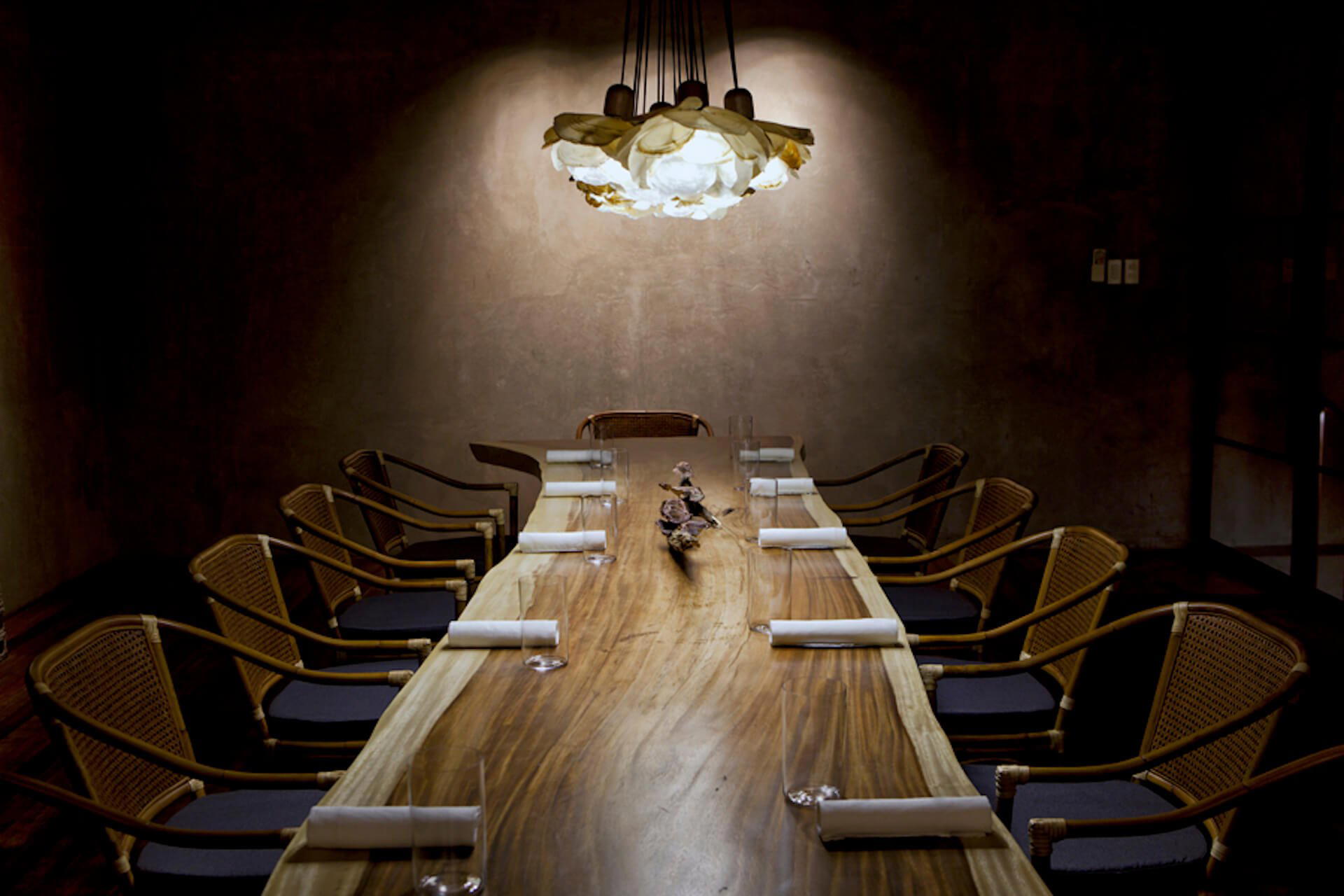
- Private Dining
- Panoramic View
- Craft Cocktails
- Local Sourcing
- Garden
- Mountain
Current opening hours
- Monday
- Closed
- Tuesday
- Closed
- Wednesday
- Closed
- Thursday
- 11:30 AM–4 PM, 5:30–10 PM
- Friday
- 11:30 AM–4 PM, 5:30–10 PM
- Saturday
- 11:30 AM–4 PM, 5:30–10 PM
- Sunday
- 11:30 AM–4 PM, 5:30–10 PM
Hours can change for holidays and private events. Last verified .
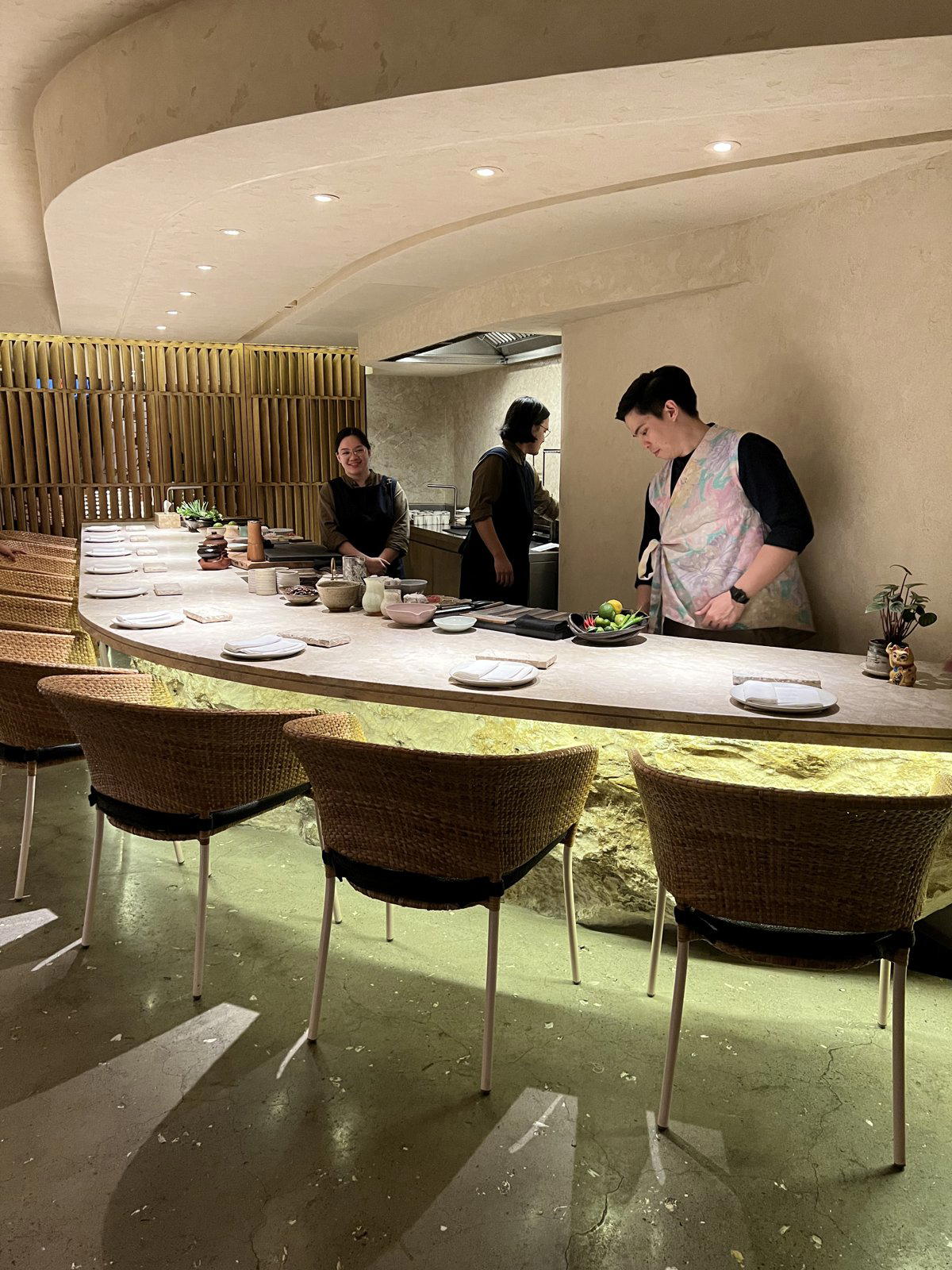
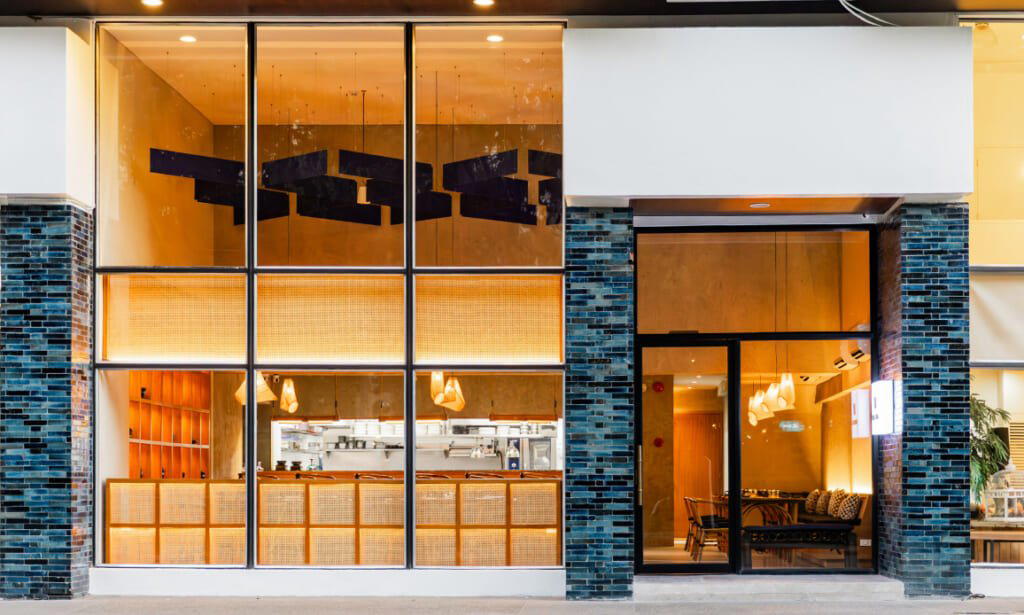
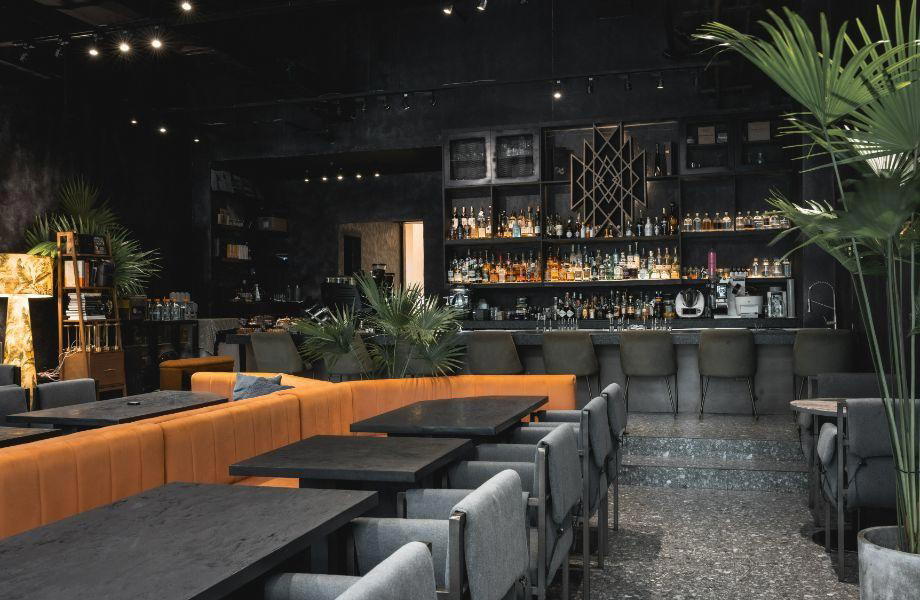
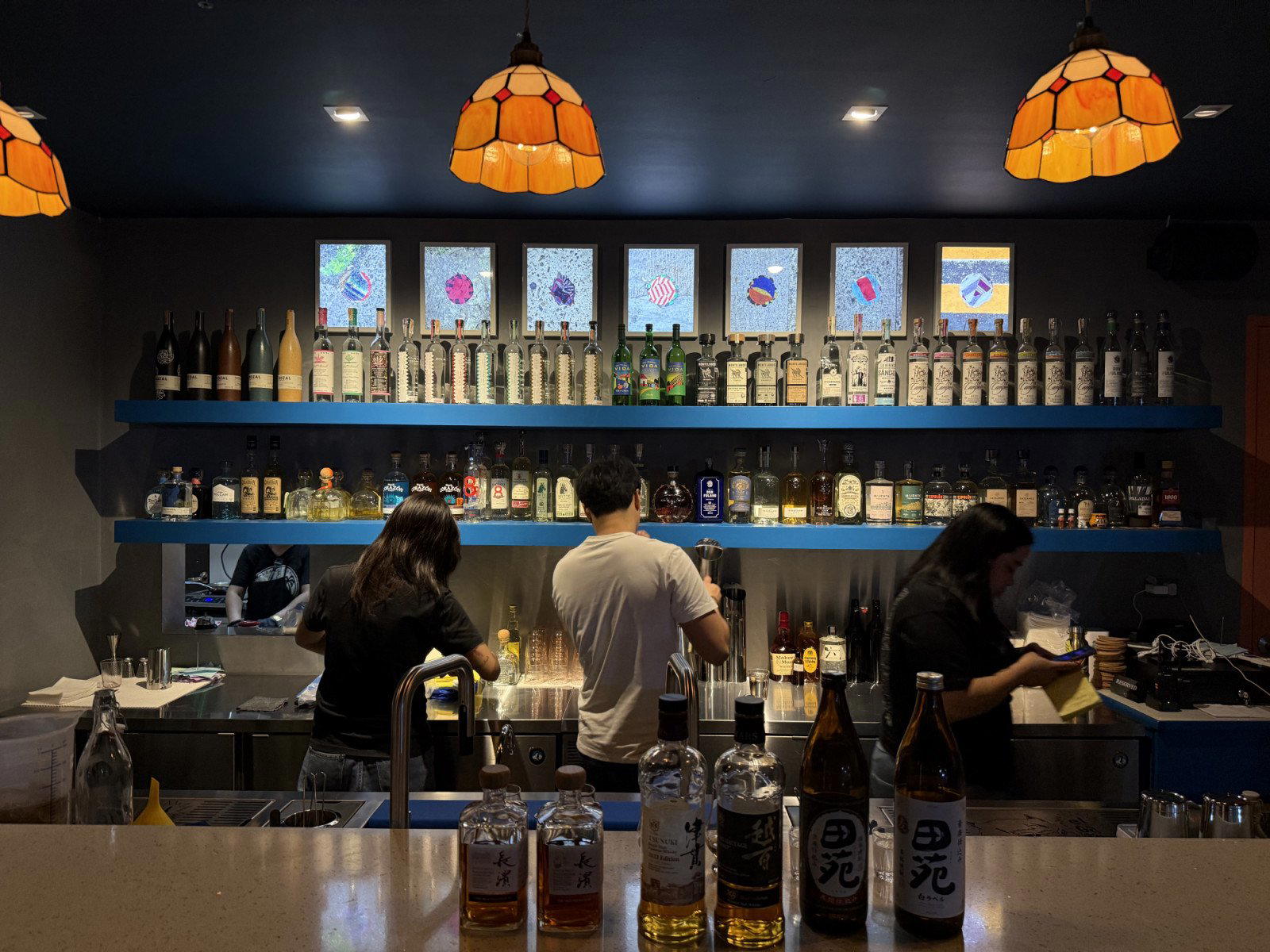
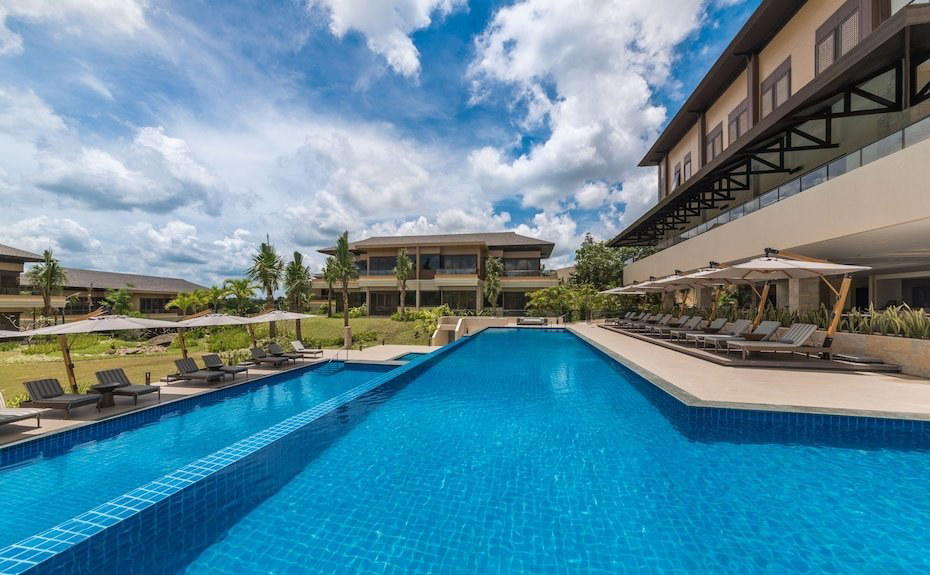
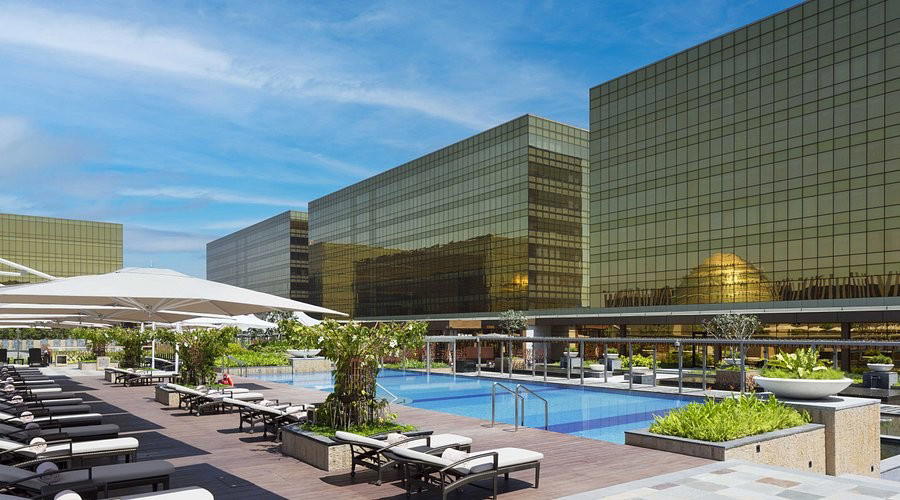
Modern minimalist architecture with warm lighting from the open kitchen, surrounded by lush greenery and pool views, creating a refined yet relaxed high-end atmosphere with an al fresco feel despite air conditioning.