Txanton


A Basque-inflected Spanish restaurant on the second floor of a Makati commercial building, Txanton holds a Michelin Plate (2026) and has climbed the Opinionated About Dining Asia rankings two consecutive years, reaching #339 in 2024 and #377 in 2025. Under chef Justo Rodrigo Lopez, it represents one of Manila's most considered arguments for the asador tradition outside of the Iberian Peninsula.
Pearl is the En Primeur Club membership app — saves, bookings, and concierge access live there. Same editors, same standards.
- Address
- 2nd floor, Extension, Alegria Alta Bldg, 2294 Chino Roces Ave, Magallanes, Makati City, Metro Manila, Philippines
- Phone
- +63 917 624 4270
- Website
- txanton.com.ph
- Directions
- Get directions
 Saves & bookings on Pearl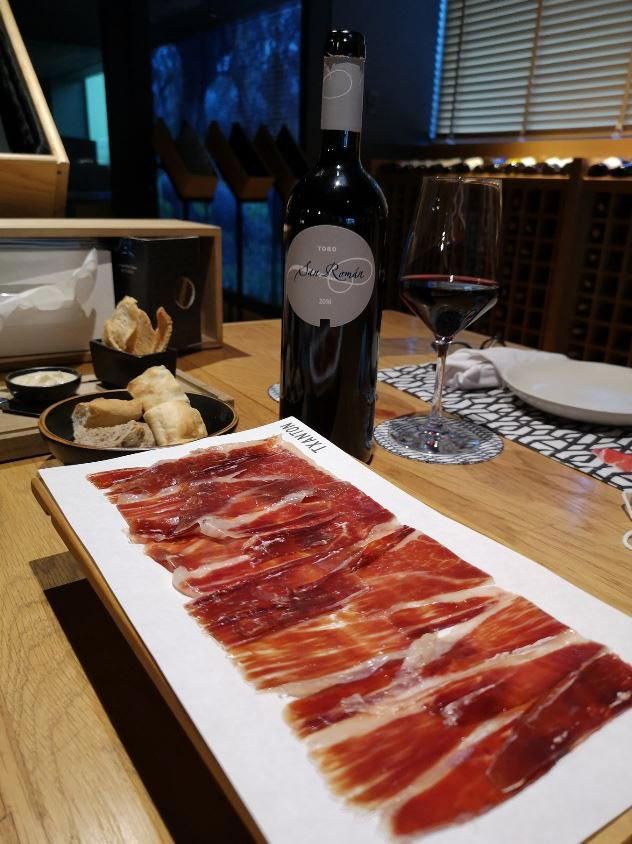
Smoke, Charcoal, and the Basque Grill in Makati
The asador tradition of the Basque Country is built around restraint of a specific kind: notable raw material, live fire, and the discipline not to interfere. The leading Basque grill rooms in San Sebastián and Bilbao are not theatrical spaces. They are functional, sometimes austere, defined by the smell of charcoal and the sound of fat meeting heat. Finding that register faithfully reproduced in Southeast Asia is rare, and finding it on the second floor of a commercial building along Chino Roces Avenue in Makati is the kind of incongruity that serious diners learn to stop questioning.
Txanton, under chef Justo Rodrigo Lopez, operates inside that tradition. The OAD ranking functions as a signal of consistency rather than a single strong performance, which makes Txanton's back-to-back appearances meaningful.
What the Asador Tradition Demands
Whole-animal cooking over charcoal is not a trend in the Basque Country; it is the baseline. The txuleton, the thick-cut bone-in ribeye from aged Galician cattle, has become the shorthand for this style globally, but the tradition extends further: whole fish over embers, suckling pig with crackling intact, lamb chops charred at the edges and pink at the center. The grill master in a serious asador is not a secondary role. The person managing fire temperature, distance from the grate, and resting time is the technician the kitchen is built around.
Spanish restaurants operating outside Spain carry that framework into different supply chains and different climates. The Philippines presents particular challenges and particular advantages in this context. Local beef, pork, and seafood can be notable, but the specific aged Galician cattle central to Basque grill identity requires either importation or careful local sourcing equivalents. How a kitchen resolves that question tells you more about its philosophy than any menu description. Txanton's continued OAD placement across two consecutive years suggests the kitchen has found answers that hold up to repeat scrutiny.
For context on how the asador tradition travels internationally, ZURRIOLA in Tokyo represents one approach to transplanting Spanish technique into a high-demand Asian market, while Arco by Paco Pérez in Gdańsk shows how Michelin-level Spanish cooking adapts to a northern European context. Txanton's position in Manila is its own answer to the same question.
Manila's Spanish Dining Tier
Manila has a longer relationship with Spanish cuisine than most Southeast Asian cities, a consequence of three and a half centuries of colonial history that embedded Spanish culinary vocabulary into Filipino cooking at a foundational level. Adobo, mechado, caldereta: the Spanish influence is present in Filipino home cooking in ways that have no equivalent in, say, Thai or Vietnamese food despite those countries' own complex colonial histories. That shared vocabulary creates a particular kind of diner expectation in Manila. A Spanish restaurant here is not an exotic proposition; it is a comparison exercise against a culinary tradition the city already partially owns.
Txanton sits above the casual Spanish-Filipino fusion tier that populates much of the city's dining scene and operates closer to the serious European-format end. Its Michelin Plate distinguishes it from Spanish restaurants without formal recognition, and its OAD placement puts it in conversation with restaurants like Gallery by Chele and Toyo Eatery, which anchor Manila's fine dining conversation from a modern Filipino perspective. Those restaurants approach the city's culinary identity from the inside out; Txanton approaches it from a Spanish framework looking in.
Other Makati Spanish options worth understanding for comparison include Celera in Makati, while outside the capital, Asador Alfonso in Cavite and Abaseria Deli and Cafe in Cebu map the broader Spanish-influenced dining geography of the Philippines. For a different cut through Manila's serious dining tier, Antonio's and Grace Park Dining by Margarita Forés represent the Western and Filipino ends of the city's formal restaurant spectrum respectively.
Makati's Dining Geography
Chino Roces Avenue runs through the commercial and residential fabric of Makati at some distance from the high-gloss dining corridors of the BGC. That positioning is not unusual for serious restaurants in the city. Manila's most focused kitchens have long operated in second-floor walk-ups, converted shophouses, and low-key commercial buildings in areas like Legazpi, San Antonio, and Magallanes, where rent structures allow food budgets to stay on the plate. The address is a feature of the genre, not an obstacle to it.
Blackbird Makati and Bolero in Taguig represent adjacent points in the Makati and broader metro dining map. Linamnam in Parañaque and Locavore extend the picture further into the metro's serious dining circuit. Together they illustrate that Manila's most considered restaurants distribute themselves across the city's boroughs rather than concentrating in a single district, which rewards diners who plan by cuisine and quality rather than by postcode.
Planning a Visit
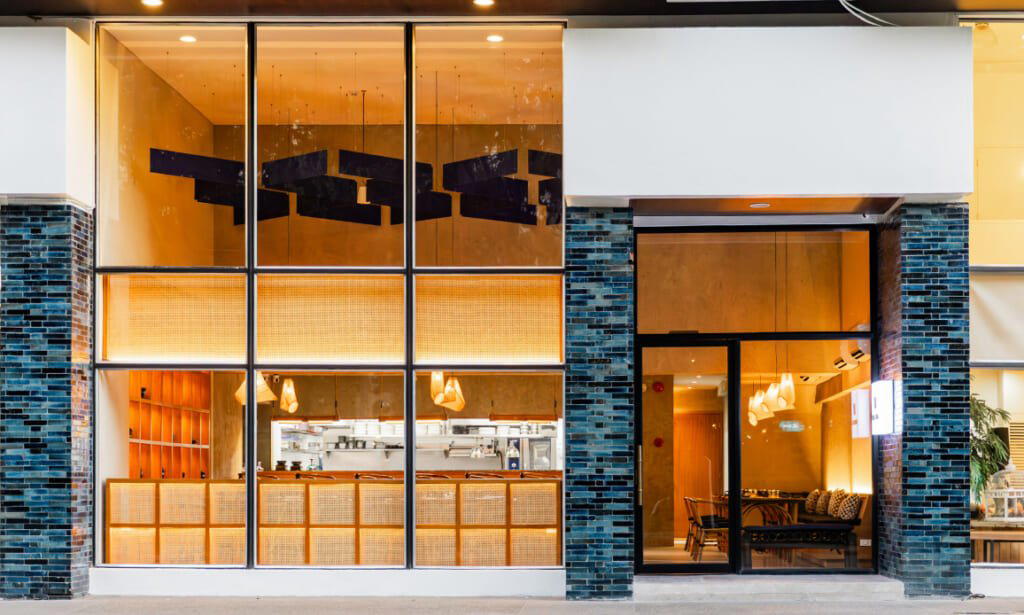
Txanton opens seven days a week from 11am to 10pm, which gives it unusual accessibility relative to many Manila fine dining formats that operate dinner-only or close on Mondays. That daily lunch service is worth noting for those travelling on tight schedules: a midday visit on a weekday avoids the weekend dinner crush that. The Alegria Alta Building on Chino Roces Avenue in Magallanes, Makati, is the address; the second-floor location means the entrance is not street-level, so allow a moment to orient on arrival. Reservations are recommended, and the dress code is smart casual.
Cost and Credentials
Comparable venues nearby, for context on price, style, and recognition.
| Venue | Cuisine | Price | Awards | Notes |
|---|---|---|---|---|
| TxantonThis venue — the venue you are viewing | Makati, Spanish Jamón & Wine Bar | $$$$ | Michelin Plate | Not listed |
| Metiz | Makati, Modern Filipino | $$$$ | Michelin Plate | Not listed |
| Barcino Wine Resto and Bar | Manila, Spanish Tapas & Wine Bar | $$ | Not listed | Not listed |
| Antonio's | Not listed | $$$$ | Michelin Plate | Tagaytay, Fine Dining Filipino-European Fusion |
| Grace Park Dining by Margarita Forés | Not listed | $$$ | Not listed | Rockwell Center, Modern Filipino-Italian Fusion |
| Locavore | Pasay, Modern Filipino | $$$ | Michelin Plate | Not listed |
Recognition history
Dated appearances from independent guides and award organizations, with the underlying list record or original source where available.
Michelin Plate
Michelin
Opinionated About Dining Top Restaurants in Asia Recommended
Opinionated About Dining
Opinionated About Dining Top Restaurants in Asia Ranked #377
Opinionated About Dining
Opinionated About Dining Top Restaurants in Asia Ranked #339
Opinionated About Dining
Continue exploring
More in Manila
Restaurants in Manila
Browse all →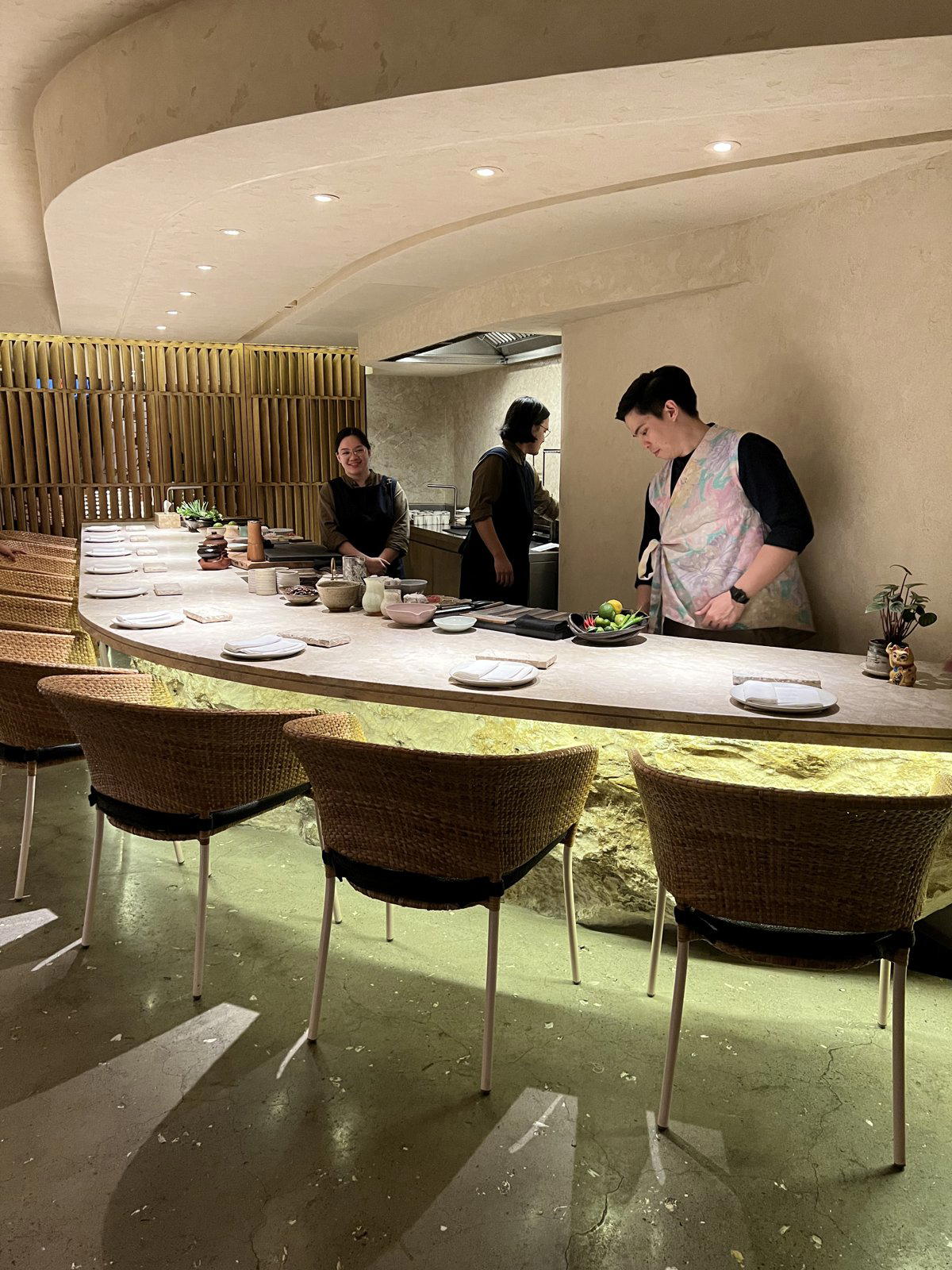

At a Glance
- Elegant
- Intimate
- Sophisticated
- Romantic
- Date Night
- Special Occasion
- Business Dinner
- Celebration
- Private Dining
- Wine Cellar
- Design Destination
- Standalone
- Extensive Wine List
- Sommelier Led
- Local Sourcing
Current opening hours
- Monday
- 11 a.m.–10 p.m.
- Tuesday
- 11 a.m.–10 p.m.
- Wednesday
- 11 a.m.–10 p.m.
- Thursday
- 11 a.m.–10 p.m.
- Friday
- 11 a.m.–10 p.m.
- Saturday
- 11 a.m.–10 p.m.
- Sunday
- 11 a.m.–10 p.m.
Hours can change for holidays and private events. Last verified .
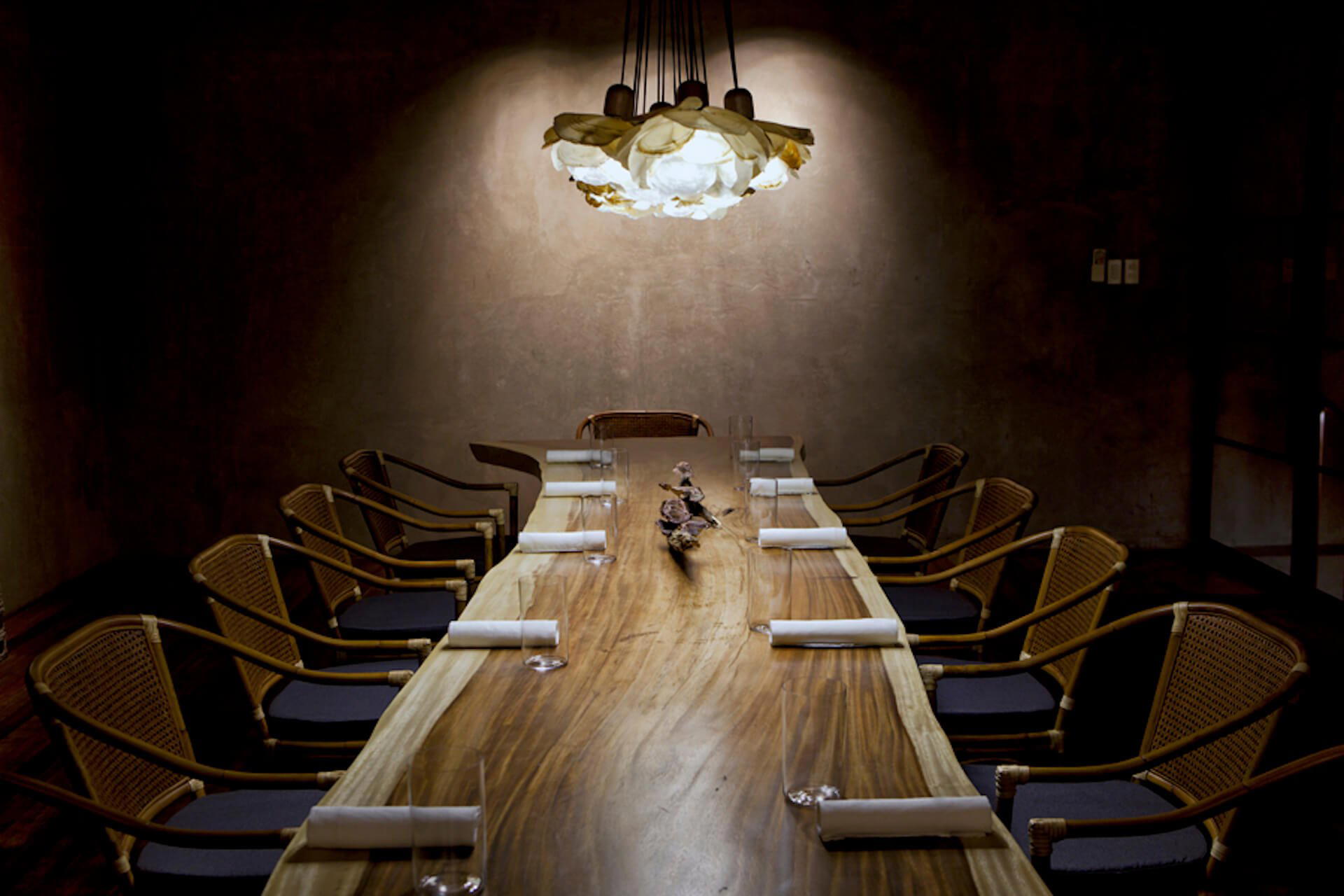
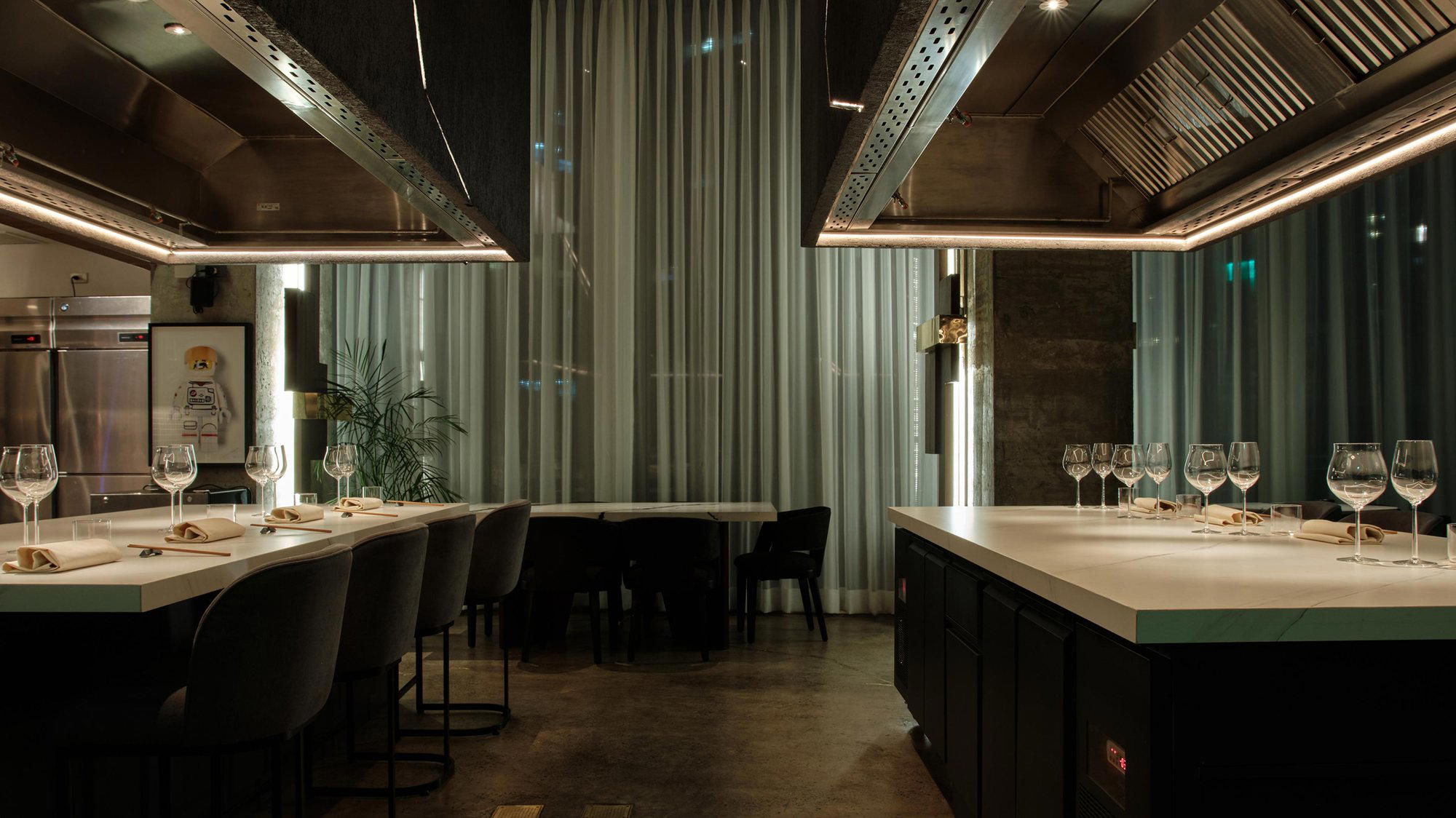
Modern rustic design with warm lighting and elegant décor; intimate spaces lined with shelves of premium wines and European goods that create an immersive, sophisticated atmosphere.