Crosta

50 Top Pizza Asia-Pacific #5
Our verdict
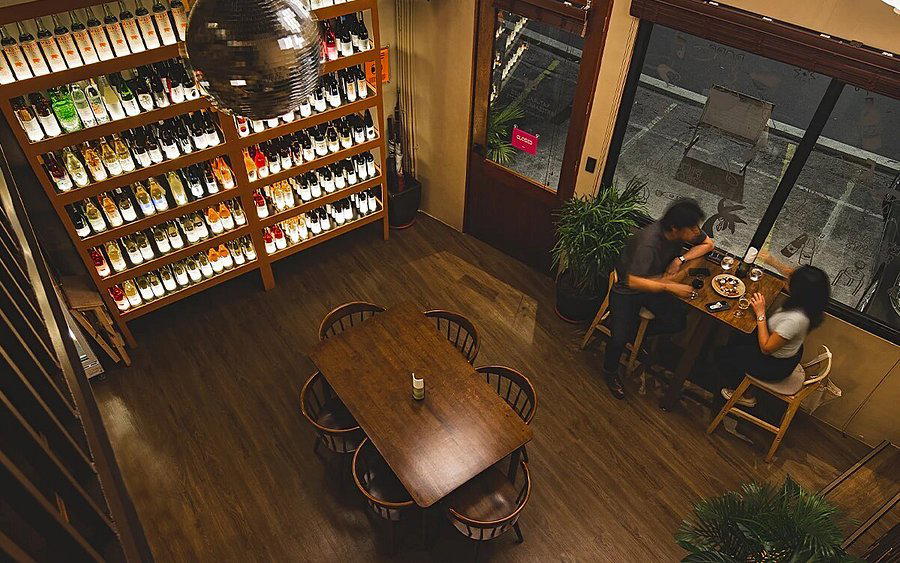
A small-format pizzeria in Salcedo Village where considered dough-making meets a wine list assembled for weekly discovery rather than occasion spending. Three collaborators with distinct backgrounds, ranging from dough obsession to Japanese precision to wine expertise, produce a short menu that moves from simple, balanced rounds to more complex toppings, closing with gelato. The seat count is limited and the format is direct.

Pearl is the En Primeur Club membership app — saves, bookings, and concierge access live there. Same editors, same standards.
- Address
- Salcedo Village, 104 HV Dela Costa, Cor L.P. Leviste Street, Makati City, Metro Manila, Philippines
- Phone
- +63 977 284 5636
- Hours
- Mon–Thu 11 AM–9 PMFri–Sat 11 AM–10 PMSun 11 AM–9 PM
- Website
- crosta.ph
- Directions
- Get directions
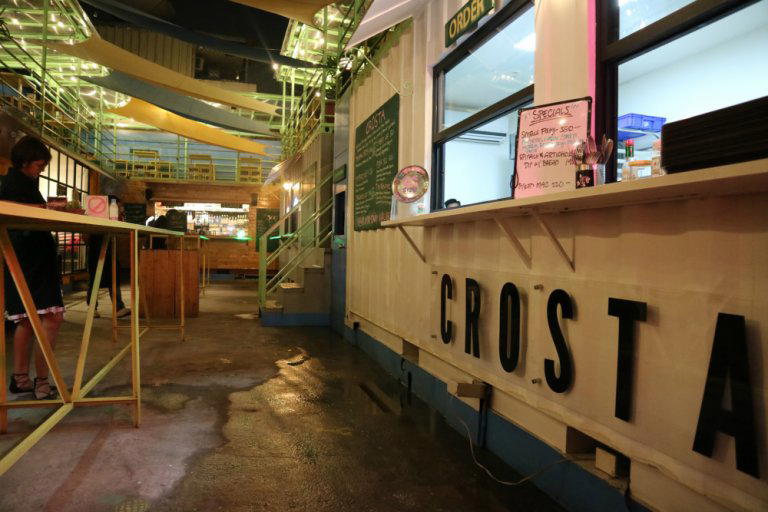
Pizza in Salcedo Village: Where the Format Does the Talking
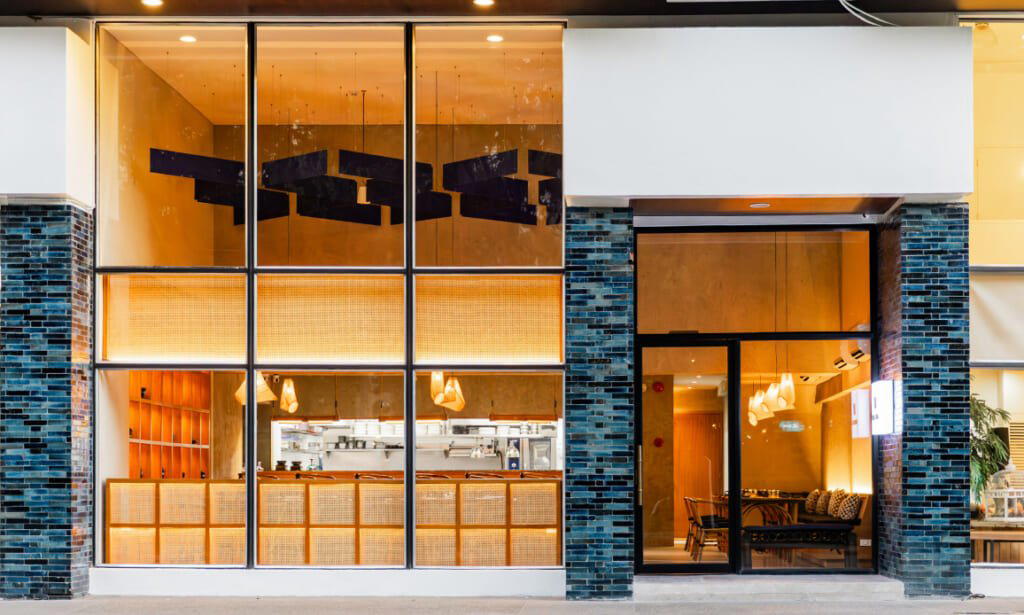
Salcedo Village occupies a specific register in Makati's dining geography. The streets between Ayala Avenue and the weekend market draw a mix of finance professionals, diplomats, and residents who treat the neighbourhood as a permanent address rather than a destination. The restaurants and small-format operators that survive here tend to do so on repeat custom rather than tourist volume. Crosta, at the corner of HV Dela Costa and L.P. Leviste Street, fits that pattern precisely: a small room, a short menu built around dough and topping, and a wine selection designed for regulars who return often enough to notice what changes week to week.
The physical scale matters. In a city where restaurant openings frequently trend toward large, multi-concept floors with elaborate interior design, a venue with few seats and a deliberately narrow offer carries a different kind of signal. It says the operators have chosen depth over coverage, and that the constraints are intentional rather than circumstantial. Makati's Michelin-recognised tier, which includes Hapag (Filipino), Helm, Celera, and Kása Palma, demonstrates that small-format, focused operations can build lasting credibility in this city. Crosta operates at a more accessible price point and without tasting-menu formality, but the logic of restraint is the same.
The Meal in Sequence
Pizza, as a dining format, rarely rewards the kind of multi-course narrative framing that applies to a tasting menu at, say, Atomix in New York City or Le Bernardin in New York City. But at Crosta, the progression is real even if the pacing is informal. The doughs are made in different styles, each with its own structure and chew profile, and the decision to vary them across the menu means that choosing a first pizza and a second, or moving between a simpler and a more complex topping, produces something that feels closer to a considered sequence than a single repeated dish.
The toppings move from direct, traditional combinations toward more layered applications as you work through the menu. The salami round draws repeated attention in accounts of the place: balanced, well-composed, the kind of pizza that tests whether the dough and the topping are genuinely integrated or merely placed together. That distinction matters more than it sounds. Pizza balance, where neither the base nor the topping dominates, is harder to achieve consistently than most casual formats suggest. The version here is cited as one that holds up across visits.
Gelato closes the meal. In the context of a short, focused menu, a dessert that adds textural contrast without competing with the main event is the right call. It also keeps the pacing light, which suits the format and the setting.
The Wine Selection as a Weekly Variable
One of Crosta's more defining characteristics is the approach to wine: available by the glass, selected for quality, and described as offering novelties at prices that do not require a special occasion to justify. That framing positions the wine program as something closer to a curated off-licence list than a conventional restaurant wine service. The intent, clearly, is that a regular can return and find something different without committing to a bottle or a price point that narrows who can participate.
Wine by the glass at this level of curation is more common in European informal dining than in Metro Manila, where the dominant model for quality wine access tends to run either through high-end hotel restaurants or through bottle-focused fine dining. A small operator in Salcedo Village running a rotating glass program alongside pizza places Crosta in a narrower niche, and one with few obvious local comparators. For context on Makati's broader drinking scene, the [our full Makati bars guide]() maps the options across different formats and price points.
Three Collaborators, One Format
The three people behind Crosta bring backgrounds that do not obviously overlap, and that divergence is part of what gives the place its particular character. Ingga S. Cabangon Chua arrives from a position of deep engagement with dough, the kind of focus that shows in the variation between styles and the consistency of execution. Thomas Woudwyk brings wine knowledge and a commercial instinct for what makes a glass program work for returning customers rather than one-time visitors. Yuichi Ito, who joined after years working in Japan, adds a precision to the pizza-making that reflects a culinary culture where technique and discipline are baseline expectations rather than differentiators.
Japan's influence on pizza, particularly in the treatment of fermentation, dough hydration, and topping restraint, has been documented in cities from Tokyo to Osaka, and that sensibility has begun to travel. The doughs at Crosta carry some of that DNA without being overtly Japanese in presentation. The result is a menu that feels neither European nor Asian but draws from both without announcing the fact. Comparable cross-cultural precision in Metro Manila's restaurant scene shows up at places like Inatô and, further afield, at Gallery By Chele in Manila, each navigating the same question of how international technique beds into a local dining context.
Makati in the Wider Philippines Context
Metro Manila's restaurant scene has developed significantly over the past decade, with Makati functioning as the highest-concentration district for serious dining. The city's Michelin footprint, established in the 2024 guide, placed Makati at the centre of the Philippines' formal recognition. Crosta does not sit in that awards bracket, but it operates in the same neighbourhood and draws from the same pool of food-aware residents and visitors who populate the Michelin-recognised rooms. For a fuller picture of what the district offers, the [our full Makati restaurants guide]() covers the range from tasting-menu formats to casual specialists.
Other Metro Manila operators working in similarly focused formats include Blackbird Makati in Manila, Bolero in Taguig, and Linamnam in Parañaque, each approaching a specific cuisine or format with comparable discipline. Beyond Manila, Asador Alfonso in Cavite and Abaseria Deli and Cafe in Cebu represent the same instinct applied in different regional contexts.
Planning a Visit
Crosta is at 104 HV Dela Costa, corner L.P. Leviste Street, in Salcedo Village, Makati. The seat count is limited, which means the room fills without requiring much volume. Arriving early or, better, confirming availability in advance is advisable. Phone and booking details are not publicly listed at the time of writing, so the most reliable approach is to visit directly or to ask locally. Given the neighbourhood, Salcedo Village is walkable from several Makati addresses and accessible by car with direct street parking in the area. The [our full Makati hotels guide]() covers accommodation options at different price points within easy reach. For those building a broader evening around the area, the our full Makati experiences guide and [our full Makati wineries guide]() offer additional context on what the district supports.
Frequently asked questions
Does Crosta have a Michelin star or similar recognition?
Crosta has received recognition including: We are in one of the most upscale neighborhoods in Manila, a true Asian metropolis, for this truly unique little pizzeria. With few seats, pizza and high-quality products, and a selection of wines available by the glass. Crosta is a meeting….
Which chef is Crosta associated with?
The chef associated with Crosta is Ingga S. Cabangon Chua - Thomas Woudwyk - Yuichi Ito.
What do regulars order at Crosta?
The salami round pizza is the most consistently noted item, singled out for the balance between dough and topping rather than ingredient volume. Crosta's doughs run across multiple styles, so the choice of base matters as much as the topping selection. Finish with the gelato if it's available.
What part of town is Crosta in?
Crosta is located at Salcedo Village, 104 HV Dela Costa, Cor L.P. Leviste Street, Makati City, Metro Manila, Philippines, Makati.
Can I walk in to Crosta?
The seat count at Crosta is deliberately limited, which is the operative fact. In Salcedo Village, one of Makati's more active dining pockets, a small room fills quickly on weekday evenings and faster on weekends. Arriving early or checking availability before you go is the practical approach.
Comparison Snapshot
| Venue | Cuisine | Price | Awards | Notes |
|---|---|---|---|---|
| CrostaThis venue — the venue you are viewing | Neapolitan-style Sourdough Pizza | $10–20 | 50 Top Pizza Asia-Pacific #5 | Not listed |
| Hapag | Modern Filipino Fine Dining | $50–100 | 1 Michelin Star · Wine Spectator Award of Excellence | Filipino |
| Kása Palma | Contemporary Filipino with French Technique | $150–200 | 1 Michelin Star · The Best Chef One Knife | Not listed |
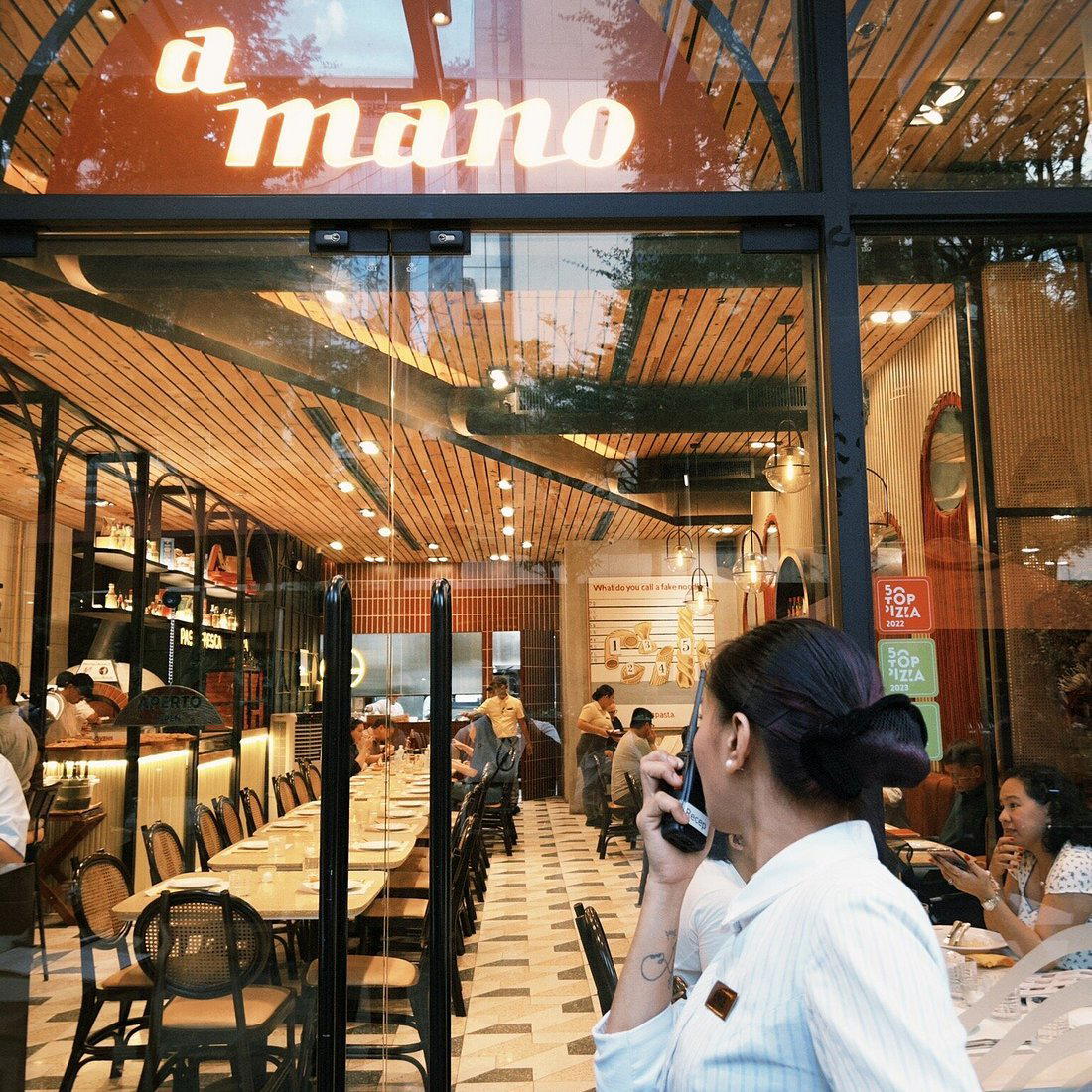
| a mano | Fresh and Faithful Italian | $20–30 | 50 Top Pizza Asia-Pacific #9 | Not listed |
| Celera | Contemporary Asian | Not listed | 1 Michelin Star · World's 50 Best #100 | Not listed |
| Helm | Modern Creative Tasting Menu | $100–150 | 1 Michelin Star · La Liste Top Restaurants | Not listed |
Recognition history
Dated appearances from independent guides and award organizations, with the underlying list record or original source where available.
50 Top Pizza Asia-Pacific #5
50 Top Pizza
Full recognition history (3 entries)
50 Top Pizza World #31
50 Top Pizza
50 Top Pizza World Best Pizza #28
50 Top Pizza

Details
- Trendy
- Lively
- Modern
- Casual Hangout
- Date Night
- A La Carte
- Small Plates
- Vegan Options
- Vegetarian Friendly
Current opening hours
- Monday
- 11 AM–9 PM
- Tuesday
- 11 AM–9 PM
- Wednesday
- 11 AM–9 PM
- Thursday
- 11 AM–9 PM
- Friday
- 11 AM–10 PM
- Saturday
- 11 AM–10 PM
- Sunday
- 11 AM–9 PM
Hours can change for holidays and private events. Last verified .
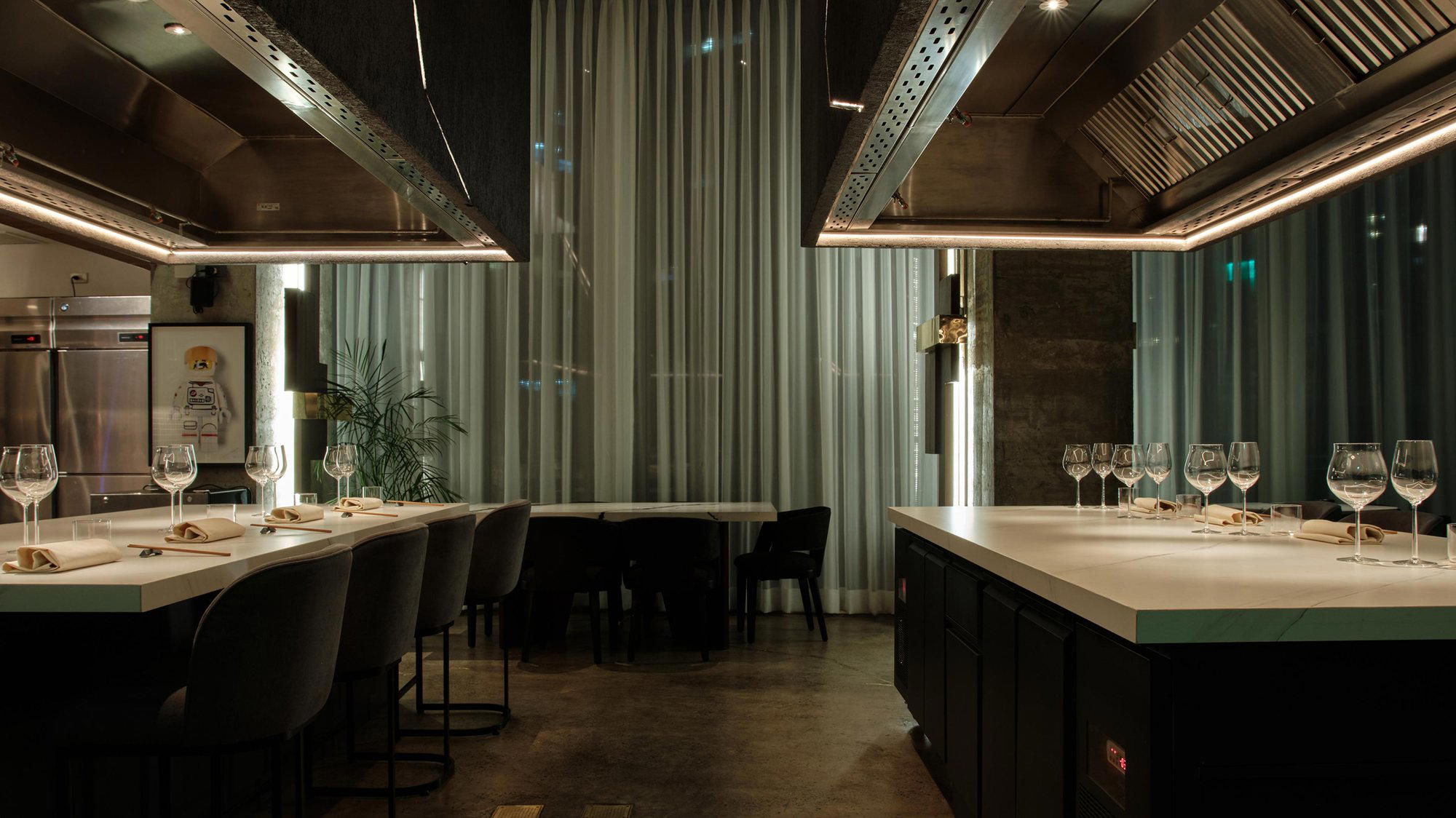
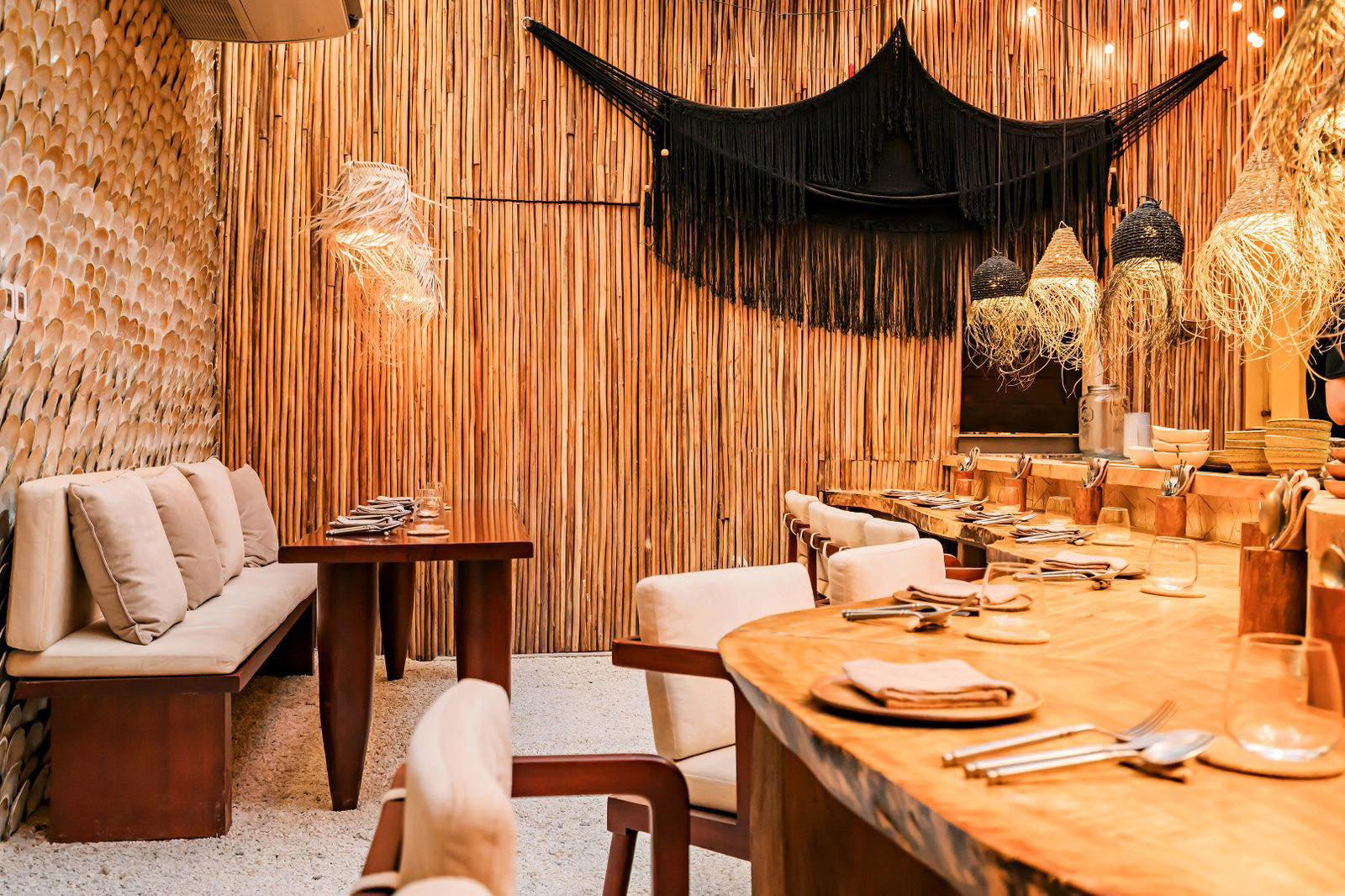
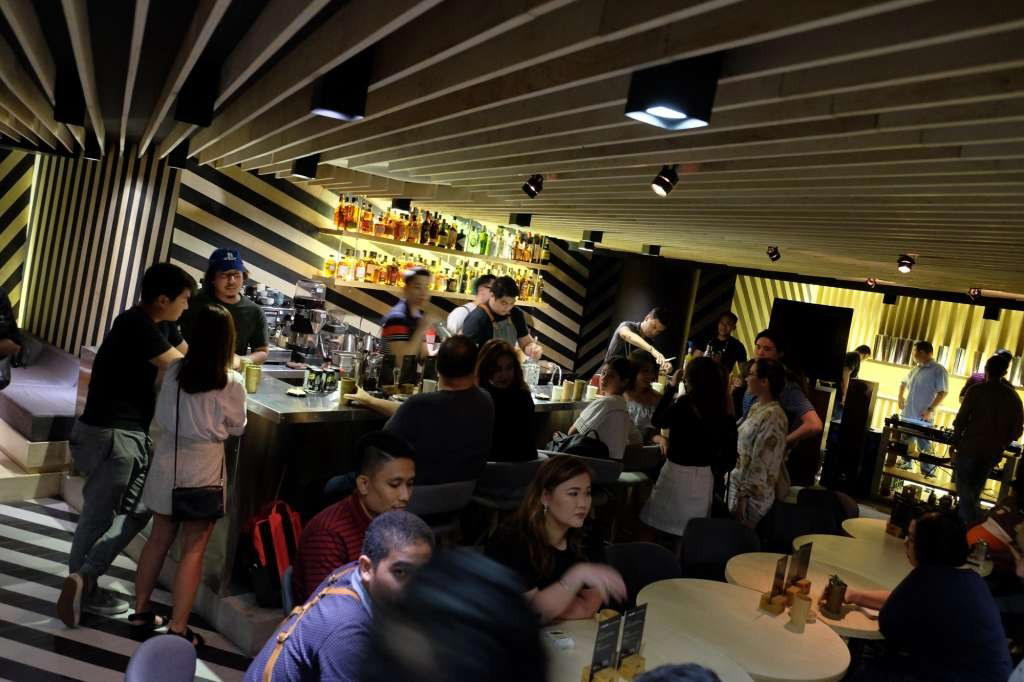
Fast-paced and bustling with limited seating at a small counter, creating a chaotic yet energetic atmosphere in a compact space.