Toyo Eatery






Toyo Eatery holds a Michelin star and a place in Asia's 50 Best (ranked 42nd in 2025), operating five evenings a week from a quiet corner of Makati's Karrivin Plaza. Chef Jordy Navarra frames Filipino ingredients through terroir and cultural reference, with dishes that pull from street food memory and folk song. The result is one of Manila's most argued-over reservations.
Pearl is the En Primeur Club membership app — saves, bookings, and concierge access live there. Same editors, same standards.
- Address
- 2316, The Alley at Karrivin, Karrivin Plaza, 1231 Chino Roces Ave Ext, Makati City, Metro Manila, Philippines
- Phone
- +63 917 720 8630
- Website
- toyoeatery.com
- Directions
- Get directions
 Saves & bookings on Pearl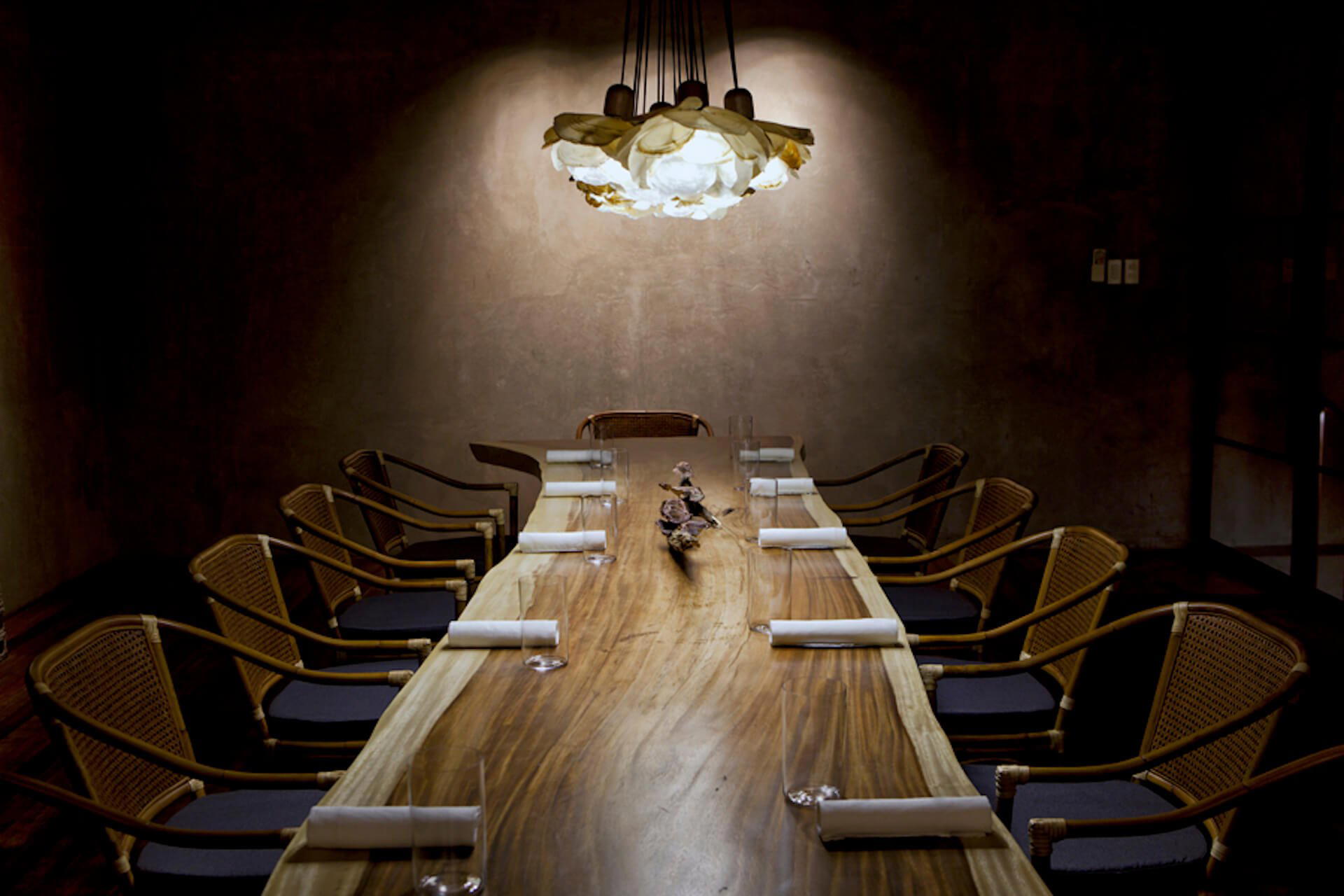
A Courtyard in Makati, and What Happens Inside It
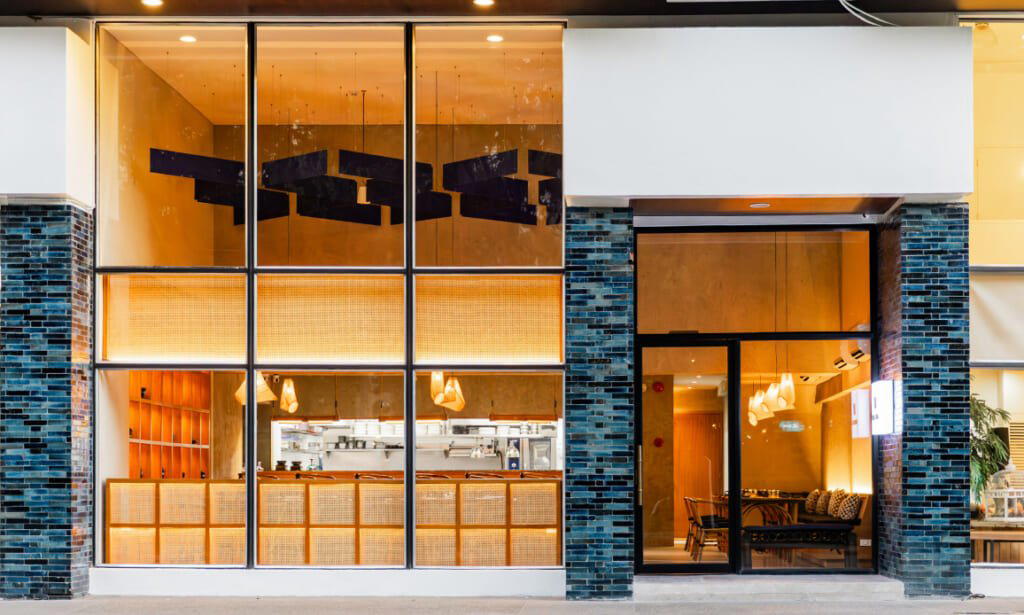
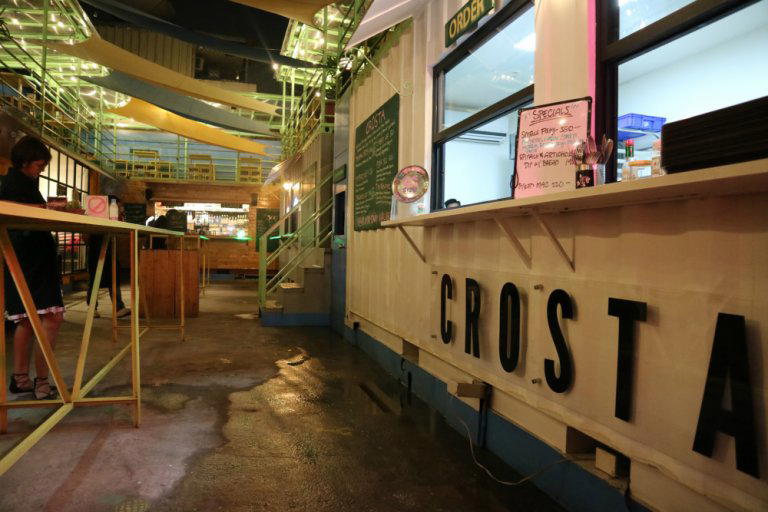
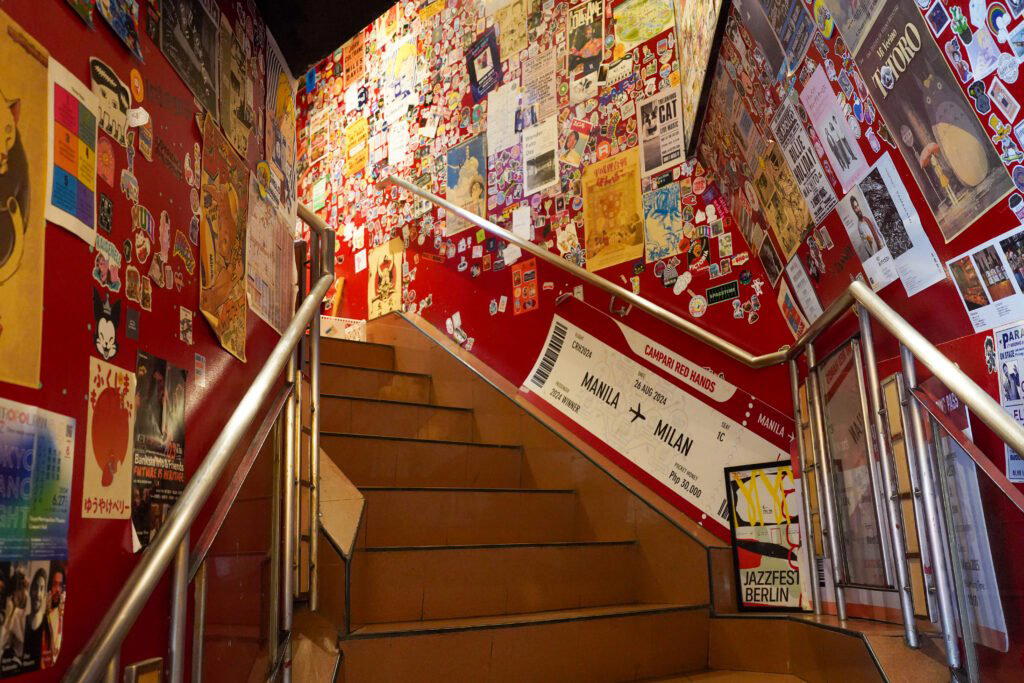
Karrivin Plaza sits along Chino Roces Avenue Extension in Makati, a converted industrial compound that houses studios, small galleries, and a cluster of restaurants tucked into what the complex calls The Alley. The approach matters here: arriving on foot through the compound's open courtyard, past low-lit facades and the ambient sounds of a working creative district, already sets a register that differs from the hotel dining rooms and high-street addresses that dominate Manila's premium restaurant map. Toyo Eatery occupies this environment deliberately. The setting is industrial without being cold, and the scale keeps the evening contained, this is not a dining room designed to seat the room at volume.
The kitchen opens Tuesday through Saturday from 6 pm, closing at 11 pm, and stays dark on Sundays and Mondays. For travellers building a Manila itinerary around a single evening here, that Tuesday-to-Saturday window is the operative fact to anchor plans around.
Where Toyo Eatery Sits in the Manila Restaurant Scene
Manila's fine dining tier has developed along two recognisable tracks over the past decade. One runs through European-trained chefs applying classical or modernist frameworks to local ingredients, Gallery By Chele is one decorated example of that approach, holding two Michelin stars and a long run in the Asia's 50 Best rankings. The other track is more explicitly rooted in Filipino culinary identity: restaurants that treat the country's food traditions, regional produce, and cultural memory as primary material rather than a supporting backdrop. Toyo Eatery sits firmly in the second category, and its awards trajectory confirms the international recognition that approach has earned.
The 1 Michelin star is especially recent formal credential, sitting alongside a La Liste score of 77 points in the same year (up from 75.5 in 2025). Asia's 50 Best placed Toyo at number 42 in 2025, and Opinionated About Dining ranked it 35th in Asia for 2025, up from 50th in 2024 and 66th in 2023. That trajectory over three consecutive years is a more informative signal than any single placement: it points to a kitchen sustaining and sharpening its output rather than coasting on an initial spike of attention.
Among its Manila peers, Toyo occupies a different register from Antonio's, which operates in a Western fine dining mode, or M Dining + Bar M, which works across Asian fusion territory. Grace Park Dining by Margarita Forés shares the Filipino culinary identity angle, as does Locavore in its creative cuisine framing. Toyo's specific distinction within that cluster is its insistence on cultural referencing as a structural element of the menu rather than a garnish.
The Menu as Cultural Document
Modern Filipino restaurants face a recurring curatorial question: how do you frame a cuisine that was never codified into the kind of rigid classical tradition that makes French or Japanese food legible to international audiences? Some kitchens resolve this by applying European technique to local ingredients. Toyo's approach is different, and it shows in the specific dishes that have attracted critical attention.
The signature pork barbecue skewers finished in bone broth are instructive as an example of what the kitchen is doing structurally. Street food barbecue is among the more immediate and widely shared Filipino taste memories, the charred-sweet-savoury profile is recognisable across generations and income levels. Finishing the skewer in bone broth is a technique that deepens the umami foundation and adds a layer that the street stall version doesn't carry, but the dish remains legible as the thing it references. This is not deconstruction in the post-molecular sense; it is amplification with additional culinary knowledge applied to a familiar form.
The salad that echoes the children's song Bahay Kubo, a folk tune listing the vegetables grown around a nipa hut, operates on a different register entirely. Bahay Kubo is among the more universally known songs in Filipino childhood, and encoding its vegetable inventory into a composed salad asks the diner to hold two things simultaneously: the dish as food and the dish as mnemonic. For Filipino diners, that recognition is immediate and carries emotional weight. For international guests, it functions as an introduction to a specific cultural layer that most tasting menus in Manila don't attempt to address. Both readings work, which is the difficult part.
This approach to menu architecture connects Toyo to a broader movement in Asian fine dining that treats cultural specificity as a source of culinary authority rather than a constraint. The comparison points are not obvious, Le Bernardin in New York City operates on classical French seafood discipline; Atomix in New York City has made Korean culinary scholarship the intellectual foundation of its tasting menu. Toyo's project is analogous to Atomix's in structural terms: both kitchens use the tasting menu format as a vehicle for a specific national culinary argument rather than as a vehicle for technique display alone.
The Sensory Shape of the Evening
What the awards tables don't fully capture is the atmosphere within the space. A Michelin-starred kitchen can produce technically accomplished food in a room that feels managed rather than alive, the pacing clinical, the service choreographed to a script. The reports that cluster around Toyo suggest the hospitality sits closer to the warm and specific end of that spectrum, where the team treats the meal as a conversation about food and culture rather than a performance of culinary credentials.
The physical environment reinforces this. The Karrivin Plaza location keeps the restaurant outside the polished-marble hotel dining circuit. The sounds of the compound, a working creative neighbourhood rather than a sealed hospitality zone, remain present. The lighting registers as evening-appropriate without tipping into the theatrical darkness that some tasting menu rooms use to signal seriousness. The overall sensory effect is of a place that is confident enough in what it serves not to require architectural grandeur as supporting argument.
6.
Planning a Visit
Toyo Eatery operates from The Alley at Karrivin Plaza, at 2316 Karrivin Plaza, 1231 Chino Roces Avenue Extension, Makati City. Service runs Tuesday through Saturday, 6 to 11 pm. Given the restaurant's placement in Asia's 50 Best and its Michelin star, reservations are essential.
Makati's broader dining circuit is worth building around if the trip allows. Celera in Makati and Blackbird Makati are close alternatives for other evenings. For a wider Metro Manila read, Linamnam in Parañaque and Bolero in Taguig extend the map, while day trips can reach Asador Alfonso in Cavite for a different register entirely. Further afield, Abaseria Deli & Cafe in Cebu is worth noting for travellers extending the Philippines itinerary beyond Luzon.
For broader city planning, our full Manila restaurants guide, Manila hotels guide, Manila bars guide, Manila wineries guide, and Manila experiences guide cover the full circuit.
Comparable Venues
Comparable venues nearby, for context on price, style, and recognition.
| Venue | Cuisine | Price | Awards | Notes |
|---|---|---|---|---|
| Toyo EateryThis venue — the venue you are viewing | Modern Filipino Fine Dining | $$$$ | Michelin 1 Star | Not listed |
| Gallery By Chele | Modern Filipino Fine Dining | $$$$ | Michelin 1 Star | Bonifacio Global City |
| Txanton | Spanish Jamón & Wine Bar | $$$$ | Michelin Plate | Makati |
| Grace Park Dining by Margarita Forés | Modern Filipino-Italian Fusion | $$$ | Not listed | Rockwell Center |
| Antonio's | Fine Dining Filipino-European Fusion | $$$$ | Michelin Plate | Tagaytay |
| Mecha Uma | Dining | Not listed | Not listed | Manilla |
Recognition history
Dated appearances from independent guides and award organizations, with the underlying list record or original source where available.
La Liste Top Restaurants
La Liste
Michelin 1 Star
Michelin
Opinionated About Dining Top Restaurants in Asia Ranked #57
Opinionated About Dining
Tatler Best Philippines: Restaurant of the Year
Tatler
Tatler Restaurant of The Year
Tatler
Tatler Best 20 Restaurants Philippines
Tatler
World's 50 Best Asia's Best Restaurants #71
World's 50 Best
La Liste Top Restaurants
La Liste
Opinionated About Dining Top Restaurants in Asia Ranked #35
Opinionated About Dining
Tatler Listed in Best Restaurants Asia-Pacific
Tatler
The Best Chef Two Knives
The Best Chef
World's 50 Best Asia's Best Restaurants #42
World's 50 Best
Opinionated About Dining Top Restaurants in Asia Ranked #50
Opinionated About Dining
Opinionated About Dining Top Restaurants in Asia Ranked #66
Opinionated About Dining
Continue exploring
More in Manilla
Restaurants in Manilla
Browse all →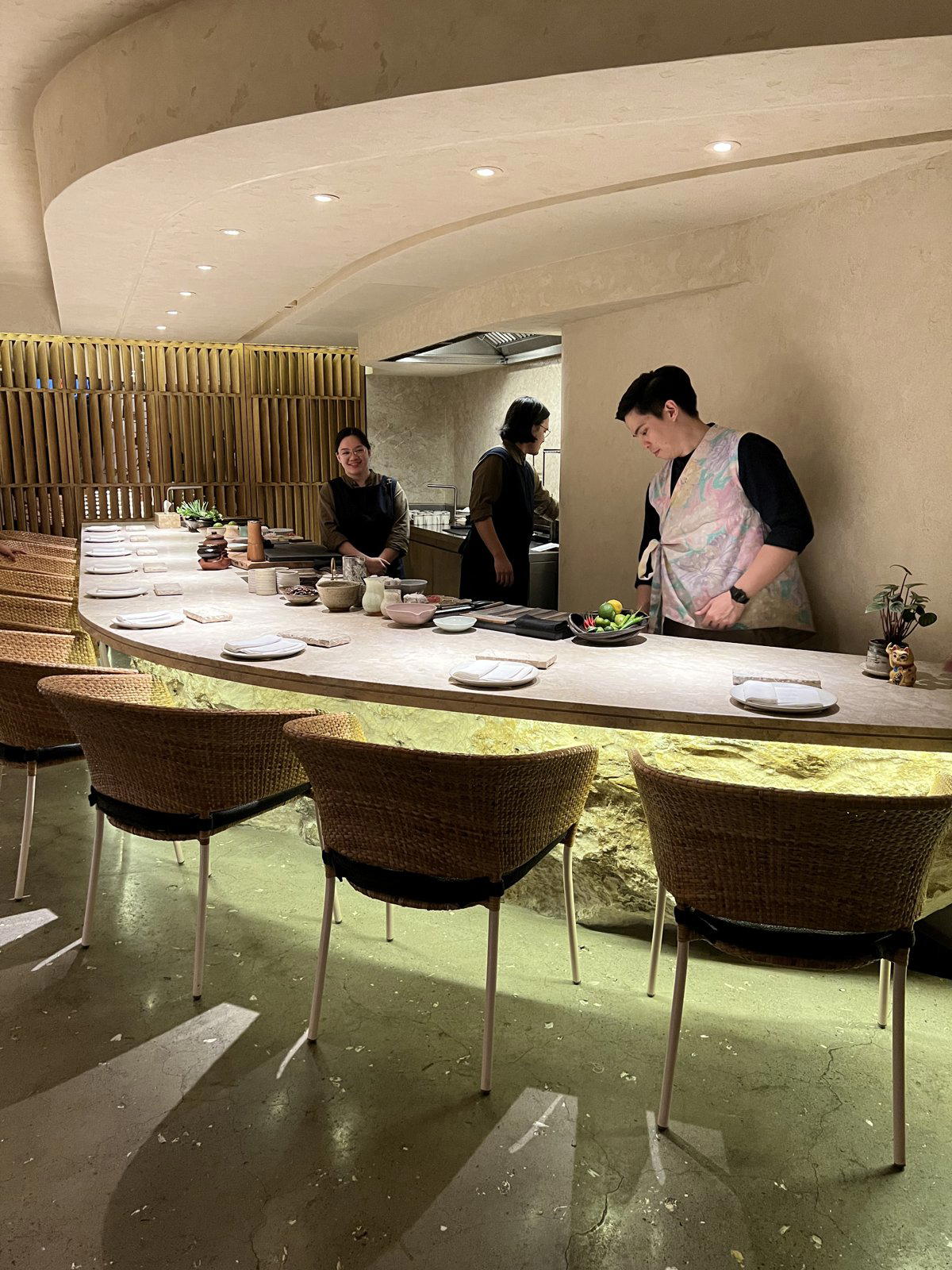

At a Glance
- Elegant
- Modern
- Minimalist
- Intimate
- Sophisticated
- Special Occasion
- Date Night
- Celebration
- Group Dining
- Open Kitchen
- Design Destination
- Standalone
- Craft Cocktails
- Sommelier Led
- Farm To Table
- Local Sourcing
- Organic
Current opening hours
- Monday
- Closed
- Tuesday
- 6–11 PM
- Wednesday
- 6–11 PM
- Thursday
- 6–11 PM
- Friday
- 6–11 PM
- Saturday
- 6–11 PM
- Sunday
- Closed
Hours can change for holidays and private events. Last verified .
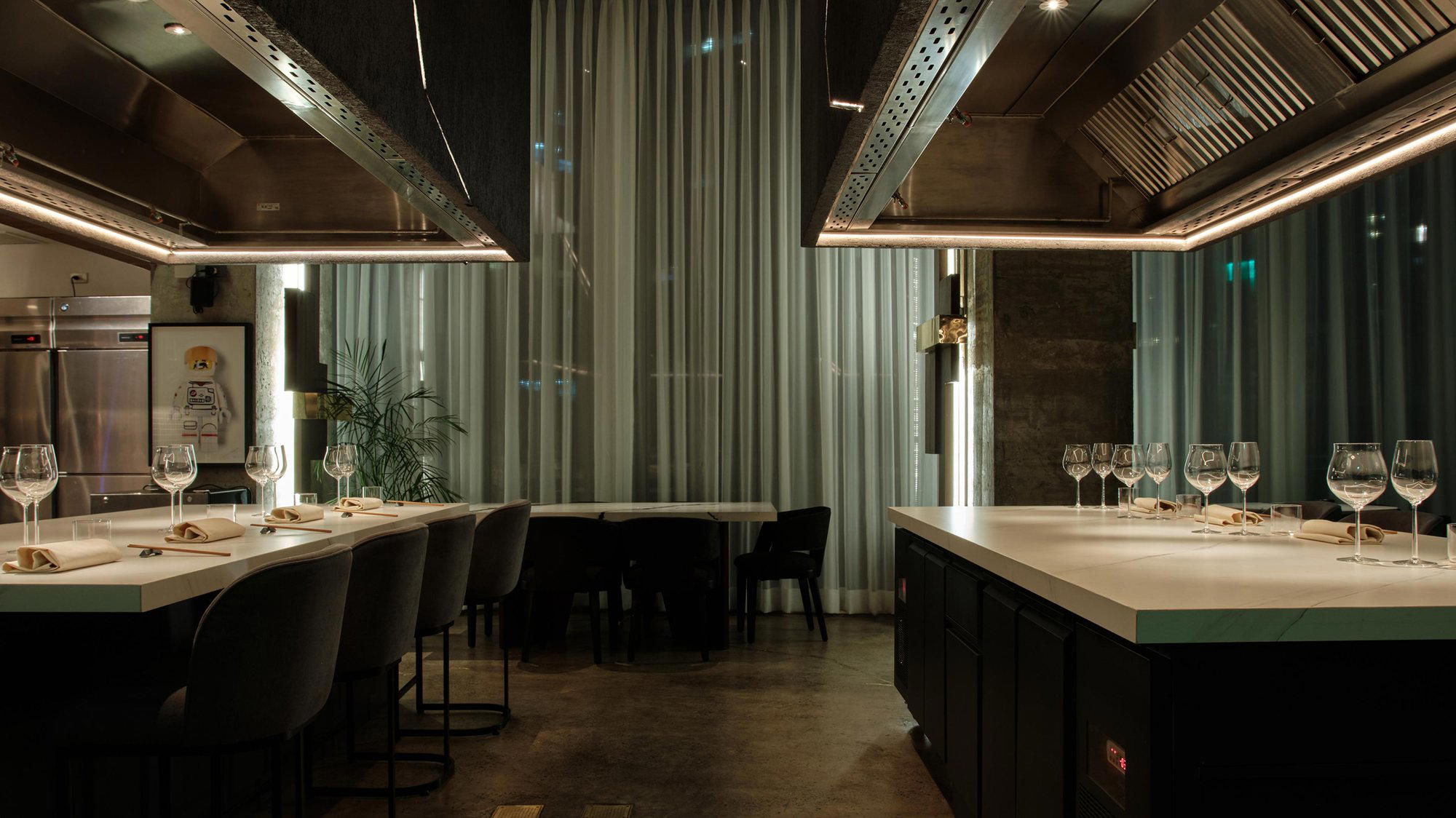
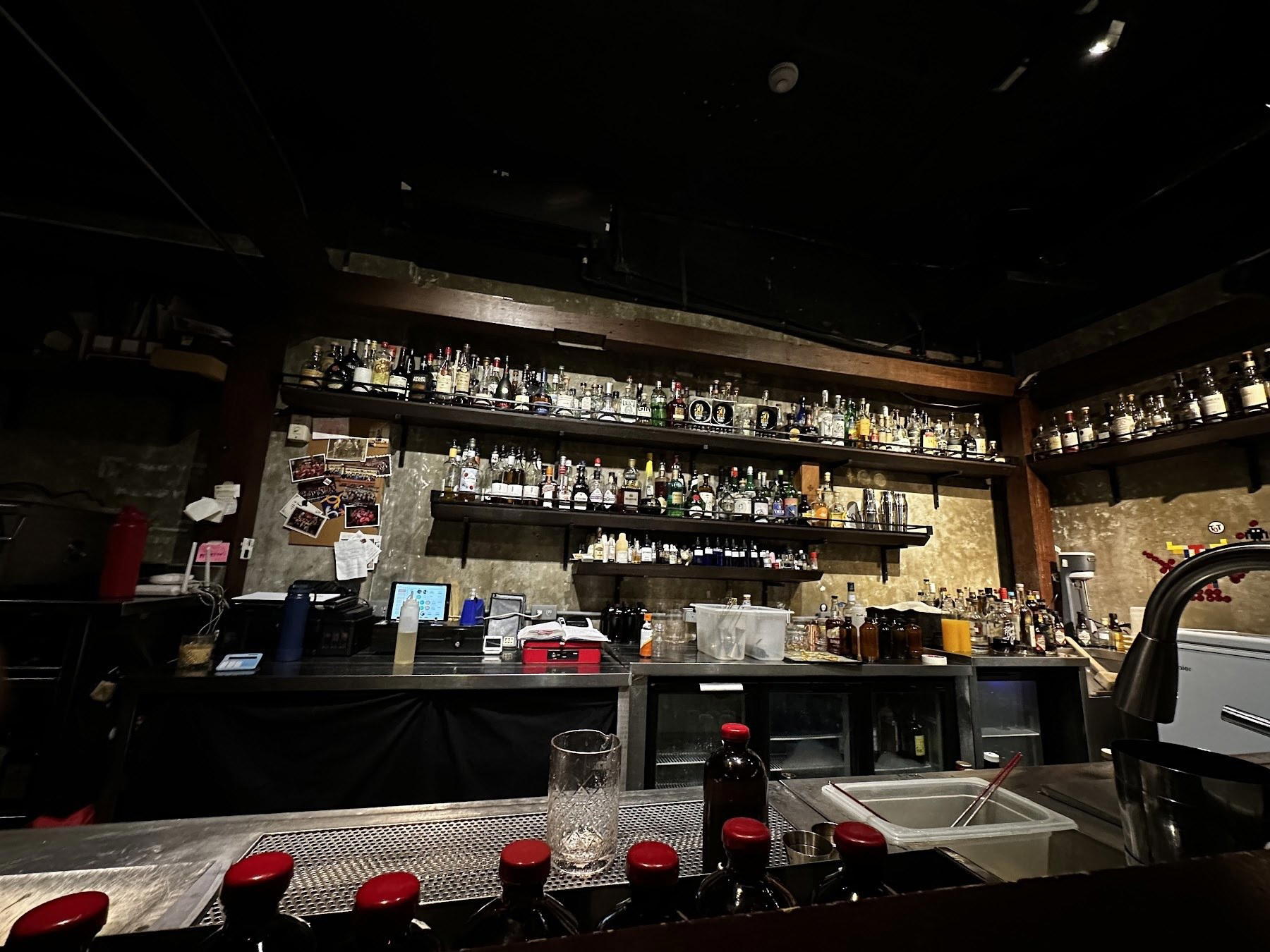
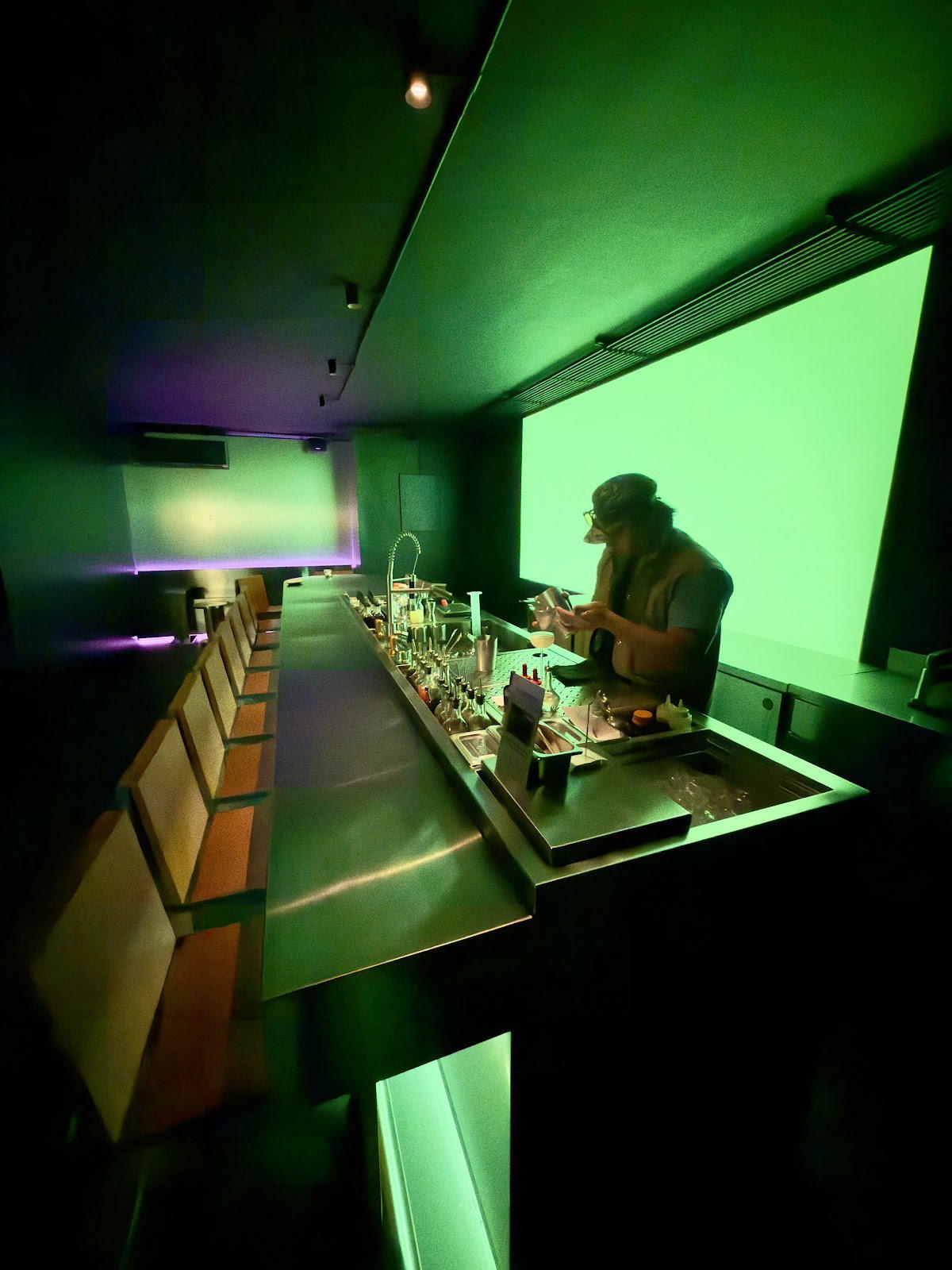
Minimalist yet warm interior with soft lighting, decorative capiz lamps, concrete floors, handcrafted acacia wood tables, and an open kitchen offering diners a view of culinary artistry; the space evokes a modern Filipino home with distinctly local character.