Antonio's



Forty minutes south of Manila in the Tagaytay highlands, Antonio's holds a Michelin Plate (2026) and a sustained presence on Opinionated About Dining's Asia ranking, currently placed at #166, for French-inflected Western cooking served inside a colonial mansion with garden seating. Duck confit and escargot anchor a menu built around classical technique, and the setting draws equal numbers of serious diners and celebratory parties.
Pearl is the En Primeur Club membership app — saves, bookings, and concierge access live there. Same editors, same standards.
- Address
- PUROK 138, 3VVX+5F8 Barangay, Neogan, Tagaytay City, Cavite, Philippines
- Phone
- +63 917 899 2866
- Website
- antoniosrestaurant.ph
- Directions
- Get directions
 Saves & bookings on Pearl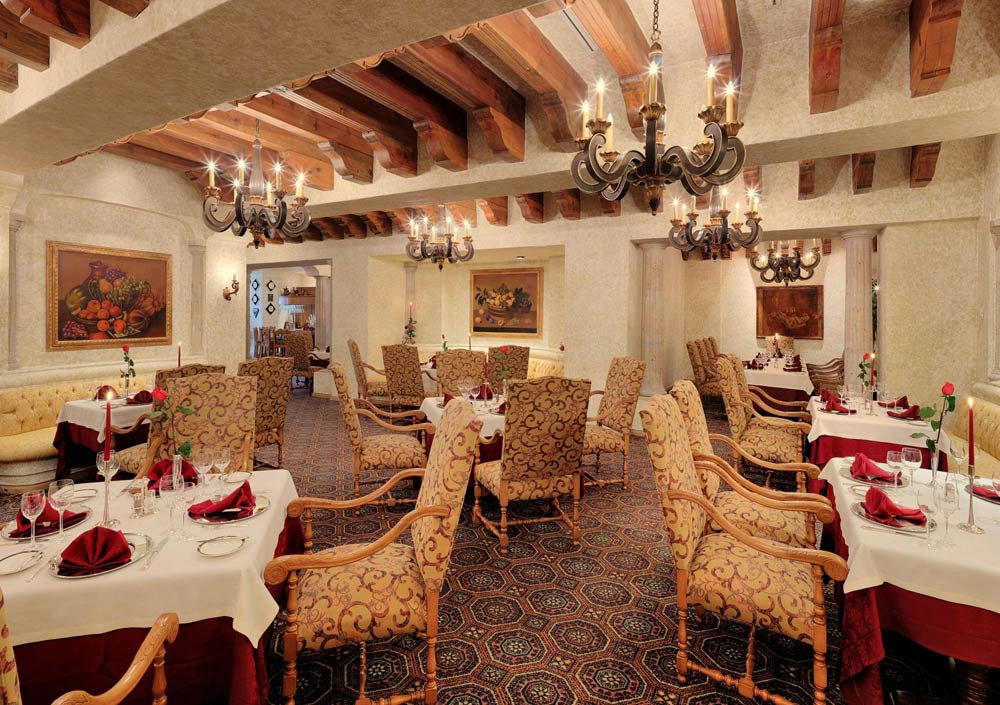
A Colonial Stage for Classical Cooking
The road from Manila climbs into cooler air as it approaches Tagaytay, a ridge city perched above Taal Volcano that has long attracted weekend escapes from the capital's heat. Among the restaurants that have taken root in this quieter altitude, Antonio's occupies a particular tier: a colonial mansion set in garden grounds, with arched facades, tiled hallways, and a layout that fractures into multiple seating areas rather than a single dining room. This is the physical grammar of a certain kind of formal dining that remains rare in the Philippines, where the French tradition of the grand country-house restaurant has few local equivalents.
Arriving before service begins suits the property's rhythm. The grounds, multiple nooks, outdoor terraces, and interior halls can feel quite different depending on where you are seated.
French Technique in a Philippine Setting
The cooking at Antonio's sits within a strand of Western fine dining that the Philippines absorbed through a combination of colonial history, culinary education abroad, and the country's longstanding appetite for European table traditions. French-inflected fare has been a marker of formal occasion dining in Manila since at least the 1970s, and the city's leading end has historically supported a handful of houses that maintain classical technique even as Modern Filipino cooking, represented today by places like Gallery By Chele and Toyo Eatery, has taken the critical spotlight.
Antonio's sits firmly in the classical camp. The kitchen works with escargot, duck confit, and preparations built around butter and technique rather than local ingredient provenance. This is not a restaurant making a statement about Philippine identity through its sourcing; it is a restaurant committed to a European tradition executed at a high level in a setting that reinforces that commitment architecturally. Diners who arrive expecting the kind of Filipino-rooted menu found at Grace Park Dining by Margarita Forés or the creative local reinterpretations at Locavore will find a different proposition entirely.
Chef Antonio Escalante and the Shape of the Menu
The editorial angle on any serious restaurant eventually reaches the person whose judgment shapes what arrives at the table. Tony Boy Escalante trained in the classical tradition and built a program at the restaurant that holds to French fundamentals without apology. His approach places him in a lineage of Philippine chefs who studied European cooking formally and brought it home, a pattern that produced the country's most durable fine-dining institutions. The menu's orientation, escargot, duck confit, champagne-adjacent richness, is an expression of that training rather than a departure from local norms: it represents a consistent commitment to a culinary language that Escalante has made his own over decades.
What distinguishes this kitchen within its category is not novelty but consistency. The restaurant has remained present in Opinionated About Dining's Top Restaurants in Asia, with a #166 ranking in 2025. Its 2026 Michelin Plate confirms technical consistency in the kitchen.
Where Antonio's Sits in Its Competitive Set
Tagaytay's dining scene is not Manila's, and that distinction matters for calibrating expectations. The city operates as a destination for day trips and weekend stays rather than a regular dining circuit, which means restaurants there compete partly on experience and occasion value rather than on repeat-visit frequency. The restaurant has positioned itself as a celebration-grade venue, weddings and milestone dinners are part of its explicit offer, but it also draws the kind of diner who makes the forty-minute drive specifically for the cooking.
Within greater Metro Manila, the comparable set for Western fine dining includes Blackbird Makati and M Dining + Bar M, both operating in the city proper with easier access. The Cavite region, which encompasses Tagaytay, has its own developing dining identity, with Asador Alfonso representing a different approach to European-influenced cooking in the same province. Internationally, Western restaurants operating in Asian cities at this register, think New York Grill in Tokyo, tend to compete on setting and occasion as much as on the plate, a dynamic the restaurant shares.
Planning Your Visit
The restaurant is closed on Mondays. Tuesday through Sunday, lunch runs from 11 am to 1 pm and dinner from 5 to 10 pm, a tighter window than urban restaurants typically observe, which makes booking ahead advisable, particularly for weekend evenings and any event-grade occasion. The Tagaytay location, Barangay Neogan, Tagaytay City, Cavite, means factoring in drive time from central Manila, with weekend traffic adding unpredictability to the journey south. The grounds-first format suggests arriving at the early end of the dinner window to use the outdoor space before dark.
Diners based in or visiting Manila who want to compare the classical Western tradition here with the Modern Filipino direction should also consider Celera in Makati or Bolero in Taguig for contrasting reference points. Outside the Philippines, the Western fine-dining tradition in Asia extends to venues like Australian Dairy in Hong Kong, and regionally Linamnam in Parañaque and Abaseria Deli and Cafe in Cebu offer further points of reference for Filipino dining across formats.
At-a-Glance Comparison
Comparable venues nearby, for context on price, style, and recognition.
| Venue | Cuisine | Price | Awards | Notes |
|---|---|---|---|---|
| Antonio'sThis venue — the venue you are viewing | Fine Dining Filipino-European Fusion | $$$$ | Michelin Plate | Not listed |
| Locavore | Modern Filipino | $$$ | Michelin Plate | Pasay |
| Txanton | Spanish Jamón & Wine Bar | $$$$ | Michelin Plate | Makati |
| M Dining + Bar M | Modern European with Asian Influences | $$$ | Not listed | Makati |
| Mecha Uma | Dining | Not listed | Not listed | Manilla |
| Metiz | Modern Filipino | $$$$ | Michelin Plate | Makati |
Recognition history
Dated appearances from independent guides and award organizations, with the underlying list record or original source where available.
Michelin Plate
Michelin
Opinionated About Dining Top Restaurants in Asia Highly Recommended
Opinionated About Dining
Opinionated About Dining Top Restaurants in Asia Ranked #166
Opinionated About Dining
World Culinary Awards Philippines' Best Restaurant 2025 #1
World Culinary Awards
Opinionated About Dining Top Restaurants in Asia Ranked #150
Opinionated About Dining
Opinionated About Dining Top Restaurants in Asia Ranked #134
Opinionated About Dining

At a Glance
- Elegant
- Romantic
- Scenic
- Sophisticated
- Date Night
- Special Occasion
- Business Dinner
- Garden
- Historic Building
- Extensive Wine List
- Local Sourcing
- Garden
Current opening hours
- Monday
- Closed
- Tuesday
- 11 AM–1 PM, 5–10 PM
- Wednesday
- 11 AM–1 PM, 5–10 PM
- Thursday
- 11 AM–1 PM, 5–10 PM
- Friday
- 11 AM–1 PM, 5–10 PM
- Saturday
- 11 AM–1 PM, 5–10 PM
- Sunday
- 11 AM–1 PM, 5–10 PM
Hours can change for holidays and private events. Last verified .
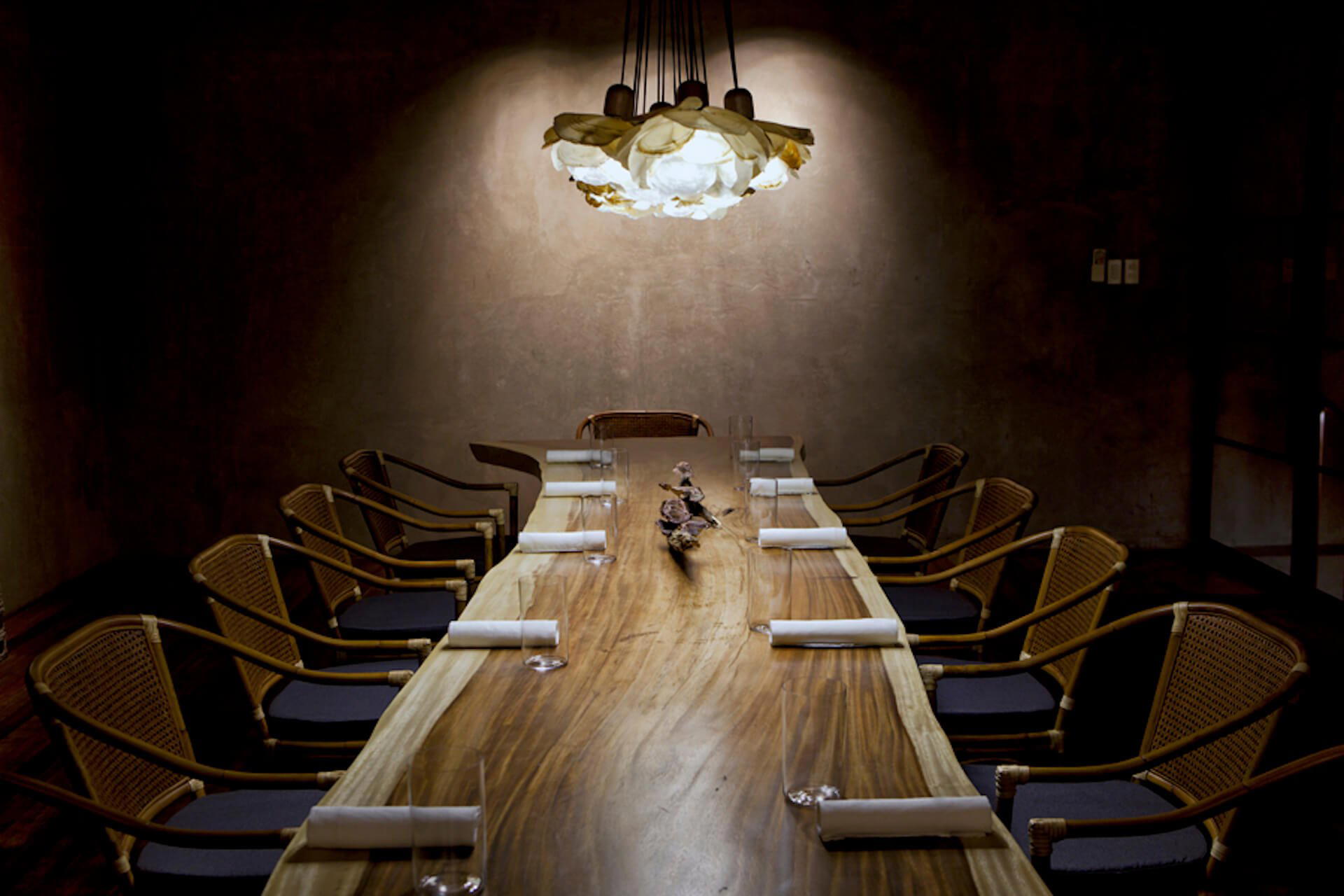
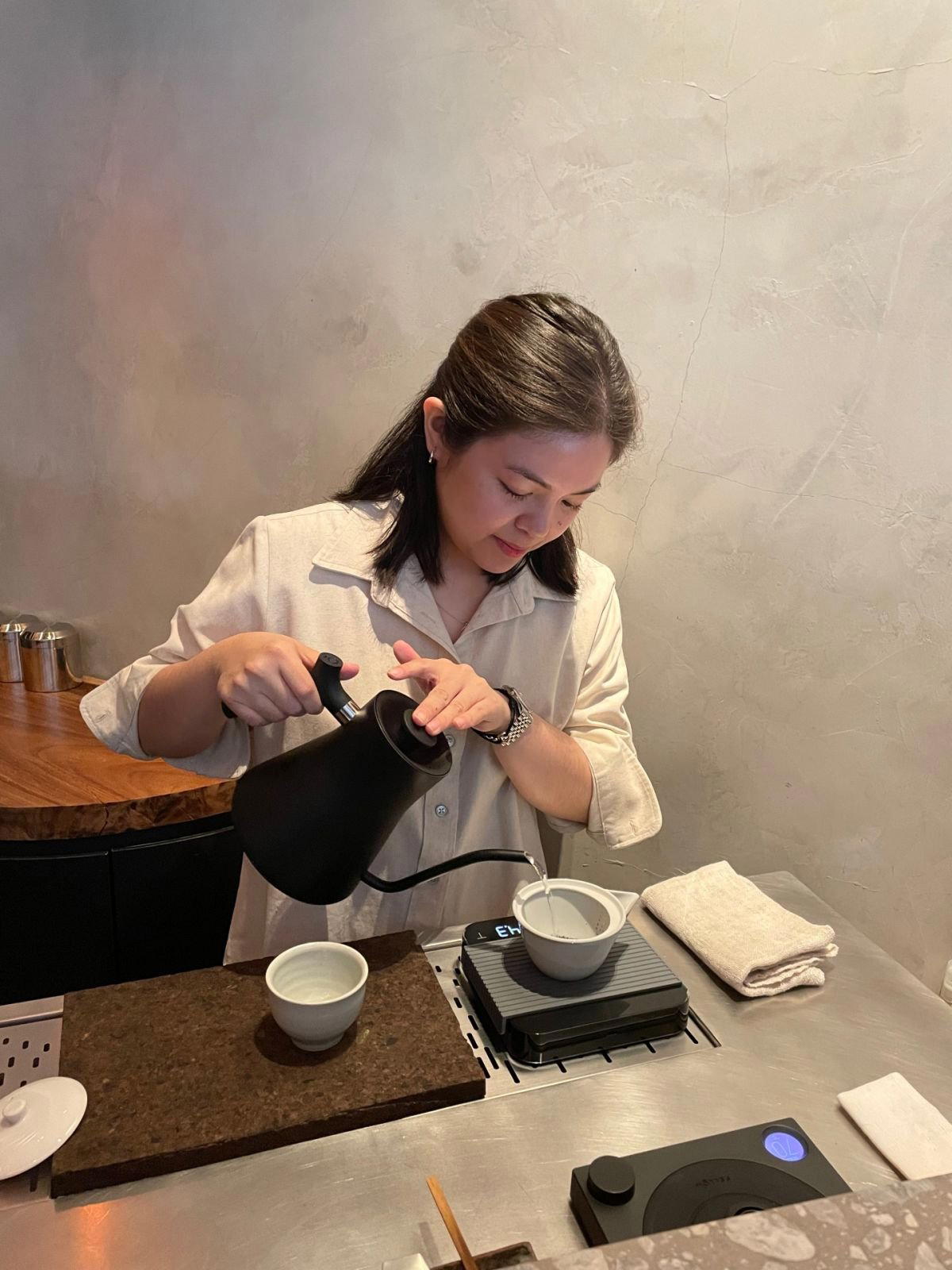
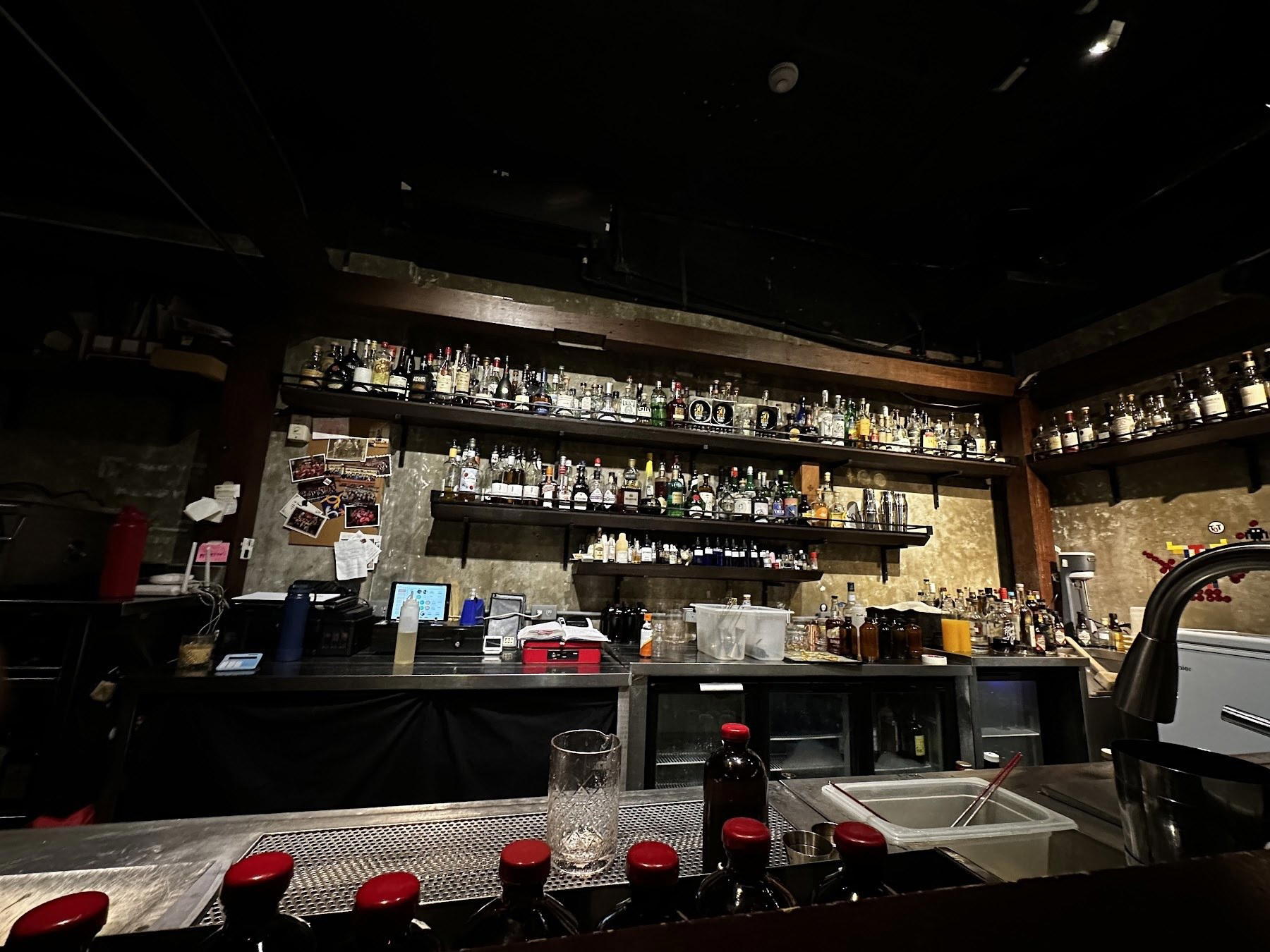
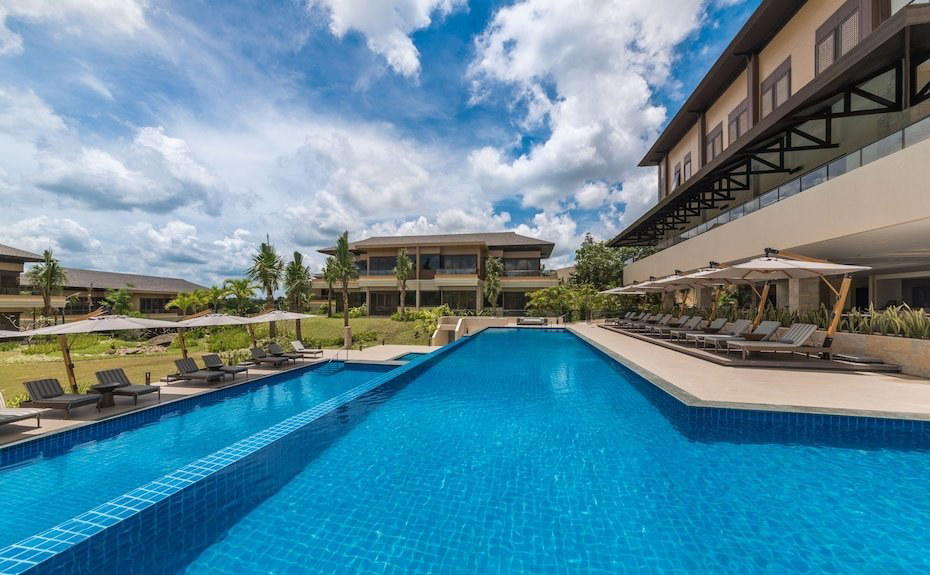
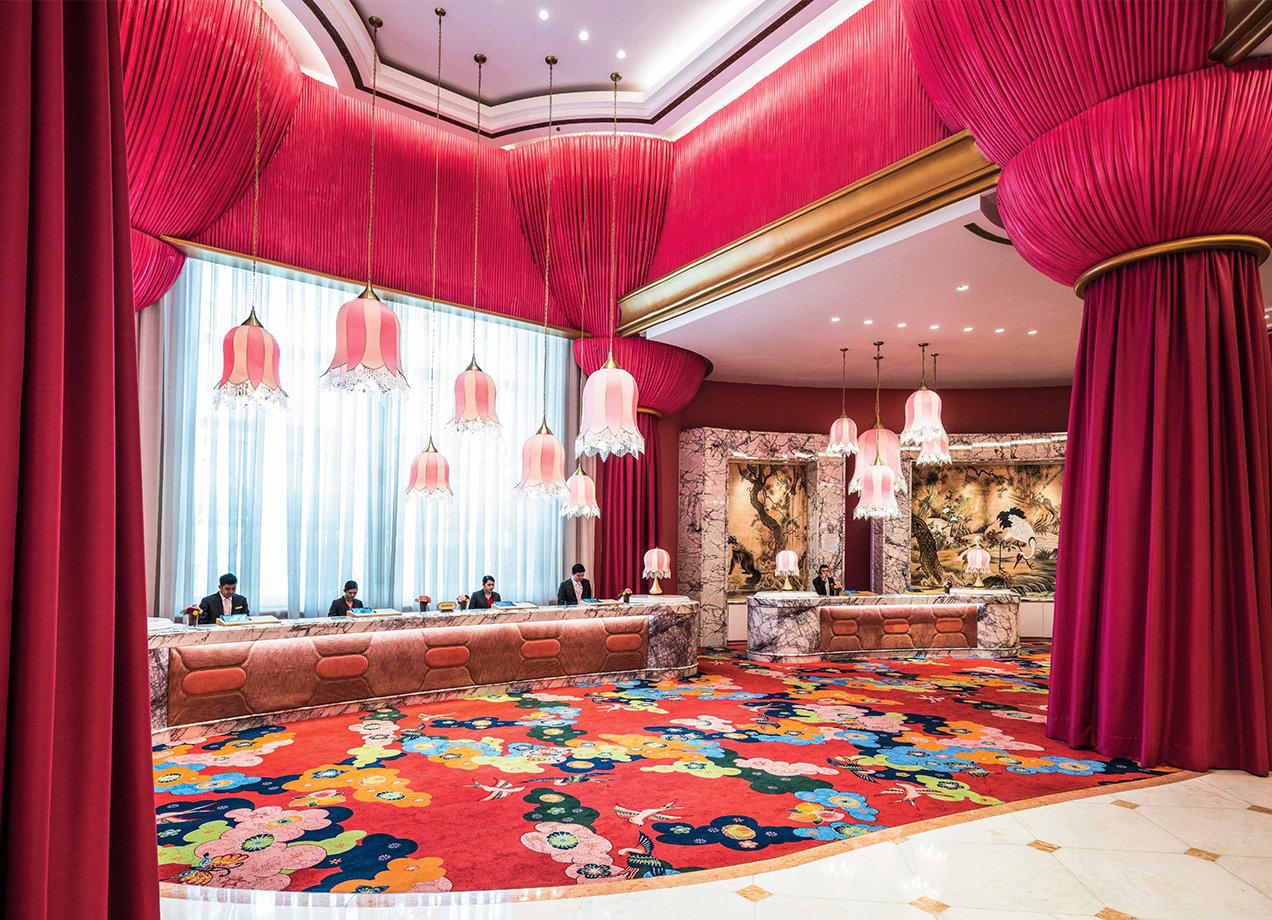
Luxurious and sophisticated ambiance with old world charm, lush garden foliage, and elegant lighting creating an inviting and scenic atmosphere.