Cebu's Original Lechon Belly
"Tradition or Innovation If you haven't tried the Philippine Lechon, it's basically roasted suckling pig. The pig is roasted whole over open fire for hours and it's a favorite celebration food for Filipinos. The part of the lechon of course, is the crispy skin, which is also the challenging to serve. Folks would often fight to have a piece of it, but it's never enough for everyone:-) The traditional version is simple and the meat is dipped in sweet pork liver sauce. I used to remember after every party we have, my mom would take the leftovers including the bones and make it into a stew called "paksiw" with the same liver sauce for the next day's meal. When you head to Cebu though, the lechon there is roasted with herbs and spices that make the lechon meat a little bit saltier than the traditional version. They are eaten as is, or with some vinegar and chilis. The same crispy skin is what people enjoy too. As people's taste change over the years, the traditional lechon has also evolved. Today, you can have a lechon with just the prime lechon belly meat without the bones and pig head served in front of you:-) And now, they even made a spicy version to it. Somehow, this makes the skin extra crispy and that's what we all love about the lechon.
Pearl is the En Primeur Club membership app — saves, bookings, and concierge access live there. Same editors, same standards.
- Address
- Parkmall Al Fresco 3, Mantawe Ave, Mandaue, 6014 Cebu, Philippines
- Phone
- +63 932 877 4518
- Website
- cebuslechonbelly.com
- Directions
- Get directions
 Saves & bookings on Pearl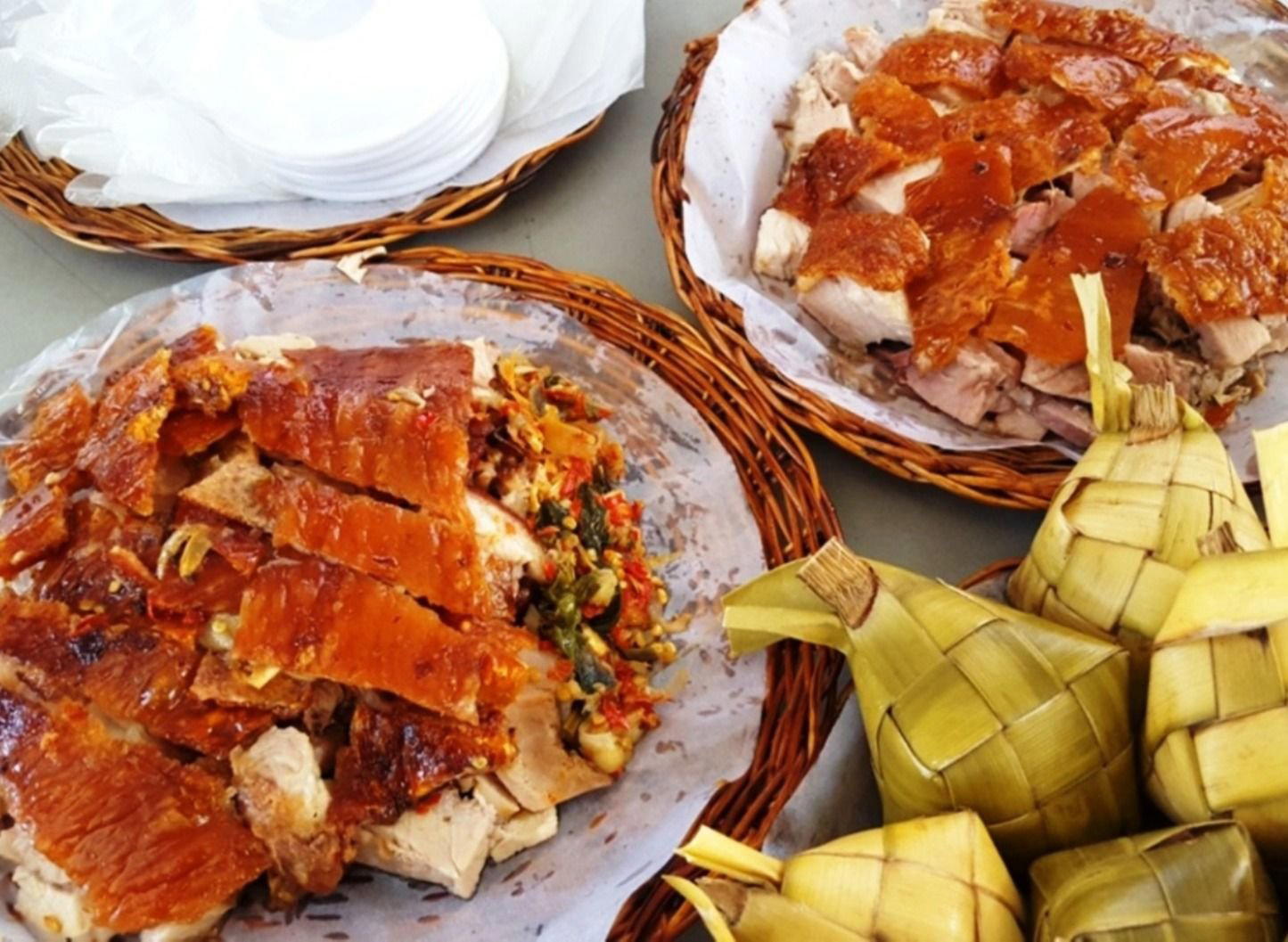
Where Cebu's Lechon Tradition Meets the Al Fresco Format
The al fresco dining sections of Mandaue's commercial strips occupy a particular place in Cebu's food culture. They are neither the white-tablecloth rooms of Cebu City's hotel dining floors nor the roadside stalls where lechon has been sold for generations. They sit in between: accessible, often loud, and governed by the logic of the open-air setting rather than any formal service model. It operates in this format, which means the context for understanding it is the broader tradition of Cebu lechon itself.
Lechon is one of the clearest examples of Philippine cuisine resisting simplification. Every region has its version, but Cebu's is the one that has drawn sustained outside attention, distinguished by a dry, crackling skin and an aromatic interior that comes from the stuffing rather than a sauce served alongside. The belly cut, specifically, isolates the richest cross-section of that experience: the fat renders during roasting in a way that the loin cannot replicate, and the skin-to-meat ratio shifts toward what most lechon eaters consider the point of the whole exercise. Cebu's Original Lechon Belly's name signals a positioning claim within this tradition, placing the belly cut at the center of its offer rather than treating it as an upsell.
The Sourcing Logic Behind Cebu Lechon
The ingredient story of Cebu lechon is inseparable from the pork itself. The quality of a lechon is determined before the roasting begins, at the point of animal selection and preparation. Cebu's lechon tradition has historically relied on whole pigs raised locally in the Visayas region, where farming practices and feed conditions produce pork with a fat structure suited to long, open-fire roasting. The belly cut demands even more careful sourcing than the whole-pig format, because the fat-to-lean ratio in a belly section varies considerably between animals and becomes the primary driver of the final texture.
The aromatic profile of Cebu-style lechon also comes from what goes inside during preparation: lemongrass, garlic, onions, and regional herbs packed into the cavity before roasting. This is where Cebu lechon departs most clearly from Manila and Batangas styles, which lean toward vinegar-based liver sauces as the primary flavor layer. In Cebu, the pig is expected to be seasoned from within, and a sauce is either minimal or absent. For visitors arriving from other parts of the Philippines, or from overseas, this distinction is worth understanding before ordering. The belly format at a venue like Cebu's Original Lechon Belly is positioned to deliver that internal aromatics approach in a cut that concentrates the effect.
The Parkmall Al Fresco Setting
Parkmall in Mandaue is a commercial property that draws both local residents and visitors moving between Cebu City and the northern parts of Cebu Island. The al fresco section operates at the intersection of convenience and casual dining, which is the format that suits lechon leading. Lechon has never been a dish that asks for a quiet room or a long wine list. It asks for immediacy: the skin should be eaten while it retains its crackle, which means the open-air, no-ceremony format of an al fresco stall is the correct context for it.
Mandaue sits immediately north of Cebu City, and the strip of commercial development along Mantawe Avenue functions as a practical dining destination for people who live or work in the area rather than a destination that draws visitors from a distance on its own merits. That context matters for setting expectations. This is not a restaurant that competes with the dining rooms covered in Antonio's Restaurant in Tagaytay or the modern Filipino approach at Asador Alfonso in Cavite. It competes on the terms of its own category: lechon, quickly served, in an open setting.
For visitors spending time in Cebu and wanting to map the lechon scene more broadly, Zubuchon in Cebu City represents one visible reference point in the category and carries documented recognition. Comparing the two gives a sense of how the belly-specialist format differs from the whole-pig tradition. Our full Mandaue restaurants guide maps the broader dining options in the area for anyone building an itinerary around the city. For the outdoor dining format specifically, Lantaw in Compostela, Cebu offers a comparison point with a different setting and menu emphasis.
How Lechon Belly Fits Into the Philippine Dining Conversation
The rise of belly-specific lechon formats reflects a broader pattern in Philippine casual dining: the extraction and specialization of a single component from a traditional format into a more focused offer. The belly has the highest concentration of the qualities that made Cebu lechon famous, and selling it as a standalone product allows vendors to control the supply chain more tightly and serve customers who are not buying for a whole-party occasion. This shift mirrors what happened in other pork traditions globally, where a specific cut becomes the organizing principle for a category of specialist vendor.
In the context of the Philippine restaurant scene more broadly, lechon occupies a different register than the creative Filipino cooking being developed at venues like Celera in Makati or the approach at MŌDAN in Quezon. Those venues work with Philippine ingredients and traditions as source material for contemporary cooking. Lechon stalls and belly specialists are doing something different: they are maintaining a preparation method that has not changed substantially in decades, in a format that prioritizes consistency and immediacy over innovation. Both are worth understanding on their own terms.
Other notable Filipino restaurants worth comparing for their different approaches to tradition and sourcing include Lola Helen in Marikina and Bellini's in Murphy. For international reference points on how ingredient sourcing drives dining identities at the highest level, the editorial on Le Bernardin in New York City and Lazy Bear in San Francisco offer instructive contrasts. Closer to home, Terraza Martinez in Taguig, Osteria Antica in Mandaluyong, CIBO in Quezon City, Jollibee in Pasay, and Honesty Coffee Shop in Ivana each represent a different point on the Philippine dining spectrum.
Planning Your Visit
Cebu's Original Lechon Belly is located at Parkmall Al Fresco 3, Mantawe Avenue, Mandaue, Cebu 6014. The restaurant is open daily from 10 AM to 9 PM. It is walk-in friendly, and the casual setting suits its counter-service format. For visitors arriving from Cebu City, Mandaue is reachable by taxi or ride-hailing apps in under thirty minutes depending on traffic on the coastal road. The Parkmall complex itself is well-signposted within the area.
In Context: Similar Options
Comparable venues nearby, for context on price, style, and recognition.
| Venue | Cuisine | Price | Awards | Notes |
|---|---|---|---|---|
| Cebu's Original Lechon BellyThis venue — the venue you are viewing | Filipino Boneless Lechon Belly | $$ | Not listed | Not listed |
| Shaka Bohol | Healthy Vegan Cafe | $$ | Not listed | Panglao Island |
| COCO | Filipino-Thai Fusion Grill | $$ | Not listed | Mactan Seaport Village, Lapu-Lapu |
| Agni by Mantra | Modern Regional Indian | $$$ | Not listed | Makati |
| Sariwon | Authentic Korean Barbecue | $$$ | Not listed | Bonifacio Global City |
| Pares Pares (N. Escario Street) | Filipino Beef Pares | $ | Michelin Plate | Escario |
Continue exploring
More in Mandaue
Restaurants in Mandaue
Browse all →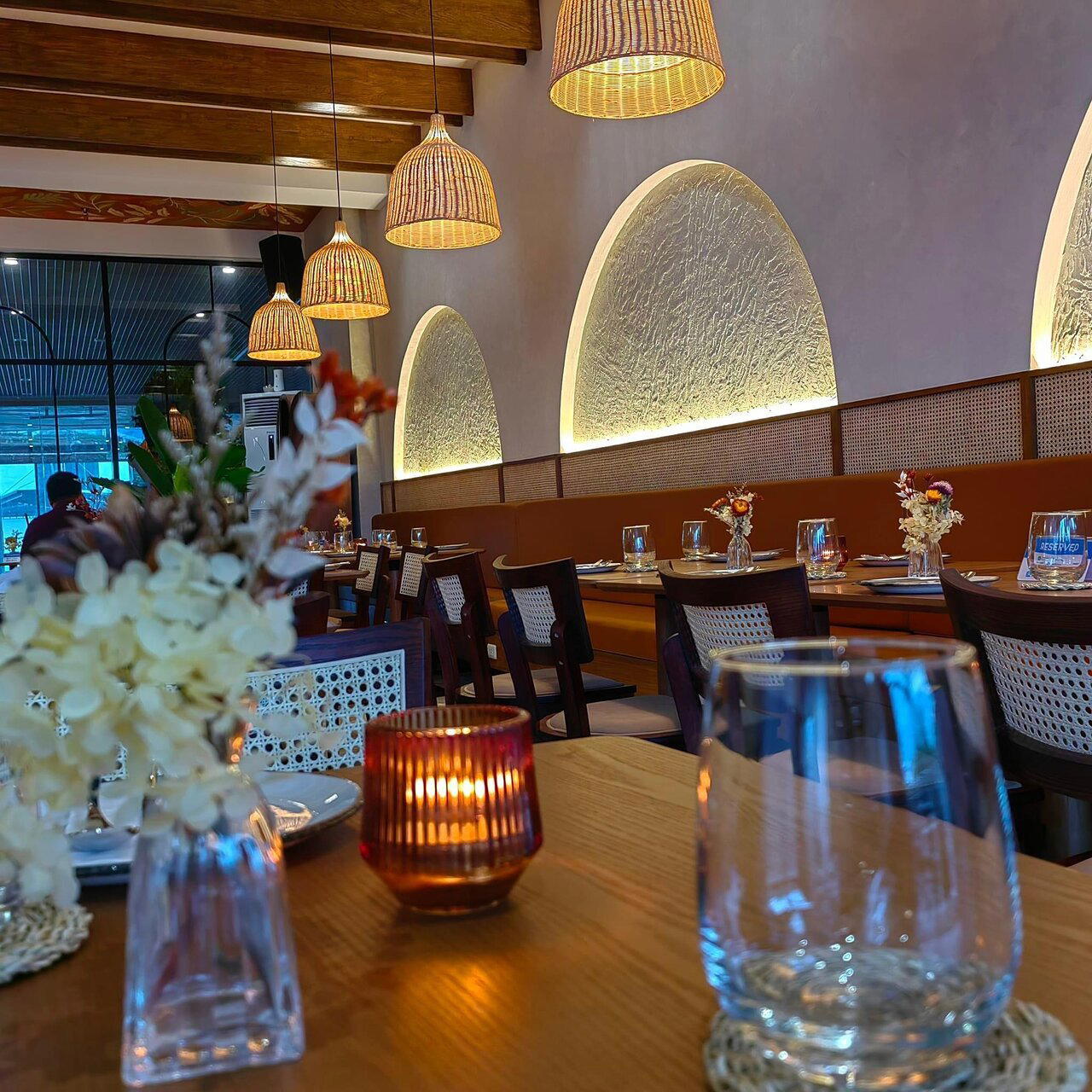
At a Glance
- Lively
- Family
- Casual Hangout
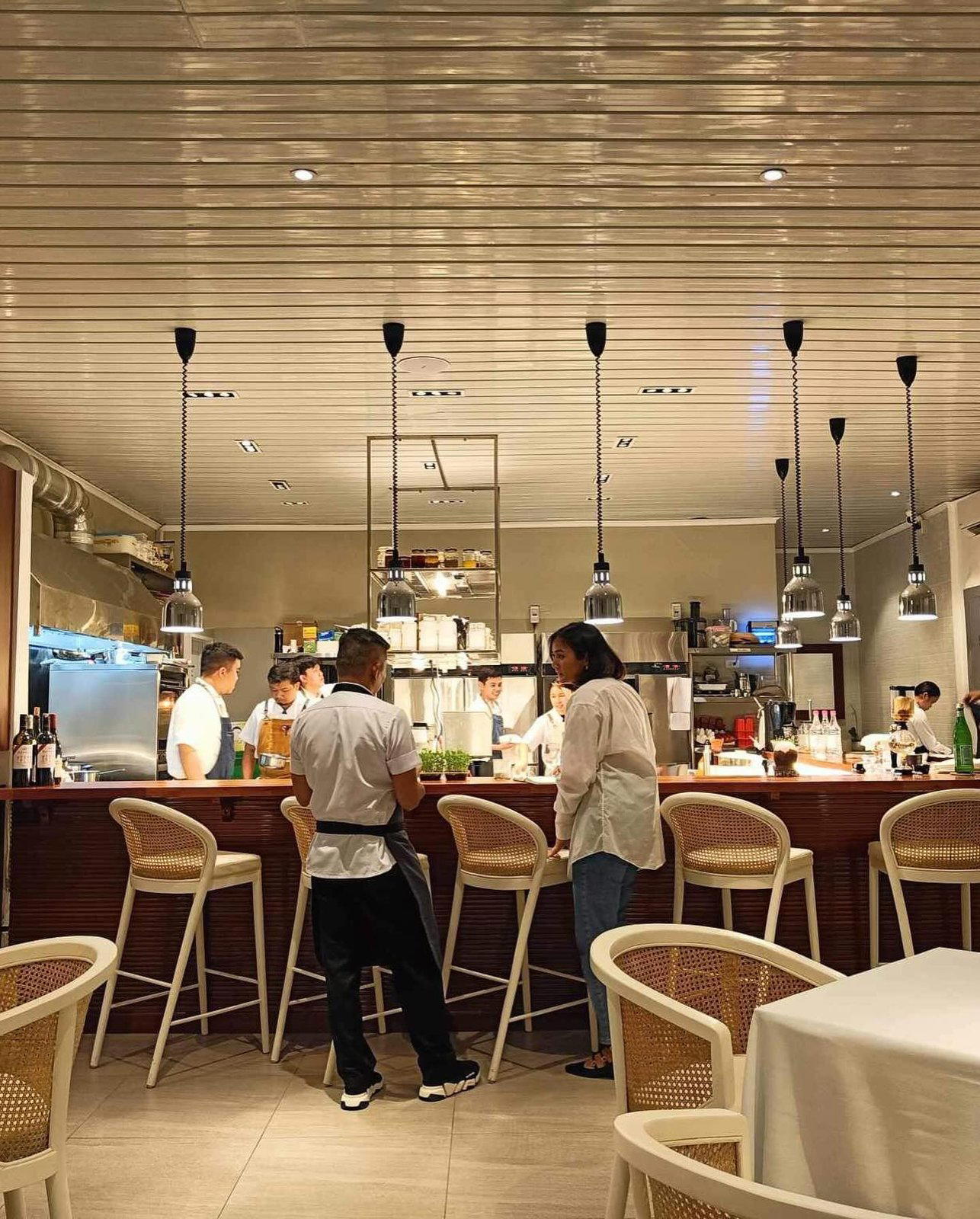
- Open Kitchen
Current opening hours
- Monday
- 10 AM–9 PM
- Tuesday
- 10 AM–9 PM
- Wednesday
- 10 AM–9 PM
- Thursday
- 10 AM–9 PM
- Friday
- 10 AM–9 PM
- Saturday
- 10 AM–9 PM
- Sunday
- 10 AM–9 PM
Hours can change for holidays and private events. Last verified .
Casual fast-food atmosphere with alfresco outdoor seating and lively dining areas.