ITO

Tatler Best Service
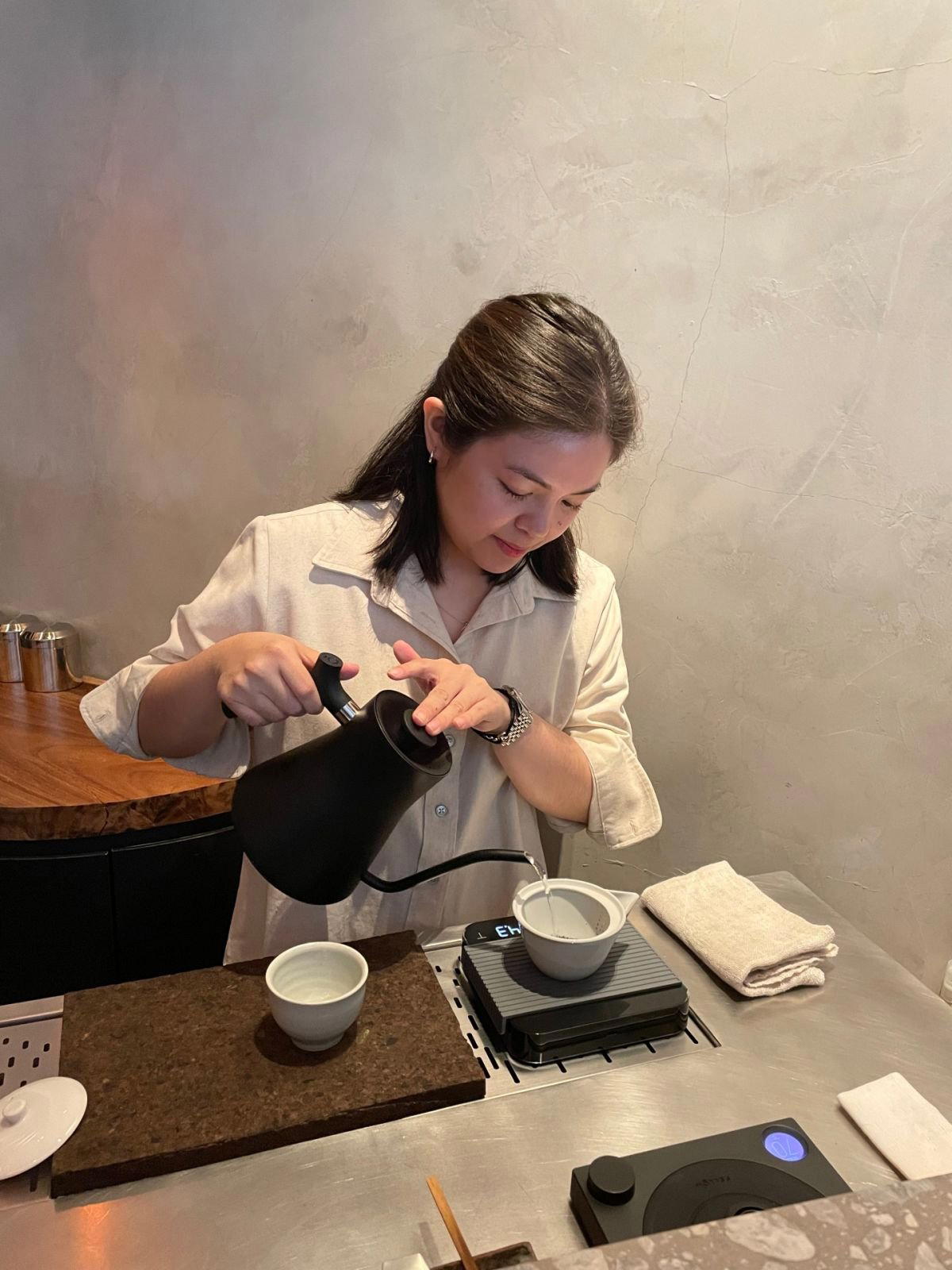
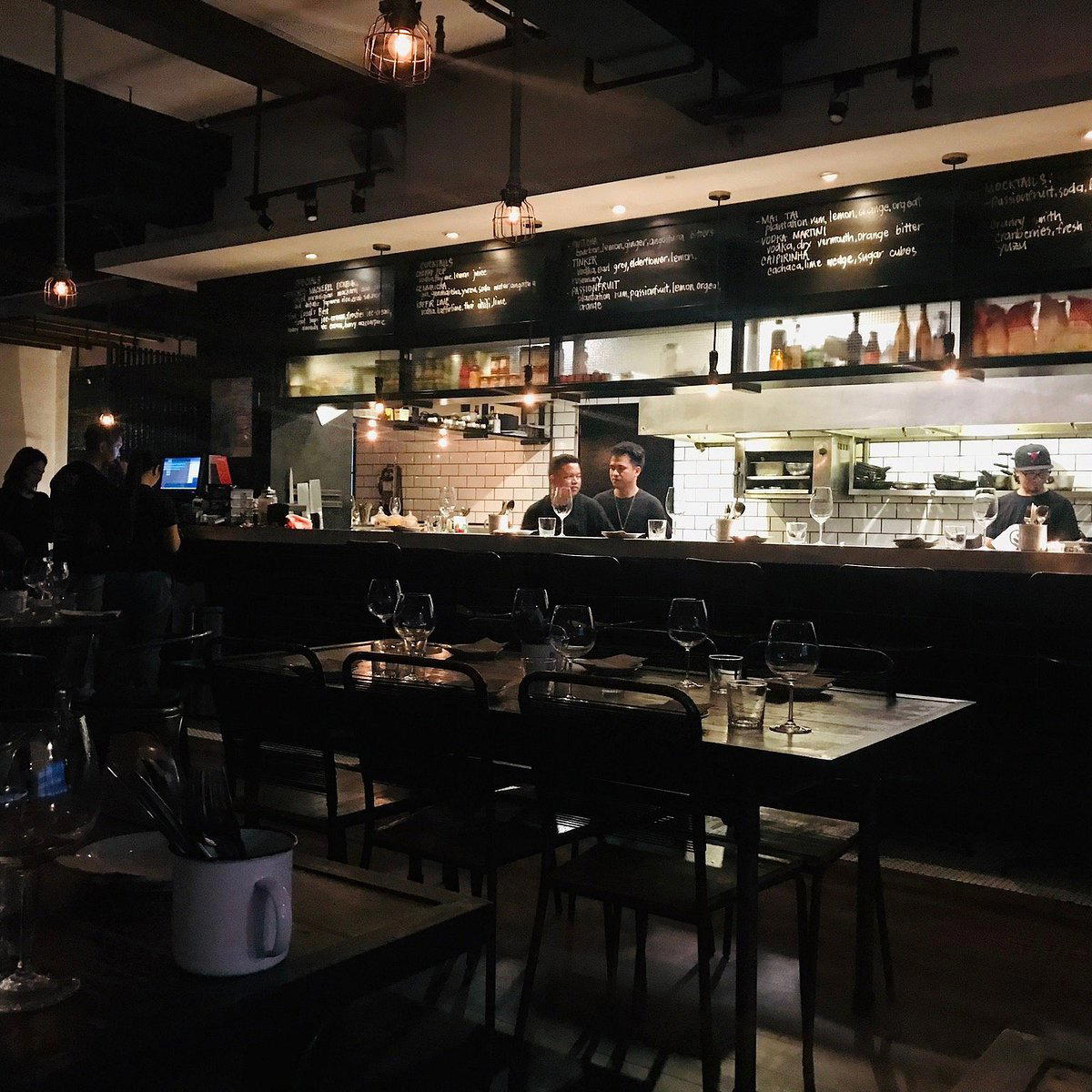
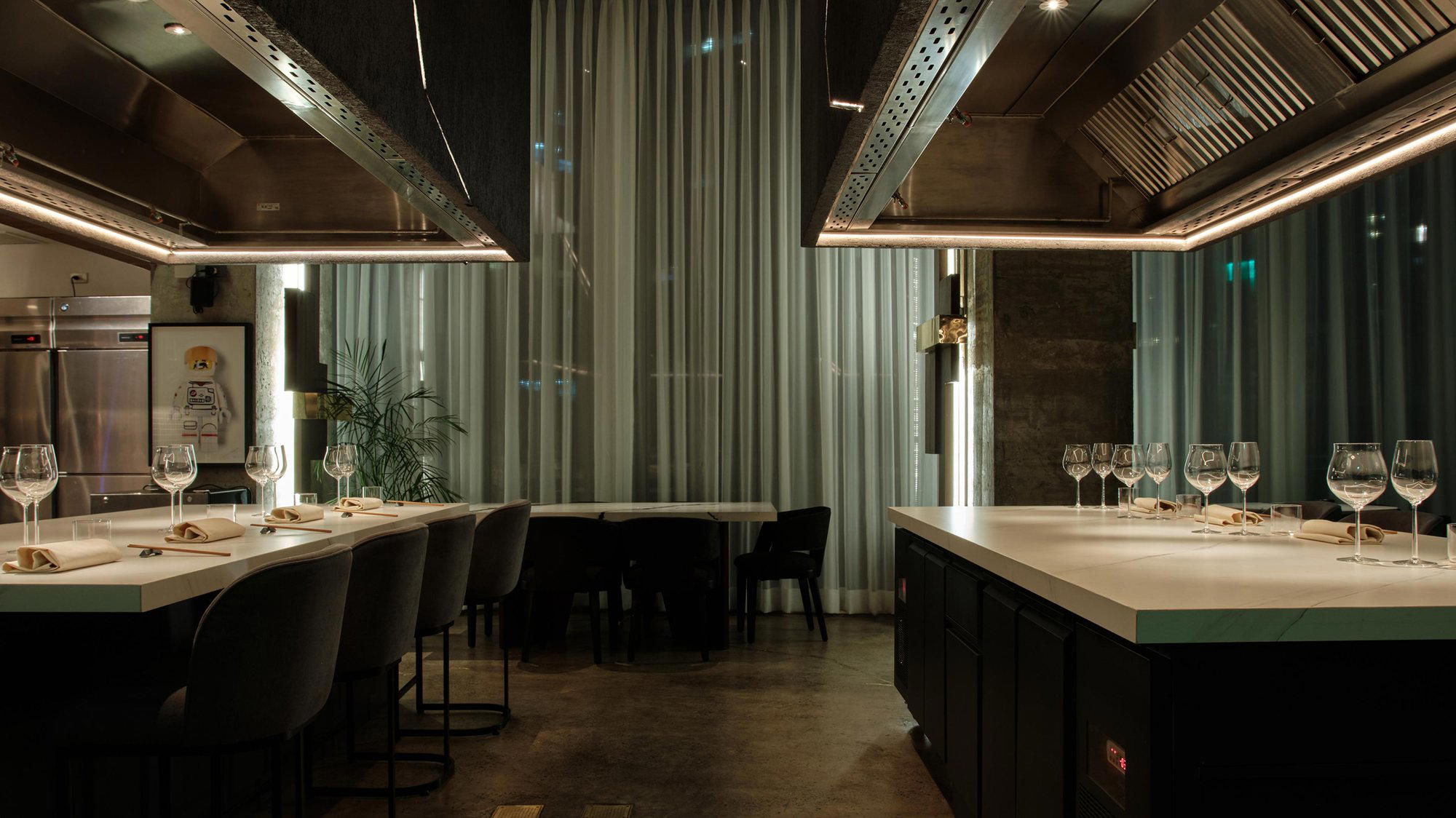
ITO occupies the ground floor of a Legazpi Village address that has become a reference point for seasonal Filipino cocktail culture in Makati. Named in Tatler Asia-Pacific's Best Bars list and awarded Best Innovation 2025 and Best Service 2026, the bar structures its program around cocktail flights that move through indigenous ingredients by season. The approach places it in a different tier from Makati's broader bar scene.

Pearl is the En Primeur Club membership app, where members save venues, book tables and use the concierge.
Legazpi Village and the Shift in Makati's Bar Scene
Makati's drinking culture has reorganised itself over the past several years, pulling apart into two distinct registers. One side is the high-volume hospitality of the Poblacion strip, where bars trade on density and late-night momentum. The other is a quieter, more considered tier concentrated in Legazpi Village and its surrounding streets, where the programme at any given address tends to carry more weight than the crowd it draws. ITO sits firmly in this second tier, at 107 Aguirre Street, and the awards record it has accumulated places it at the sharper end of that category.
The Legazpi Village setting matters as context. The neighbourhood has long housed an unusually concentrated mix of design-conscious restaurants, specialty coffee operations, and wine-forward bars, creating a guest base that arrives with expectations already calibrated upward. For a bar running a seasonal Filipino ingredient programme, that environment is more useful than a livelier, more transient strip. The format rewards attention, and Legazpi Village tends to attract the kind of visitor who comes to pay it.
The Cocktail Flight Format and What It Actually Means
The flight format, as a delivery mechanism for cocktails, has spread across Asia-Pacific's more technically ambitious bars over the past decade. At its worst, the format produces a rigid tasting sequence that prioritises the bar's narrative over the guest's comfort. At its finest, it creates a structured arc through a set of ideas that individual, à la carte ordering would obscure. ITO's recognition from Tatler Asia-Pacific for Leading Innovation in 2025 suggests its flight program sits closer to the latter.
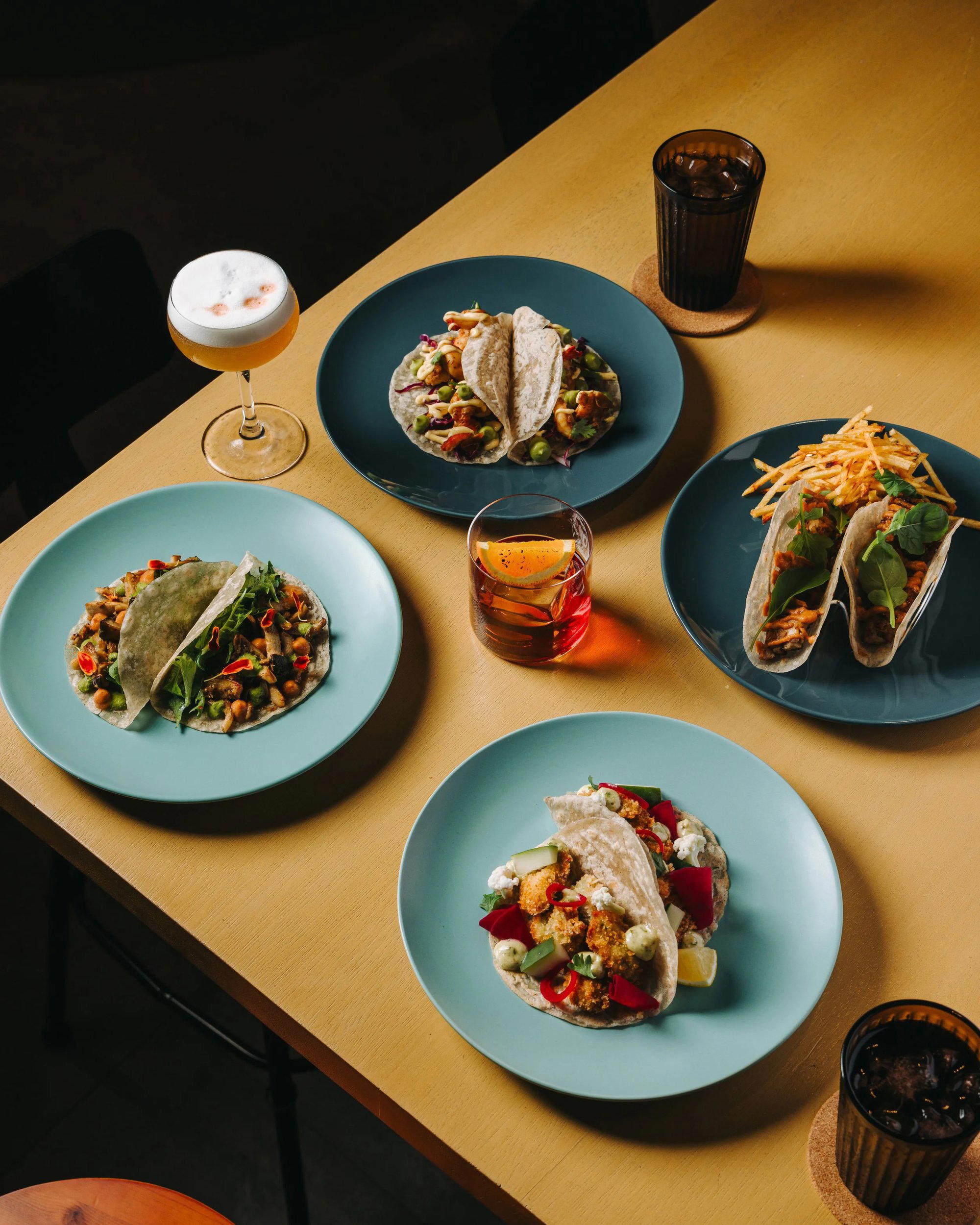
Editorial angle that defines ITO's position in the Manila bar scene is the pairing logic embedded in the flight structure. Seasonal Filipino ingredients, rotated as they come into peak availability, create a programme that naturally pairs with food in a way that static, spirits-first cocktail lists rarely do. When the base ingredients shift with the agricultural calendar, the drinks acquire a specificity that invites comparison with what's on the table rather than operating in parallel isolation. This is the mechanism by which ITO has carved a distinct position relative to peers like Fat Cat and Commune Café + Bar + Roastery in the same neighbourhood, and against the broader Makati bar set represented by places like Bombvinos Bodega and Lit.
Filipino Ingredients as a Structural Principle, Not a Garnish
Use of local ingredients in cocktails across Southeast Asia has evolved from an occasional novelty to a programme-level commitment at the region's more serious bars. The distinction between decorative local references and structurally integral ones is now the line that separates bars receiving regional recognition from those that remain city-specific. ITO's placement on the Tatler Leading Bars Asia-Pacific 2025 list, spanning a region that includes Tokyo, Singapore, Hong Kong, and Sydney, positions it within that first category.
Across the Philippines, the botanical range available to a bar committed to seasonal sourcing is unusually wide. Calamansi, pandan, sampaloc, ube, kamias, and a rotating cast of regional ferments and vinegars represent a flavour vocabulary that can sustain a genuinely differentiated drinks programme across twelve months without repeating itself. When those ingredients carry the structural weight of a cocktail rather than appearing as a dash of colour or a garnish note, the pairing potential with Filipino food expands accordingly. A drink built around the acidity of green mango or the bitterness of ampalaya creates a different set of food affinities than one using imported citrus or European botanicals. The food programme at such a bar, where it exists, functions less like a menu and more like a set of designed counterpoints.
For comparison within a regional context, bars in other Asia-Pacific cities are navigating the same question. Oto in Manila and Raion in San Juan each approach the ingredient-led programme question from different angles. Beyond the Philippines, the ingredient-focused pairing bar has strong precedents: Kumiko in Chicago built its recognition on Japanese ingredients meeting American spirit tradition, while Bar Leather Apron in Honolulu has pursued a similar locally-grounded approach in a Pacific context. Jewel of the South in New Orleans and Julep in Houston represent the American equivalent of drawing deeply from a specific regional ingredient and cocktail tradition. ITO's programme operates within this international conversation while addressing a flavour vocabulary that no bar outside the Philippines can replicate with any authenticity.
Service as a Scored Metric
The Tatler Leading Service bar award for 2026 is a separate designation from list membership, and its inclusion alongside the Leading Innovation badge from 2025 gives ITO an unusual dual credential. Most cocktail bars earn recognition on the strength of their drinks programme alone; a simultaneous service award points to a floor experience that supports rather than undermines the technical ambition behind the counter. In a bar structured around flights and seasonal ingredients, where the ordering process is inherently more guided than pointing at a standard cocktail list, the quality of guest communication carries more weight than in a conventional setting. Staff who can articulate ingredient provenance, seasonal availability, and pairing rationale without tipping into lecture mode are a distinct operational asset. The 2026 service recognition confirms that ITO's floor execution has been independently assessed at that level.
Planning a Visit
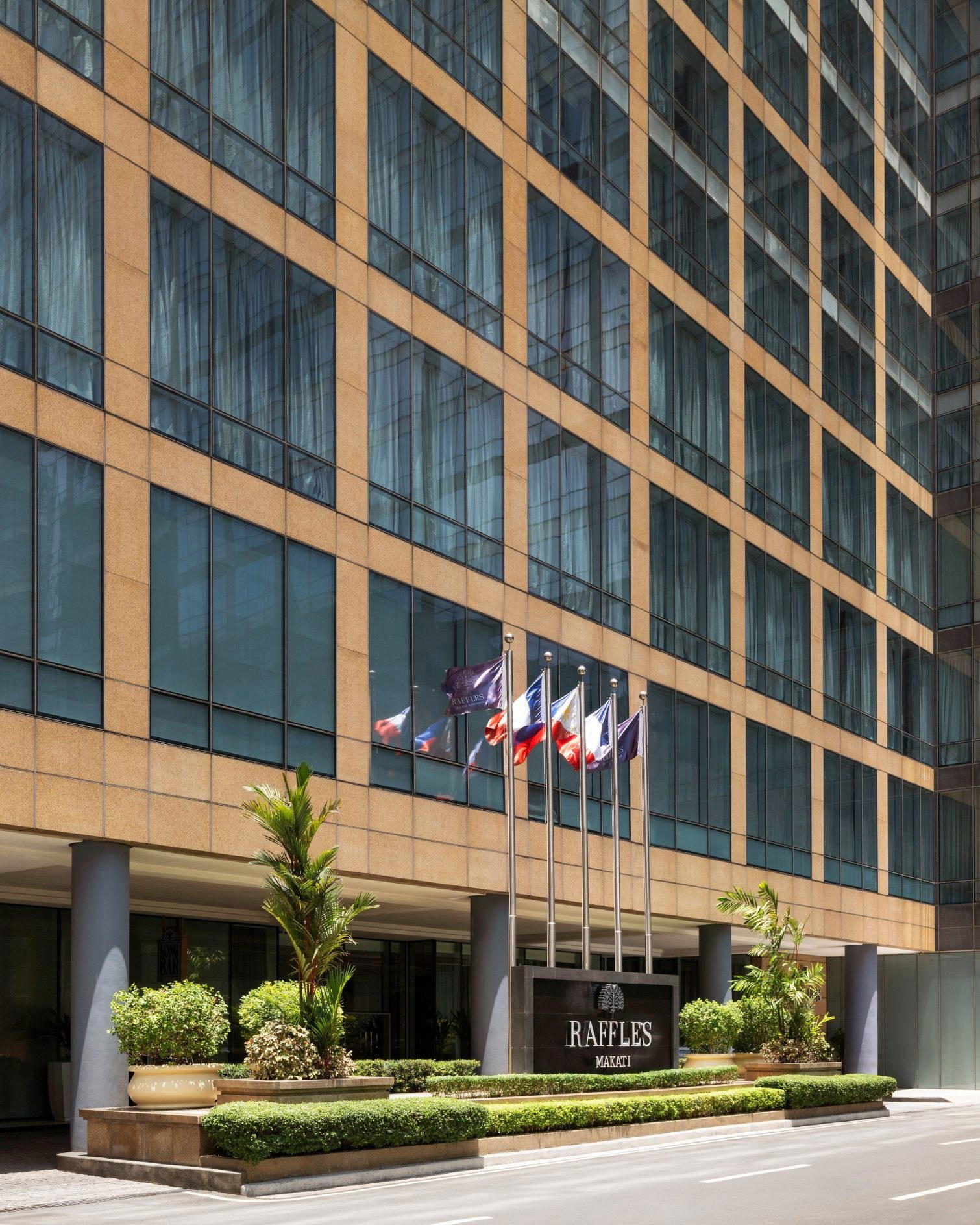
ITO is located at 107 Aguirre Street, ground floor, in Legazpi Village, Makati. The address is walkable from the major Legazpi Village restaurant cluster and accessible from Ayala Avenue by a short ride. For current booking procedures, hours, and seasonal flight availability, the bar's Instagram at @ito.space is the most reliable live reference, as is its website at ito.ooo. Given the bar's consistent awards recognition and the specificity of its flight format, advance coordination, particularly for larger groups, is advisable. Those building a Makati evening around the drinks-and-food pairing principle should consider the neighbourhood's surrounding dining options before or after; the full Makati restaurants guide maps the broader context. For those extending the evening or comparing notes across the Metro Manila bar scene, Southbank Cafe + Lounge in Muntinlupa City represents a different register of the Metro Manila drinks experience worth knowing.
Comparable Spots
Comparable venues nearby, for context on price, style, and recognition.
| Venue | Cuisine | Price | Awards | Notes |
|---|---|---|---|---|
| ITOThis venue (the venue you are viewing) | cocktail_bar | $20–30 | Tatler Best Service | Not listed |
| The Back Room | speakeasy | $20–30 | World's 50 Best #45 · Top 500 Bars Best Bars #399 | BGC |
| Fat Cat | cocktail_bar | $10–20 | Tatler Best 20 Bars Philippines | Makati |
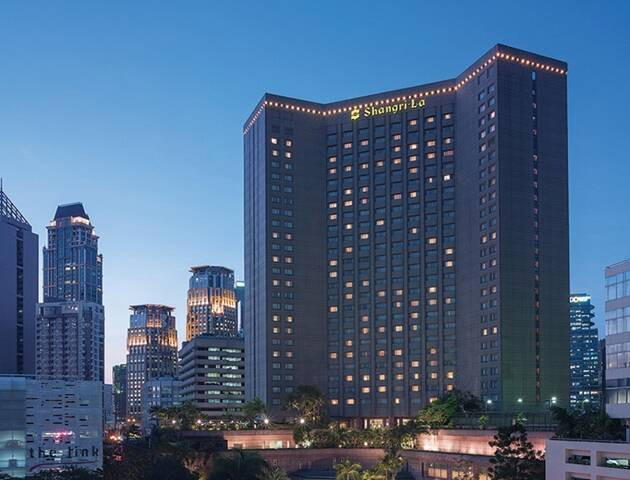
| Makati Shangri-La | hotel_bar | $30–50 | Not listed | Makati |
| Commune Café + Bar + Roastery | lounge | $10–20 | Not listed | Poblacion |
| Lit | hotel_bar | $20–30 | Not listed | Makati |
Recognition history
Dated appearances from independent guides and award organizations, with the underlying list record or original source where available.
Tatler Best Service
Tatler
Full recognition history (5 entries)
Tatler Best 20 Bars Philippines
Tatler
Tatler Best Philippines: Best Service • Bar
Tatler
Tatler Listed in Best Bars Asia-Pacific
Tatler
Tatler Best Innovation
Tatler
ITO
Featured Guides
Chef Vitor Mendes Opens Iara Lower East Side
Dining at the Sushi God’s Table: Sushi Saito Tokyo Review 2026 — The World’s Most Exclusive Invite-Only Meal (And How to Get a Reservation)
Chef Benito Gómez Opens Ocean Club by Benito Gómez in Phu Quoc
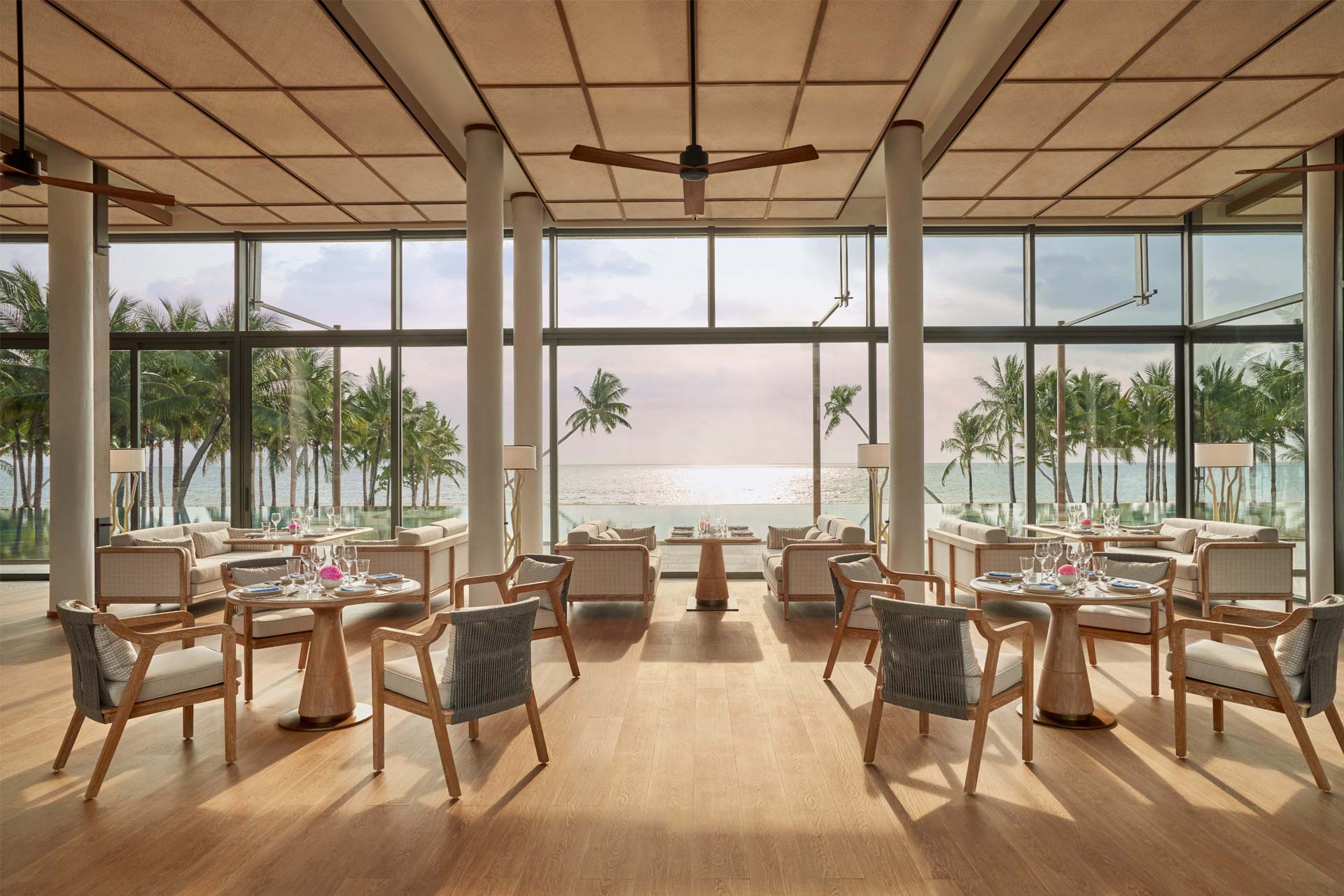
Ocean Club by Benito Gomez Is Coming to Regent Phu Quoc
Continue exploring
More in Makati
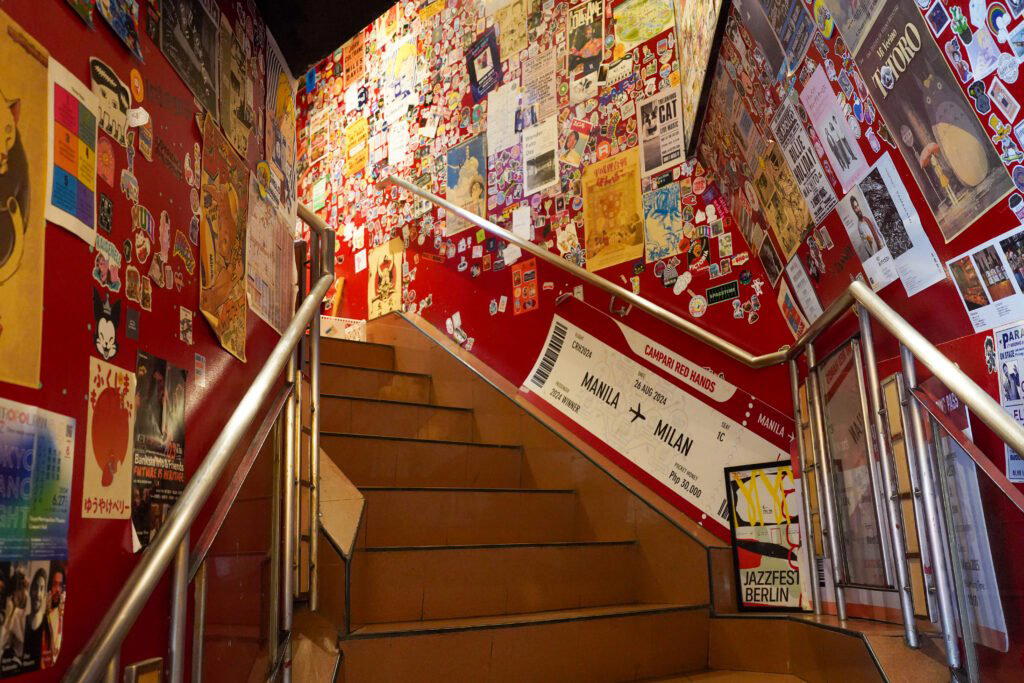
Bars in Makati
All bars in Makati →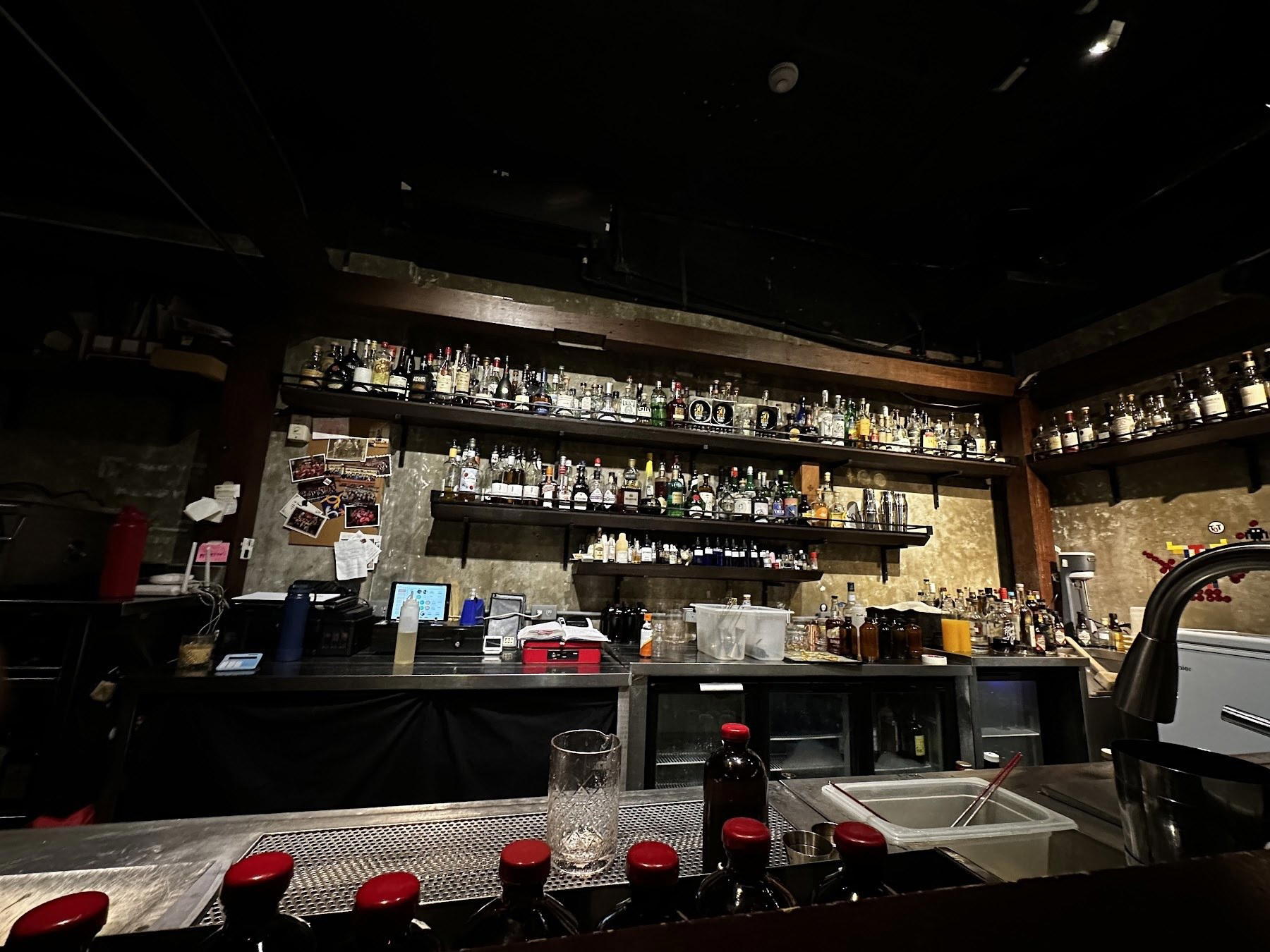
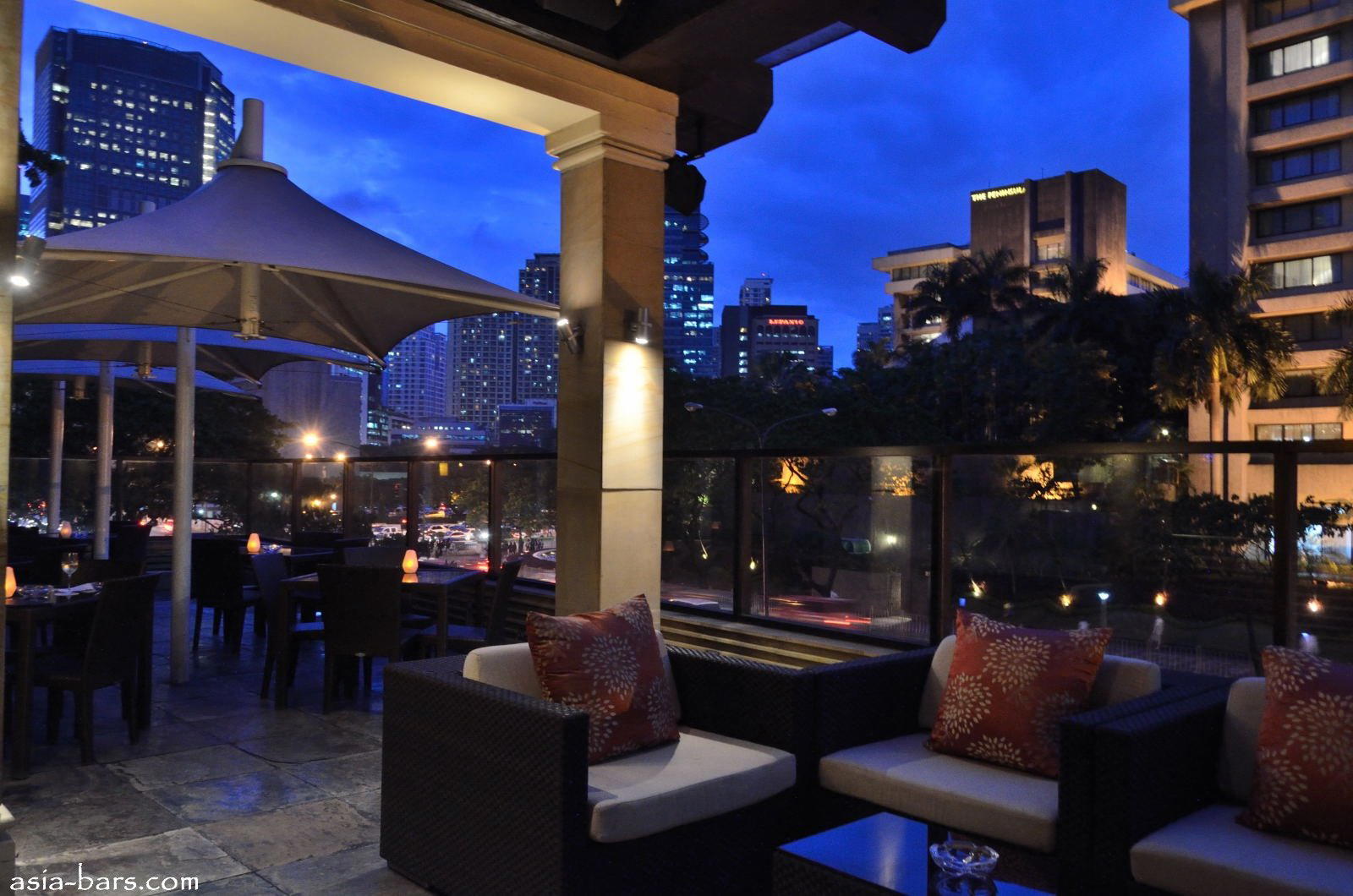
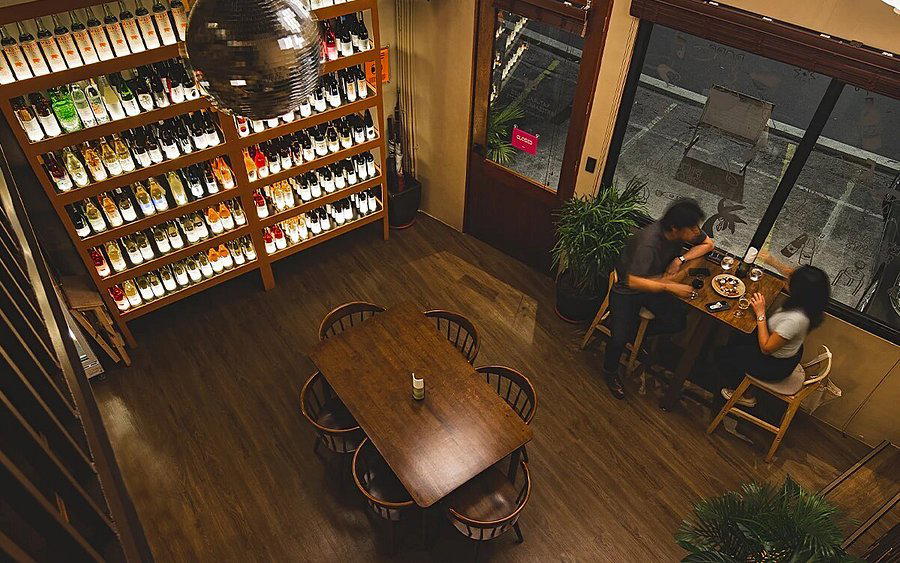
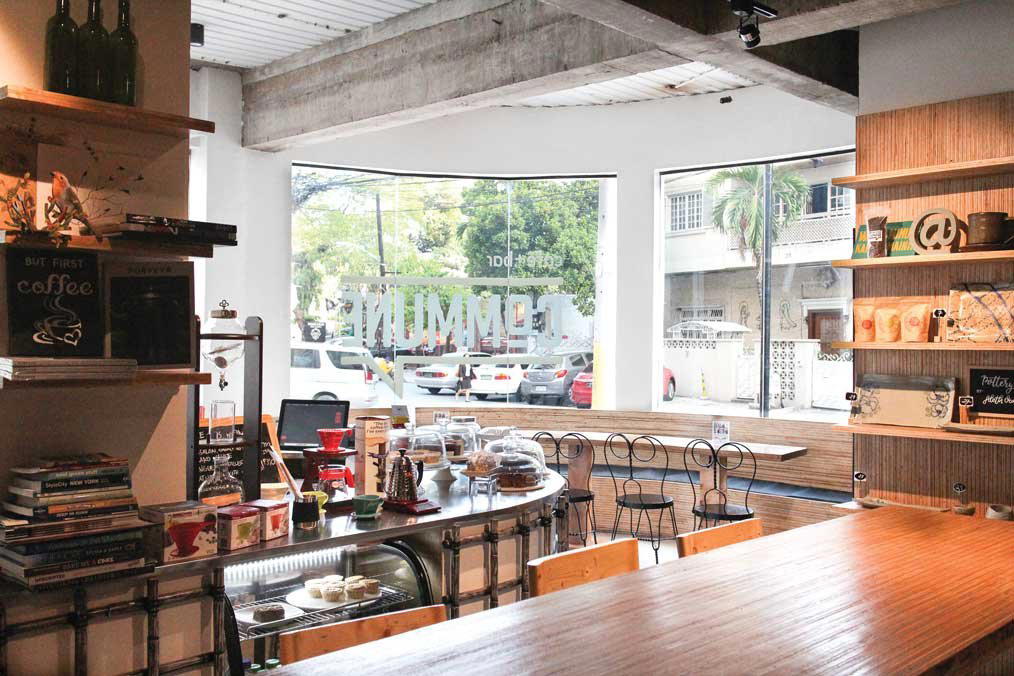
Restaurants in Makati
All restaurants in Makati →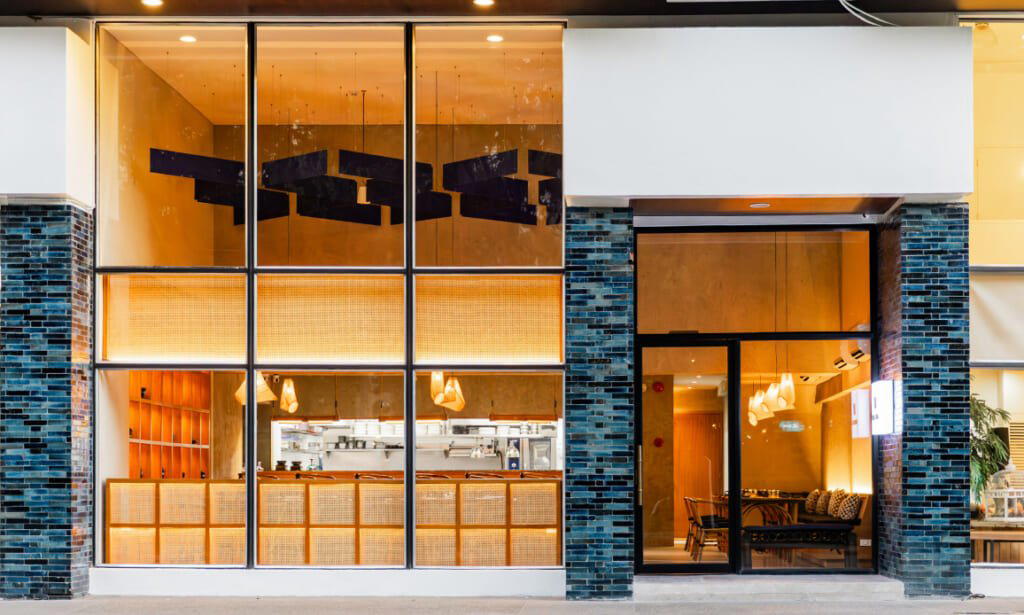
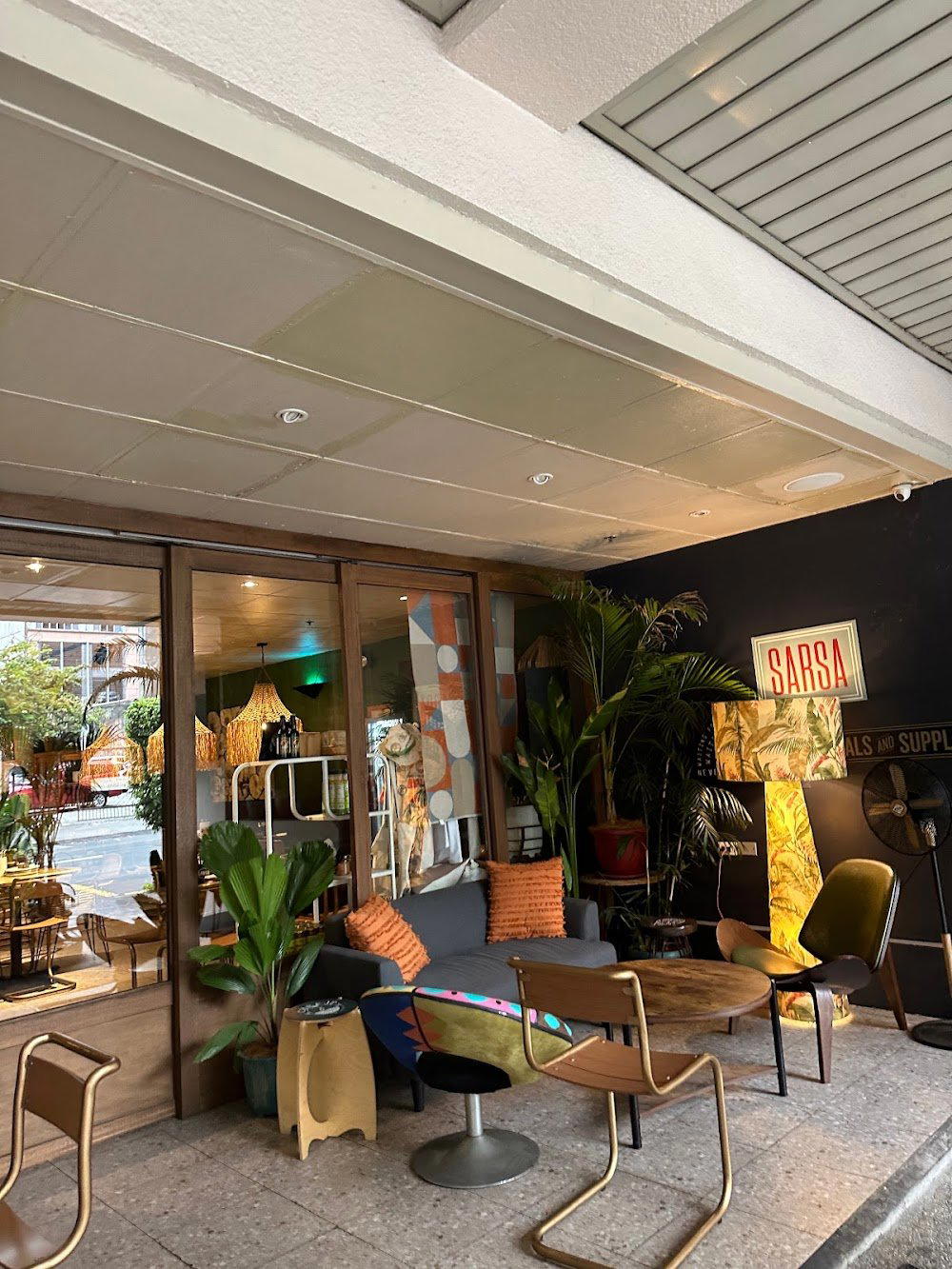
Details
- Cozy
- Modern
- Trendy
- Intimate
- Date Night
- Casual Hangout
- Design Destination
- Standalone
- Seated Bar
- Lounge Seating
- Craft Cocktails
Current opening hours
- Monday
- Closed
- Tuesday
- Closed
- Wednesday
- 12–4:30 PM, 6–10:30 PM
- Thursday
- 12–4:30 PM, 6–10:30 PM
- Friday
- 12–4:30 PM, 6–10:30 PM
- Saturday
- 12–4:30 PM, 6–10:30 PM
- Sunday
- 12–4:30 PM, 6–10:30 PM
Hours can change for holidays and private events. Hours as of .
Cozy and modern atmosphere with friendly knowledgeable staff.