Jollibee
Jollibee at Blue Bay Walk on Roxas Boulevard occupies a particular place in Metro Manila's dining culture: it is where Filipino fast food becomes something closer to a cultural reference point. The Pasay location sits within one of the city's busiest waterfront commercial strips, making it a practical stop between the bay area's larger dining venues and a useful barometer for understanding how the Philippines' most recognised fast-food brand operates at street level.
Pearl is the En Primeur Club membership app — saves, bookings, and concierge access live there. Same editors, same standards.
- Address
- Blue Bay Walk, cor Roxas Blvd, EDSA, Pasay City, Metro Manila, Philippines
- Phone
- +63 2 8779 8490
- Website
- jollibee.onelink.me
- Directions
- Get directions
 Saves & bookings on Pearl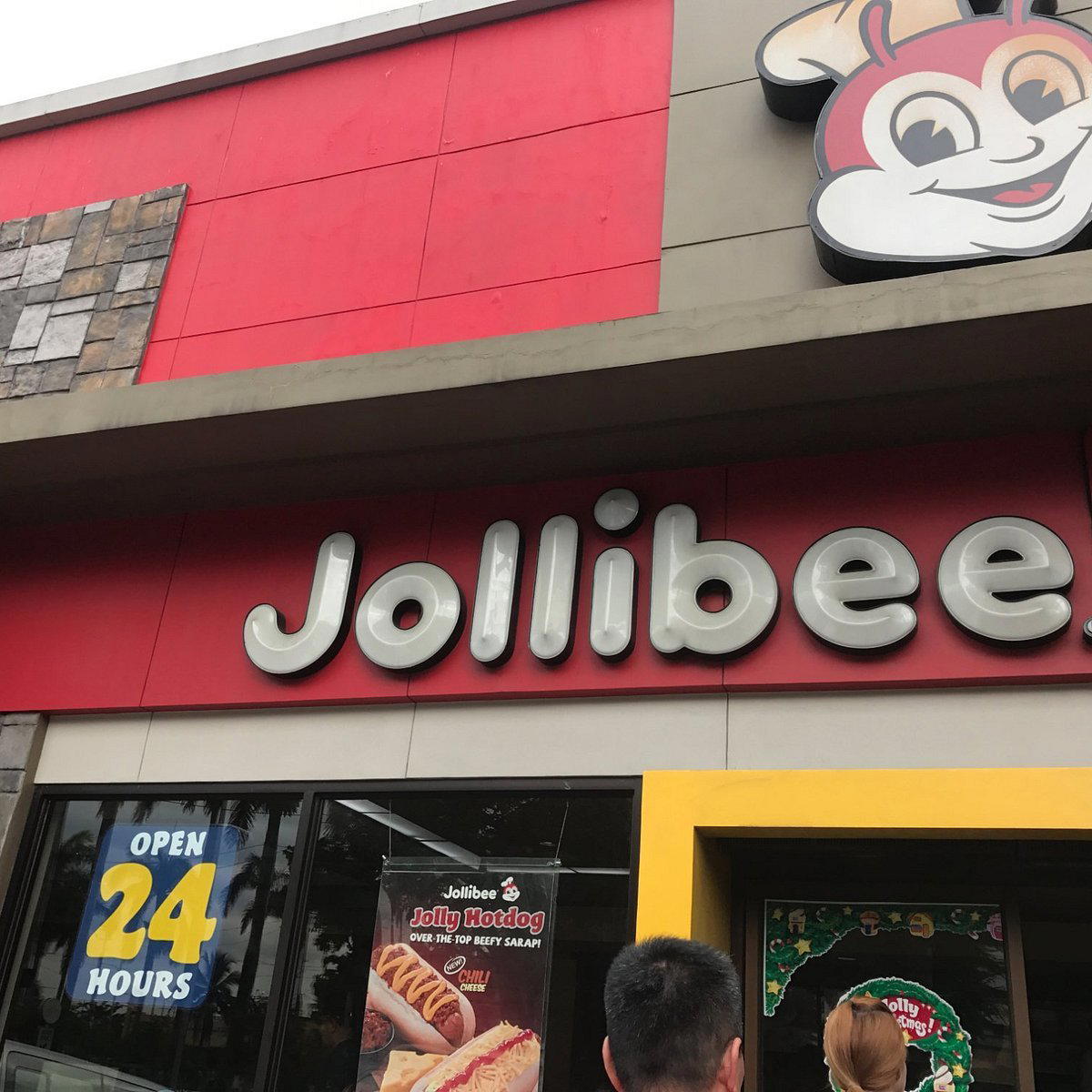
Fast Food as Cultural Fact: Jollibee on Roxas Boulevard
Jollibee is a Filipino fast food restaurant in Pasay City, Metro Manila, priced at about $4 per person. Roxas Boulevard has always been a road that measures Manila's ambitions. Hotels, casinos, bay-view restaurants and commercial strips run its length, and the Blue Bay Walk stretch in Pasay concentrates a particular density of eating options: everything from hotel dining rooms to open-air seafood stalls. Within that strip, Jollibee operates not as an anomaly but as a fixture, one that tells you something about how Filipinos actually eat across income levels and occasions. The brand's presence here, surrounded by venues like Cru Steakhouse and China Blue, underscores a point that visitors often miss: fast food in the Philippines carries social weight that its Western equivalents rarely achieve.
Jollibee was founded in 1978 as an ice cream parlour in Cubao before pivoting to burgers and fried chicken. Today it operates more than 1,500 locations in the Philippines and has expanded across Southeast Asia, the Middle East, North America, and Europe, largely following the Filipino diaspora. That diaspora dimension matters when reading the brand's cultural position: Jollibee locations in cities like New York, Dubai, and London routinely draw queues of overseas Filipino workers for whom the fried chicken and sweet-style spaghetti are tangible connections to home. The Pasay location, by contrast, serves a local crowd, travellers moving between the airport and the bay area, and the kind of mixed-footfall that a major boulevard intersection generates.
Where the Sourcing Story Sits in Philippine Fast Food
Filipino food culture has always been shaped by what is locally available and affordable. The country's agricultural base, covering rice, sugarcane, tropical fruit, poultry, and pork, feeds both the fine-dining movement documented at places like Toyo Eatery in Manila and the mass-market chains that serve millions of meals daily. Jollibee's supply chain is predominantly domestic: its chicken comes from Philippine poultry producers, its rice is locally grown, and its flavour profiles, particularly the marked sweetness in its tomato-based sauces and marinades, reflect Philippine palate conventions developed over generations rather than any imported template.
That sweetness is the ingredient sourcing story in miniature. Philippine cuisine historically incorporated sugar from the country's extensive sugarcane production in Negros and Pampanga, and that preference for sugar as a balancing agent in savoury dishes permeates the fast-food format here in ways that distinguish it sharply from its American counterparts. The spaghetti served at Jollibee uses a sauce noticeably sweeter than any Italian-American precedent, incorporating sliced hot dogs and ground meat in a preparation that food historians trace to mid-twentieth century Filipino adaptation of imported ingredients to local taste. You can read a version of the same logic in the lechon tradition documented at venues like Cebu's Original Lechon Belly in Mandaue and Zubuchon in City of Cebu: Filipino cooking adapts external technique to local material and local flavour logic, producing something that is neither derivative nor identical to its origins.
For a traveller who has spent time at the more ingredient-focused end of Philippine dining, whether at Linamnam in Parañaque or Antonio's Restaurant in Tagaytay, Jollibee represents the mass-market expression of the same underlying food culture. The sourcing is less artisanal, the preparation industrialised, but the flavour DNA is recognisably related.
The Atmosphere at Blue Bay Walk
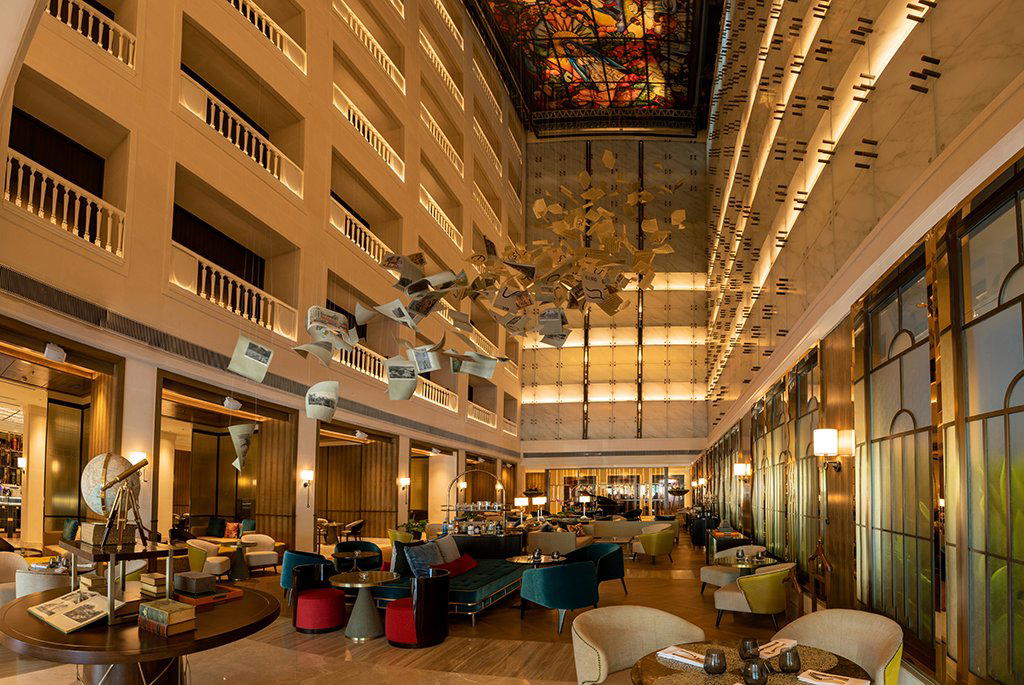
The Blue Bay Walk location sits at the intersection of EDSA and Roxas Boulevard, one of Metro Manila's highest-traffic junctions. The surrounding environment is loud, transit-oriented, and commercially dense. Inside, Jollibee operates in the format consistent across its Philippine estate: bright lighting, a colour palette running to red and yellow, and a service model built for speed and volume. Filipino fast-food dining rooms function as genuine gathering spaces in ways that differ from the transactional quick-service norm in many other markets. Families occupy tables for extended periods; children's birthday parties are a programmed part of the operational model. The Pasay location reflects that: it is a family venue by design and by consistent use, positioned in a part of the city that moves a large and varied foot population through its doors.
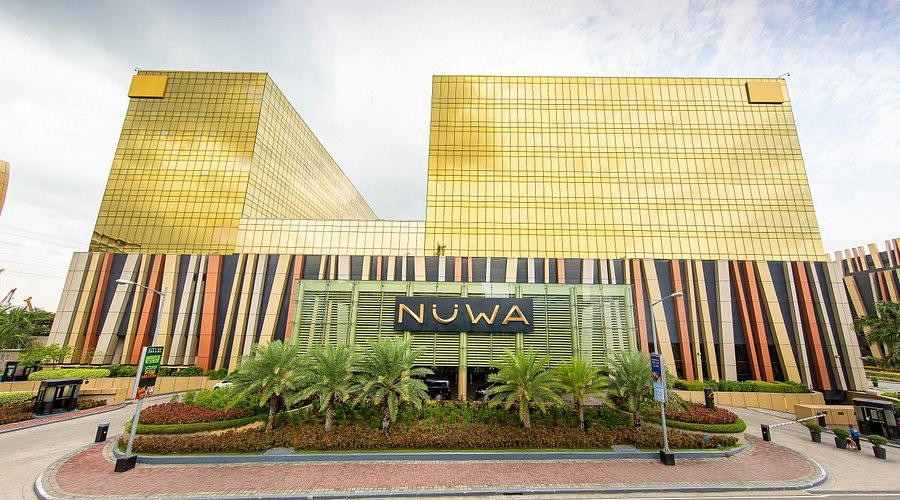
For context on what the broader Pasay dining tier looks like, the area around Blue Bay Walk also contains Gordon Ramsay Bar and Grill, Man Ho, and Yamazato, all operating within the hotel corridor that runs toward the bay. Jollibee occupies a different register from all of them, which is precisely the point: a dining district that can hold a Japanese kaiseki room and a mass-market fast-food chain within walking distance of each other describes a city with a genuinely pluralistic food culture.
Jollibee in the Wider Philippine Dining Picture
The premium end of Philippine dining has attracted international attention in recent years, with venues like Asador Alfonso in Cavite and Celera in Makati developing serious dining programs that reference Philippine ingredients and technique. That movement draws credibility partly from the contrast it establishes with the industrialised baseline. Jollibee is that baseline, and it is not dismissible: a brand that has competed successfully against McDonald's in its home market and maintained market leadership across decades has produced a product calibrated precisely to what its audience wants. The comparison with globally dominant brands is instructive. Le Bernardin in New York City and Lazy Bear in San Francisco represent the opposite end of the format spectrum, but they share with Jollibee a willingness to be specific and unapologetic about what they are doing. Jollibee does not try to approximate Western fast food; it has built a distinct product around Filipino flavour preferences and won on those terms.
Travellers passing through Pasay on the way to or from the airport, or spending time in the bay area between other engagements, will find the Blue Bay Walk location convenient and representative. It is not a detour destination, but it is a useful data point for anyone trying to understand how the Philippines feeds itself at scale. Practical access is direct: the Blue Bay Walk strip is accessible by taxi, ride-hailing apps, and from the major hotels along Roxas Boulevard. Jollibee's local dominance is best understood on its own terms.
At-a-Glance Comparison
Comparable venues nearby, for context on price, style, and recognition.
| Venue | Cuisine | Price | Awards | Notes |
|---|---|---|---|---|
| JollibeeThis venue — the venue you are viewing | Filipino Fast Food | $ | Not listed | Not listed |
| Gordon Ramsay Bar & Grill | British Grill | $$$$ | Michelin Plate | Newport World Resorts |
| Cru Steakhouse | Premium Steakhouse | $$$$ | Michelin Plate | Pasay |
| Man Ho | Refined Cantonese | $$$ | Michelin Plate | Pasay |
| China Blue | Modern Chinese | $$$ | Michelin Plate | Pasay |
| Yamazato | Japanese | Not listed | Michelin Plate | Pasay |
At a Glance
- Lively
- Energetic
- Family
- Casual Hangout
- Group Dining
Current opening hours
- Monday
- Open 24 hours
- Tuesday
- Open 24 hours
- Wednesday
- Open 24 hours
- Thursday
- Open 24 hours
- Friday
- Open 24 hours
- Saturday
- Open 24 hours
- Sunday
- Open 24 hours
Hours can change for holidays and private events. Last verified .
Casual, family-friendly fast-food environment with a lively atmosphere typical of quick-service restaurants.