Lantaw (Compostela)

Lantaw in Compostela, Cebu holds a 2026 Michelin Plate, placing it among a select group of Philippine restaurants earning international recognition outside Metro Manila. The name, meaning 'to gaze' in Cebuano, signals the role the setting plays in the experience. For Cebu's dining scene, its location in Compostela marks a broader pattern of destination restaurants pulling visitors beyond the city proper.
Pearl is the En Primeur Club membership app — saves, bookings, and concierge access live there. Same editors, same standards.
- Address
- C2X6+HCC, Compostela, Cebu, Philippines
- Phone
- +63 967 374 4511
- Directions
- Get directions
 Saves & bookings on Pearl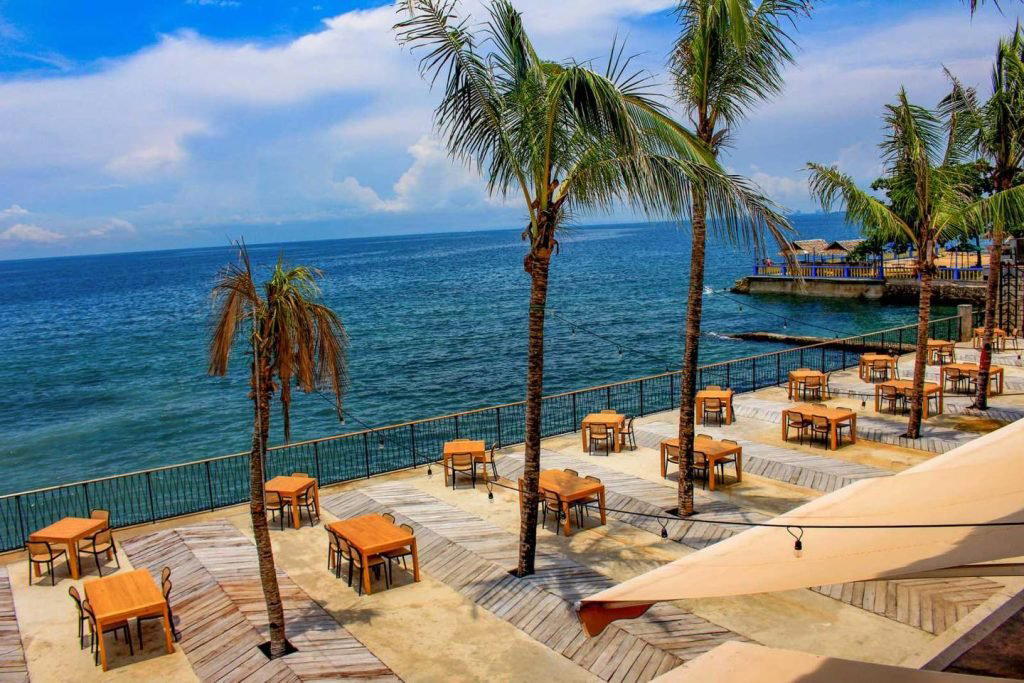
A Destination Beyond the City Grid
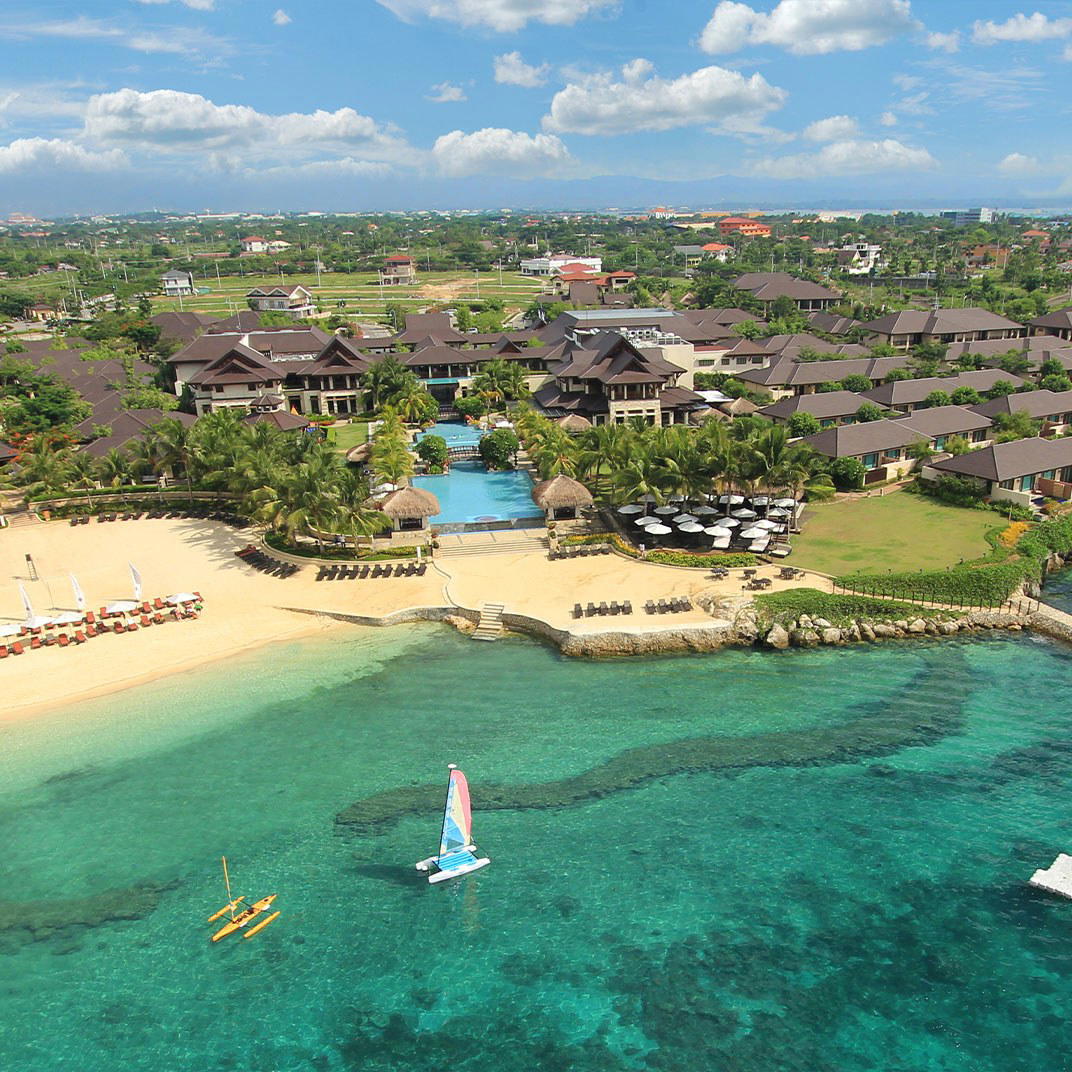
Compostela sits north of Cebu City along the eastern coast of Cebu Island, removed from the dense commercial strip of IT Park and the hotel corridors of Mactan. The drive there is part of the encounter. The road opens onto coastal views and the low-rise rhythms of municipal Philippines before arriving at an address that, on paper, reads like a coordinate rather than a street. That geographic distance is not incidental. Across the Philippines, open-sided structures, often refined, are positioned to frame water or mountain, where the physical container is as deliberate as what arrives on the table. Lantaw in Compostela belongs to that tradition.
The name translates from Cebuano as "to gaze" or "to look into the distance," a detail that frames the design logic before you arrive. In a country where coastal views are abundant but purposefully designed dining spaces remain relatively rare, the semantic weight of the name is a commitment to what the space does, not just what it serves.
The Space as the Argument
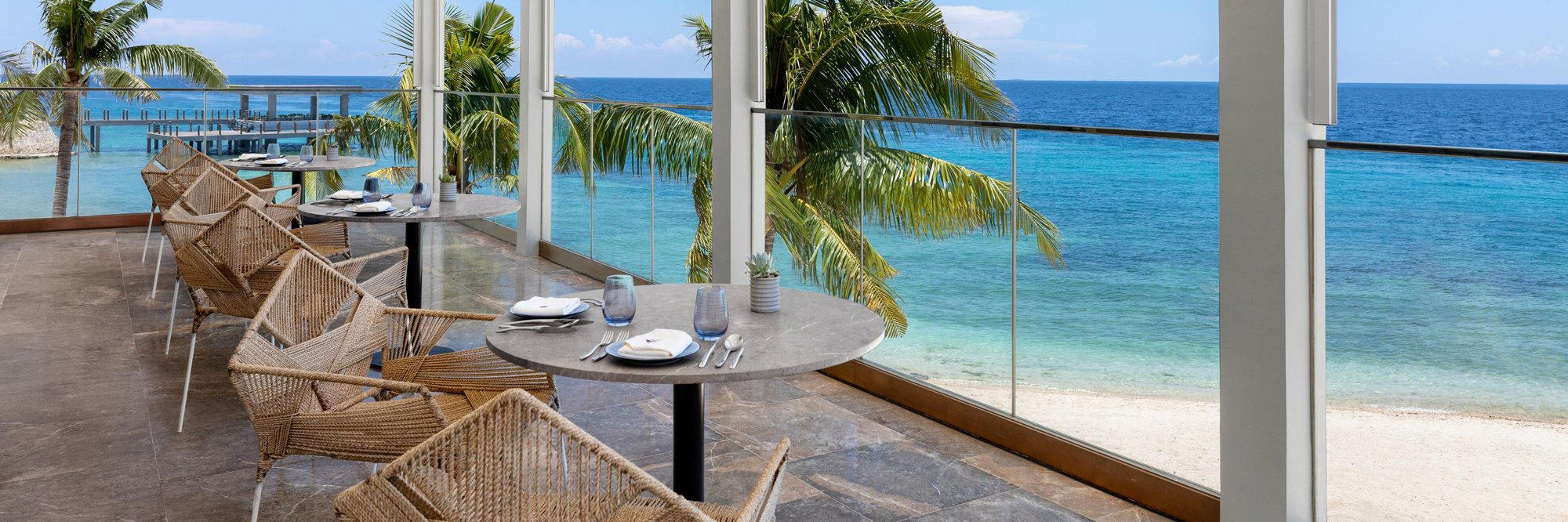
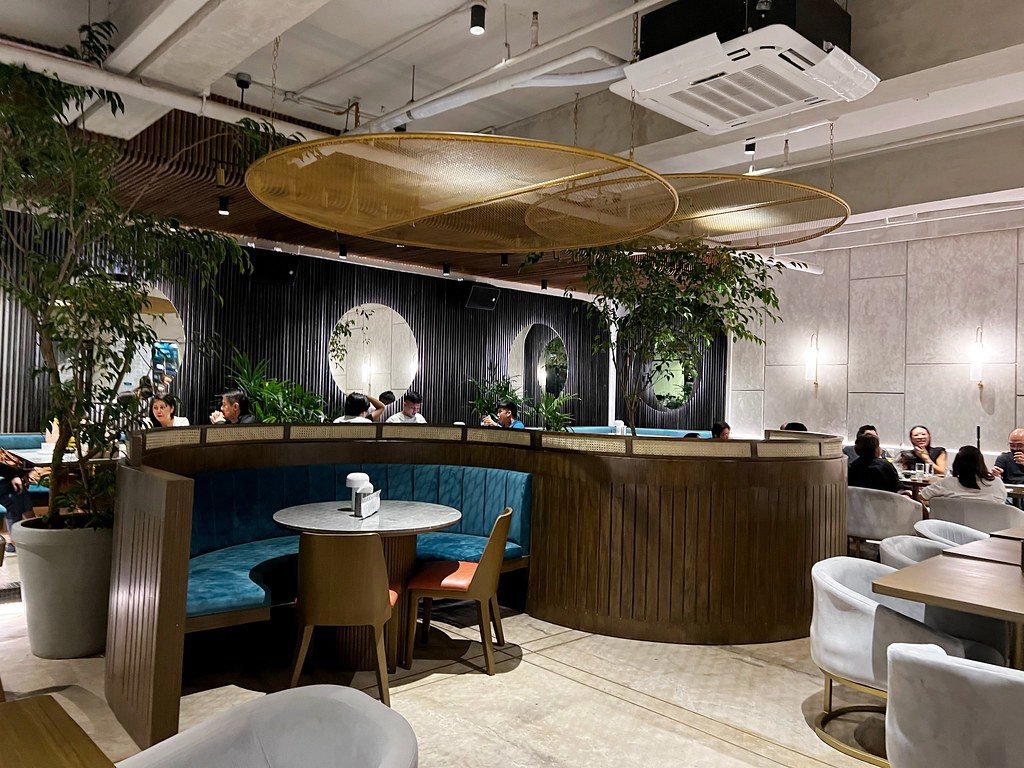
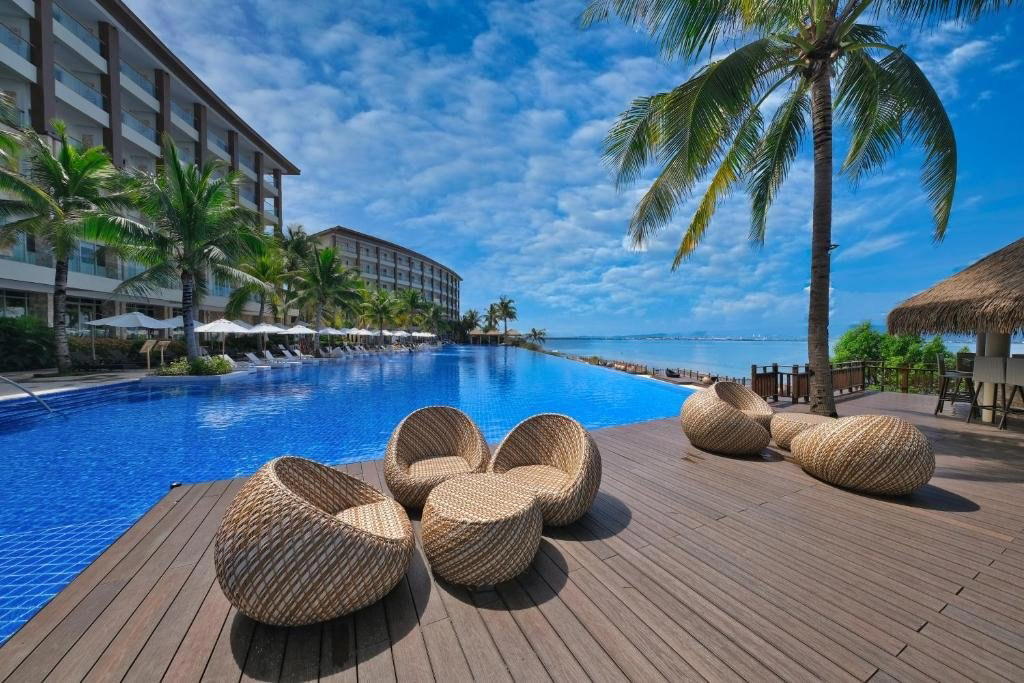
Philippine open-air dining architecture has a distinct grammar. Nipa palm, bamboo, and hardwood appear alongside more contemporary poured-concrete forms, often in the same building. Structures are typically raised, taking advantage of coastal topography, with seating oriented toward water rather than toward a kitchen or a bar. The arrangement shifts the logic of a meal: the room is not the backdrop, the horizon is.
Lantaw's Compostela location occupies this architectural tradition with particular seriousness. The setting responds to its geography rather than imposing on it, which is a design posture that distinguishes deliberate venue-making from the more generic formula of "resto with a view." That distinction matters because the Michelin Plate awarded for 2026 signals that the experience at Lantaw warrants sustained attention. A Michelin Plate indicates a restaurant serving good food. In a country where the Guide's Philippine edition has concentrated recognition heavily in Metro Manila, a Plate for a venue in a Cebu municipality carries specific geographic significance: it marks the province as a credible destination rather than an afterthought within the national dining conversation.
Where Lantaw Sits in Cebu's Dining Map
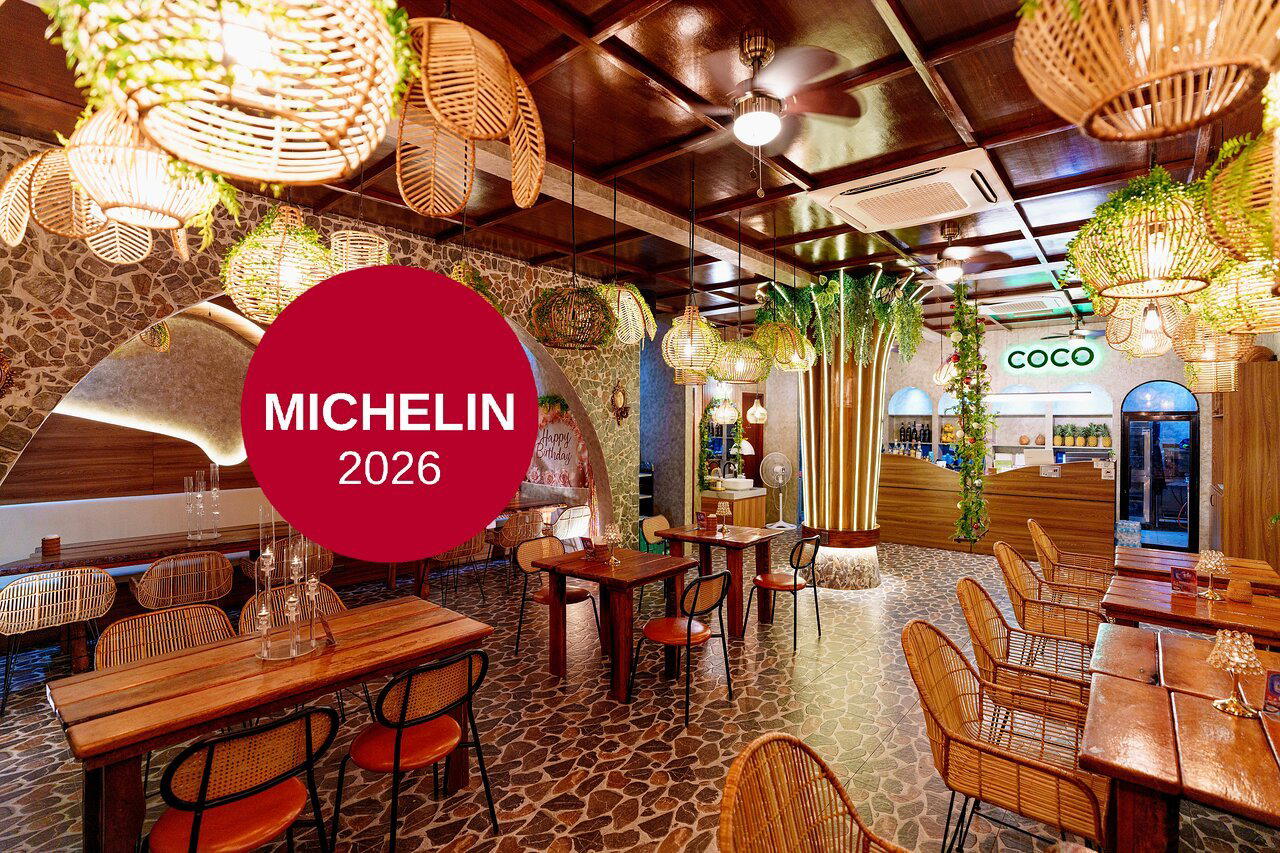
Cebu's restaurant scene has diversified considerably, with newer venues in the city proper pushing toward tighter menus, imported technique, and urban formats. Places like Abli, ATO-AH, COCO, CUR8, and Abaseria Deli & Cafe represent the city's more compact, contemporary end of the spectrum. Lantaw in Compostela operates in a different register: expansive rather than intimate, landscape-oriented rather than counter-focused, and positioned at a distance that makes the visit feel like a trip rather than a reservation. These are not competing values. They serve different intentions, and a serious engagement with Cebu's dining options involves both registers.
Nationally, the Michelin Plate places Lantaw Compostela alongside a relatively small group of Philippines restaurants earning international guide recognition. The concentration of recognized venues in Metro Manila, including Gallery By Chele in Manila, Celera in Makati, Blackbird Makati in Manila, Bolero in Taguig, Linamnam in Parañaque, and Asador Alfonso in Cavite, makes the Cebu recognition notable in its own right. For visitors benchmarking Philippine dining against international reference points such as Le Bernardin in New York City or Atomix in New York City, the Plate is not a claim of equivalence, but it is a credible signal that the kitchen produces at a level worth including in a serious itinerary.
Planning the Visit
Getting to Compostela from Cebu City requires roughly an hour by road under normal conditions, which makes logistics worth considering before arrival. The address, C2X6+HCC in Compostela, functions as a plus code rather than a named street, so navigation apps rather than printed maps are the practical tool here. A midday visit positions the meal against natural light, which is the condition the setting is designed for. Late afternoon visits carry the transition toward dusk, which the refined setting will frame in its own way. Evening visits shift the experience toward ambient light and the glow of the water below, which is a different proposition entirely from daytime.
Confirming in advance is prudent, particularly on weekends and during the dry season months of December through May when Cebu draws stronger visitor numbers.
What the Setting Demands of the Kitchen
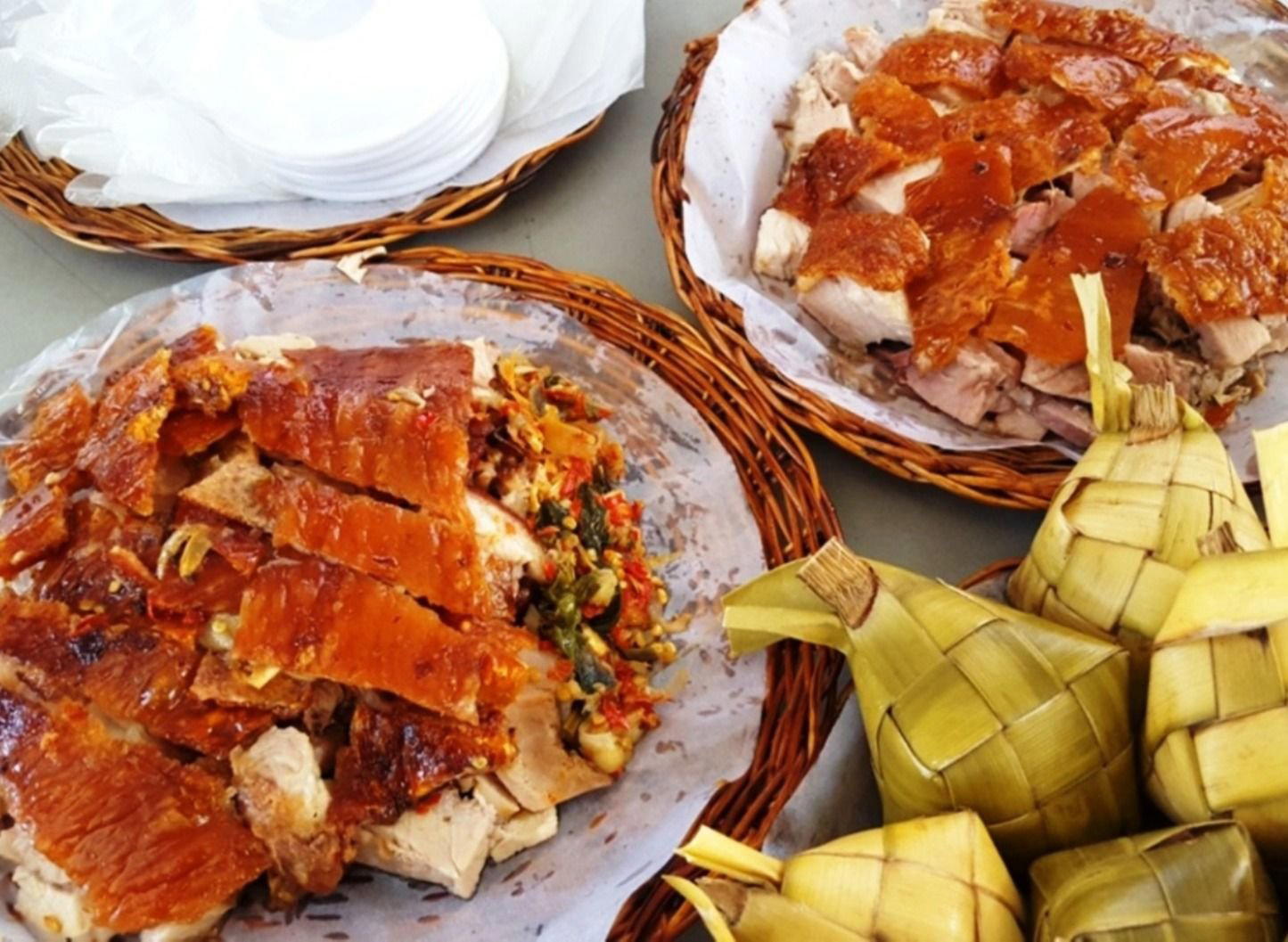
A venue built around a view carries a particular burden: the setting raises expectations that the food must meet rather than merely complement. The Michelin Plate signals that the kitchen at Lantaw Compostela meets that standard. In the Philippines, kitchens operating in open-air coastal formats often work with local seafood and regional produce, responding to what the geography provides rather than importing a fixed format from elsewhere. That alignment between setting and sourcing is a design logic, not just a culinary one, and it is a coherent approach to what Philippine hospitality can mean when it is thought through carefully rather than assembled generically.
The contrast with highly controlled urban formats, where every variable from temperature to light is managed, is deliberate here. Lantaw in Compostela offers the opposite proposition: a meal in which the environment is a participant, not a stage set. That is a different kind of discipline, and the 2026 Michelin Plate suggests the venue exercises it well.
Where the Accolades Land
Comparable venues nearby, for context on price, style, and recognition.
| Venue | Cuisine | Price | Awards | Notes |
|---|---|---|---|---|
| Lantaw (Compostela)This venue — the venue you are viewing | Filipino Seafood and Grill | $$ | Michelin Plate | Not listed |
| Abli | Modern Cebuano | $$ | Michelin Plate | Capitol Site |
| Abaseria Deli & Cafe | Filipino Home-Cooked Comfort Food | $$ | Bib Gourmand | Kasambagan |
| Pares Pares (N. Escario Street) | Filipino Beef Pares | $ | Michelin Plate | Escario |
| DIP | Nikkei (Japanese-Peruvian Fusion) | $$$ | Michelin Plate | Mactan Island |
| COCO | Filipino-Thai Fusion | $$ | Michelin Plate | Lapu-Lapu |
Recognition history
Dated appearances from independent guides and award organizations, with the underlying list record or original source where available.
Michelin Plate
Michelin
Continue exploring
More in Cebu
Restaurants in Cebu
Browse all →
At a Glance
- Scenic
- Lively
- Rustic
- Group Dining
- Family
- Celebration
- Casual Hangout
- Waterfront
- Open Kitchen
- Terrace
- Local Sourcing
- Waterfront
Current opening hours
- Monday
- 10 AM–10 PM
- Tuesday
- 10 AM–10 PM
- Wednesday
- 10 AM–10 PM
- Thursday
- 10 AM–10 PM
- Friday
- 10 AM–10 PM
- Saturday
- 10 AM–10 PM
- Sunday
- 10 AM–10 PM
Hours can change for holidays and private events. Last verified .
Relaxed yet lively open-air atmosphere with ocean breezes, cool instrumental music, and cheerful staff creating a festive seaside dining experience.