Inatô



1 Michelin Star · Tatler Best Service
Our verdict
Inatô holds a 2026 Michelin star at The Alley at Karrivin in Makati, operating from an eight-seat marble counter that faces an open kitchen. The format is counter-only omakase, grounded in Filipino grilling culture and seasonal produce, with local and international ingredients reframed through Filipino technique. Advance reservations are strongly advised given the limited capacity.

Pearl is the En Primeur Club membership app, where members save venues, book tables and use the concierge.
A Counter, Eight Seats, and the Weight of Filipino Fire
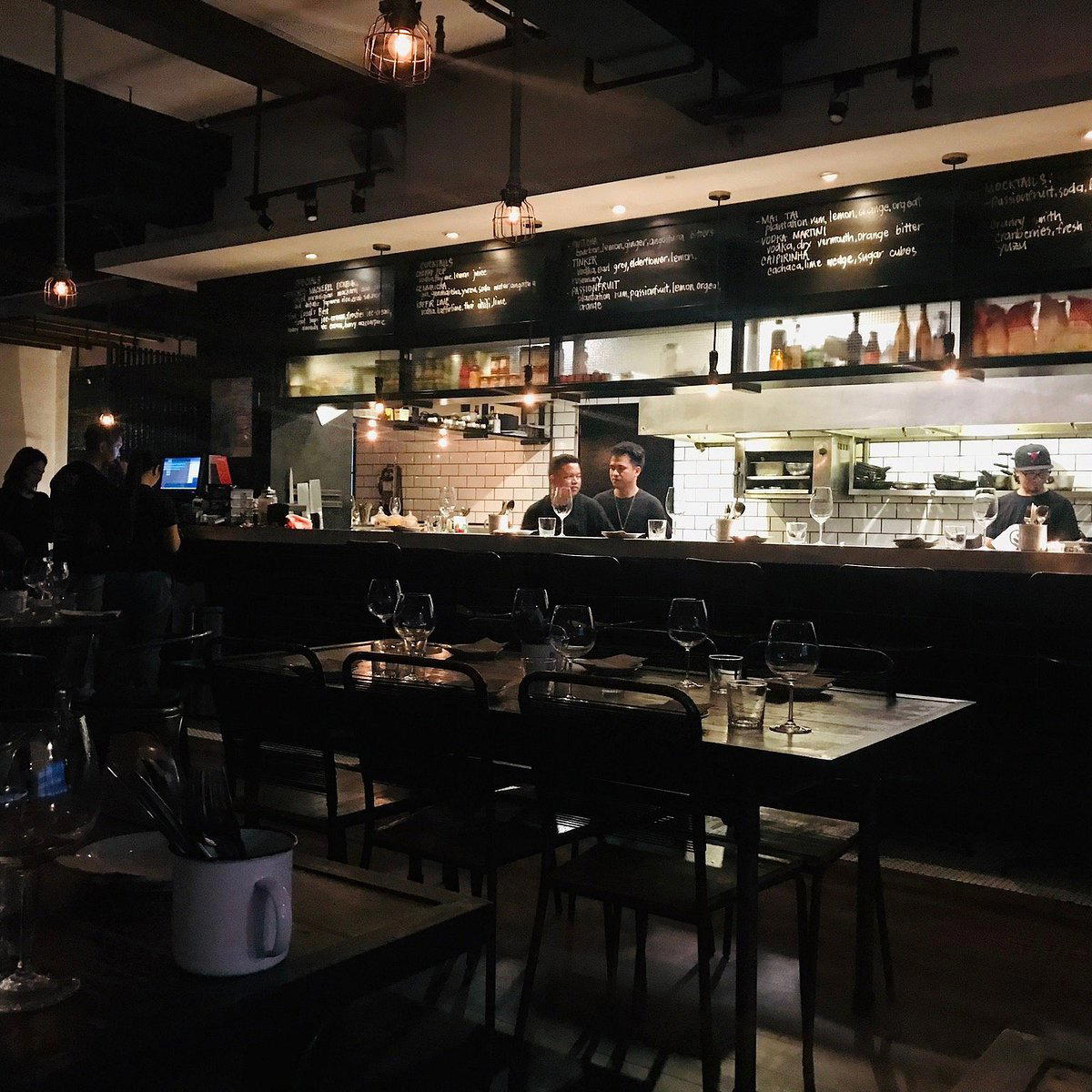
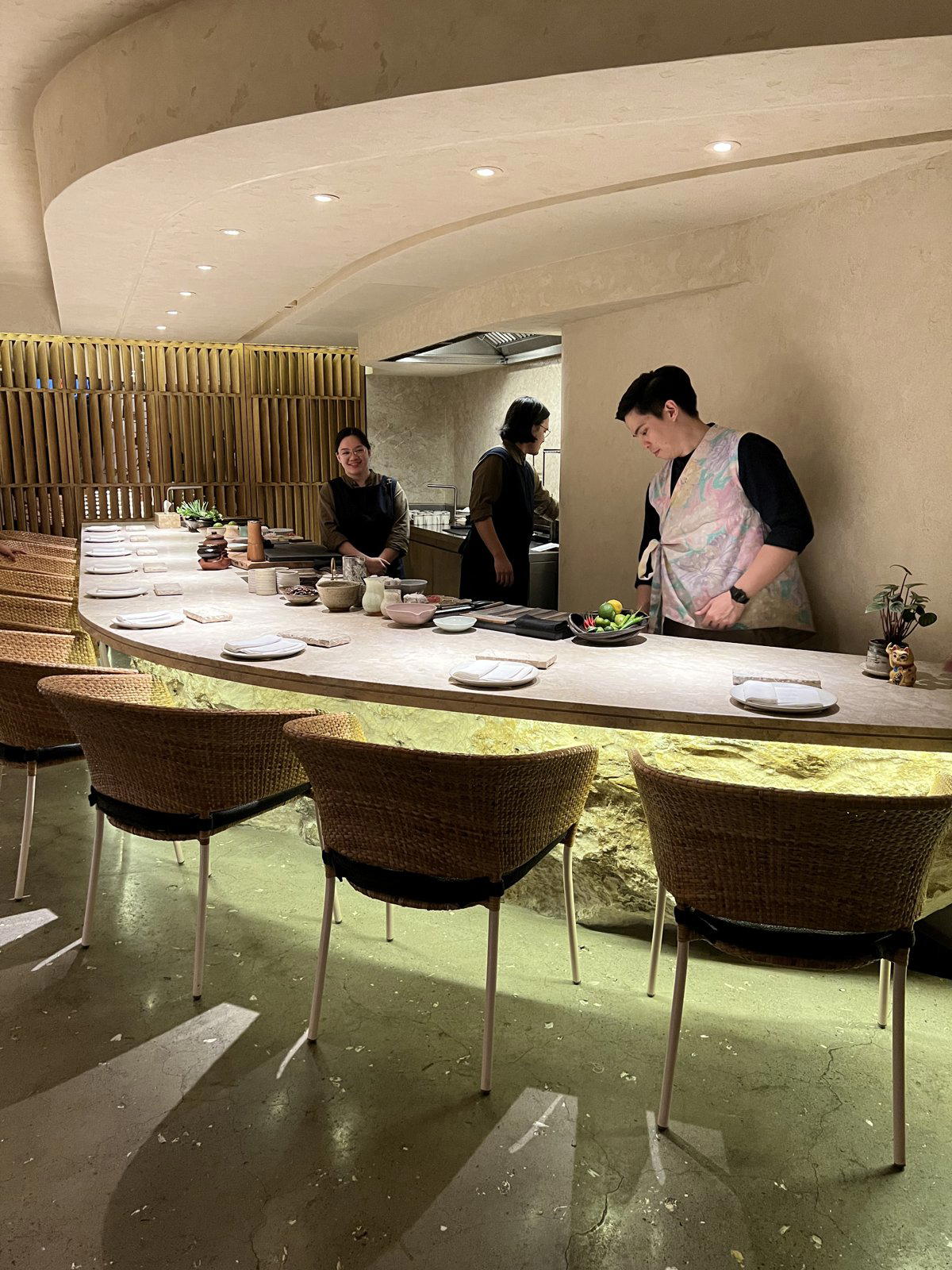
The Alley at Karrivin is not the kind of address that announces itself loudly. Set within Karrivin Plaza on Chino Roces Avenue in Makati, the low-key courtyard corridor houses a handful of small, considered dining operations rather than the high-volume restaurant rows that line much of BGC or Greenbelt. Inatô sits within that context deliberately: a single sculptural marble counter, eight seats, an open kitchen directly in front of you. Light floors, wooden slats, and a textured wall provide the material backdrop. The room reads calm and deliberate, which is the correct register for what the kitchen intends to do.
Counter dining at this scale, where eight guests share a single service rhythm and the kitchen operates in direct eyeline, remains a relatively concentrated format in Metro Manila. Inatô's Michelin recognition in 2026 confirms it as one of the earliest Filipino-focused counters to earn that designation locally.
Grilling as Cultural Language
Filipino food culture has a long, deeply embedded relationship with fire. Lechon, inihaw, and the broader category of grilled and roasted preparations are not techniques borrowed from elsewhere: they are among the most persistent culinary signatures across the Philippine archipelago, present in street-food stalls, provincial festivals, and family tables alike. What Inatô does is reposition that tradition within a counter-dining format that demands precision and consistency at the level Michelin inspectors are measuring.
The menu is informed by Filipino grilling culture and seasonal produce, with local and global ingredients reframed through Filipino technique. That framing matters. A large share of Metro Manila's high-end dining of the past decade leaned toward European frameworks with Filipino ingredients inserted as local color. The counter format at Inatô inverts that hierarchy: the techniques and cultural references are Filipino, and other ingredients enter on those terms. This places Inatô in the same broader conversation as Hapag (Filipino) in Makati, which has similarly argued for Filipino cuisine as the primary framework rather than a supporting element in fine-dining contexts.
For regional comparison, the approach rhymes with what Atomix in New York City has done for Korean fine dining: take a cuisine with deep grilling and fermentation traditions, apply counter-format discipline, and let the cultural logic of the cuisine set the terms. The parallel is instructive rather than exact, but it locates Inatô within a wider global pattern of counter restaurants that are doing serious editorial work on behalf of their native culinary traditions.
The Counter Format and What It Demands
Eight seats is a number that changes the economics and the experience simultaneously. At that scale, there is no distributed dining room to absorb a slow table or an uneven service moment. The kitchen and the guest are in continuous, visible relationship. For the kitchen, this means consistency is absolute: every course reaches every guest in the same window, and the pacing of the evening is negotiated rather than imposed. For the guest, it means proximity to technique that most dining formats deliberately obscure behind walls and pass-throughs.
The marble counter itself is described as sculptural, which signals that the room was designed as an integrated experience rather than a functional worktop with chairs. At counters of this type, whether in Tokyo, Copenhagen, or New York, the physical object of the counter becomes a kind of shared table for people who arrived separately. The social register of the eight-seat format is different from a tasting-menu room where parties are siloed by table spacing. Inatô's calm, elegant space and warm service interaction align with the format's best-case version of itself: attentive without performance, intimate without pressure.
For reference within Makati's tighter fine-dining cluster, Helm and Celera operate in adjacent territory on the contemporary tasting-menu spectrum, while Kása Palma and 12/10 offer distinct interpretations of modern Filipino cooking at different price and format points. Inatô occupies the most compressed physical footprint of that group, which concentrates the experience accordingly.
Manila's Wider Fine-Dining Moment
The 2026 Michelin recognition for Inatô arrives during a period when Metro Manila's serious dining scene has become legible to international audiences in a way it was not five years ago. Gallery By Chele in Manila has been a reference point for the city's ambition at the leading end, and beyond Makati, restaurants like Linamnam in Parañaque have been making a case for Filipino ingredients as the primary subject of serious cooking rather than its backdrop. Outside the capital region, Abaseria Deli and Cafe in Cebu and Asador Alfonso in Cavite reflect how the conversation about Filipino food identity is happening across the archipelago, not only in Makati or BGC.
Within Makati itself, the Karrivin corridor is a considered address for this kind of restaurant. It attracts residents and visitors who are specifically looking rather than passing through, which suits the counter format. The neighborhood dynamic reinforces rather than competes with the intimacy the restaurant constructs. Blackbird Makati and Bolero in Taguig sit in nearby districts and collectively sketch the range of serious cooking now operating across the southern Metro Manila corridor.
For those exploring the full range of what Makati offers across food, drink, and accommodation, our full Makati restaurants guide, our full Makati hotels guide, and our full Makati bars guide provide broader orientation. The Makati experiences guide and Makati wineries guide extend the picture further.
Planning Your Visit
Inatô is located at The Alley at Karrivin, Karrivin Plaza, 1231 Chino Roces Avenue Extension, Makati City. Given eight seats per service, availability is limited by design. Any counter restaurant operating at this scale and holding a Michelin star will require forward planning: the combination of small capacity and recognised recognition means bookings at counters of this type typically run weeks ahead at minimum, and peak periods can extend further. Contact directly via the venue to confirm current availability and booking procedure. Dress code and pricing information are best confirmed at the time of booking, as counter formats at this tier often adjust both the format and pricing seasonally in line with produce availability.
Frequently asked questions
What's Inatô's location?
Inatô is located at The Alley at Karrivin, Karrivin Plaza, 1231 Chino Roces Ave, Extension, Makati City, Metro Manila, Philippines, Makati.
Is Inatô award-winning?
Inatô has received recognition including: Michelin 1 Star (2026); Inatô presents a refined dining experience in The Alley, blending intimacy with finesse. A sculptural marble counter seats eight and faces the open kitchen, inviting attentive, warm interaction in a calm, elegant spa….
What's the best thing to order at Inatô?
Inatô's menu is built around Filipino grilling culture and seasonal produce, so the strongest decisions on the plate will reflect whichever fire-led preparations the kitchen is running at the time of your visit. The eight-seat counter format means the kitchen addresses every guest directly, making it worth asking the team which dishes are driving the current menu. No specific items are confirmed in advance through public channels.
Is Inatô reservation-only?
With only eight counter seats facing an open kitchen, Inatô operates at a scale where walk-ins carry real risk. The 2026 Michelin Star recognition will have compressed availability further. Booking ahead through the venue directly or via Karrivin Plaza is the practical approach.
A Pricing-First Comparison
| Venue | Cuisine | Price | Awards |
|---|---|---|---|
| InatôThis venue (the venue you are viewing) | Modern Filipino Contemporary | $150–200 | 1 Michelin Star · Tatler Best Service |
| Hapag | Modern Filipino Fine Dining | $50–100 | 1 Michelin Star · Wine Spectator Award of Excellence |
| Kása Palma | Contemporary Filipino with French Technique | $150–200 | 1 Michelin Star · The Best Chef One Knife |
| a mano | Fresh and Faithful Italian | $20–30 | 50 Top Pizza Asia-Pacific #9 |
| Crosta | Neapolitan-style Sourdough Pizza | $10–20 | 50 Top Pizza Asia-Pacific #5 |
| Celera | Contemporary Asian | Not listed | 1 Michelin Star · World's 50 Best #100 |
Recognition history
Dated appearances from independent guides and award organizations, with the underlying list record or original source where available.
Michelin 1 Star
Michelin
Opinionated About Dining Top Restaurants in Asia Highly Recommended
Opinionated About Dining
Tatler Best Service
Tatler
Full recognition history (7 entries)
Tatler Best 20 Restaurants Philippines
Tatler
Tatler Best Philippines: Best Service • Restaurant
Tatler
Tatler Listed in Best Restaurants Asia-Pacific
Tatler
Tatler Restaurant of The Year
Tatler