Hapag





Hapag holds a Michelin star (2026) on the seventh floor of The Balmori Suites in Rockwell Center, where a trio of chefs translates Filipino culinary tradition into an eight-course format. The kitchen works through crowd-beloved dishes reframed with technical precision, earning a place on the Opinionated About Dining Asia list in both 2024 and 2025. Tuesday through Saturday, 6 to 10pm only.
Pearl is the En Primeur Club membership app — saves, bookings, and concierge access live there. Same editors, same standards.
- Address
- 7th Floor, The Balmori Suites, Hidalgo Dr, Rockwell Center, Makati City, 1210 Metro Manila, Philippines
- Phone
- +63 917 888 5757
- Website
- hapagmnl.com
- Directions
- Get directions
 Saves & bookings on Pearl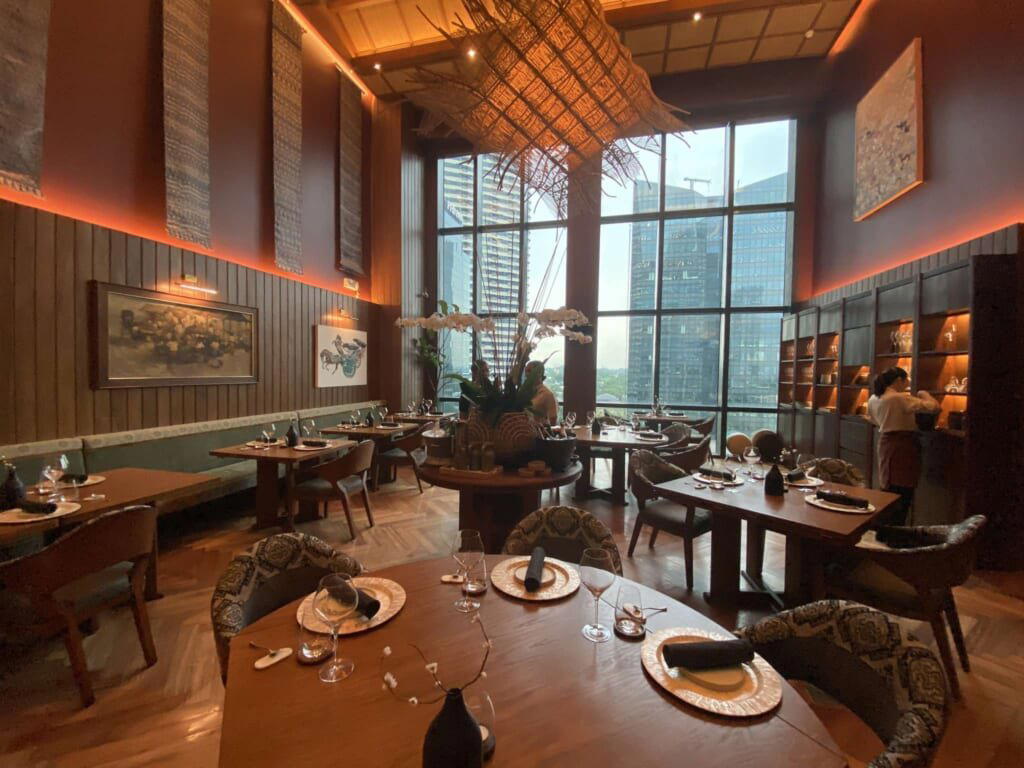
A Stage Above a Congee Shop
Hapag is a one-star Michelin restaurant in Makati City serving Modern Filipino Fine Dining at around $95 per person. The approach to Hapag sets expectations in a particular direction. You arrive at The Balmori Suites on Hidalgo Drive in Rockwell Center, take the lift to the seventh floor, and find a restaurant that sits above, quite literally, a modest congee shop. That vertical adjacency is not incidental. It encodes something deliberate about how this kitchen has chosen to position itself: not apart from everyday Filipino food culture, but in direct conversation with it. The same starchy, comforting register of lugaw-adjacent thinking exists a few floors below; what changes on the seventh floor is the register of the conversation.
Rockwell Center is Makati's quieter, more residential-facing district, which gives the building a low-key exterior relative to the dense corporate tower context of Ayala Avenue further east. That context matters for the dining experience: Hapag is not in the middle of a restaurant strip competing for foot traffic. It operates by reservation, in a format that requires the guest to seek it out. Tuesday through Saturday, 6 to 10pm. Closed Sunday and Monday. The hours are limited by design, the kind of scheduling that prioritises kitchen discipline over maximising covers.
What the Michelin Recognition Signals
In the 2026 Michelin Guide, Hapag received one star, placing it inside a small group of Manila-area restaurants now operating at a level of technical and conceptual consistency that the guide's inspectors consider worth a dedicated journey. That recognition is not simply a trophy: it repositions Hapag in the regional conversation.
Three Chefs, Eight Courses, One Kitchen Logic
The format at Hapag is an eight-course tasting menu, and the kitchen is led by John Kevin Navoa. That collaborative structure is less common in fine dining than the single-auteur model, and it carries its own implications. Multi-chef kitchens at this scale tend to produce menus that reflect negotiation and collective taste rather than one person's singular vision. Whether that produces more balanced or more fractured results depends entirely on the quality of the collaboration, and the OAD improvement suggests the dynamic at Hapag is working.
The menu draws on Filipino traditions, It signals that the reference points are not the obscure fringes of regional Philippine cooking but the dishes people grew up eating: the comforting, the familiar, the widely shared. The technique applied to those references is where the kitchen's ambition becomes legible. Reinterpreting familiar dishes without losing the emotional register they carry is a harder problem than most tasting menu kitchens attempt. Many Filipino fine-dining experiments have leaned so hard into technique that the original dish becomes a trivia question. The vocabulary at Hapag, based on available record, aims for something closer to recognition than archaeology.
Sustainability as Kitchen Discipline
Sustainability question in Philippine fine dining is not abstract. The archipelago's food systems are under real pressure: overfished coastal waters, fragmented supply chains between islands, and significant post-harvest loss across the agricultural sector. Any tasting menu kitchen working with Filipino ingredients at this price tier is, whether explicitly or not, making choices about sourcing that have ecological and economic consequences.
Structure of a three-chef kitchen running a tight eight-course format, open only five evenings a week, creates a set of conditions that tend to be more compatible with responsible sourcing than high-volume operations. Smaller, more controlled mise en place reduces waste. A fixed menu format, changed periodically rather than à la carte daily, allows the kitchen to commit to specific suppliers and adjust procurement to actual needs rather than speculative demand. These are not inherently virtuous choices, but they are structurally better aligned with low-waste operations than the alternative.
For the guest, this translates into a menu where the ingredient story is implicitly present even when it is not explicitly narrated at the table. The eight-course format at Hapag is described as a theatre of tropical memory, which points toward a kitchen that treats Philippine biodiversity as the actual subject matter: the regional rices, the coastal proteins, the fermented condiments, the fruit preparations that vary province to province. That framing gives the kitchen a natural vehicle for drawing attention to ingredients that might not survive the commercial pressure of high-volume cooking.
In the broader context of Philippine dining, this approach mirrors what a handful of other Manila-area kitchens are attempting. Gallery By Chele in Manilla has long worked with indigenous ingredients and local producers in a tasting menu format, and Linamnam in Parañaque operates with a similar orientation toward documenting Philippine food culture through the plate. The comparable set is small, but it is coherent.
The Makati Fine Dining Context
Within Makati, Hapag sits at the more conceptually ambitious end of a dining scene that covers significant range. The Rockwell and Legazpi Village precincts host a concentration of serious restaurants that has deepened over the past decade. Celera and Helm represent different points on the Makati fine-dining spectrum, while Inatô and Kása Palma demonstrate the breadth of the city's engagement with both local and international food traditions. 12/10 occupies a different register again. This cluster means that a visitor planning a dining itinerary around Makati has real options at multiple price points and culinary orientations, though Hapag's Michelin star places it in a distinct tier within that group.
For the wider Manila picture, Blackbird Makati in Manila and Bolero in Taguig extend the conversation beyond Makati's boundaries, and Asador Alfonso in Cavite shows how Filipino dining ambition has spread outside the capital. Internationally, the Filipino tasting menu format has found serious practitioners in Kasama in Chicago and Kaya in Orlando, both of which suggest that the cuisine's appetite for this format reflects something structural rather than a passing trend.
Planning a Visit
Hapag is open Tuesday through Saturday, with a single dinner service running from 6 to 10pm. The address is the seventh floor of The Balmori Suites, Hidalgo Drive, Rockwell Center, Makati City. Given the Michelin recognition and the OAD ranking improvement, reservations should be made well in advance, particularly for weekends. The restaurant's booking process is not detailed in public record, so checking directly via the venue's official channels is one reliable approach. The Rockwell Center area is well-served by parking, and the broader precinct offers accommodation options for visitors planning a longer stay;
For those building a full itinerary around the visit, The eight-course format and the 6pm start mean you are looking at an evening that runs toward 9 or 10pm, leaving time for drinks elsewhere in the Rockwell precinct either side of the meal.
What Should I Order at Hapag?
Hapag operates a fixed eight-course tasting menu, so there is no à la carte selection to navigate. The kitchen builds the full sequence around reinterpreted Filipino traditions, with the menu evolving across seasons and sourcing cycles. Given that structure, particularly directive recommendation is to book the full menu, engage with the service team's guidance on pairings, and let the eight-course arc run its course. Chef John Kevin Navoa and the two-chef team around him have received Michelin recognition (one star, 2026) and a significant OAD ranking improvement between 2024 and 2025, so the kitchen is in a period of clear forward momentum. The format is designed to be experienced as a full sequence.
Peers Worth Knowing
Comparable venues nearby, for context on price, style, and recognition.
| Venue | Cuisine | Price | Notes |
|---|---|---|---|
| HapagThis venue — the venue you are viewing | Modern Filipino Fine Dining | $$$$ | Not listed |
| Gallery By Chele | Modern Filipino Fusion | $$$$ | Bonifacio Global City |
| Inatô | Modern Filipino Contemporary | $$$$ | Karrivin |
| Kása Palma | Contemporary Filipino with French Technique | $$$$ | Poblacion, Makati |
| Celera | Contemporary Asian | $$$$ | Makati |
| Hálong | Asian-Mexican Fusion | $$$ | Legazpi Village |
Recognition history
Dated appearances from independent guides and award organizations, with the underlying list record or original source where available.
Michelin 1 Star
Michelin
Tatler Best 20 Restaurants Philippines
Tatler
Wine Spectator Award of Excellence
Wine Spectator
Opinionated About Dining Top Restaurants in Asia Ranked #211
Opinionated About Dining
Tatler Best 20 Restaurants Philippines
Tatler
Tatler Listed in Best Restaurants Asia-Pacific
Tatler
The Best Chef One Knife
The Best Chef
Opinionated About Dining Top Restaurants in Asia Ranked #420
Opinionated About Dining

At a Glance
- Elegant
- Sophisticated
- Intimate
- Well Known
- Special Occasion
- Date Night
- Celebration
- Private Dining
- Open Kitchen
- Design Destination
- Craft Cocktails
- Sommelier Led
- Local Sourcing
- Farm To Table
Current opening hours
- Monday
- Closed
- Tuesday
- 6–10 PM
- Wednesday
- 6–10 PM
- Thursday
- 11 AM–3 PM, 6–10 PM
- Friday
- 11 AM–3 PM, 6–10 PM
- Saturday
- 11 AM–3 PM, 6–10 PM
- Sunday
- 11 AM–3 PM, 6–10 PM
Hours can change for holidays and private events. Last verified .
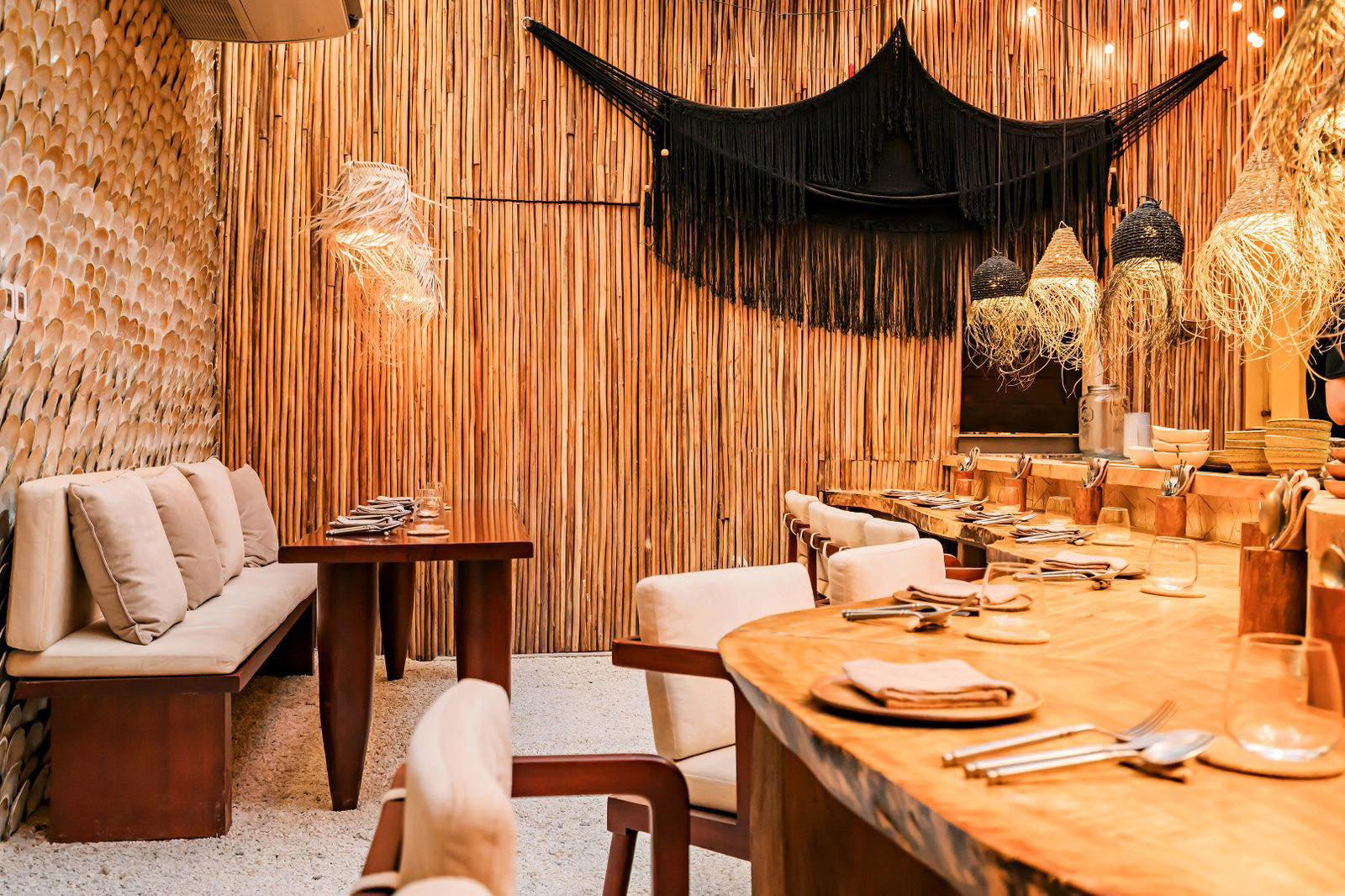
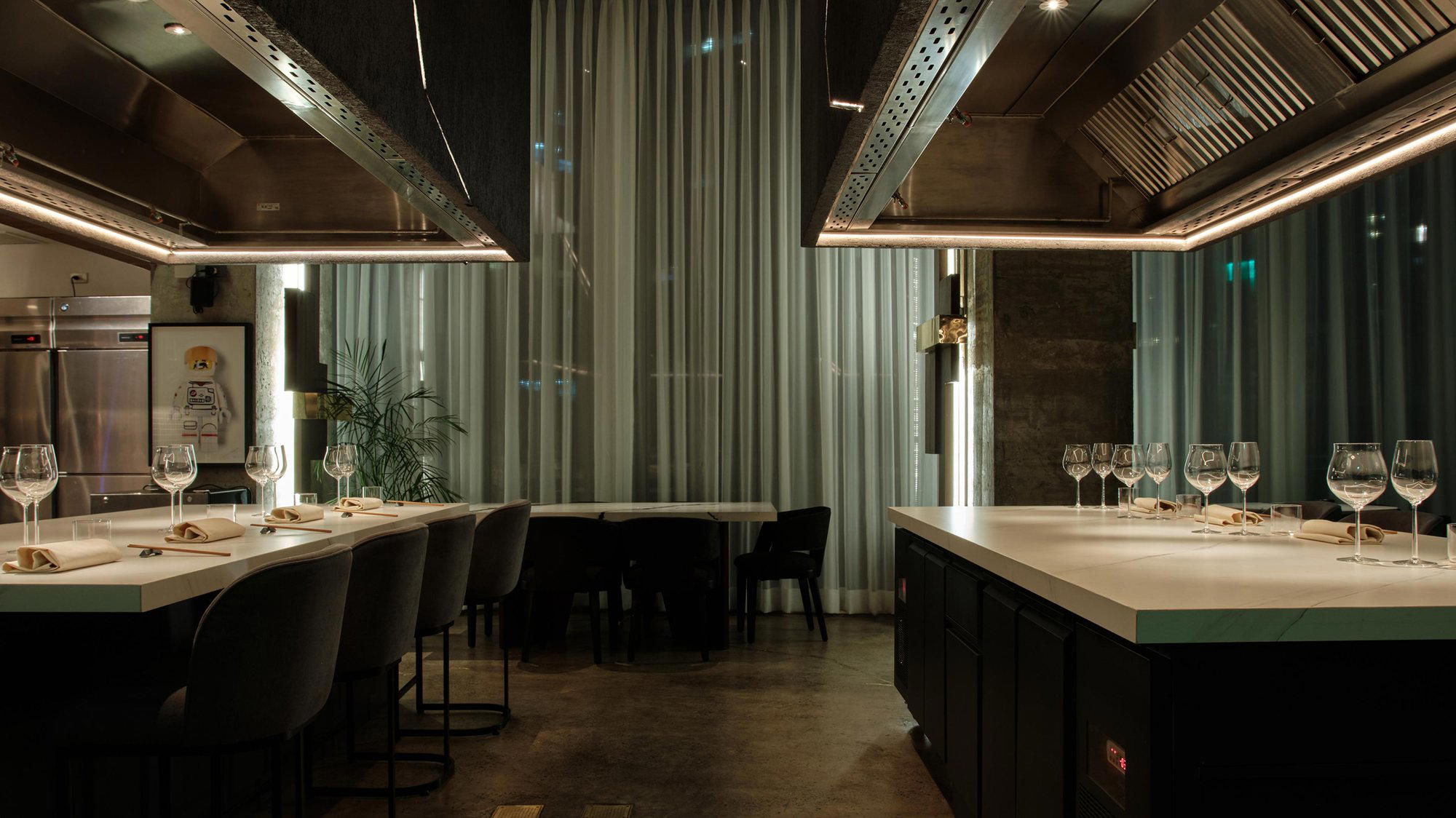
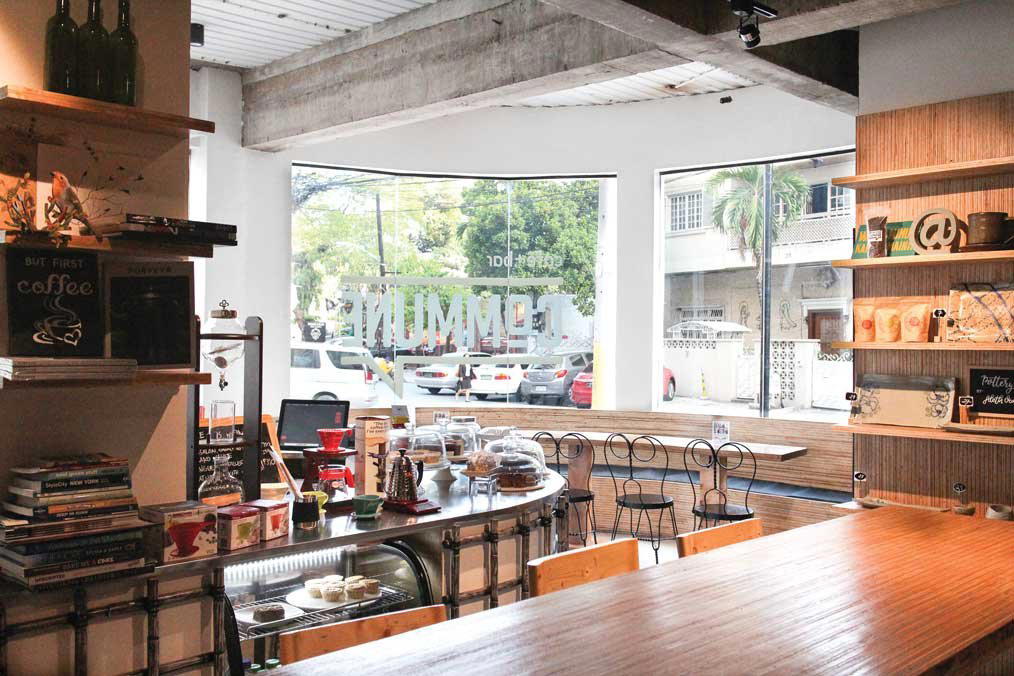
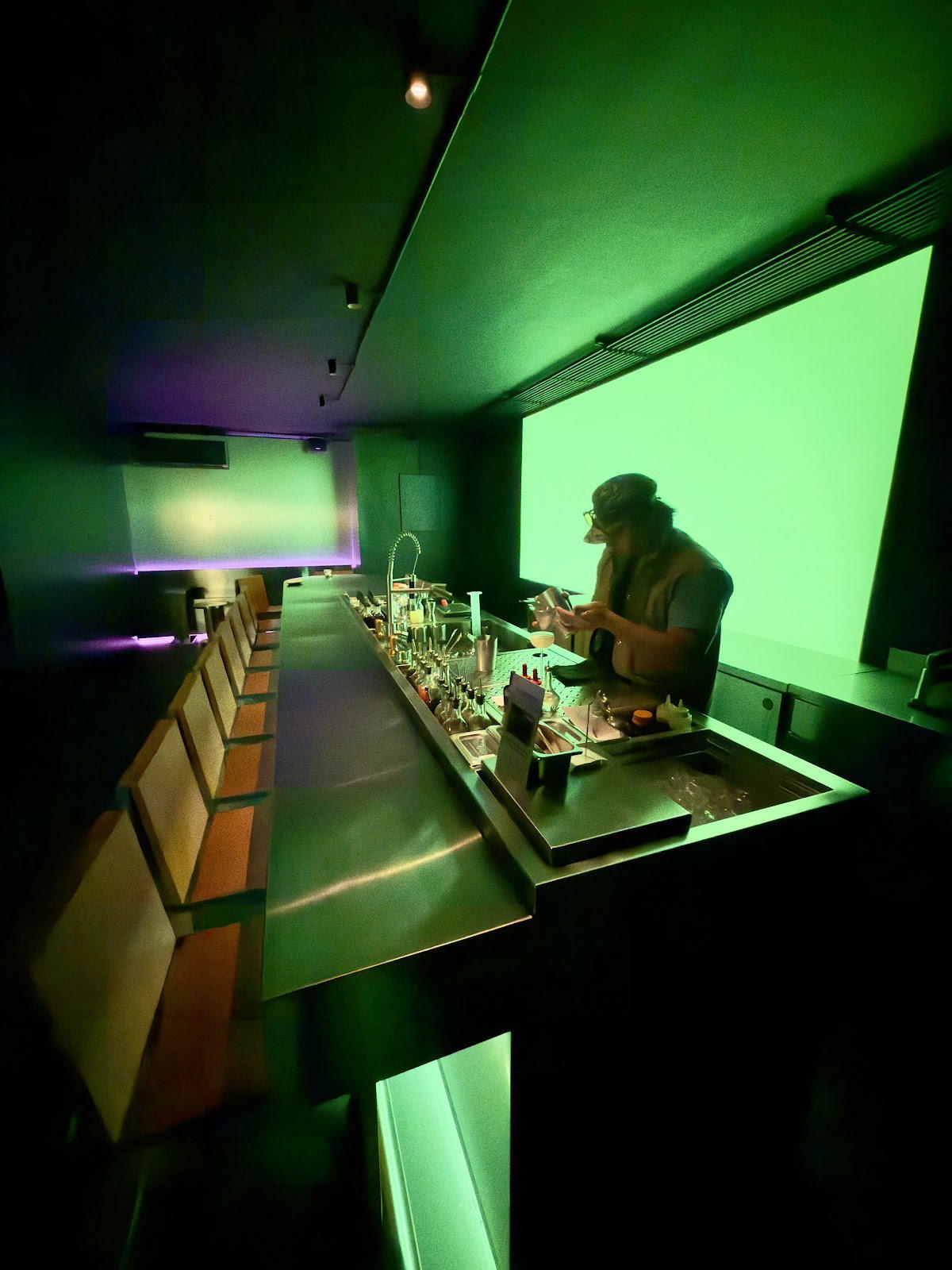
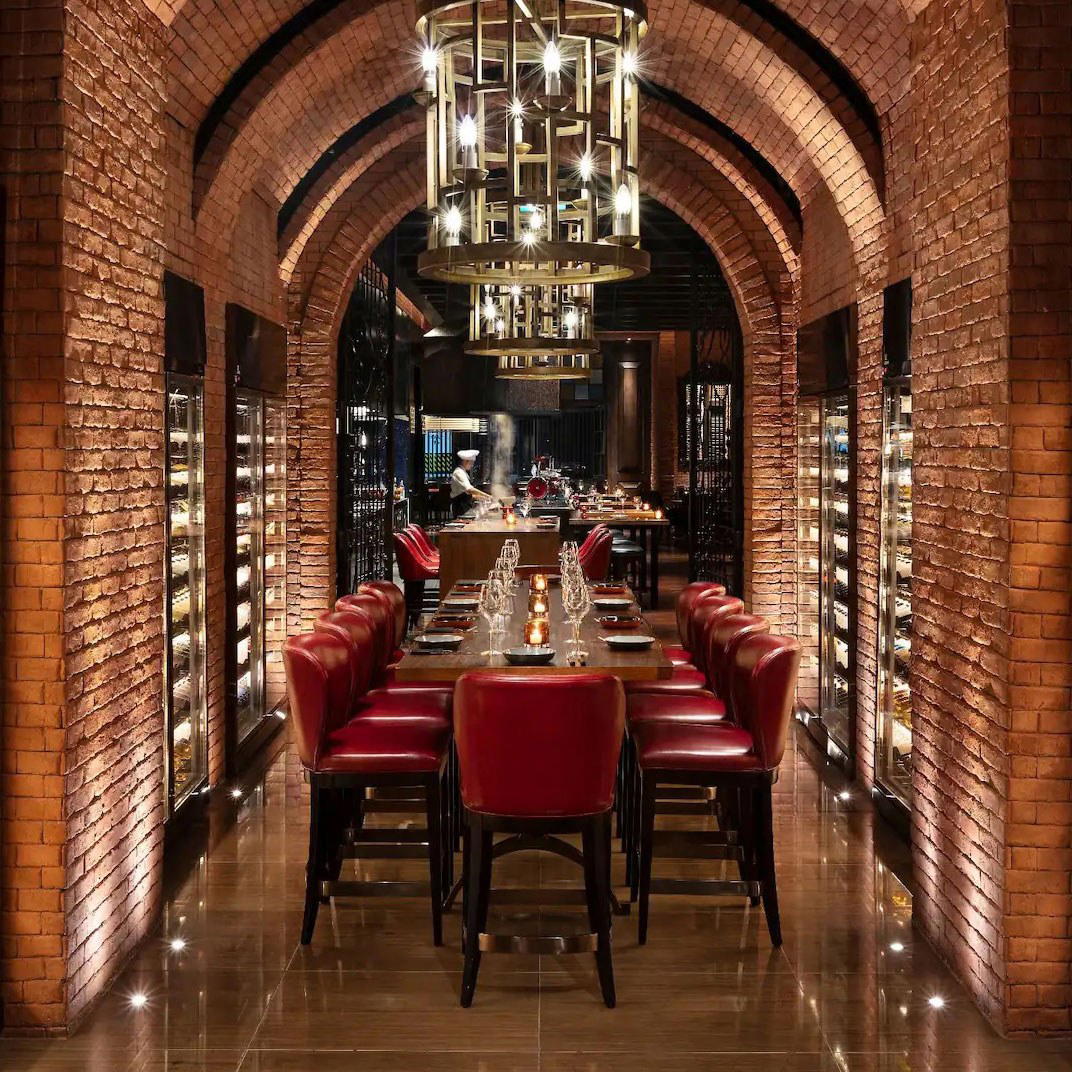
Sophisticated yet warm interior with a casual-elegant aesthetic; thoughtfully designed space that feels refined but approachable, with attention to detail in every element.