Bellini's
Bellini's sits inside Cubao Expo, the repurposed mid-century commercial block in Quezon City that has become one of Metro Manila's most interesting addresses for independent dining. The venue occupies a setting that rewards curiosity: Cubao Expo's tenant mix skews toward the non-mainstream, and Bellini's fits that register. For visitors mapping the Quezon City dining circuit, it belongs on the itinerary alongside the area's growing roster of neighborhood-led spots.
Pearl is the En Primeur Club membership app — saves, bookings, and concierge access live there. Same editors, same standards.
- Address
- Cubao Expo, 3 General Romulo Ave, Cubao, Quezon City, 1109 Metro Manila, Philippines
- Phone
- +63 2 8913 2550
- Website
- facebook.com
- Directions
- Get directions
 Saves & bookings on Pearl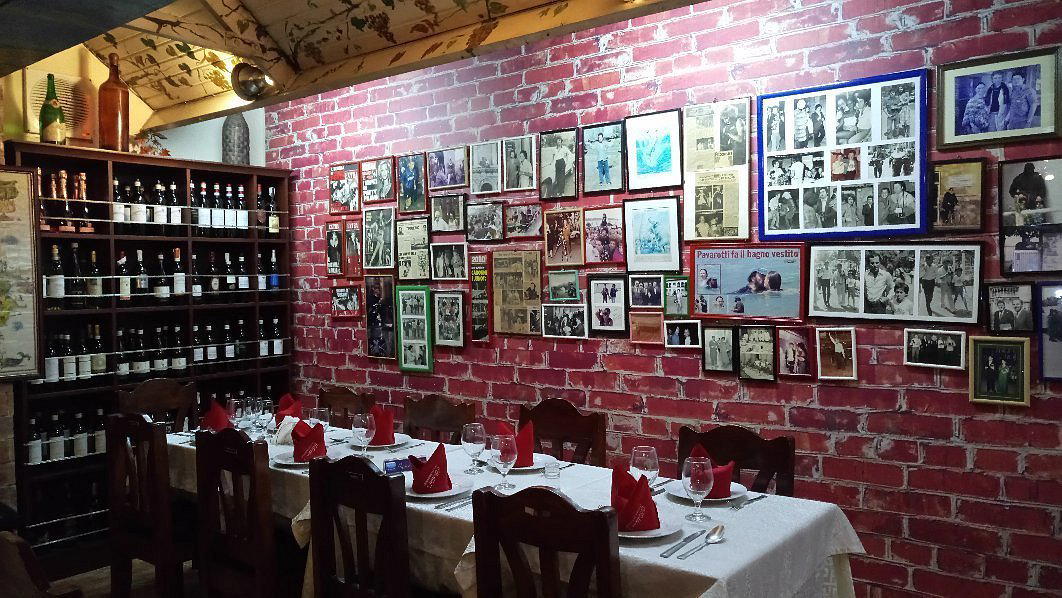
Cubao Expo and the Case for Independent Dining in Quezon City
Bellini's is an Italian-influenced independent restaurant in Quezon City. The repurposed mid-century shopping arcade along General Romulo Avenue functions less like a mall and more like an archipelago of independent operators, antique dealers, record shops, late-night bars, and a scatter of restaurants that share little except a preference for operating outside the mainstream. Bellini's is part of that fabric. Its address at 3 General Romulo Ave places it inside an environment where the physical surroundings do significant editorial work before the food arrives.
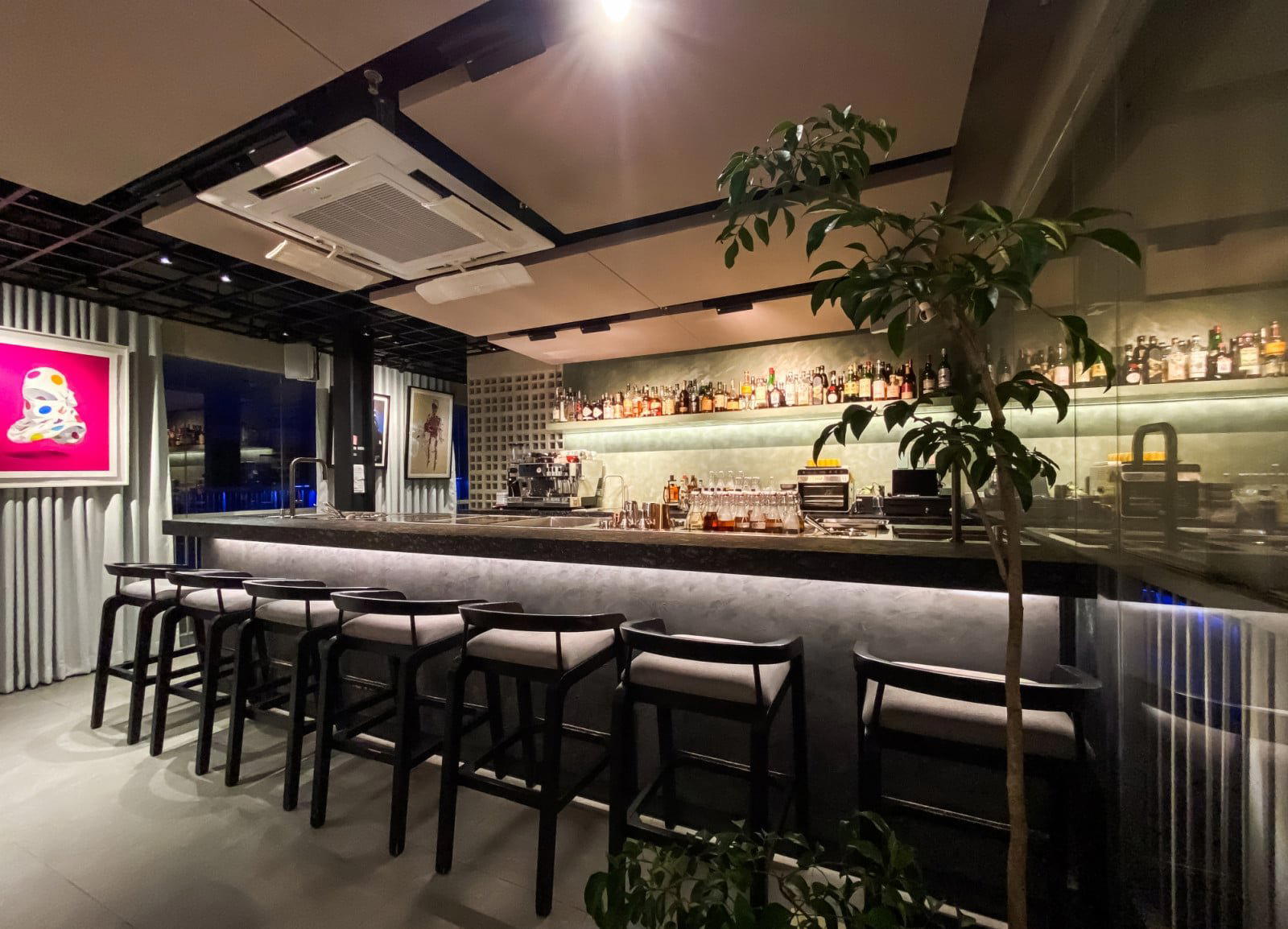
Approaching Cubao Expo in the evening, the shift from the commercial noise of EDSA and Aurora Boulevard is immediate. The compound's low-lit walkways and vintage signage create a register that Metro Manila's newer mixed-use developments rarely replicate, regardless of budget. This is not accident: Cubao Expo's tenant selection has historically leaned toward operators who read as local and specific rather than scalable and replicated. For a restaurant like Bellini's, that context matters. The venue inherits a positioning from its surroundings that a standalone address in Bonifacio Global City or Makati would require a large fit-out budget to approximate.
Where Bellini's Sits in the Metro Manila Dining Conversation
Metro Manila's restaurant scene in 2024 operates across a wide spectrum. At one end sit the tasting-menu formats that have drawn international attention, places like Toyo Eatery in Manila, which has built a reputation on rigorous sourcing of Philippine ingredients and a precise modern Filipino idiom. At the other end, neighborhood canteens and family-run spots anchor daily life across the city's barangays. Between those poles, a growing middle tier of independent restaurants has emerged in neighborhoods that were not historically dining destinations: Marikina, Parañaque, Mandaluyong, and increasingly, pockets of Quezon City.
Cubao Expo is part of that recalibration. The area around Araneta City and the EDSA-Aurora intersection has always been commercially dense, but the Expo compound itself attracted a different crowd, younger, independently minded, drawn to the kind of experience that resists easy categorization. The restaurant occupies a position in that geography that is as much about place as it is about plate.
Ingredient Sourcing and What It Signals at This Price Point
In Metro Manila's independent dining tier, sourcing has become one of the more reliable signals of kitchen seriousness. The shift is visible across the archipelago: restaurants in Cebu have built identity around local lechon traditions and specific regional producers, as Zubuchon in Cebu City and Cebu's Original Lechon Belly in Mandaue demonstrate at opposite ends of the formality spectrum. In Tagaytay, Antonio's Restaurant has long positioned its garden setting and regional produce as central to the dining proposition. Even at the neighborhood level, venues like Lola Helen in Marikina and Linamnam in Parañaque anchor their menus in specific local traditions rather than generic Filipino comfort food.
For venues operating inside community-led spaces like Cubao Expo, the sourcing question is tied to economics as much as philosophy. The compound's lower overhead costs relative to mall-based or BGC addresses allow smaller operators to allocate more toward ingredient quality without passing prohibitive costs to the diner. The restaurant sits in the mid-range price tier, which makes it approachable for a casual meal in Cubao Expo.
For comparison, the Italian-leaning dining conversation in Metro Manila has grown increasingly detailed. Osteria Antica in Mandaluyong and CIBO in Quezon City represent different approaches to Italian food in the Philippine context, one more traditional in register, the other a scaled brand with broader reach. Against that backdrop, a venue named Bellini's carries obvious Italian or Italian-adjacent associations, though the the record identifies the cuisine as Italian-influenced independent dining. That ambiguity is itself informative: Cubao Expo operators frequently resist simple categorization, and the name may signal aesthetic sensibility as much as culinary program.
The Broader Philippine Independent Dining Pattern
The Cubao Expo model has analogues elsewhere in the country. Honesty Coffee Shop in Ivana, Batanes operates on an honor system that is as much about community trust as commerce, a format that would be impossible to replicate in a high-footfall city address. Lantaw in Compostela, Cebu built its identity on an open-air setting tied to a specific geography. What connects these places is not cuisine type or price point but a shared logic: the venue's character is inseparable from its physical and social context. The restaurant inherits that logic from Cubao Expo itself.
Internationally, the pattern of restaurants whose identity is shaped by the cultural infrastructure around them rather than constructed from scratch is well-documented. Formats like Lazy Bear in San Francisco have built reputation on community-rooted experiential formats. At the more formal end, Le Bernardin in New York City represents the extreme of controlled environment as identity signal. Cubao Expo sits at neither extreme, but it shares with both the principle that setting is argument.
Planning a Visit: What to Expect Logistically
Cubao Expo is accessible from the Cubao MRT station on Line 3, a short walk west along General Romulo Avenue. The restaurant is open daily from 10 AM to 9:30 PM. Reservations are recommended, especially on weekend evenings. For visitors also planning to cover the southern Metro Manila circuit, Terraza Martinez in Taguig and Celera in Makati extend the itinerary toward Bonifacio Global City and the financial district, while MŌDAN in Quezon and Asador Alfonso in Cavite offer trajectories in opposite directions from the Cubao axis.
In Context: Similar Options
Comparable venues nearby, for context on price, style, and recognition.
| Venue | Cuisine | Price | Notes |
|---|---|---|---|
| Bellini'sThis venue — the venue you are viewing | Italian-influenced Independent Dining | $$ | Not listed |
| Italianni's Restaurant - Venice Grand Canal Mall | American-Italian Pasta & Pizza | $$ | McKinley Hill |
| Taiwan Kitchen | Taiwanese Fast Food | $$ | San Lorenzo |
| Barcino Wine Resto and Bar | Spanish Tapas & Wine Bar | $$ | Manila |
| Gerry's SM Clark | Filipino Grill | $$ | SM Clark |
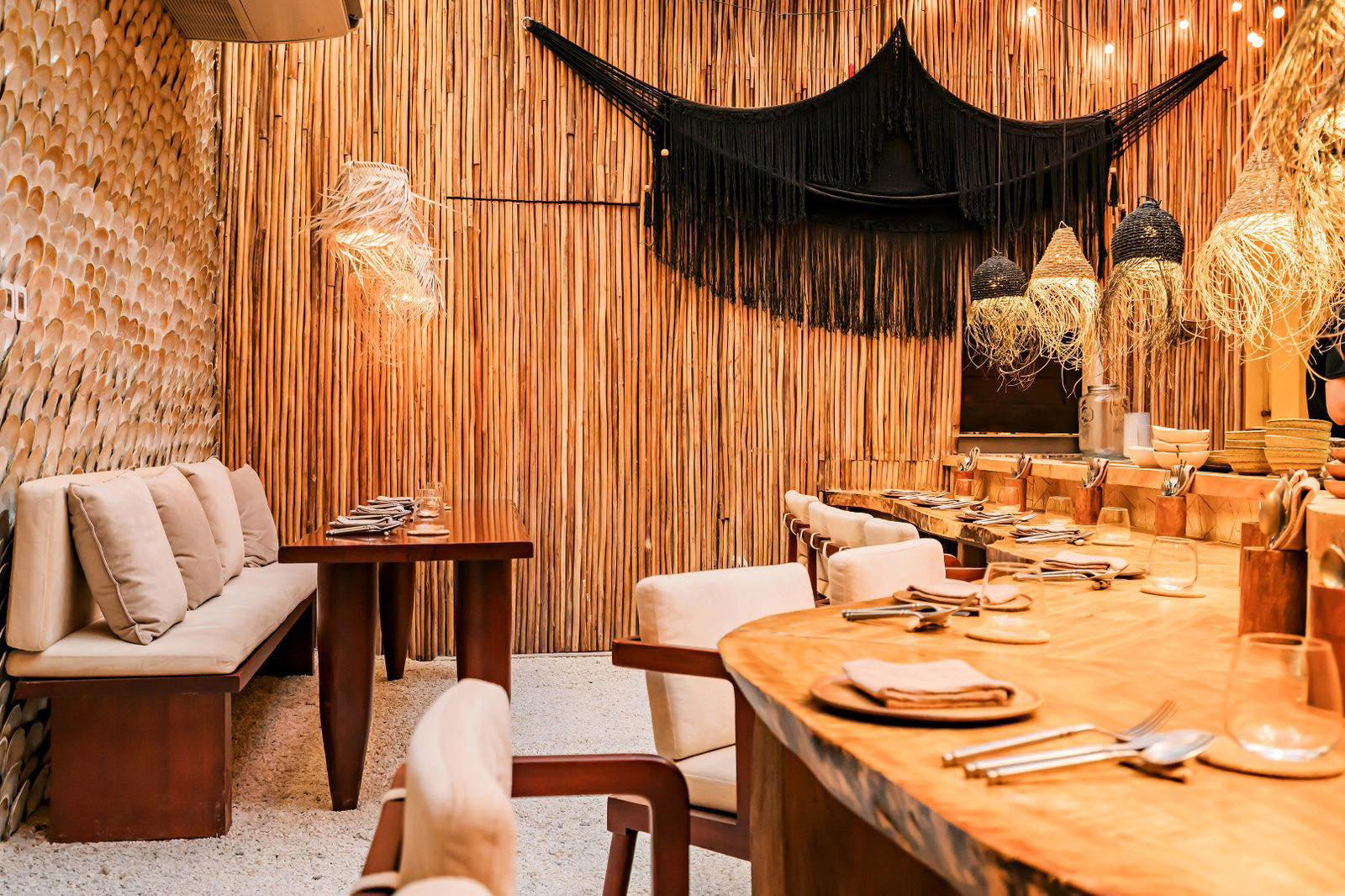
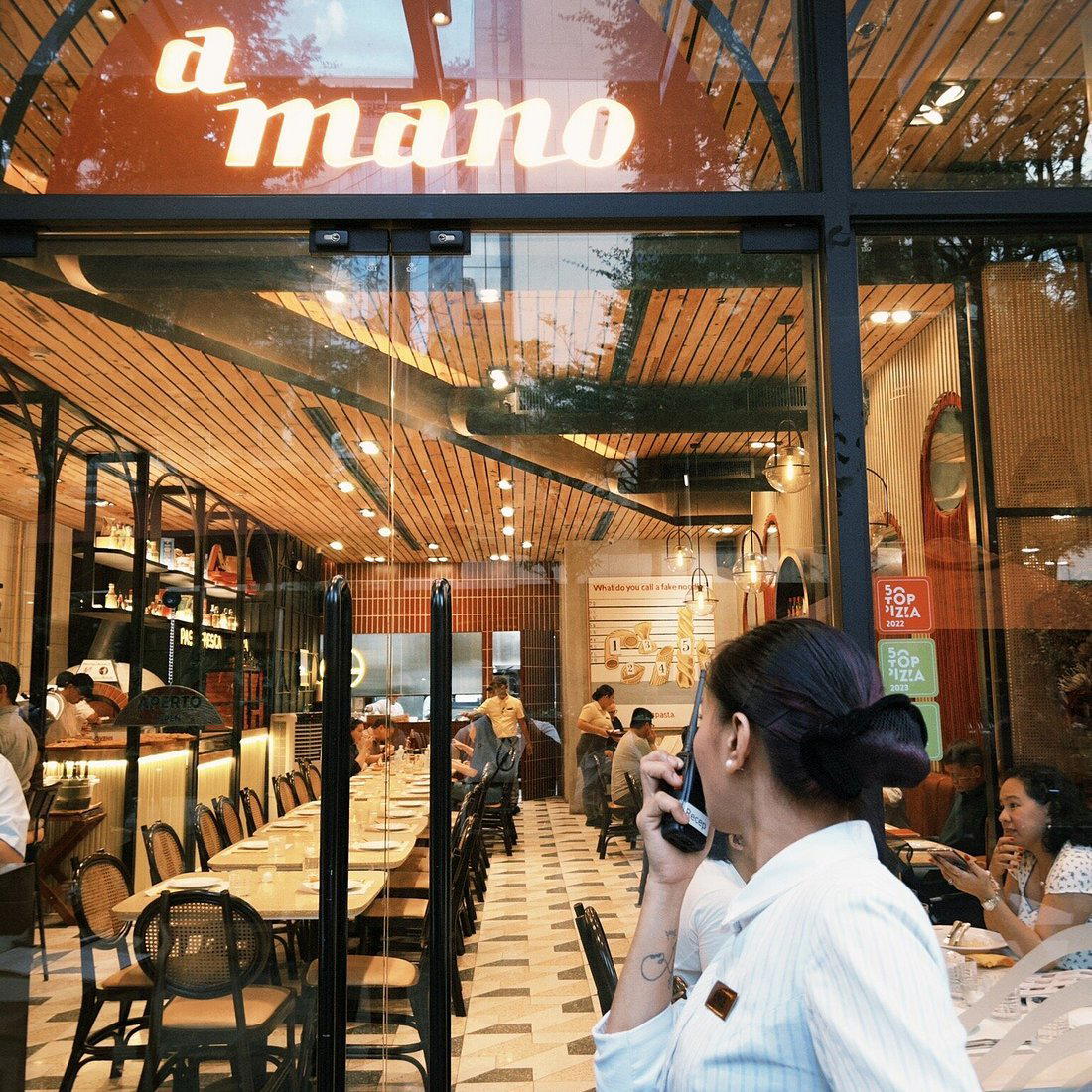
| a mano | Fresh and Faithful Italian | $$$ | Rockwell |
At a Glance
- Bohemian
- Trendy
- Intimate
- Casual Hangout
- After Work
- Standalone
- Design Destination
- Local Sourcing
Current opening hours
- Monday
- 10 AM–9:30 PM
- Tuesday
- 10 AM–9:30 PM
- Wednesday
- 10 AM–9:30 PM
- Thursday
- 10 AM–9:30 PM
- Friday
- 10 AM–9:30 PM
- Saturday
- 10 AM–9:30 PM
- Sunday
- 10 AM–9:30 PM
Hours can change for holidays and private events. Last verified .
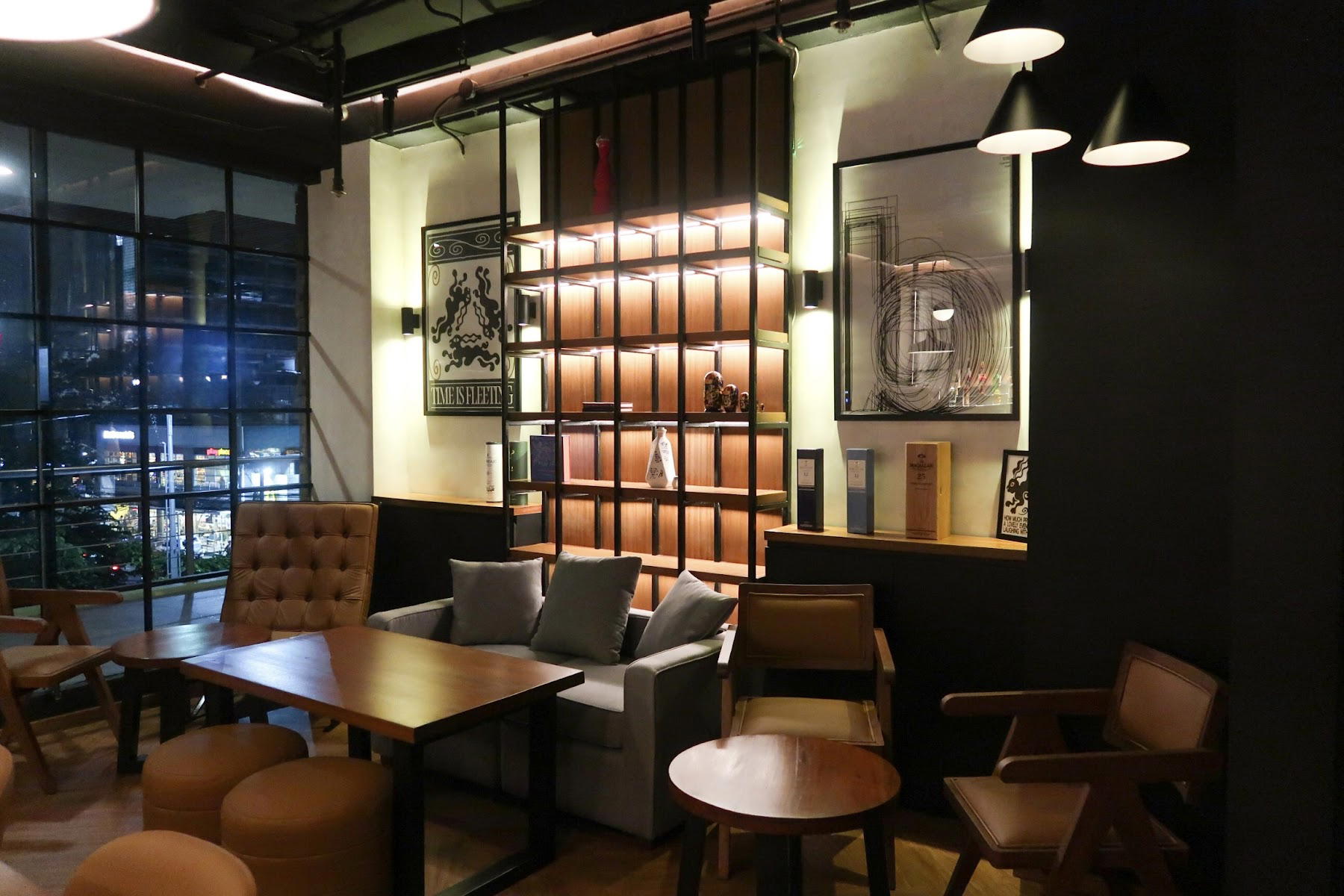
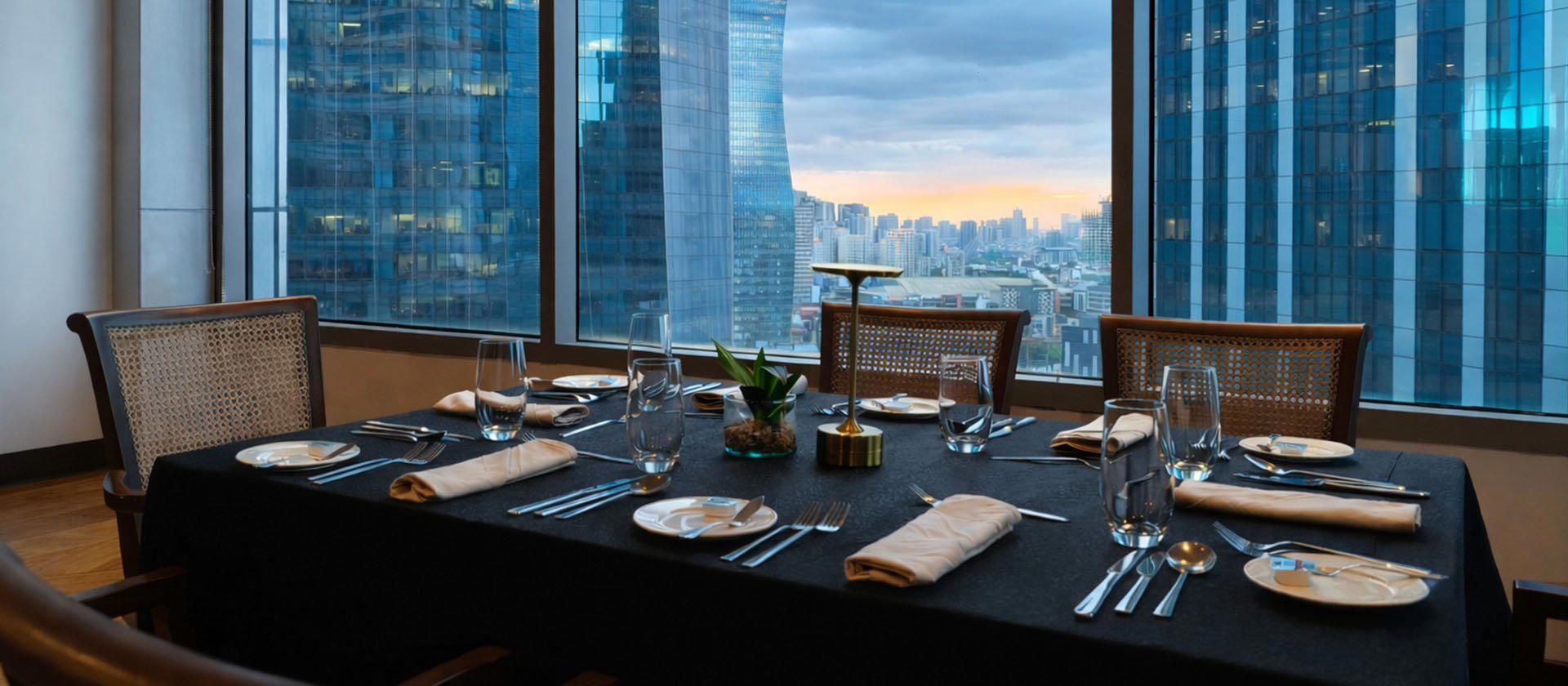
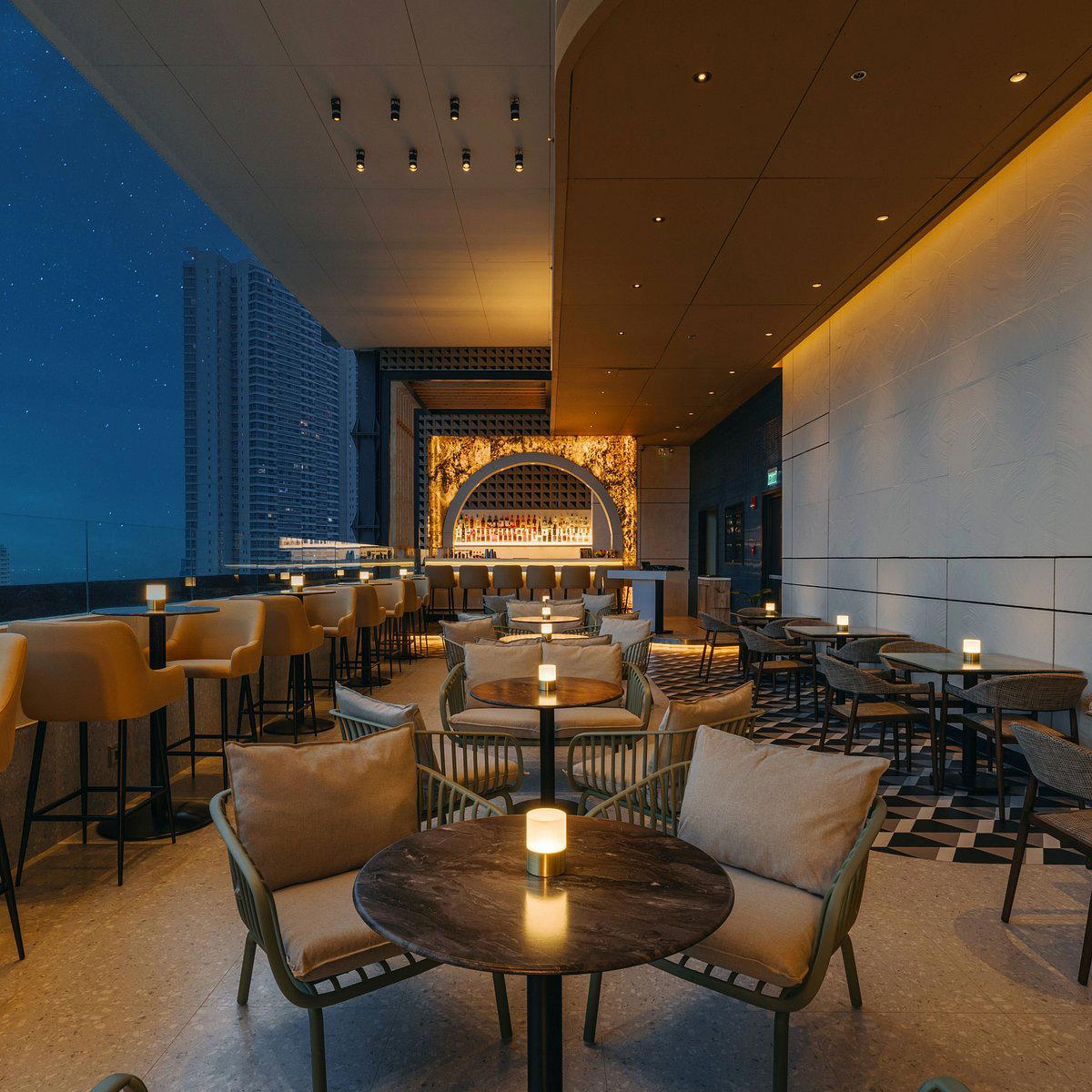
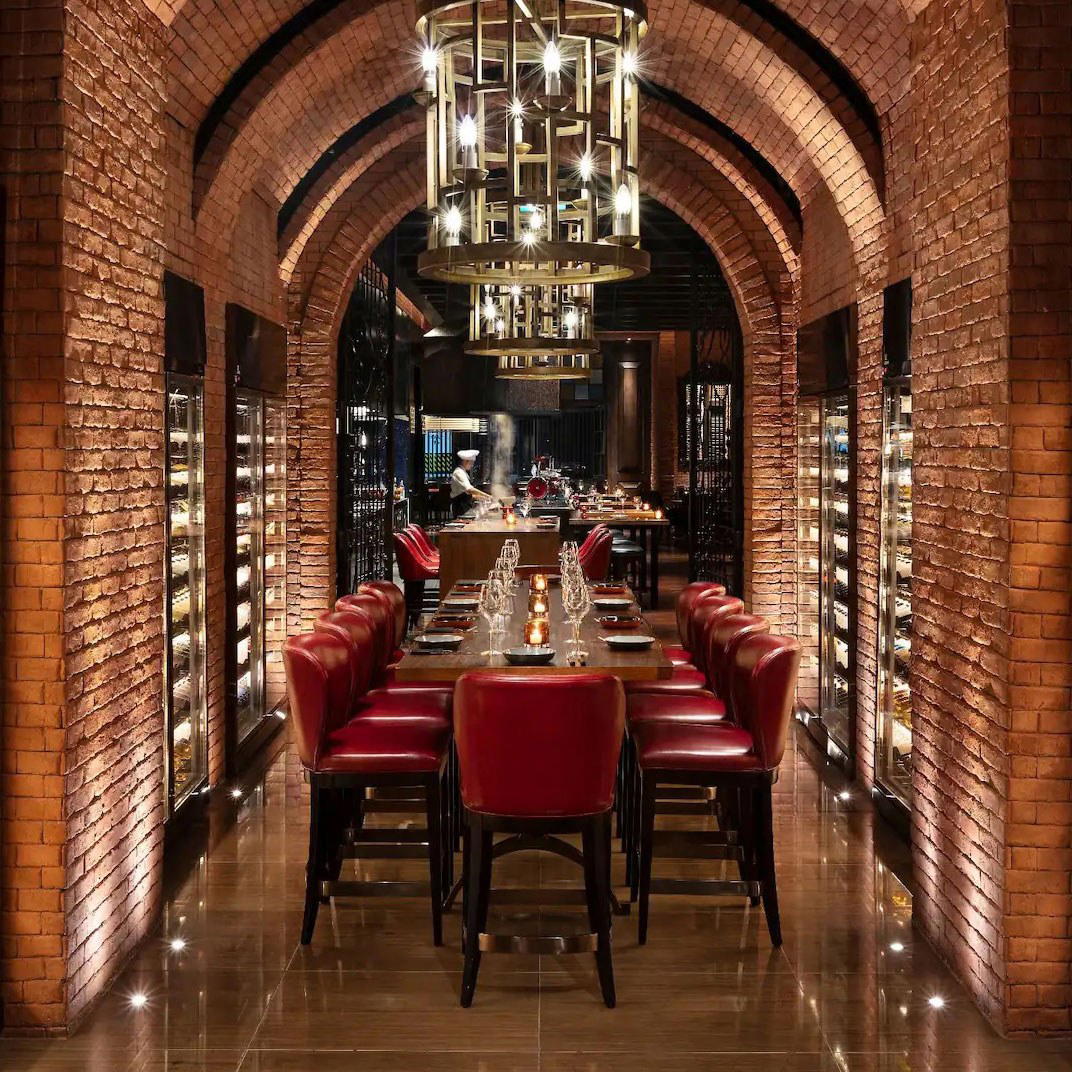
Low-lit walkways with vintage signage creating an intimate, evening-focused atmosphere that contrasts sharply with mainstream commercial dining environments.