Tonkotsu Ramen NIKKOU
On Molslaan in central Delft, Tonkotsu Ramen NIKKOU represents the kind of focused, single-discipline Japanese ramen shop that has carved real space in Dutch city dining over the past decade. The format is tight and the proposition clear: tonkotsu broth, executed with the seriousness the style demands. For a city better known for Flemish architecture than Asian noodle culture, it reads as a deliberate counter-programme to Delft's more conventional restaurant offerings.
Pearl is the En Primeur Club membership app — saves, bookings, and concierge access live there. Same editors, same standards.
- Address
- Molslaan 16B, 2611 RM Delft, Netherlands
- Website
- ramennikkou.com
- Directions
- Get directions
 Saves & bookings on Pearl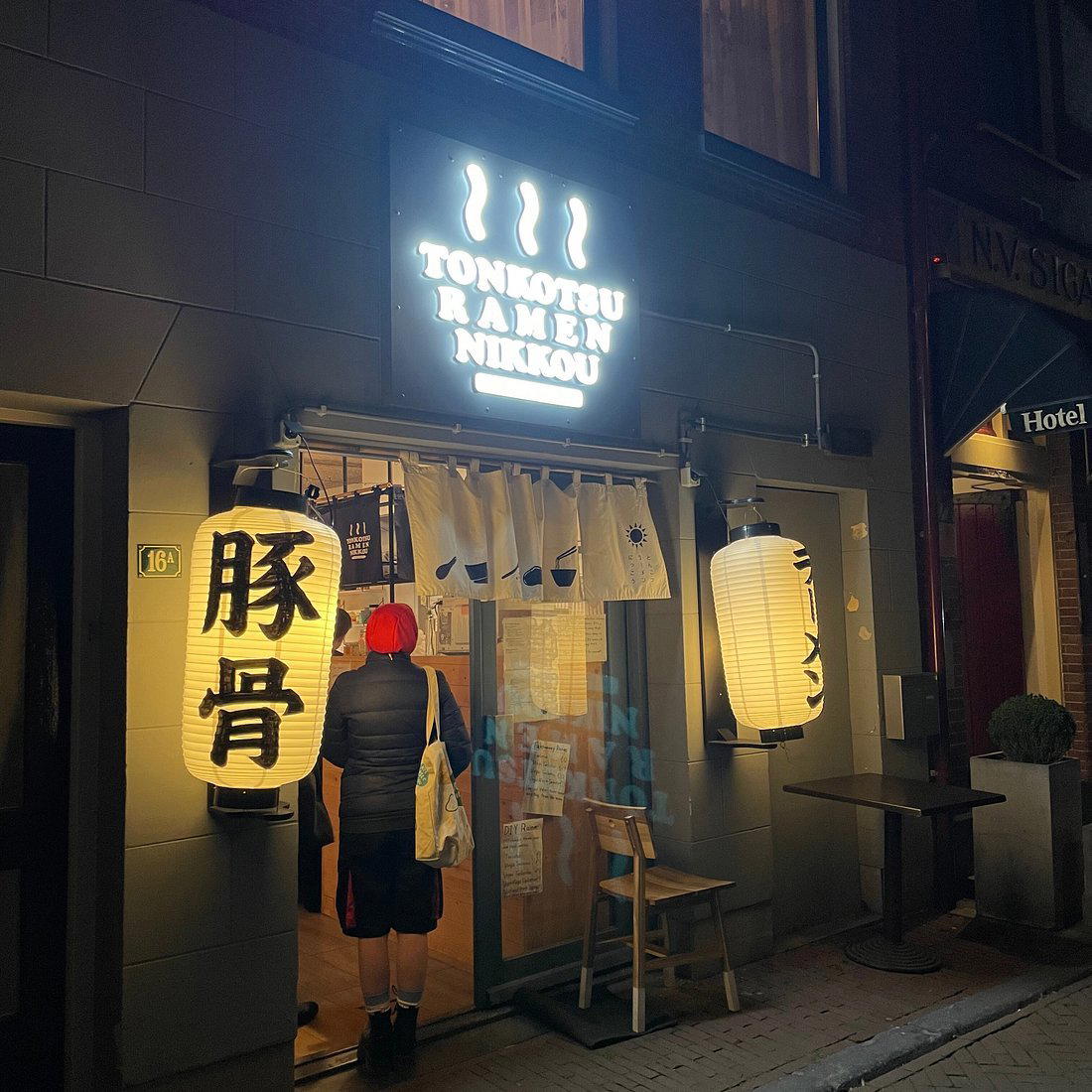
Where Delft's Canal Light Meets a Bowl Built for Concentration
Molslaan is one of those Delft streets that functions as a quiet pivot between the tourist-dense canal belt and the more residential quarters beyond. The address at number 16B places Tonkotsu Ramen NIKKOU in a neighbourhood that rewards the visitor who moves on foot rather than by map pin. In a city where the dominant dining conversation runs through French-inflected brasseries and Dutch-Mediterranean hybrids, a shop committed entirely to tonkotsu ramen occupies a distinct and deliberate position.
Tonkotsu as a format is worth pausing on before you arrive. The style originates in Fukuoka, where pork bones are boiled at a rolling simmer for hours — sometimes more than twelve — until the collagen breaks down completely and the liquid turns opaque, almost cream-coloured. The result is a broth with structural density that no other ramen category matches. It is not a light first course. It is the meal itself, built around a single, sustained flavour logic that runs from the first spoonful to the last strand of noodle. Visiting NIKKOU should be approached with that arc in mind: this is a single-bowl format where the progression is vertical rather than lateral, deepening as the temperature drops slightly and the fat redistributes across the surface.
The Tasting Arc of a Tonkotsu Bowl
Ramen shops that take the tonkotsu category seriously tend to operate on a progression that most diners underestimate. The opening note is almost always the broth temperature and initial salinity, this is where the kitchen signals its intentions. A well-made tonkotsu should arrive hot enough that you cannot eat immediately, and the surface should carry a visible sheen of pork fat. That fat is not excess; it is insulation and flavour delivery mechanism in one.
The mid-bowl experience shifts as the noodles absorb some of the broth and the chashu pork, if present, releases its soy-and-mirin marinade into the surrounding liquid. This is the point in the progression that separates workmanlike bowls from considered ones: whether the flavour compounds or simply sustains. The final third of a well-executed tonkotsu bowl is often the most concentrated, as the ratio of broth to noodle tips toward liquid and the accumulated tare, the seasoning paste stirred in at the base, becomes more present. It is a structure closer to a composed dish than casual noodle soup, and it rewards the eater who does not rush.
In the Netherlands, the ramen category has matured considerably since the early 2010s, when most Dutch cities offered only pan-Asian approximations. Amsterdam led the shift, with dedicated shops drawing on Japanese training and stricter broth discipline. That rigour has filtered into smaller cities, and Delft's dining scene, which tends toward the considered rather than the trend-driven, has absorbed it accordingly. A tonkotsu-specific shop at this address sits within that broader maturation of the category in the Netherlands rather than outside it.
NIKKOU in Delft's Wider Dining Context
Delft's restaurant offering is more layered than its tourist footprint suggests. The city's dining character sits somewhere between the ambition of a university town and the inherited formality of a historic Dutch municipality. Alongside NIKKOU, venues like Brasserie Monastere, Kruydt, and Il Tartufo define the mid-to-upper range of the city's sit-down dining. HUmmUS and Kokam occupy the more casual, internationally-inflected end of the market. NIKKOU reads as neither casual nor formally structured: it belongs to the focused specialist category, where the proposition is narrow by design and depth is the point.
That specialist positioning is increasingly common in Dutch mid-sized cities, where the ramen shop has replaced the sushi bar as the primary vehicle for Japanese food culture at accessible price points. The format suits the Dutch dining temperament reasonably well: efficient, ingredient-forward, and without the ceremony overhead of a multi-course tasting menu. For context on how that tasting-menu tradition operates at the high end of Dutch dining, properties like De Librije in Zwolle, Ciel Bleu in Amsterdam, and De Nieuwe Winkel in Nijmegen define a completely different tier, three-hour commitments with wine pairings and seasonal progression across eight-plus courses. NIKKOU's appeal is precisely that it offers nothing of that kind. The bowl is the programme.
Internationally, the tonkotsu category has two reference points worth naming: the Hakata-style shops of Fukuoka that set the original standard, and the first-generation serious ramen houses in New York and London that brought the format into Western fine-casual dining. Korean-influenced tasting counter Atomix in New York City and the French seafood institution Le Bernardin represent the upper tier of composed-course dining in that city; NIKKOU operates in a structurally different register but shares the commitment to a single, well-defined culinary discipline executed without distraction.
Planning Your Visit to Molslaan
The Molslaan address is walkable from Delft Centraal within ten to fifteen minutes, cutting through the old town quarter past the Nieuwe Kerk. For visitors arriving by train from Amsterdam or The Hague, this is a direct connection: Delft Centraal sits on the main intercity line and is served frequently throughout the day. The surrounding neighbourhood is residential enough that foot traffic is lower than at canal-front addresses, which typically means a calmer internal environment than the city's more exposed dining rooms.
Because no booking data is available in the public record for NIKKU, the most reliable approach is to check current availability directly at the venue or via whatever booking channel the restaurant operates at the time of your visit. Walk-in capacity at ramen shops of this scale tends to depend heavily on session timing: arriving at opening or notably late in service generally yields shorter waits than peak lunch or early-dinner windows. The format also means that table turnover runs faster than at full-service restaurants, so even a short queue typically clears within twenty minutes.
Delft's wider dining scene offers reasonable alternatives on the same street network. The full Delft restaurants guide maps venues across price points and formats for visitors building a longer itinerary. Elsewhere in the Netherlands, Aan de Poel in Amstelveen, Brut172 in Reijmerstok, De Bokkedoorns in Overveen, De Groene Lantaarn in Staphorst, De Lindehof in Nuenen, De Lindenhof in Giethoorn, and 't Nonnetje in Harderwijk represent the country's decorated dining tier if the trip extends beyond Delft.
Accolades, Compared
| Venue | Cuisine | Price | Awards |
|---|---|---|---|
| Tonkotsu Ramen NIKKOUThis venue — the venue you are viewing | Not listed | Not listed | This venue |
| Le Vieux Jean | Classic French | €€ | €€ · Classic French |
| Novaela | Creative French | €€€€ | €€€€ · Creative French |
| Lalou | French | €€€ | €€€ · French |
Continue exploring
More in Delft
Restaurants in Delft
Browse all →
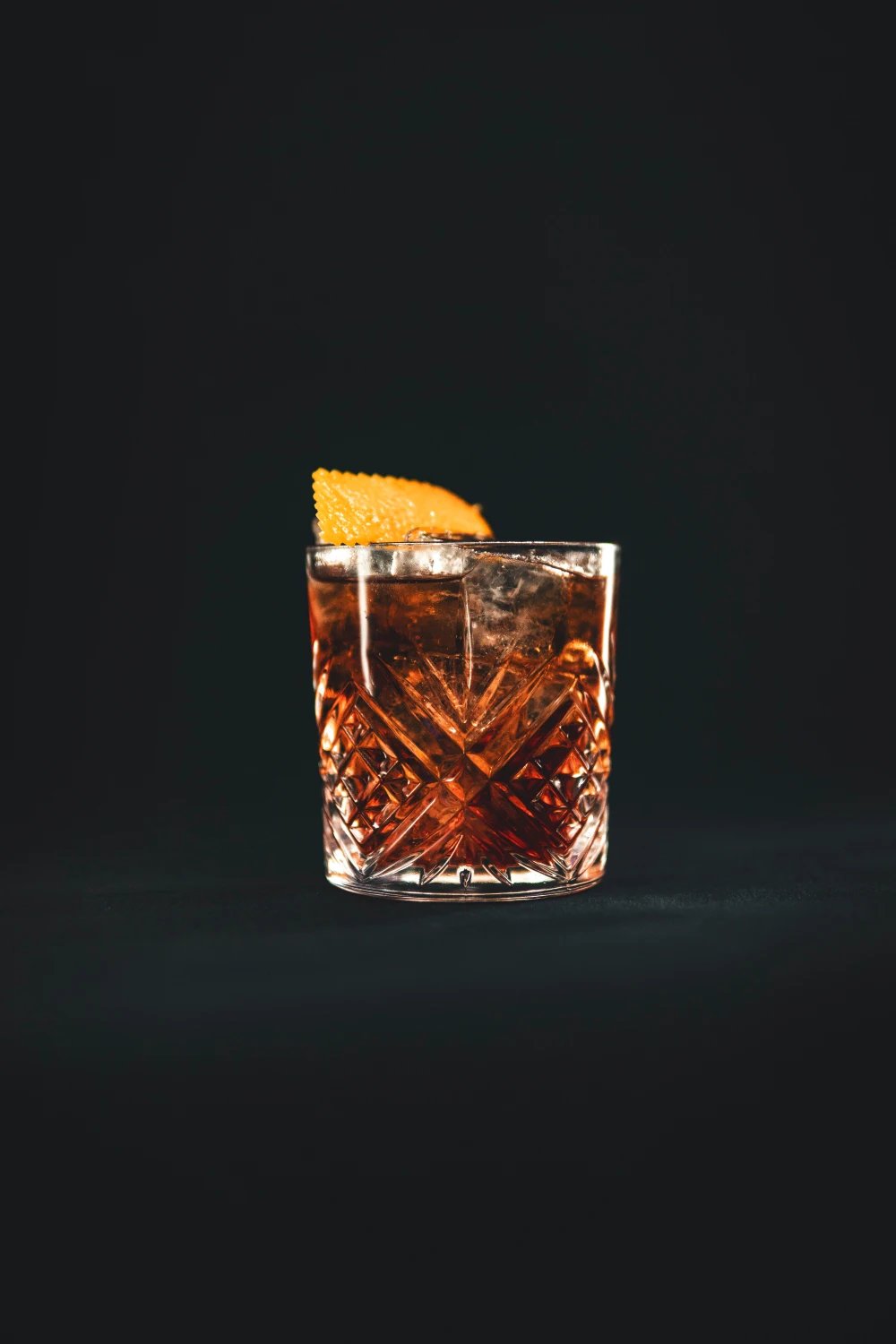
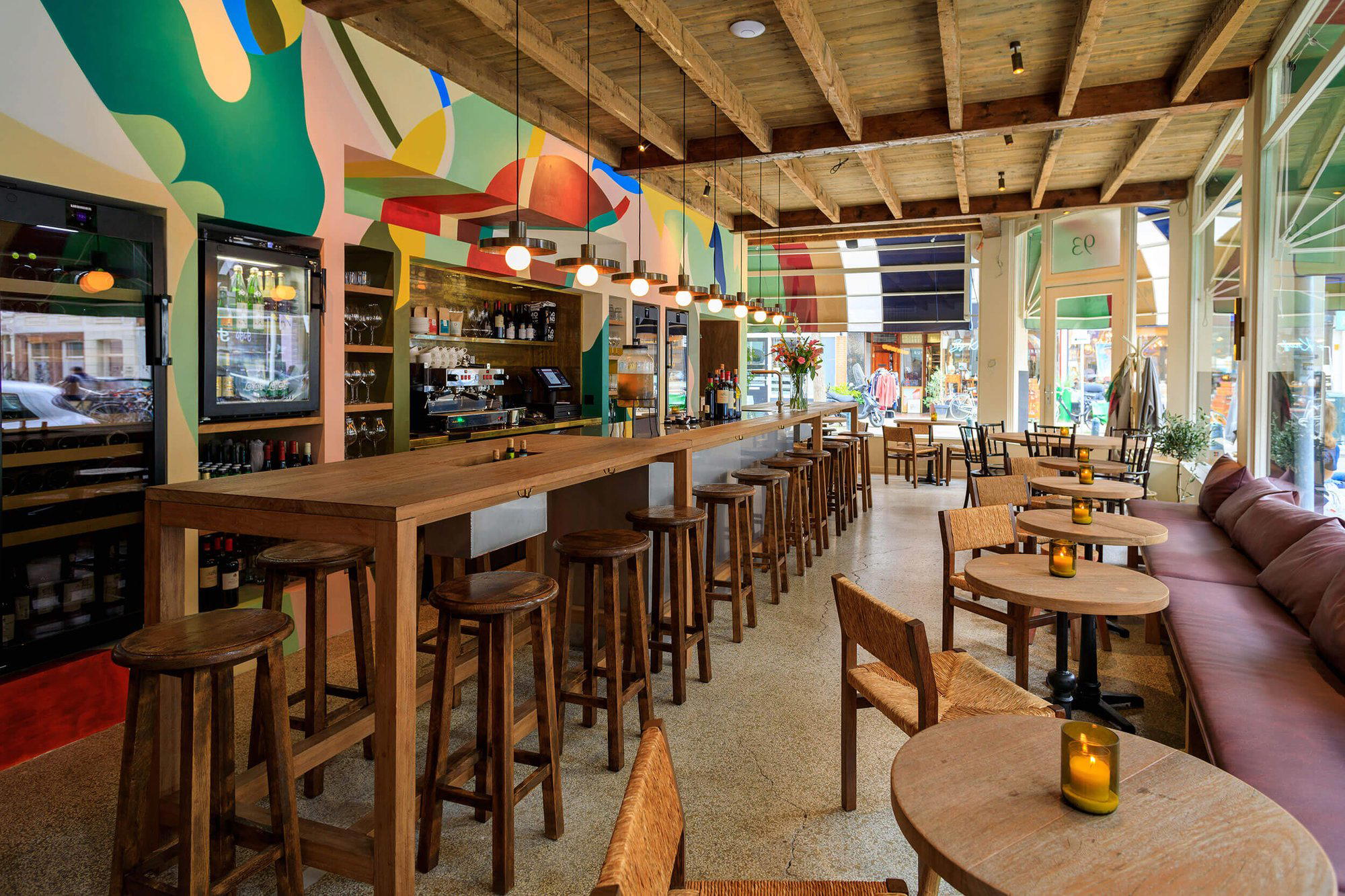
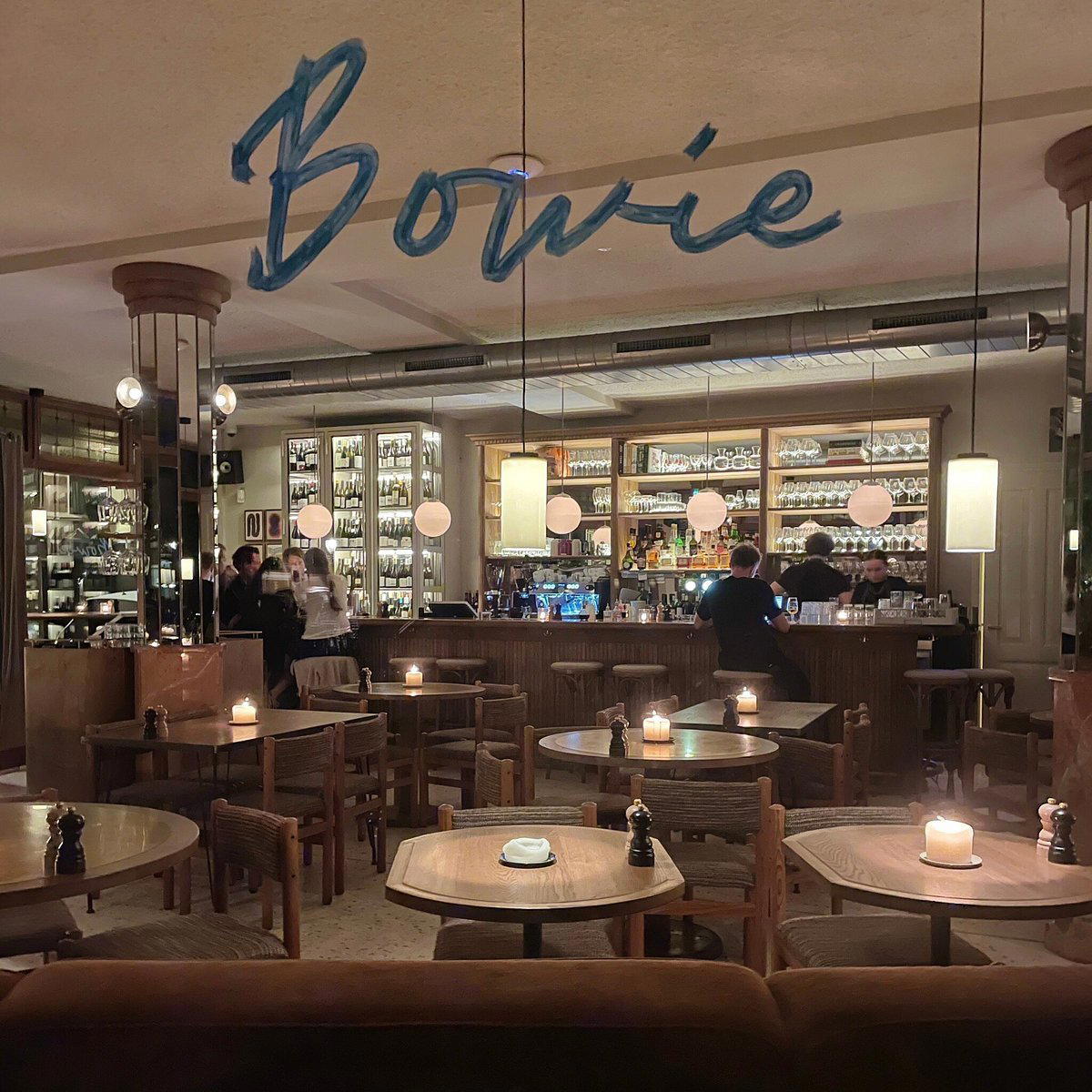
Bars in Delft
Browse all →
Hotels in Delft
Browse all →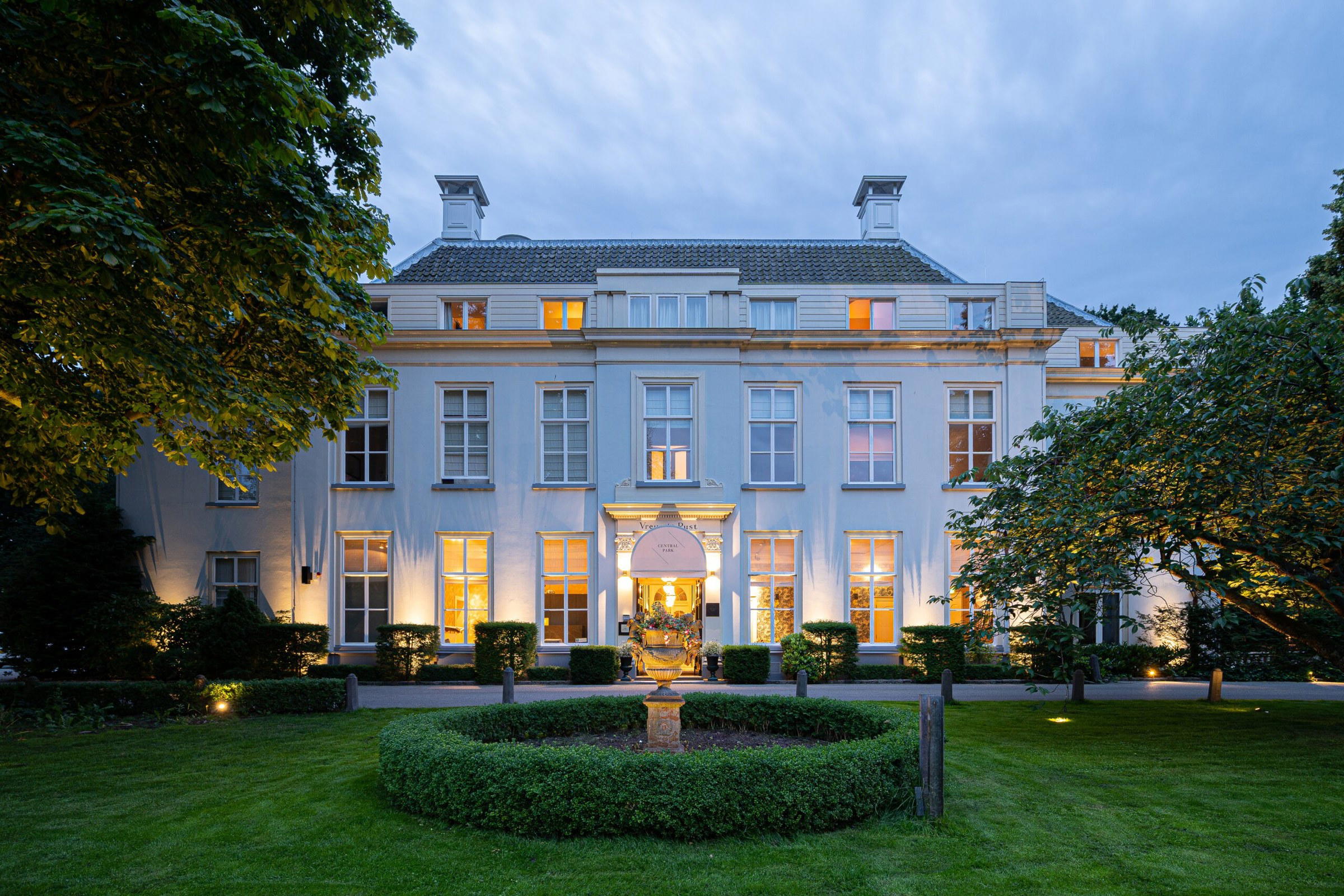
Wineries in Delft
Browse all →
At a Glance
- Cozy
- Lively
- Casual Hangout
- Solo
- After Work
- Open Kitchen
- Standalone
Current opening hours
- Monday
- Closed
- Tuesday
- 5–9 PM
- Wednesday
- 5–9 PM
- Thursday
- 5–9 PM
- Friday
- 5–9 PM
- Saturday
- 12–2 PM, 5–9 PM
- Sunday
- Closed
Hours can change for holidays and private events. Last verified .
Small, bustling atmosphere with skilled Japanese chefs visible, creating an energetic and intimate dining experience despite limited seating.
Know Before You Go
- Getting there
- Molslaan 16B, 2611 RM Delft, Netherlands