't Ganzenest

1 Michelin Star
Our verdict
A Michelin-starred address on Rijswijk's Delftweg with deep roots and a renewed direction under chef Erik Tas, 't Ganzenest operates in the tradition of French technique applied to market-led produce. Turbot, veal sweetbreads, and wagyu anchor a menu where sauces carry the weight and fruit appears in both composed desserts and sharp, vinegar-brightened forms. Open Wednesday through Sunday from noon.

Pearl is the En Primeur Club membership app, where members save venues, book tables and use the concierge.
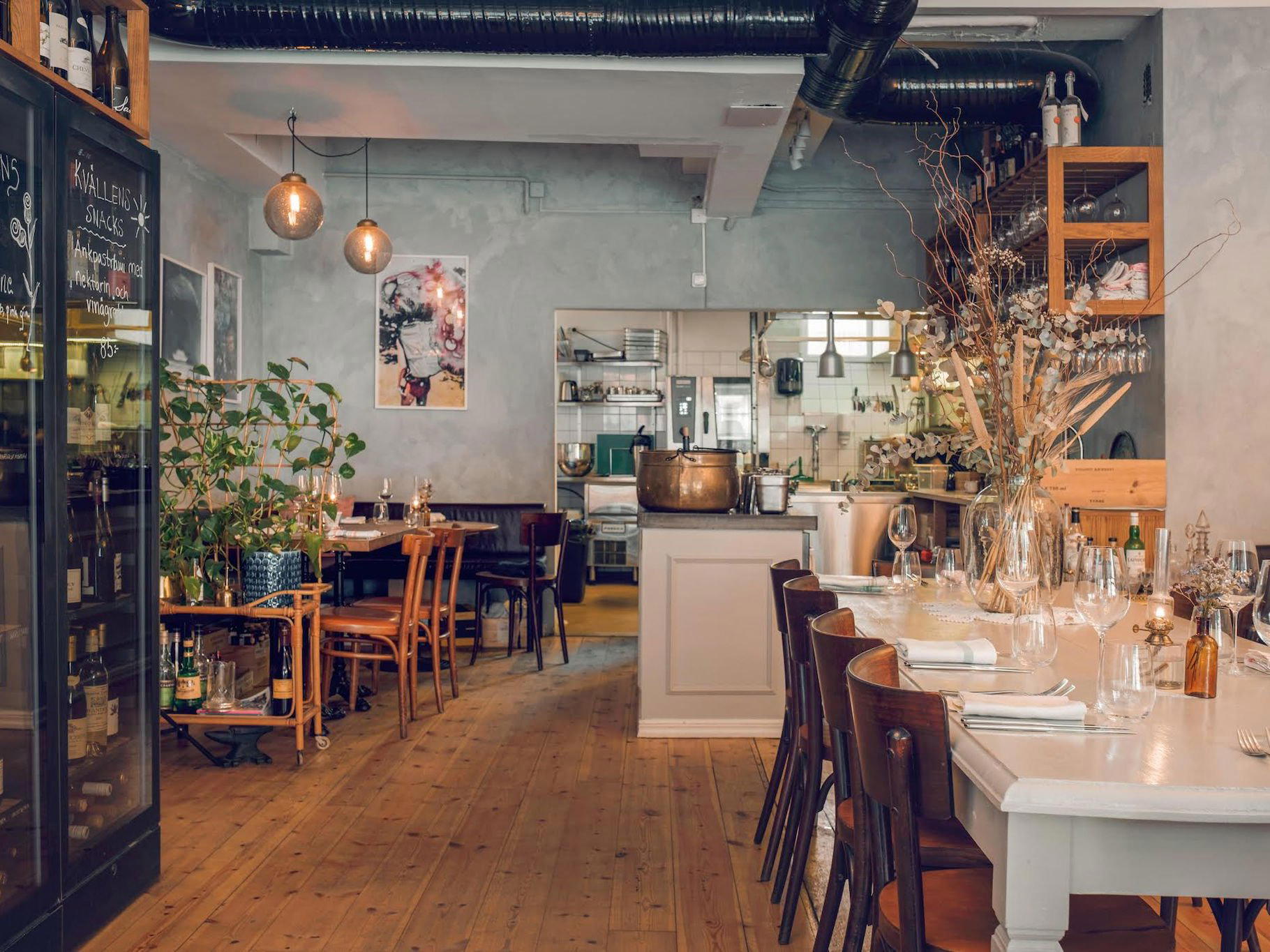
The menu
What to order
- Turbot with chanterelle cream sauce
- Veal sweetbreads
- Strawberry soufflé
A Building That Remembers
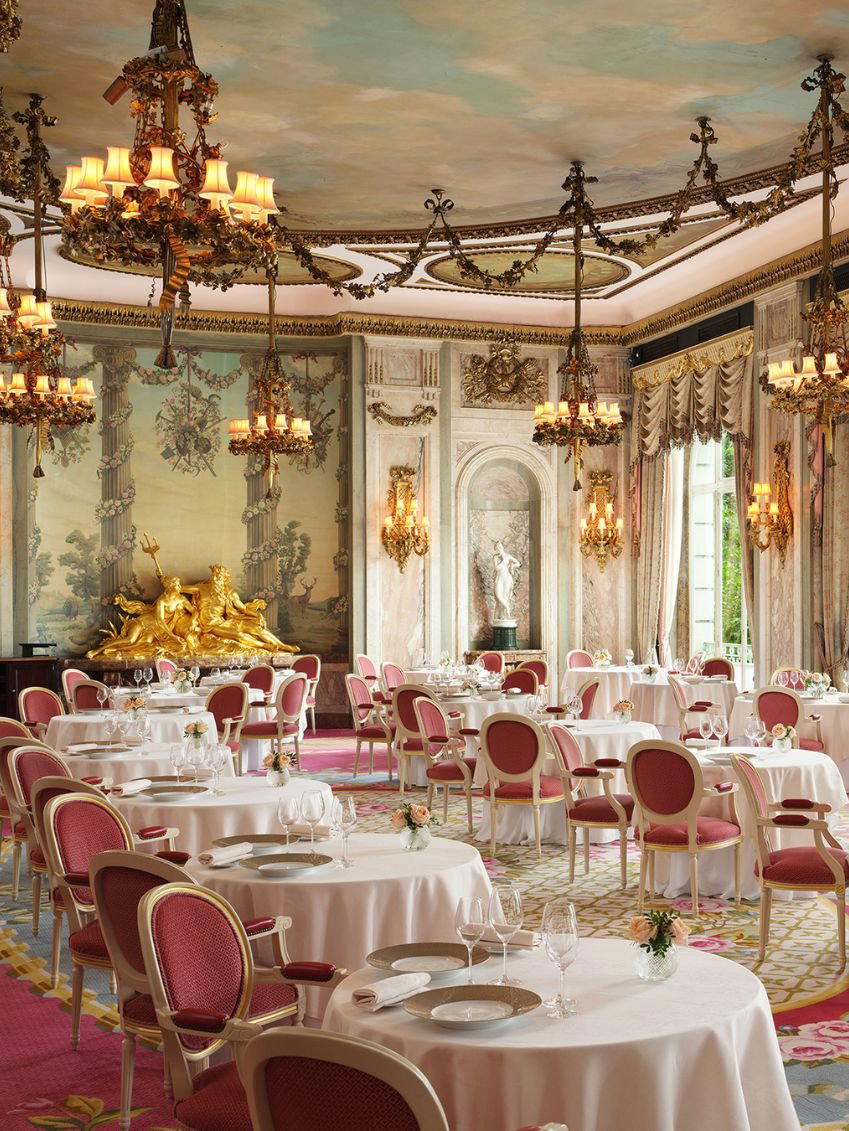
Arriving at Delftweg 58a, the address itself sets a frame. The building carries the particular kind of quiet authority that accumulates over decades rather than design budgets: it reads as a place that has fed serious diners for a long time, and does not need to announce itself. Inside, the room has been refreshed with a calibrated restraint, enough elegance to signal the kitchen's ambitions without erasing the character of what came before. This is a sensibility that suits the Dutch Randstad well, where the better restaurants tend to position themselves through cooking rather than theatre.
Rijswijk sits between The Hague and Delft, a municipality that tends to be overlooked in favour of its neighbours, yet this positioning is precisely why an address like this functions as it does. For Rijswijk's restaurant scene, 't Ganzenest is the fixed point against which other dining options are measured.
Provenance as the Organizing Principle
The editorial frame for Modern French cooking at this level in the Netherlands is largely about what the kitchen chooses to source and how it treats that material once it arrives. At 't Ganzenest, the menu reads like a deliberate position statement on ingredient hierarchy. Turbot, veal sweetbreads, and wagyu are not incidental choices; they are the kind of produce that requires a chef who understands both procurement networks and the technical discipline to let the ingredient remain legible on the plate.
Turbot, in particular, occupies a specific place in the Northern European fine-dining vocabulary. The fish is caught in the North Sea, where cold, slow-growing conditions produce flesh with a firmness and flavour density that Mediterranean farmed alternatives rarely match. Pairing it with a cream sauce incorporating chanterelles and finishing the plate with a rich veal jus represents a classical French approach to building layered flavour from a product that already has enough character to carry the composition. The sauce work here is described, in the Michelin commentary, as having great depth, which in the language of that guide signals that the kitchen is not relying on reduction shortcuts.
Veal sweetbreads occupy a different register: offal that demands precision in preparation, with a texural window that closes quickly in both directions. The fact that this appears alongside wagyu on the same menu positions 't Ganzenest in a relatively small peer group within Dutch fine dining. Compare this to Aan de Poel in Amstelveen or De Bokkedoorns in Overveen, where similarly produce-led menus operate at the one-star level, and a pattern emerges: the Dutch Michelin tier just below the two-star bracket has consolidated around restraint, sourcing, and classical technique over innovation for its own sake.
Pastry and the Intelligence of Restraint
The dessert section offers an illustration of why provenance-led cooking is more demanding than it appears. Strawberries are presented in at least three forms: an airy soufflé, a macerated preparation alongside vanilla ice cream, and a more constructed dessert featuring a coulis with a vinegar component to sharpen and brighten. This is not decoration; it is a demonstration that a single ingredient, properly sourced at peak season, can sustain an entire course without additional protein or luxury produce to carry it.
The vinegar note is worth attention. Acid used in this way, applied to fruit rather than to a savoury sauce, reflects a contemporary European pastry sensibility that resists sweetness as the default mode. It places the kitchen's thinking closer to what you find at addresses like Ciel Bleu in Amsterdam than to more traditional French closing courses. The soufflé, meanwhile, is a technically unforgiving format that communicates confidence rather than nostalgia.
The Dutch Michelin Context
Understanding where 't Ganzenest sits requires a brief view of the broader field. The Netherlands has a Michelin one-star cohort that stretches from highly conceptual and produce-only formats, such as De Nieuwe Winkel in Nijmegen with its organic and plant-forward identity, through to classically grounded rooms like this one. At the two-star level, addresses like 't Nonnetje in Harderwijk and De Lindehof in Nuenen operate with a creative ambition and price architecture that moves significantly above the €€€ bracket. At the three-star level, De Librije in Zwolle operates in an entirely different competitive conversation.
What 't Ganzenest occupies, then, is a considered middle position: formal enough for a significant occasion, priced at a level that permits a table of two to dine without the meal becoming the primary financial event of the month. For the Hague metropolitan area, which lacks the concentration of top-end restaurants found in Amsterdam, this matters.
Other comparable Modern French addresses in the region are worth contextualizing alongside this one: 't Raedthuys in Duiven and Amarone in Rotterdam operate in the same cuisine category and price tier, giving diners across the western Netherlands a small but coherent circuit of French-inflected, produce-driven kitchens. Further afield, De Treeswijkhoeve in Waalre, De Lindenhof in Giethoorn, Brut172 in Reijmerstok, and De Groene Lantaarn in Staphorst demonstrate how widely distributed serious cooking has become across the Dutch provinces.
Legacy and Continuity
The history attached to this address is part of what any regular diner in the Dutch fine-dining circuit understands implicitly. 't Ganzenest is associated with Harry Visbeen, who held a Michelin star at this location over a sustained period. Michelin itself, in its current citation, frames the current chapter as a continuation rather than a departure: the building's character has been preserved, the standard has been maintained, and the new leadership has added its own approach without erasing what preceded it.
This kind of institutional continuity is, in fact, one of the more reliable signals in fine dining. Kitchens that have held stars across different chefs tend to have structural advantages: a trained front-of-house team, an established supplier network, and a loyal local clientele willing to give a new chapter the benefit of the doubt. The Michelin commentary's specific mention of the waitstaff's enthusiasm when presenting wines and cheeses points to a service culture that pre-dates the current kitchen team and has been carried forward.
Planning a Visit
The restaurant opens Wednesday through Sunday from noon to 10 PM, with Monday and Tuesday closed. This schedule positions it as an option for both weekend lunches and weekday evening meals from mid-week onward, which is practical for those travelling from The Hague or Delft by car or public transport, given the proximity of Rijswijk to both city centres. The restaurant is found at Delftweg 58a in Rijswijk's 2289 AL postal district. For those planning a wider trip to the area, Rijswijk's hotel options, its bar scene, wineries, and experiences in the municipality can be explored through our full guides.
Frequently asked questions
Is 't Ganzenest suitable for children?
The €€€ price point and a menu centred on produce like veal sweetbreads and wagyu place this firmly in the adult fine-dining category. The Michelin one-star setting and formal service style are better suited to older diners who can engage with a multi-course, ingredient-focused format.
What's the vibe at 't Ganzenest?
This is a formal dining address in Rijswijk, not a casual neighbourhood room. The building carries decades of accumulated character, and chef Erik Tas has restored that with considered elegance rather than a full redesign. The Michelin citation specifically notes the infectious enthusiasm of the waitstaff around wines and cheeses, which gives the room a degree of warmth that formal settings often lack.
Does 't Ganzenest have a Michelin star or similar recognition?
't Ganzenest has received recognition including: 't Ganzenest will forever be associated with Harry Visbeen, who held a MICHELIN star for many years. Today, Erik Tas is writing a new chapter of this beautiful story. He has cultivated the authentic allure of the building and revamped the r….
What dish is 't Ganzenest famous for?
The Michelin citation singles out the turbot: a fillet served with a cream sauce incorporating chanterelles and a rich veal jus. Strawberries also earn a detailed mention in the guide, presented across multiple preparations including a soufflé, a macerated version with vanilla ice cream, and a coulis sharpened with vinegar, a three-part study in a single ingredient that illustrates how the kitchen thinks.
A Quick Peer Check
| Venue | Cuisine | Price | Awards | Notes |
|---|---|---|---|---|
| 't GanzenestThis venue (the venue you are viewing) | Modern French with Dutch influences | $150–200 | 1 Michelin Star | Not listed |
| De Librije | Modern Dutch Fine Dining | $200–300 | 3 Michelin Stars · World's 50 Best #46 | Modern Cuisine |
| Aan de Poel | Modern French Fine Dining | $150–200 | 2 Michelin Stars · La Liste Top Restaurants | Creative |
| De Lindehof | Contemporary Dutch, Creative | Not listed | Michelin 2 Star | Not listed |
| Fred | Modern French Fine Dining | $200–300 | 2 Michelin Stars · La Liste Top Restaurants | Creative French |
| De Nieuwe Winkel | Botanical Fine Dining | $300–500 | 2 Michelin Stars · La Liste Top Restaurants | Organic |
Recognition history
Dated appearances from independent guides and award organizations, with the underlying list record or original source where available.
Michelin 1 Star
Michelin
Full recognition history (2 entries)
Michelin 1 Star
Michelin
Continue exploring
More in Rijswijk
Restaurants in Rijswijk
All restaurants in Rijswijk →
Bars in Rijswijk
Browse all →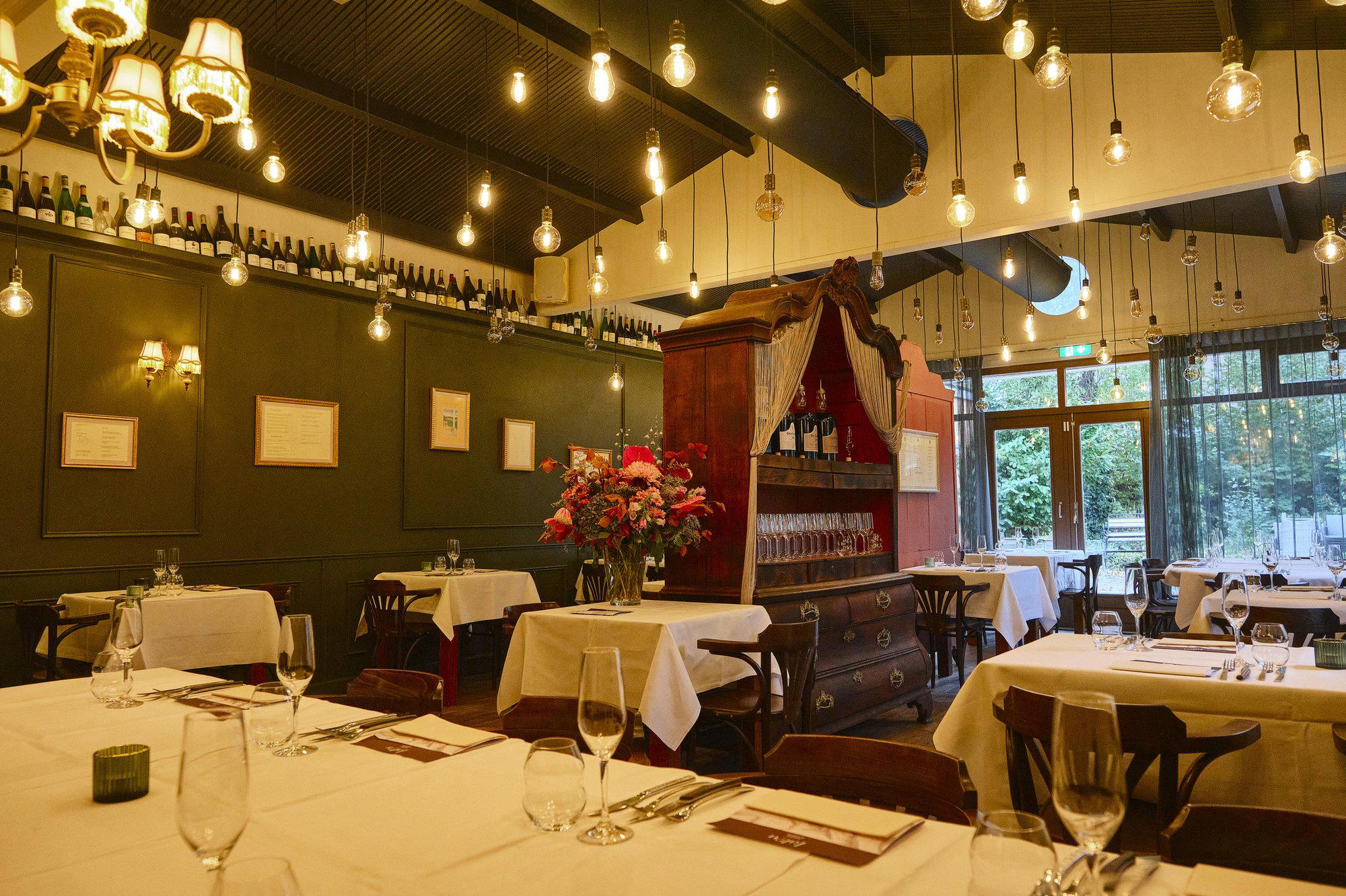
Hotels in Rijswijk
Browse all →
Wineries in Rijswijk
Browse all →
Details
- Sophisticated
- Elegant
- Cozy
- Date Night
- Special Occasion
- Business Dinner
- Garden
- Private Dining
- Extensive Wine List
- Sommelier Led
- Local Sourcing
- Garden
- Tasting Menu
- A La Carte
- Wine Pairing
- Vegetarian Friendly
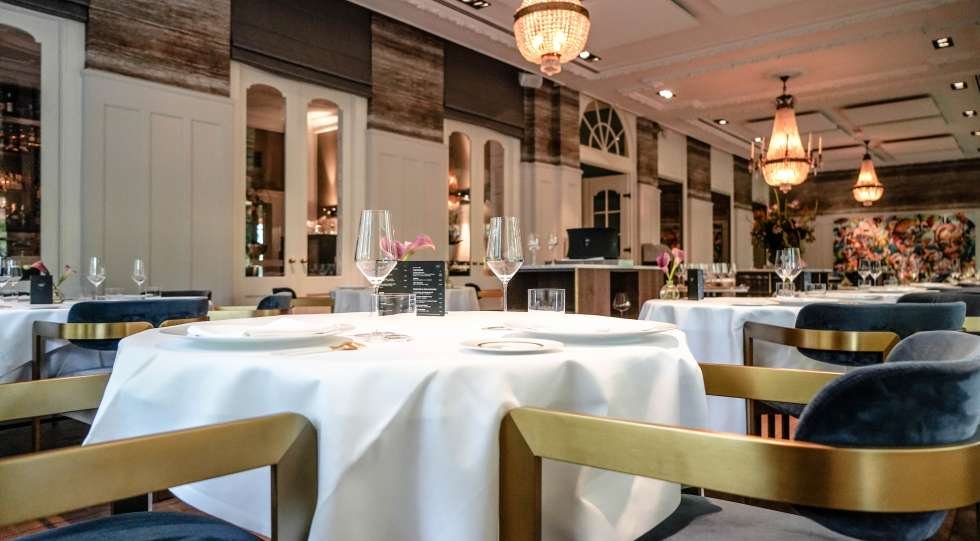
Sophisticated neutral palette with soft lighting, linen-draped tables, and an intimate atmosphere fostering privacy.