Lalou


Michelin Plate · Star Wine List
Our verdict
A converted historic building on Delft's Spoorsingel houses one of the city's most wine-serious French brasseries. Lalou's 700-label list and three-part format, bar, wine bar, brasserie, give it a depth rare at the €€€ price point. Classic French plates, from lobster ravioli to crêpe suzette, arrive without embellishment, letting the ingredients carry the argument.

Pearl is the En Primeur Club membership app, where members save venues, book tables and use the concierge.
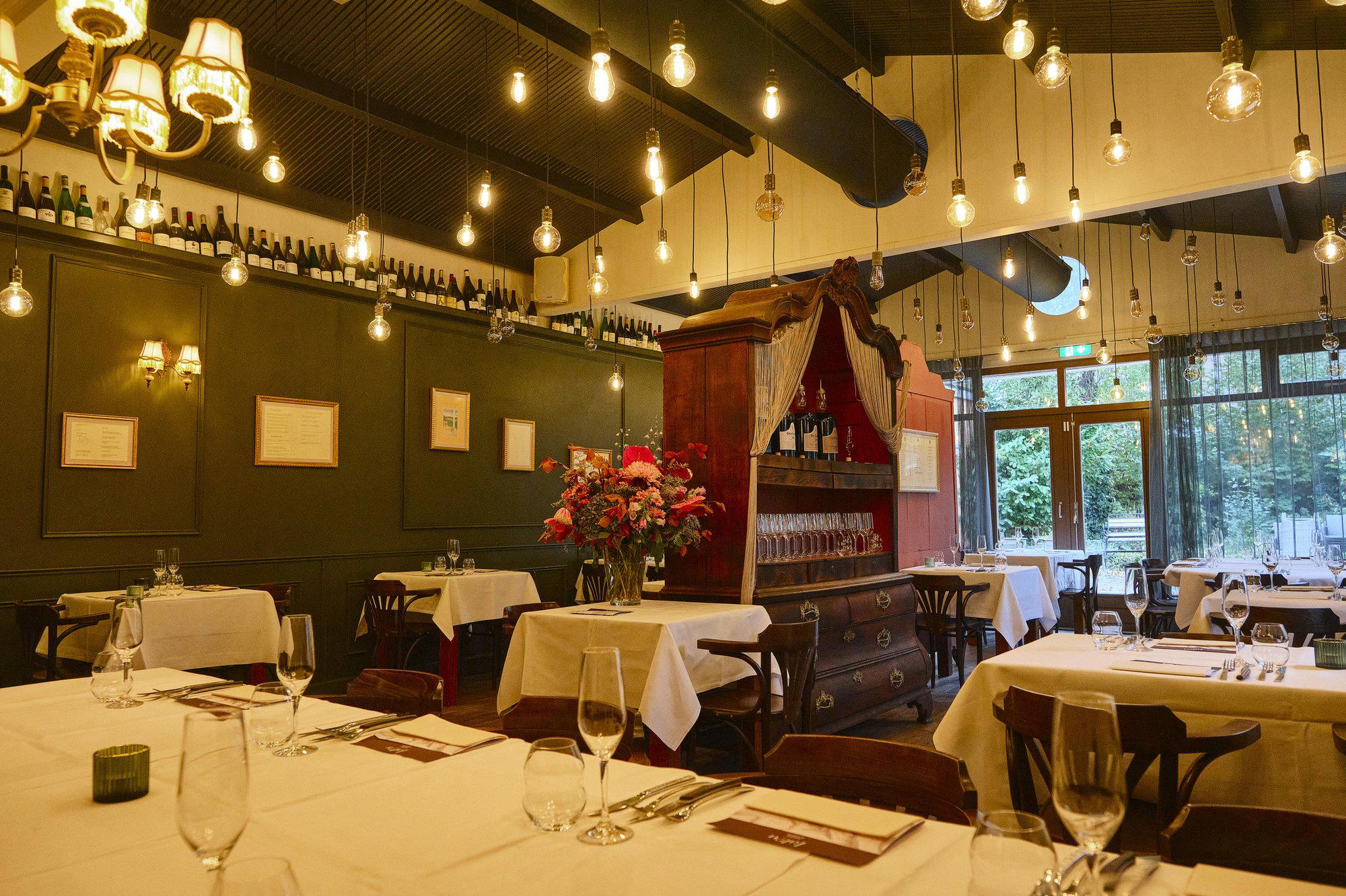
A Brasserie Built Around the Bottle
French brasserie culture, at its most coherent, is inseparable from wine. The food exists to extend the drinking; the room exists to make both feel worth lingering over. In the Netherlands, that tradition tends to arrive filtered through modern creative kitchens, ambitious tasting menus, Nordic-inflected technique, produce-first minimalism. The country's most decorated French addresses, from Fred in Rotterdam to De Librije in Zwolle, operate in the €€€€ bracket with formats built around chef-driven progression. Lalou, on Delft's Spoorsingel, occupies a different position in that scene: it is, emphatically, a brasserie, generous, wine-obsessed, and anchored in a building that makes the food taste better simply by surrounding it.
The space is a converted historic structure with leather ceilings, Renaissance paintings, and chandeliers. These are details that, in lesser hands, might tip into self-parody or themed nostalgia. Here they read as architectural sincerity, a room that accumulated its character over time rather than commissioning it. The brasserie format sits naturally inside that envelope: three distinct zones (bar, wine bar, brasserie proper) allow the visit to flex between a glass-and-snack stop and a full dinner, depending on what the evening calls for.
The 700-Label List as Editorial Statement
A wine list exceeding 700 labels at the €€€ price tier is not a standard configuration. Wine programmes of that depth typically appear at tasting-menu restaurants in the €€€€ bracket, where a lengthy list functions as a luxury signal to match the food spend. At Lalou, the list is the primary statement, shaping the restaurant's identity from the ground up rather than serving as a complement to the kitchen. In that sense, it positions Lalou closer to a serious wine bar with full kitchen than to a conventional brasserie with an adequate cellar.
For French cuisine specifically, that orientation makes sense. French cooking tradition has always assumed wine as a structural element of the meal, not an optional accompaniment. Regions define their grape varieties partly through the food they sit beside: the Loire's muscadet alongside plateau de fruits de mer, Burgundy's pinot noir against duck breast, the Rhône's weight against slow-braised proteins. A 700-label list, if it reflects genuine depth across regions and vintages, allows that pairing intelligence to operate properly rather than approximating it. The list at Lalou is described as reflecting real passion for the grape, a framing that implies curatorial coherence rather than sheer accumulation.
Among Dutch fine-dining addresses with wine at their centre, this kind of depth is genuinely rare. Peers like Aan de Poel in Amstelveen and De Bokkedoorns in Overveen carry strong lists, but their identity is driven by kitchen ambition rather than cellar scope. Lalou's inversion of that priority is its clearest differentiator within the national scene.
French Provenance Without Interference
The editorial angle of provenance is where Lalou's kitchen makes its case most directly. The menu is described as carrying dishes that arrive without unnecessary embellishment, a phrase that, in the context of French brasserie cooking, carries real meaning. Classical French technique does not require complexity to demonstrate skill. A salad niçoise built from honest anchovy, a proper hard-set yolk, and oil-cured tuna can be ruined by refinement; its virtue is in restraint and sourcing. Lobster ravioli with frothy bisque is a classical preparation where the quality of the shellfish and the depth of the bisque reduction are the entire argument. Crêpe suzette, described here as delicately sweet, is a dish that exposes technique immediately, the caramelisation, the ratio of butter to citrus, the moment of flame.
This is cooking that demands ingredients carry weight without theatrical amplification. In the context of the Netherlands, where French cooking at this price point sometimes leans on technique to compensate for sourcing constraints, that commitment to generous brasserie flavours over embellishment represents a clear position. The menu also offers many dishes in half portions, a practical gesture that aligns with the wine-first philosophy: smaller plates support broader exploration across the cellar rather than anchoring the evening to a single large course.
For comparison, the €€€€ French addresses operating elsewhere in the Netherlands, Wiesen in Eindhoven and Danyel in Maastricht among them, tend to frame French technique through a progressive or contemporary lens. Lalou holds its ground in the classical brasserie register, where the provenance and preparation of individual ingredients matter more than narrative arc across multiple courses. Within Delft's own French dining scene, Le Vieux Jean covers the €€ bracket and Novaela operates at the €€€€ creative end, which places Lalou at the mid-tier, covering classical depth that neither neighbour addresses in quite the same way.
Where Lalou Sits in Delft's Dining Scene
Delft does not carry the restaurant density of Rotterdam or Amsterdam, but it has a distinct character shaped by its university population, its tourism draw from the Vermeer connection, and a civic pride in craft and quality that runs from its porcelain tradition into its food culture. The city attracts visitors looking for a less crowded version of the Netherlands' historic urban identity, and its dining scene has developed accordingly: serious but not showy, quality-oriented without the pressure of a major metropolitan stage.
Lalou's location on Spoorsingel places it within the city's architectural fabric rather than on a tourist-facing canal front. The Michelin citation frames it as an address that takes wine and French cuisine seriously in a historically significant building, a combination that marks it clearly within Delft's dining character. For anyone planning time in the wider South Holland region, or using Delft as a base between Rotterdam and The Hague, the restaurant provides a French brasserie experience that sits at a different register from the creative Dutch kitchens that tend to dominate national coverage. See our full Delft restaurants guide for broader context, and check our Delft hotels guide, bars guide, wineries guide, and experiences guide for planning across the city.
Other Dutch addresses worth considering in the same serious-dining tier include De Groene Lantaarn in Staphorst, De Lindehof in Nuenen, De Lindenhof in Giethoorn, Inter Scaldes in Kruiningen, and Brut172 in Reijmerstok, each operating in distinct regional and stylistic niches across the country.
Planning Your Visit
Lalou is at Spoorsingel 24, 2613 BE Delft, a short distance from the city's central station and well-placed for those arriving by train from Rotterdam or The Hague. The three-zone format means a visit can be calibrated to purpose: arrive at the bar for wine and smaller plates, or commit to the brasserie room for a fuller evening. The half-portion option on many menu items makes it easier to build a meal around the wine list rather than the reverse, which is how the kitchen seems to intend it. Booking in advance is advisable given the scale and reputation of the wine programme, which draws visitors specifically for the cellar depth.
What People Recommend at Lalou
The dishes that have attracted consistent attention are the lobster ravioli served with a frothy bisque, the salad niçoise built on quality ingredients without elaboration, and the crêpe suzette, a preparation that tests kitchen discipline as much as technique. The 700-label wine list is itself a primary draw, with the format's wine bar component allowing access to serious bottles outside the full brasserie commitment. The half-portion option across much of the menu is frequently highlighted as a practical strength, enabling broader exploration of both kitchen and cellar in a single sitting.
At-a-Glance Comparison
Comparable venues nearby, for context on price, style, and recognition.
| Venue | Cuisine | Price | Awards | Notes |
|---|---|---|---|---|
| LalouThis venue (the venue you are viewing) | French Brasserie | $50–100 | Michelin Plate · Star Wine List | Not listed |
| Le Vieux Jean | Classic French Bistro | $30–50 | Michelin Bib Gourmand | centrum |
| Postkantoor | French-Oriental Fusion with Dutch Influences | $20–30 | Not listed | Binnenstad |
| Rossio | Spanish & Portuguese Mediterranean | $30–50 | Not listed | Oude Delft |
| Brasserie Monastere | Classic French Brasserie | $20–30 | Not listed | Beestenmarkt |
| Kruydt | Modern International Fine Dining | $50–100 | Not listed | Paardenmarkt |
Recognition history
Dated appearances from independent guides and award organizations, with the underlying list record or original source where available.
Michelin Plate
Michelin
Star Wine List
Star Wine List
Continue exploring
More in Delft
Restaurants in Delft
All restaurants in Delft →
Bars in Delft
Browse all →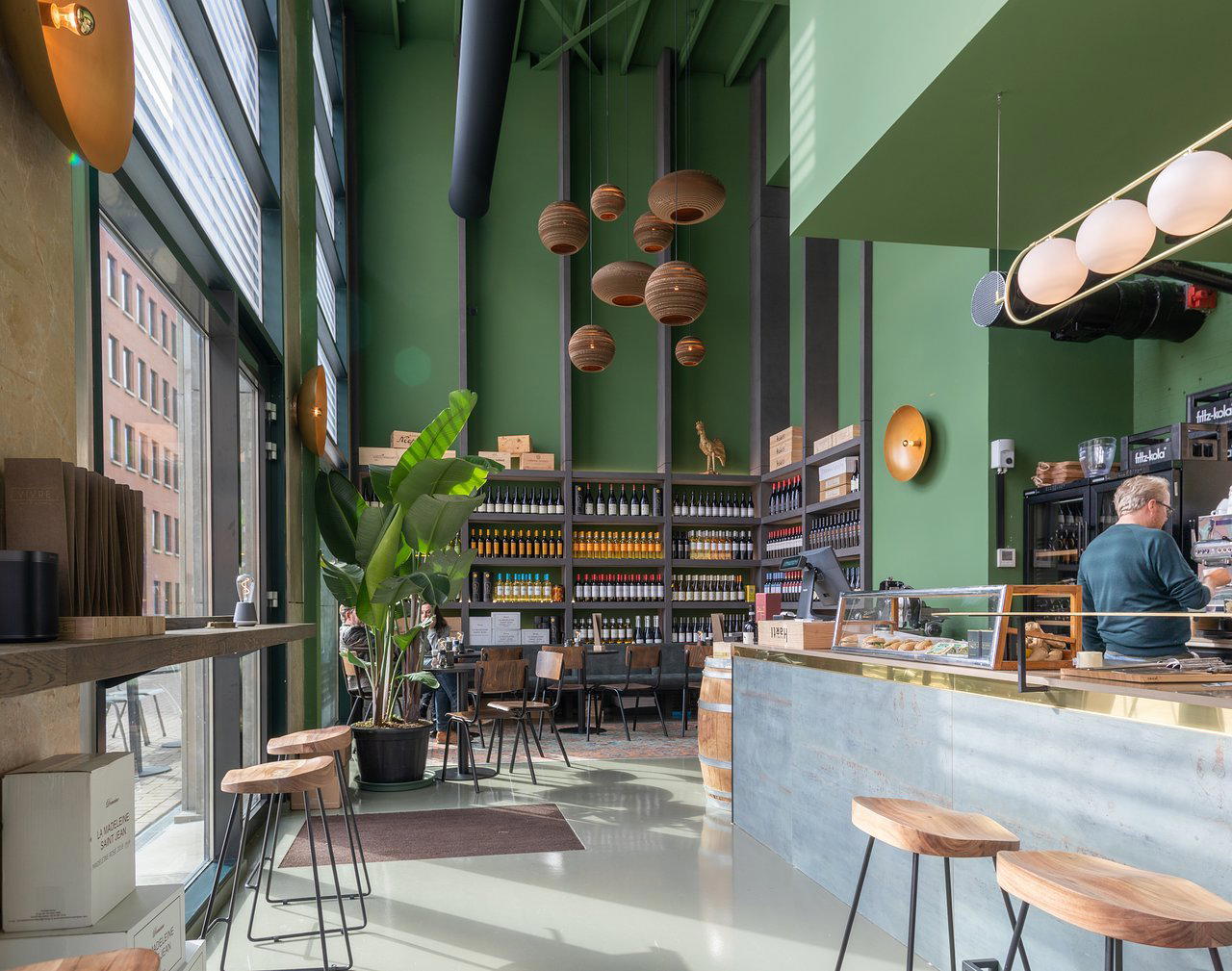
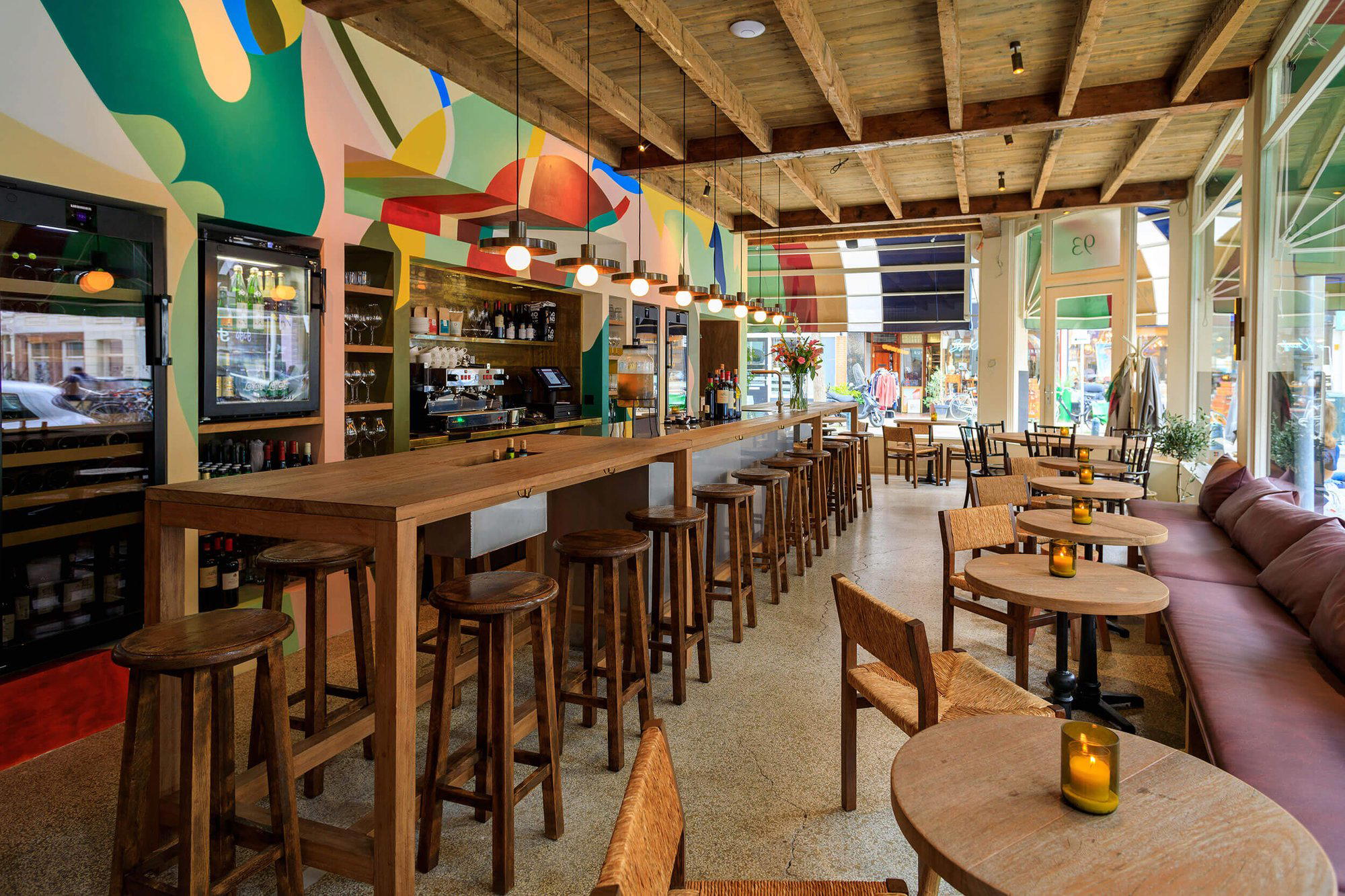
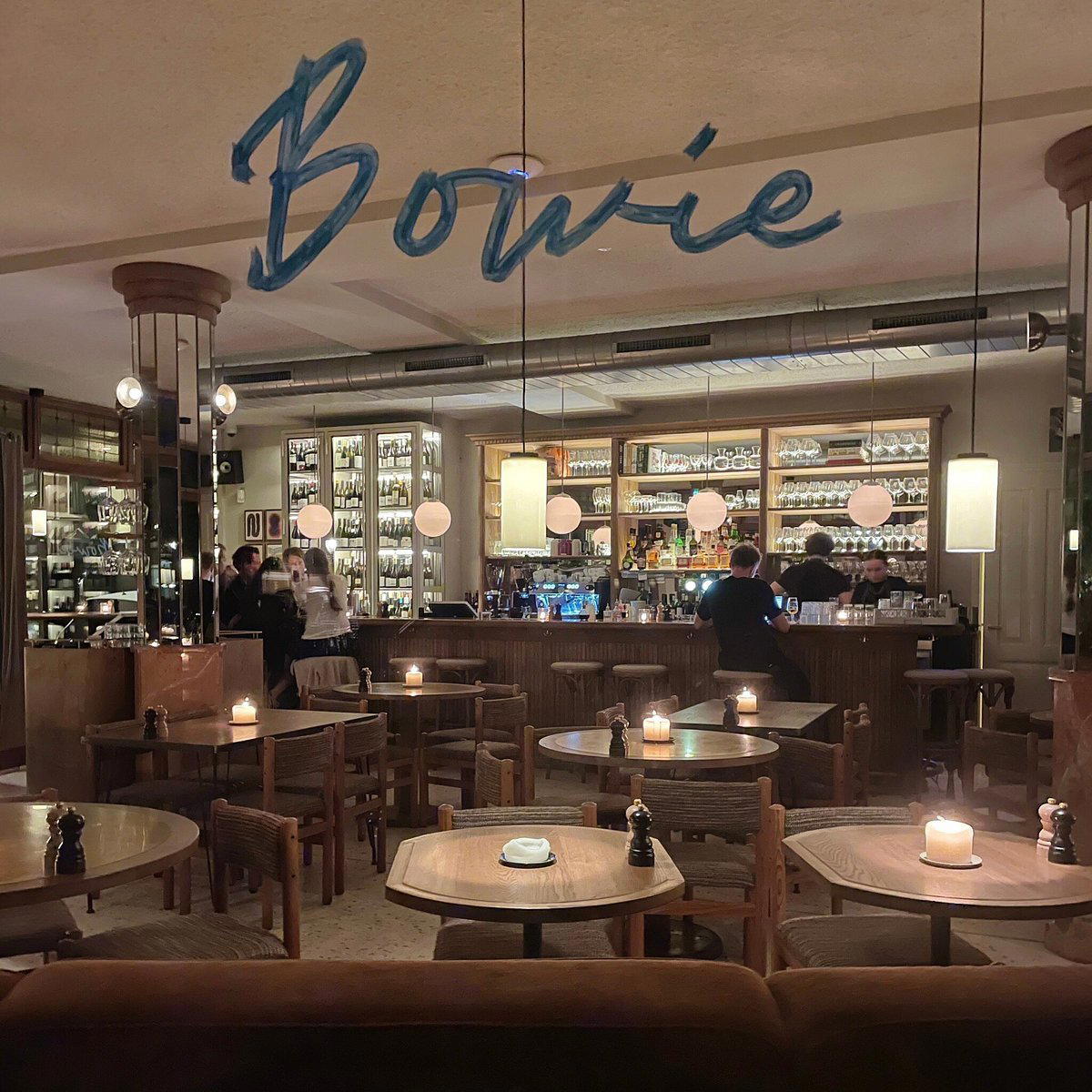
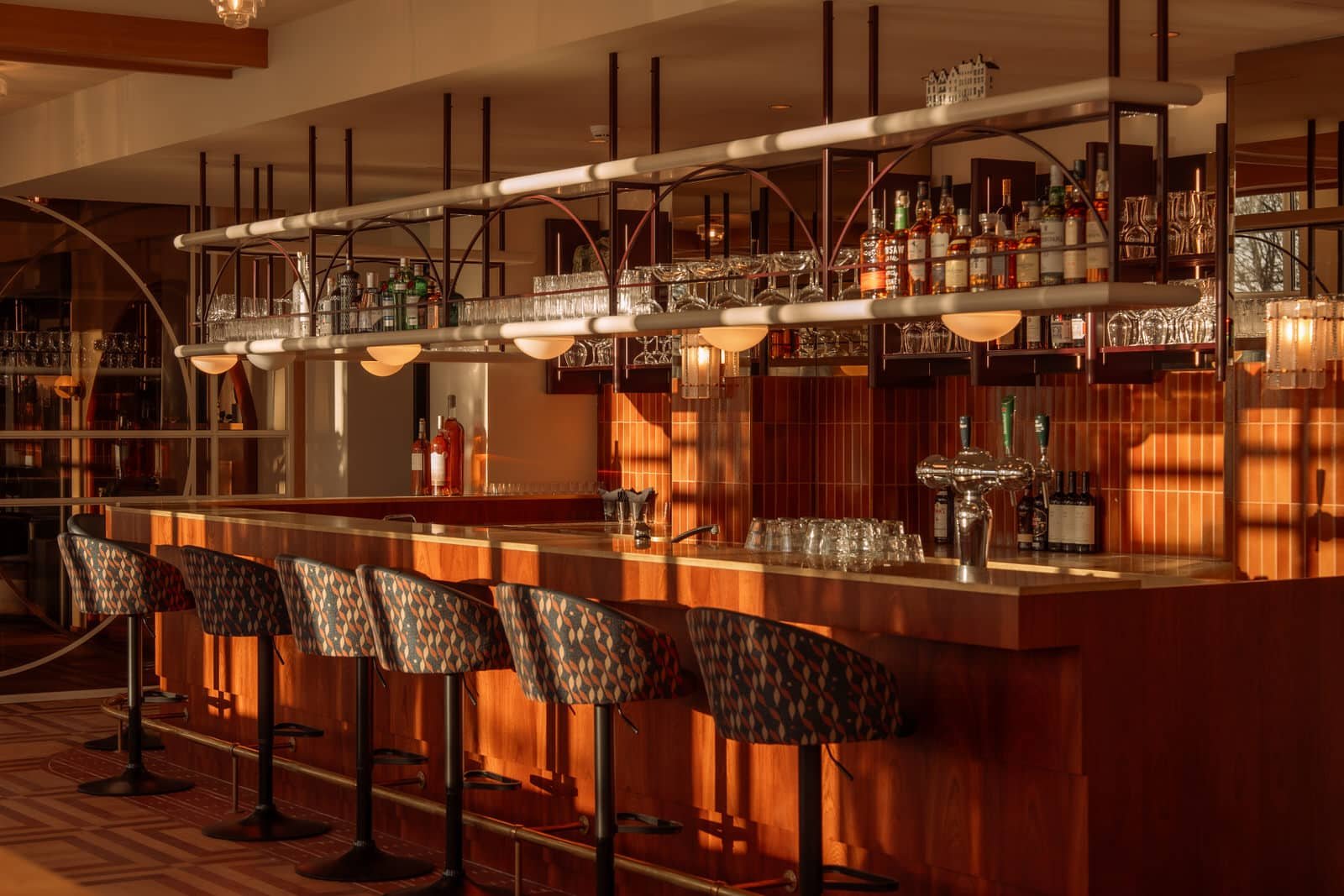
Hotels in Delft
Browse all →
Wineries in Delft
Browse all →
Lalou
The wine
- Wine program
- Deep wine list
- Extensive wine list
- Sommelier-led
Details
- Cozy
- Elegant
- Classic
- Sophisticated
- Date Night
- Special Occasion
- Business Dinner
- Historic Building
- Wine Cellar
- Extensive Wine List
- Sommelier Led
- A La Carte
- Small Plates
- Wine
Current opening hours
- Monday
- Closed
- Tuesday
- Closed
- Wednesday
- 5–11 PM
- Thursday
- 5–11 PM
- Friday
- 1–11 PM
- Saturday
- 1–11 PM
- Sunday
- Closed
Hours can change for holidays and private events. Hours as of .
Warm and slightly theatrical with leather-covered ceiling, Renaissance paintings, crystal chandeliers, and comfortable glow suitable for conversation.