
Tabelog 100 #35
Our verdict
Kiraku belongs to Kobe’s serious yakiniku tier: smoke, table grills, sake and shochu, and a reputation reinforced by repeated Tabelog 100 Yakiniku WEST selections. The appeal is not luxury choreography but the social rhythm of Japanese barbecue, where a 100-seat room and tatami setting make beef feel communal rather than ceremonial.

Pearl is the En Primeur Club membership app, where members save venues, book tables and use the concierge.
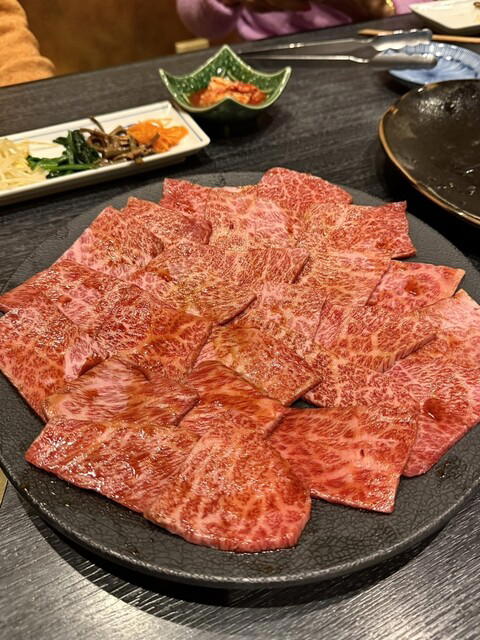
The menu
What to order
- Beef tongue
- Harami (skirt steak)
- Top loin yakiniku
- Horusuki nabe (hormone hotpot)
- Wagyu offal platter
Approaching a Kobe yakiniku room at dinner hour, the signal is rarely subtle: grill smoke, conversation rising over ventilation, and the particular pace of tables deciding what to cook next. Kiraku fits that old-school register. In a city whose beef reputation can drift toward polished steakhouse ritual, this is the more convivial side of the same animal culture: shared heat, short pours, quick decisions, and a room shaped by the give-and-take of the grill rather than hushed reverence.
Kobe’s premium beef identity often gets flattened into a single international shorthand, but local dining tells a wider story. Steak counters tend to make the chef the operator and the guest the audience; yakiniku gives part of the timing back to the table. That distinction matters. The format rewards appetite, rhythm, and attention rather than ceremony. Kiraku’s 2025 recognition from Tabelog’s Hyakumeiten source places it within the conversation for grill-focused restaurants rather than the tourist-facing Kobe beef circuit alone.
Smoke, beef and the table-grill grammar of Kobe yakiniku
Yakiniku in Japan is partly Korean-influenced, partly postwar urban dining, and partly a study in how a table behaves when everyone has tongs. The sensory appeal is direct: heat from the grill, fat hitting metal, smoke pulled upward, and the stop-start sound of conversation as plates arrive. Kiraku’s appeal sits in that social grammar. This is not the miniature counter culture of sushi or kaiseki, where silence can become part of the price. It is a louder, more practical language of dinner.
The restaurant’s category, Yakiniku (Japanese BBQ), points to a familiar grill-room logic. Drinks and side orders may vary by visit, but the main reading is format rather than dish worship: the room is built around the act of grilling, eating quickly, and ordering in waves. Without relying on unlisted house specialties, Kiraku is best understood through the shared rhythm of the table and the way beef becomes a group meal rather than a plated performance.
That distinction separates it from other Kobe dining patterns. Some Kobe restaurants sit closer to the polished beef-specialist lane visitors often associate with the city, while others express the city’s meat culture in different registers. Kiraku reads differently: less as a scripted beef showcase, more as a grill room where recognition comes from consistency within the yakiniku category.
Why the Tabelog 100 signal matters here
Japan’s award culture is unusually fragmented. Michelin captures a certain kind of international prestige, while Tabelog’s category lists often reflect domestic dining enthusiasm with sharper genre specificity. For yakiniku, that matters. A Tabelog Hyakumeiten signal is not a general fine-dining badge; it places a restaurant inside a category where smoke, sourcing, value perception, and repeat local appeal carry weight.
Kiraku’s 2025 listing and Tabelog score of 3.63 suggest a restaurant with a clear place in its genre rather than a venue trading only on citywide beef mythology. In a grill category, that is meaningful because the format is unforgiving. Ventilation, pacing, meat handling, staff movement and table turnover all affect the meal before any critic starts talking about flavor. A dining room can have strong beef and still fail if the room feels chaotic in the wrong way. The better yakiniku rooms manage energy without draining it.
Price also shapes the reading. The dinner range is listed at JPY 8,000 to JPY 9,999, putting Kiraku well above casual noodle shops and cafés in Kobe but below the expense of many formal beef counters. That middle-premium position is a useful lane for travelers who want a beef-driven evening without converting dinner into a ceremonial tasting format. Compare the city’s broader range: Kisetsu Ippin Ryori Fujiwara, Sanuki Menbo Suzume and CAFE KESHiPEARL point to other ways Kobe can be planned across a day. Kiraku belongs to a different spending decision, one tied to group dining and grilled meat rather than quick meals or café stops.
Where it fits into a Kobe eating day
The smartest way to understand Kobe is not through one dinner. It is a city of contrasts: port-town coffee culture, compact neighborhood restaurants, beef rooms, bakeries, late drinking, and small local counters that rarely fit neatly into foreign visitor itineraries. A day might move through casual Kobe dining, a café stop, or a more compact local meal before dinner. Against that spread, yakiniku functions as the evening anchor: slower than lunch, louder than a counter, more communal than a tasting menu.
Kiraku is also a useful reminder that Kobe’s appeal is not limited to highly polished hospitality. A yakiniku room can create a more traditional social environment than some international travelers expect from premium Japan dining. For some guests, that is the attraction. For others, especially those sensitive to grill smoke or seeking a very quiet meal, the format may not fit. The editorial recommendation is clear: choose it for a beef-focused dinner with atmosphere, not for a hushed evening built around privacy.
For broader planning, use our full Kobe restaurants guide to place it among the city’s dining options, then pair the evening with the wider trip infrastructure in our full Kobe hotels guide, our full Kobe bars guide, our full Kobe wineries guide, and our full Kobe experiences guide. For context beyond Kobe, Japan’s restaurant map stretches from beef-focused formats to casual city addresses and category-led dining in many regions. The same appetite for precise, genre-specific meals travels well: Kiraku’s usefulness is that it gives Kobe’s beef culture a convivial, table-grill expression rather than a formal steakhouse frame.
Frequently asked questions
What's the price range at Kiraku?
Pricing at Kiraku is listed as JPY 8,000 - JPY 9,999 View spending breakdown.
What days is Kiraku closed?
The available venue data does not list Kiraku’s closing days, so check directly before planning a visit.
Where is Kiraku in Kobe?
Kobe.
What has Kiraku built its reputation on?
Kiraku’s reputation rests on its 2025 Tabelog Hyakumeiten recognition, a Tabelog score of 3.63, and its place in Kobe as a Yakiniku (Japanese BBQ) restaurant with a dinner price range of JPY 8,000–9,999.
Can Kiraku adjust for dietary needs?
The available venue data does not list dietary accommodations, so the safest expectation is to check ahead rather than assume special handling. Kiraku is a yakiniku room in Kobe.
Would Kiraku be comfortable with kids?
Those details are not published. What is clear is Kiraku’s Yakiniku (Japanese BBQ) category and dinner budget range. Check the venue's official channels for the latest details.
In Context: Similar Options
Nearby venues at a similar price tier for orientation.
| Venue | Cuisine | Price | Awards | Notes |
|---|---|---|---|---|
| KirakuThis venue (the venue you are viewing) | Traditional Kobe Yakiniku | $50–100 | Tabelog 100 #35 | Not listed |
| Tonkatsu to Wine Nichigetsu | Tonkatsu and Wine | $50–100 | Tabelog 100 #9 | Chūō |
| Toriryori Ranpu | Chicken Dishes / Izakaya | $30–50 | Tabelog 100 #95 | Chūō |
| Yakiniku bue | Modern Wagyu Yakiniku | $50–100 | Tabelog 100 #12 | Chūō |
| Kobe Steak Restaurant Mouriya Lin | Teppanyaki Kobe Beef Steakhouse | $150–200 | Not listed | Chūō |
| Sumiyaki Shio Horumon 『A』 Kobe Sakaba | Charcoal-grilled Tajima beef & offal yakiniku | $50–100 | Tabelog 100 #10 | Chūō |
Recognition history
Dated appearances from independent guides and award organizations, with the underlying list record or original source where available.
Tabelog 100 #35 · No. 35
Tabelog · Tabelog 100 - Yakiniku - WEST - 2025
Continue exploring
More in Kobe
Restaurants in Kobe
All restaurants in Kobe →

Bars in Kobe
Browse all →




Details
- Cozy
- Classic
- Lively
- Rustic
- Group Dining
- Family
- Celebration
- Casual Hangout
- Business Dinner
- After Work
- Private Dining
- Standalone
- Historic Building
- Beer Program
- Local Sourcing
- A La Carte
- Family Style
- Beer
- Sake
- Shochu
- Wine
Current opening hours
- Monday
- Closed
- Tuesday
- Closed
- Wednesday
- 5–9:30 PM
- Thursday
- 5–9:30 PM
- Friday
- 5–9:30 PM
- Saturday
- 4–9:30 PM
- Sunday
- 4–9:30 PM
Hours can change for holidays and private events. Hours as of .
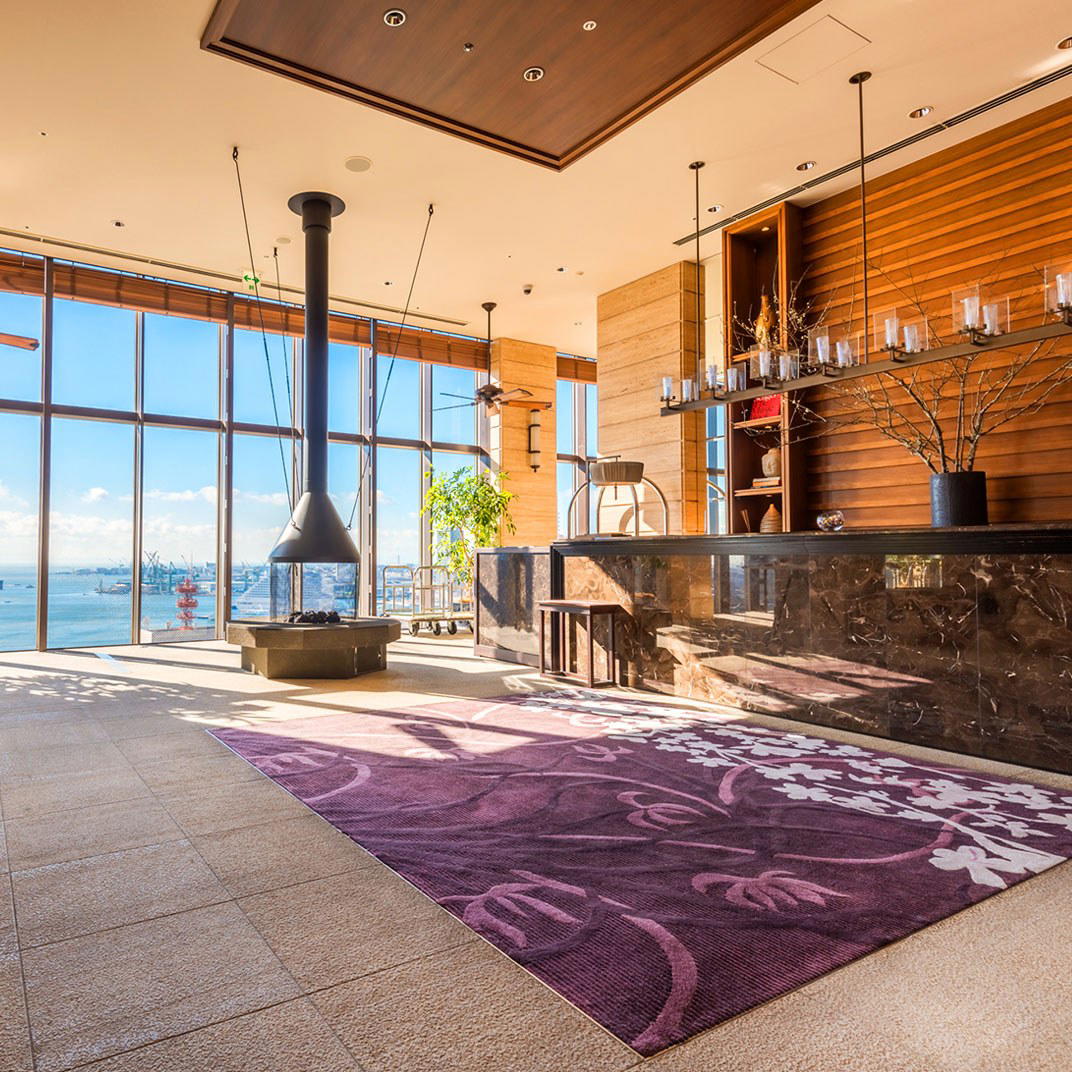
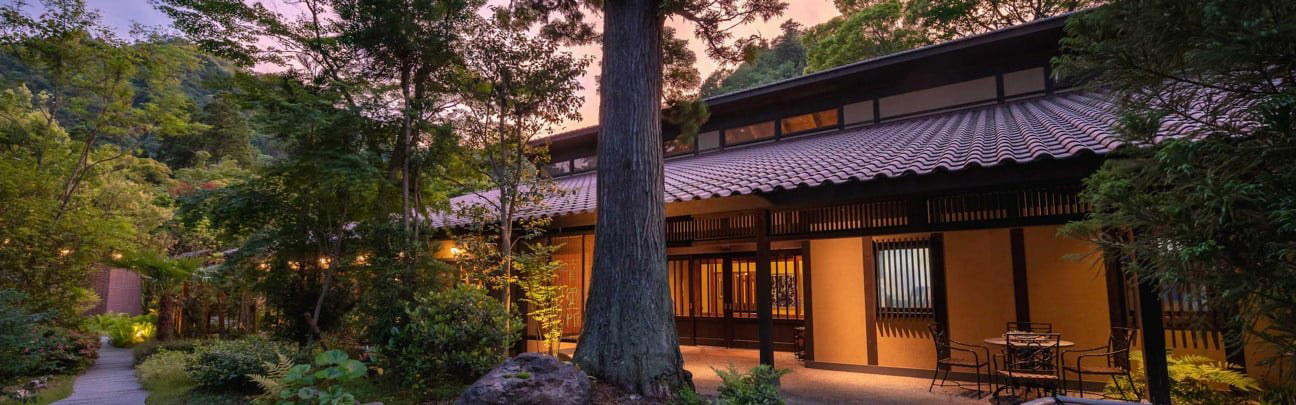
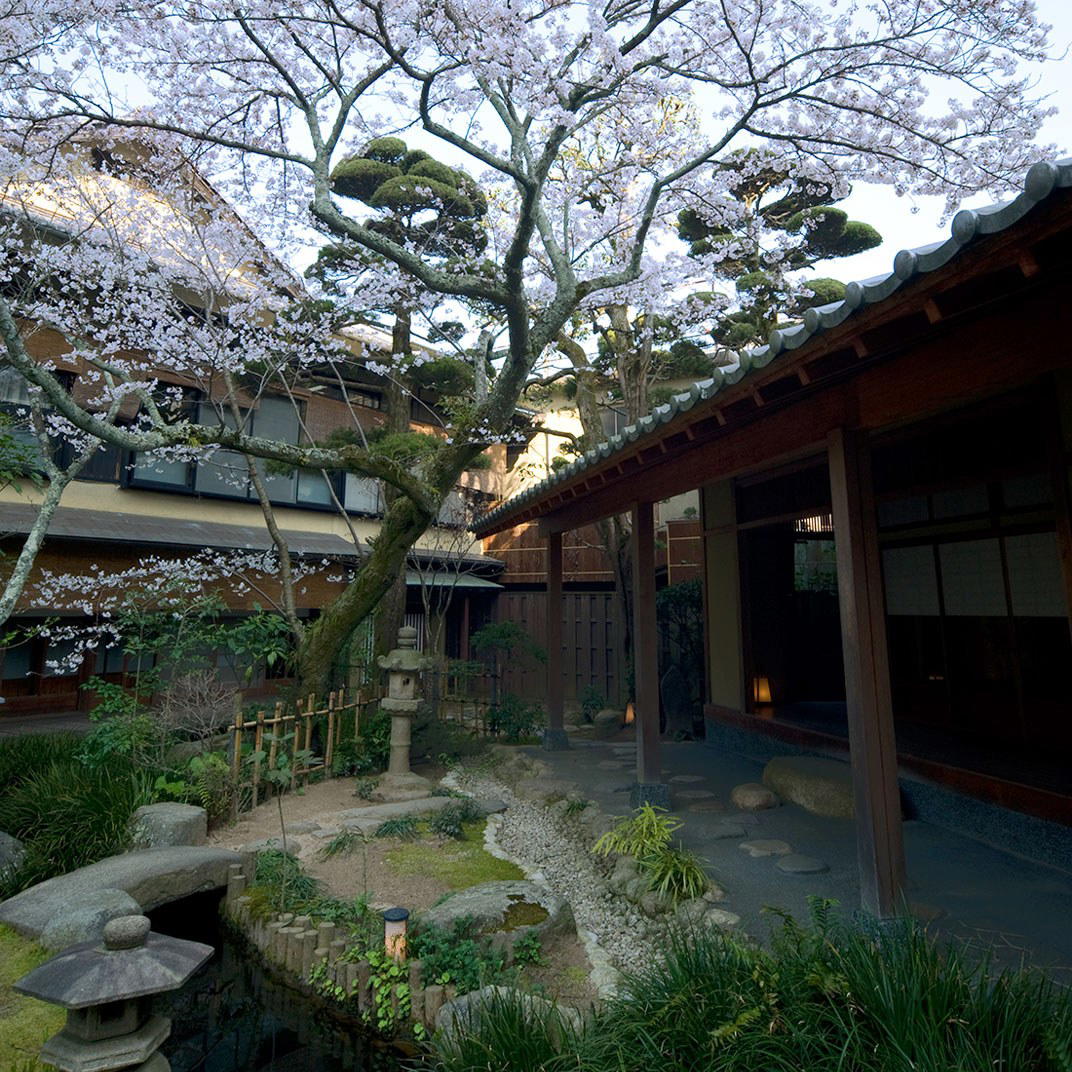
A classic Japanese yakiniku house in a residential area with a ryotei-like exterior, warm and subdued lighting, and large tatami rooms that feel relaxed yet lively when full of groups and banquet parties.